
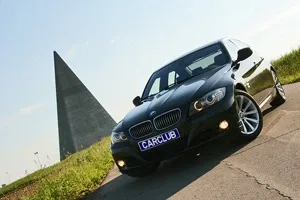
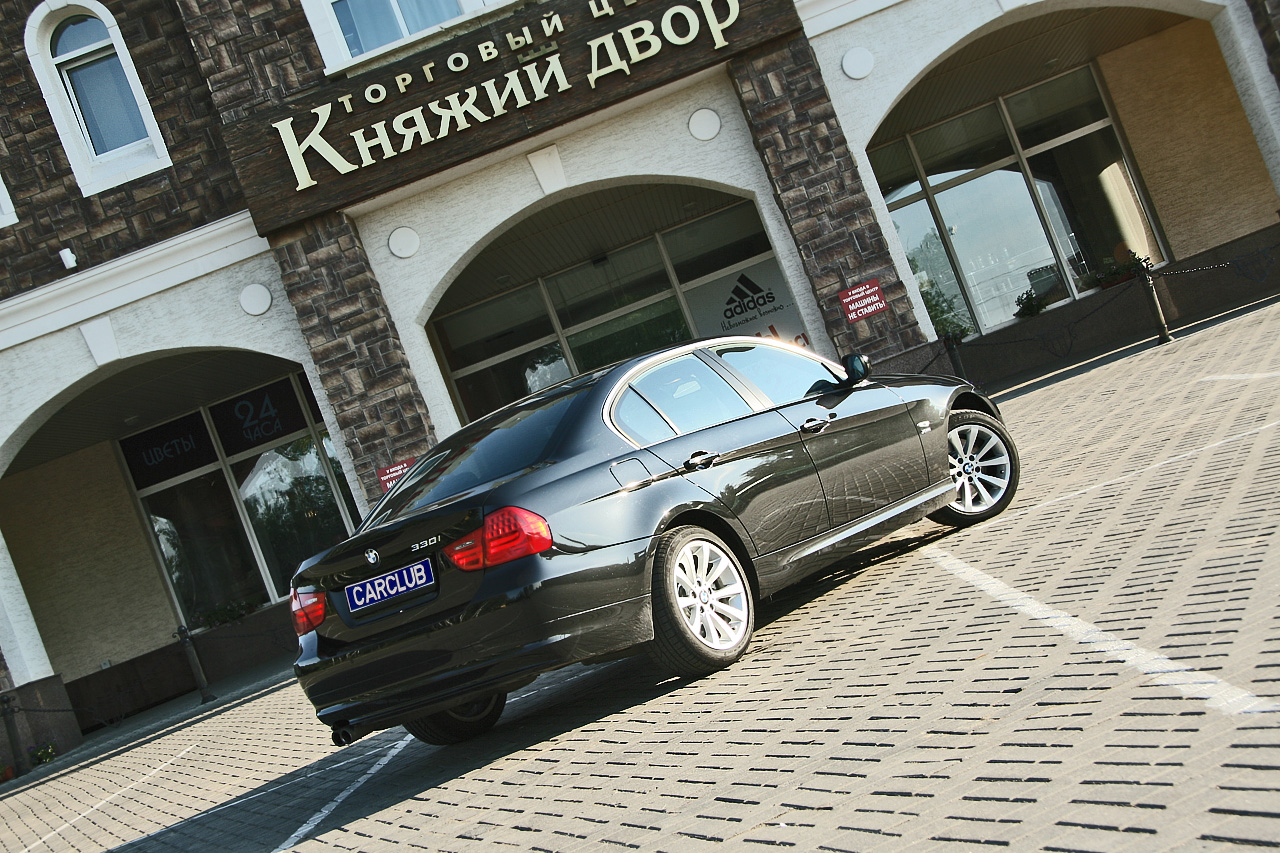
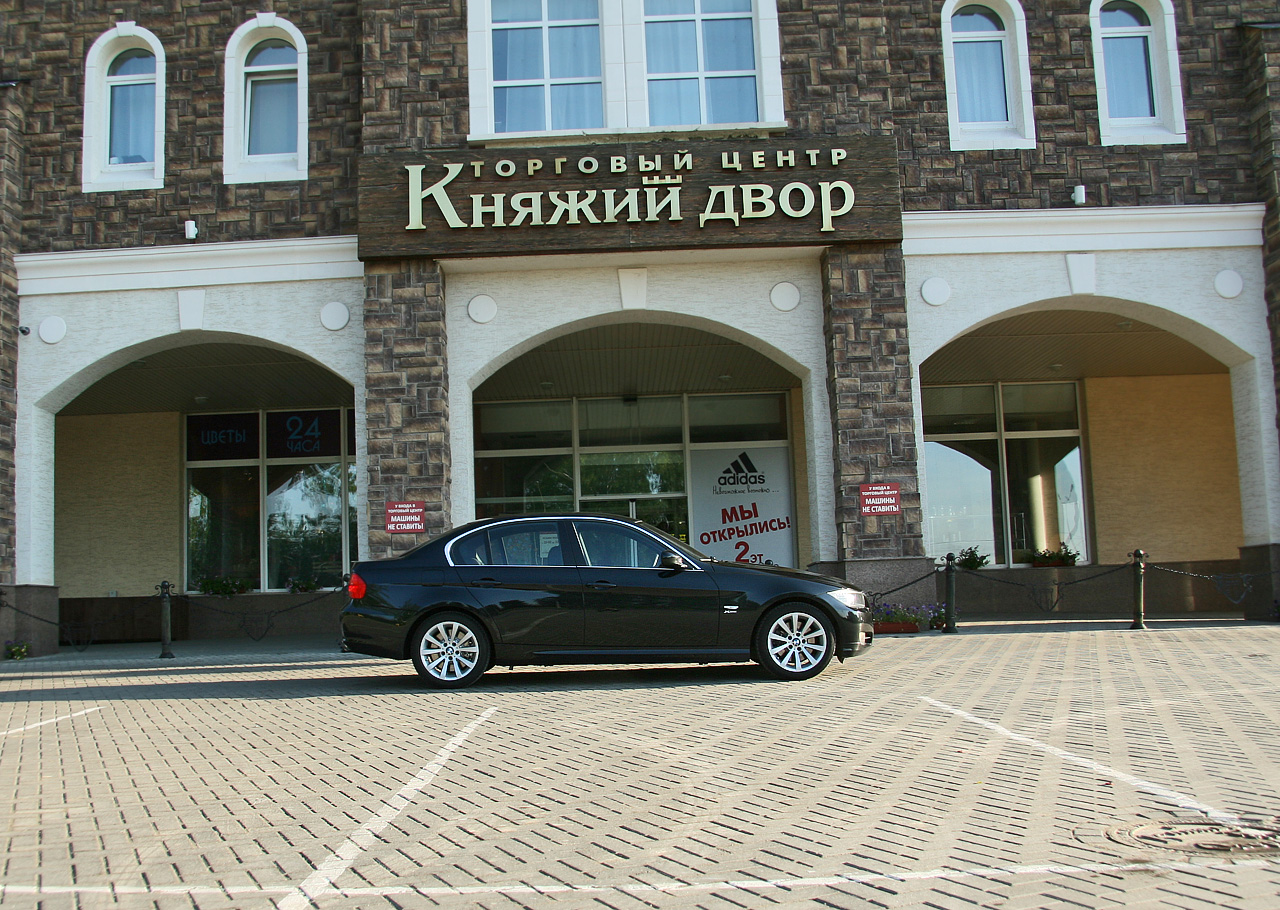
Our new test subject is an all-wheel-drive BMW 330i xDrive. On the outside, the serious character of this compact 4.5-meter sedan is only hinted at by the 330i badge on the trunk lid and a couple of xDrive inscriptions on the front fenders.
The BMW 3-Series with the E90 body, released in 2005, was destined to become the best-selling model of the Bavarian brand and continue the traditions of its predecessors E30, E36, and E46. By the time of the E90's debut, brand fans had already grown accustomed to the new BMW style promoted by Chris Bangle, who had surprised the public with the X3 crossover and the flagship 7-Series sedan.
Against the backdrop of other BMW new products, the "Three" looked more restrained: its design had no risky solutions, so it was received more warmly. Just a year after its debut, the BMW 3-Series accounted for 57% of all cars produced with the white-and-blue propeller on the hood.
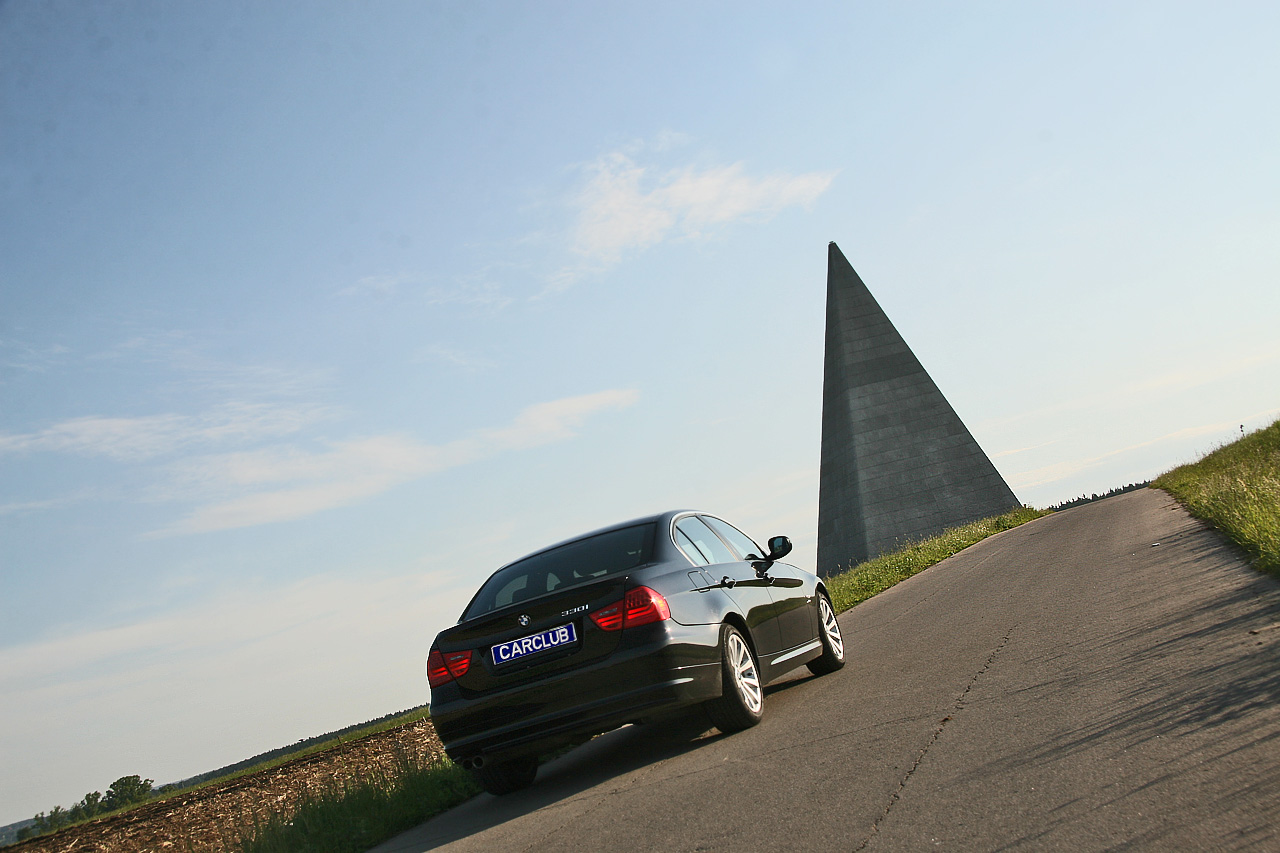 |
| The base price of the BMW 330i xDrive is 1,970,000 rubles, while the most affordable all-wheel-drive 218-horsepower 325Xi will cost 1,640,300 rubles. |
The BMW E90 is based on a platform extended by 100 mm from the BMW 1-Series. The front aluminum McPherson suspension was created from scratch, while the rear five-link setup was taken from the "kopeyka." The longitudinal engine was moved rearward, which helped achieve almost perfect weight distribution and reduce the moment of inertia.
In 2008, three years after its debut, the BMW 3-Series underwent a facelift: the headlights, front bumper, and rear lights were updated, with the latter becoming more concise. Inside, the door armrests were widened, and new decorative inserts were added to the center console. Engineers also reworked the inconvenient iDrive — the controller became more ergonomic, and quick-access buttons for the audio system, navigation, and phone appeared around it. The engines were also modernized, making them more powerful and economical.
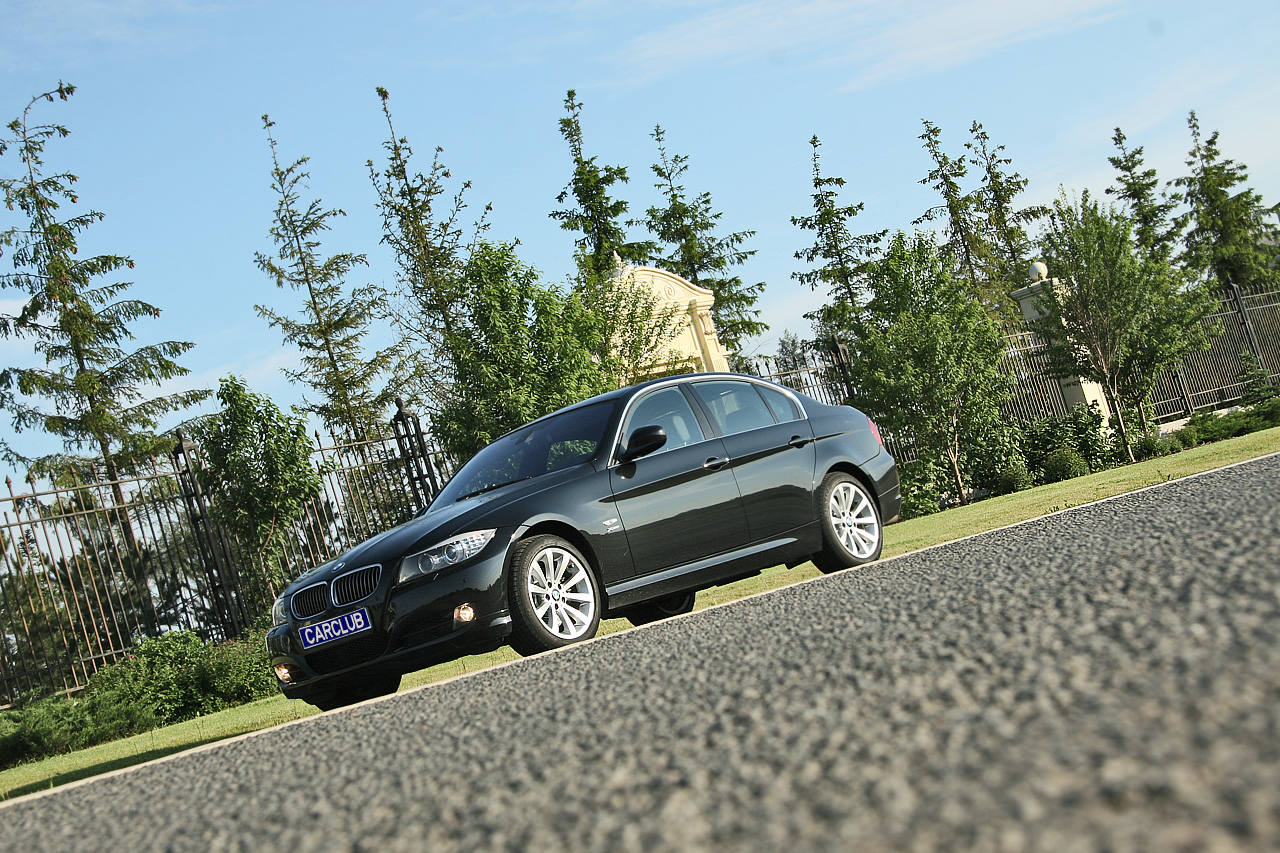 |
| As is customary in the global automotive industry, after three years of existence (in 2008), the BMW 3-Series underwent a facelift, resulting in updated headlights and front bumper. |
Inside, everything is strict and Bavarian-laconic: perfectly profiled leather seats, a restrained center console, and pleasant wood-like inserts. Nothing more. Simple? But functional.
A low, almost reclined seating position, a thick steering wheel, the familiar instrument panel with amber backlighting and excellent readability — everything is in its place. The only thing to nitpick is the non-latching steering column stalks for turn signals and wipers — you need to get used to them.
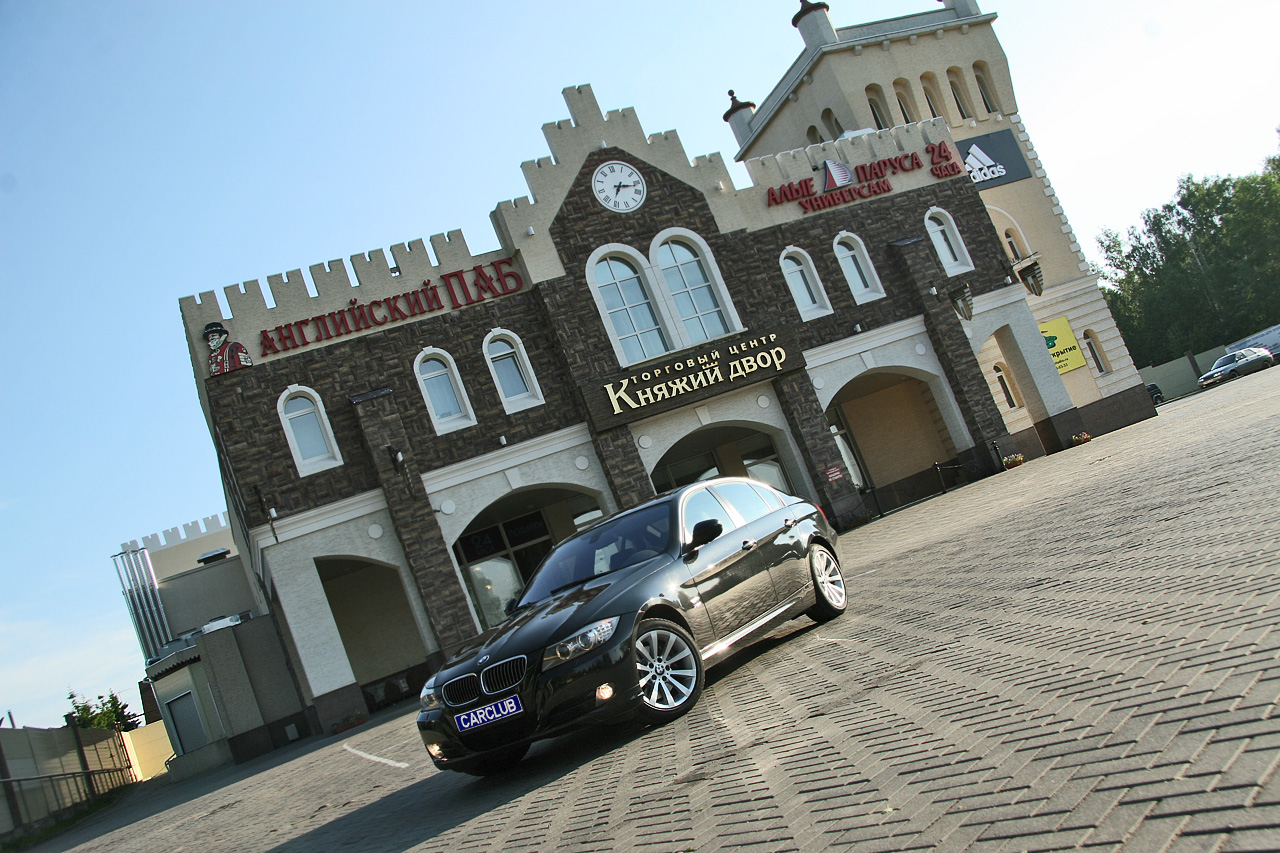 |
| The heart of the BMW 330i is a 3.0-liter naturally aspirated inline six-cylinder with direct fuel injection, producing 272 hp. Maximum torque of 320 Nm is available already at 2750-3000 rpm, allowing excellent pulling power from low revs. |
In the back, the "Three" is a bit cramped. If the driver is tall, passengers shouldn't count on comfort on a long journey. The trunk is decent — 460 liters. Extra space was gained thanks to Runflat tires: they have increased rolling resistance for better aerodynamics and can travel a significant distance when punctured, so no spare tire is needed in the trunk.
I was even glad the test car lacked the iDrive system. We took a powerful BMW to enjoy driving, and all electronic assistants, except safety systems, are secondary here.
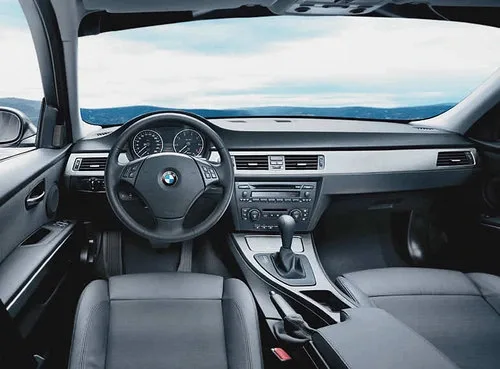 |
| Inside, true to the brand, everything is laconic but without frills: excellently profiled leather seats, traditionally strict center console design, and pleasant "wooden" inserts. That's basically it. Simple, you might say? But functionality is top-notch. |
Under the hood of the BMW 330i is a 3.0-liter naturally aspirated inline "six" with direct injection, producing 272 hp. Peak torque of 320 Nm is reached already at 2750-3000 rpm, so there's pull from the very bottom.
You turn the key, press the gas — and the small black sedan disappears into a cloud of dust, pressing occupants into their seats all the way up to maximum speeds. And there's also a turbocharged version of the same 3.0-liter engine with 306 hp. That's simply a hurricane!
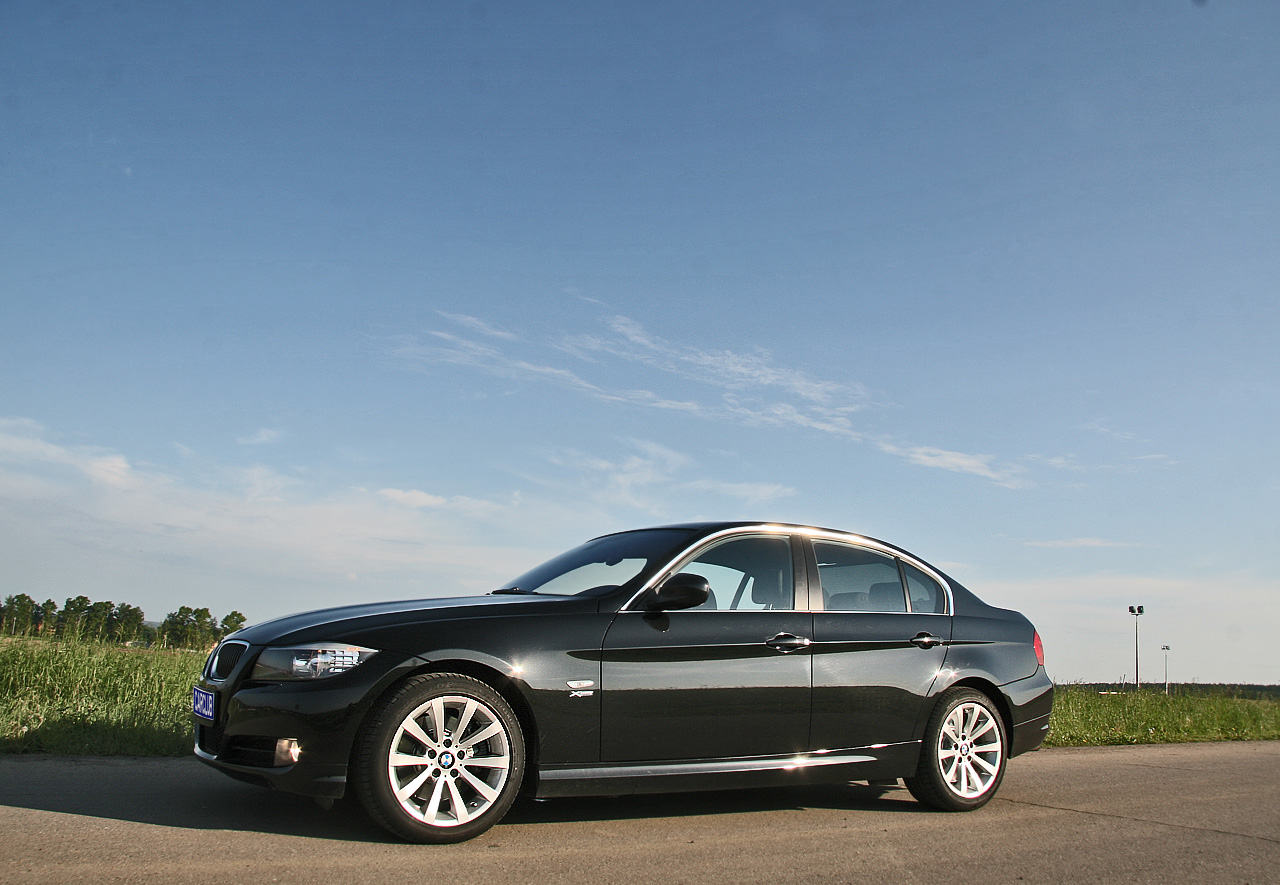 |
| When cornering, the BMW 3-Series filigree traces its trajectory, finding the golden mean between oversteer and understeer. Thanks to the all-wheel-drive xDrive system, which, according to the manufacturer, is designed to anticipate the situation rather than react to an already occurred axle drift. |
The six-speed automatic shifts with machine-gun speed, without the slightest delay. Such a BMW is a car without compromises; it's simply impossible to drive slowly. The stiff suspension seems to glue the "Three" to the asphalt. Minor irregularities are handled with moderate comfort. But on larger potholes, you can forget about comfort: passengers bounce like herrings in a barrel, and the steering wheel tries to tear out of your hands. Up to 120 km/h, ruts are annoying: the "Three" starts darting from side to side, demanding full concentration from the driver. As speed increases, the nervousness disappears — here the BMW 330i is in its element: the steering wheel fills with pleasant weight, the suspension doesn't allow even a hint of body roll. Bliss! It's just a pity that we have very few such roads.
 |
| The xDrive system performs stepless and variable redistribution of torque between the front and rear wheels. Using information from the wheel sensors of the DSC stabilization system, xDrive recognizes the situation and immediately directs optimal torque to the corresponding axle. |
In corners, the BMW 3-Series filigree traces its trajectory, maintaining a balance between oversteer and understeer. For this, we should thank the all-wheel-drive xDrive, which, according to the manufacturer, should anticipate the situation rather than react to an already begun axle drift.
 |
| On bumps, it's not about comfort – passengers jump like herrings in a barrel, and the steering wheel tries to tear out of your hands. At speeds up to 120 km/h, ruts are also annoying: the "Three" starts darting from side to side, demanding utmost concentration from the driver. |
The xDrive system smoothly and continuously redistributes torque between the axles. Based on data from the DSC stabilization system sensors — rotation around the vertical axis and steering wheel angle — it recognizes the situation and instantly directs optimal torque to the needed axle, minimizing understeer or oversteer.
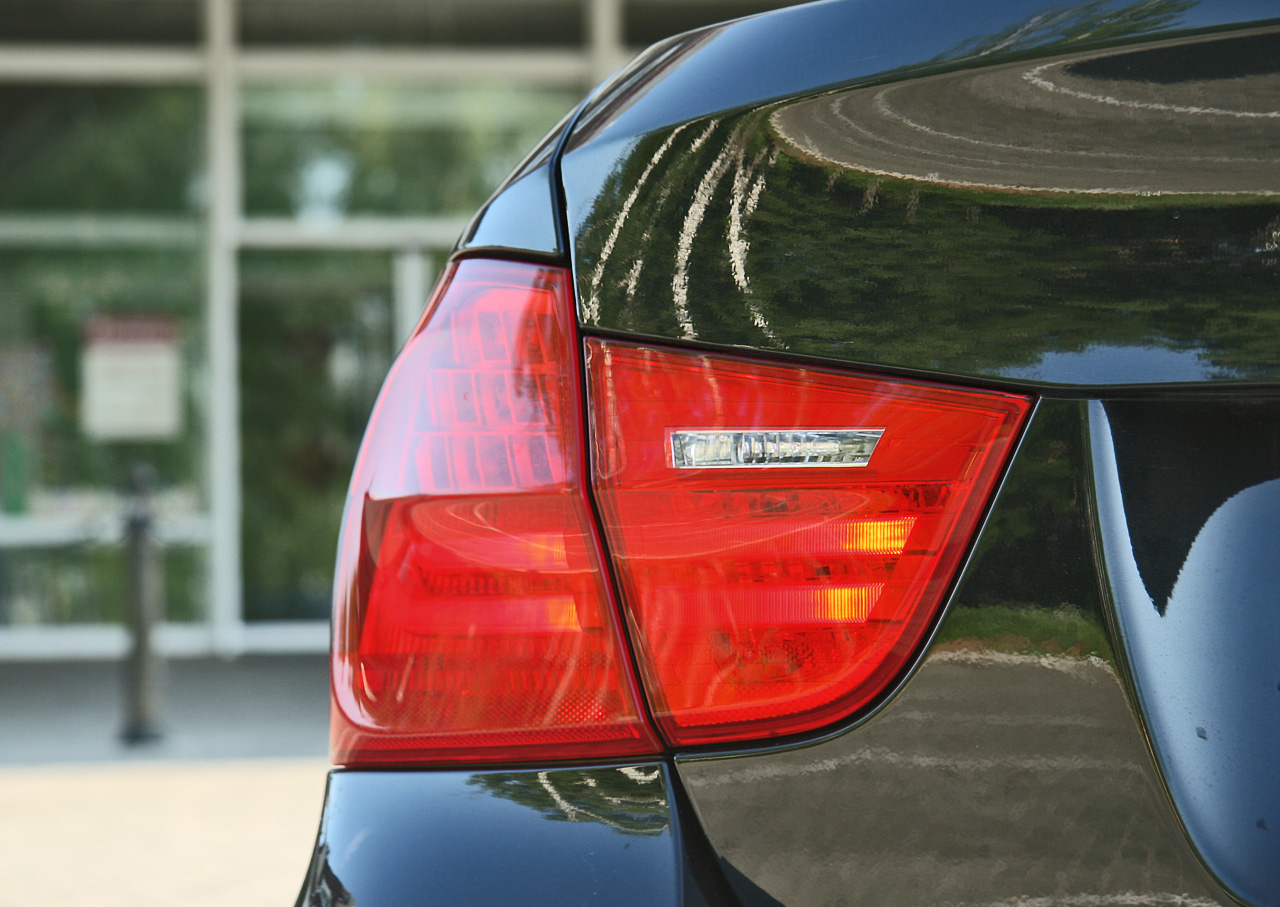 |
| After the facelift in 2008, the rear lights were updated - the most controversial design element of the "Three." As a result, the car noticeably freshened up, becoming more modern and brighter. |
When the car drives straight without maneuvers, the all-wheel drive usually splits torque between the axles as 40 to 60 in favor of the rear, making the "Three" behave like a classic rear-wheel-drive BMW. But if the xDrive electronics senses that traction is about to be lost, it instantly redistributes torque so that each wheel gets exactly as much force as needed for confident contact with the asphalt.
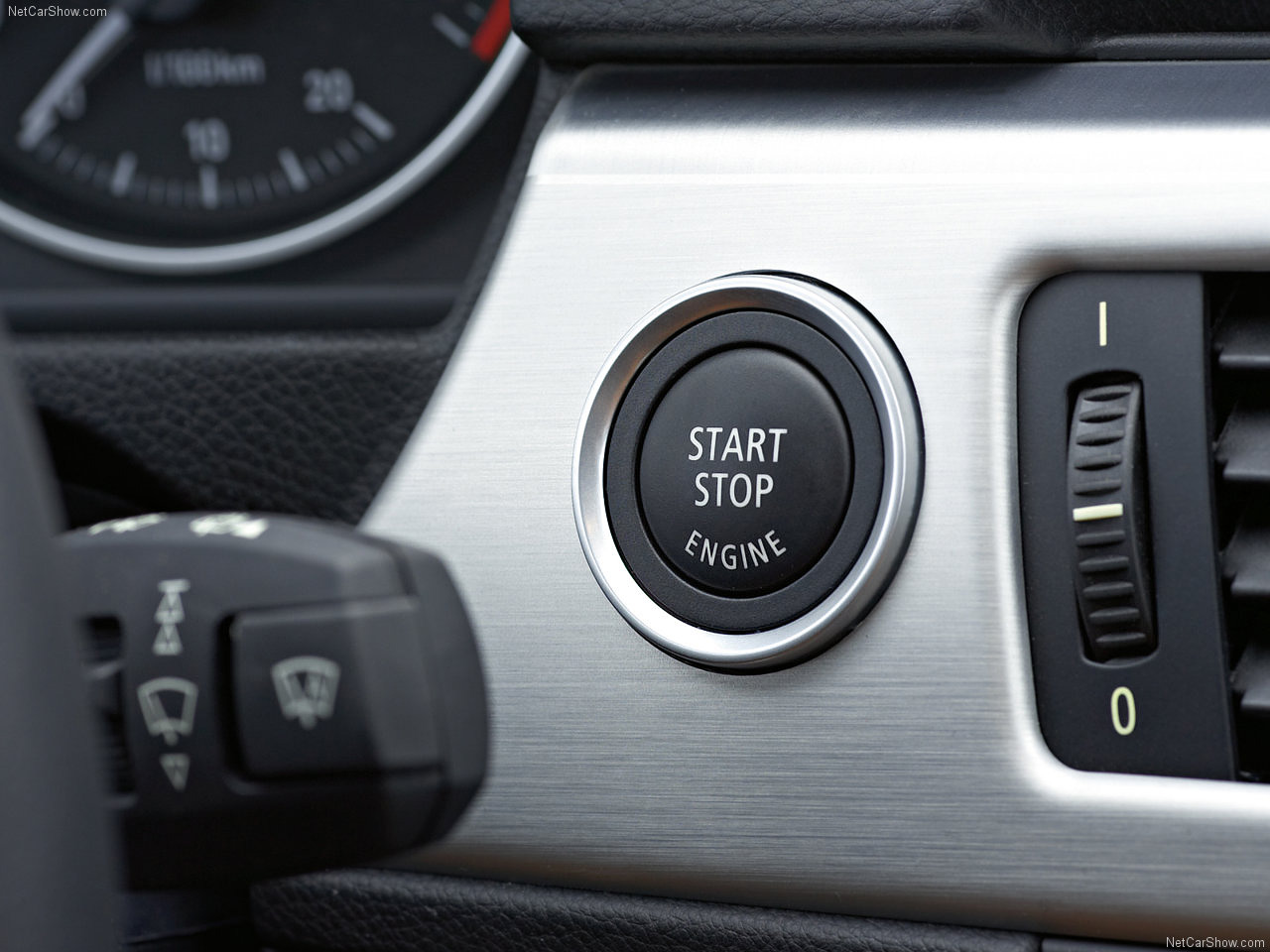 |
| The engine is started by pressing a button, which has become traditional for Bavarian models. |
The only disappointment is that xDrive is combined exclusively with powerful engines, which noticeably hit the wallet compared to four-cylinder versions. Thus, the minimum price of the BMW 330i xDrive is 1,970,000 rubles, and for the most affordable all-wheel-drive modification 325Xi with 218 hp, you'll have to shell out 1,640,300 rubles. It's certainly not cheap. But, in my opinion, the precise handling, modern engine, and one of the best all-wheel-drive systems on the market fully justify such a price.
Ruslan Galimov
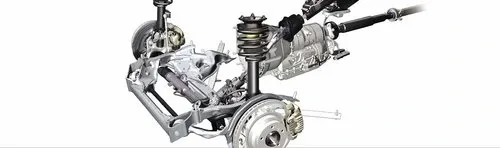 |
| The BMW E90 is based on the BMW 1-Series platform, extended by 100 mm. The aluminum front McPherson suspension was developed from scratch, and the rear five-link suspension was borrowed from the "kopeyka". Thanks to the longitudinally mounted engine shifted rearward, an almost perfect weight distribution was achieved and the moment of inertia was reduced. |
 |
| The BMW 330i is equipped with a 3.0-liter six-cylinder engine with a magnesium-aluminum cylinder block producing 272 hp and a throttle-free load control system VALVETRONIC. The engine develops 272 hp and a maximum torque of 320 Nm. Acceleration to 100 km/h for the car with automatic transmission takes 6.4 seconds (with manual transmission 6.2 seconds). The maximum speed is electronically limited to 250 km/h. |