
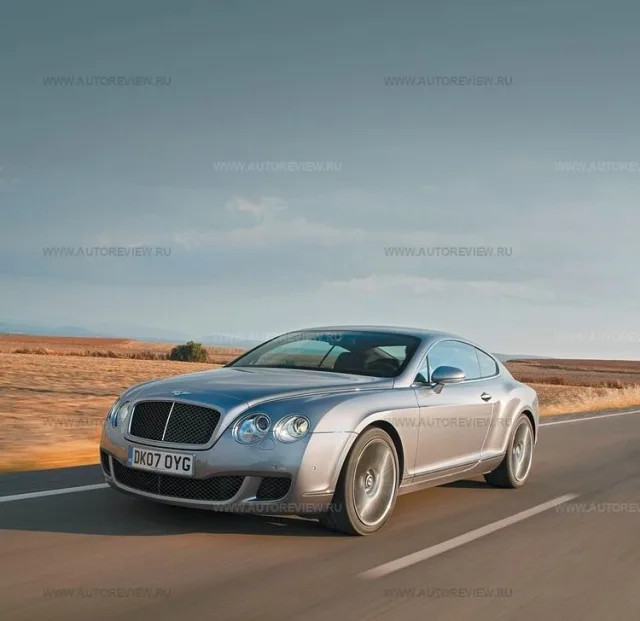
We flew to the south of Spain on three planes, and deep down there was a hope that we would get to drive on the race track in Jerez. No such luck — we only got regular roads. In a fit of desperation, I decided to act without asking: I rushed to the gates of the Formula track, hoping to negotiate on the spot and pay for at least a couple of laps. But everything was locked — siesta! I had to crawl behind trucks at 80 km/h. And that's torture, because the car in question only starts to show its character past the 200 km/h mark. When the road finally cleared…
Before me was the Bentley Continental GT Speed — the fastest car in the brand's history.
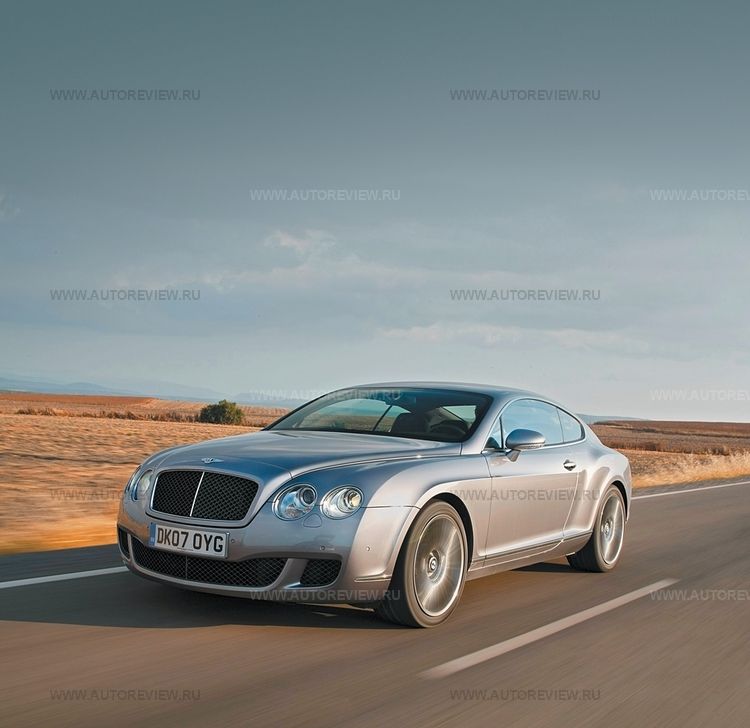
Ten seconds pass — the speedometer needle is already at 160 km/h. Another half a minute — and we're going at 300 km/h, but even a three-meter lane is not enough for the gentlest curves of the road. If there's a small bump — the car almost takes off. And it's scary not only because of the speed: the steering wheel feels too light, although with increasing pace, the performance of the power steering pump does decrease.
 |
 |
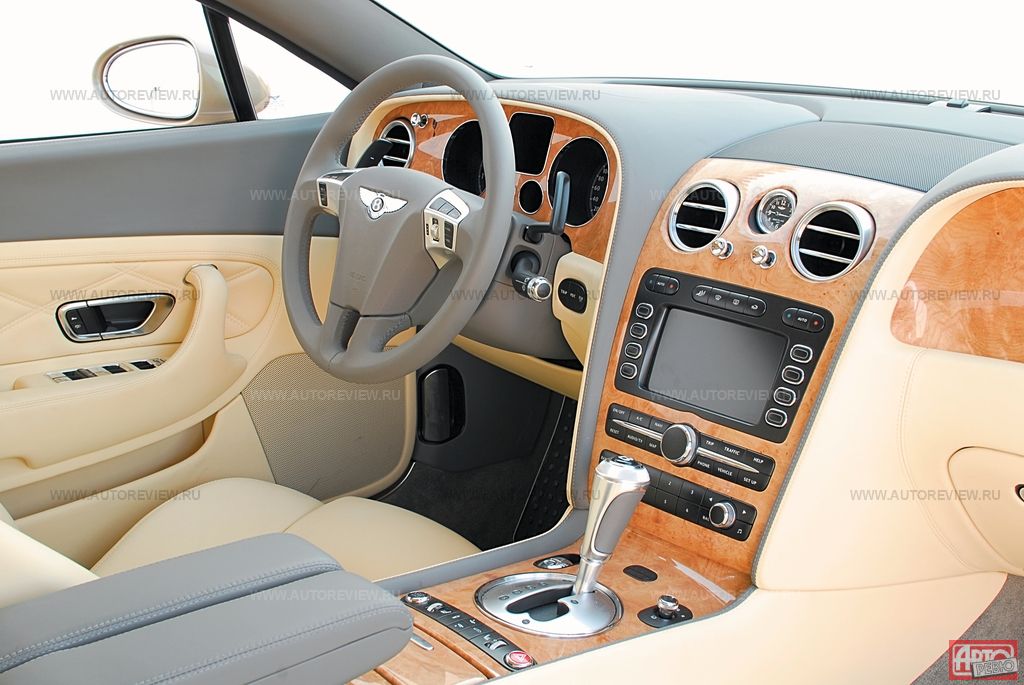 |
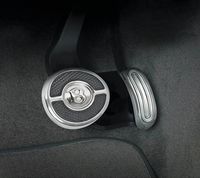
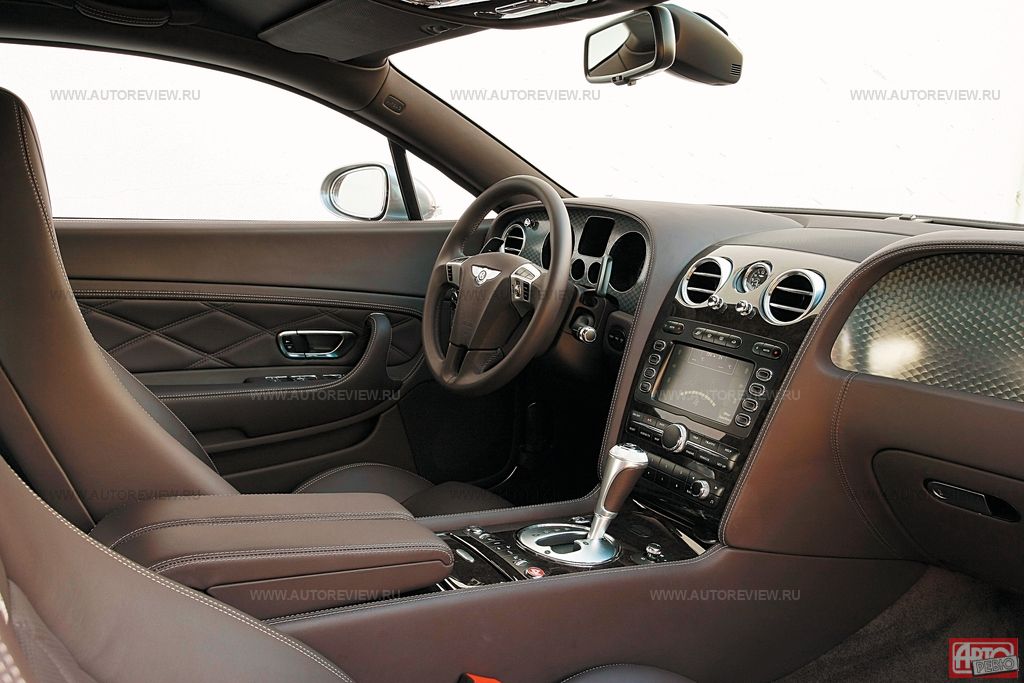
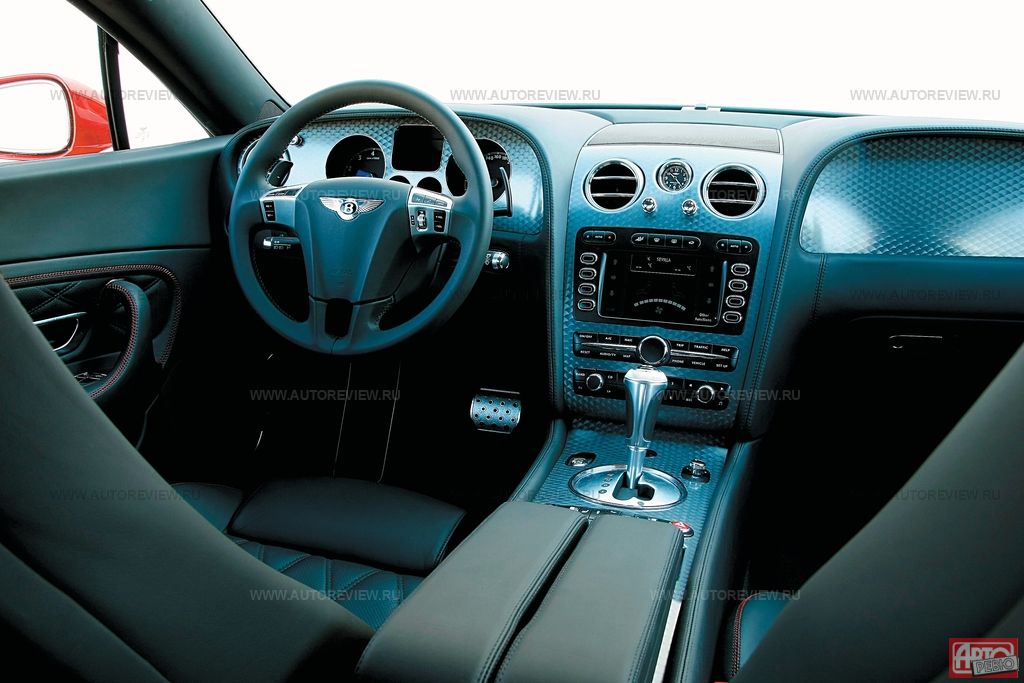
| Aluminum pedals of this type are now fitted to the regular Continental GT as standard. For an extra charge, you can order perforated "sport" ones — like on the GT Speed | The interior is like that of the standard Continental GT coupe. The main differences are the three-spoke steering wheel, emphasizing the Speed's kinship with sports-oriented cars, and the aluminum gear lever. Every little detail, every button speaks of the car being made with soul. Even the stitching on the leather seats is done to feel the "handmade" approach | |
 |
 |
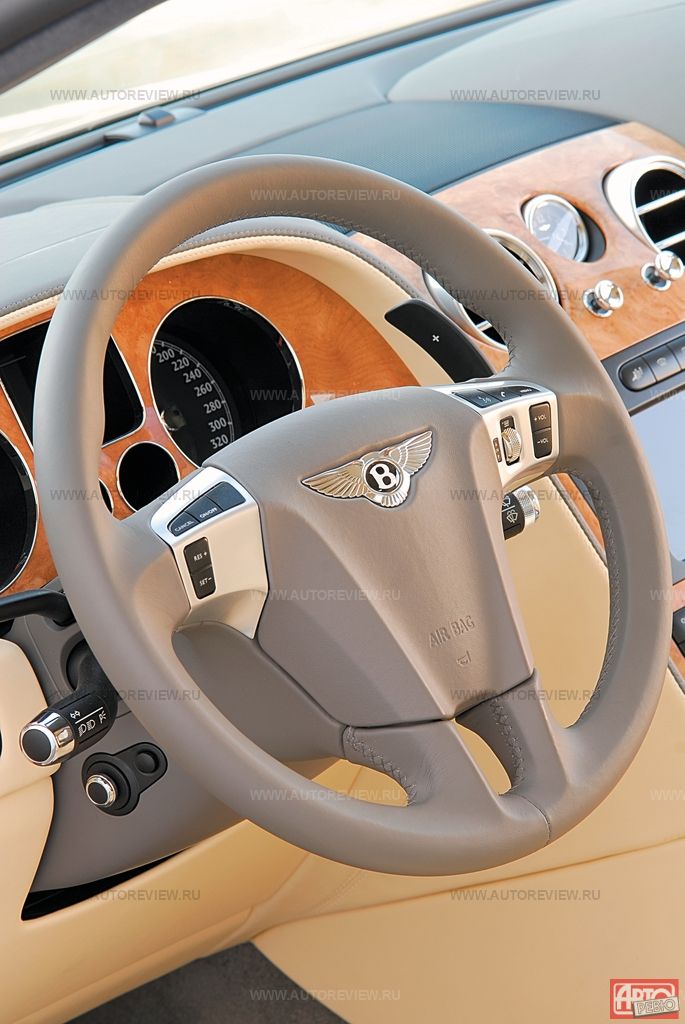 |
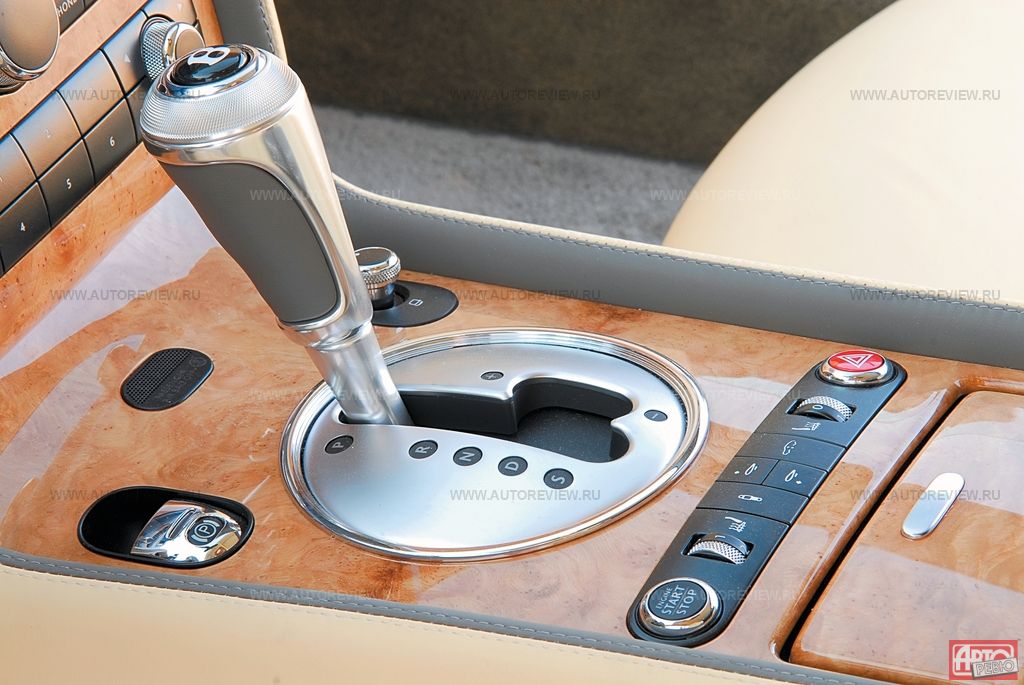
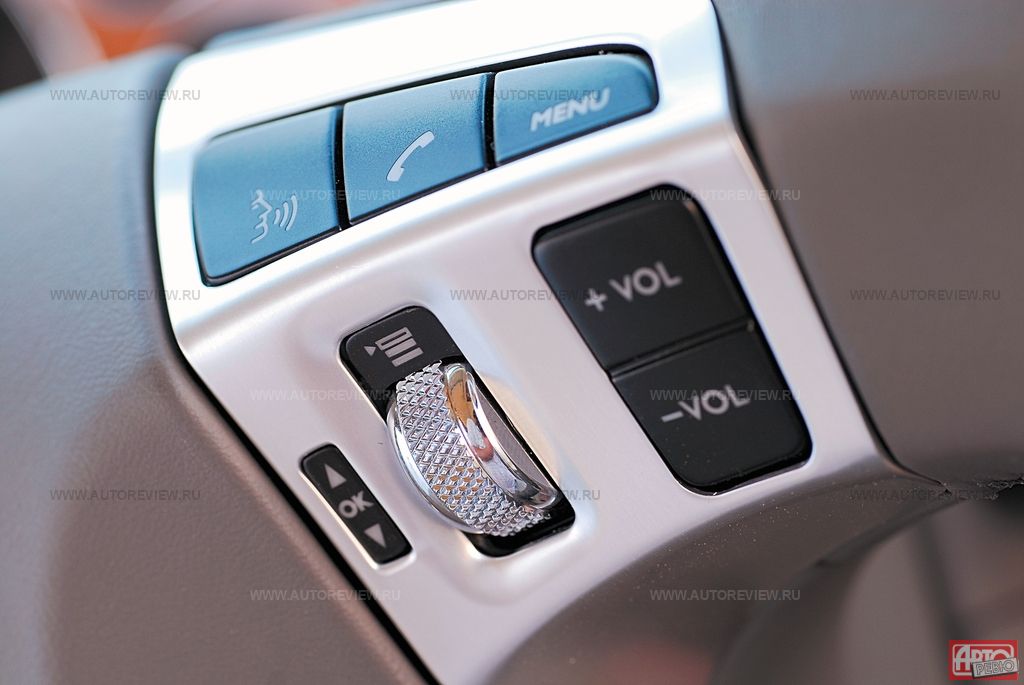
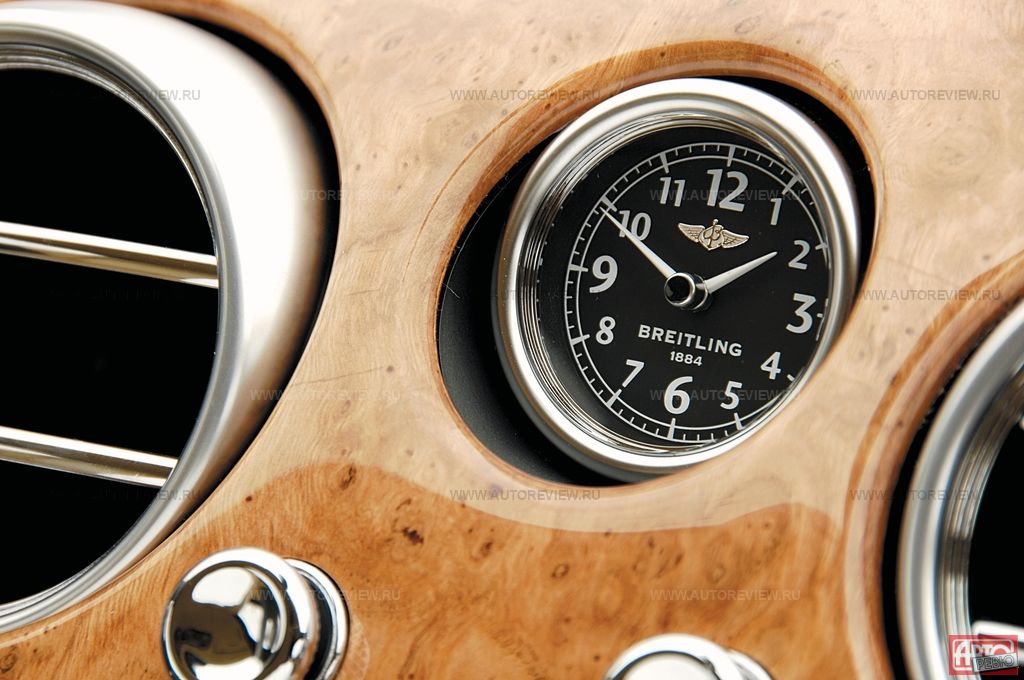
| Next to the automatic gear lever, there is room for the engine start button (I, out of habit, used the key — the ignition lock is to the left of the steering wheel), air suspension stiffness adjustment, and electronic parking brake buttons | Cruise control and audio system buttons on the steering wheel with a menu scroll wheel — a very convenient solution | Three-spoke steering wheel with a diameter of 373 mm (the GT with a four-spoke one has 390 mm) |
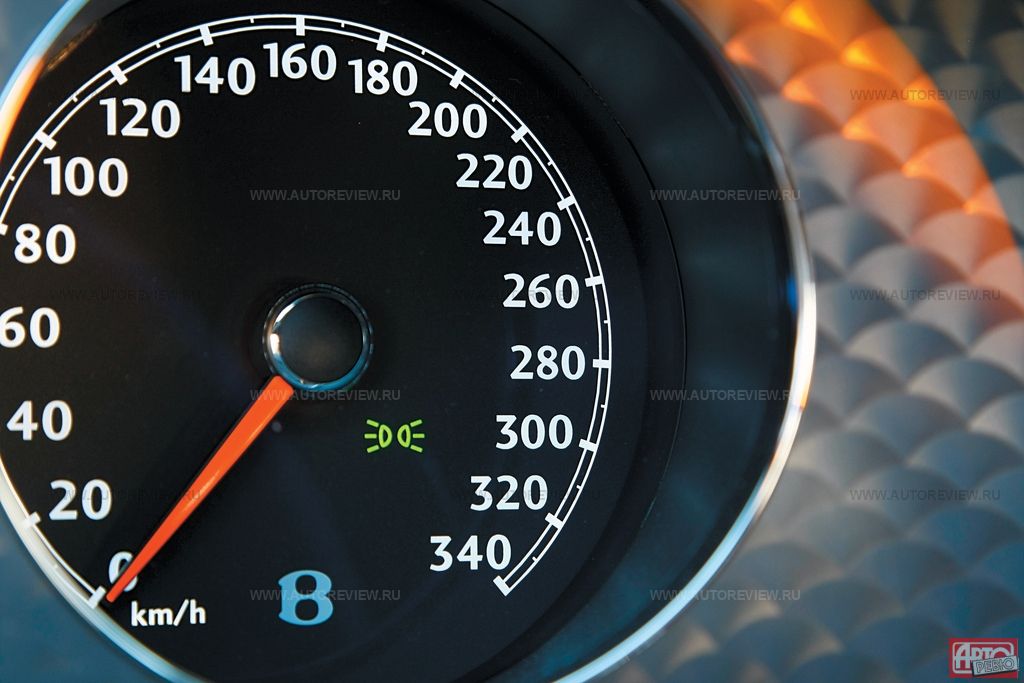
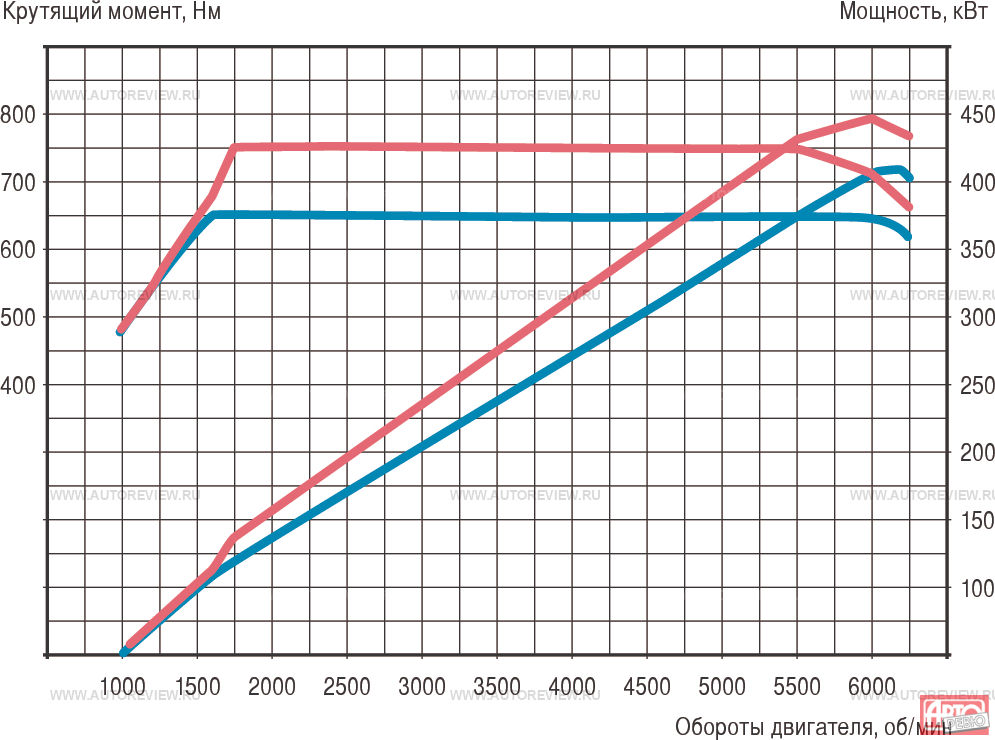
From the exhaust comes a low, deep sound — like the old Bentley in "British racing" color with inline sixes, on which Prince Michael of Kent and avid British car enthusiasts have come to Russia more than once. But under the hood here is the super-compact Volkswagen W12 with two Borg-Warner turbochargers, which has been further refined for the Speed version. New pistons and lightweight connecting rods have appeared. Instead of the previous two-row timing chain, there is a single-row one, lighter and quieter. To reduce "pumping" losses at extreme speeds, the ventilation holes in the inner walls of the crankcase have been enlarged for better air circulation. Boost pressure has increased from 0.6 to 0.7 bar. It could have been raised higher, but then the smooth torque curve — a hallmark of all Bentleys — would have suffered. The result: 610 hp at 6000 rpm versus 560 hp for the GT, and 750 Nm instead of 650 Nm. The speedometer, marked up to 340 km/h, is almost accurate: the claimed 326 km/h!
 |
|
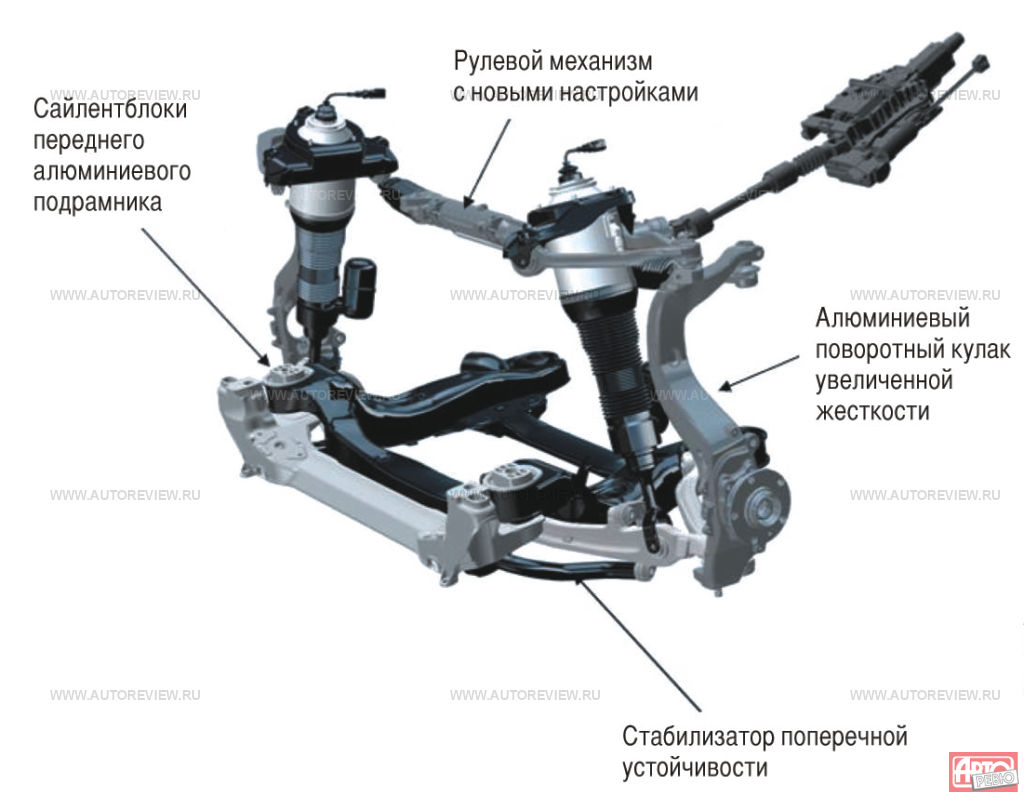
| The chassis as a whole was left untouched. But the front suspension with double wishbones was slightly refined: new silent blocks for the front subframe mounting, a softer anti-roll bar, and the power steering was recalibrated. Unfortunately, the main goal was not achieved: the perfect "feel of the car" is still missing | The air springs were also refined — they became slightly stiffer. Ground clearance was reduced by 10 mm at the front and 15 mm at the rear |
 |
|
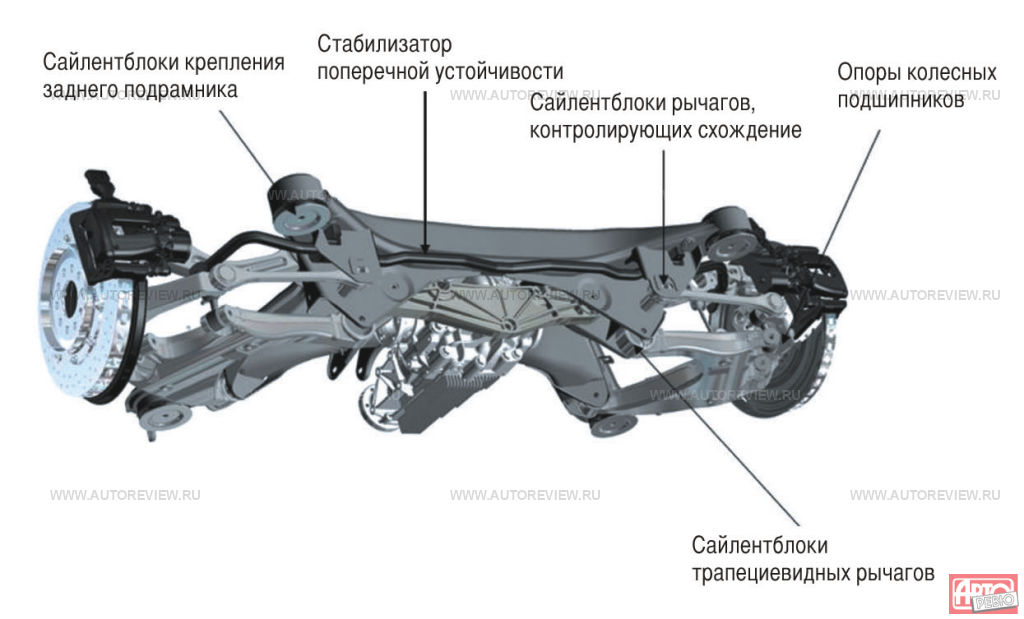
| Rear suspension: stiffer anti-roll bar, different operation of the subframe mounting cushions and silent blocks. Plus — new reinforced rear wheel bearings | At high speed, the rear spoiler automatically extends to combat lift. It can also be raised manually |
Of course, the Continental GT Speed is not a world record holder. There are the Pagani Zonda (340 km/h) and Koenigsegg CC (395 km/h) — they have a much better power-to-weight ratio. But have you seen how those one-off supercars are put together? On a shoestring! But a Bentley is a thing. Conveyor-handmade work, quality reproduced in every example. And in everything: from the quilted leather seats to the ceramic brakes. And that also means — imagine! — the GT Speed can be used every day. Even in winter! It definitely won't fall apart. And it won't shake your liver: the air suspension provides very decent ride comfort. The not-too-quick six-speed automatic ZF 6HP26 is tuned in the same spirit — even in sport mode, it's in no hurry. Plus a spacious four-seat cabin and a roomy trunk. And 285 thousand euros for a supercar is quite reasonable.
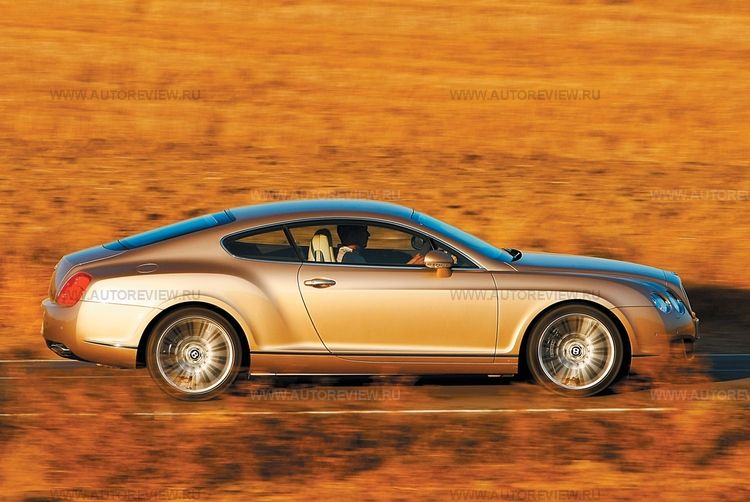
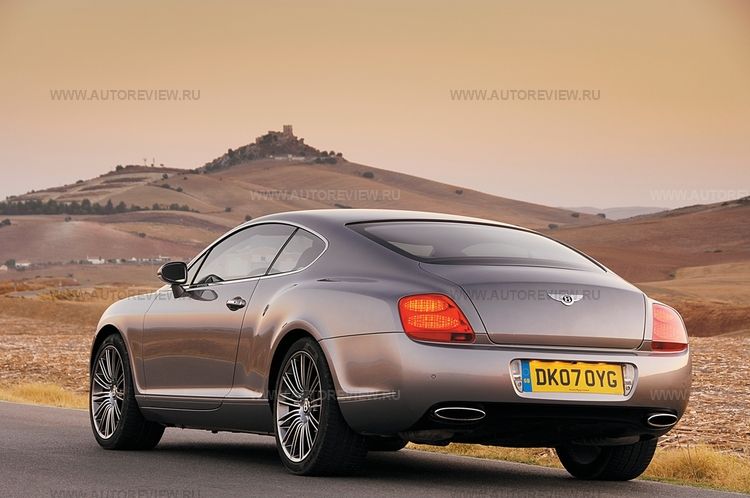
From the rear, you can distinguish the Continental GT Speed from the regular Continental GT only by the ribbed exhaust tips
Now let's go back. The regular Bentley GT Continental accelerates the scarlet needle of the same speedometer to 100 km/h in 4.8 seconds, and the top speed is 318 km/h. The difference with the GT Speed is small! And in relation to our roads — utterly negligible. And if you put worse fuel in the GT Speed… So was it even worth bothering with upgrading the engine, suspension, and steering?
 |
 |
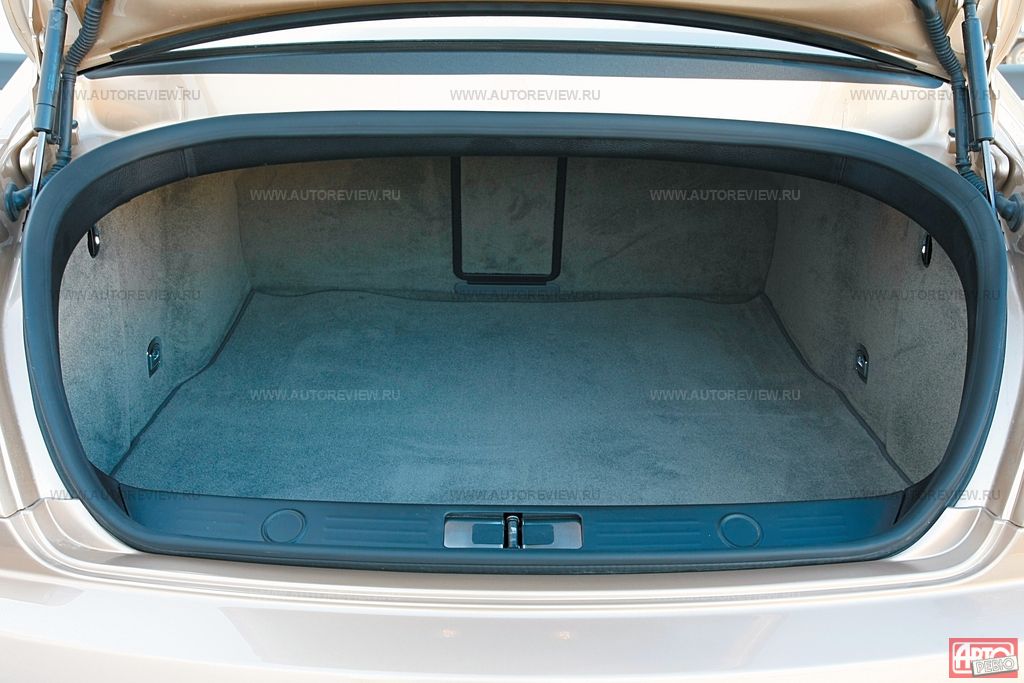 |
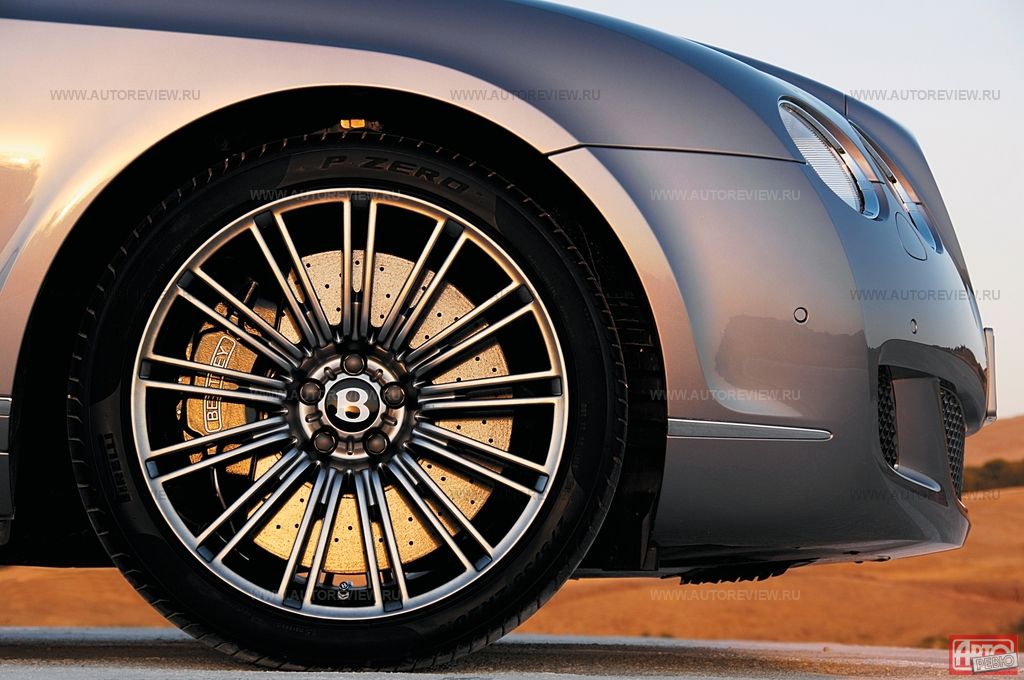
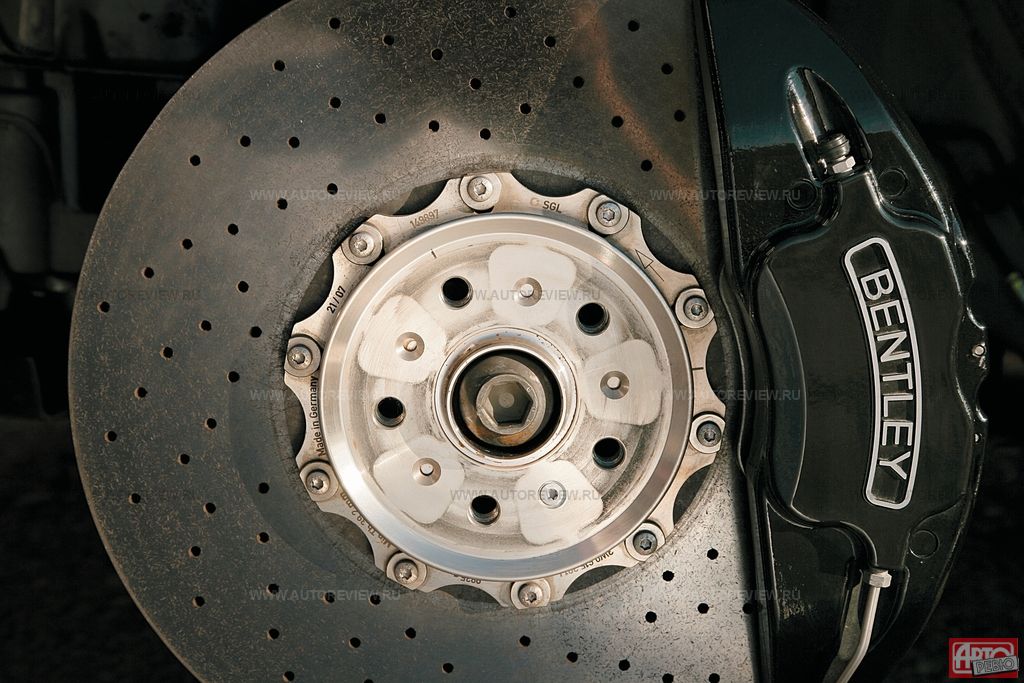
| Thanks to the extensive use of composite materials in the cooling system and aluminum in the suspension, 35 kg of "fat" was shed. But the curb weight is still enormous: 2350 kg! Optional ceramic brakes with ventilated perforated discs — 420 mm at the front and 356 mm at the rear — also allow weight reduction (5 kg per wheel) | The trunk is 370 liters. The British like to emphasize that it can easily fit two golf bags — as if hockey gear or a folded stroller were contraindicated there | |
Without a doubt. After all, the Continental GT is no longer a newcomer: it's five years old. And light factory tuning is a good way to maintain interest in the model. The phrase "I have the fastest Bentley" is worth a lot in certain circles. Moreover, you can order aluminum dashboard trim, custom body paint, and much more: the factory atelier Mulliner (what remains of the famous coachbuilding firm) will fulfill any whim. But it's better to consult with knowledgeable people. The craftsmen there are ready to spend hours explaining why, for example, dark fumed oak perfectly matches green Cumberland leather… But honestly, in my opinion, dark oak is good, and light oak is no worse.
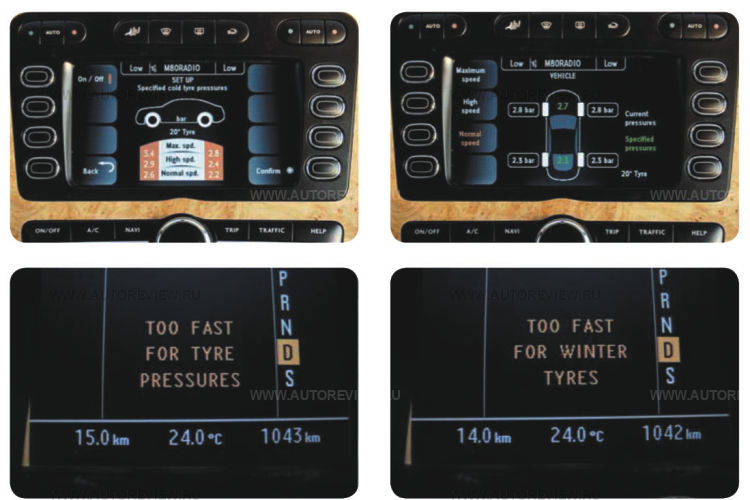
The engineers are proud of their tire pressure monitoring system — the most advanced, in their words. The smart electronics not only monitor pressure in all wheels but also warn the driver about exceeding the permissible speed for the given tire type and set pressure
Optional carbon-ceramic brakes are a whole different level! Perhaps no production car with four seats can boast such powerful brakes: discs with a diameter of 420 mm are installed at the front, and 356 mm at the rear. If the acceleration of the GT Speed feels sedate and smooth, then deceleration is pure supercar-like, from any speed. In the UK, such an option will cost about 10 thousand pounds (about 20 thousand dollars). The disc life is designed for the entire service life of the car, and the pads wear out twice as slowly as regular ones. As a bonus, unsprung masses become 20 kg lighter.
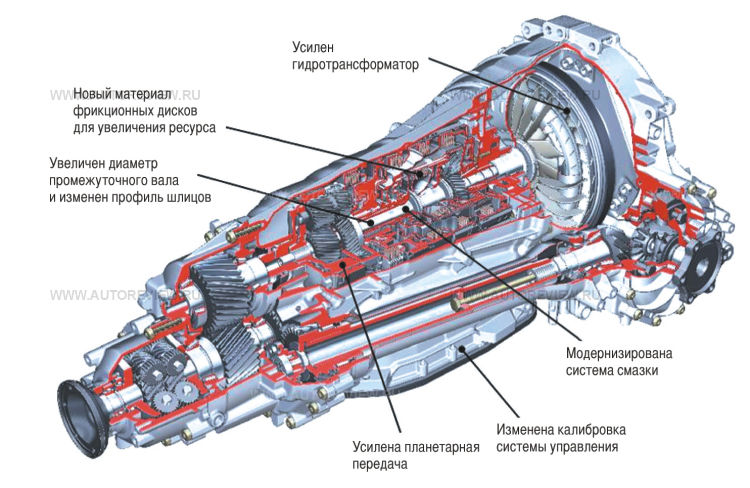
The six-speed ZF 6HP26 automatic was originally designed specifically for Bentley, and only later was it installed on Audi, Maserati, and BMW. To ensure the gearbox could handle the torque increased to 750 Nm, the most heavily loaded components had to be reinforced. Additionally, the electronics were recalibrated, but the automatic never fully acquired a sporty character: even in Sport mode, it does not rush to shift gears quickly and crisply. Bentley engineers explain this as a deliberate decision: "We could have made the gearbox more responsive, the steering heavier, and the engine more aggressive. But it was important to preserve the spirit of the brand. This is not a Lamborghini. This is Bentley." The upgraded gearbox is designated by the index 6HP26-A61. The all-wheel drive remains unchanged (under normal conditions, torque is split equally between the axles).
The approach is correct: it is important not only to increase power but also to shed excess weight. If the next generation of the Bentley Continental GT becomes more compact and lighter, it can be confidently taken to the racetrack. It must be! Because I simply could not experience this again on regular roads.
 |  | 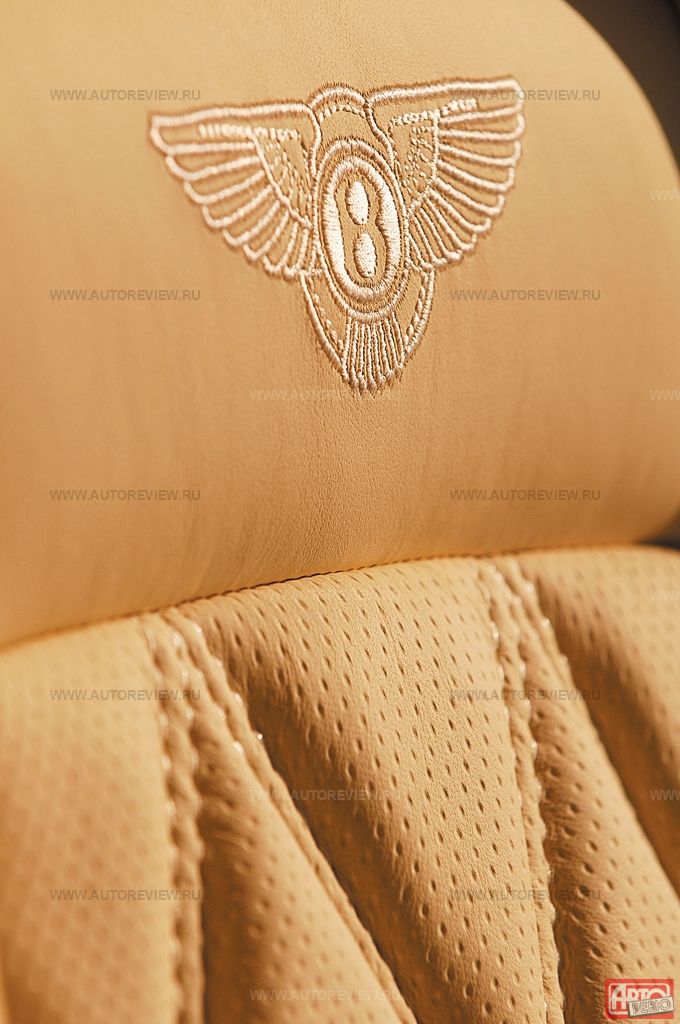 |
 | 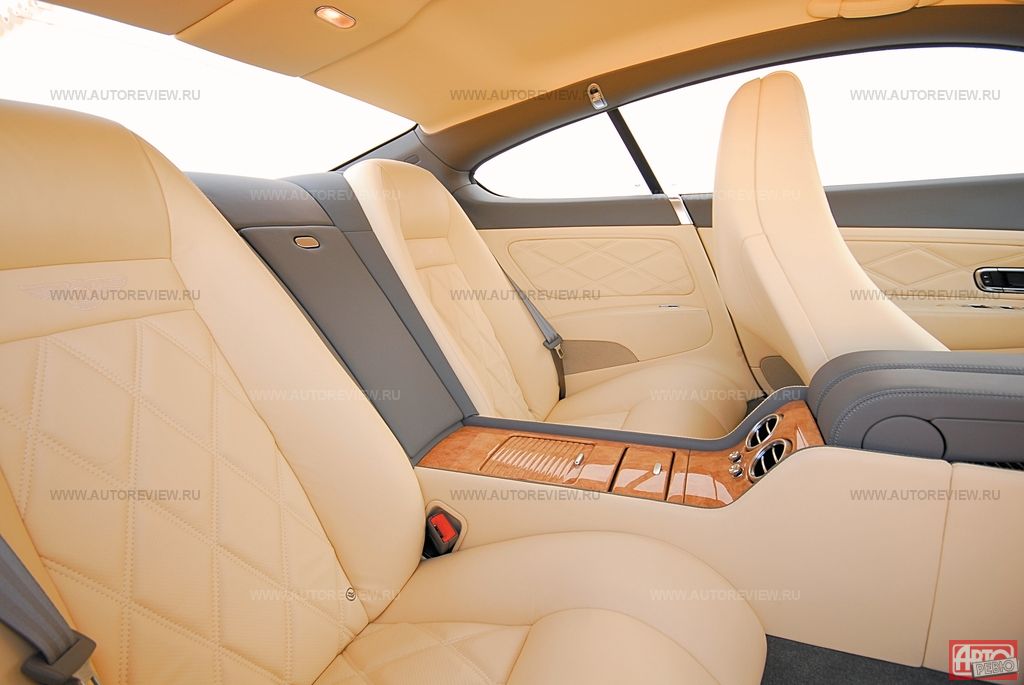 | The GT Speed is equally good with both light and dark interiors. Almost all options are also available to owners of the regular Continental GT coupe: diamond-quilted leather stitching, the embroidered brand logo on the seats, perforated aluminum pedals, sheepskin floor mats matching the floor color… |
| Specifications | |
| Parameters | Vehicle |
| Bentley Continental GT Speed | |
| Dimensions, mm | |
| Length | 4804 |
| Width | 1920 |
| Height | 1380 |
| Wheelbase | 2745 |
| Track front/rear | 1623/1607 |
| Engine | petrol, with multipoint fuel injection and turbocharging |
| Location | front, longitudinal |
| Number and arrangement of cylinders | W12 |
| Displacement, cm³ | 5998 |
| Cylinder bore/piston stroke, mm | 84.0/90.2 |
| Compression ratio | 9.0:1 |
| Number of valves | 48 |
| Max. power, hp/rpm | 610/6000 |
| Max. torque, Nm/rpm | 750/1750 |
| Drive | permanent all-wheel, with self-locking Torsen differential |
| Transmission | automatic, 6-speed (ZF 6HP26) |
| Gear ratios | |
| I | 4.17 |
| II | 2.34 |
| III | 1.52 |
| IV | 1.14 |
| V | 0.87 |
| VI | 0.69 |
| final drive | 3.53 |
| Front suspension | independent, air, double wishbone |
| Rear suspension | independent, air, multi-link |
| Front brakes | ventilated and perforated discs, diameter 405 mm (optional ceramic, diameter 420 mm) |
| Rear brakes | ventilated and perforated discs, diameter 335 mm (optional ceramic, diameter 356 mm) |
| Tires (Pirelli P-Zero) | f |
| ront | 275/35 R20 |
| rear | 275/35 R20 |
| Minimum turning diameter, m | 11.2 |
| Curb weight, kg | 2350 |
| Trunk volume, l | 370 |
| Maximum speed, km/h | 326 |
| Acceleration time, s | |
| 0—100 km/h | 4.5 |
| 0—160 km/h | 10.2 |
| Fuel consumption, EU, l/100 km | |
| urban cycle | 25.3 |
| extra-urban cycle | 11.6 |
| combined | 16.6 |
| Fuel tank capacity, l | 90 |
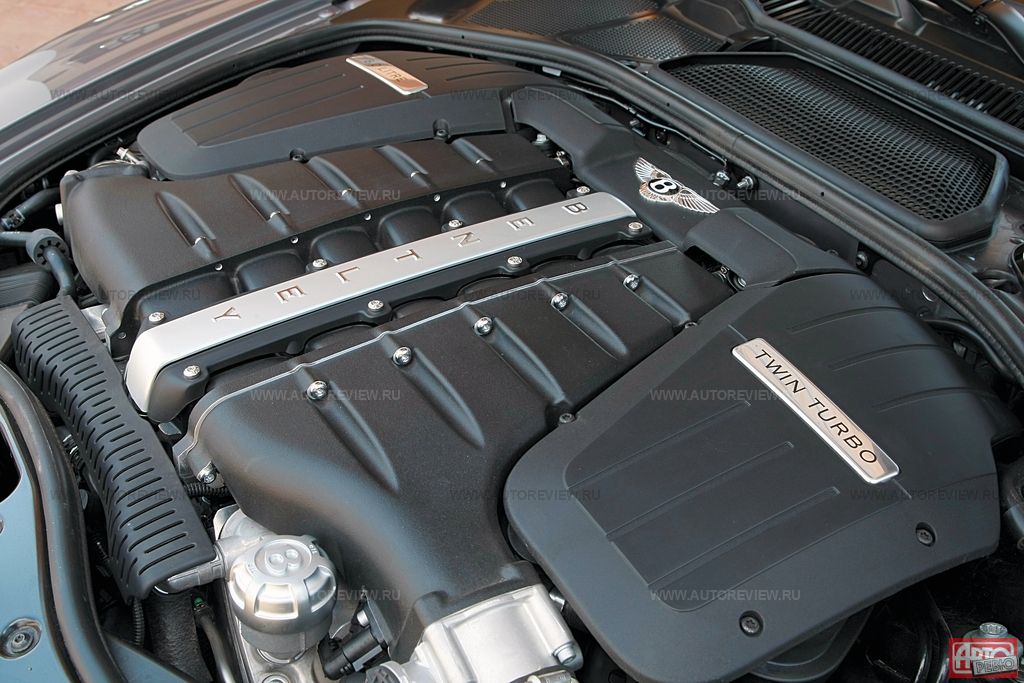 | 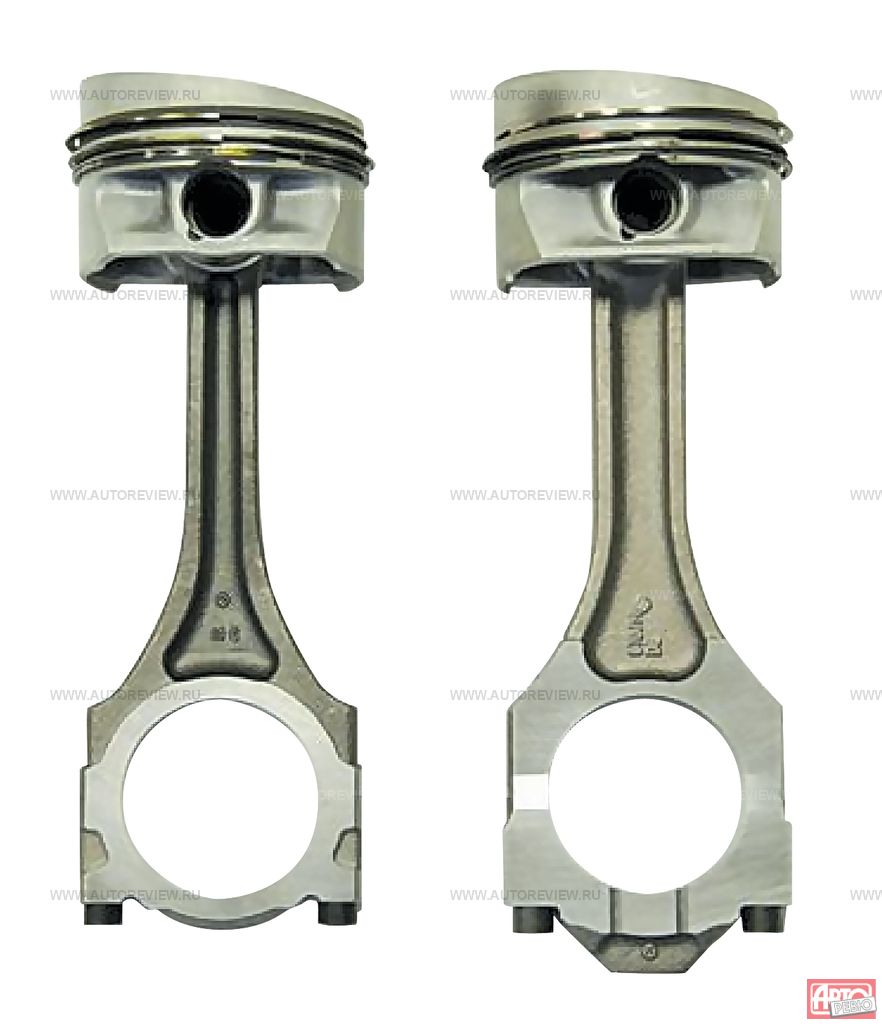 | |
| The engine character has hardly changed: the torque curve is flat, with peak power at 6000 rpm. At the same time, maximum torque increased by 15%, and power by 10% | To enable the engine to withstand higher loads, engineers selected a new piston—connecting rod pair (top photo, left). The pistons received anodized grooves for the compression rings — this provides a safety margin at peak loads and reduces friction. Lightweight connecting rods easily handle high revs | |
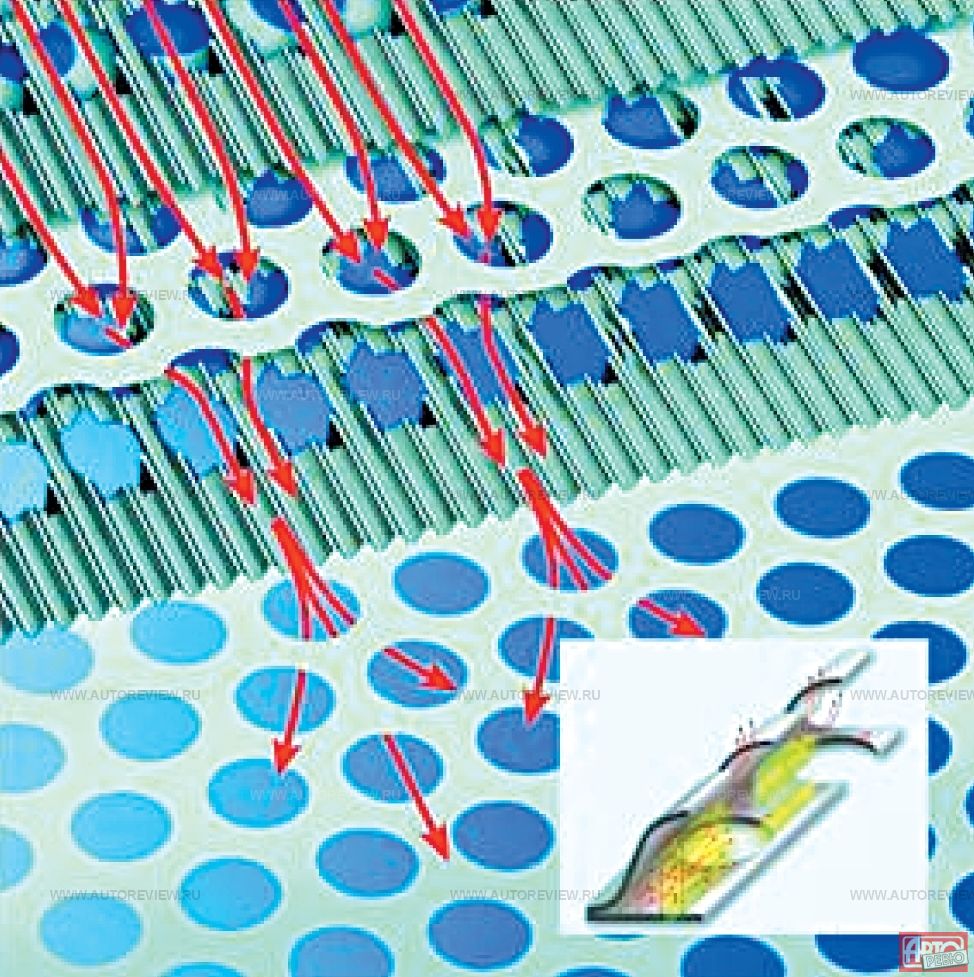 | ||
| To reduce weight and noise, the former duplex timing chain (right) was replaced with a lighter single-row chain (left) | The catalytic converter became 17 mm wider — this reduced exhaust backpressure. The metal honeycomb is thinner than ceramic, so the active surface is larger and flow resistance is lower. CO₂ emissions decreased by 3.5% (to 396 g/km). Optimized engine management and reduced mechanical losses allowed fuel consumption to drop by 3.5% | To reduce "pumping" losses at high revs, the ventilation holes in the inner walls of the cylinder block were enlarged. Such blocks will now be used on all Bentleys |
 | ||