
Each of these cars is a separate universe. A celestial body the size of a human ego. Was it about them that Exupery wrote? They carry their riders through time and distance, piercing the rainy veil of cities — and droplets of light from streetlights settle on the filters of the blinds without disturbing the silence and peace.
But is the owner of the limousine lonely? He has no beautiful rose, but he has a driver. These two are always at opposite poles, and the equator runs along the B-pillar. When it's day at the wheel, it's night in the passenger seat. What is good for one is an inconvenience for the other. But to us, outside observers, it is clear: each of them is right. Each in their own way.
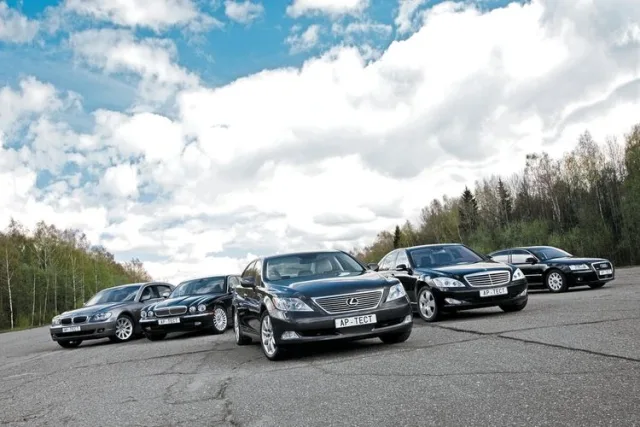
Our guide to this "planetary system" from a year and a half ago (see AR No. 20, 2005), where we compared the Audi A8 L 4.2 quattro, BMW 750Li, Volkswagen Phaeton 4.2 4Motion Long, and two Mercedes S 500 L — the old all-wheel-drive W220 and the new rear-wheel-drive W221 — has not lost its relevance, but some things have changed. Thus, the new S-Class has acquired all-wheel drive and, it seems, its chassis has been recalibrated. It no longer strives to be like a BMW; its character has become more "Mercedes-like" — and the star on the hood shines brighter. The "Seven," on the contrary, has faded: from a clear favorite it has become "just a runner-up." The aluminum A8 L has finally arrived in a rich trim with separate rear seats, although with 335 "horses" under the hood it is not easy for it to catch up with more powerful rivals. Previously, the long-wheelbase Audi had a strong argument — a huge amount of rear legroom (only the Phaeton had more), but now the Lexus LS 460L has appeared on the horizon — there is no less space in the back.
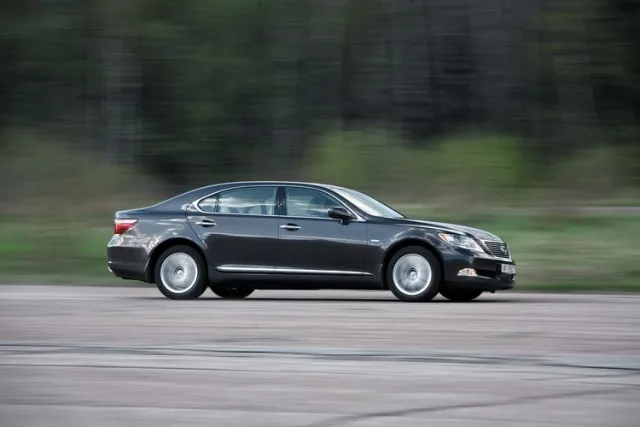
The Lexus LS 460L is not perfect, but even with its flaws it is cohesive
The Lexus, like the "Death Star" from "Star Wars," seemed to appear out of nowhere — and began hitting the mark precisely. Does Audi have direct injection? Lexus has double injection. Does Mercedes have a seven-speed gearbox? Lexus has an eight-speed one. Plus three suspension modes, nine "automatic" modes, electro-hydraulic brakes, variable-ratio steering — and all this is united by the advanced VDIM stability control system. In addition, the Lexus has the largest screen, the most intricate massager, the best aerodynamics… And yet it is $5,300 cheaper than the most affordable rival — Daimler! Is that enough to call the Lexus the best? No.
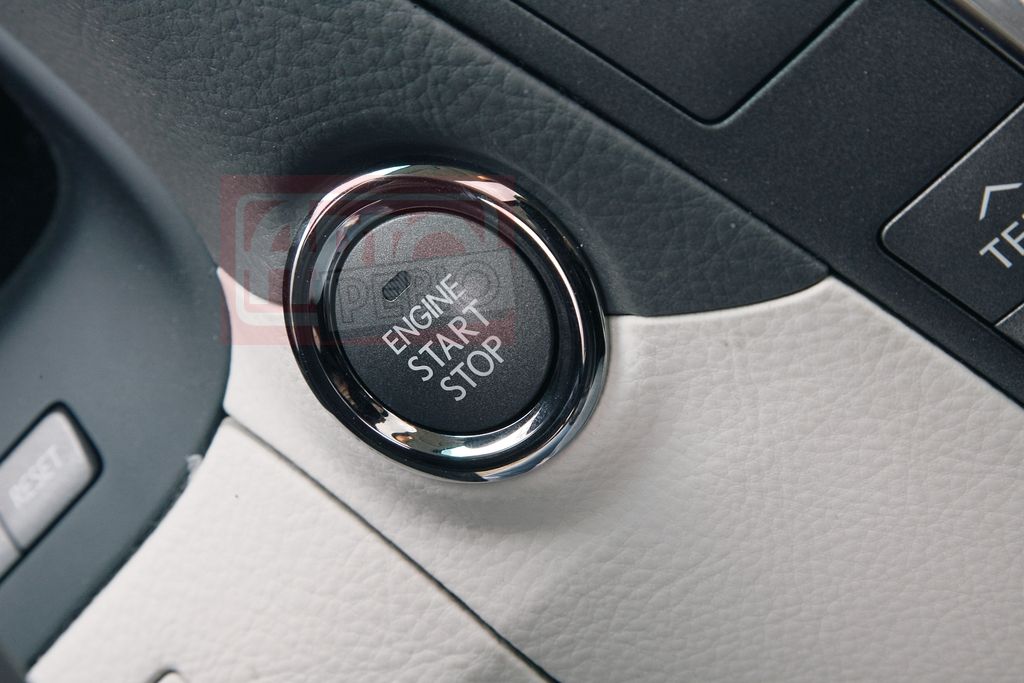 | 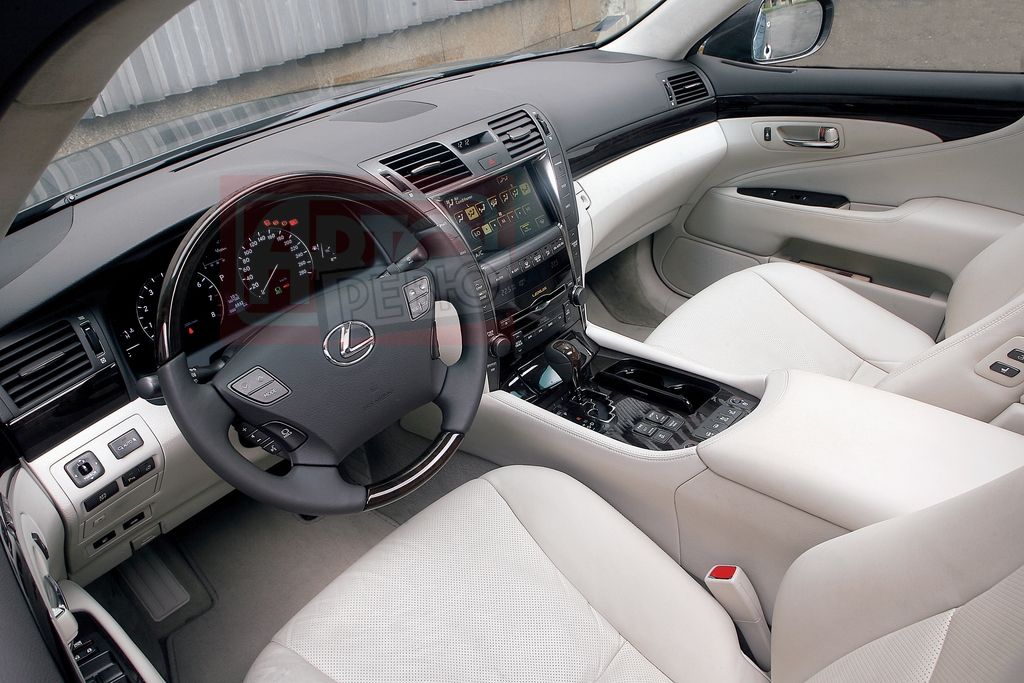 |
| Locks and engine can be activated without taking out the key — like in Mercedes or Audi | The Lexus interior has a bit too much plastic… On the side of the passenger seat there are buttons for sliding it forward. This is only available in Lexus and Mercedes |
Getting into the Lexus from the technocratic "Germans," you don't immediately understand what you paid almost one and a half hundred thousand for: the Japanese car's interior is unexpectedly austere. Simple instrument dials, many buttons on the console, displays... The materials do not impress: they both look and feel synthetic. Even the leather is too smooth and delicate — as if "imitation natural." And the glovebox lid hangs with a gap...
| Lexus LS 460L | Daimler Super Eight | Audi A8 L |
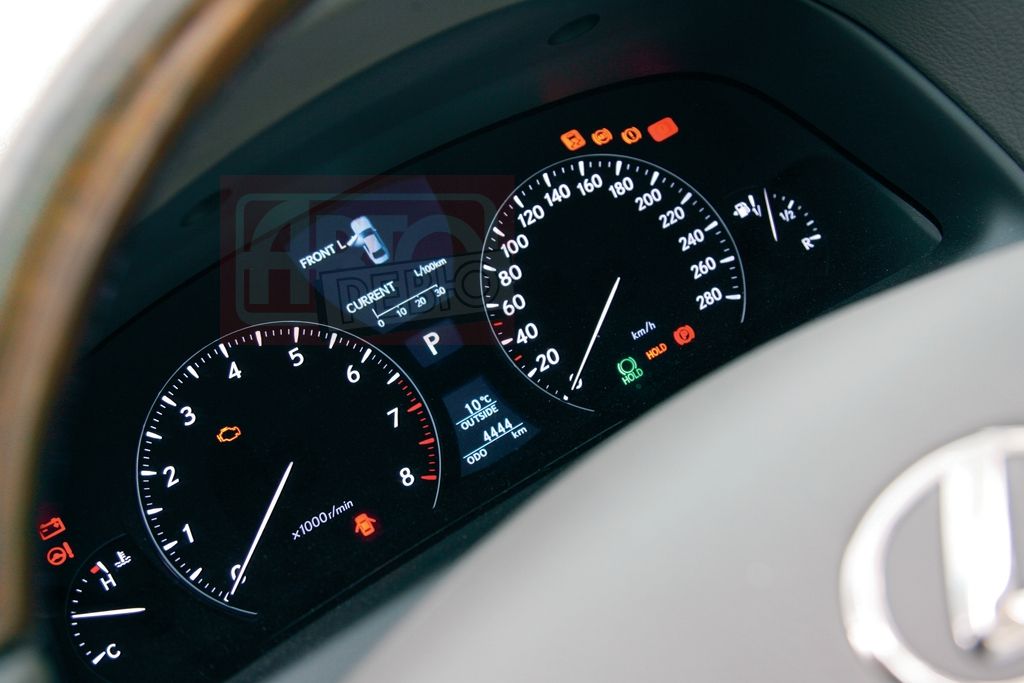 | 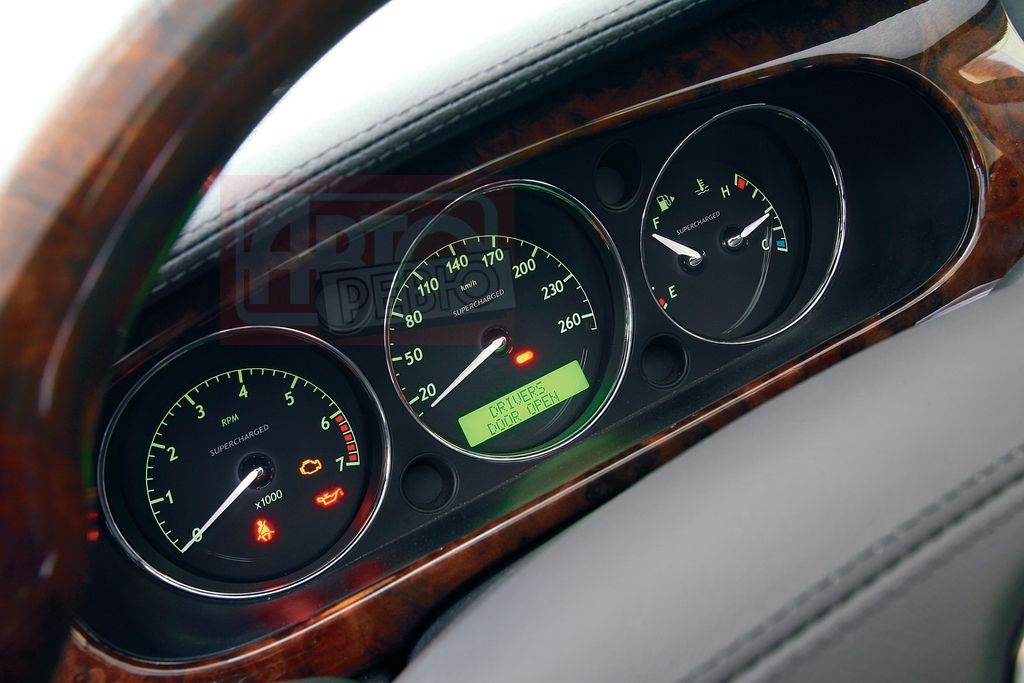 | 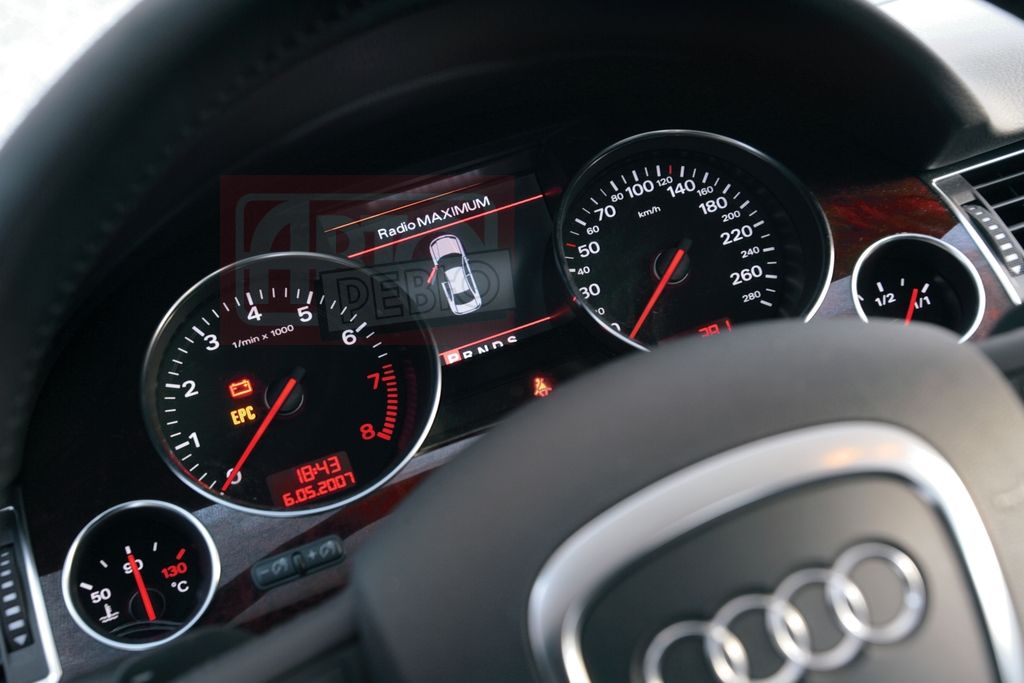 |
| Large optitronic dials that flash spectacularly in the dark are easy to read. But aren't they too simple? | Compact and restrained instruments. Too bad the "automatic" modes are not visible | An emotional, memorable panel. Stylish, but not always convenient |
| BMW 750Li | Mercedes-Benz S 500 L | |
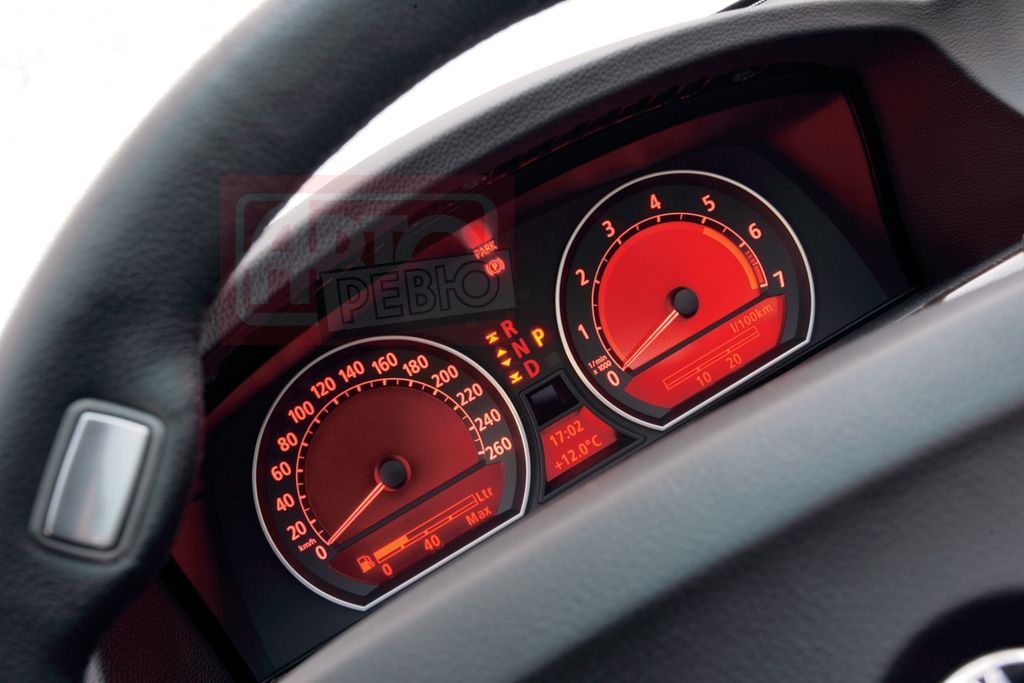 | 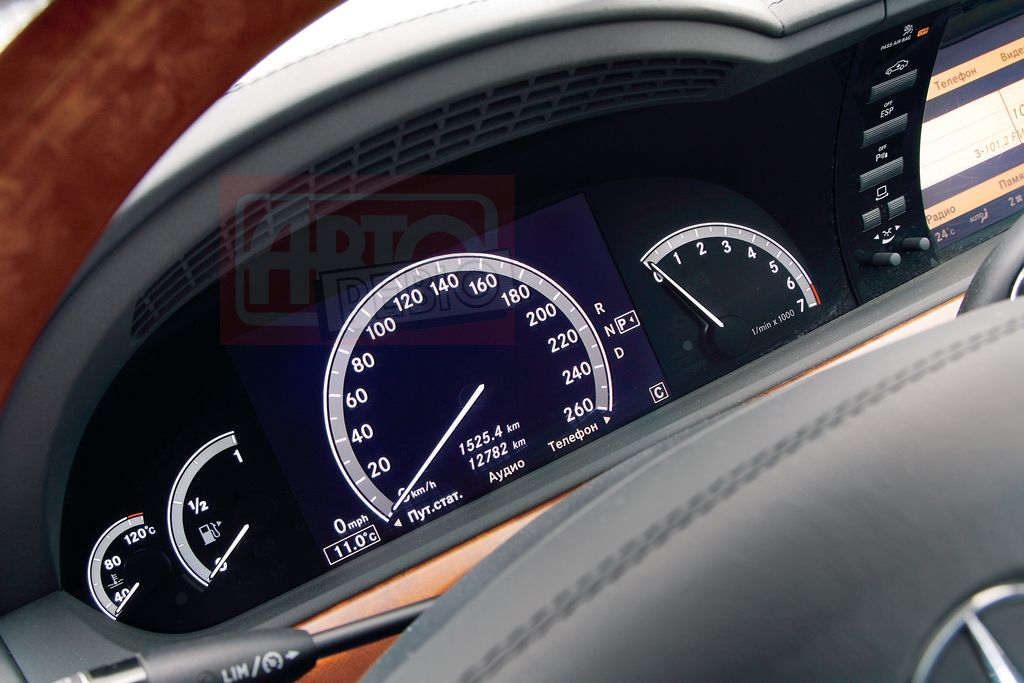 | |
| Beautiful and convenient. Additional data is on displays below the main dials | "Animated" speedometer — on a huge screen where you can also display the night vision camera image |
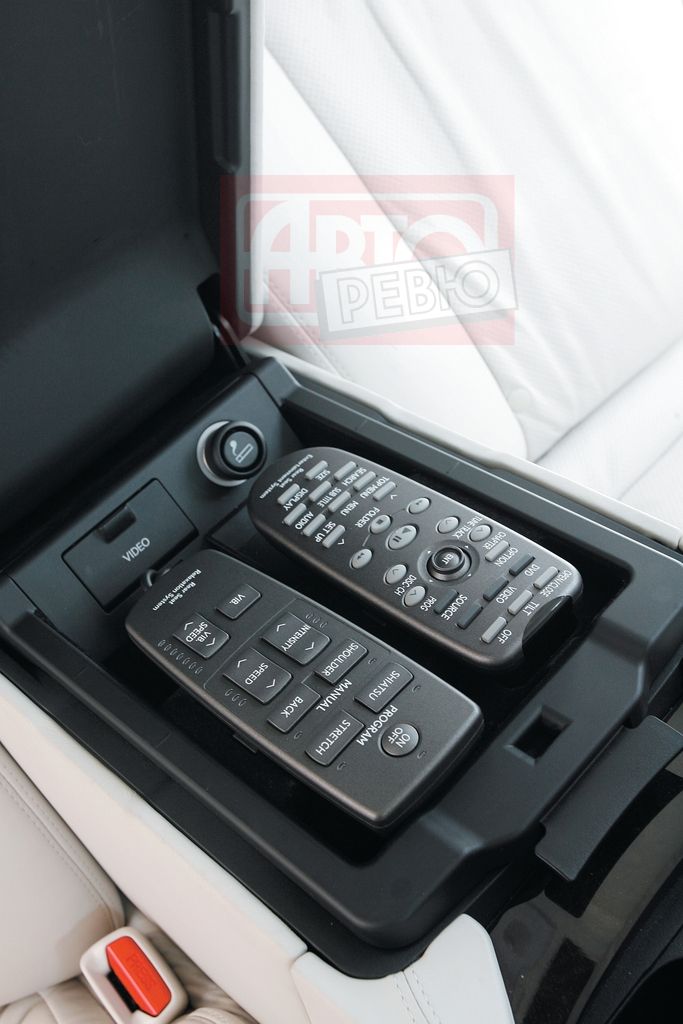
No, vivid emotions should be sought in the back. Sink into the low seat and immediately grab the "keyboard" of adjustment buttons. Then take out two remotes from the armrest — for multimedia and massage. With one, turn on intense shiatsu, which surprises with the strength and variety of techniques; with the other, start a movie — and let the driver in the white shirt rush unhurriedly.
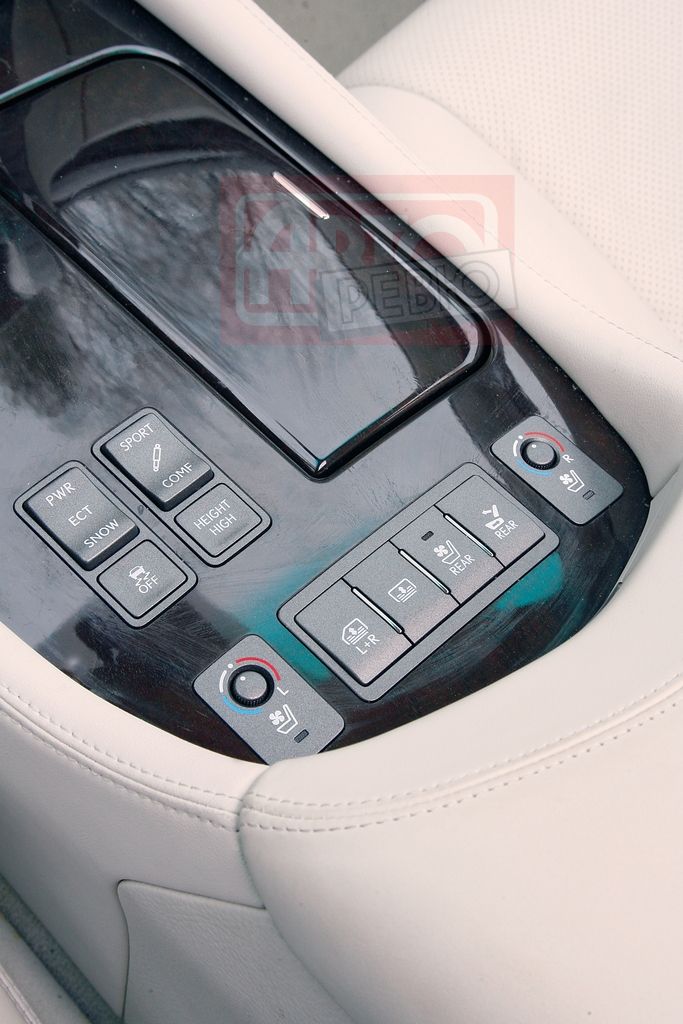 | 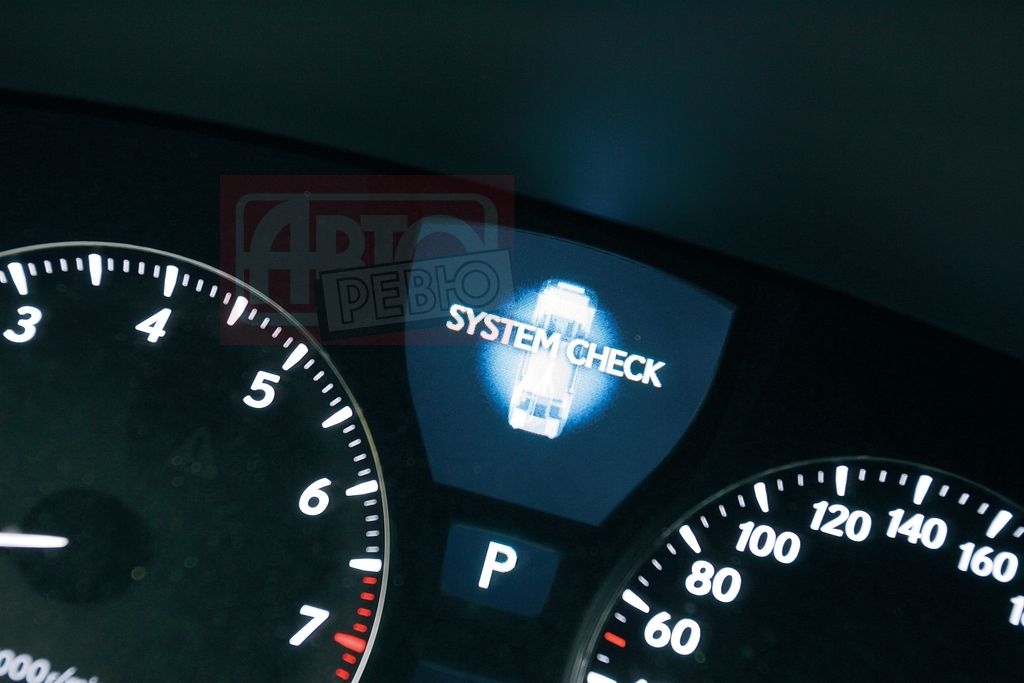 | 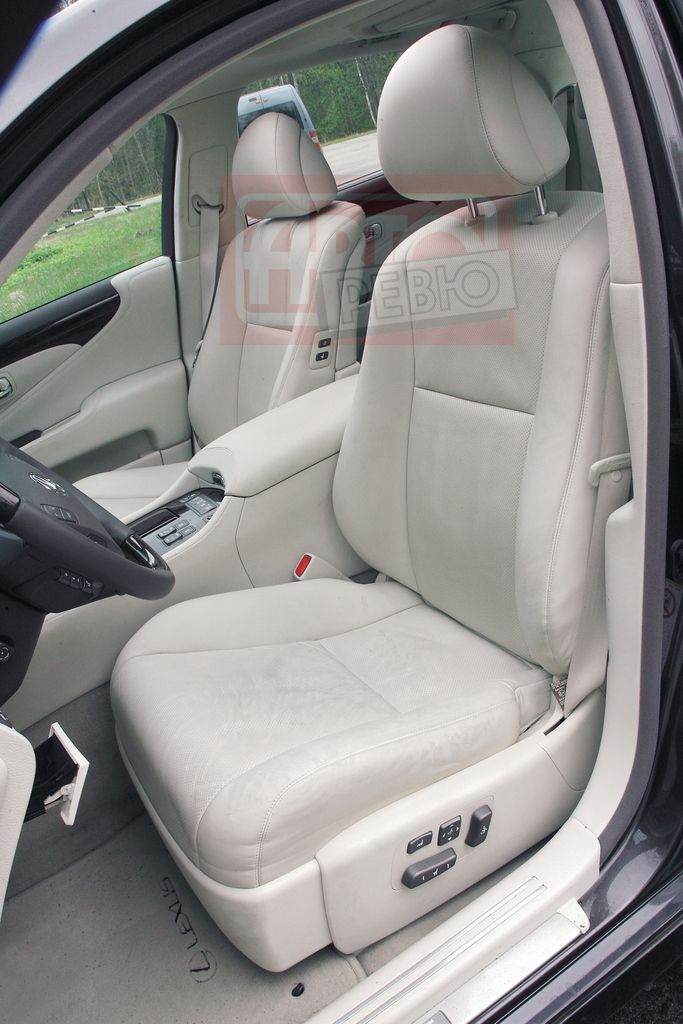 |
| The Lexus driver has controls for the transmission, suspension, stability, and even the rear seats at hand… | During system checks, the Lexus shows a short video | The Japanese seats are comfortable, moderately firm, but do not offer full freedom in adjusting the seating position |
But look into the BMW — the most contradictory of the "Germans": even with a dark interior and a chaotic mix of colors and textures, you are immediately enveloped by a feeling of something dense, solid, and real. You can feel how the panels are fitted, how the wood shines, how textured the perforated leather is. It smells of quality here. Close the door — and the "Seven" will create an impenetrable silence around you.
And the Mercedes? Besides the "feeling of quality," its interior is also elegant. Only the polished "wood" on the dashboard confused me — it turned out to be plastic.
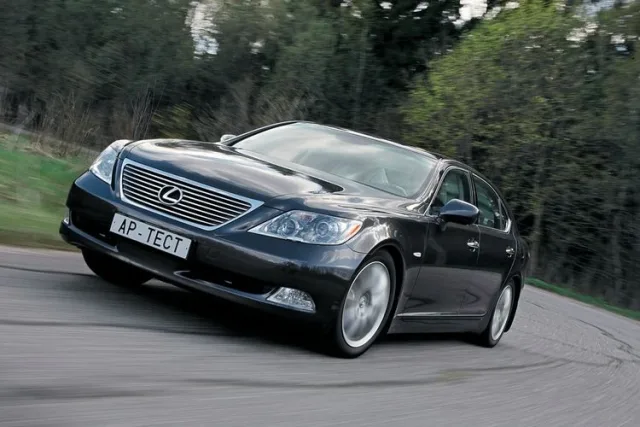
Japanese designers have created a powerful and dynamic look at the same time: the new LS now quotes not only Mercedes, but also BMW
In the Audi, the wood is natural, but its dark tone makes the interior duller. However, in terms of fit and finish quality and materials, the Audi is unattainable for the Lexus. Overall, all the "Europeans" feel more modern than the Japanese car.
But there are also cars like the Daimler Super Eight — the most expensive Jaguar XJ. Here the "old school" is taken to the limit! Finding yourself here after the "Japanese" is like switching from a Tu-160 to an "Ilya Muromets." In the Jaguar, the instruments are truly "just instruments," and the buttons are "just buttons." But even with simple trim, the Daimler is a "natural product." The quantity and quality of walnut veneer with inlay is like in furniture. Lacquer, chrome. The seats are slightly carelessly stitched from good leather and decorated with embroidery. It is old-fashioned, but thoroughbred. And it is precisely breeding that the Lexus lacks.
| An unevenly fitted glovebox lid in a car for $148,600 is disheartening | |
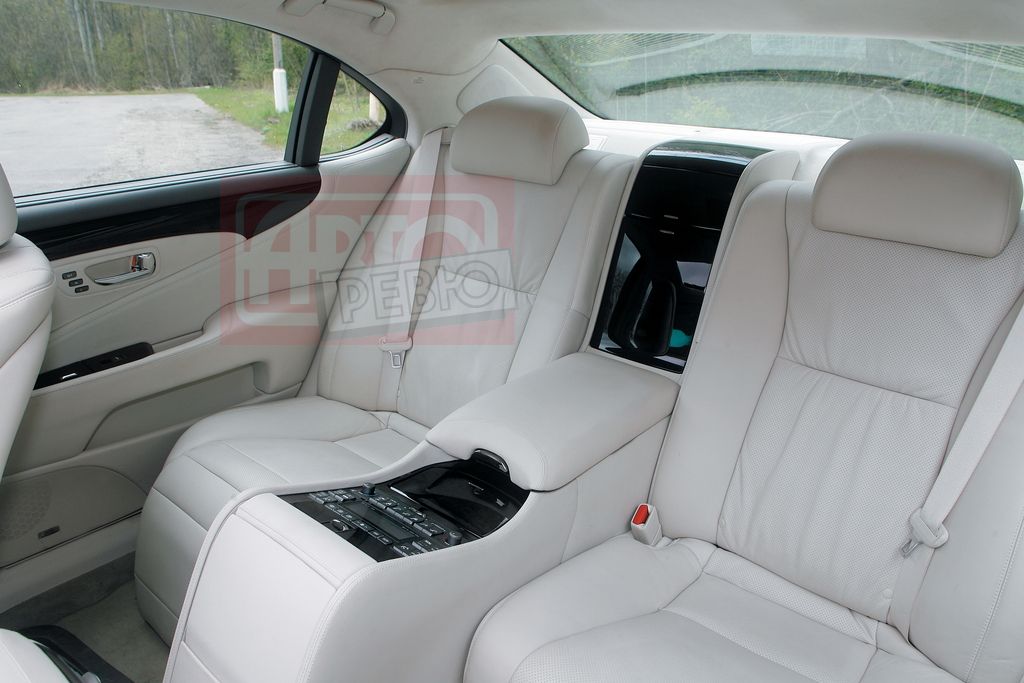 | |
| And the natural leather of excellent quality is so smooth and elastic that it looks unnatural | The Lexus is spacious in the back, but the low seat is more suitable for people of average height. However, the numerous "toys" will please everyone... |
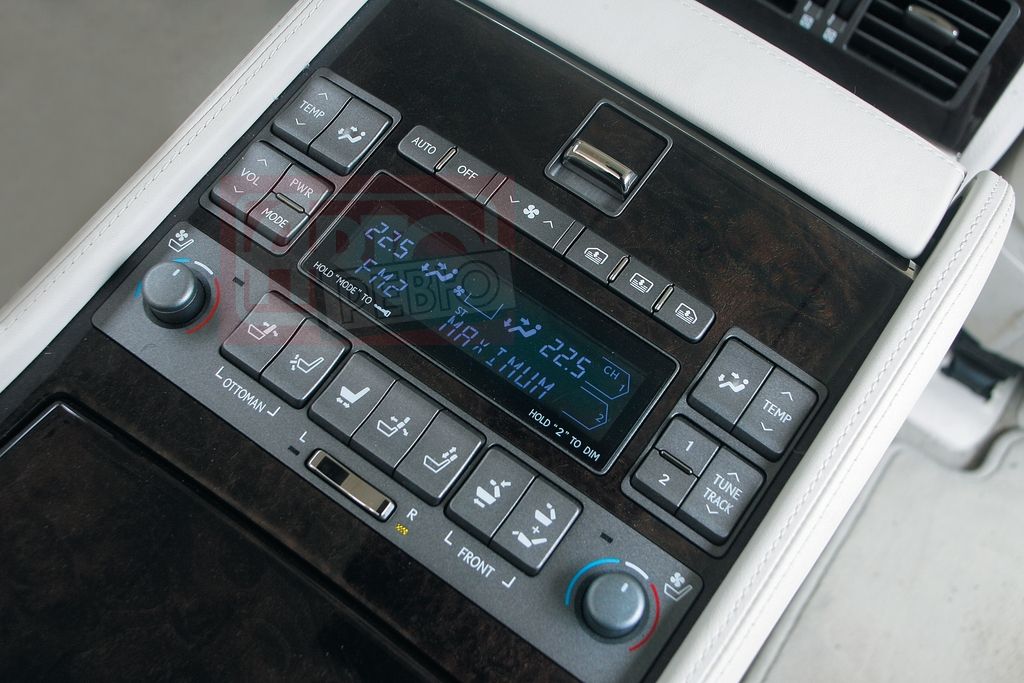 |  |
| In the single rear armrest unit — control of the audio system, rear climate control, and… the front passenger seat | 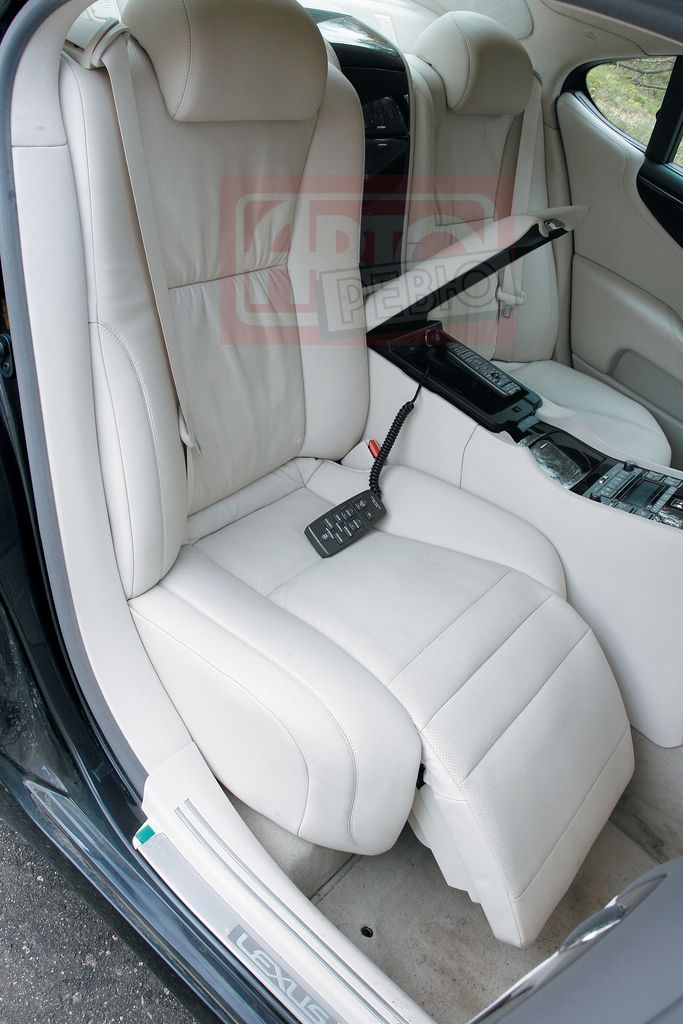 |
| BMW 750Li | |
 |  |
| There is plenty of space in the back of the BMW, but the seat is a bit short for tall passengers | The remote in the rear armrest controls multimedia and climate |
When you have five executive sedans on test at the same time, each worth as much as a small apartment, you inevitably start looking not for differences but for similarities between them. But these cars, despite their outward resemblance, turn out to be completely different in character. And it's not just that one is faster, another quieter, and a third more comfortable. Each has its own approach to seemingly identical things.
Take the rear seats, for instance. In BMW and Mercedes-Benz, rear passengers are offered a whole arsenal of adjustments and electric servos. The seats in the 'seven' and the 'S-Class' can be adjusted to your liking down to the millimeter: backrest angle, cushion length, lumbar support—all of it moves and adjusts, turning the ride into a kind of SPA session. In the Mercedes, true, extra features like massage or ventilation cost extra, but the principle itself—making life for rear passengers as comfortable as possible—is obvious here.
The Lexus LS 460L offers something special in this regard—a rear ottoman seat with a massager. But, as it turned out, only people of short stature can stretch out on it to full length. For tall passengers, there isn't enough legroom, and all this luxury turns into a beautiful but useless toy. However, the armrest has room for two remotes at once: a wired one controls the massage, and a wireless one controls the multimedia with a 9-inch screen that emerges from the ceiling.
The Daimler, despite being the longest car in the test, feels the most compact inside. The seating position here is the lowest—both front and rear. Of all the ergonomic tricks, there's only an adjustable pedal assembly. The driver's seat has only basic adjustments, but they prove sufficient to get comfortable with no less ease than in the BMW or Mercedes with their fancy multicontour seats. And the Brit's visibility is the best in the group.
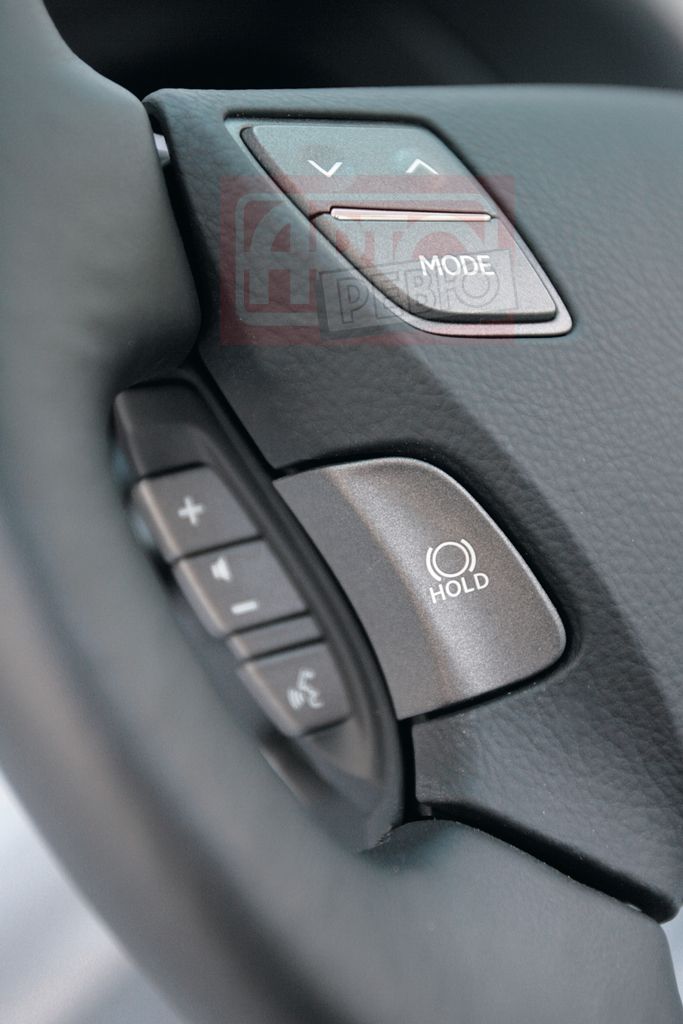 | 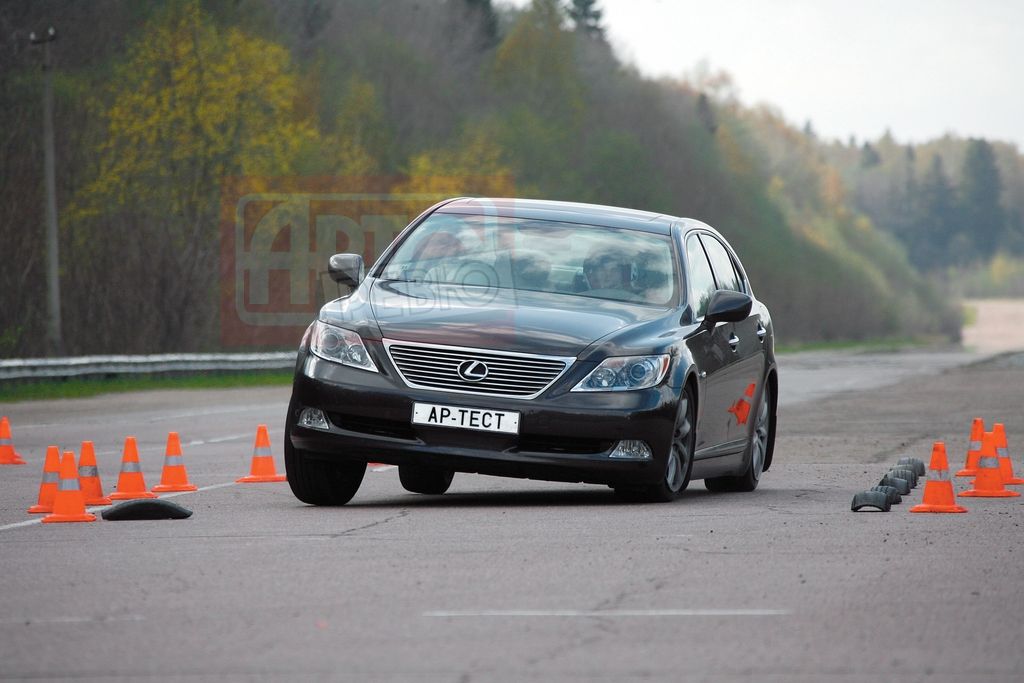 |
| If hold mode is engaged, the electromechanical parking brake holds the car until the driver presses the accelerator | In extreme modes, the Lexus noticeably rolls, steering feel is lost, and only the excellent stability control keeps the car from sliding |
With the driver's seat in the Lexus, not everything is smooth. Those accustomed to sitting upright will find the backrest tilt range insufficient. And when you extend the cushion, it slides out entirely, causing a gap to appear between it and the backrest over time. The steering column changes its tilt angle too much when adjusting height. Rear visibility is practically zero. There's no rear-view camera like in the Audi or Mercedes—when parking, you have to rely only on parking sensors and side mirrors, which are the size of two kitchen TVs. The Lexus also lacks a universal controller like iDrive, Comand, or MMI—secondary functions are managed either via physical buttons or through the touchscreen. Just like in the Daimler. Insular mentality? But in the Lexus and Daimler, the steering column stalks are in familiar places—without the Mercedes and BMW quirks.
| Audi A8 L | |
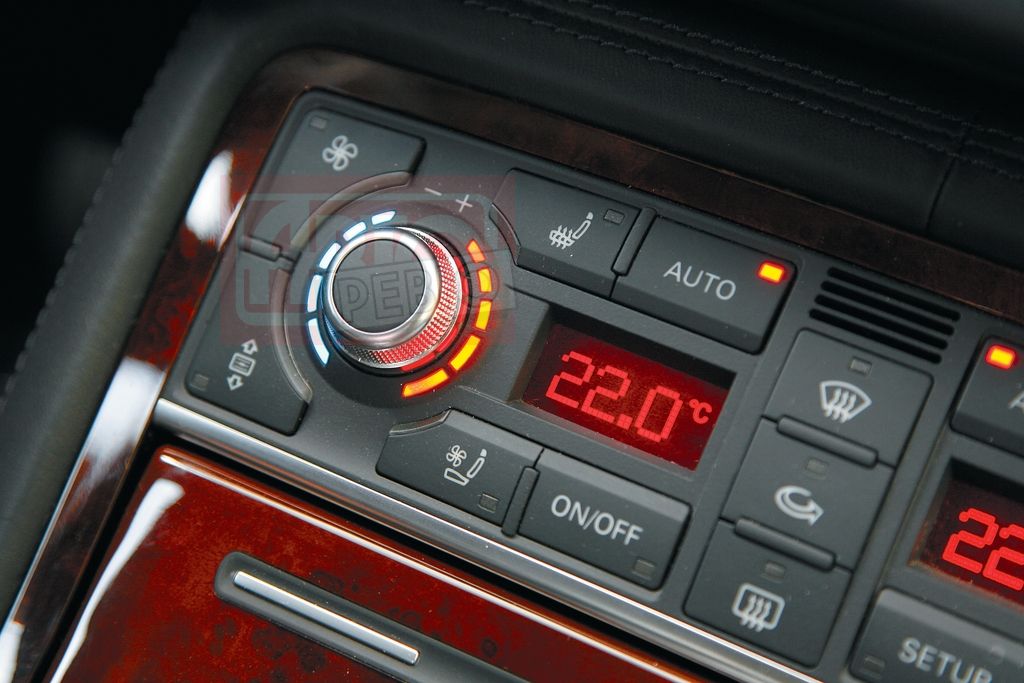 | 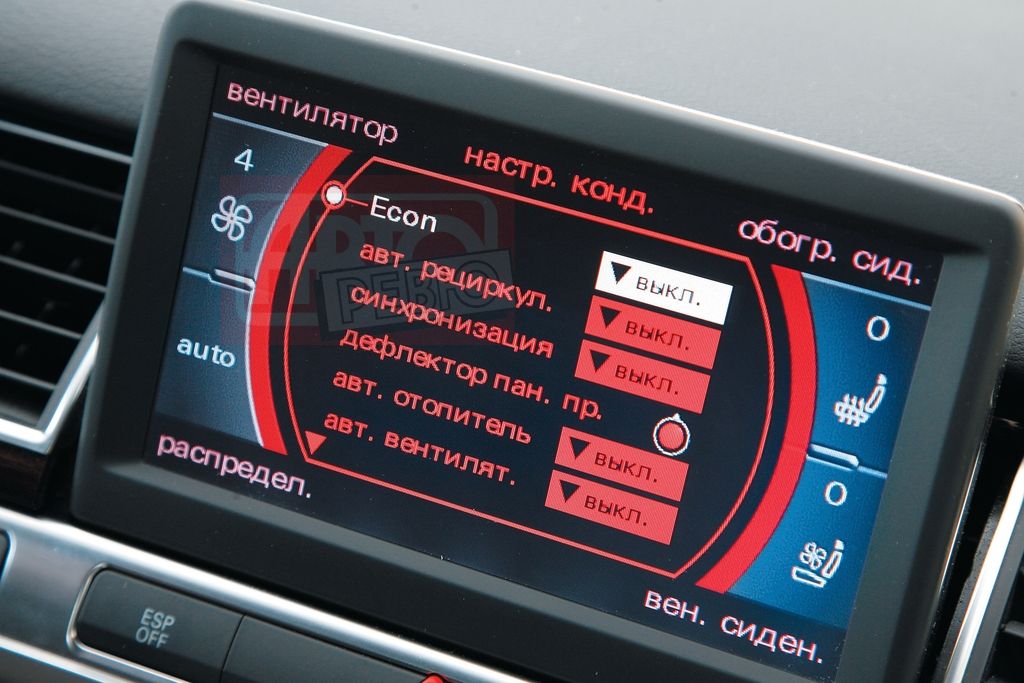 |
| You set the direction and strength of airflow with buttons, and the value with a single rotary knob—not the most convenient solution | |
| BMW 750Li | |
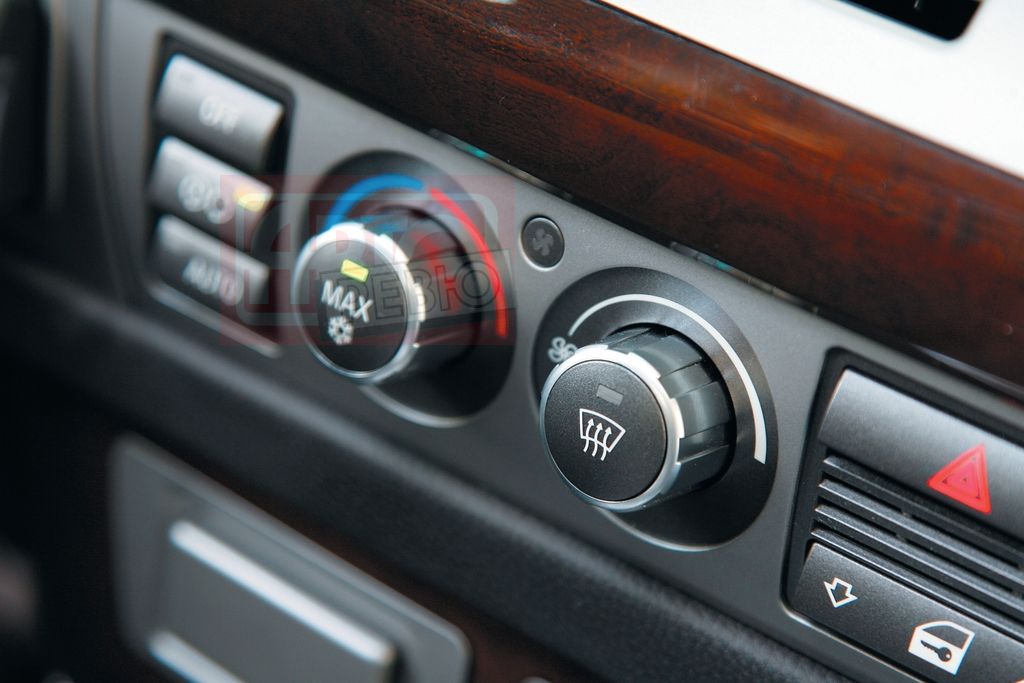 | 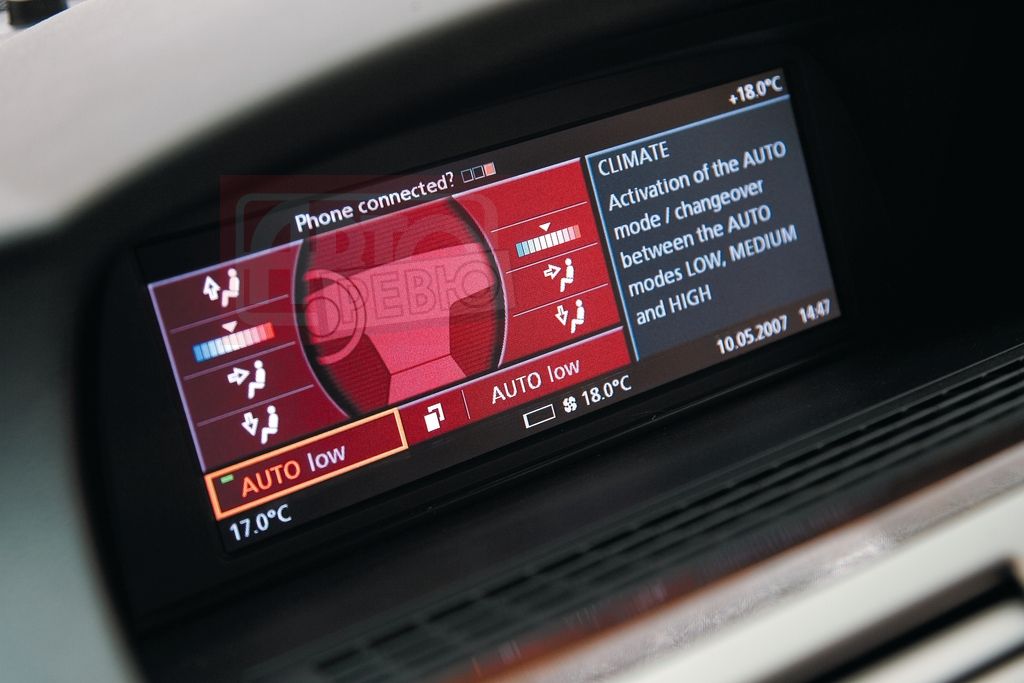 |
| With the handles on the panel, you can only select the temperature or fan speed, and for airflow distribution you'll have to dig into iDrive | |
| Mercedes-Benz S 500 L | |
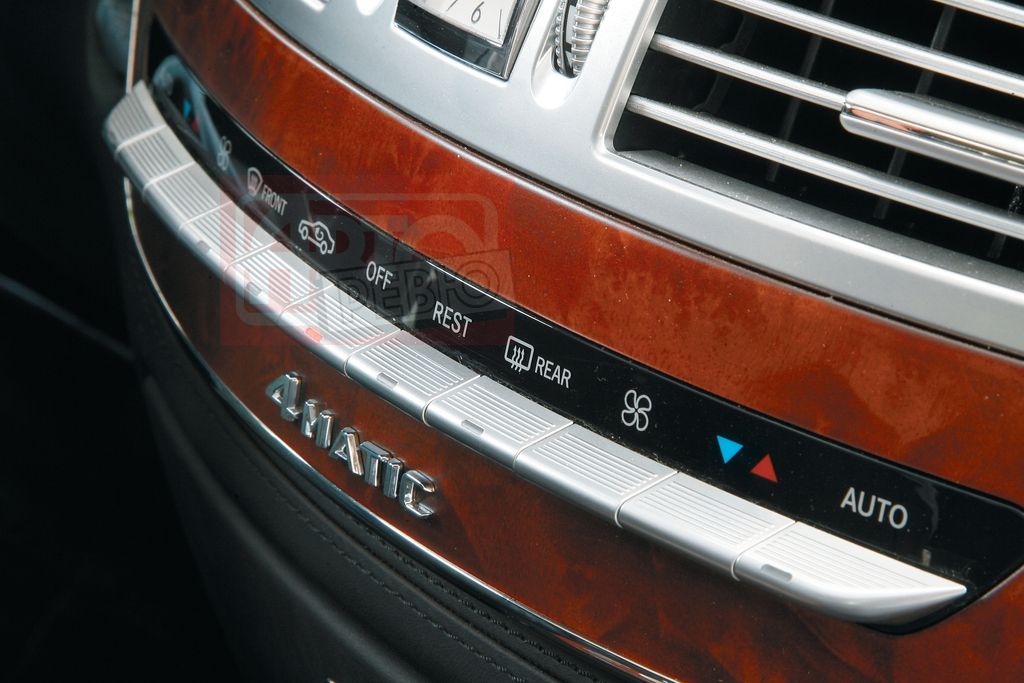 | |
| Climate control is mostly managed with 'live' keys, and only some functions are hidden in the Comand menu | |
| Lexus LS 460L | Daimler Super Eight |
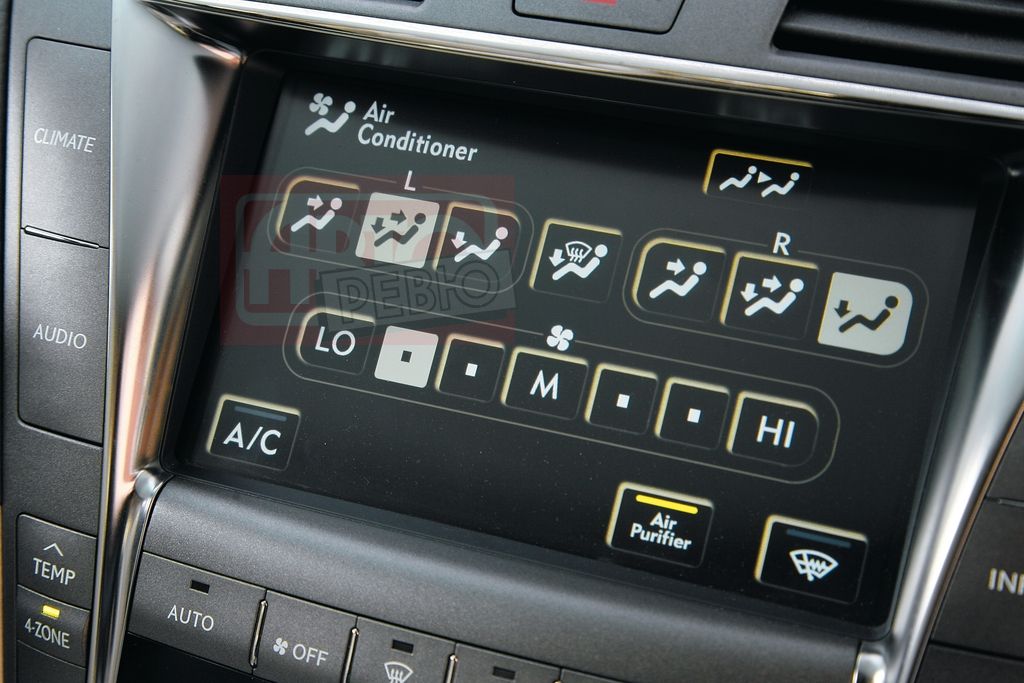 | 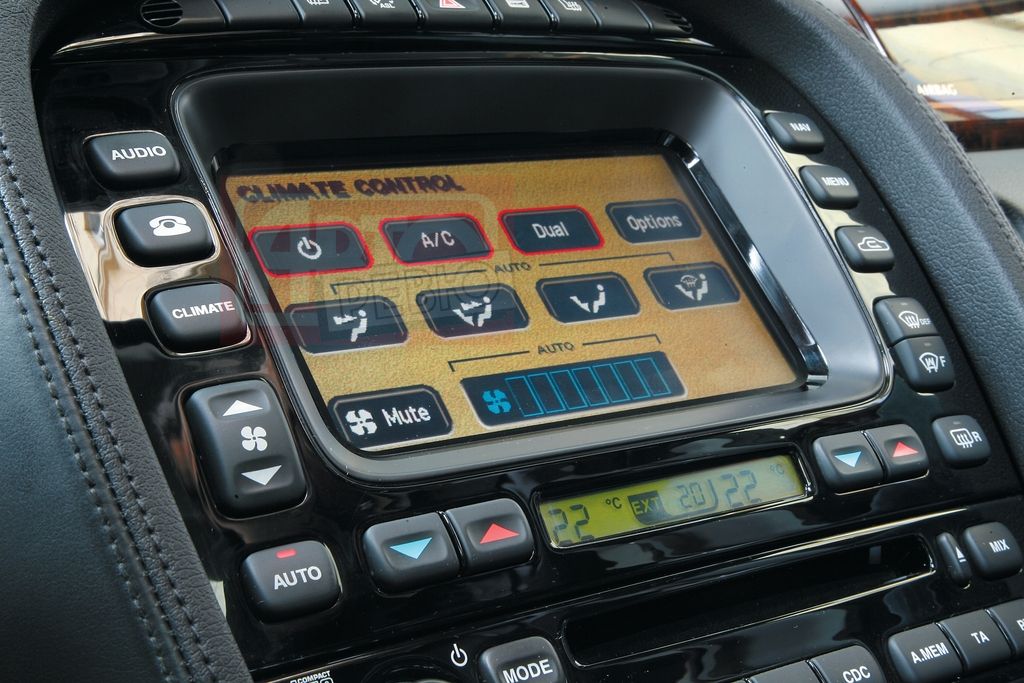 |
| Lexus and Daimler allow controlling onboard electronics via touchscreen | |
In the German cars, you feel a common breed: moving from a BMW or Mercedes to an Audi, you instinctively reach for the wiper stalk to engage Drive. In the Lexus or, even more so, the Jaguar, such a mistake is impossible—they are different. The English chrome lever in the J-shaped gate moves like a bolt in the palm of Saint Peter: pleasant, weighty. Each intermediate position responds with a metallic smack, then locks firmly into 'Drive'. And the first response of the 400-horsepower supercharged engine is probably akin to the first glimpse of the gates of paradise. True, the next moment, the embroidered letter D quite materially imprints on your headrest: the Daimler is the only one that fiercely burns rubber off the line, sensually swaying its 'hips'. It, being aluminum, is the lightest and most powerful—it hits the 100 km/h mark before all others: the best result of our measurements—6.36 seconds! At that, acceleration is jerk-free: the six-speed ZF automatic softly, turn by turn, winds the spiral of acceleration. After a hundred meters, the speedometer shows almost 100 km/h, after three hundred—140, after a kilometer—200. The engine doesn't growl—it moans. Low, voluptuous. This carnal sound distracts from other noises: it seems the wind penetrates the cabin much later than in the 'Germans' or the Lexus. Even at maximum speed, the noise level remains surprisingly low—not bad for a car with the aerodynamics of a chaise lounge.
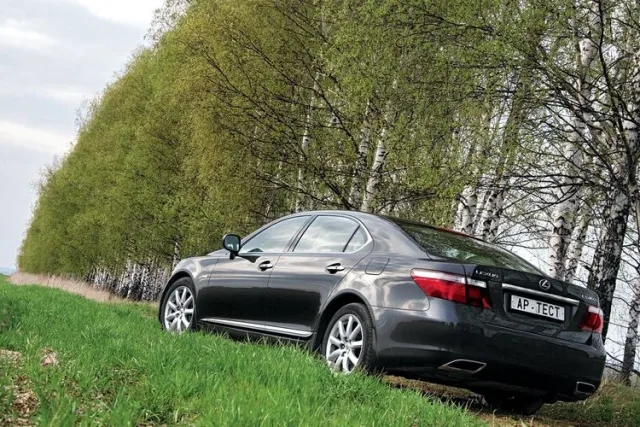
The Lexus's exterior has many original elements that don't immediately catch the eye. For example, the elegant joint of the rear fender and bumper, mirrored in the contour of the taillight
The Lexus is almost as fast: 250 km/h—like cracking a nut. But its acceleration is forgotten as soon as you reach speed. The pleasant baritone of the engine sounds quieter, and after 130 km/h, aerodynamic noises compete with it.
The 'automatic' also shifts smoothly, and when, coasting in top gear, you press the pedal to 'kick-down'—it jumps down several gears at once. But the feeling of a continuous flow of torque doesn't arise. Additional modes only make the connection between engine and wheels slightly stiffer or softer, but even in 'power' and 'sport' mode, the gearbox doesn't always manage to find the right one among eight gears in time.
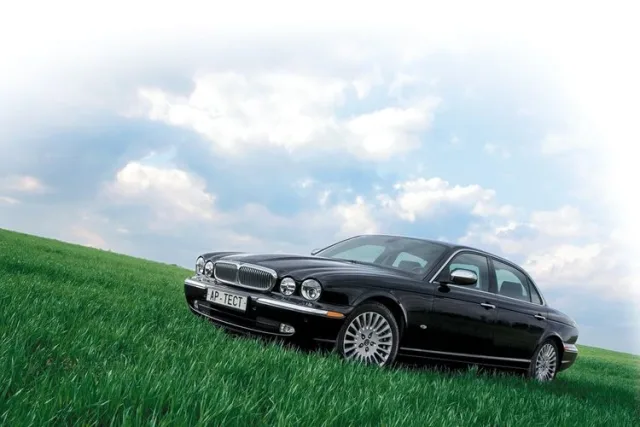
The abundance of chrome is a feature of the Daimler version: Jaguar has owned this brand since 1960
| Real embroidery! Nowadays this is rare: more often it's replaced by embossing |
The Mercedes on acceleration slots between the Daimler and the Lexus. What's surprising: the largest displacement, more torque than the Lexus... But first, try moving this behemoth from a standstill! It's not about curb weight, though the Mercedes is 400 kg heavier than the Jaguar—the accelerator pedal is unnaturally heavy and damped. This is, of course, handy when from the rear sofa they say: 'Go.' But when you need to accelerate really sharply, the pedal effort gets in the way. The start is punchy, on the verge of wheelspin, but the next moment the driver loses the sensation of acceleration. The Mercedes is the quietest: the engine is barely audible. Wind noise is greater, but having reached a certain maximum by 150 km/h, the noise no longer increases. The gearbox works emphatically smoothly, with delays. If not for the readings of the cartoonish speedometer, you'd never guess the true speed!
In the Audi, sensations are different. Even if it's the slowest car of the five, it deserves the comet's tail—a clump of speed! You can ignore the speedometer altogether. First, the engine counts gears at full voice: the roar cut off a second time—that's 110 km/h, when third ended—170, fourth—230. Second, speed can be determined by the stepwise increase in aerodynamic noise. And third, the more than five-kilometer dynamometer road still ends before the Audi reaches maximum speed: we revved the 'Ingolstadt express' to 258 km/h and, dangerously close to the turnaround loop, began braking.
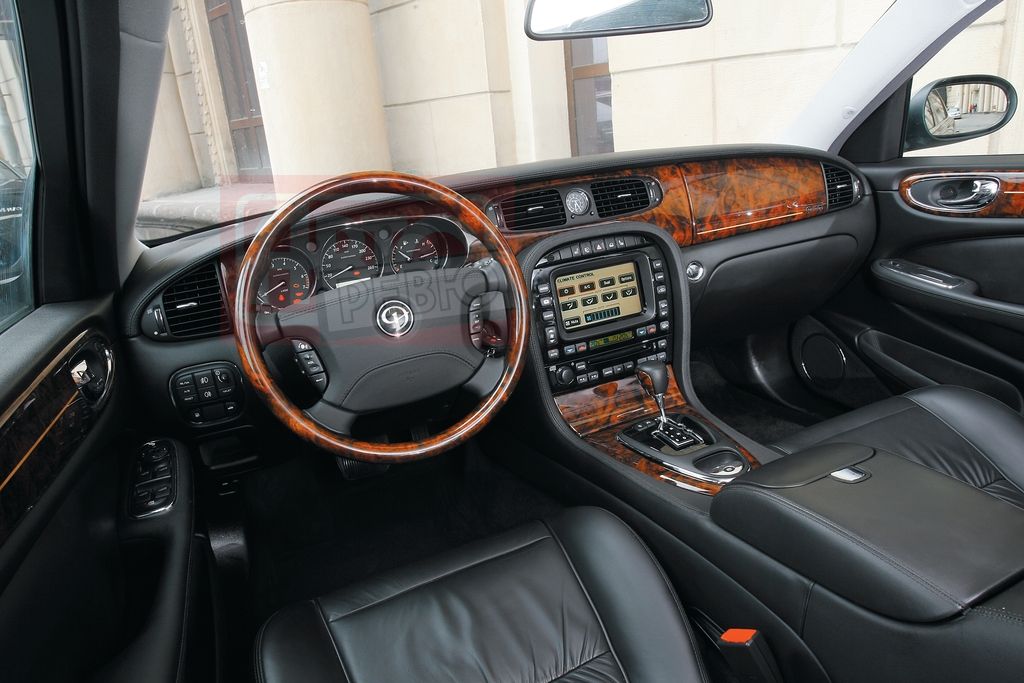 | 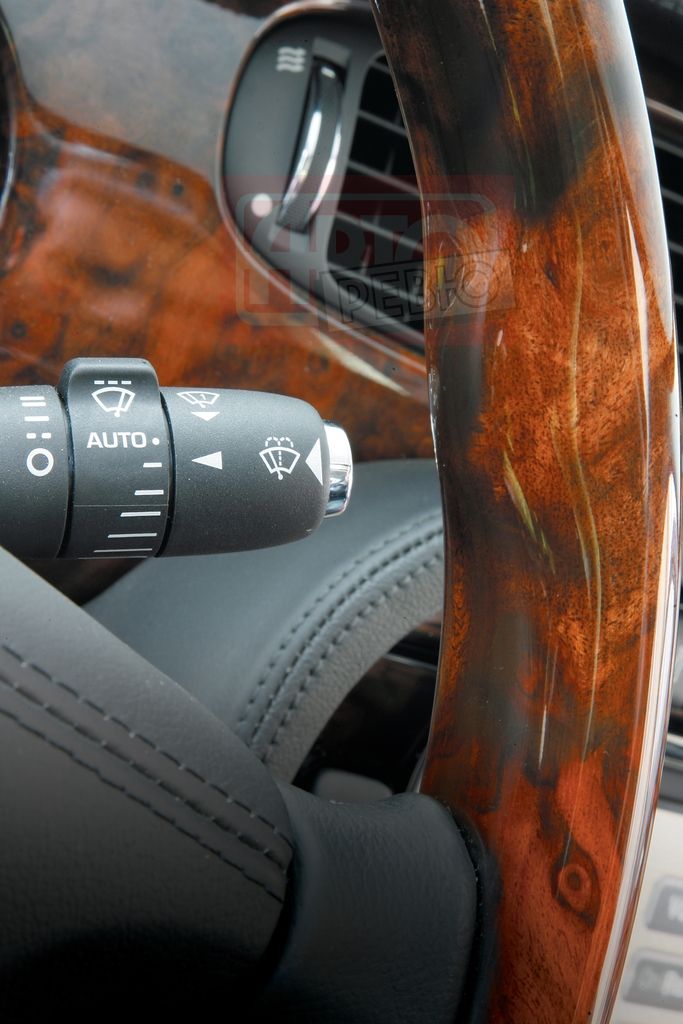 | 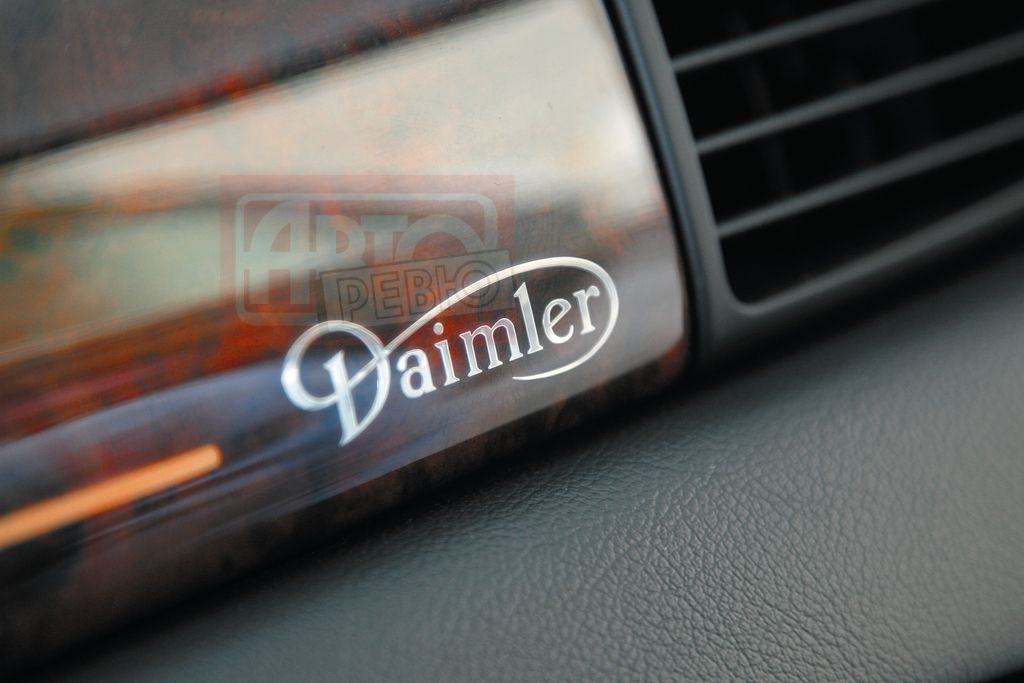 |
| In the classic Daimler interior, magnificent walnut veneer and second-rate plastic of small buttons coexist in an incomprehensible way | Buttons on the end of the steering column stalks made of "chrome-look" plastic and useless "bumps" on the slippery wooden steering wheel bring a smile... | Such details cost tons of cheap plastic |
BMW's emotions are not in the acceleration figures (the "seven" overtakes Audi only by fractions of a second), but in the voice of the engine. Competitors sound different: Daimler's is exotic, Audi's is aggressive, Mercedes' is muted. But here it's just beautiful. A measured, pulsating baritone perfectly accompanies an energetic yet smooth acceleration. The automatic gearbox shifts not as quickly as Audi's, but thanks to the thick glass in the cabin, it's noticeably quieter. More precisely, the noise picture is perceived differently: from external irritants — wind or tire noise — only a pleasant low-frequency component remains, which adds solidity to the car.
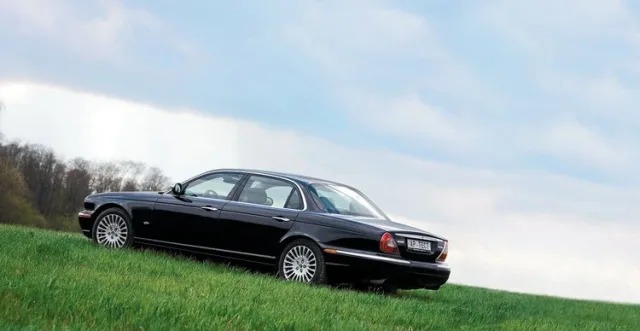
Daimler is the longest, lightest, most powerful, and most elegant car in our quintet
And here's what's curious... At high speed, the BMW noticeably widens its dynamic corridor — simply put, it starts to "wander" along the road. The "zero" zone of the large steering wheel is so blurred that with small deviations of the wheel, no return force is felt. But the car reacts to every turn! So the "Bimmer" traces a dashed sine wave on the asphalt with wet tires. I haven't noticed this before.
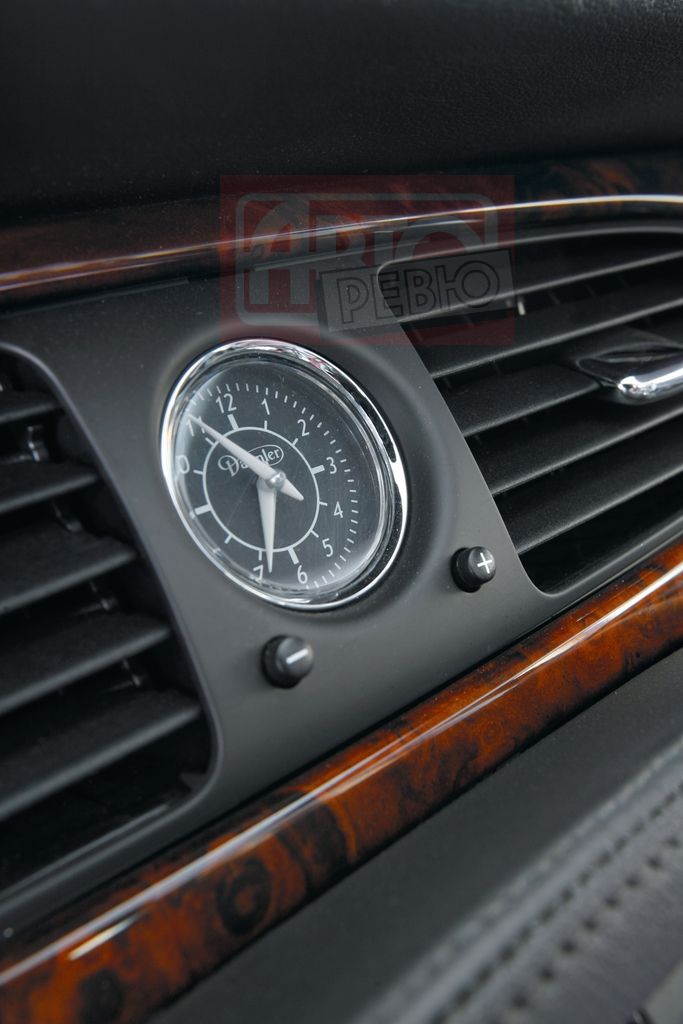 | 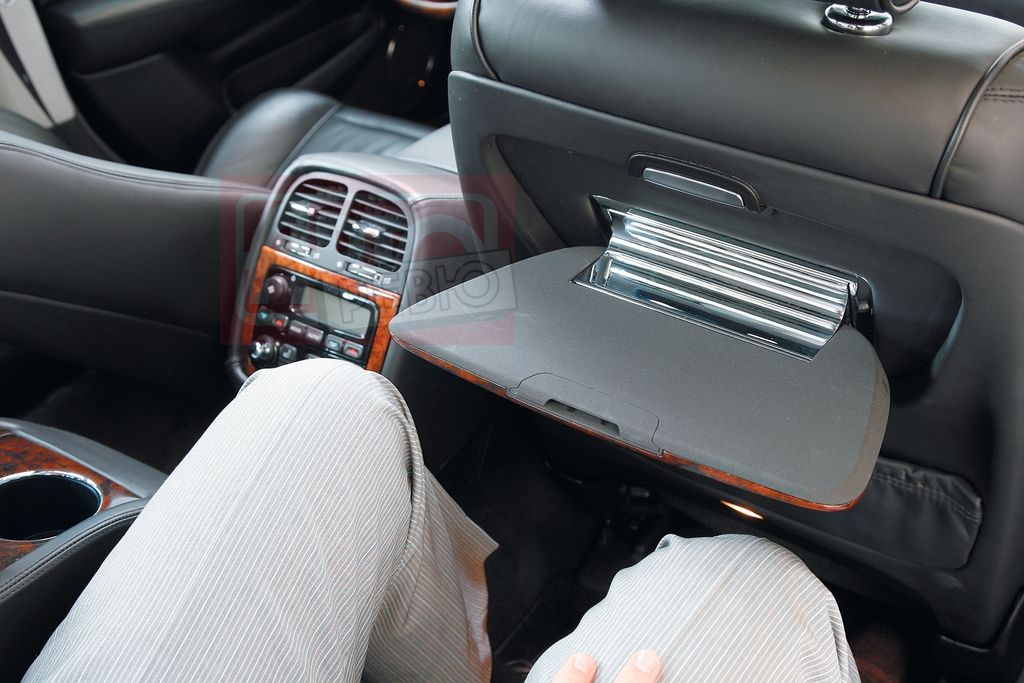 |
| Signature clock: in other versions, the dial says "Jaguar" | The table is elegant but small: a laptop won't fit here — maybe a couple of newspapers |
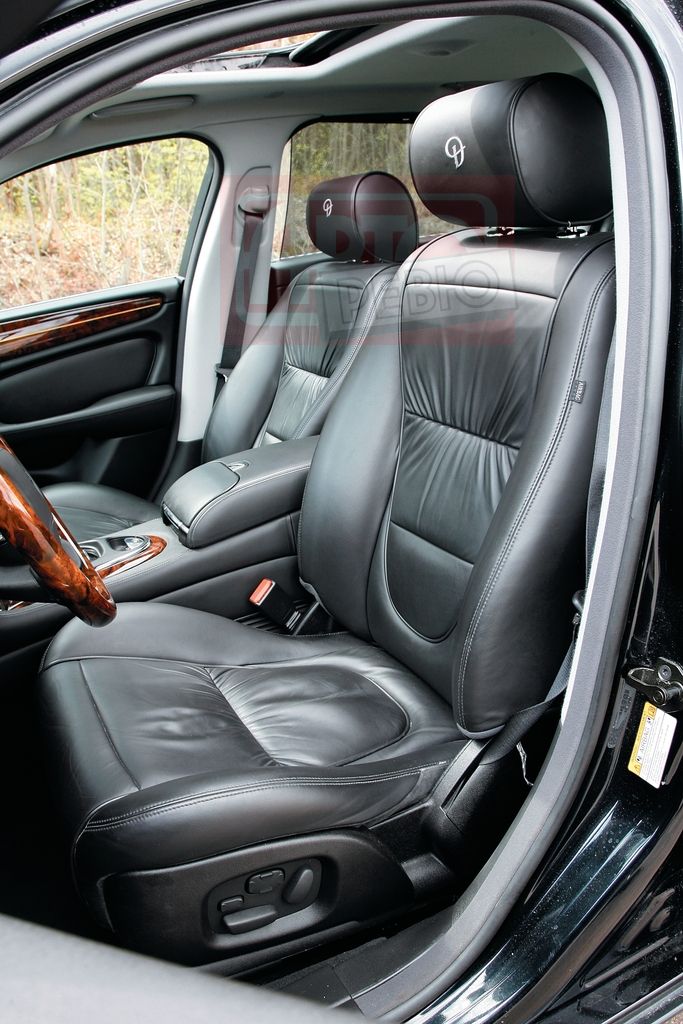 | 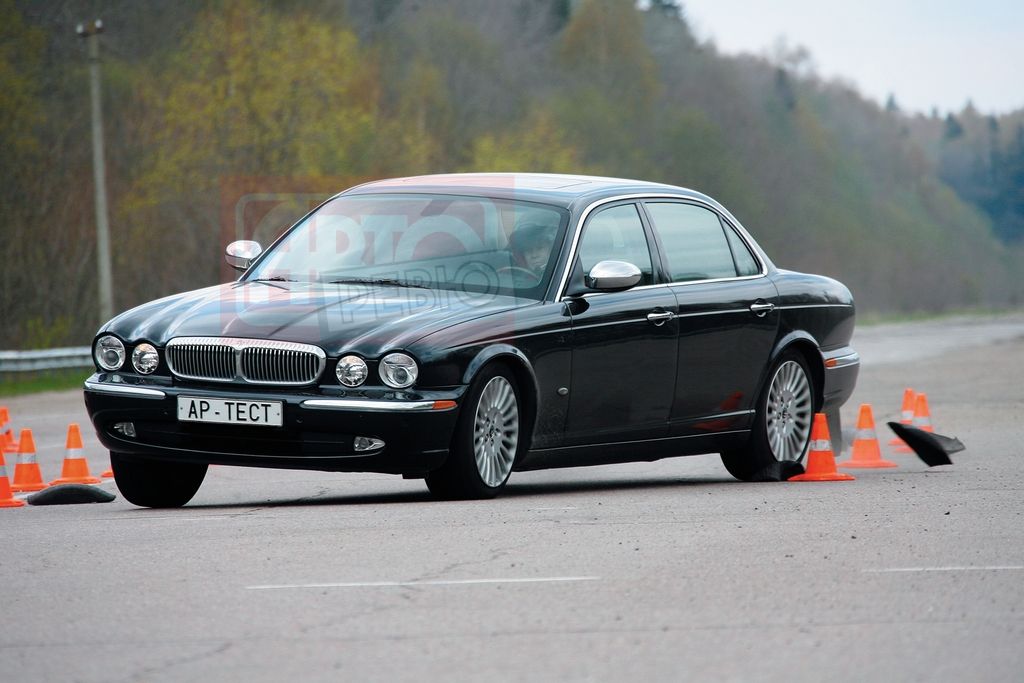 |
| The Daimler has the lowest — and quite comfortable — seating position. The pedal assembly is adjustable | To handle the Daimler in an emergency, you need skill. It's better not to rely on the help of sluggish electronics |
The Lexus steering wheel also lacks a clear "autobahn" zero, but a small turn is accompanied by a predictable increase in return force. Even at top speed, the wheel is completely free of unnecessary trembling, and the Lexus holds the straight line better than anyone in the company. But overall, feedback is lacking. The steering wheel is the only somewhat informative source. You can't say: I'm driving on the road. I'm driving in a body that floats on air cushions, which sit on shock absorbers, to which wheels are attached, and it's those wheels that drive on the road...
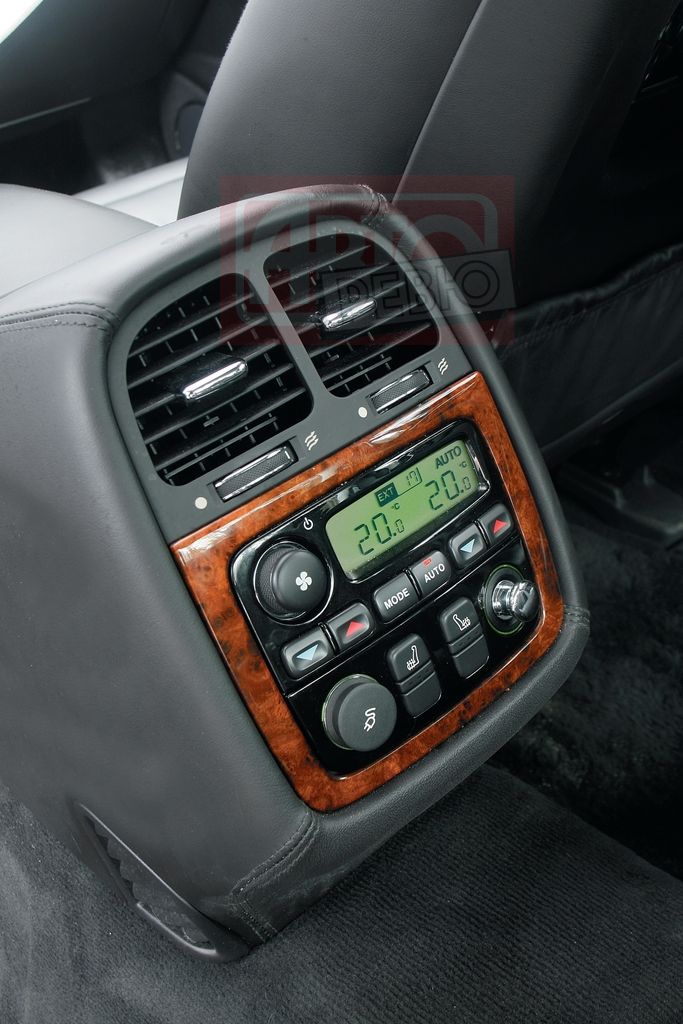 | 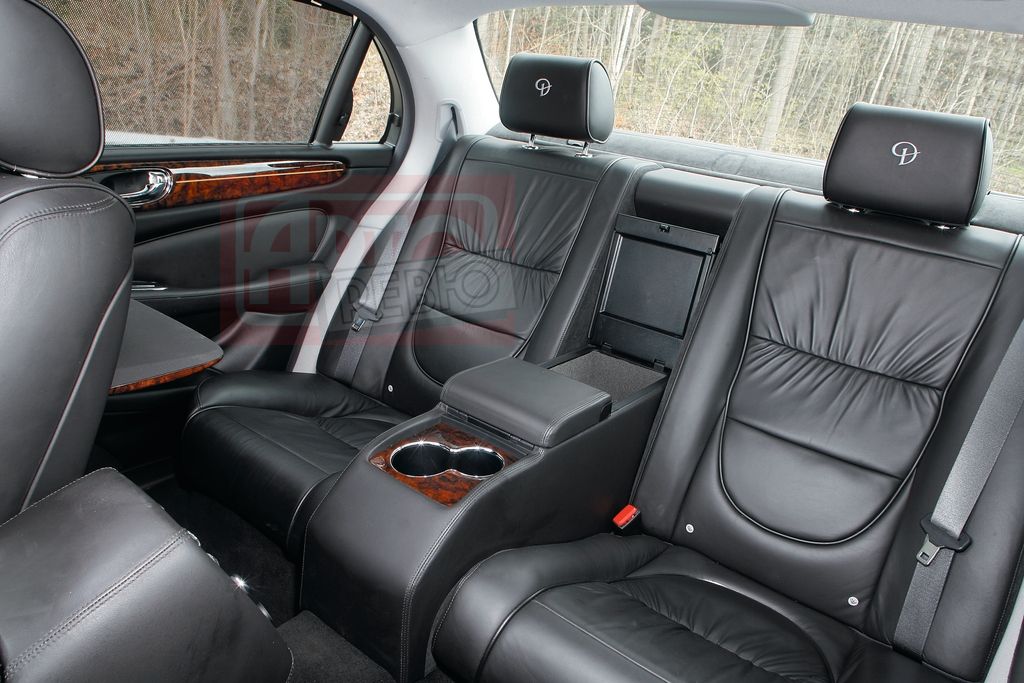 | 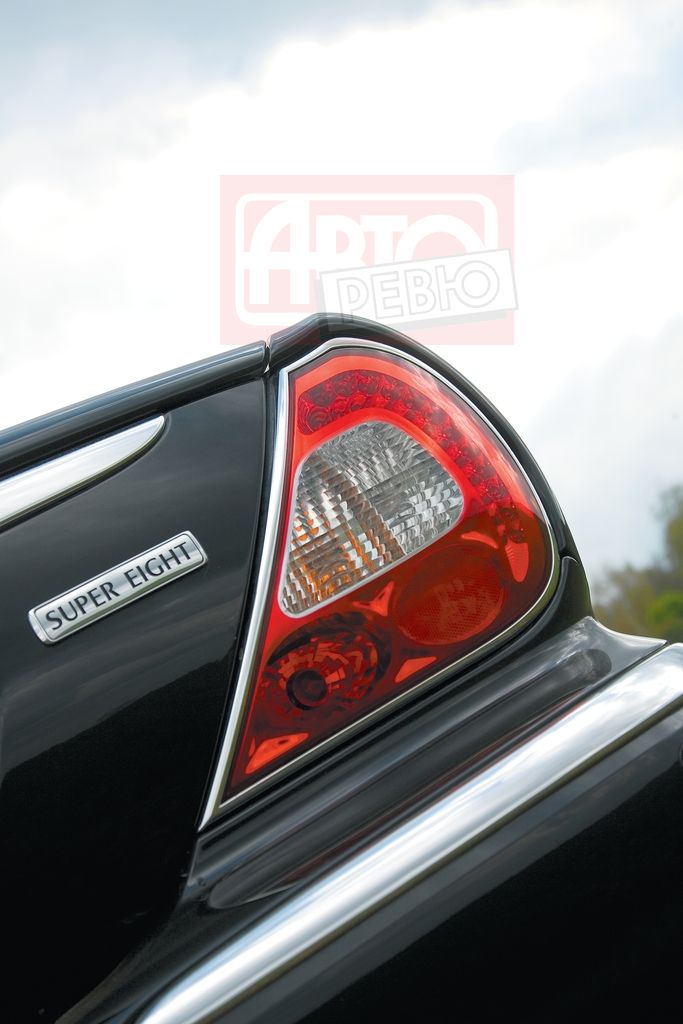 |
| The climate control unit for rear passengers is simple, convenient, and positioned in the most advantageous way | Rear seats only adjust the backrest angle, but their initial shape is more comfortable and versatile than in the Lexus | Super Eight means the V8 engine is equipped with a mechanical supercharger — just like on Jaguars with the R index |
As long as you don't make sharp movements, the Lexus's handling raises no complaints. But as soon as you turn the wheel faster, for example for an urgent lane change, noticeable delayed rolls appear: first the body leans to the side, and only then does the car change trajectory. During any active maneuver, the Lexus tends to break into a skid, and after entering a new lane, it makes a couple of unpleasant oscillations. Stability control, of course, controls everything. But we couldn't even imagine how important it is for this car! Without the electronic leash, the Lexus is devilishly "oversteery," and this skid is poorly controlled: the steering wheel has already returned the car to course, but it still continues to slide... So it's definitely not worth turning the system off.
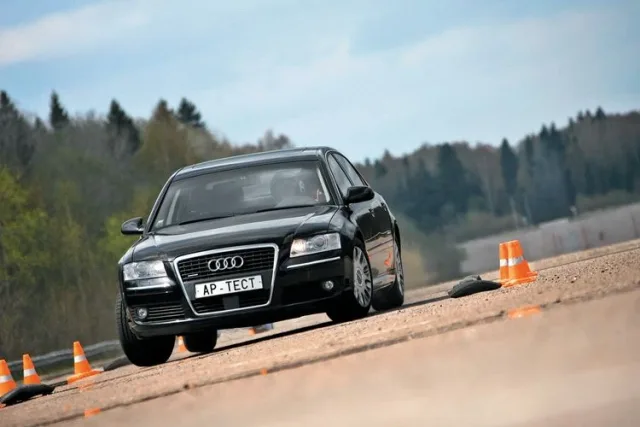
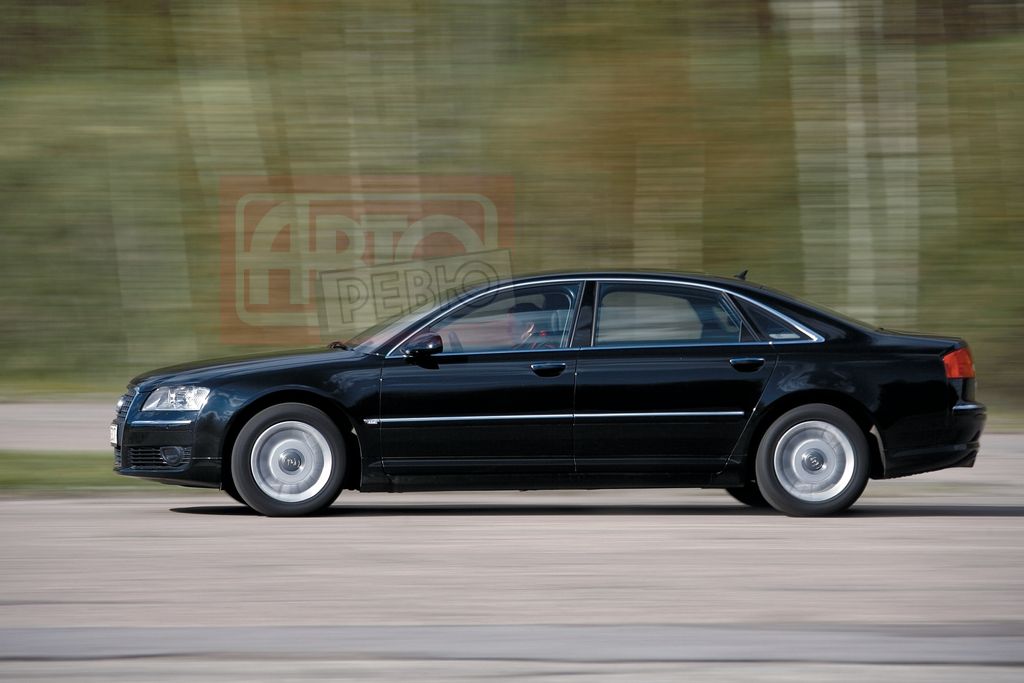
Even in the long-wheelbase version, the Audi A8 remains the simplest and most understandable executive sedan to drive. In the "lane change" test, the Audi showed the highest top speed — 80.1 km/h
The Audi driver feels the car as an extension of themselves. No other car in this test allows you to fly along a country road so easily. The steering wheel is "transparent" — you can literally read all the forces acting on the wheels. Therefore, the Audi seems livelier, more agile, as if it were smaller than its dimensions. And the reactions are logical: the car instantly responds to steering input, then rolls — and confidently completes the maneuver. True, the steering wheel could be better isolated from vibrations — too much "junk" comes through, and at high speed, the wheel noticeably twitches from side to side.
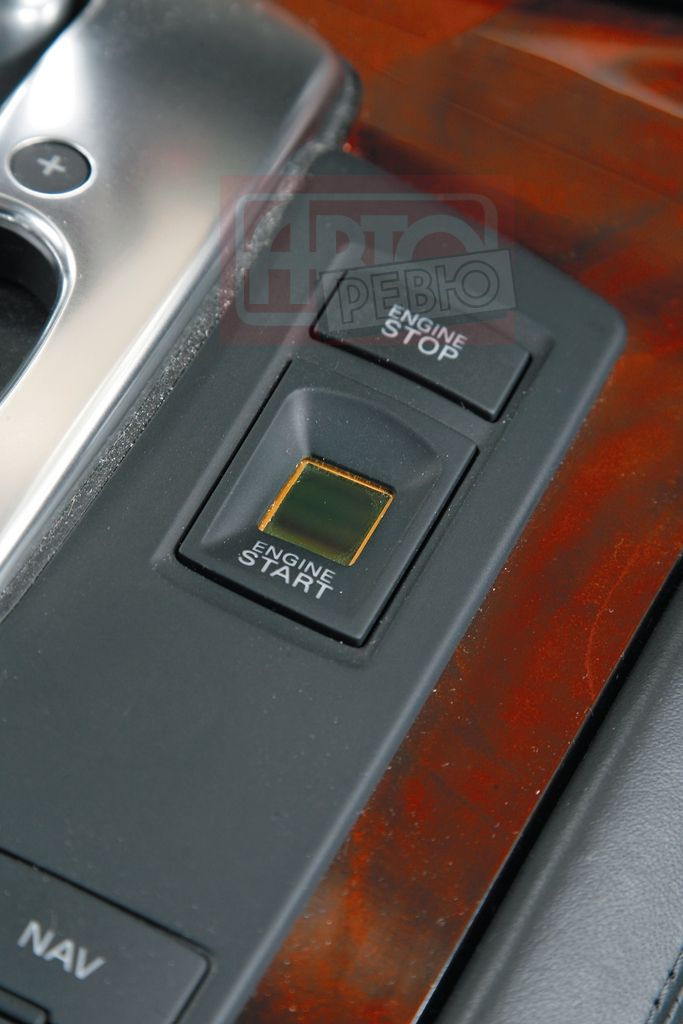 | 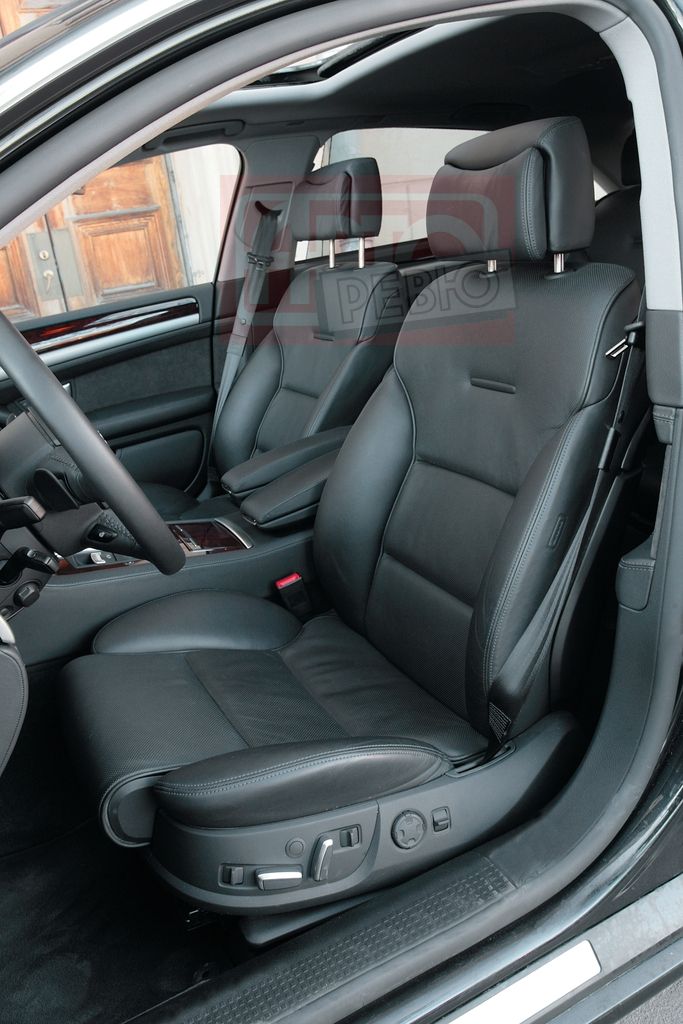 | 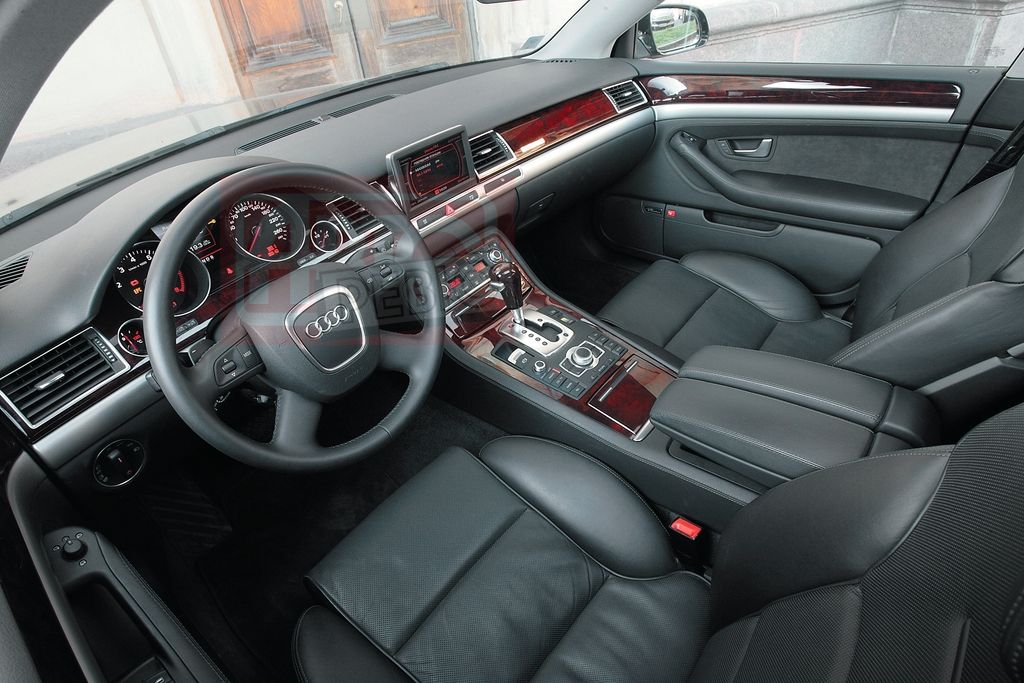 |
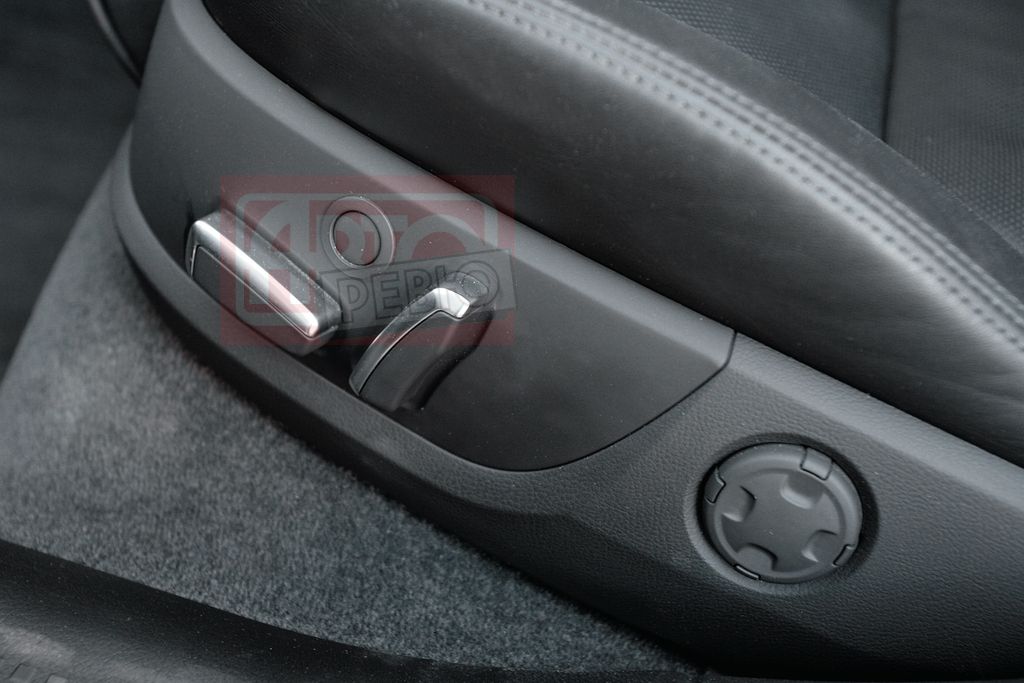
| The fingerprint scanner on the start button is not an anti-theft device, but a way to recognize the driver to activate personal settings like seat position or favorite radio station | Firm seats are comfortable and equipped with a massager | The black-and-brown color scheme looks a bit gloomy, but the Audi interior is still the most sporty and one of the highest quality |
The Audi doesn't need the stability control backup as much as the Lexus, whose active safety is entirely built on electronics. In the Audi, it's built into the chassis design itself. In a limit turn, the car slides with all four wheels. The main thing is not to overdo the speed to avoid provoking the infamous understeer, against which ESP is powerless.
 |  |
| At speed, the Audi "sticks" to the road, meticulously following the surface profile | In the rear of the Audi, there's a full climate control unit. Too bad there's only one blower fan (the Lexus has two) |
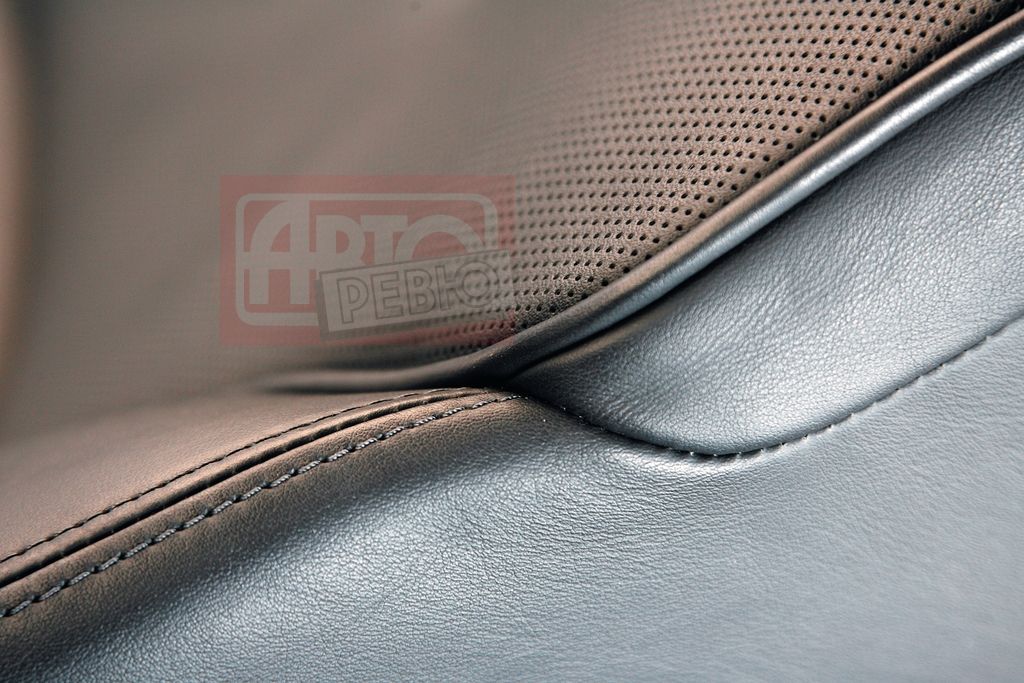 | 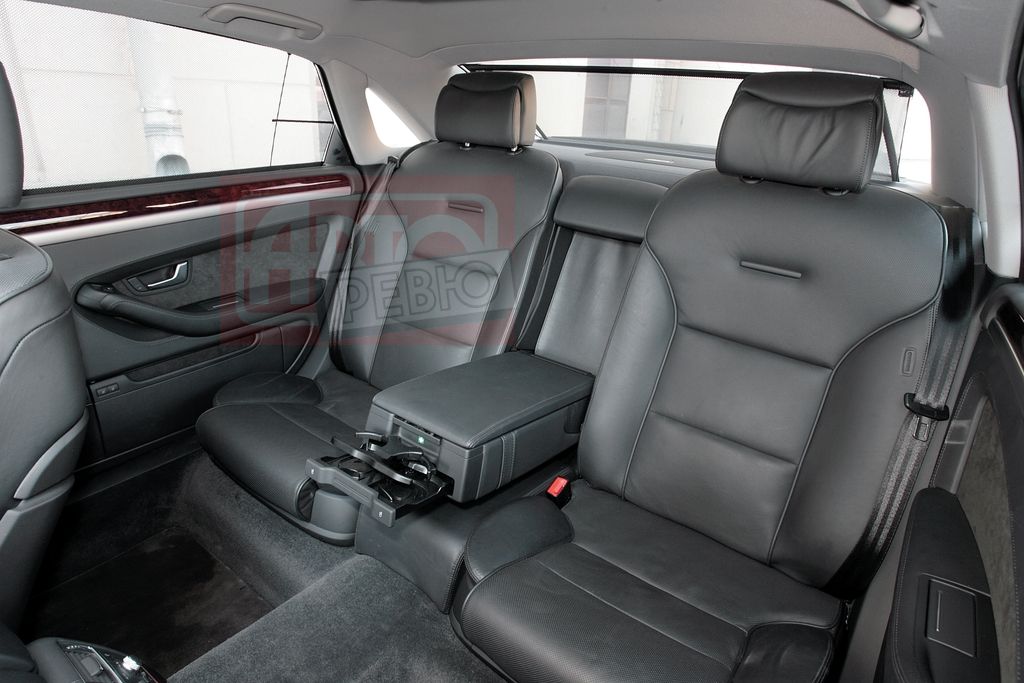 |
| The firmness of the seats harmonizes with the dense leather | Sitting in the back is comfortable, but for entertainment, there are only servo-driven sunshades |
The BMW steering wheel is "cleaner": there's less fine vibration, although on large bumps the amplitude of oscillations is greater. But as soon as the car goes from a straight line into a curve, the return force returns — and the sharper the turn, the heavier the wheel. The course changes at the slightest request, lightning-fast, almost without rolls. However, in limit modes, the "seven" seemed "heavier" to us than before: the understeer phase is stretched, almost like the all-wheel-drive "A-eight."
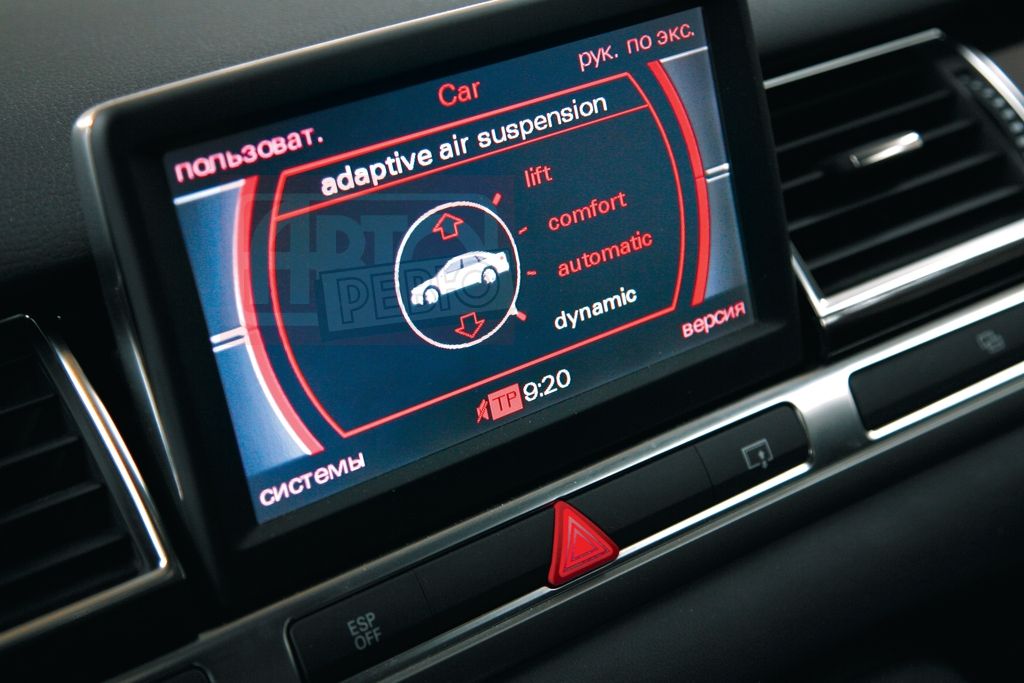 | 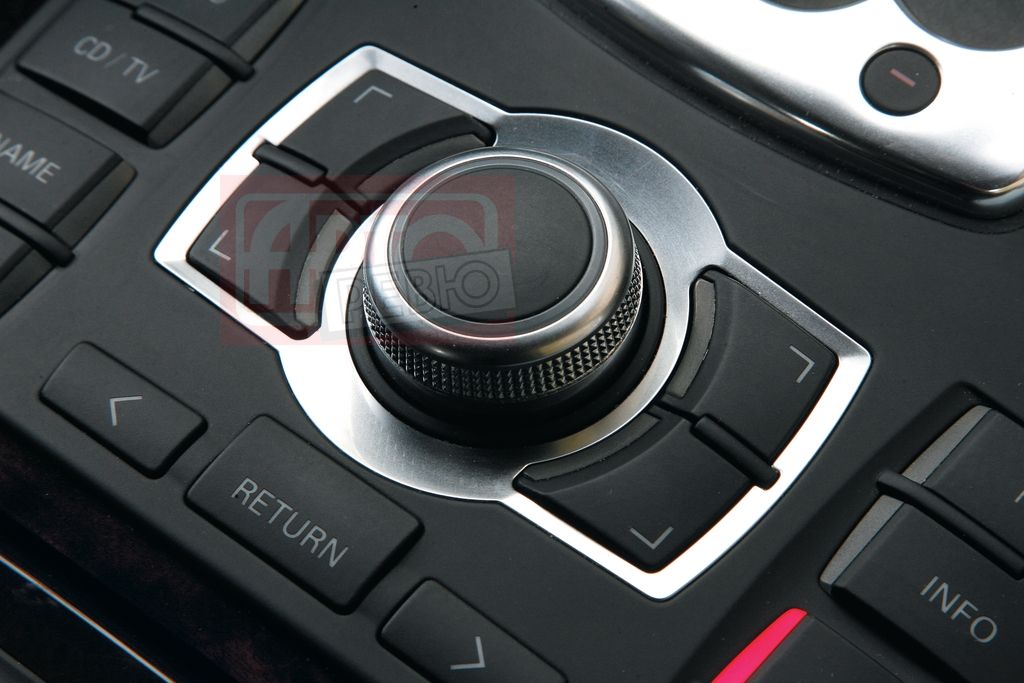 | 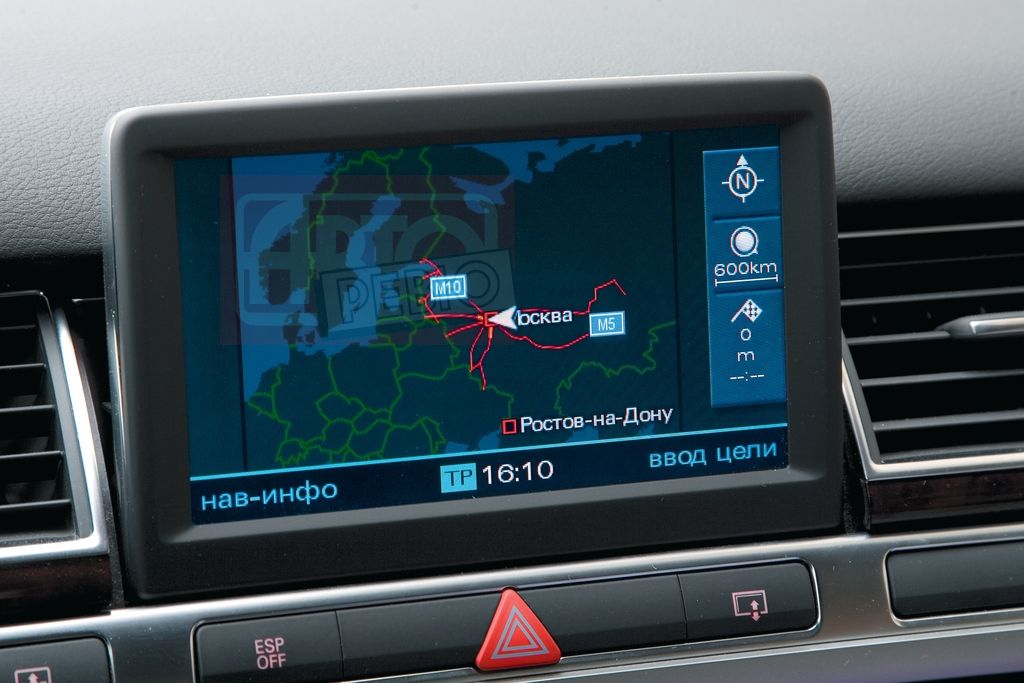 |
| The comfort suspension mode will satisfy rear passengers only on good roads | The drawback of the MMI system is the wide spread of "peripheral" buttons, which require taking your eyes off the road |
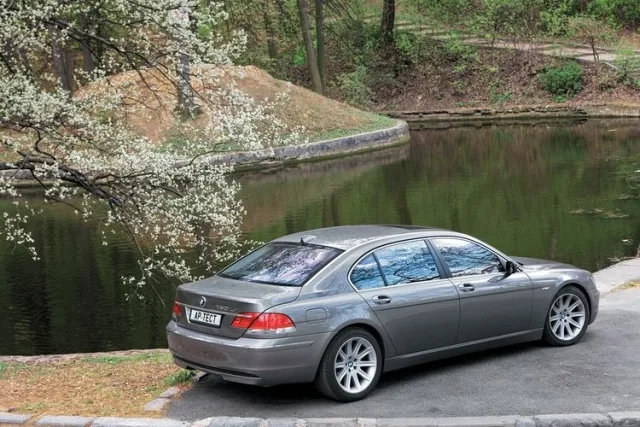
After the facelift, the appearance of the "Seven" became calmer — and less controversial
| Audi A8 L | |
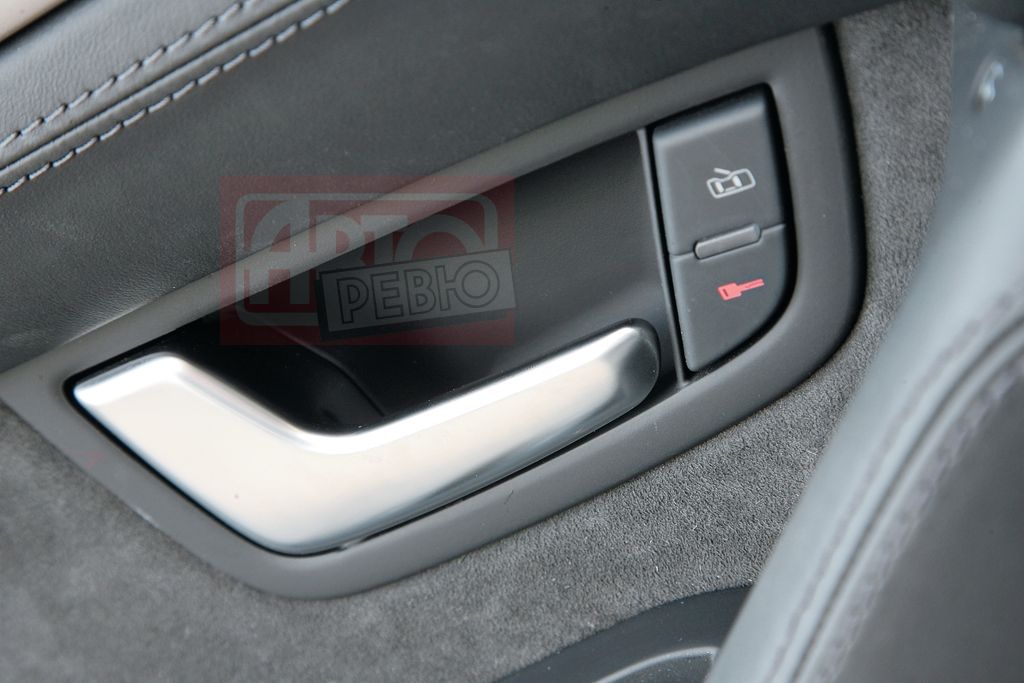 | 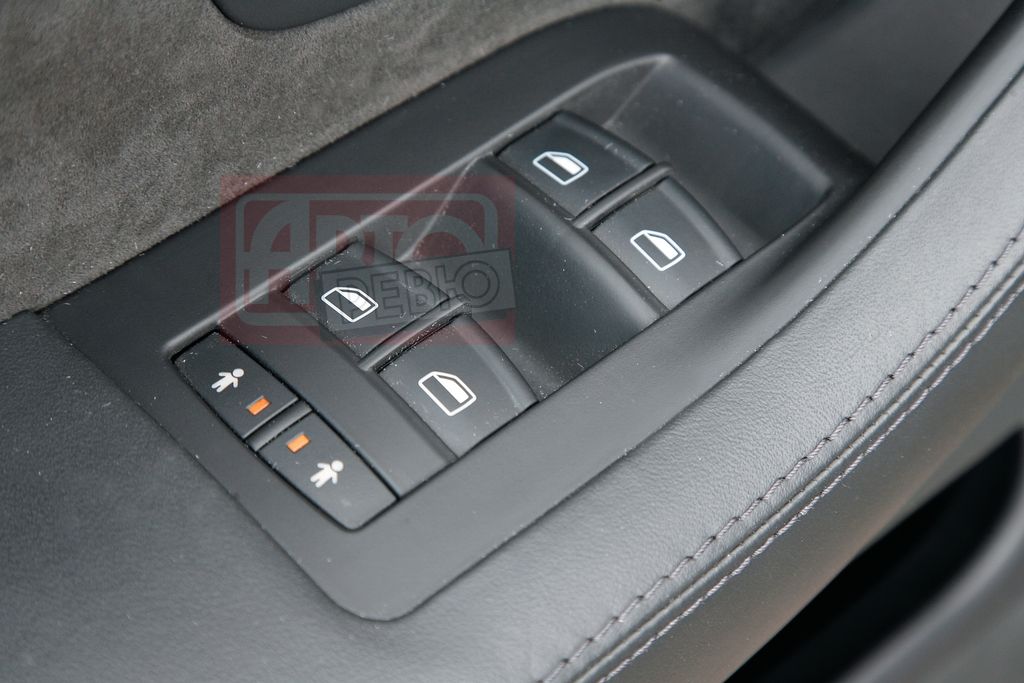 |
| Emphasized functionality, the best plastic, doors upholstered in suede | |
| Mercedes-Benz S 500 L | |
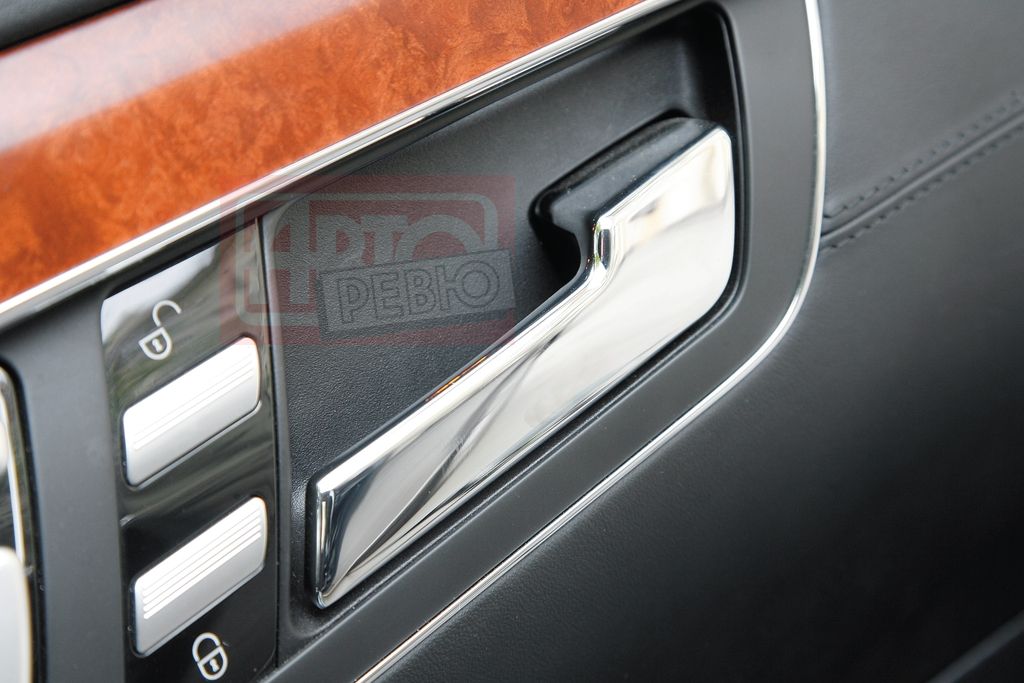 | 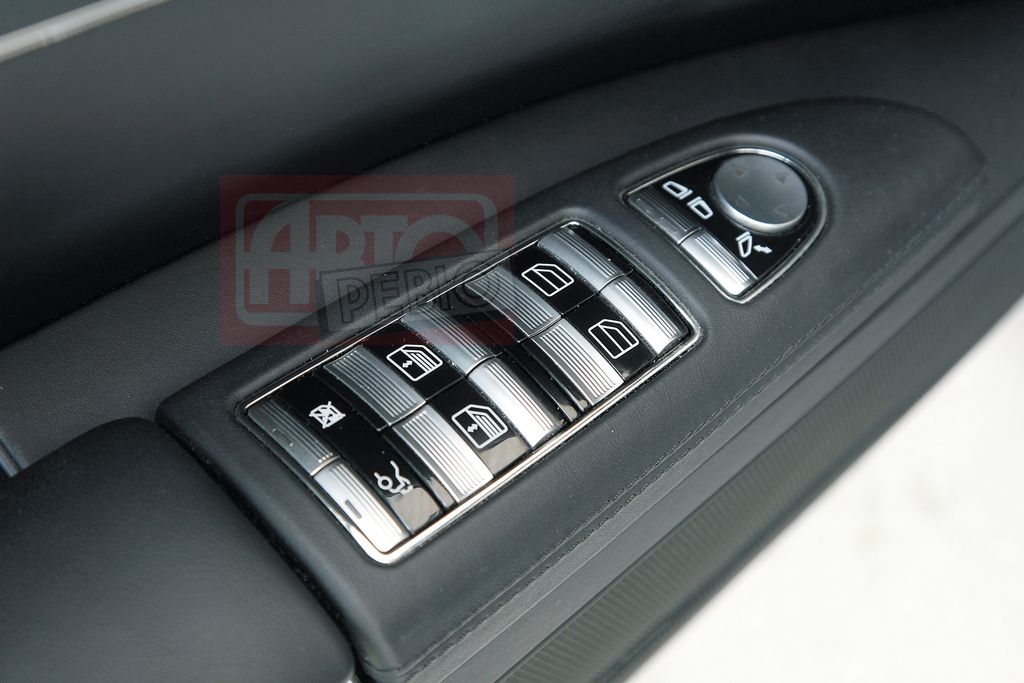 |
| Leather, wood, and fittings made of hand-cooling aluminum. Plastic is hidden under black lacquer | |
| Lexus LS 460L | |
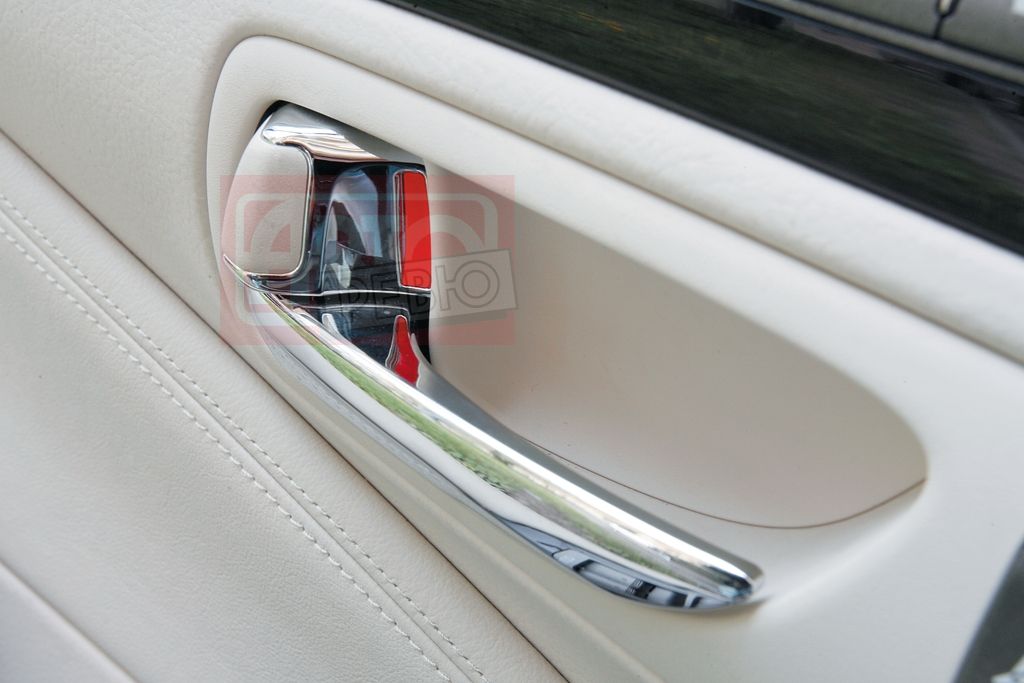 | 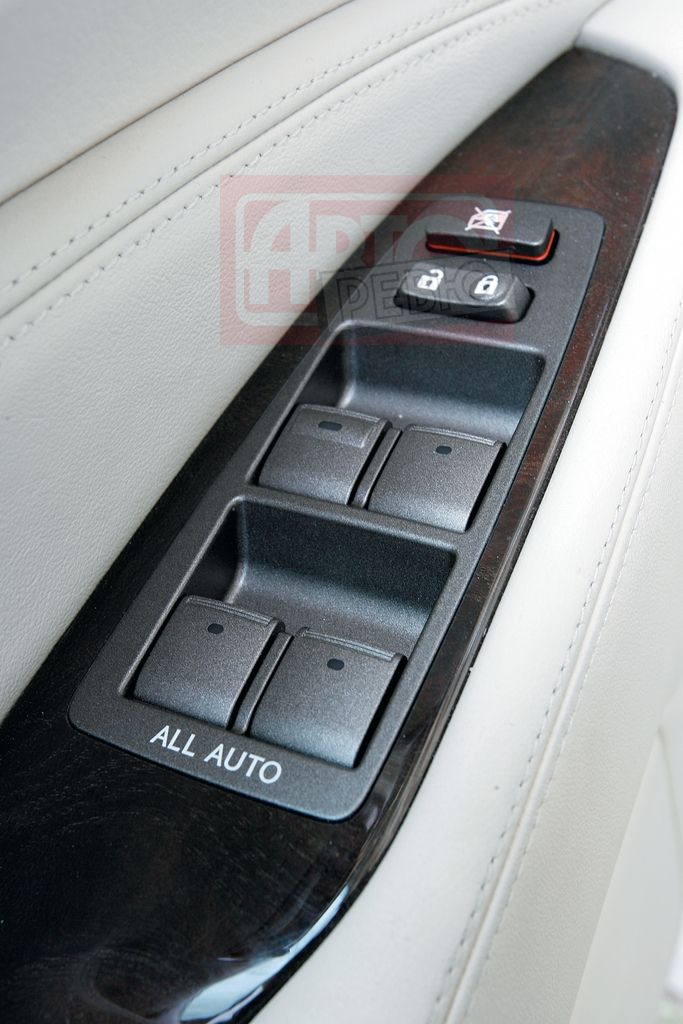 |
| The flowing lines of the inner panel do not harmonize with the standard plastic fittings | |
| Daimler Super Eight | |
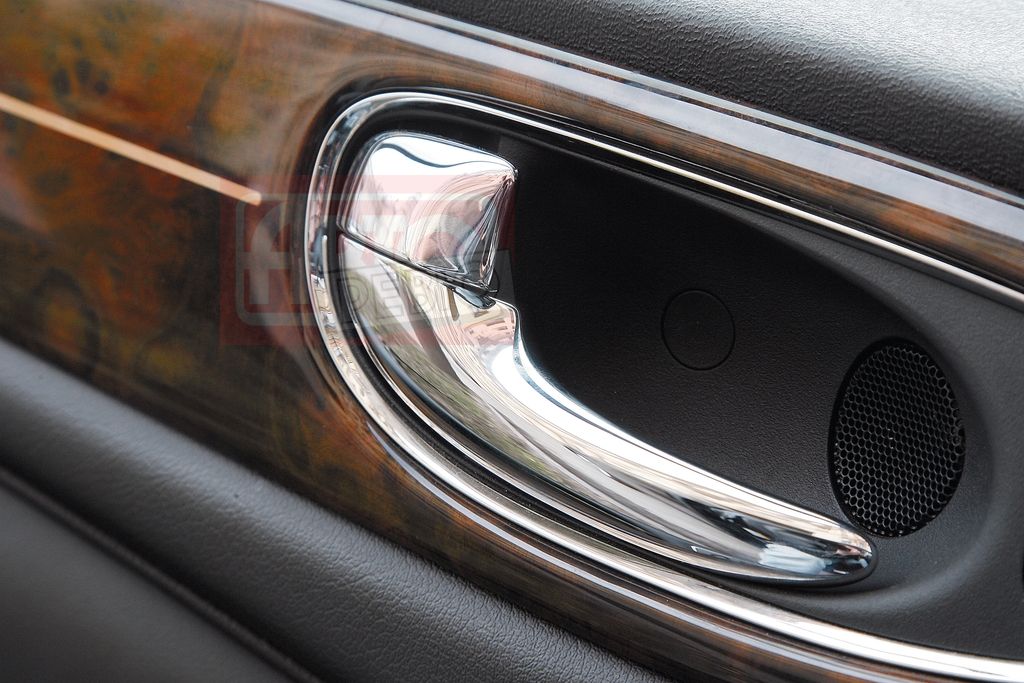 | 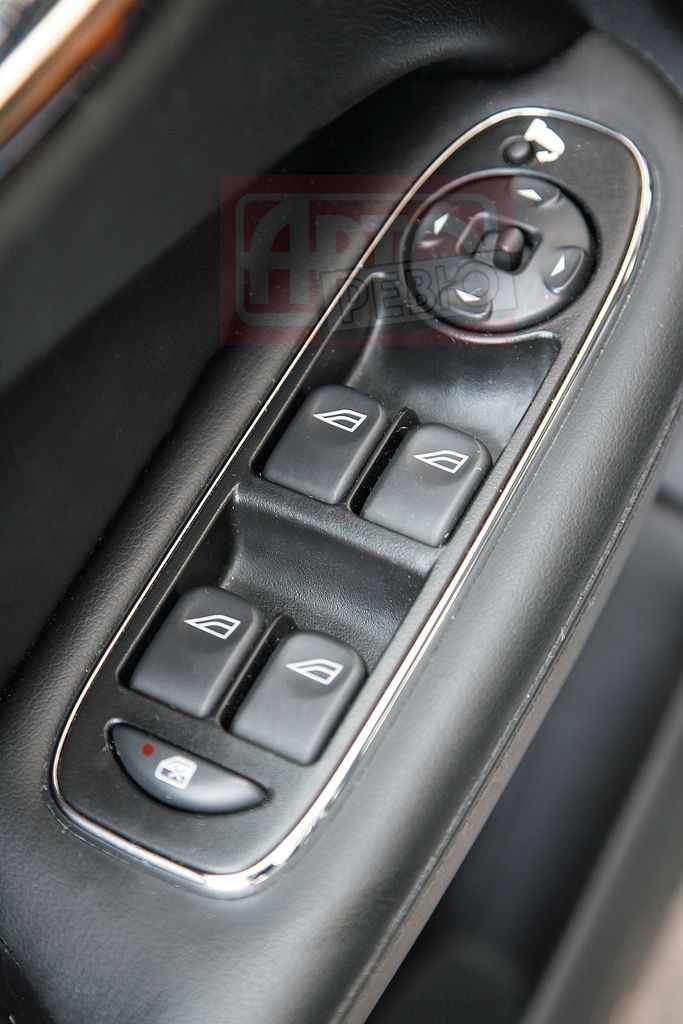 |
| Sometimes beautiful, sometimes monstrous… | |
| BMW 750Li | |
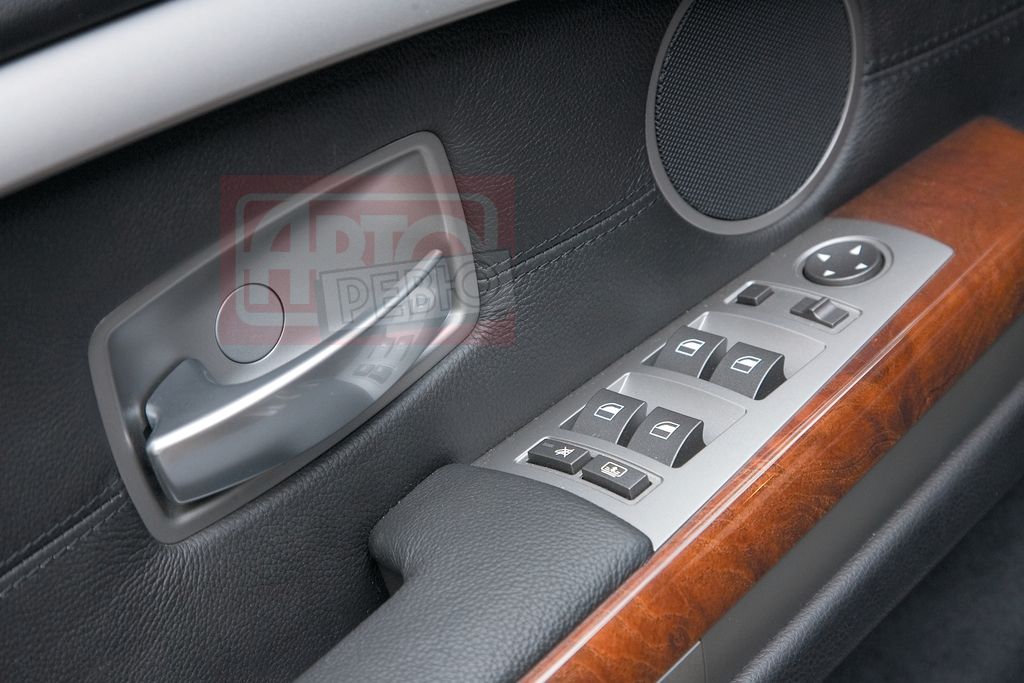 | |
| More metal, rougher leather, more natural wood, worse plastic, and higher effort on buttons and handles | |
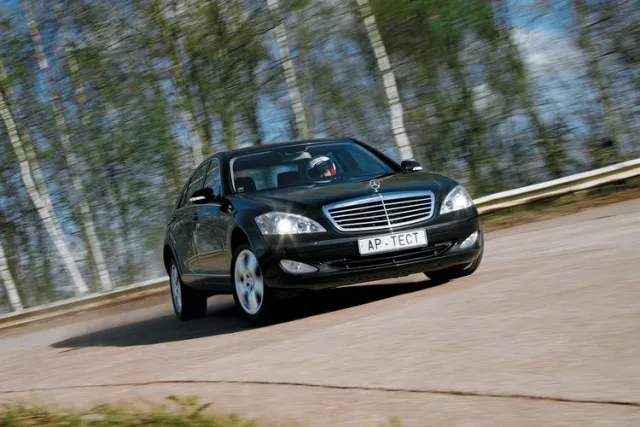
The all-wheel-drive Mercedes rushes sideways in a "mountain road" corner — the chassis allows miracles!
 <\/a><\/td> <\/a><\/td> |  <\/a><\/td><\/tr> <\/a><\/td><\/tr> |
<\/td> The "all-aluminum" light control unit has only one drawback — it is not visible from behind the wheel<\/td><\/tr>