
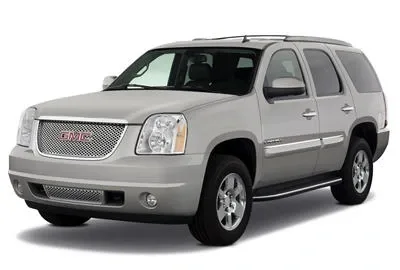
GMC Yukon: prices and specifications
1 generations Country of origin: United States

GMC Yukon: history of generations
GMC Yukon is a full-size SUV produced under the General Motors sub-brand and is an analogue of the Chevrolet Tahoe. It replaced the GMC Jimmy model. According to the new naming system adopted in 1990, the company's vehicles were named after geographical features. Yukon is named after a territory in northwestern Canada.
First generation was introduced in 1992. The vehicle was built on the GMT 400 platform, which was also used for the Chevrolet Silverado pickup. Initially, the Yukon was produced in a three-door body and differed from the Chevrolet Tahoe only in the front end design. In 1994, a five-door version with an extended wheelbase and seven seats appeared. In 1996, the luxury Denali trim was added to these two options. In 1998, the model was updated with new engines and the AutoTrac all-wheel drive system. Production took place in the USA and Mexico.
Second generation debuted in 2000. It was based on the new global GMT 800 platform and was produced only in a five-door configuration. Although a three-door version was planned, it was abandoned due to impracticality. Alongside the standard model, the Yukon Denali version continued to be produced with a different front end design and richer interior equipment.
Third generation was introduced in 2007. It was built on the GMT 900 platform, featuring increased dimensions, a more angular design, and improved interior ergonomics. In addition to the standard version, the Yukon Denali was produced, and in 2008 a hybrid modification appeared.
In Ukraine, the third generation GMC Yukon appeared in 2009. All three versions could be ordered: standard, hybrid, and Denali. The vehicle was sold only through unofficial dealers.
The model is equipped with a 6.2 L gasoline engine and a 6.0 L hybrid engine. They work in conjunction with a six-speed automatic transmission or a continuously variable transmission (for the hybrid). Drive is all-wheel drive.
GMC Yukon generations
Owner reviews →