
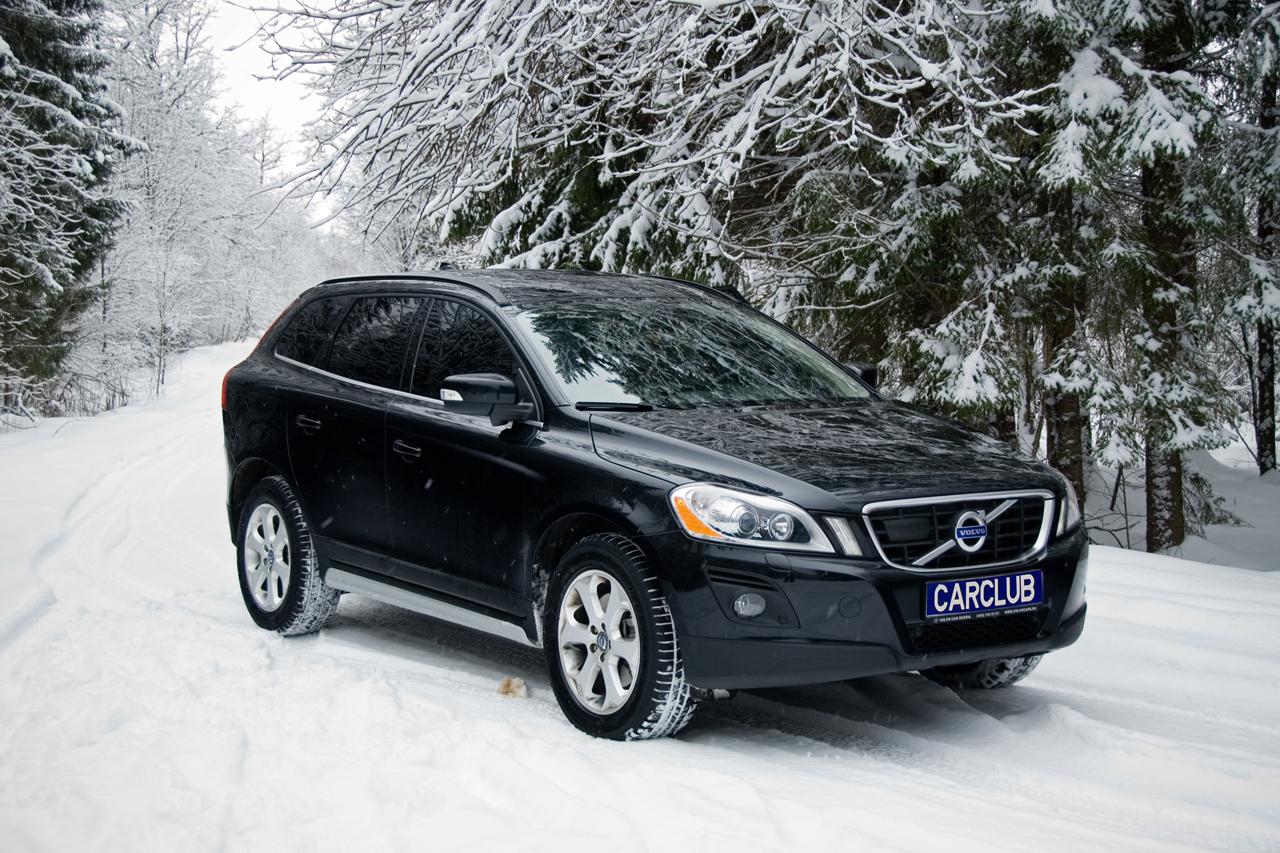
 Volvo XC60 is brought to Russia with two engines: a petrol turbocharged "six" producing 285 hp and a 2.4-liter five-cylinder turbodiesel with 185 hp. The petrol version is available exclusively with a 6-speed Geartronic automatic transmission.Comments (2)
The compact crossover Volvo XC60 was first shown to the public in 2008 at the Geneva Motor Show. Immediately after the premiere, the Swedes entered the fight for customers with the BMW X3 and Infiniti EX35, and a little later the Audi Q5 and Mercedes GLK joined this company. The current lineup of the Scandinavian brand is far from the angular cars that were associated with respectable elderly owners. Today Volvo offers elegant and stylish cars, and everyone can choose an option to match their status and needs.
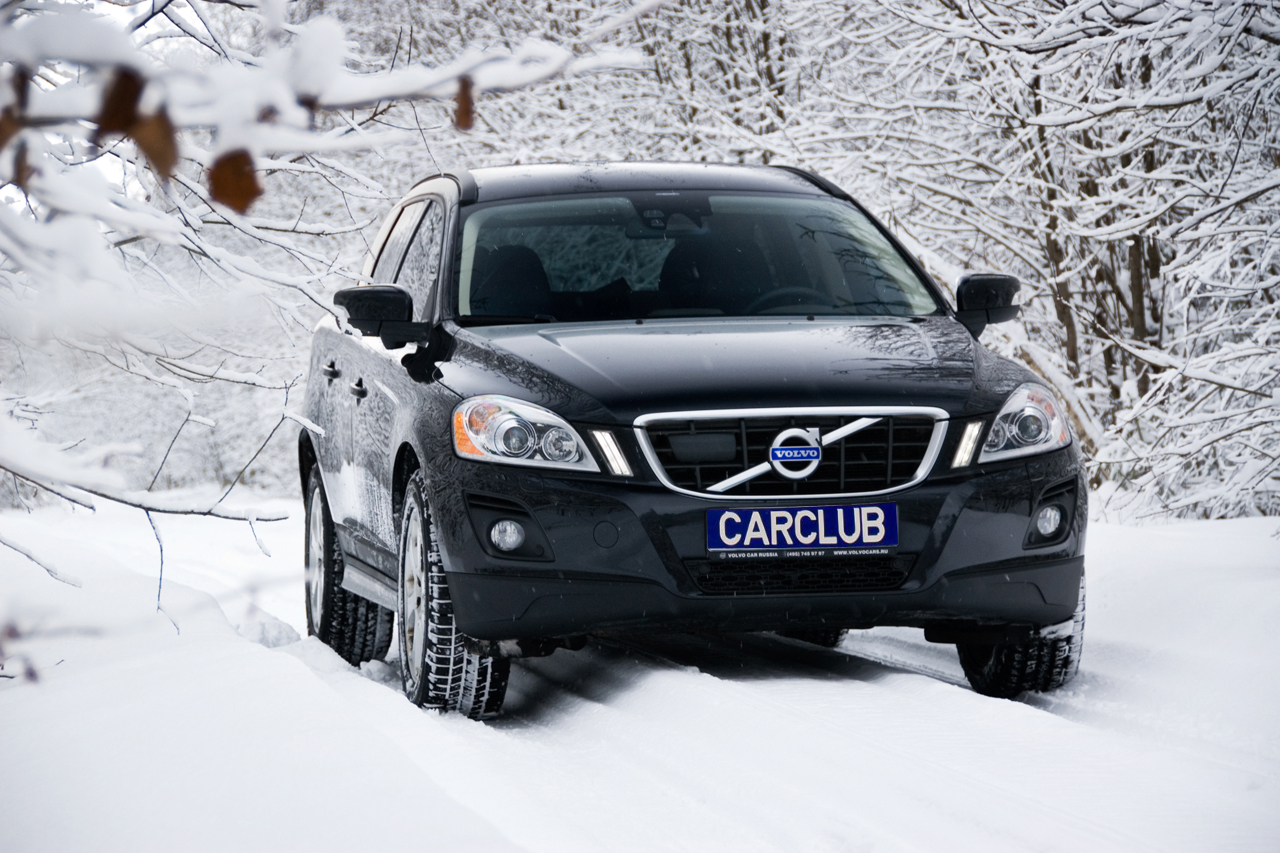 |
| When Briton Steve Mattin, who had previously made a name for himself at Mercedes-Benz, came to the Volvo Cars design studio, the XC60 appeared in the brand's lineup — and there is no doubt about its beauty and elegance. |
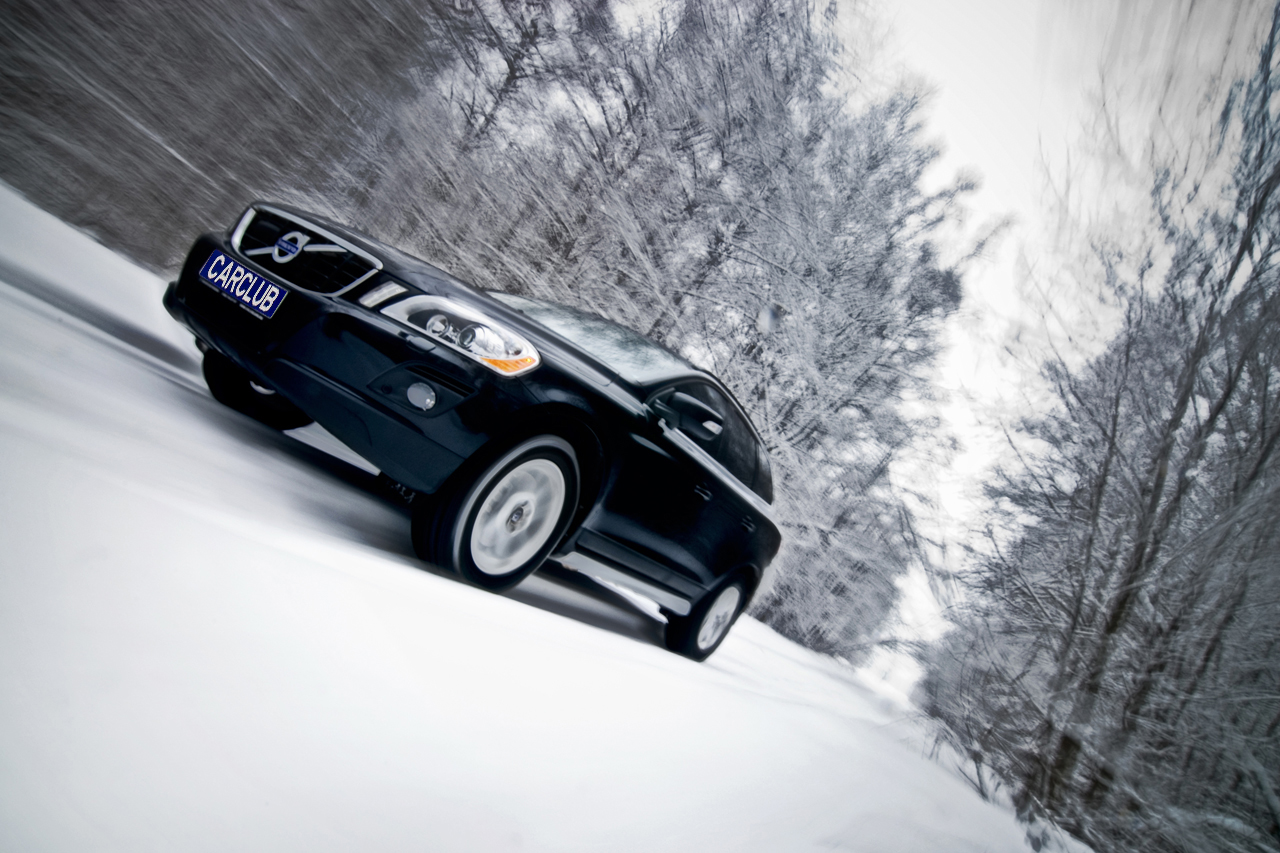
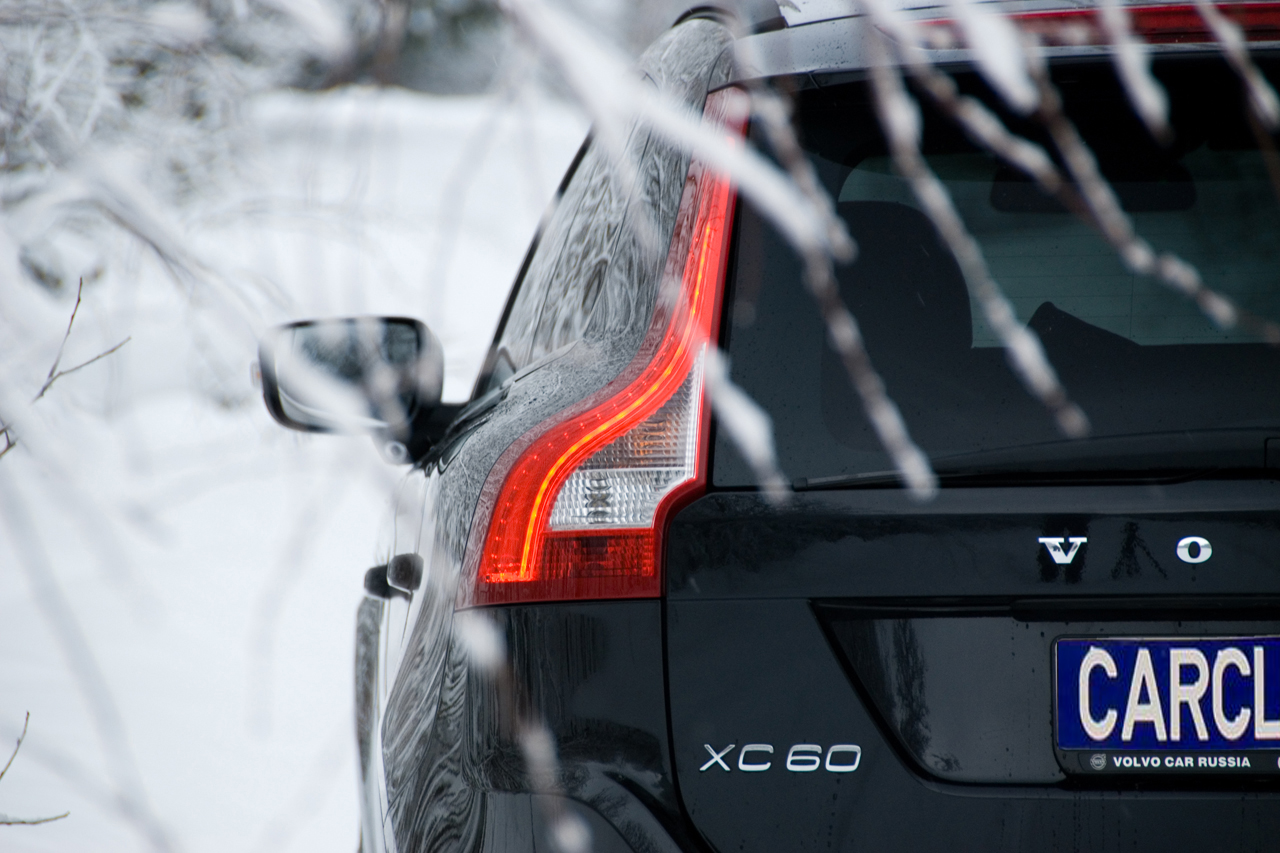
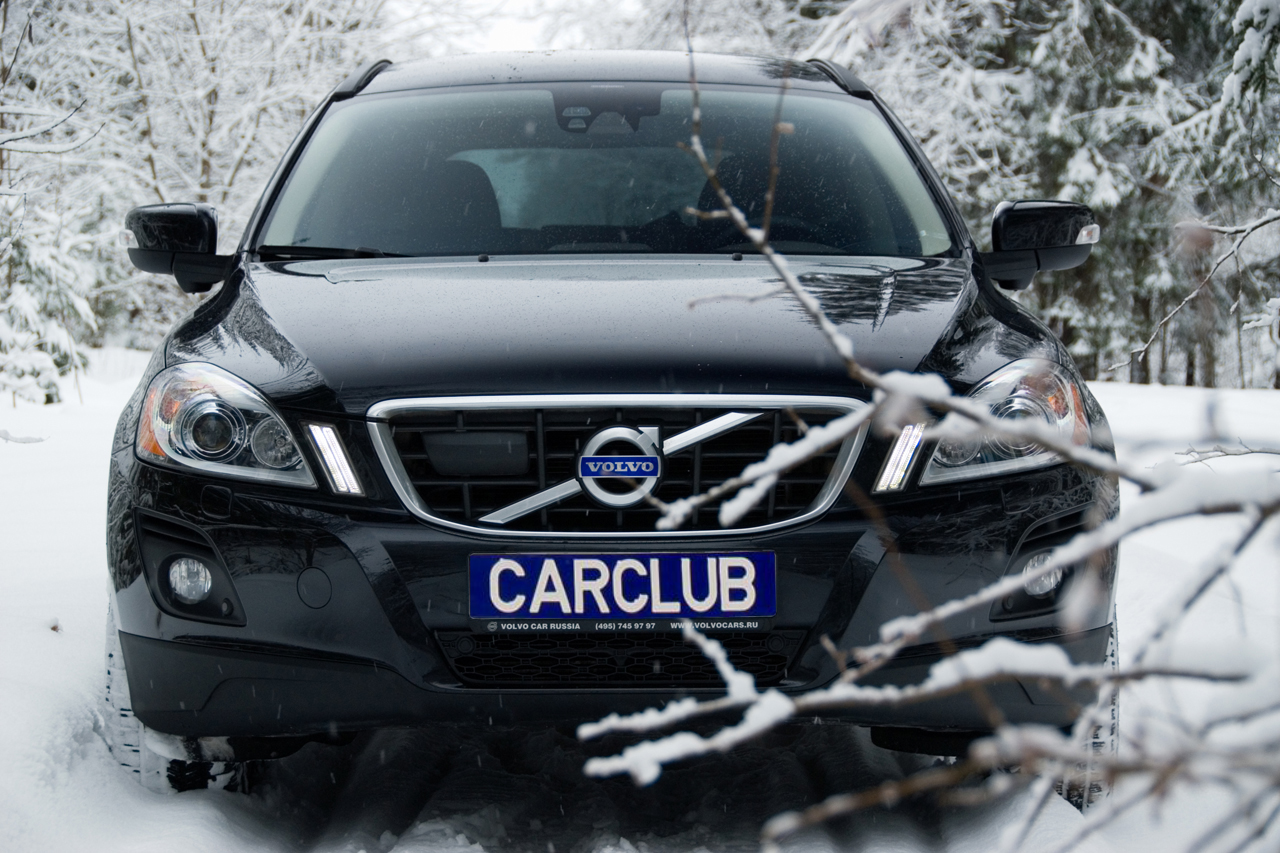
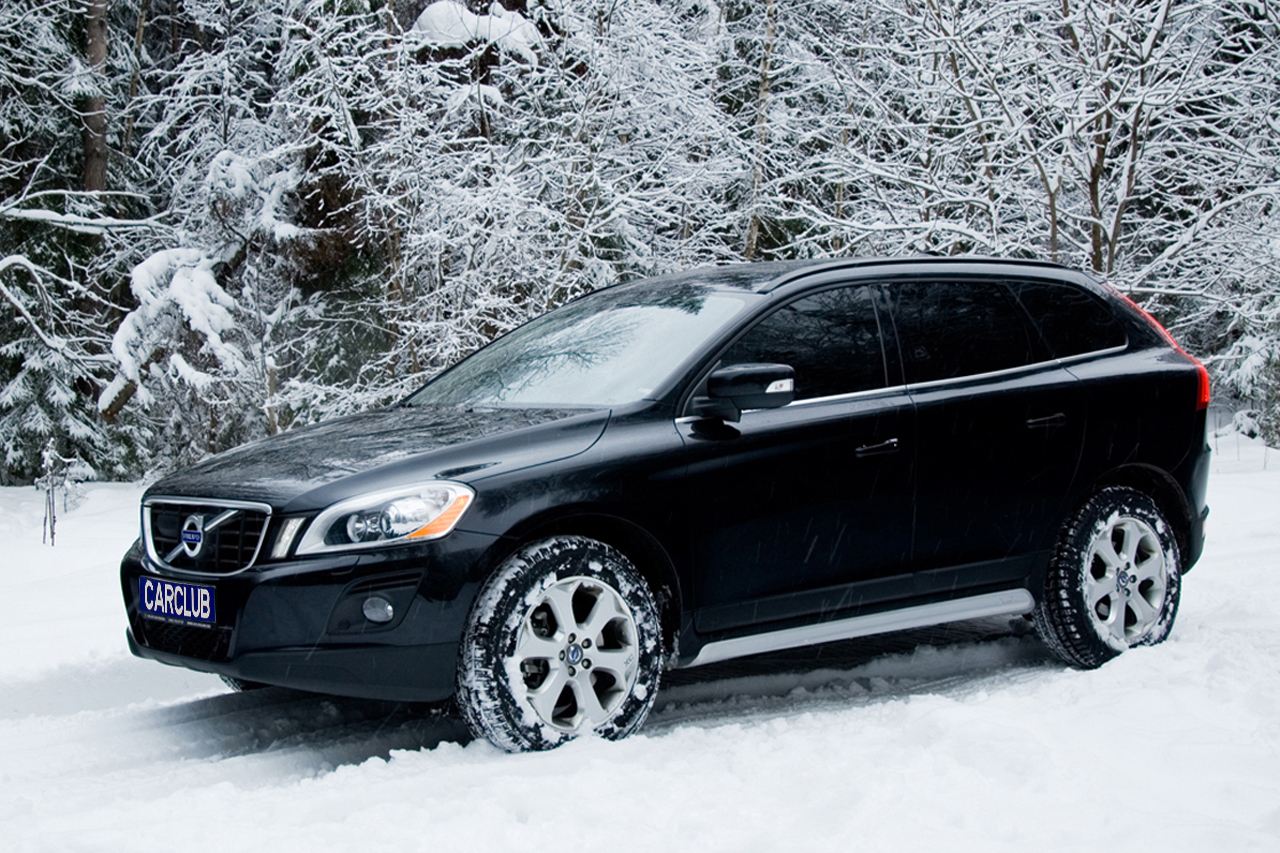
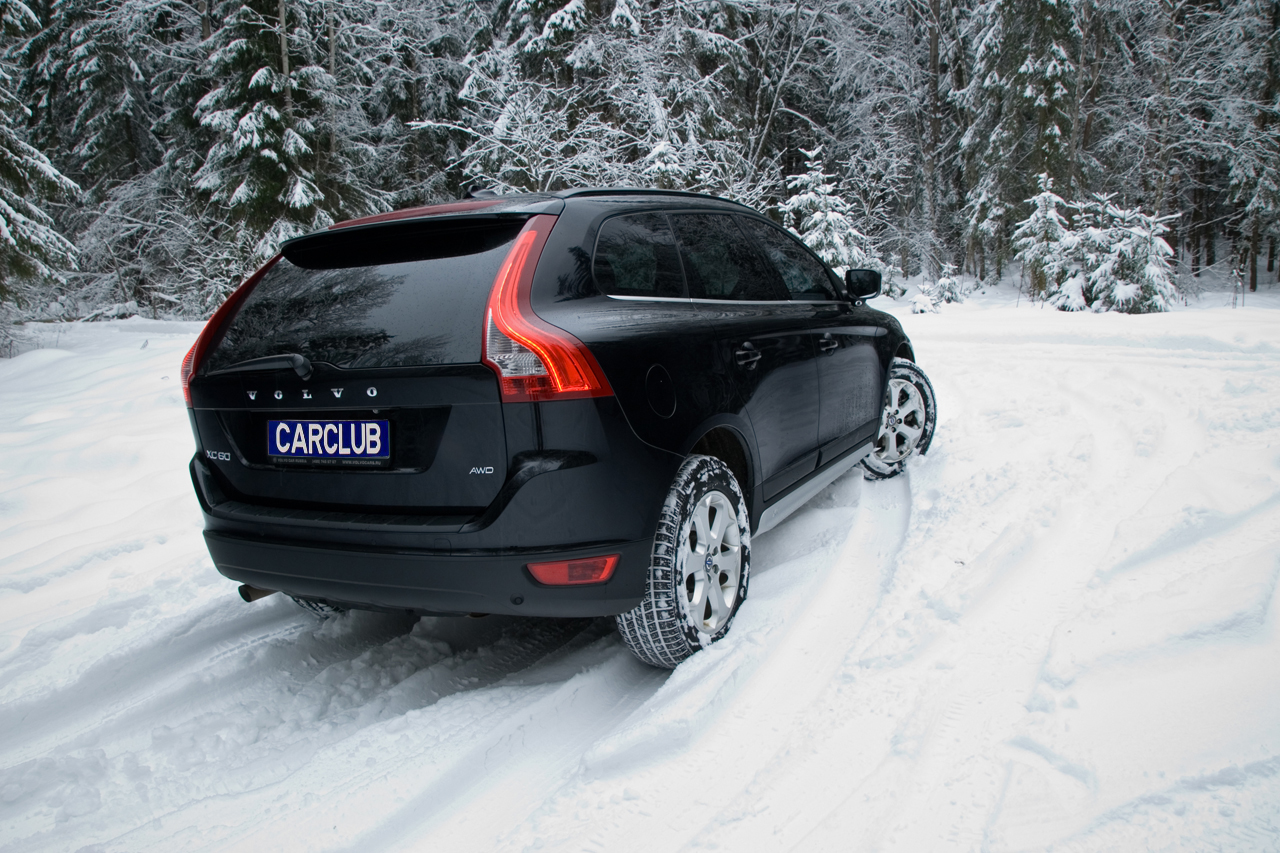
Thanks to Steve Mattin, a Briton who worked at Mercedes-Benz before Volvo, the Scandinavian brand got the XC60 — a car whose elegance is beyond question. The dynamic profile, starting from the heavily raked front pillar, ends with a curved rear end with neat taillights, inside which a red strip of LEDs glows. Large 18-inch wheels and an aggressive front end confidently place the XC60 in the premium compact SUV class, where it looks almost more advantageous than its German rivals.
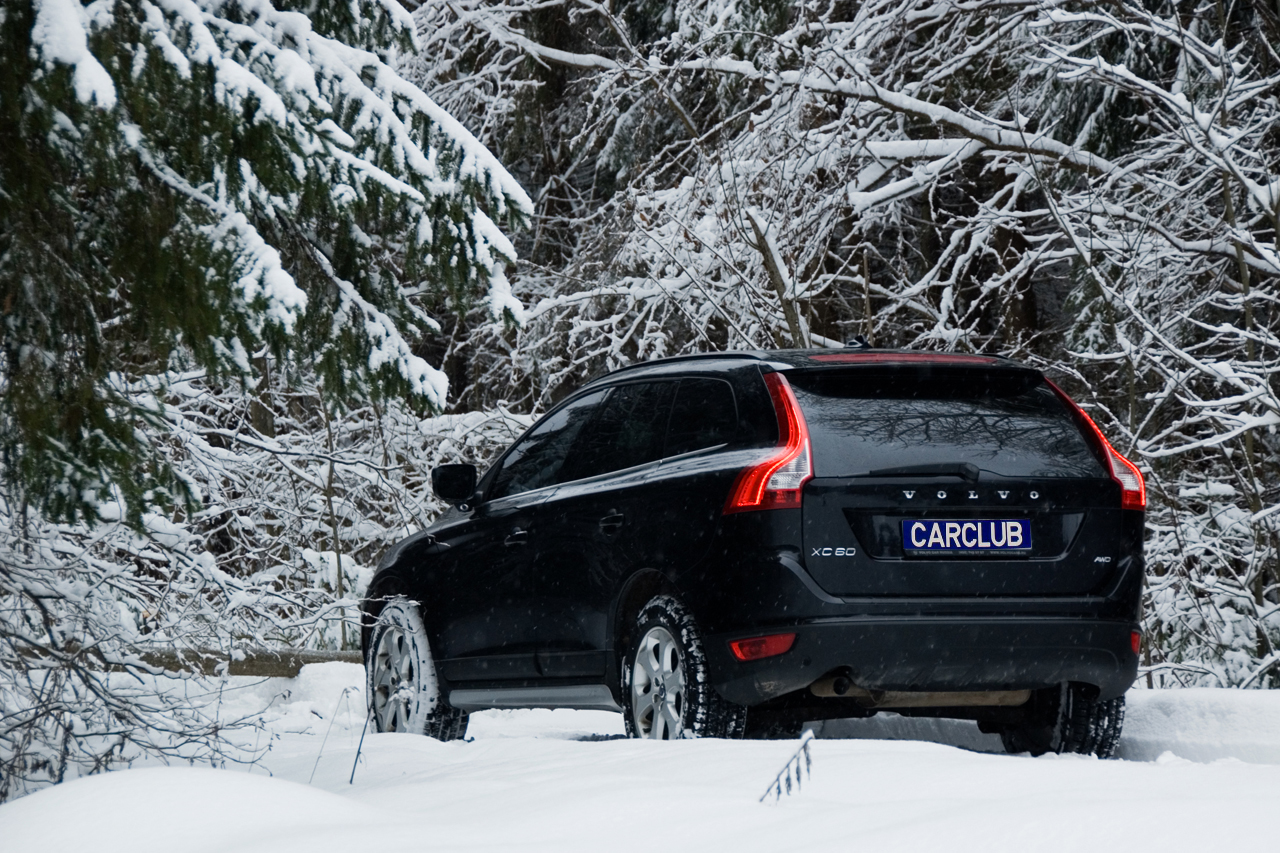 |
| The fast silhouette, which starts from the noticeably reclined front pillar, ends with a curved rear end with elegant taillights, where a red strip of LED lights is placed. |
The Swede's interior is in no way inferior to the exterior: seats upholstered in brown-beige leather look rich and impressive. The signature "floating" console, trimmed with natural wood and turned towards the driver, creates a feeling of home warmth. The quality of materials is beyond reproach, and the ergonomics are well thought out. But here's the question: who came up with the idea of upholstering such comfortable seats in such slippery leather? Just enter a corner a bit more sharply, and the upholstery literally pushes the passenger out of the seat. The instrument panel has moved here from the flagship S80 — it is informative and looks decent. In terms of trim richness, the XC60 yields only to the Infiniti EX35 with its luxurious beige interior and leather dashboard.
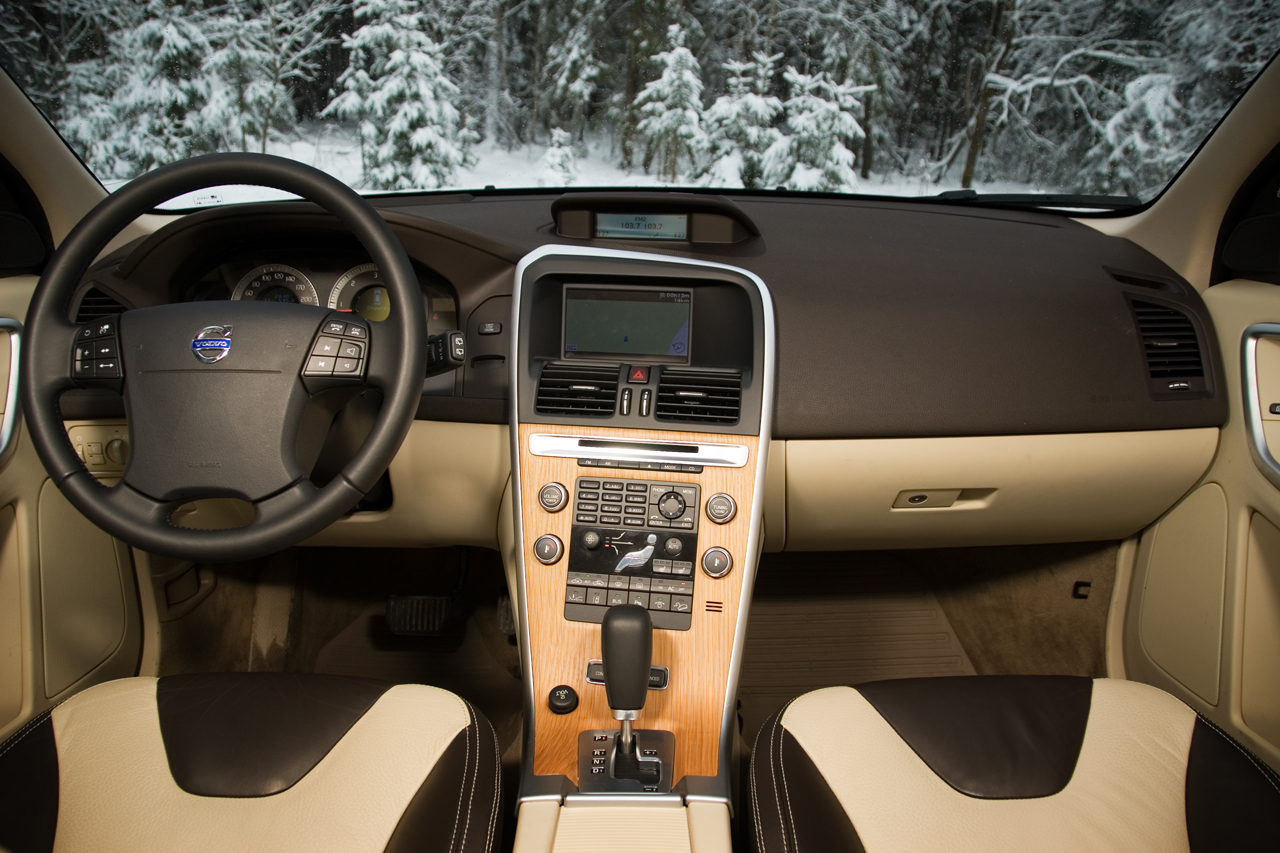 |
| The brown-beige leather on the seats looks expensive and solid. There are no complaints about the trim materials, and the ergonomics are also up to par. |
At the top of the center console there is a small display that shows audio system information. Just below is a color navigation screen, which is an option and costs 99,500 rubles. Navigation is controlled either by a remote or by a special joystick hidden on the back of the steering wheel. Since there is no touch input here, entering an address will take a long and tedious time, using that same joystick or remote. Moreover, apart from navigation, this screen is not capable of anything else.
 |
| The Volvo's steering suffers from a lack of feedback, although a system that changes the effort on the wheel depending on speed is present here. |
The 2.77-meter wheelbase makes the XC60's rear row one of the most spacious in its class. Three adults can sit here comfortably — no need to jostle shoulders or press knees to the chin. The trunk with the rear seatbacks up, which fold in a 40:20:40 ratio, holds 495 liters. If the sofa is folded, the volume grows to 1,455 liters.
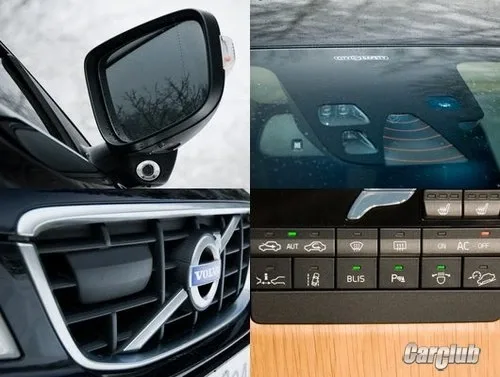 |
| The XC60 is packed with safety systems to the brim. The City Safety system, which is already included in the base trim, operates at speeds up to 30 km/h and automatically brakes the car if there is a risk of collision with the vehicle ahead. Optionally available are blind spot monitoring (BLIS), adaptive bi-xenon headlights, lane departure warning (LDW), and driver attention monitoring (DAC). |
On the Russian market, the XC60 is available with a petrol turbo-six producing 285 hp and a 2.4-liter five-cylinder turbodiesel with 185 hp. The petrol version comes only with a 6-speed Geartronic automatic. The diesel in the base is equipped with a 6-speed manual, and for the automatic transmission you will have to pay an additional 59,900 rubles. We got the diesel version for the test. The claimed acceleration to 100 km/h is 9.9 seconds, and the top speed is 200 km/h.
 |
In real conditions, the diesel XC60 shows quite decent dynamics. The automatic shifts through six gears smoothly and promptly, thanks to which the crossover accelerates confidently. The peak torque of the five-cylinder engine falls in a narrow range — from 2000 to 2750 rpm. An ordinary driver is unlikely to be able to constantly keep the tachometer needle within these limits, so on a manual it will be difficult to maintain an active pace with frequent braking. The automatic, however, keeps all these parameters in mind and at the slightest opportunity shifts up, not allowing the engine to fall out of the maximum traction zone. As a result, city starts from traffic lights and lane changes in traffic bring nothing but pleasure.
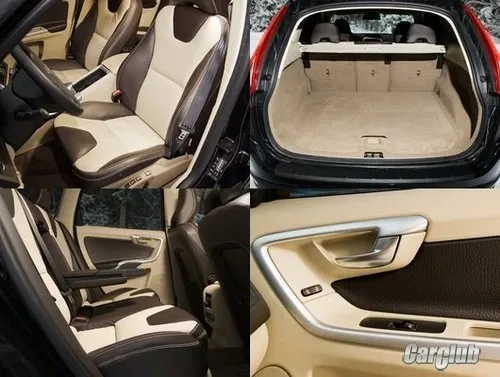 |
| In sharp turns, the slippery leather literally throws passengers out of their seats. The XC60's rear row is one of the most spacious in its class. The trunk with the seatbacks up, which fold in a 40:20:40 ratio, is 495 liters, and with the sofa folded — 1,455 liters. |
On the highway, the diesel runs out of steam: after 120-130 km/h, the XC60 noticeably loses its punch, so overtaking at speed needs to be planned in advance. Sound insulation is good, but at high revs the diesel rumble still penetrates the cabin and tires passengers.
 |
The 230 mm ground clearance allows the Swede to easily climb over yard curbs and tackle small snowdrifts. Light off-road doesn't scare the XC60 either. But it is not designed for serious off-roading — the philosophy here is the same as BMW's: the car is primarily designed for asphalt. The all-wheel drive with a Haldex coupling in normal mode sends up to 95% of the torque to the front axle, and when slipping, the hydraulic multi-disc clutch transfers up to 65% of the traction to the rear.
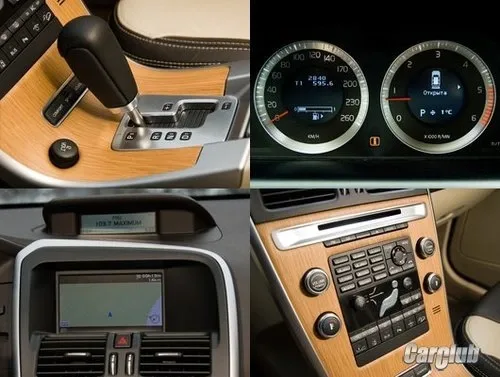 |
| The instrument panel, taken from the flagship S80, is informative and looks presentable. The Geartronic automatic shifts through six gears smoothly and quickly, giving the crossover decent dynamics. The navigation screen without touch input — the address will have to be entered using the joystick on the steering wheel or the remote, and this will take time. Moreover, the display can only show the map, and this pleasure costs almost 100 thousand rubles. |
The character of the Volvo XC60 in handling is clearly shifted towards comfort. The test car was equipped with the optional FOUR-C adaptive suspension for 67,800 rubles, which changes the stiffness of the shock absorbers. With the considerable ground clearance in Comfort mode, body rolls in corners remain moderate, and on the highway the crossover holds its course confidently and stably. Switching to Sport makes the suspension noticeably more composed: rolls practically disappear, but in return, jolts and vibrations from road irregularities begin to penetrate the cabin.
 |
| The all-wheel drive system led by the Haldex coupling in normal condition transfers up to 95% of the torque to the front wheels, and when slipping, the hydraulic multi-disc clutch redistributes up to 65% of the traction to the rear. |
Volvo's steering cannot boast high informativeness, and even the option with speed-dependent variable assist does not save the situation. In addition to the automatic mode, the menu offers three power steering settings: light, standard, and sport. However, even when selecting sport mode, the driver does not get the desired effort at the wheel — in corners, one literally has to guess the trajectory, relying on intuition.
 |
It is also worth mentioning the water-repellent coating on the side windows — this option will cost 27,100 rubles. On the highway at speed, dirty splashes from under the wheels of the vehicle ahead immediately roll off the windows in small drops, and visibility remains perfectly clear.
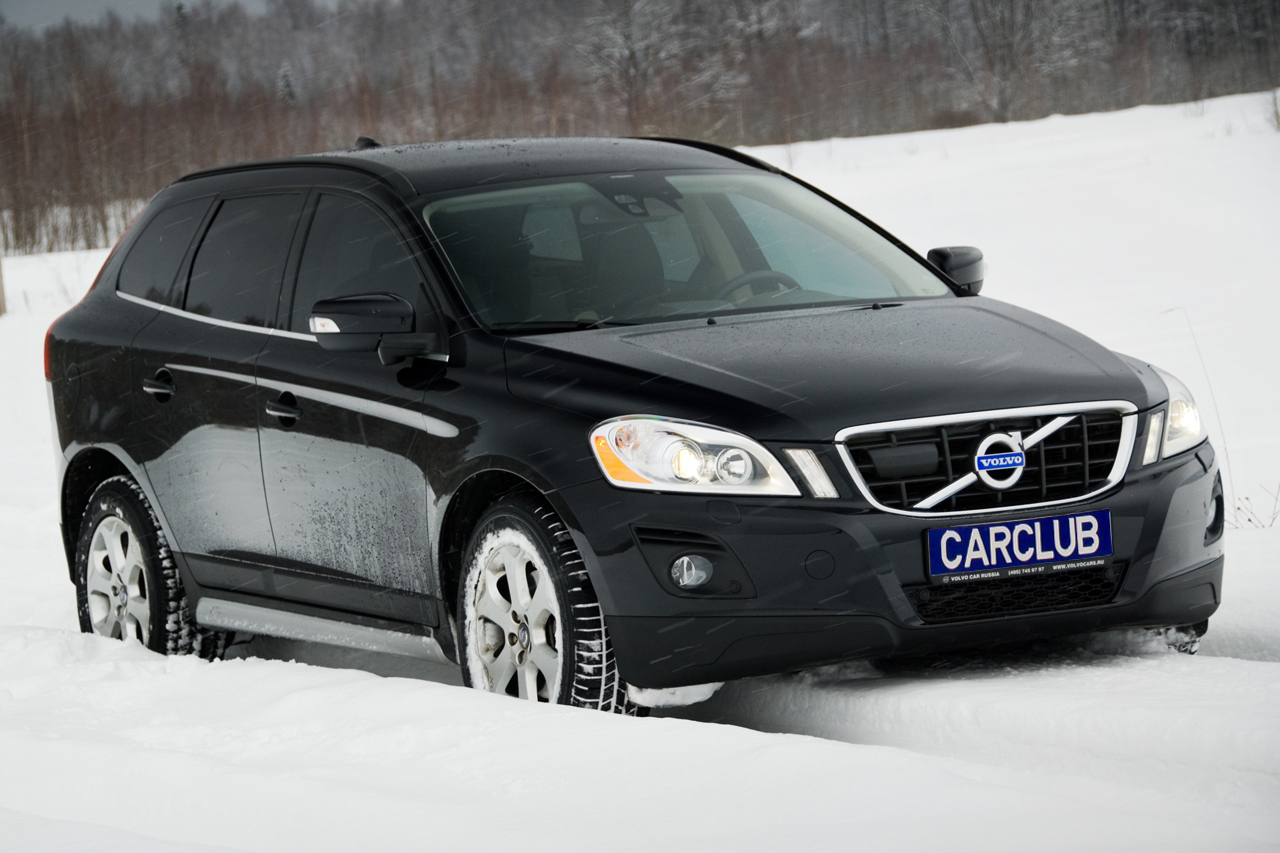 |
| The 230 mm ground clearance allows the "Swede" to easily tackle yard curbs and small snowdrifts. Light off-roading is also not contraindicated for the XC60. As for more serious "off-road," Volvo's philosophy here is similar to BMW: this car is primarily designed for roads. |
Volvo claims that the XC60 is the most reliable model in the brand's history. A key role in this is played by the City Safety low-speed collision avoidance system, which is included in the standard equipment. It operates constantly at speeds up to 30 km/h and automatically brakes the car if there is a risk of collision with the vehicle ahead. If the speed difference does not exceed 15 km/h, the electronics can even bring the XC60 to a complete stop. Additionally, in conjunction with City Safety, one can order a blind spot monitoring system (BLIS), adaptive bi-xenon headlights, lane departure warning (LDW), and driver fatigue monitoring (DAC). The base price of the diesel version with a manual gearbox is 1,400,100 rubles. The petrol version is about 300,000 more expensive. The test vehicle with all possible options was priced at 2,324,500 rubles.
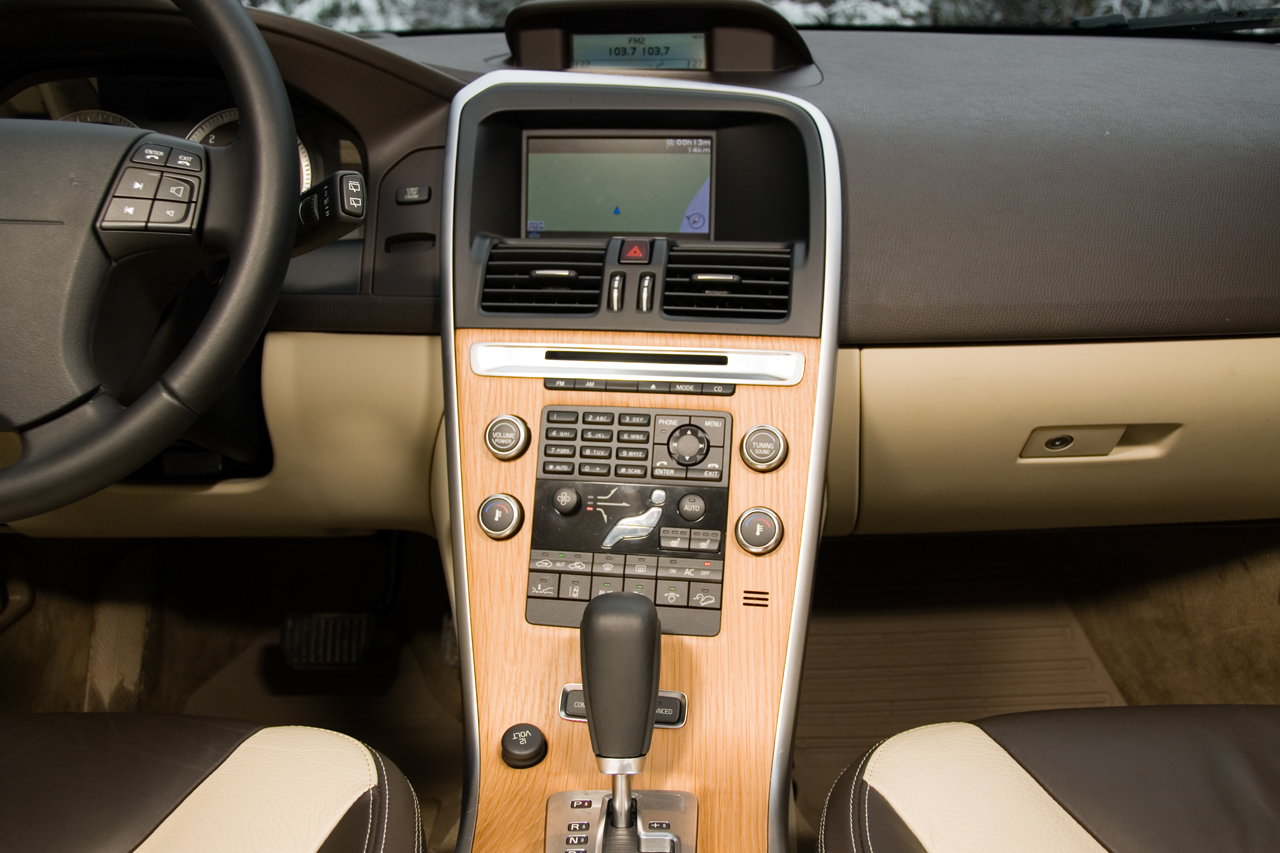 |
| The signature "floating" console is carefully turned towards the driver. |
The appearance of the XC60 became a serious step forward for the Swedish brand. Even considering that Volvo has released many successful models in recent years, this crossover became not just an entry into a new segment, but also a symbol of fresh design, a different level of driving qualities, and further advancement of innovative safety systems.
Ruslan Galimov