Both cars have versions with three-liter diesel engines, and they cost almost the same: from 1,600,000 rubles for base trims to 1,900,000 rubles for fully loaded ones. Direct rivals!
DIESEL IN THE SPOTLIGHT
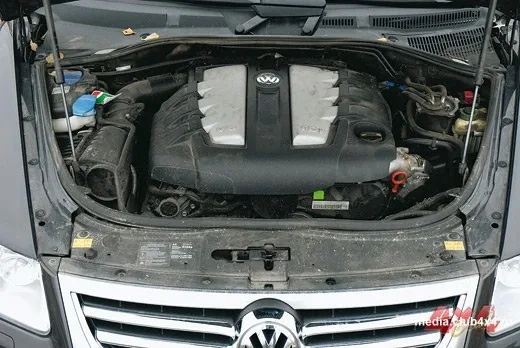
Let's start with the engines, because diesel is on everyone's lips right now. In Europe, such units have long been mainstream, but here they only became widespread this year.
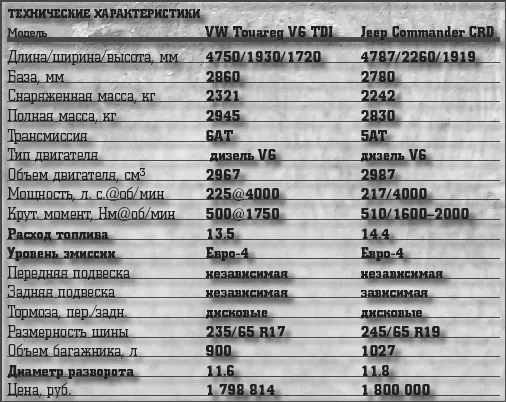
We lined up both vehicles at the starting line, and when we simultaneously pressed the gas pedal, the Commander immediately surged ahead by half a car length. The German SUV never managed to catch up. Having lost time at the start, it remained in the role of the chaser all the way to the finish. It didn't have the power reserve to outdo an equal opponent. The Touareg's engine produces 225 hp at 4000 rpm and 500 Nm. The Commander CRD has 217 hp at the same 4000 rpm, but its torque is slightly higher at 510 Nm. Simply mystifying!
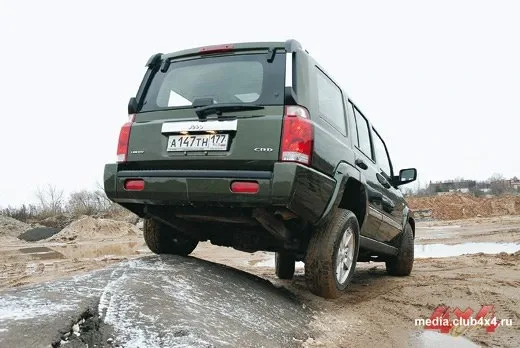
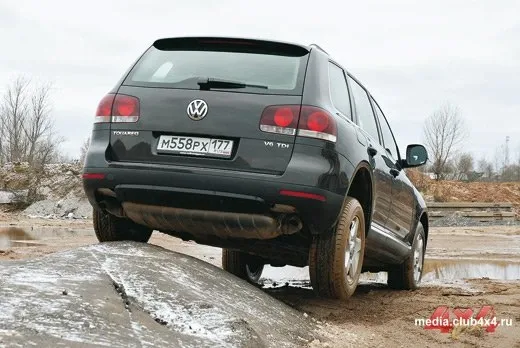
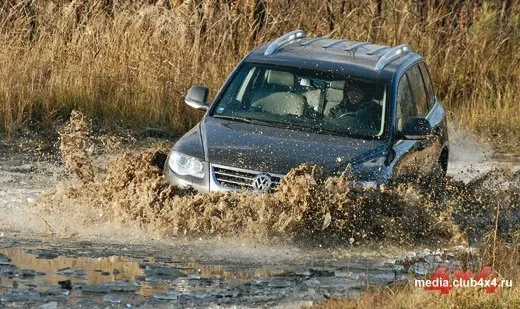
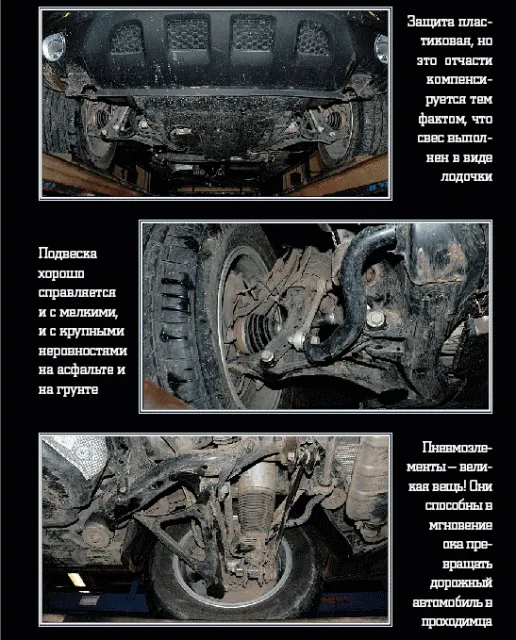
Next, we turned off onto rough terrain. Such vehicles are supposed to handle moderately difficult sections while staying on standard highway tires. It's hard to imagine anyone fitting them with ALL or MUD Terrain tires, as owners of simpler SUVs often do. That's why the Touareg is so impressive: the air suspension and electronic differential locks work wonders. A minute ago you were flying at 180 km/h on asphalt, and now you've raised the ground clearance to 300 mm and are calmly crawling through a deep tractor rut.
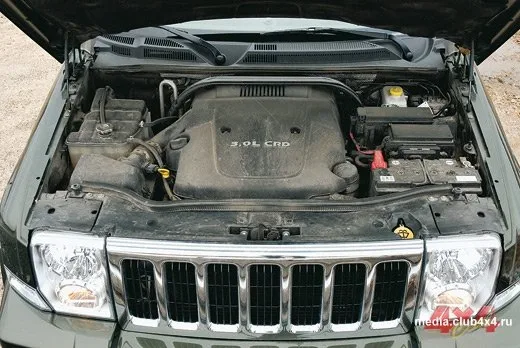
The Commander can't boast such geometry, but on dirt roads its diesel, again like on asphalt, proves faster than the Touareg's engine. The German six-cylinder hesitates at low revs again, and that spoils the whole picture. The Commander behaves more confidently, more collectedly, and more precisely. The American gives a full feeling of a true diesel vehicle. The German seems more civilized—in sound, dynamics, and torque.
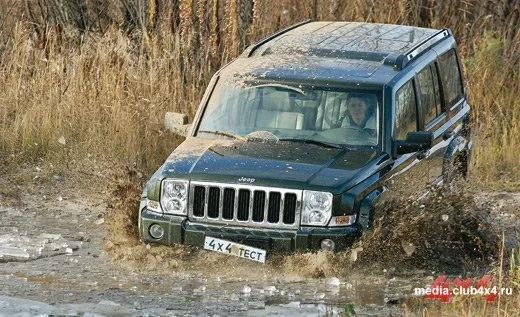
So here you have two engines of the same displacement. But their characters are completely different. The CRD has a wider peak torque band and picks up earlier. This isn't even hindered by the fact that the Jeep's five-speed automatic is less responsive than the VW's six-speed automatic.
TECH SPECS: VW TOUAREG V6 TDI
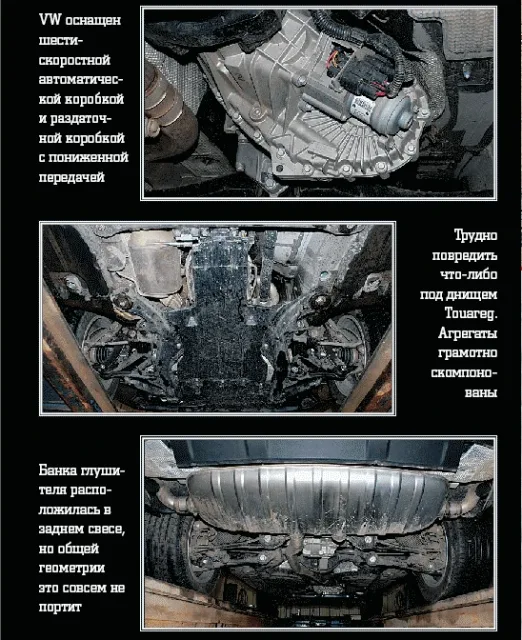
TECH SPECS: JEEP COMMANDER
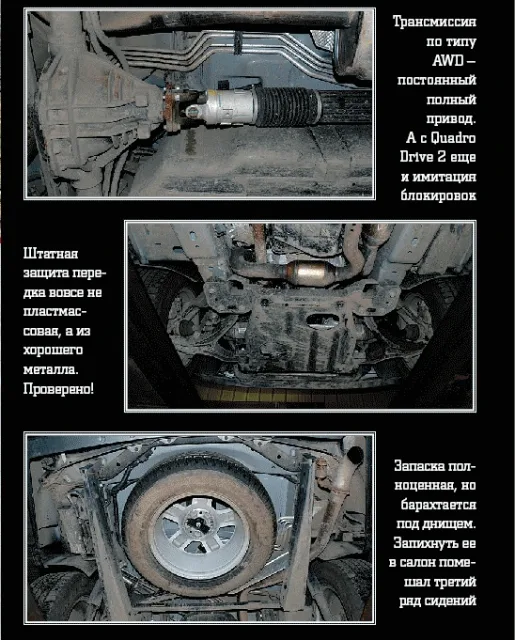
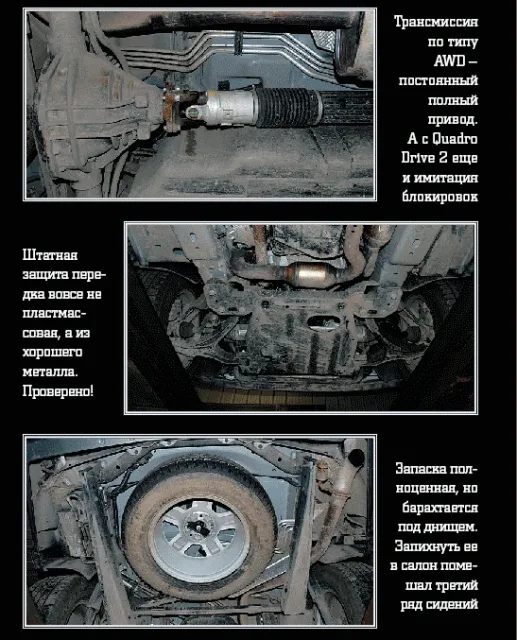
THE TRUNK DECIDES
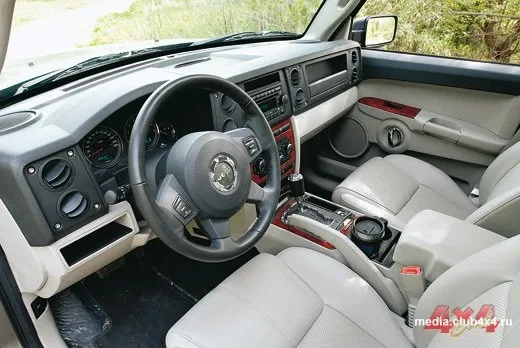
Apart from dynamics, there are other significant differences. The Commander has a solid rear axle, while the Touareg has independent suspension. Also, the VW's steering, suspension, and brake tuning allow it to confidently weave between trucks, while the Jeep requires a firmer grip on the wheel and no distractions during sharp maneuvers. The Touareg is the benchmark of handling in its class; the Commander, alas, is the opposite. The same goes for the interior. The German is impeccable: expensive and solid. The American, though brutal, is plain—hard plastic and not the most elegant bolts. In the second row, the Touareg has ample space, while the rival is cramped. True, the Commander comes standard with a third row of seats. When folded, they hide in the trunk floor, making the lower part of the cargo area (up to window level) less spacious than the competitor's.
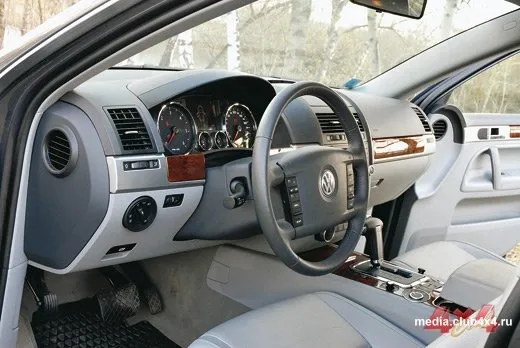
In this test, reason is entirely on the side of the VW Touareg. It's a proper, truly versatile SUV. And its engine is amazing. The loss in dynamics is a mere trifle, just numbers. But the Jeep speaks to emotions. Remember, in childhood races, the main thing was to finish first; the margin didn't matter. Plus, of course, the brutality. And the seven-seat cabin.