
 Comments (2)
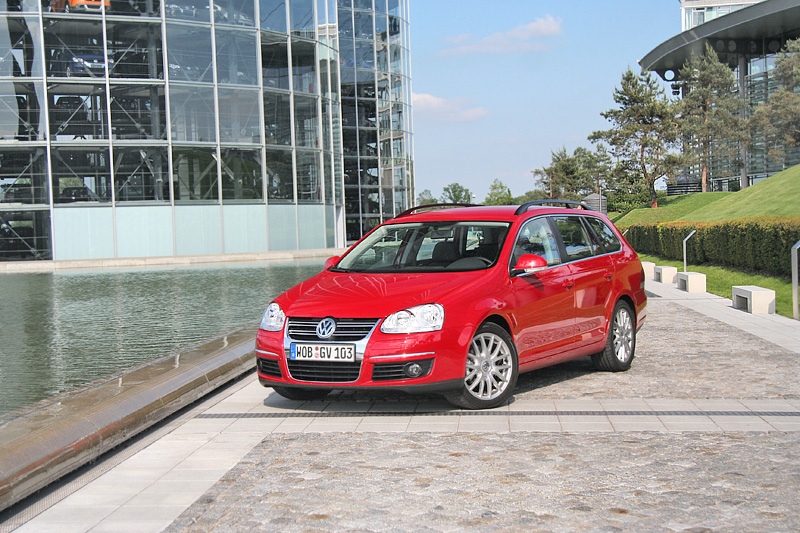
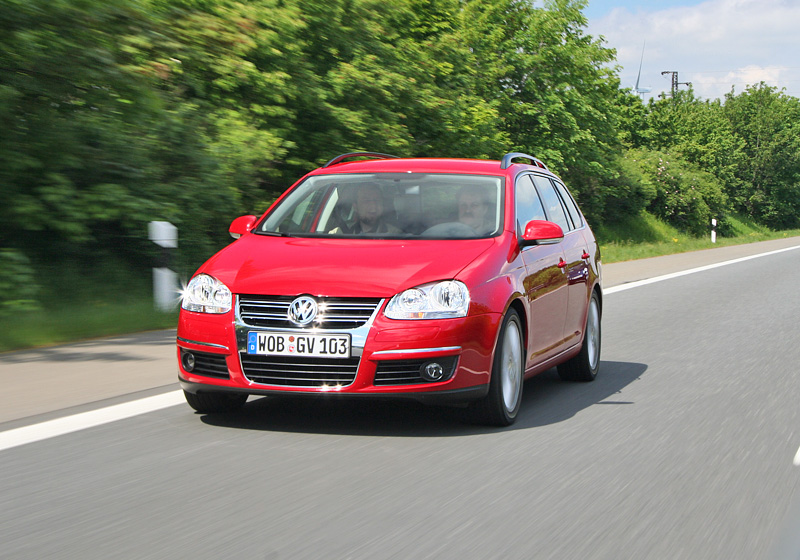
 Being a "trendsetter" is not an easy task: the status obliges. It seems that this is exactly what VW engineers realized when creating another representative of the golf class — the fifth generation Golf. Indeed, if after getting acquainted with the Golf IV there were quite a few complaints, then the new model appealed even to avid skeptics. True, with the advent of the Golf V, the image of the car as a reliable and affordable "workhorse", a people's car, has become a thing of the past. Seeing the price tag, many potential buyers turned towards the showrooms of competitors and became owners of Citroen C4, Mazda3 and the like. Nevertheless, the demand for the heir to the bestseller remained consistently high. The Golf Plus also started well — essentially a compact van, although the manufacturer itself calls it a high-capacity hatchback. And in May, VW presents the Variant station wagon. If we recall that the German brand's lineup also includes the Jetta sedan, built on the same Golf V platform, we can say: the Wolfsburgers now have bodies for every taste.

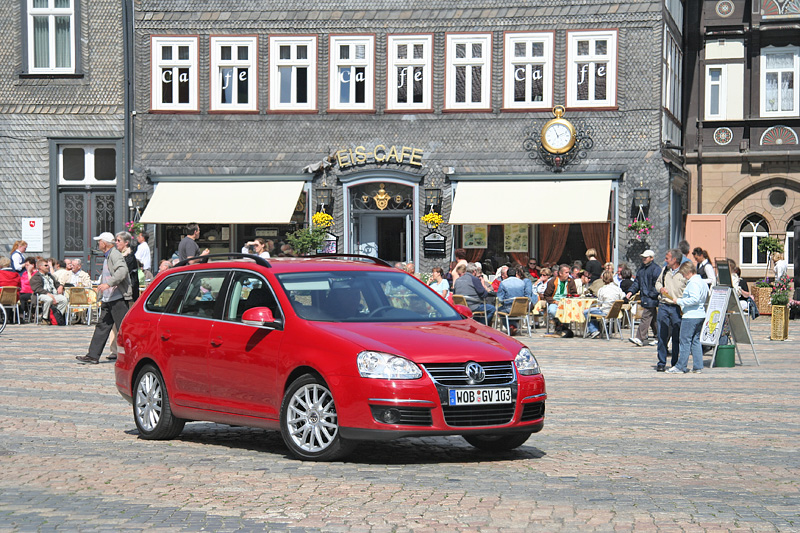
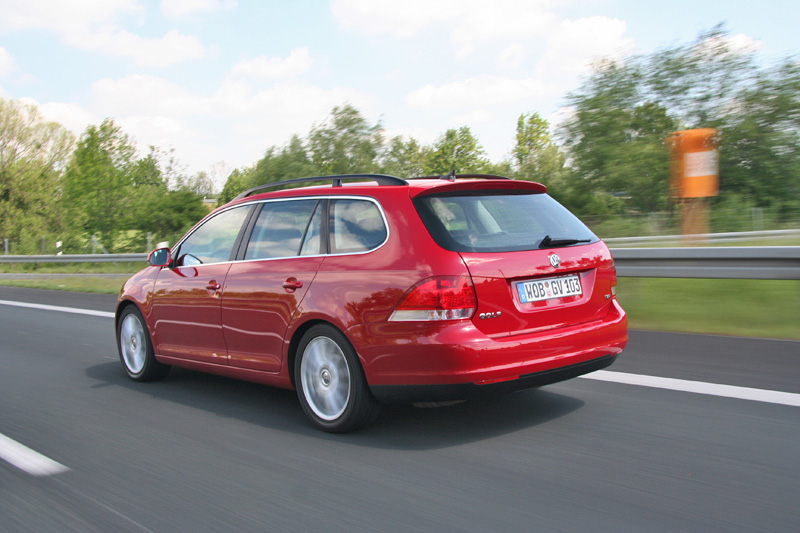
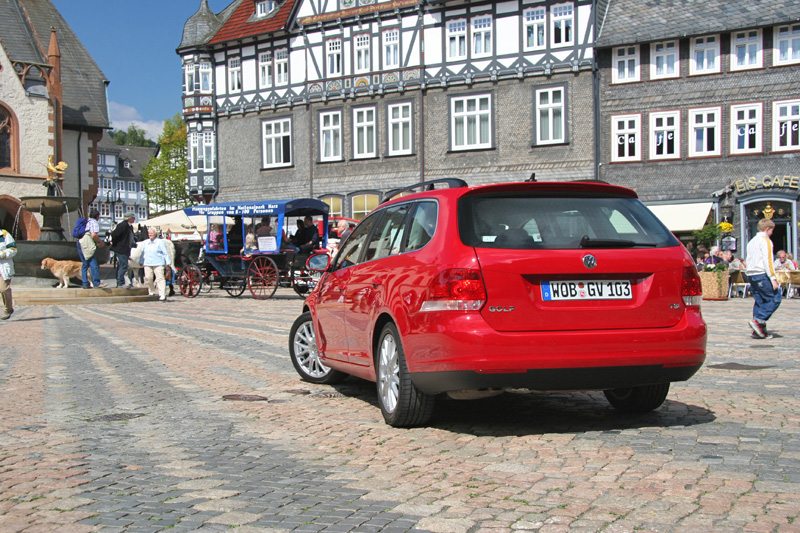
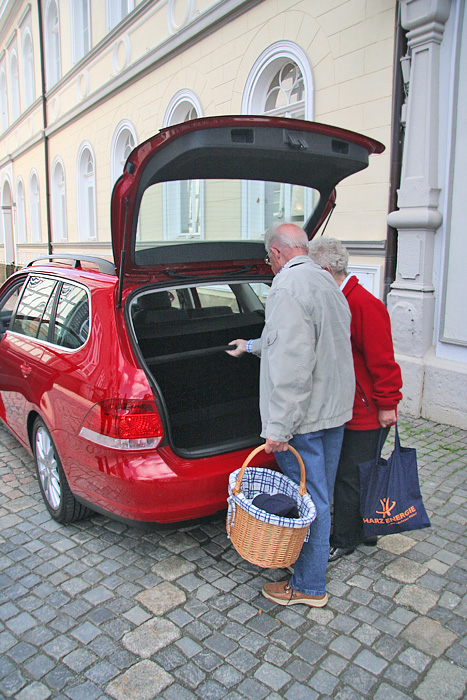
The only thing that raises questions for me in the appearance of the new station wagon is the rear. When I first saw the photos, I refused to believe that in front of me was a VW: there is something clearly Korean in these taillights. Angular, extending onto the sides, they look dull even on silver cars, and on dark and especially red bodies they simply get lost. Engineers say that this is how they wanted to visually expand the trunk opening, but, no matter how you look at it, it turned out not very successful.
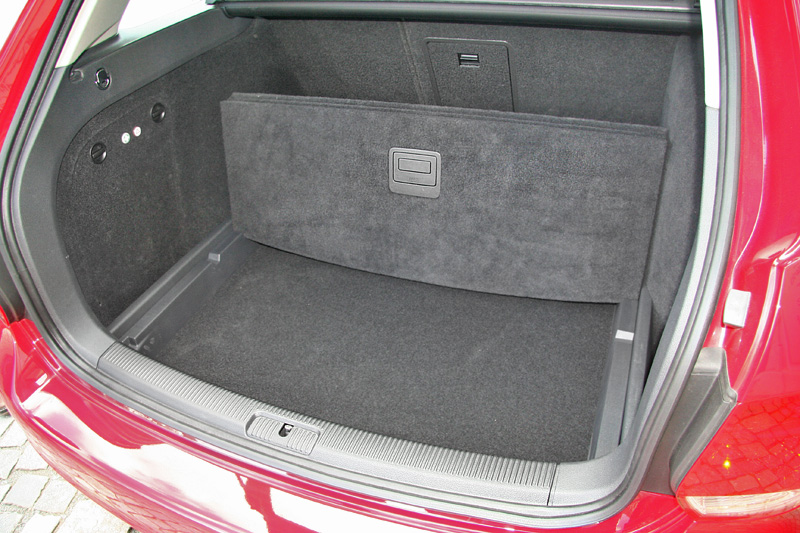
The cargo area itself turned out to be spacious and well-thought-out. Following modern trends, it was divided into two zones by a rigid horizontal shelf, which I initially mistook for a regular floor. True, the division is uneven: the lower tier is low and is only suitable for small items, not for supermarket bags. But the upper part is a full-fledged trunk. As befits a station wagon, the rear seat backrest folds in parts, and there is a special hatch for long items.
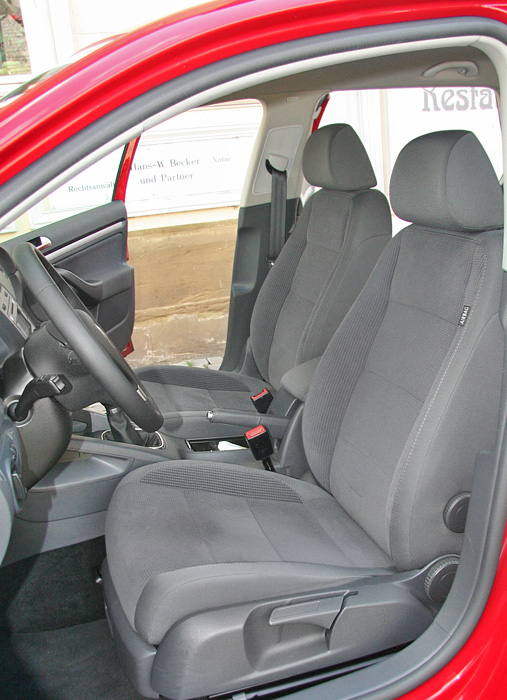
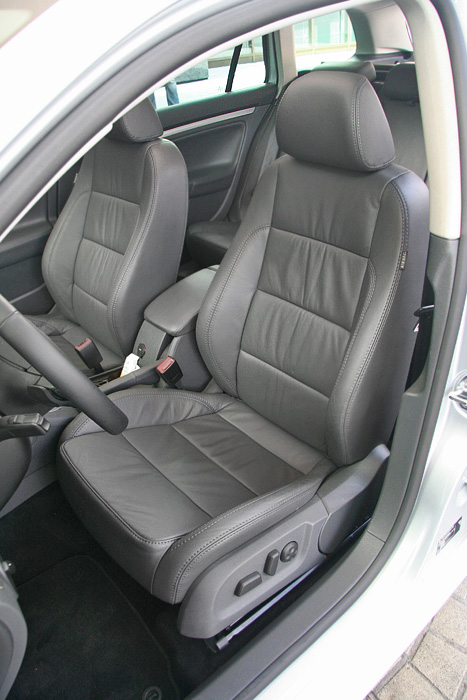
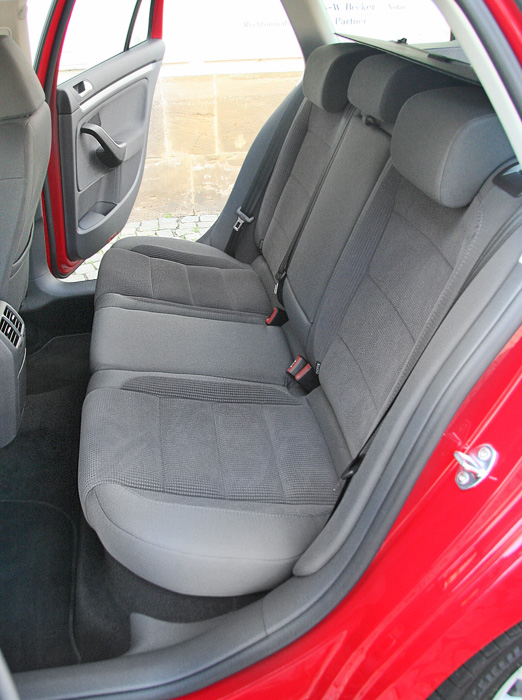
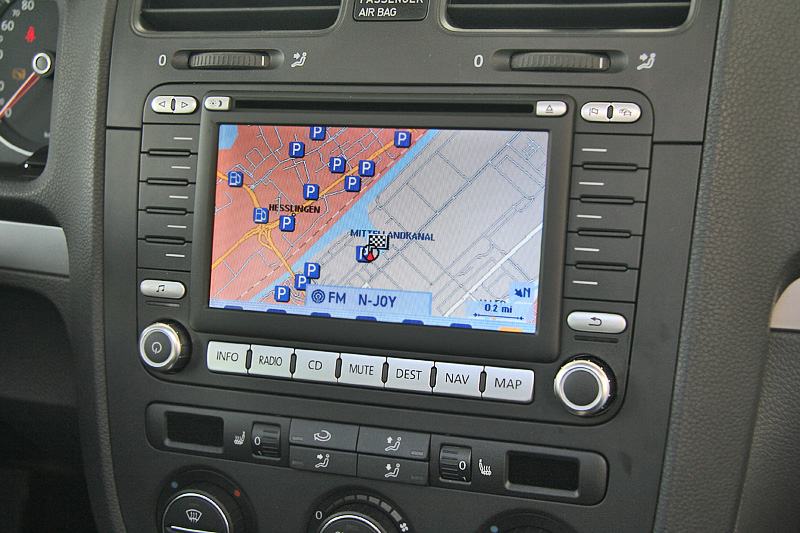
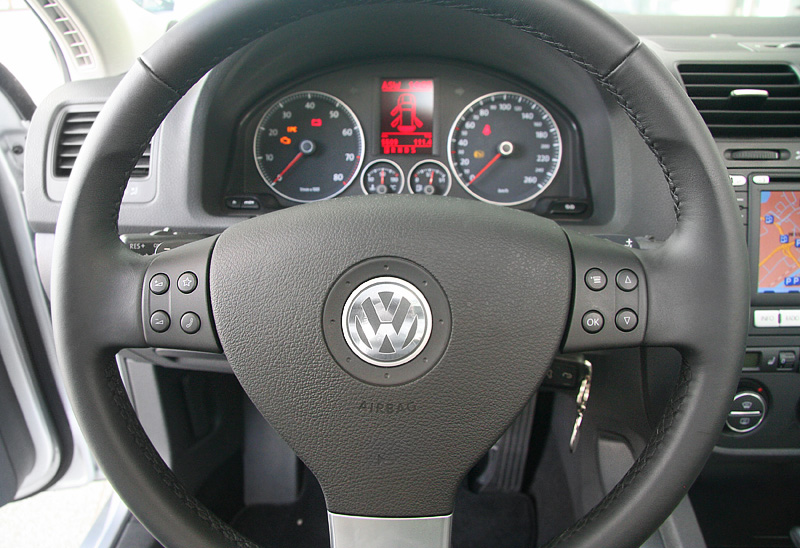
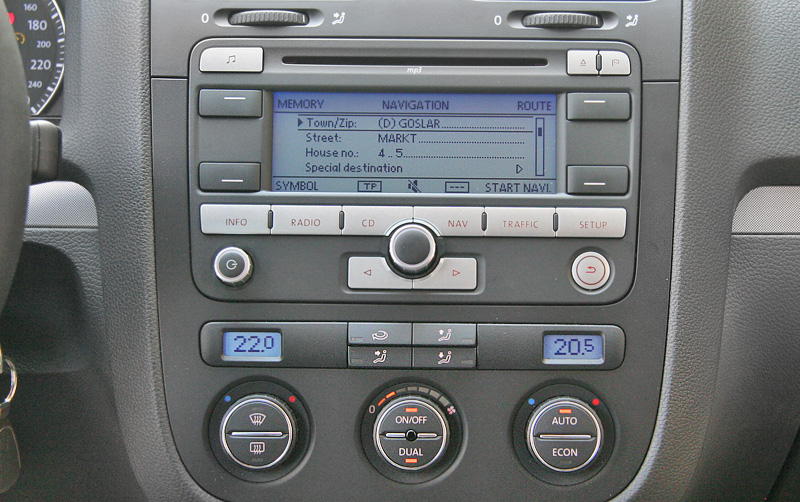
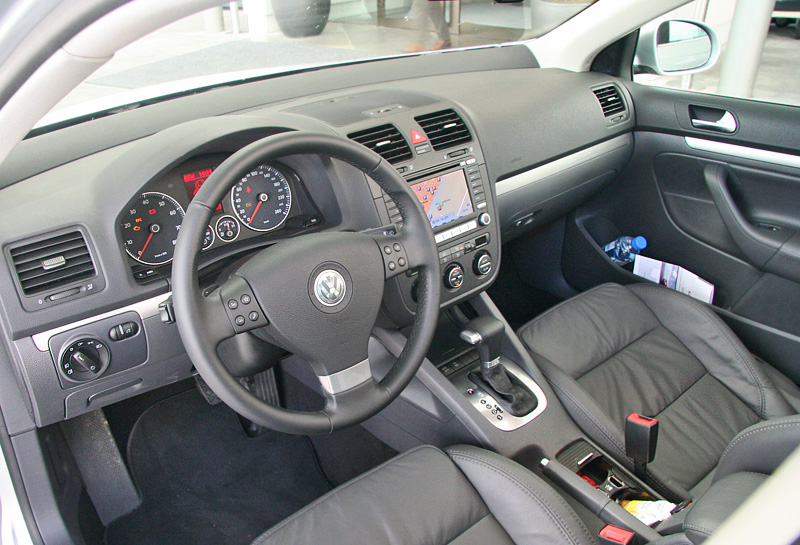
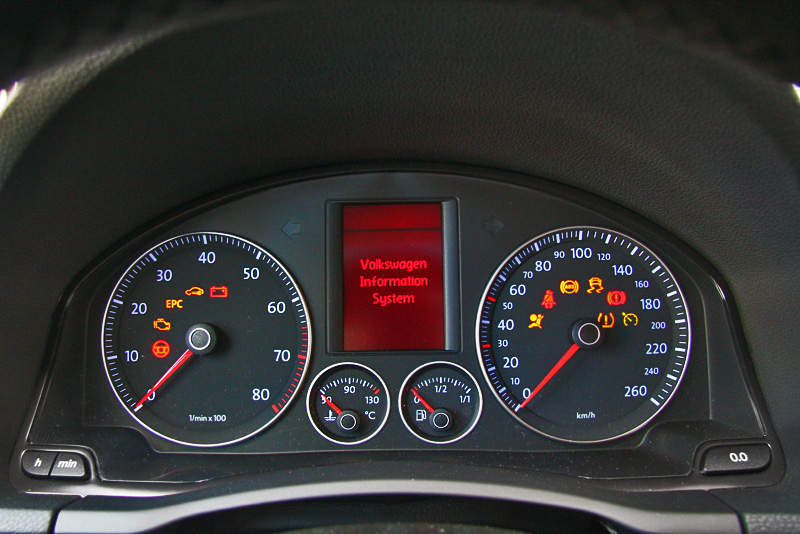
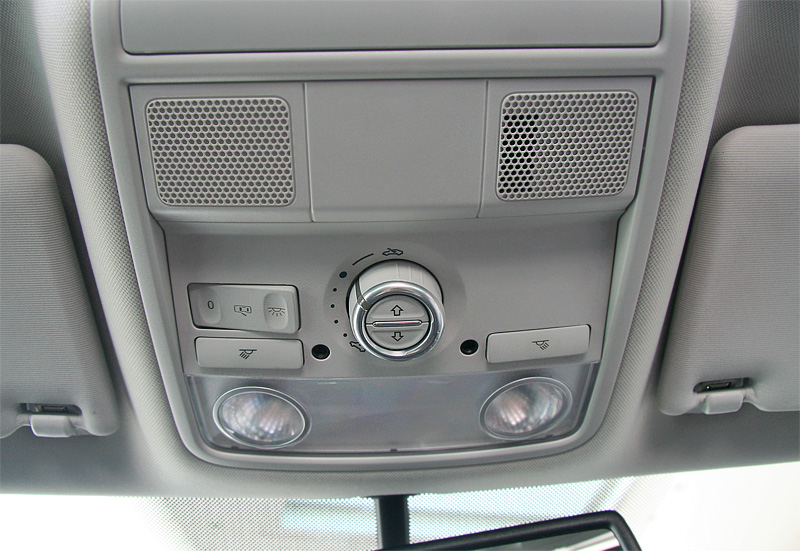
In the cabin, I did not find any revelations. The seats are quite comfortable, although fans of active driving may lack lateral support. The instrument panel is a model of German conservatism. With a monochrome display on the center console (as equipped in base versions), it looks frankly boring, but with a color screen, as in top trim levels, you don't want to look away. By the way, it's worth looking up — if, of course, you didn't skimp on the panoramic roof. It consists of two sections, and the front one can be both raised and slid back. In the second case, you won't have to speak louder in the cabin — the breeze only slightly ruffles your hair without creating noise.
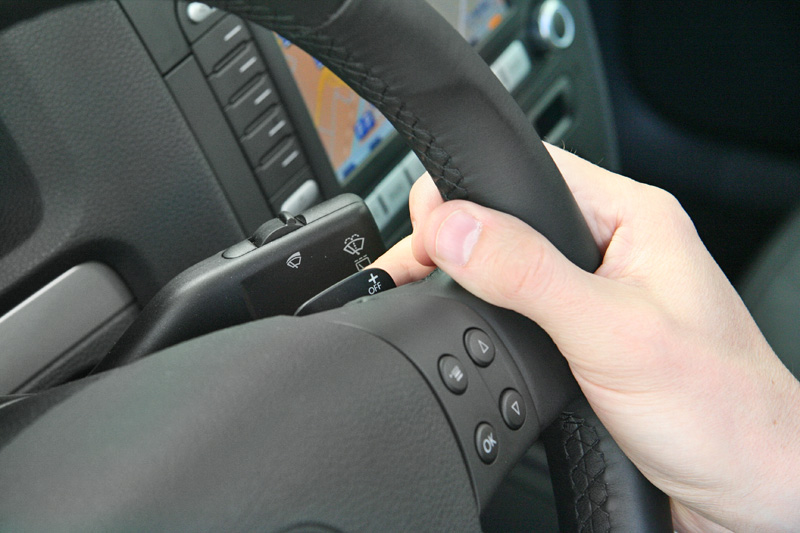
In motion, the Variant almost completely repeats the hatchback. This is truly a well-balanced car — you want to get behind the wheel again and again. Of course, the suspension is not soft, and given our roads, this is perhaps one of the few drawbacks. But in corners, the station wagon almost does not roll and does not show a tendency to skid. The steering wheel also allows you to drive as fast as your courage allows. The steered wheels instantly react to the slightest movement of the steering wheel, and the feedback is in perfect order. But one detail I did not like: the buttons for switching radio stations and adjusting the volume were for some reason spread across different spokes of the steering wheel. It turns out that to adjust the music, you need to grab the steering wheel with both hands? Somehow illogical.
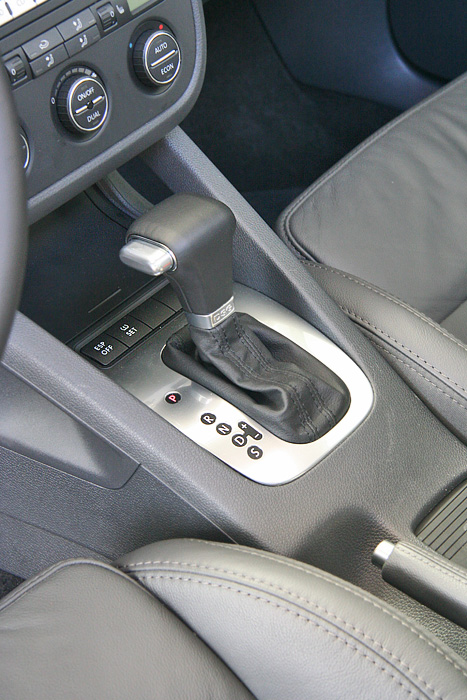
However, let's return to dynamics. Here, first of all, it is worth highlighting the new TSI gasoline engine. With a modest displacement of 1.4 liters, this unit, depending on the settings, produces 140 or 170 hp. This result was achieved through the simultaneous use of a supercharger and a turbocharger. As expected, the engine pleases with smooth torque almost from idle and up to 5000 rpm. The version with 170 hp accelerates the station wagon to 100 km/h in just 8.5 seconds — this is no longer a workhorse, but a frisky steed. Do not forget about the high-tech DSG gearbox with dual clutch — it allows acceleration almost without interruption of the torque flow. There are also no complaints about the manual: the lever strokes are short, the shifts are clear.
Those who are used to counting money will surely like the other two engines that are installed on the Variant. The first is a simple and reliable naturally aspirated 1.6-liter (102 hp), which comes in the base. The second is a 105-horsepower turbodiesel with a volume of 1.9 liters. The manufacturer promises fuel consumption of about 5.2 liters per 100 km in the combined cycle. Even if we traditionally add another liter to this ideal figure, the appetite is still moderate. It is not surprising that it is this version that European entrepreneurs and small business representatives choose. True, they do not have to face frosts of minus thirty and the terrible quality of diesel fuel in the Russian outback.
To draw a final conclusion and make forecasts for the Golf Variant is hindered by one circumstance: at the end of May, the price for the car in Russia had not yet been announced. Of course, the station wagon is good, but if VW so persistently emphasizes its practicality and even utilitarianism, will the high price turn out to be that big minus that outweighs all the pluses? We'll live and see.
Text: Alexey Tikhonov.