
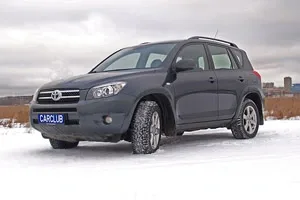
 Toyota has introduced a special version of the RAV4 aimed at a male audience. The main differences are a 2.4-liter engine and a black body color.Comments (8)
When we received the keys and documents for this car, the first thing that caught our eye was the engine's specifications. It turned out that the 2.4-liter unit produces 170 hp, while the base 2.0-liter engine has only 150 "horses." Is it worth overpaying about $3,000 for an additional 20 hp, and how noticeable will this increase be? To find out, we decided to take the "Rafik" with the 2.4-liter engine for a test.
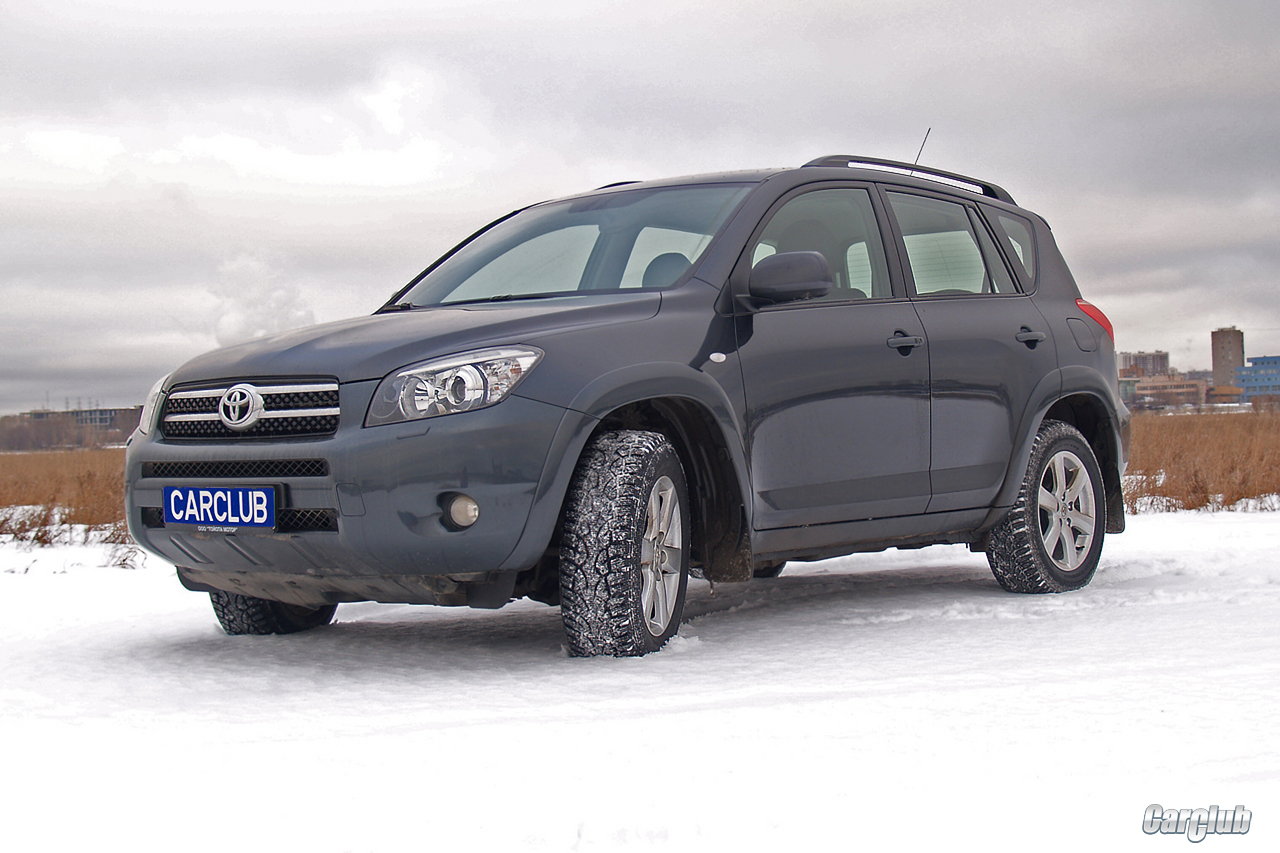
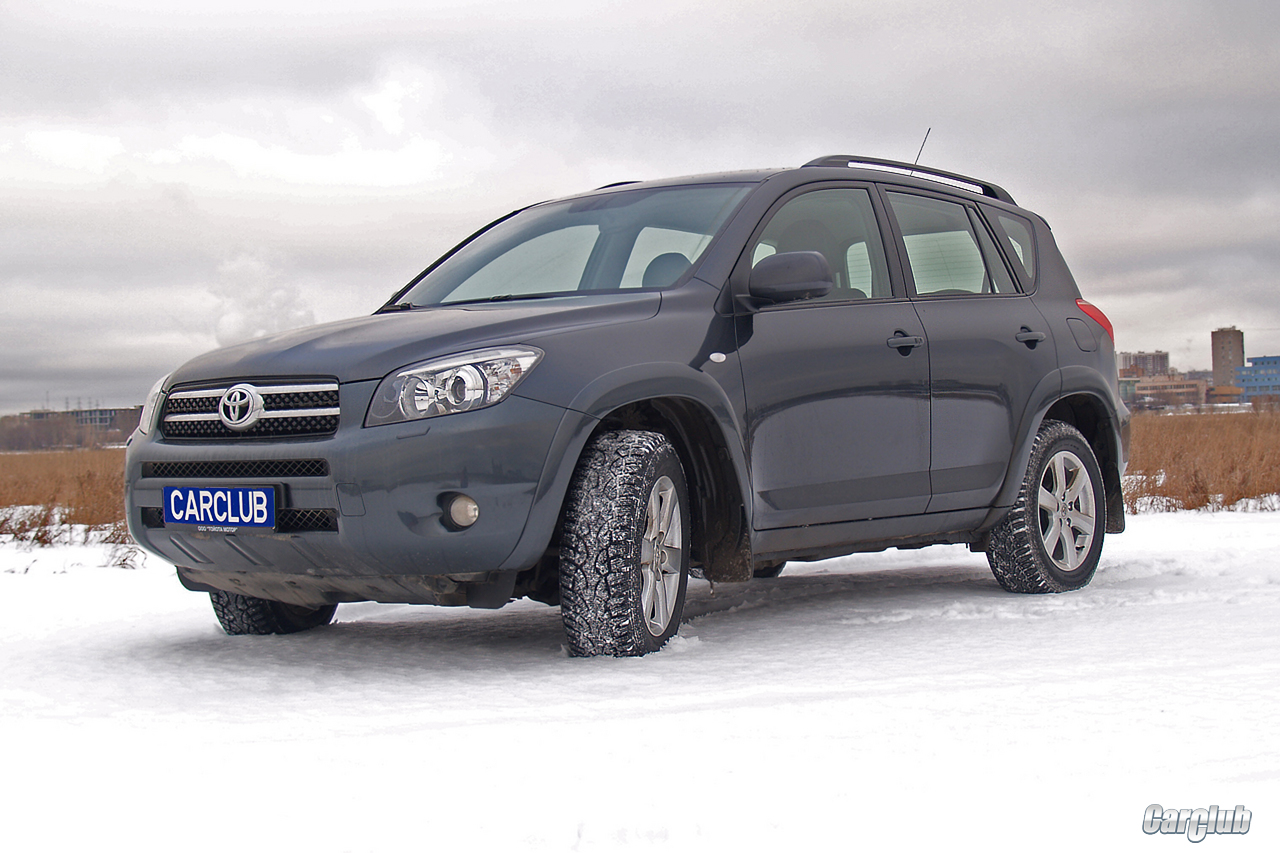
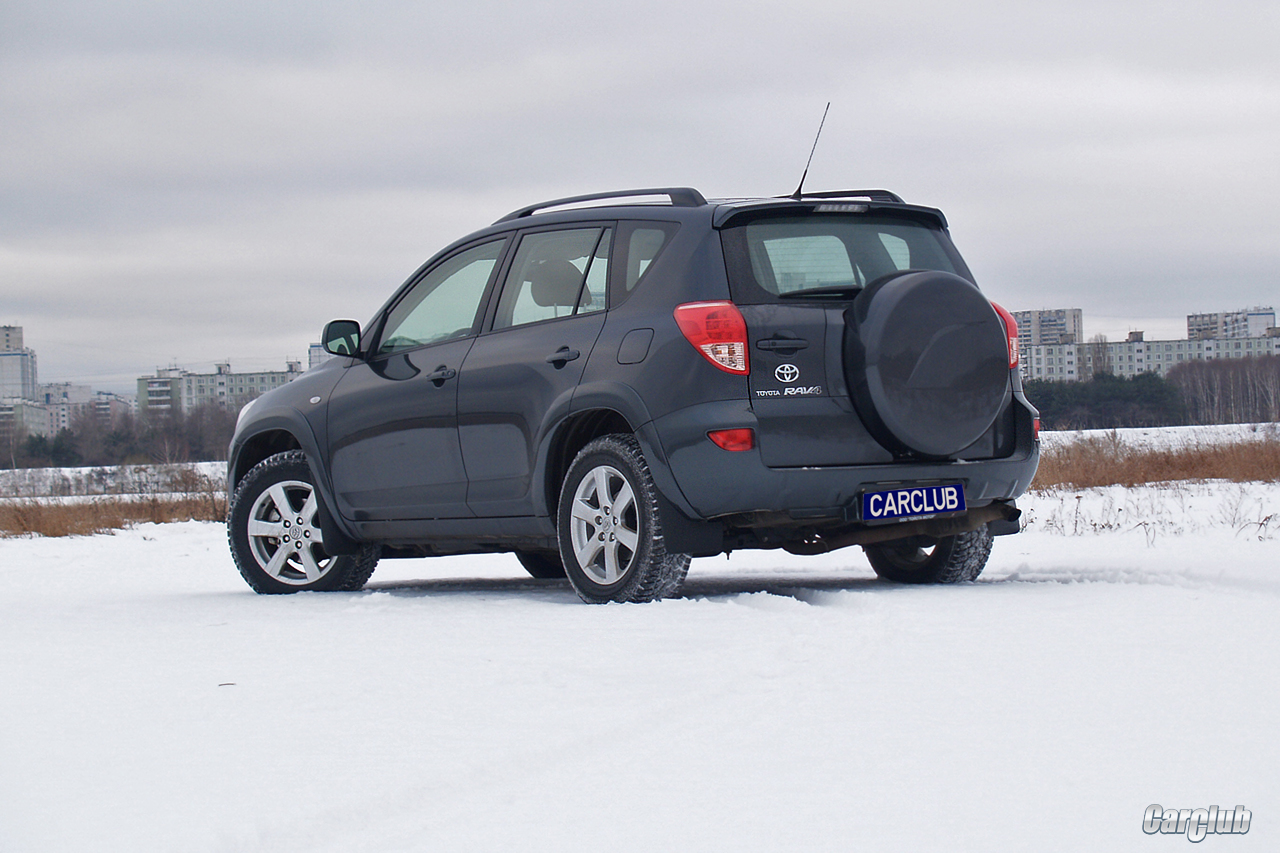 In addition to the increased power, we were also interested in the torque increase — an additional 30 Nm, as well as the marketers' calculations. According to their research, the main audience for the RAV4 with the 2.4-liter engine is men who are put off by the "feminine" image of the 2.0-liter version. However, after inspecting the car from all sides, we found no badges indicating the more powerful engine. The "male" version can be recognized by the roof rails, fender flares, and slightly darkened optics. But all these details together would only be noticed by the most attentive observer. There is no need to describe the RAV4's appearance in detail — this car is already well known on Moscow roads. Its design is simple and recognizable. It lacks the cartoonishness and playfulness of the first two generations — the car has become more solid and serious. It's simply a quality car with a solid design.
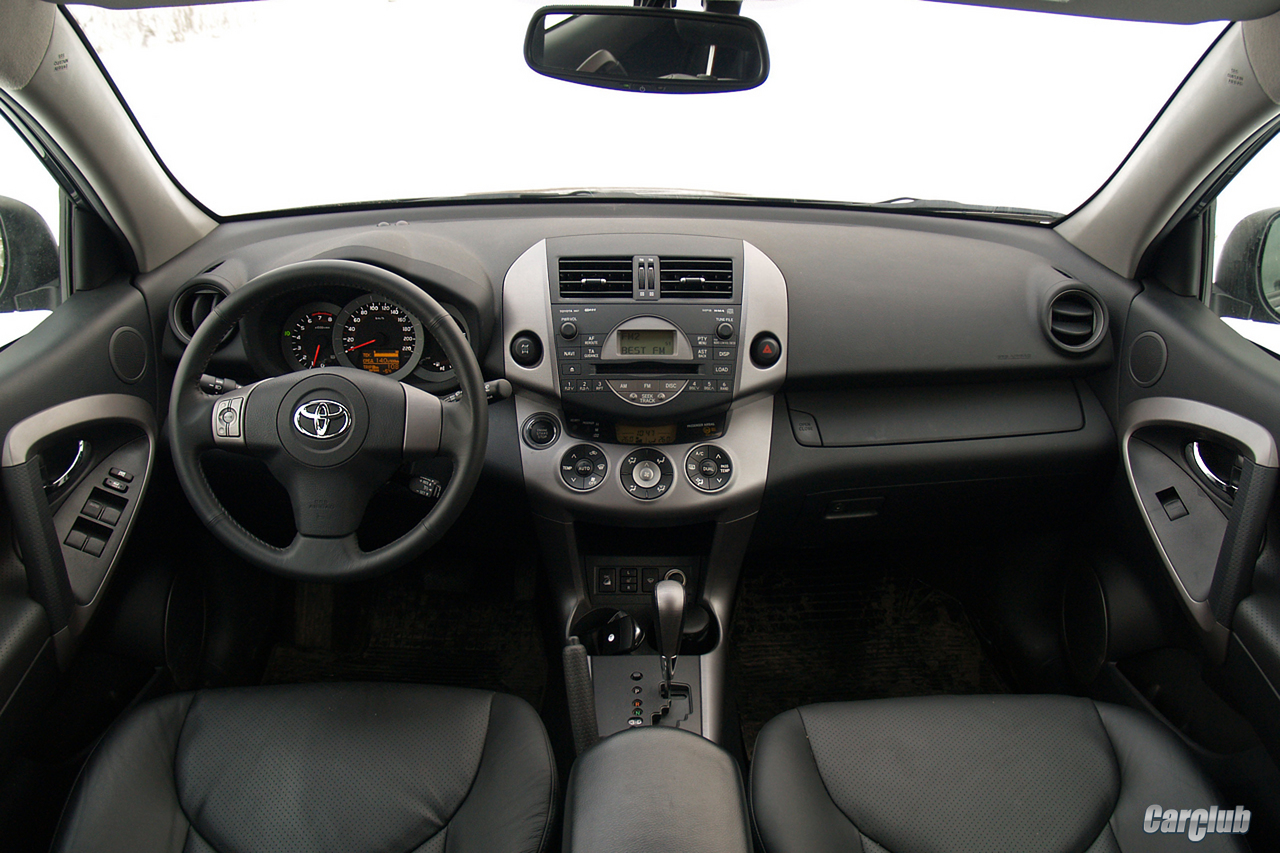
The interior is similar but looks a bit livelier. The instrument panel with red-and-white optitronic backlighting, the two-tier center console with rough plastic inserts — a bit intricate, but nice. The little details are well thought out: four cup holders for front passengers, a couple of small glove boxes, a spacious box between the seats, and a deep dark niche under the console. The rear seats have longitudinal guides and an adjustable backrest angle, and the split tailgate with a spare wheel on it opens access to a spacious cargo area. The seats are upholstered in perforated leather, so there is hope that your back will sweat less in summer. Plus, the driver's seat has power adjustments...


You list the options and gradually fall in love with the car... But as soon as you get behind the wheel, the delight turns to boredom, and then to sober calculation.
The Japanese built this car completely without emotion. The plastic in the cabin seems soft only until you touch it — the Soft Look effect, but in reality it's as hard as wood. Only the handbrake and door handles are made of pleasant rubberized material. The handles, though chrome-plated, are plastic, and the window closer is installed only on the driver's door. This little detail, whether a miscalculation or cost-cutting, is a bit annoying in a Toyota, especially at a price of over 1,100,000 rubles — it seems undignified.
The engine is started with the signature "Toyota" button — it is used on both the Toyota Yaris and the Lexus LS600h. So at the start, instead of a key, it's a finger, which is even more convenient, and the key fob sits quietly in your pocket. The first start from a traffic light convincingly demonstrates the advantage of the new engine. Its power isn't too high, but the torque at mid-range revs is excellent. And given the archaic 4-speed automatic with stretched gear ratios, torque in this range is essential for the SUV. On the first two gears, the RAV4 behaves quite dynamically and even aggressively. If you press the pedal to the floor, you can pull away from traffic quite well, although the claimed 10.6 seconds to 100 km/h speaks for itself. Further acceleration isn't as brisk, since third gear is practically the last power gear, on which the top speed of 180 km/h is reached.
Actually, the RAV4 has never claimed to be a sports car. This contradicts the entire image of the brand in Russia. Note that Toyota does not supply us with any tuned versions, and advertising never mentions the company's participation in Formula 1. However, while the Toyota was on test with me, a quite ordinary incident occurred — there was a catastrophic lack of time to cross Moscow from one end to the other. I had to rush into road traffic in the RAV4, relying not so much on the powerful engine as on the high seating position and good visibility. "Sitting high, seeing far" — that's really about the RAV4, but there were problems with implementing the available knowledge. The first kilometers showed the "Rafik's" inadequacy as a sports car. The automatic lacks manual shifting and suffers from serious delays during fast driving. While the gearbox figures out its three gears (Over Drive was turned off immediately), you can already forget about overtaking or changing lanes. The steering wheel, which seemed informative during calm driving, left me one-on-one with the road as speed increased, and the significant unsprung masses prevent the car from tracing arcs of a given trajectory. At least the body roll is low by SUV standards, and the RAV4 doesn't try to tip over but safely slides with all wheels outward of the turn. And the non-switchable stability control system is always on guard. Even if with a delay, the RAV4 got me to my destination, but the desire to drive recklessly in the "Rafik" disappeared once and for all.
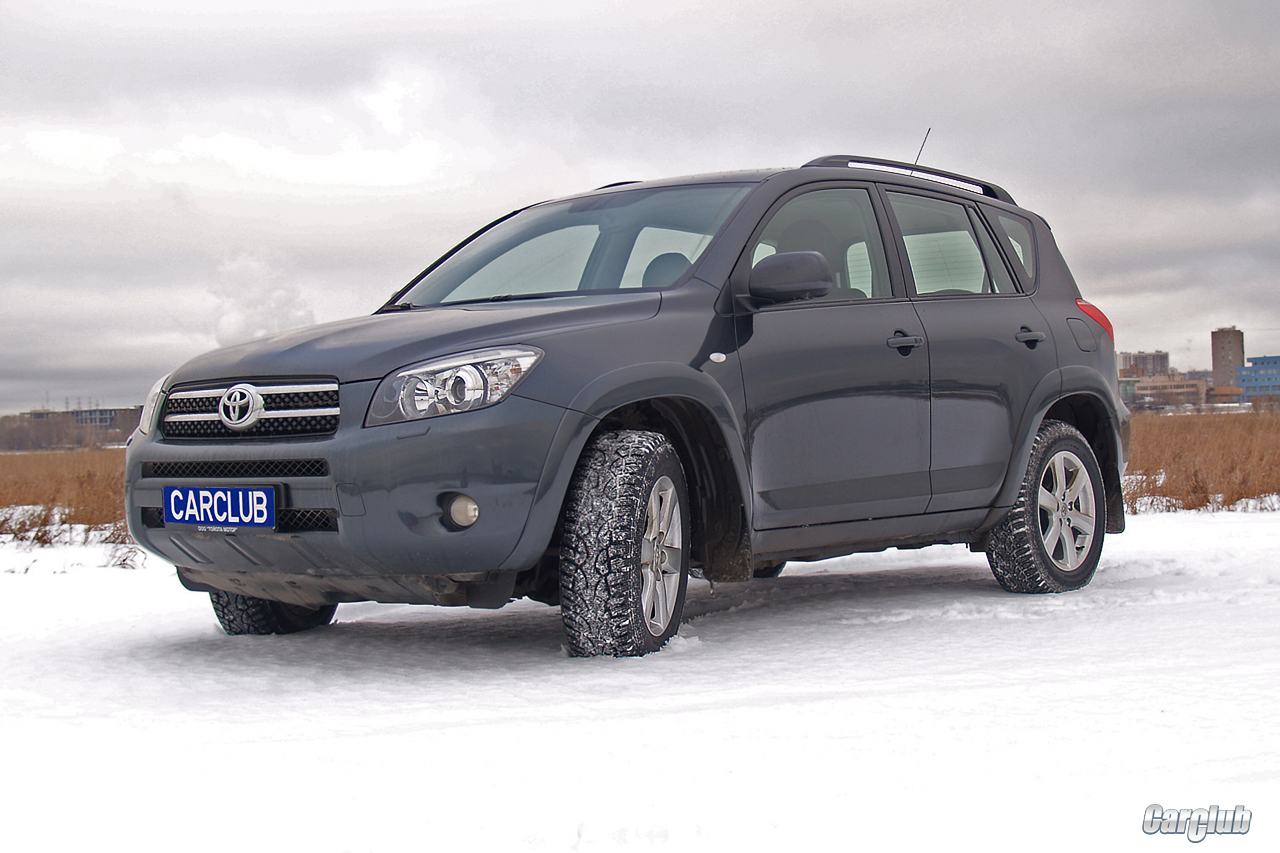 During calm driving, the Toyota behaves much more decently. There are no complaints about handling or ergonomics: we accelerate smoothly, slow down before turns — and no problems. The high seating position allows you to see over passenger cars and control the car's dimensions well, for which special thanks go to the large mirrors. But if you drive calmly — then why do you need a more powerful engine? Its only application is highway driving, especially with significant load or a trailer. Here, the additional 30 Nm of torque will come in handy, and the engine will operate in a more relaxed mode.
There were also off-road excursions. Here, the RAV4 completed all the mandatory program items. It easily climbed a high curb and made its way through virgin snow. The long-travel suspension and traction control system quite successfully counteract diagonal wheel hanging. Together, of course, they cannot turn the "Rafik" into a full-fledged off-roader, but it conquers most "light" obstacles playfully. The engineers managed to quite organically bring the car's off-road capability to a reasonable maximum. Further improvement would require the simultaneous use of a low-range gear, rear differential lock, and more tenacious tires, which together would move the car from the category of crossovers to a heavier class.
With the advent of the new engine, the RAV4 gained electronic assistants that help start on slopes and descend from them carefully. But we didn't get to test them, and their scope of application is very limited — it's more a tribute to marketing.
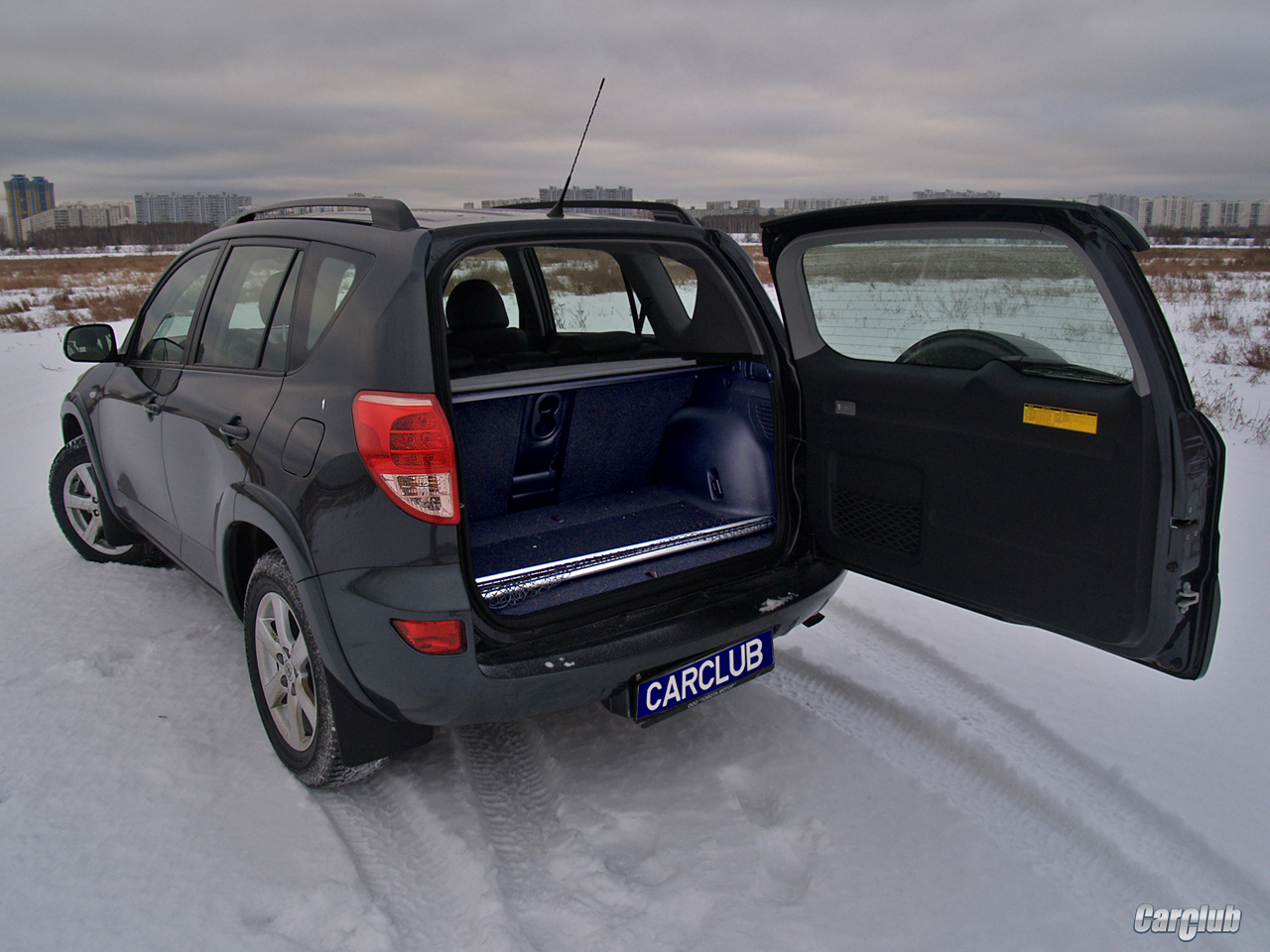
For now, the RAV4 remains a versatile car for a calm driver. Moreover, its gender is not so important — the stereotype of a crossover as a women's car is nothing more than a stereotype, and engine size is not decisive here. With the 2.4-liter engine, the RAV4 has become a bit more voracious, but in the city its potential is very difficult to feel. The two additional "cups" are rather a gift to road travelers who like to travel not only on roads but also off them, and at the same time carry all the necessary equipment and gear.
By the way, for those who find the capabilities of the 2.4-liter engine insufficient, you can turn your attention to the American market, where the RAV4 is even produced with a 3.5-liter 245-horsepower engine and a slightly increased rear overhang. It's unlikely to become a sports car, but for long-distance flights at maximum speed in a straight line, it will be just right.
Text: Leonid Pavlov