

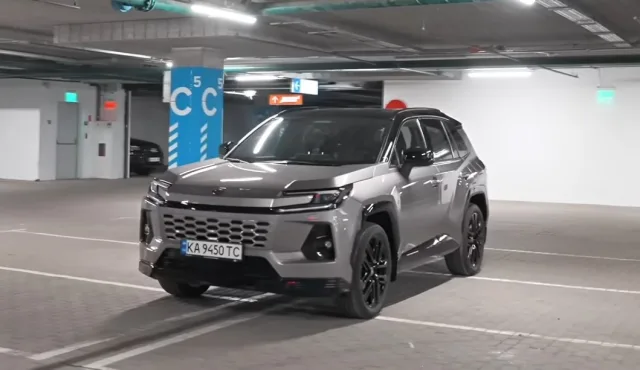
Toyota RAV4 2026: What's Changed
Externally, the Toyota RAV4 differs significantly from its predecessor, but the TNGA modular platform remains at its core. Engineers increased the amount of structural adhesive, reinforced subframes, and changed suspension mounting points. According to Toyota, this increased body rigidity. The manufacturer also worked on noise insulation.
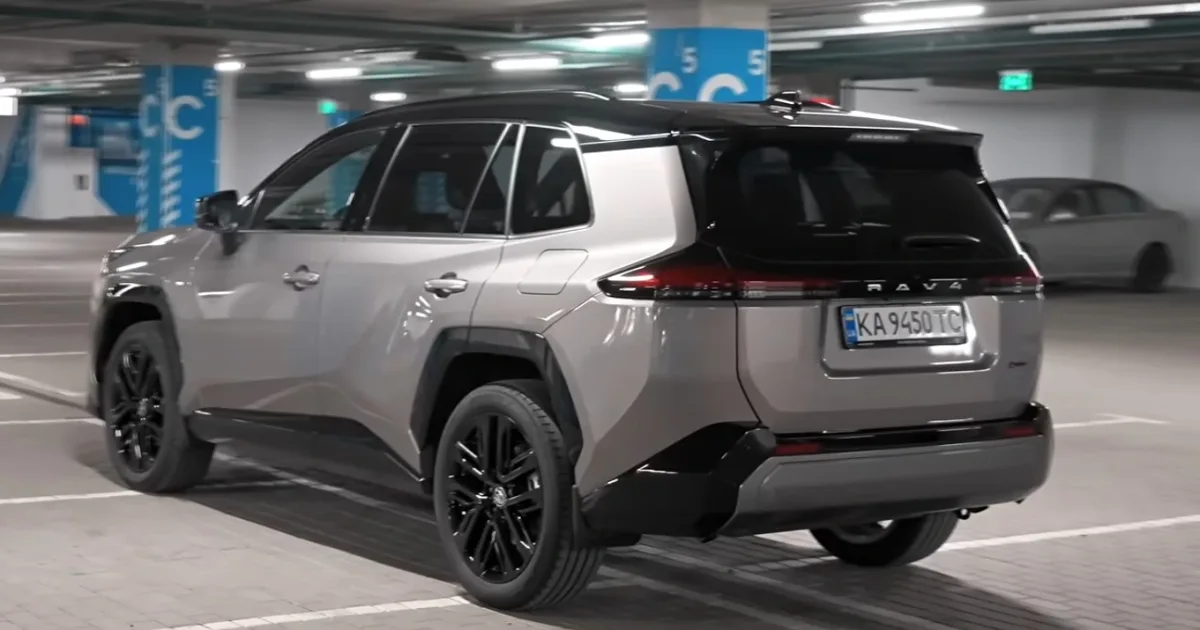
The suspension layout hasn't changed: MacPherson struts are installed at the front, and a multi-link design at the rear. The tuning is primarily focused on comfort.
Toyota RAV4 Hybrid with 2.5L Engine
Under the hood remains the naturally aspirated 2.5L A25A-FXS gasoline engine, which operates on the Atkinson cycle. The engine has a chain-driven timing system and combined injection with eight injectors: four are located in the intake tract, and another four deliver fuel directly into the cylinders.
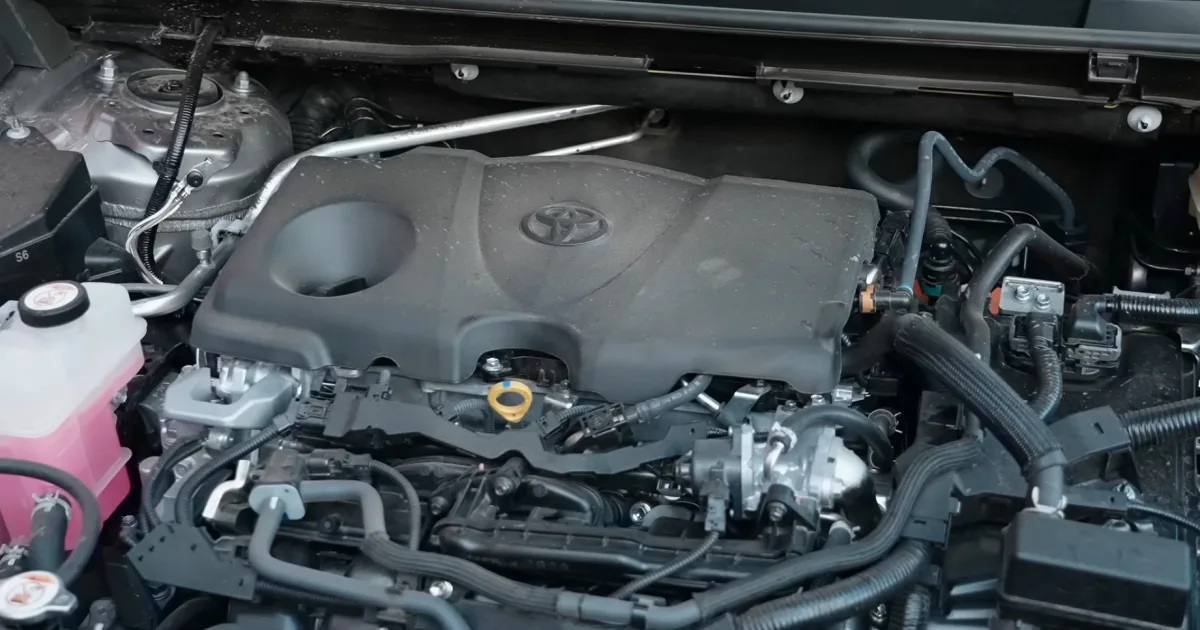
The main changes affected the hybrid part:
the front electric motor MG2 became more compact and gained more torque at low revs;
the algorithms of MG1 and e-CVT were revised;
the rear electric motor works more actively during acceleration and in corners;
the nickel-metal hydride battery was replaced with a lithium-ion one;
the new battery accepts regenerative energy faster and cools better.
According to Toyota, battery efficiency has increased by approximately 10%.
Toyota RAV4 Price in Ukraine
In Ukraine, the Toyota RAV4 is offered in Active, Style, Premium, and GR Sport trims. Depending on the version, Hybrid and Plug-in Hybrid are available, with front-wheel drive or all-wheel drive.
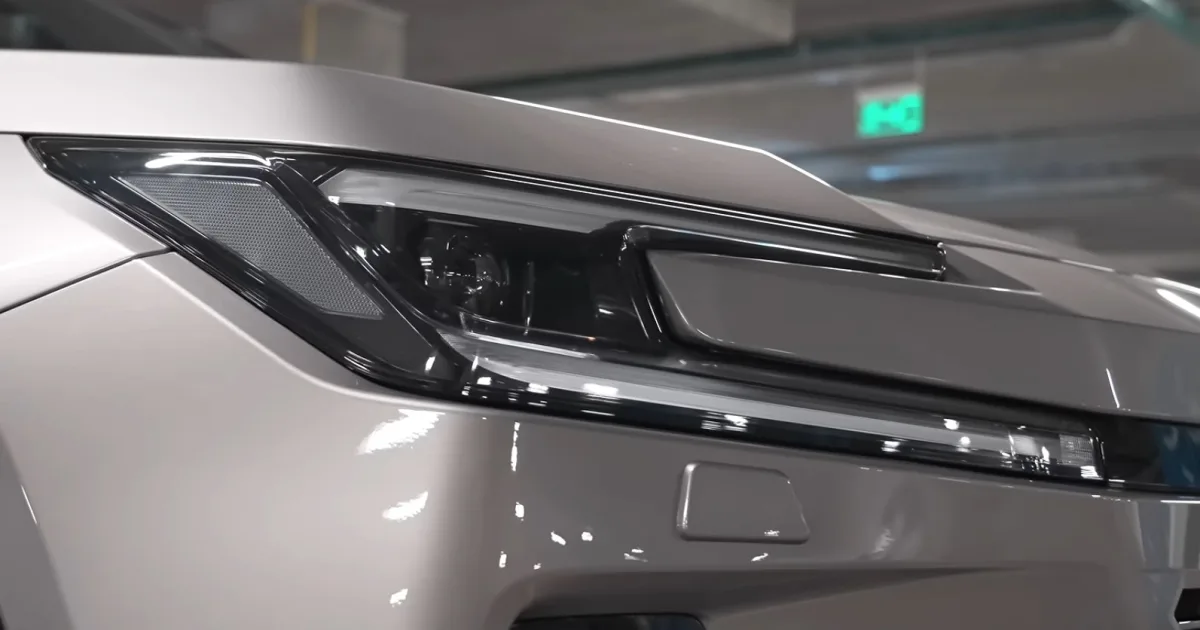
The tested all-wheel-drive Toyota RAV4 Hybrid Style cost approximately $48,000-49,000. Entry-level versions are priced around $40,000, and the most expensive ones are about $62,000.
The difference between the comparable Hybrid Style and Plug-in Hybrid Style versions was UAH 463,000. Therefore, the feasibility of the more expensive PHEV will depend on mileage, the ability to charge the car regularly, and the cost of electricity.
Toyota RAV4 on the Road: Fuel Consumption 5.7 L/100 km
During intense acceleration, the gasoline engine revs high and holds those revs while the car gains speed. During calm driving, the powertrain operates less noticeably.
Our measurement showed 8.2 seconds from 0 to 100 km/h. This is 0.2 seconds faster than the result of the previous-generation Toyota RAV4, which was previously tested in the front-wheel-drive version.
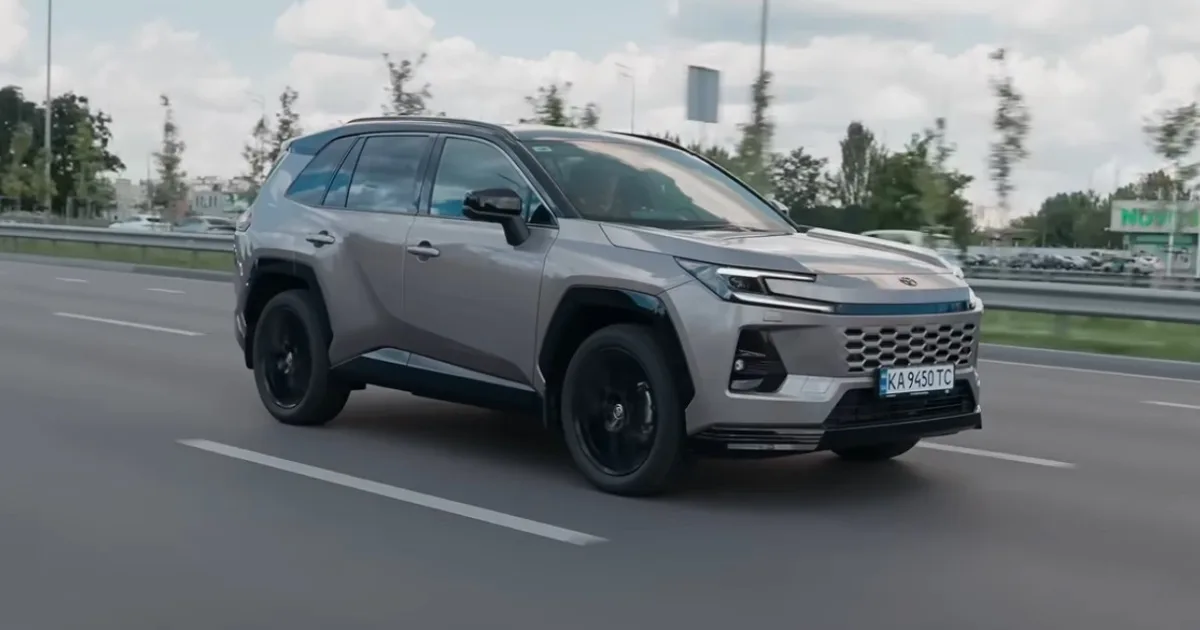
After approximately 30-40 km, the onboard computer showed an average fuel consumption of 5.7 L/100 km. At the same time, part of the test involved active accelerations.
At speeds of 100-110 km/h, road noise is noticeable, but acoustic comfort has improved. Its level significantly depends on the type of asphalt.
Toyota RAV4 All-Wheel Drive
The hybrid AWD has no driveshaft to the rear axle. The rear wheels are driven by a separate electric motor.
Toyota changed its operating algorithm: the rear axle now engages more often during acceleration and cornering, not just when wheels slip. However, during a sharp start with turned wheels, a front-wheel-drive character is initially felt, after which the rear motor engages.
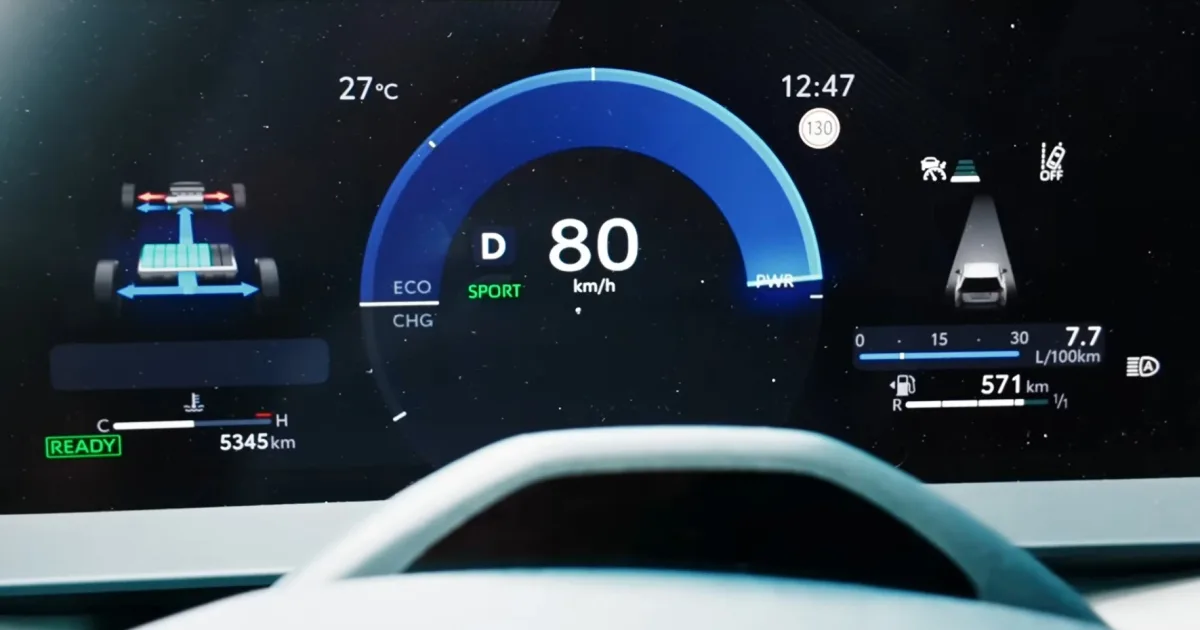
The suspension is comfortable. In fast maneuvers, there is body roll, but the Toyota RAV4 holds its trajectory steadily and handles road irregularities softly.
Assistants and 360° Cameras
The Style trim includes adaptive cruise control, collision avoidance system, blind spot monitoring, cross-traffic alert, and lane keeping assist.
The surround-view system provides a quality image, and the electronics at low speed generate a picture of the space under the car.
Even without adaptive cruise control, the Toyota RAV4 monitors traffic ahead. After releasing the accelerator, the system can automatically increase regenerative braking. At the same time, Lane Assist during the test sometimes intervened too actively in steering.
Toyota RAV4 Interior: Many Features, Hard Plastic
The interior has become more modern and retains practicality. There is wireless charging, cup holders, a large central box, USB Type-C, and a 12V outlet.
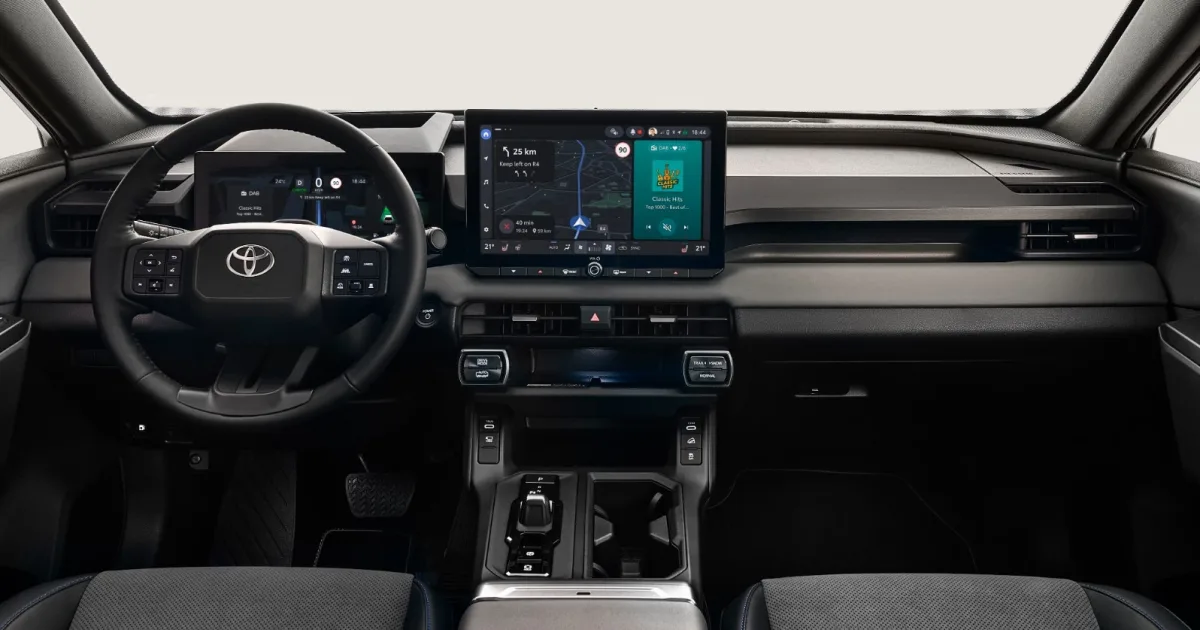
The Style trim received:
power adjustment and memory for the driver's seat;
ventilation and heating for front seats;
heated steering wheel;
head-up display;
digital instrument cluster;
dual-zone climate control.
The main complaints concern ergonomics. The protrusion of the hard central tunnel presses on the driver's right leg. At a height of 192 cm, a larger range of steering wheel reach adjustment would also be desirable.
Hard plastic in areas of constant contact quickly collects scratches. There are also questions about the neatness of some upholstery seams.
Toyota RAV4 Multimedia
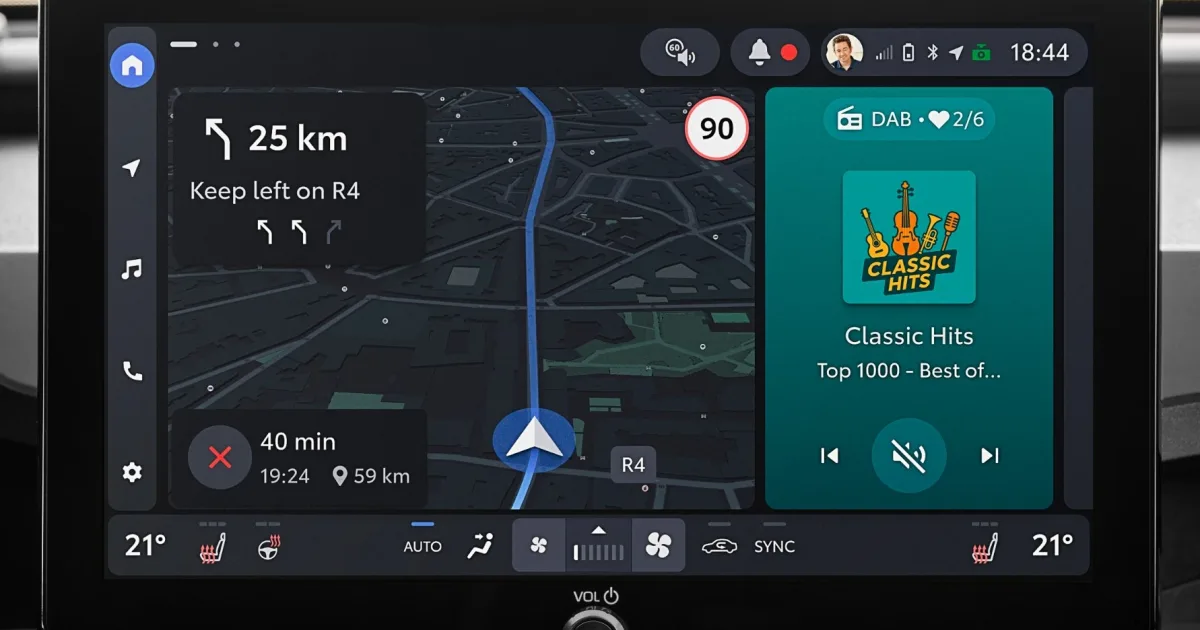
The central display works quickly and supports Apple CarPlay and Android Auto. Navigation from a smartphone can be displayed on the digital instrument cluster.
The hybrid system uses GPS for predictive operation. Taking into account the route, ascents, and descents, the electronics can change the algorithm of battery and gasoline engine usage in advance.
At the same time, the menu turned out to be overloaded. Finding settings for the head-up display, digital cluster, and some assistants requires getting used to.
Rear Row and Trunk of Toyota RAV4
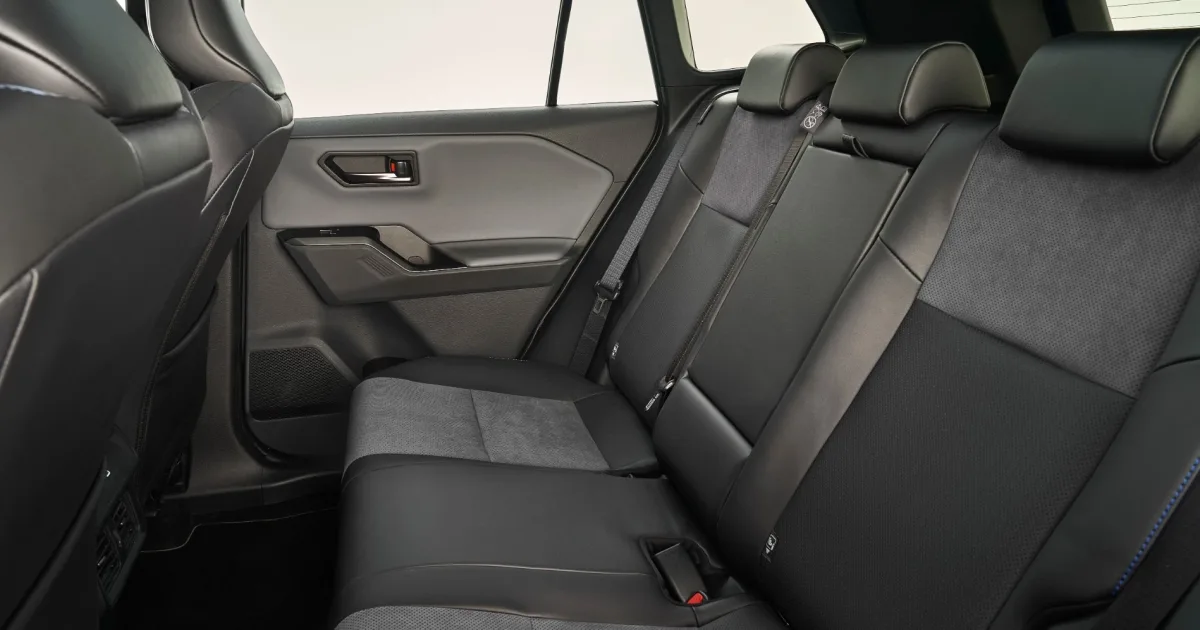
At a height of 192 cm, you can sit in the rear row behind the driver's seat adjusted for yourself without touching it with your knees. There are two air vents, two USB Type-C ports, a central armrest, and cup holders.
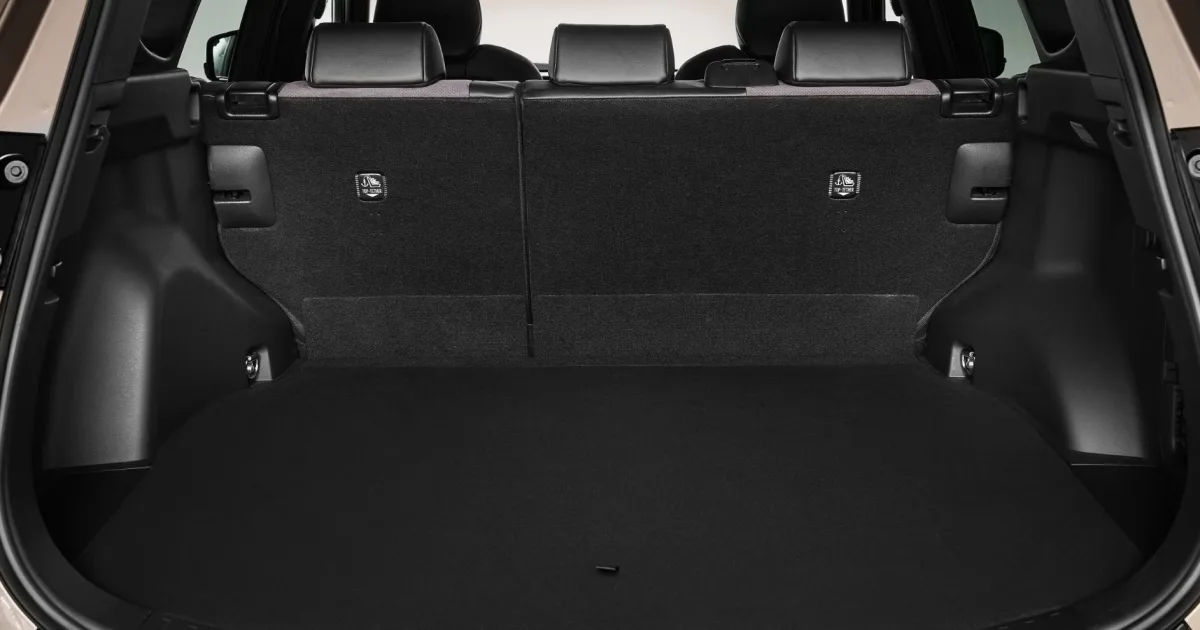
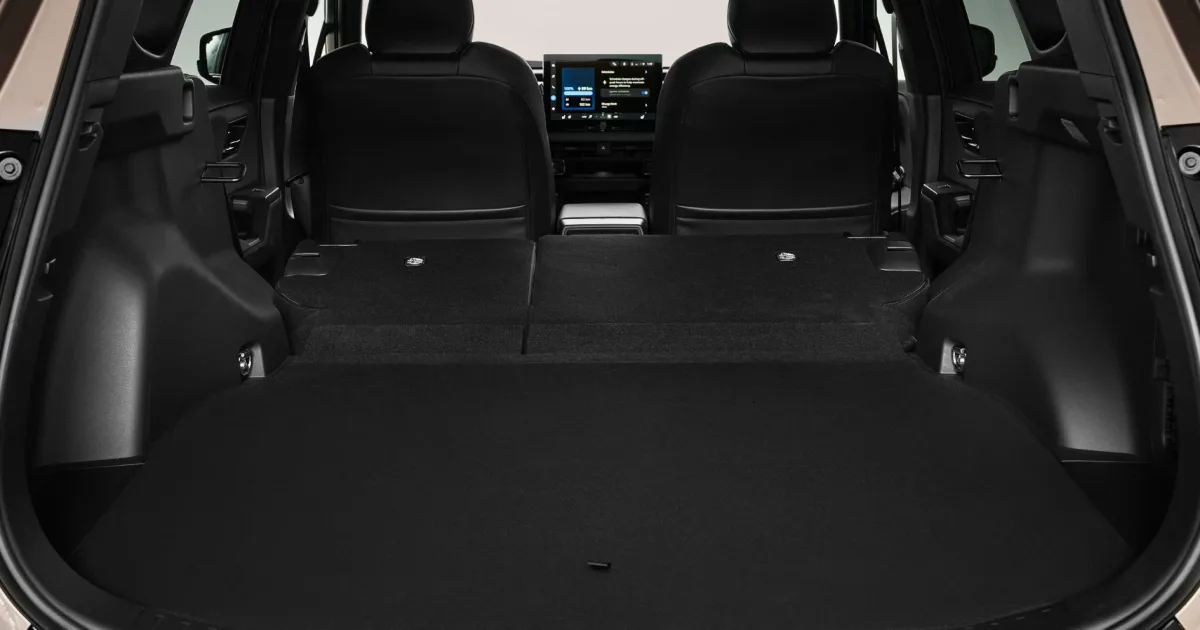
The trunk received a power tailgate, a cover, and a false floor. Under it are a space-saver spare wheel and additional compartments. There is also a 12V outlet and lighting.
Autoportal Conclusion
The sixth-generation Toyota RAV4 is a deep modernization of its predecessor. The TNGA platform, the naturally aspirated 2.5L engine, and the hybrid system architecture remain, but Toyota updated the battery, electric motors, body, and all-wheel-drive algorithms.
During the test, the crossover accelerated to 100 km/h in 8.2 seconds and showed an average fuel consumption of 5.7 L/100 km. The comfortable suspension, spacious interior, and a large set of electronic assistants match the family format of the model.
The main complaints are the hard interior materials, the shape of the central tunnel, and the confusing menu logic. Otherwise, Toyota has retained the familiar RAV4 concept, modernizing it without radically changing the technical foundation.