

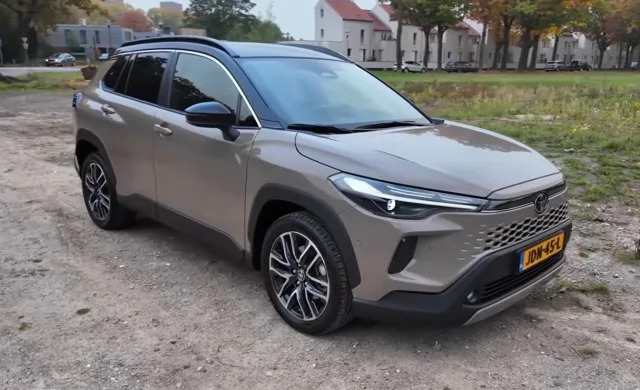
We tested the Toyota Corolla Cross 2026 in the top Executive trim with a 180-horsepower hybrid setup. Over a week, the car showed an average consumption of just 5.1 l/100 km in normal operating conditions.
What changed in the Toyota Corolla Cross
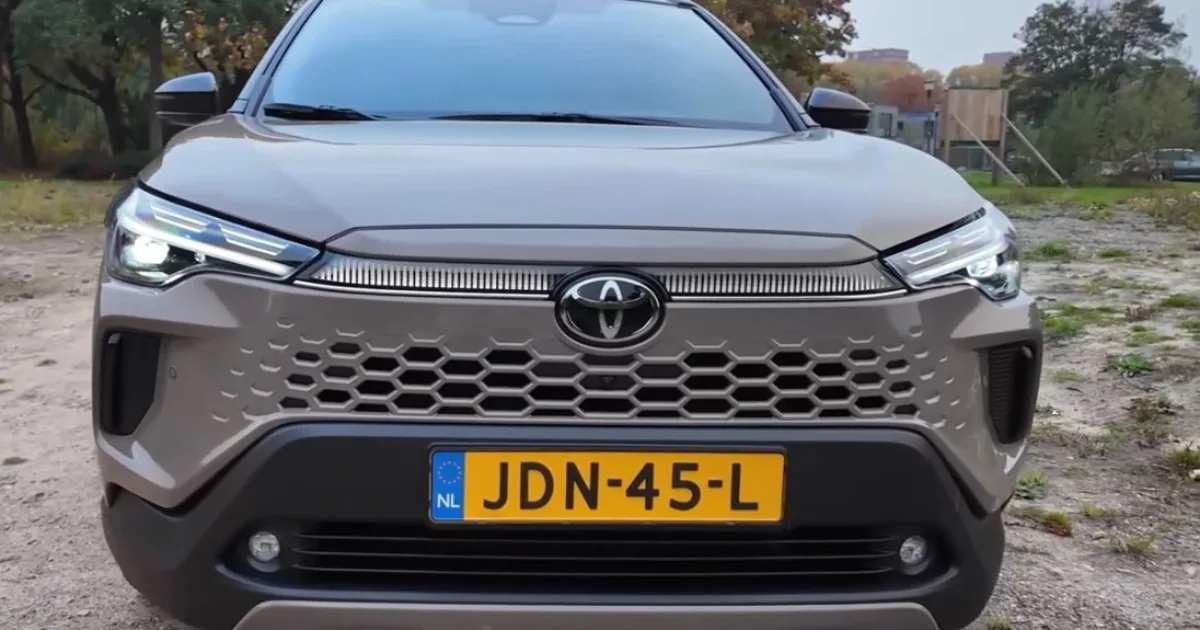
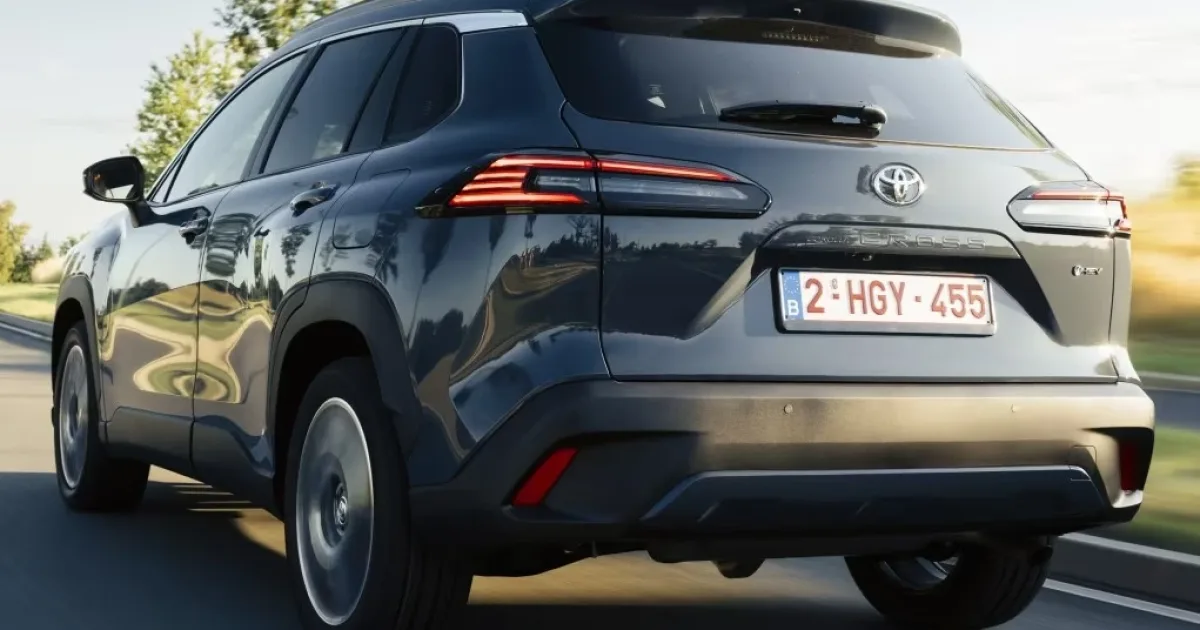
The front part was updated most noticeably. The Toyota Corolla Cross received a new grille with a honeycomb pattern, different headlights and an LED strip between them.
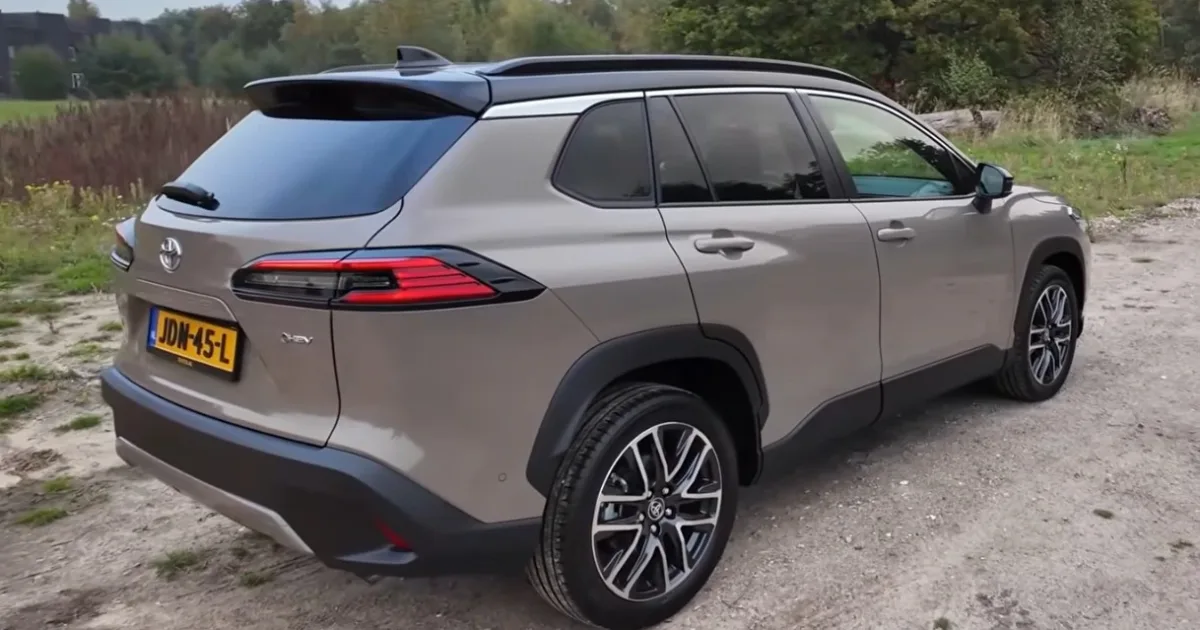
The silhouette remained conservative. Instead, the large windows provide good visibility, particularly to the rear.
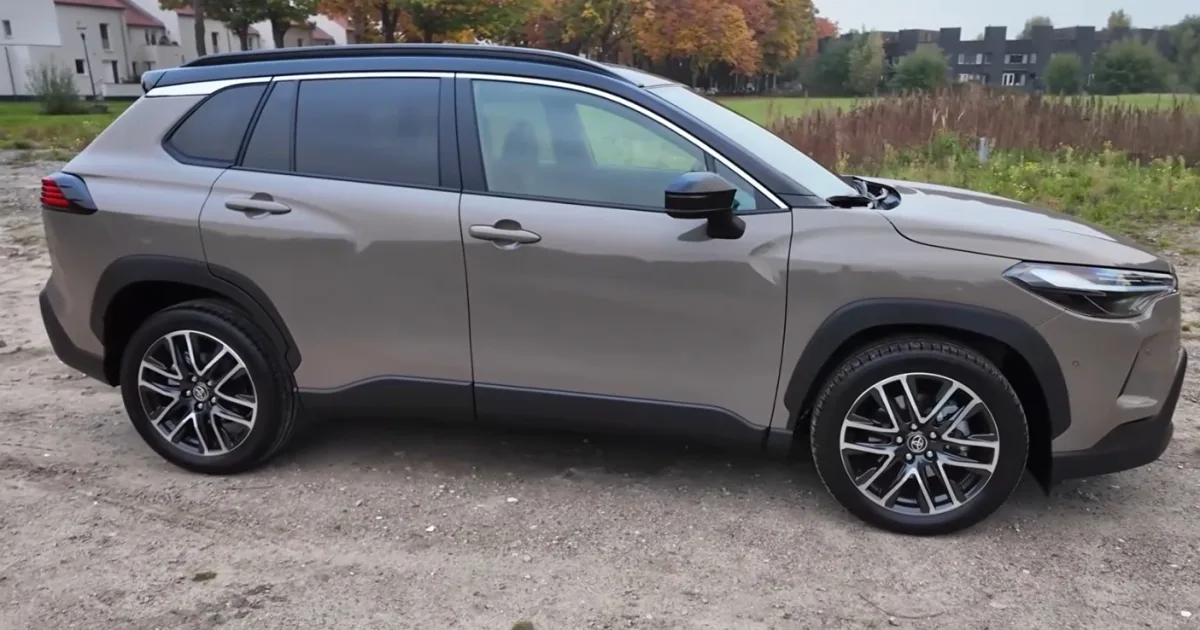
Main changes to the Toyota Corolla Cross:
new grille and front lighting;
LED strip between the headlights;
improved sound insulation of the front part of the cabin.
The body was also optimized from an aerodynamic standpoint to reduce fuel consumption.
Toyota Corolla Cross interior: convenient, but too much gloss
The interior is built according to Toyota's traditional principle. The main functions are controlled by physical buttons, the climate control has conventional buttons and dials.
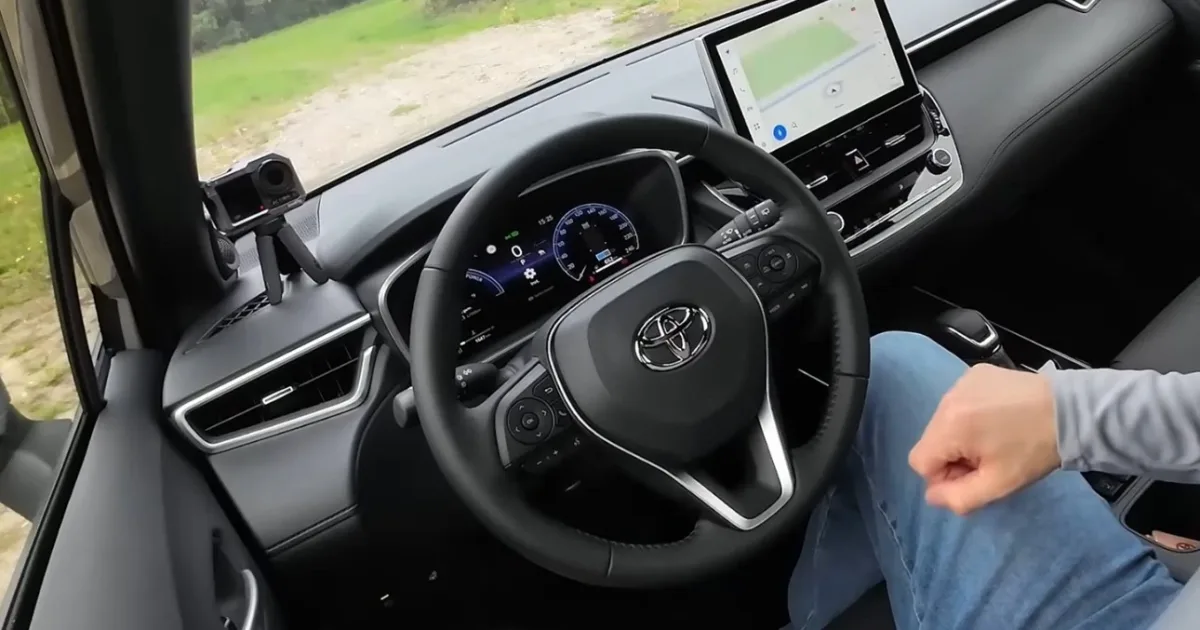
The central multimedia screen has a diagonal of 10.5 inches. The graphics are simple, but the menu is clear.
The digital instrument panel is overloaded with information. Especially at first, setting up the electronic assistants takes a lot of time due to a menu with a large number of icons and abbreviations.
The main complaint about the trim is the piano black lacquer around the climate control and on the center console. It collects dust and fingerprints, and over time it can become covered with scratches.
There is another nuance. The upper part of the center console protrudes above the tunnel and can press against the knee of a tall driver.
Seating position and passenger space
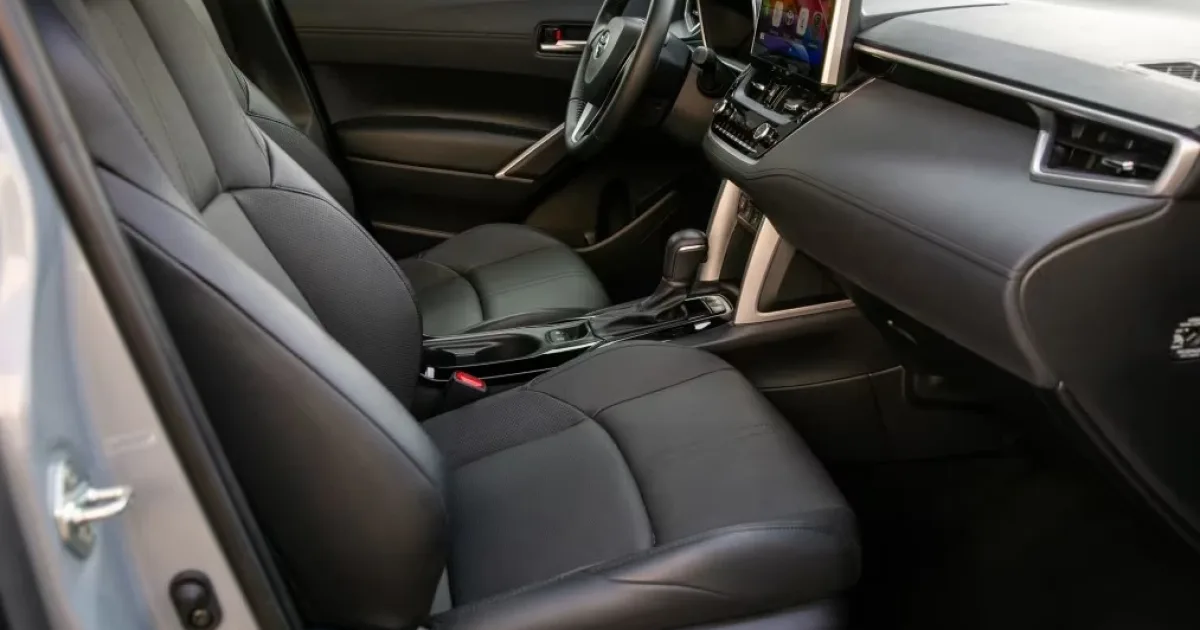
The front seats of the Toyota Corolla Cross are wide and have a sufficient range of adjustments. In the Executive, the driver's seat is equipped with power adjustment, while the passenger seat is adjusted manually.
There is not much lateral support, but for a family crossover the profile is successful. Visibility is good forward, to the sides and through the interior mirror.
The second row is quite spacious for adults. There is no panoramic roof, so due to the mostly black trim it is a bit dark in the back.
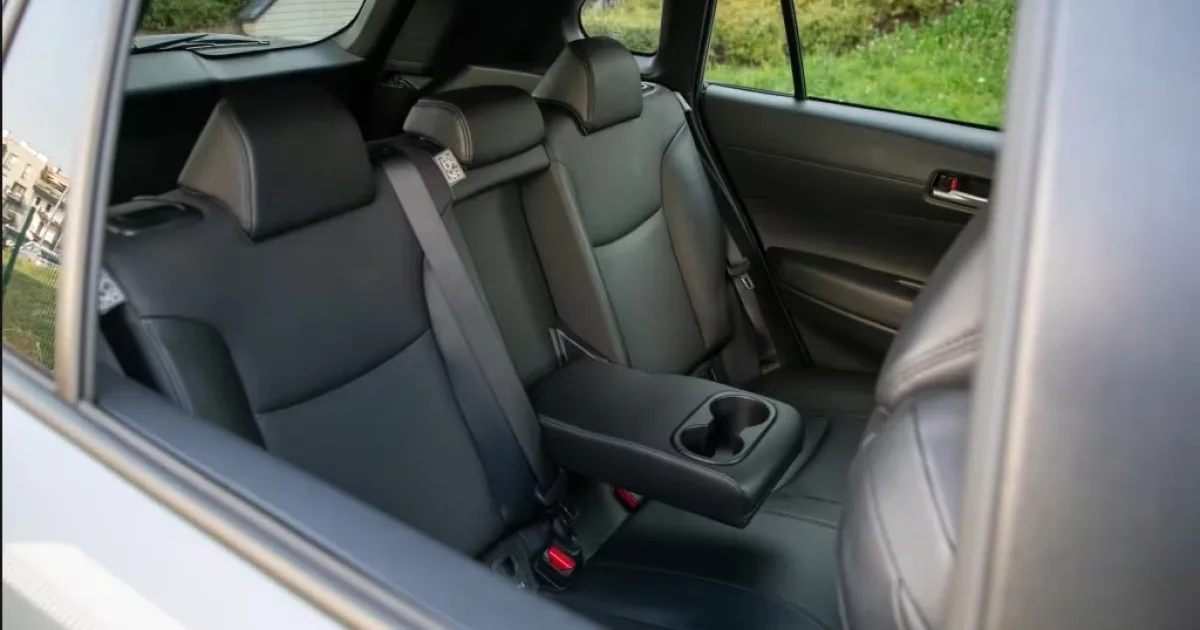
In the cabin, it is worth noting:
spacious second row;
wide front seats;
good visibility thanks to the large glass area.
Toyota Corolla Cross trunk
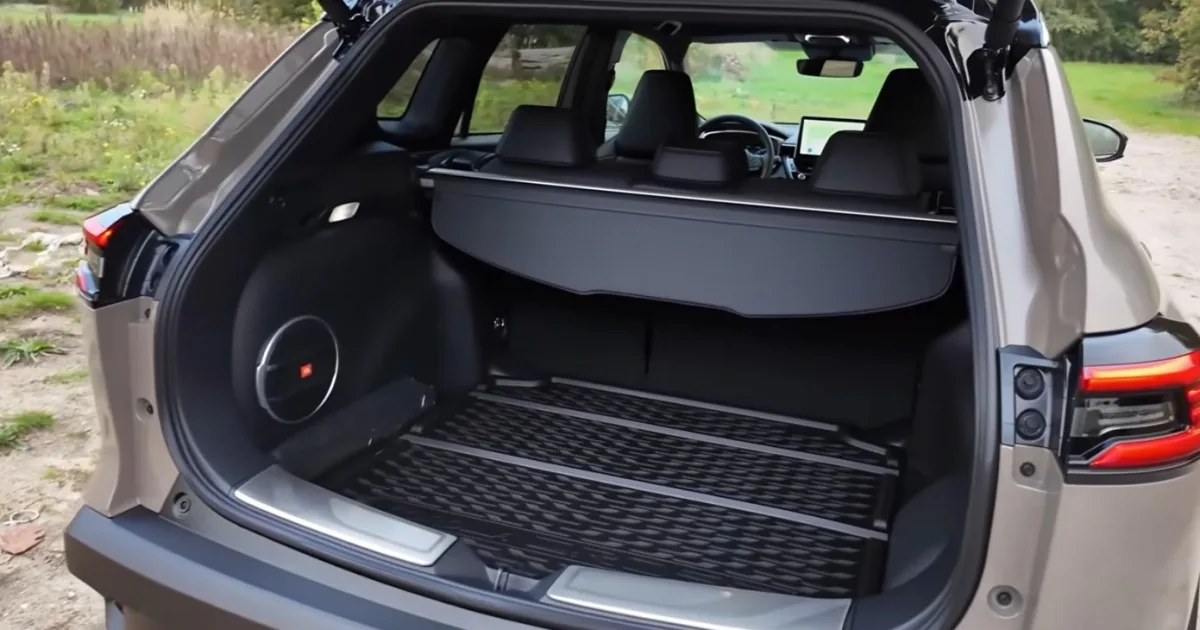
The trunk volume exceeds 400 l. The shape is regular, the loading opening is large, so there is enough space for daily needs or a family trip.
In the Toyota Corolla Cross Executive, part of the volume is taken up by the JBL subwoofer. In simpler versions, the luggage compartment may be more capacious.
Instead of a rigid shelf, a soft curtain is used. It insulates the cabin less well from the noise of the rear part of the car. After improving the sound insulation at the front, the hum from the rear wheels became more noticeable.
Two hybrids: 140 or 180 hp
The Toyota Corolla Cross is offered with hybrid setups producing 140 and 180 hp. The test car was the more powerful version with a 2.0-liter gasoline engine.
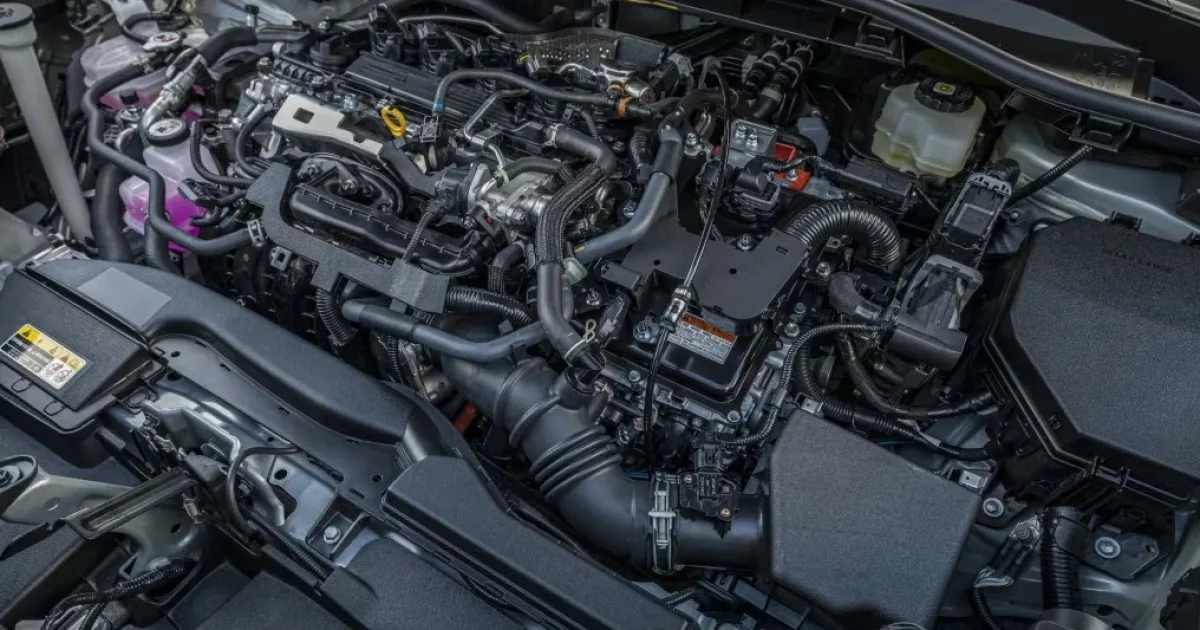
The hybrid does not require any additional actions from the driver. The electronics decide on their own when to use the internal combustion engine, the electric motor or both sources of traction.
There is a forced EV mode, which allows driving on electric power for a short time, for example in a courtyard or in a traffic jam.
The 180-horsepower version is well suited for the highway. A reserve of traction is felt during overtaking and lane changes.
How the Toyota Corolla Cross Hybrid drives
The Toyota Corolla Cross does not try to be sporty. The main thing in its character is predictability and comfort.
180 hp is enough to easily keep up with city pace and confidently accelerate on the highway. The hybrid system works smoothly, and the driver practically does not need to monitor which engine is propelling the car at a particular moment.
The 140-hp version was not tested during this test, so comparing them directly is incorrect.
The suspension is comfort-oriented and handles uneven surfaces calmly. The responses are clear and predictable, although there is no sporting excitement here.
Real consumption of the Toyota Corolla Cross
It was efficiency that became one of the strongest results of the test. Over a week, the onboard computer showed 5.1 l/100 km.
The route included city and highway, daily errands and trips with children. The driver did not try to save fuel on purpose.
Main results:
2.0-liter hybrid - 180 hp;
average consumption - 5.1 l/100 km;
the result was obtained in a mixed cycle without special fuel-saving efforts.
With an economical driving style, consumption can be further reduced by using recuperation and EV mode.
Toyota Corolla Cross Executive equipment
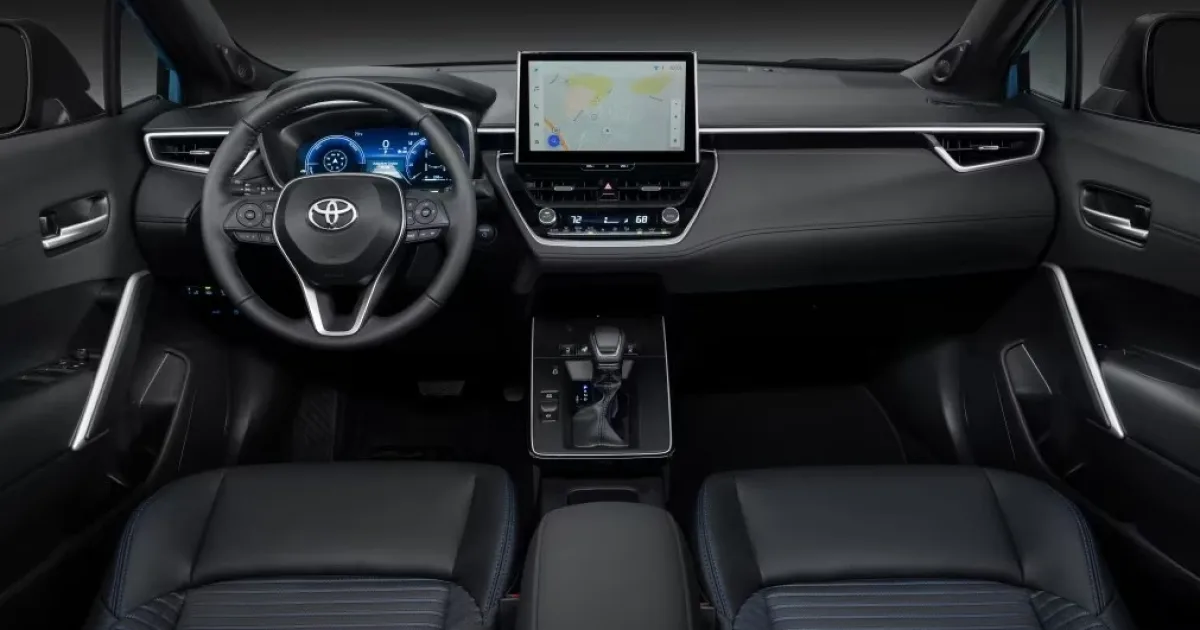
The test car is presented in the top Executive trim. It has a JBL audio system with a subwoofer, wireless charging, cameras and a set of electronic assistants.
At the same time, Toyota did not sacrifice ergonomics for the sake of touch panels. On the center console, separate buttons remain for the cameras, driving modes, Auto Hold and the electronic parking brake. The transmission selector is also traditional.
Autoportal conclusion
The Toyota Corolla Cross 2026 does not try to impress with design or huge displays. Its main advantage is the balance of characteristics.
The 180-horsepower hybrid provides a good reserve of traction for the city and highway, and the average consumption of 5.1 l/100 km during real operation became one of the car's main arguments.
The advantages include clear ergonomics, physical climate control buttons, good visibility, a spacious second row and a trunk with a volume of more than 400 l.
Among the drawbacks are the piano black lacquer, the information-overloaded digital panel, the inconvenient protrusion of the center console and the more noticeable noise from the rear part of the car.
As a result, the Toyota Corolla Cross is an economical and comfortable family crossover that does not force the owner to adapt to hybrid technology: get in, press Start and drive.