
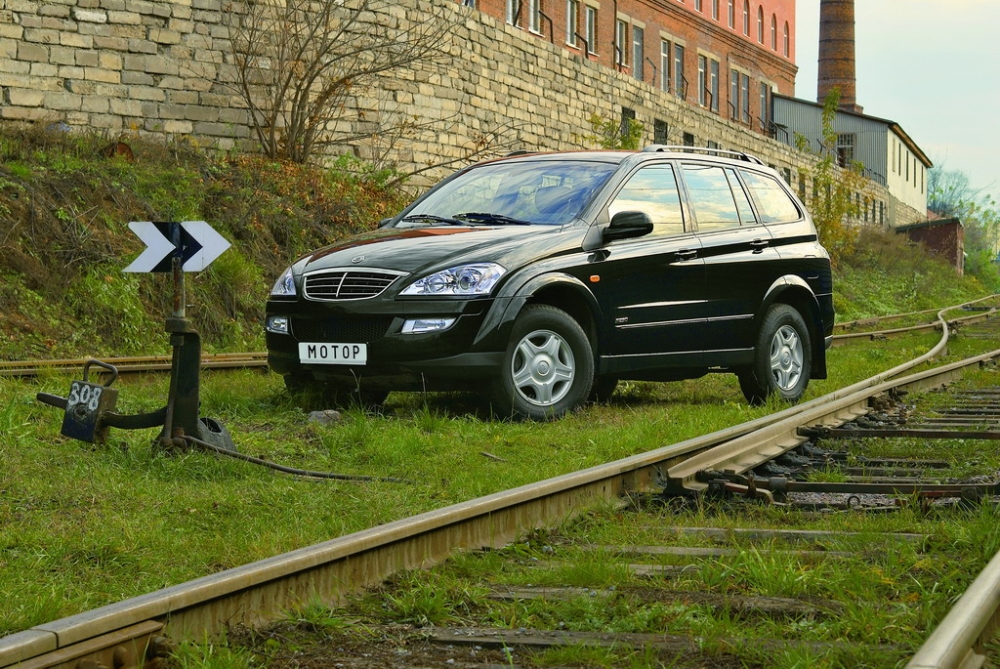
 Kenneth Greenly, who once headed the Royal College of Art in London, worked on the exterior of the previous Kyron. It seems he overdid it a bit: the rear lights shaped like knight's shields and the front end resembling a helmet visor looked too flashy for a Korean SUV. Nevertheless, even with such bold details, the Kyron sold well — largely due to its affordable price. The Koreans, noticing the public's reaction, decided they could sell even more if they toned down the design a little. That's how the updated Kyron came to be. And, pleasantly, it became even cheaper than its predecessor! The secret is that assembly was moved to a factory in Naberezhnye Chelny. Kenneth Greenly, who once headed the Royal College of Art in London, worked on the exterior of the previous Kyron. It seems he overdid it a bit: the rear lights shaped like knight's shields and the front end resembling a helmet visor looked too flashy for a Korean SUV. Nevertheless, even with such bold details, the Kyron sold well — largely due to its affordable price. The Koreans, noticing the public's reaction, decided they could sell even more if they toned down the design a little. That's how the updated Kyron came to be. And, pleasantly, it became even cheaper than its predecessor! The secret is that assembly was moved to a factory in Naberezhnye Chelny. |
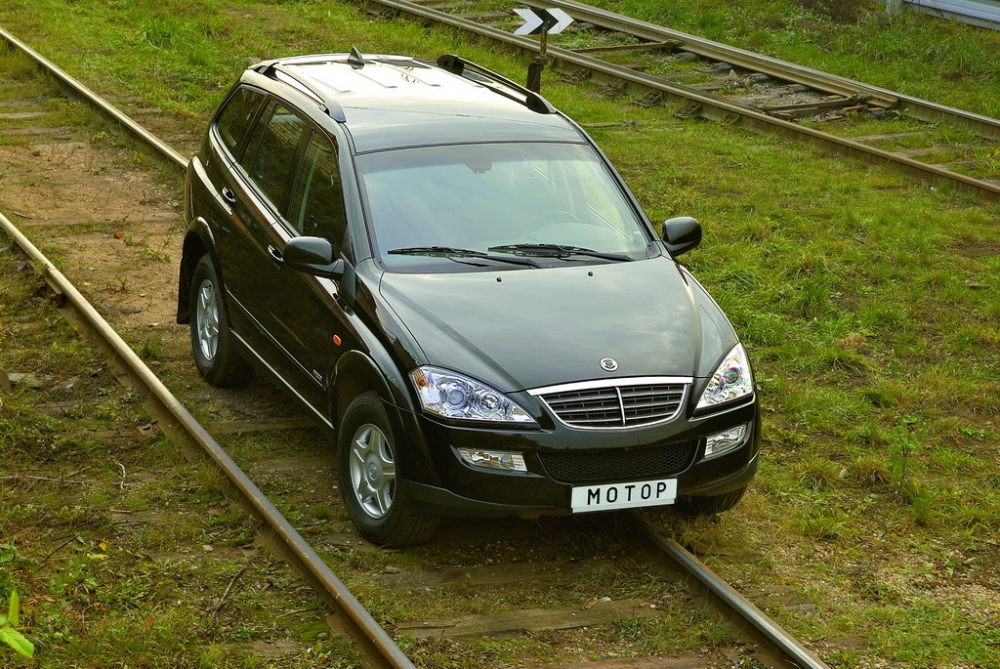 The restyling was done competently: everything unnecessary was removed or replaced, while successful solutions were kept. The front part of the body was completely transformed — a new hood, bumper with elongated fog lights, different headlights and radiator grille. Some might notice that the SsangYong now suspiciously resembles a Mercedes-Benz W221. Yes, there is a resemblance. But, firstly, the Koreans have the right to it — under the hood they have a "Mercedes" engine. And secondly, it's not a blatant copy in the style of Chinese brands. Instead of the ornate rear lights, there are now familiar horizontal ones, and the bumper is also new. All these changes clearly benefited the SUV: the exterior became calmer and more understandable. The Kyron has noticeably "Europeanized"! The restyling was done competently: everything unnecessary was removed or replaced, while successful solutions were kept. The front part of the body was completely transformed — a new hood, bumper with elongated fog lights, different headlights and radiator grille. Some might notice that the SsangYong now suspiciously resembles a Mercedes-Benz W221. Yes, there is a resemblance. But, firstly, the Koreans have the right to it — under the hood they have a "Mercedes" engine. And secondly, it's not a blatant copy in the style of Chinese brands. Instead of the ornate rear lights, there are now familiar horizontal ones, and the bumper is also new. All these changes clearly benefited the SUV: the exterior became calmer and more understandable. The Kyron has noticeably "Europeanized"! |
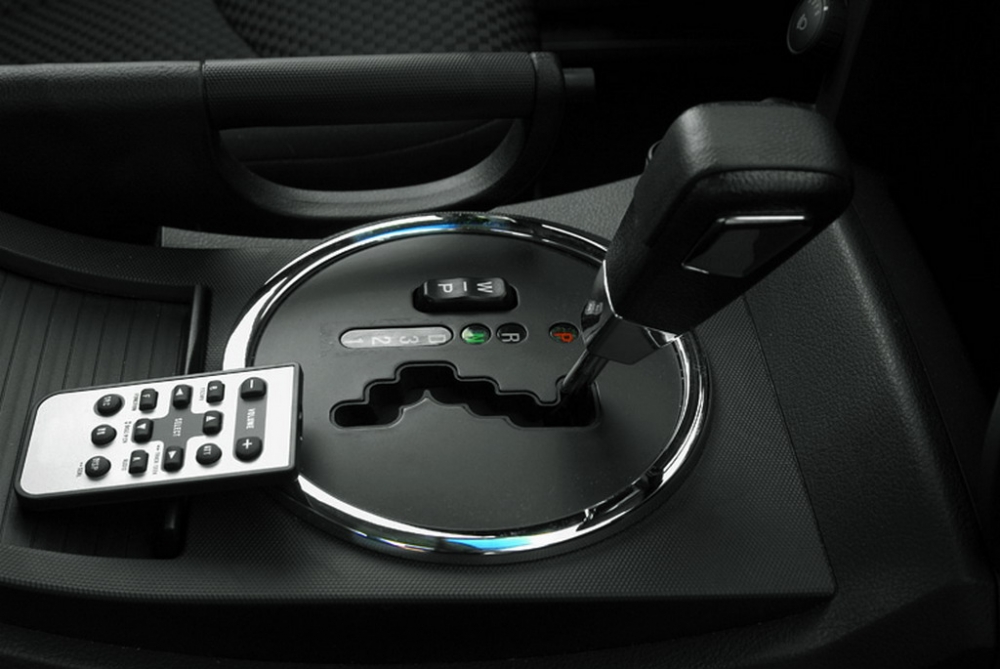
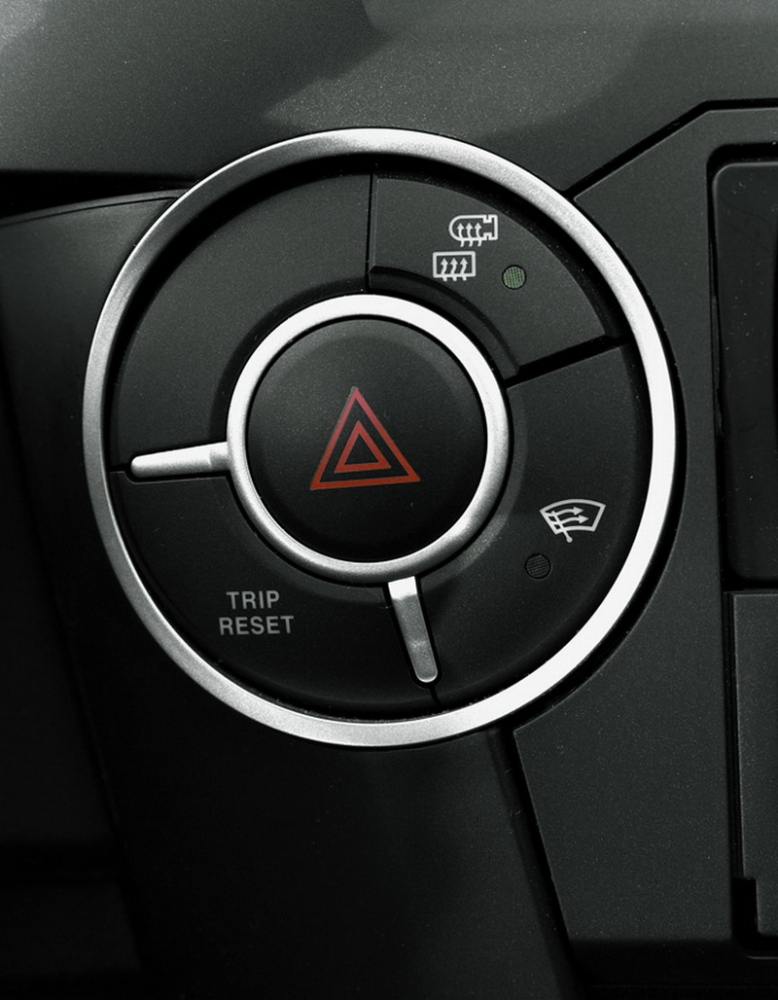
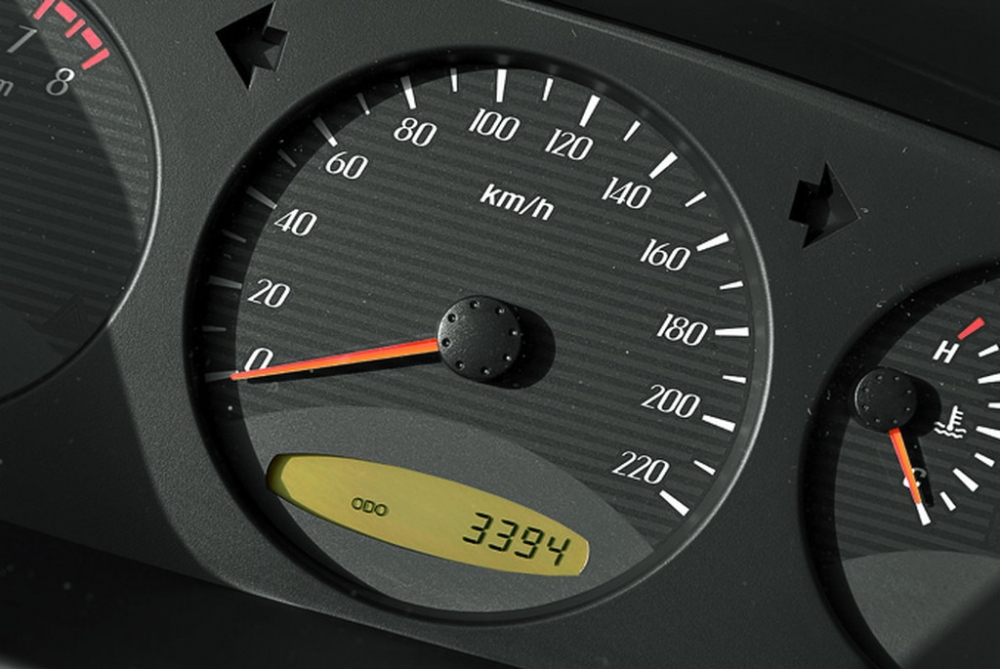
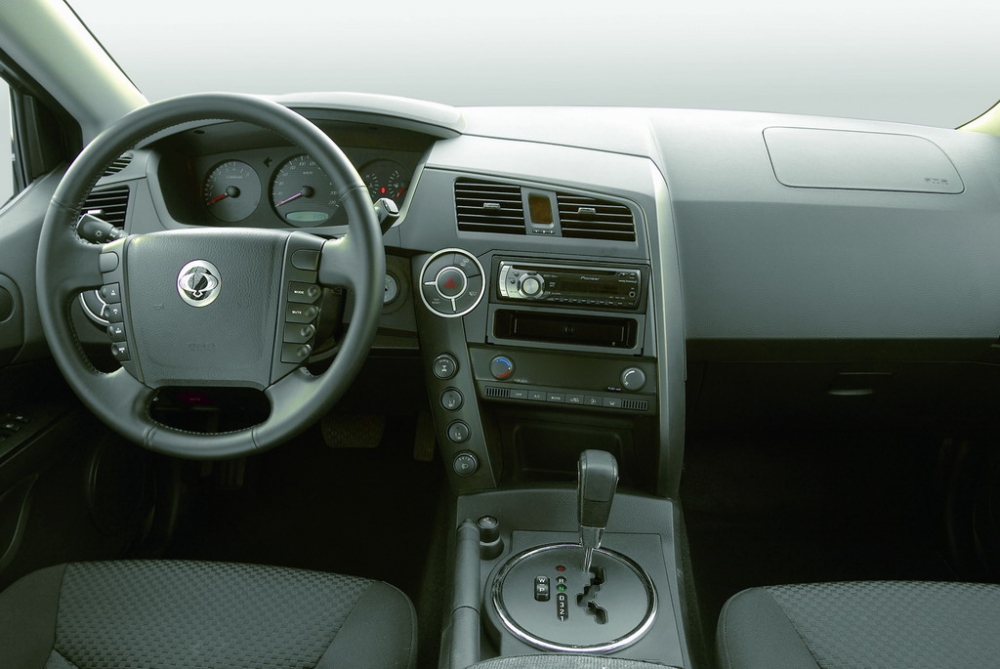 Inside, there are far fewer changes. One might say, almost none. The instrument panel has changed slightly — now it has yellow backlighting instead of green, and the center console is different. Everything else is as before. The cabin still features a circular theme: mirror control buttons are inscribed in one circle, another contains the hazard lights, rear window heating, and trip reset. The seat heating and transmission mode buttons, located vertically, are also round. Even the interior light switches have circles inside. And the handbrake is even shaped like a semicircle. Inside, there are far fewer changes. One might say, almost none. The instrument panel has changed slightly — now it has yellow backlighting instead of green, and the center console is different. Everything else is as before. The cabin still features a circular theme: mirror control buttons are inscribed in one circle, another contains the hazard lights, rear window heating, and trip reset. The seat heating and transmission mode buttons, located vertically, are also round. Even the interior light switches have circles inside. And the handbrake is even shaped like a semicircle. |
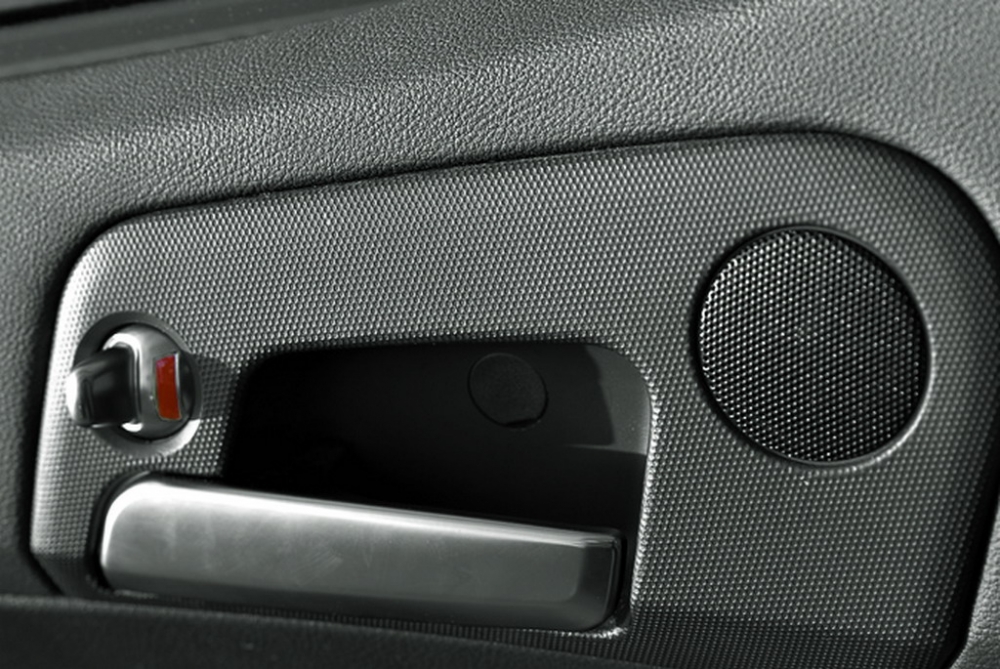
 The interior looks original and attractive, and is assembled with quality. Many feared that after moving production to Russia, quality would suffer, but that didn't happen. Moreover, the Kyron is not inferior to Japanese classmates. Soft plastic on the front panel and doors, a "kevlar-style" insert in the center, neat fit of parts — all this can confidently be counted as a plus for the Korean. And the Kyron's ergonomics are in order: the driver's seat adjusts in height, as does the steering column, and there's lumbar support adjustment. The seats are a bit stiff, but they don't hold the body well in corners — the flat and short cushion is to blame. The seating position is also more upright than one would like. However, you quickly get used to the unusually placed buttons. The interior looks original and attractive, and is assembled with quality. Many feared that after moving production to Russia, quality would suffer, but that didn't happen. Moreover, the Kyron is not inferior to Japanese classmates. Soft plastic on the front panel and doors, a "kevlar-style" insert in the center, neat fit of parts — all this can confidently be counted as a plus for the Korean. And the Kyron's ergonomics are in order: the driver's seat adjusts in height, as does the steering column, and there's lumbar support adjustment. The seats are a bit stiff, but they don't hold the body well in corners — the flat and short cushion is to blame. The seating position is also more upright than one would like. However, you quickly get used to the unusually placed buttons. |
 There are complaints about the climate control: cold air constantly blows from above. Neither Auto mode nor the "feet only" airflow direction helps. Over three days of testing, I couldn't overcome this problem. Another drawback also emerged — getting in and out of the cabin without soiling your trousers is practically impossible. It's a pity that even in options there are no running boards. You literally have to jump out of the car. As for interior space — with a length of 4660 mm and a width of 1880 mm, it could be more spacious inside. When the front seat is pushed all the way back, it gets a bit cramped in the back. And the trunk doesn't impress either: 625 liters up to the window line and just over 1200 with the rear seats folded. In motion, the Kyron is unhurried. The licensed 2.3-liter Mercedes engine is a reliable and proven unit, but its age shows. Its 150 hp is clearly insufficient for a two-ton SUV. Acceleration is very calm, and the 4-speed automatic plays a significant role in this. Shifts are slow but smooth. And don't forget: after moving the lever to D or R, you need to wait a pause, otherwise the transmission will respond with a noticeable jolt when pressing the gas. When the gearbox reaches fourth gear, the dynamics fade completely. With a full load, overtaking needs to be planned in advance. The Kyron handles in the same spirit as it accelerates — measured and leisurely. It doesn't rush into turns, the steering is heavy — 4 turns from lock to lock. At the same time, there's minimal information, everything is by feel. There are complaints about the climate control: cold air constantly blows from above. Neither Auto mode nor the "feet only" airflow direction helps. Over three days of testing, I couldn't overcome this problem. Another drawback also emerged — getting in and out of the cabin without soiling your trousers is practically impossible. It's a pity that even in options there are no running boards. You literally have to jump out of the car. As for interior space — with a length of 4660 mm and a width of 1880 mm, it could be more spacious inside. When the front seat is pushed all the way back, it gets a bit cramped in the back. And the trunk doesn't impress either: 625 liters up to the window line and just over 1200 with the rear seats folded. In motion, the Kyron is unhurried. The licensed 2.3-liter Mercedes engine is a reliable and proven unit, but its age shows. Its 150 hp is clearly insufficient for a two-ton SUV. Acceleration is very calm, and the 4-speed automatic plays a significant role in this. Shifts are slow but smooth. And don't forget: after moving the lever to D or R, you need to wait a pause, otherwise the transmission will respond with a noticeable jolt when pressing the gas. When the gearbox reaches fourth gear, the dynamics fade completely. With a full load, overtaking needs to be planned in advance. The Kyron handles in the same spirit as it accelerates — measured and leisurely. It doesn't rush into turns, the steering is heavy — 4 turns from lock to lock. At the same time, there's minimal information, everything is by feel. |
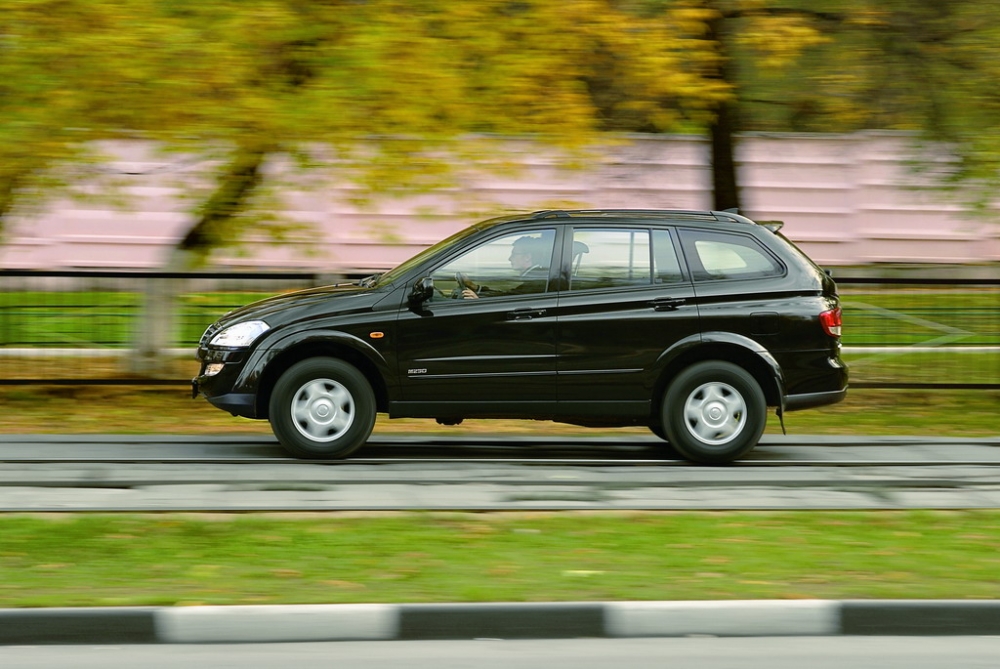 However, once you get used to it, you can drive faster. The maximum 164 km/h is not easy for the SsangYong. At high speeds, the frame construction and rear axle with Panhard rod make themselves known — the car requires constant steering corrections on a straight line. Comfort also decreases. Although overall the cabin is quite quiet, passengers aren't shaken. The front independent suspension smoothly absorbs bumps — even on a washed-out gravel road, the noise level remained acceptable. But we wouldn't advise venturing into serious off-road in the Kyron. Geometric off-road capability is limited by the low-mounted axle and rear shock absorber mounts. There's no protection at the front, and under it is an almost uncovered steering rack — catch hard ground slightly, and the boot will tear. However, once you get used to it, you can drive faster. The maximum 164 km/h is not easy for the SsangYong. At high speeds, the frame construction and rear axle with Panhard rod make themselves known — the car requires constant steering corrections on a straight line. Comfort also decreases. Although overall the cabin is quite quiet, passengers aren't shaken. The front independent suspension smoothly absorbs bumps — even on a washed-out gravel road, the noise level remained acceptable. But we wouldn't advise venturing into serious off-road in the Kyron. Geometric off-road capability is limited by the low-mounted axle and rear shock absorber mounts. There's no protection at the front, and under it is an almost uncovered steering rack — catch hard ground slightly, and the boot will tear. |
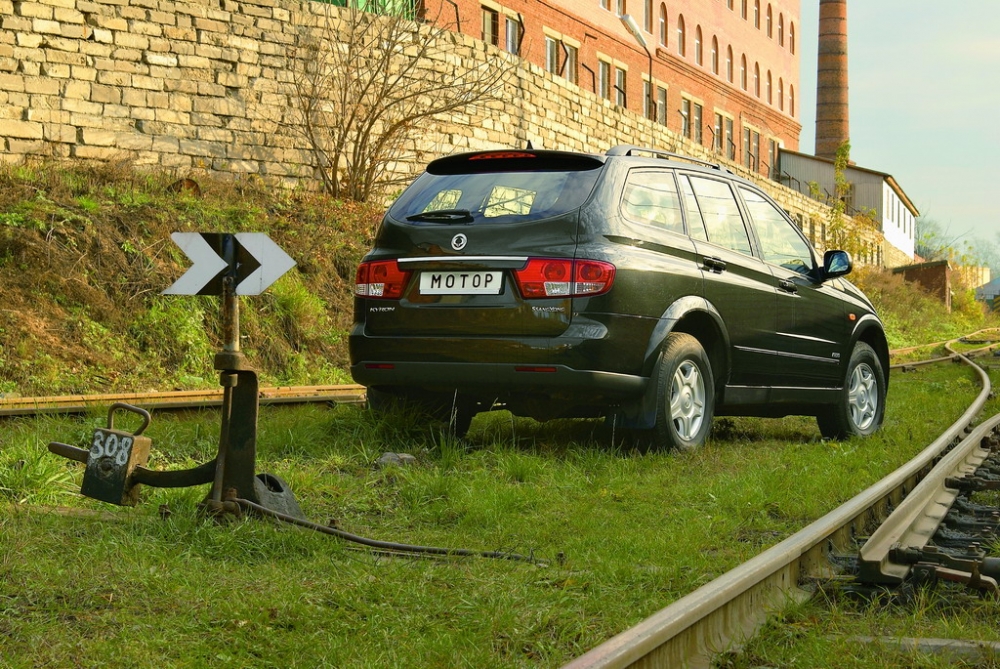 Despite the partial rear differential lock, when diagonally suspended, the car refused to move further — the unloaded wheel spun helplessly in the air. Strange. After all, the Kyron leans more towards the city. And here it feels quite comfortable. Its appearance is serious, the design was refined, the interior is quality and quiet, the engine probably will never let you down, the suspension preserves passenger comfort, calmly delivering them to the dacha. And for some, this dynamics and handling don't matter at all! Much more interesting is the price of a large crossover — from 802,000 to 977,000 rubles. Moreover, even the base trim has everything necessary. For that money, you can't even buy a compact Japanese crossover — a car a class lower and far less imposing. And a big size for less money has always attracted. Despite the partial rear differential lock, when diagonally suspended, the car refused to move further — the unloaded wheel spun helplessly in the air. Strange. After all, the Kyron leans more towards the city. And here it feels quite comfortable. Its appearance is serious, the design was refined, the interior is quality and quiet, the engine probably will never let you down, the suspension preserves passenger comfort, calmly delivering them to the dacha. And for some, this dynamics and handling don't matter at all! Much more interesting is the price of a large crossover — from 802,000 to 977,000 rubles. Moreover, even the base trim has everything necessary. For that money, you can't even buy a compact Japanese crossover — a car a class lower and far less imposing. And a big size for less money has always attracted. |
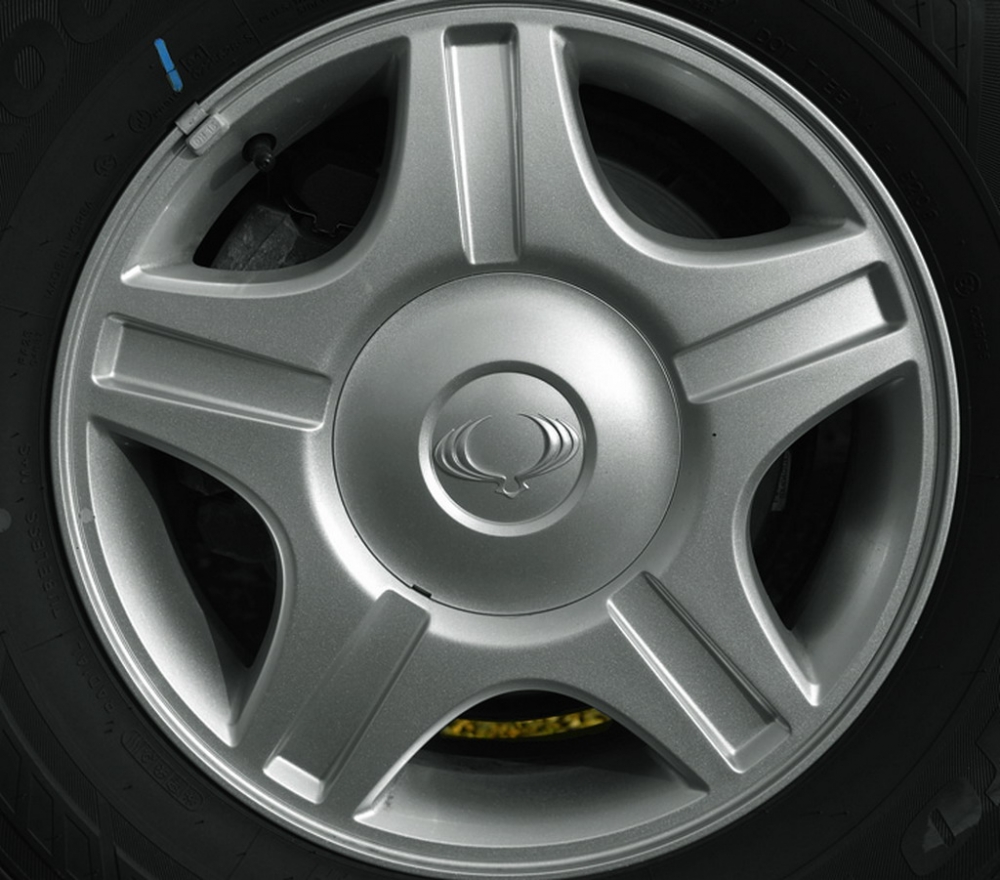 PRICES AND TRIM LEVELS PRICES AND TRIM LEVELSIn Russia, the updated SsangYong Kyron is currently sold (until next year) only with a 2.3-liter gasoline engine. You can choose a version with a 5-speed manual or a 4-speed automatic. The most affordable but well-equipped version with a manual costs 802,000 rubles. It includes ABS, two airbags, electrically adjustable heated mirrors, fog lights, 16-inch alloy wheels, power steering, air conditioning, heated front seats, central locking, heated wiper zone, audio preparation, and power windows. In more expensive trims, air conditioning gives way to climate control, an automatic transmission appears, as well as a limited-slip differential in the rear axle, roof rails, leather-wrapped steering wheel and gear lever, light and rain sensors. The most expensive version with an automatic can boast a leather interior with power adjustments, side curtain airbags, and an ESP system. Price — 977,000 rubles. |
 |
 |
 |
European Korean
The pre-restyling SsangYong Kyron was the best-selling car of the Korean brand, despite its controversial design. Having spruced up, the new Kyron has every chance to become even more popular.
Test drive photos
Comments
No comments yet. Say the first word.