
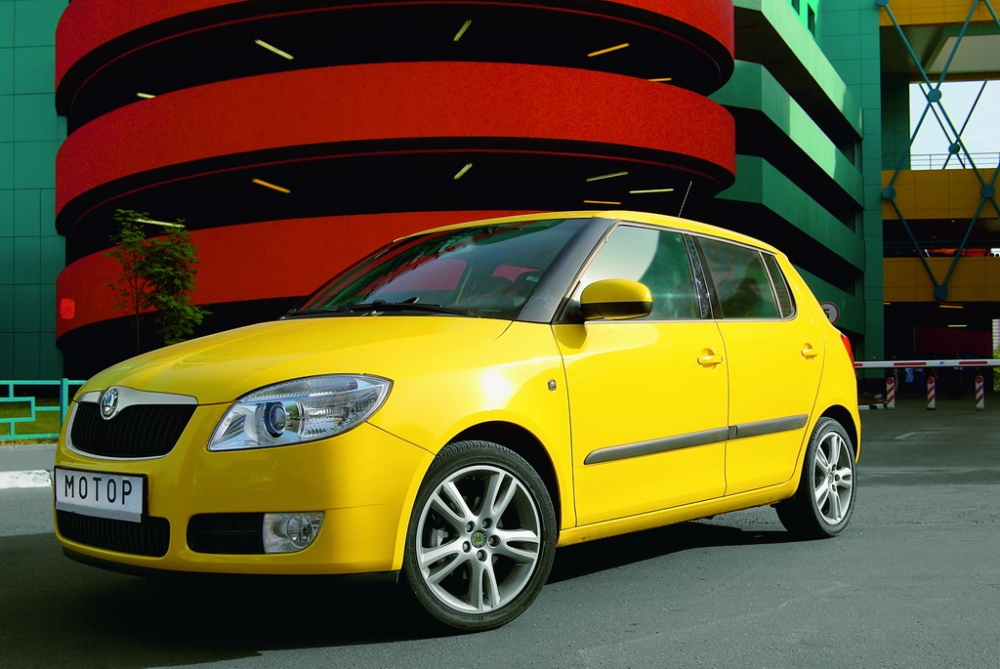
 Under the hood of this example was a 1.4-liter unit producing 86 horsepower. Clearly, such power is only enough for confident city driving, but to fully unlock the potential of the new model's excellent chassis, it is clearly insufficient. Although, if we are talking about the standard Fabia, such complaints would be inappropriate — I was simply confused by the "sporty" name of the trim. And if you put yourself in the shoes of an average B-class car buyer, it is obvious: the new Fabia is one of the most worthy contenders in this segment. Under the hood of this example was a 1.4-liter unit producing 86 horsepower. Clearly, such power is only enough for confident city driving, but to fully unlock the potential of the new model's excellent chassis, it is clearly insufficient. Although, if we are talking about the standard Fabia, such complaints would be inappropriate — I was simply confused by the "sporty" name of the trim. And if you put yourself in the shoes of an average B-class car buyer, it is obvious: the new Fabia is one of the most worthy contenders in this segment. |
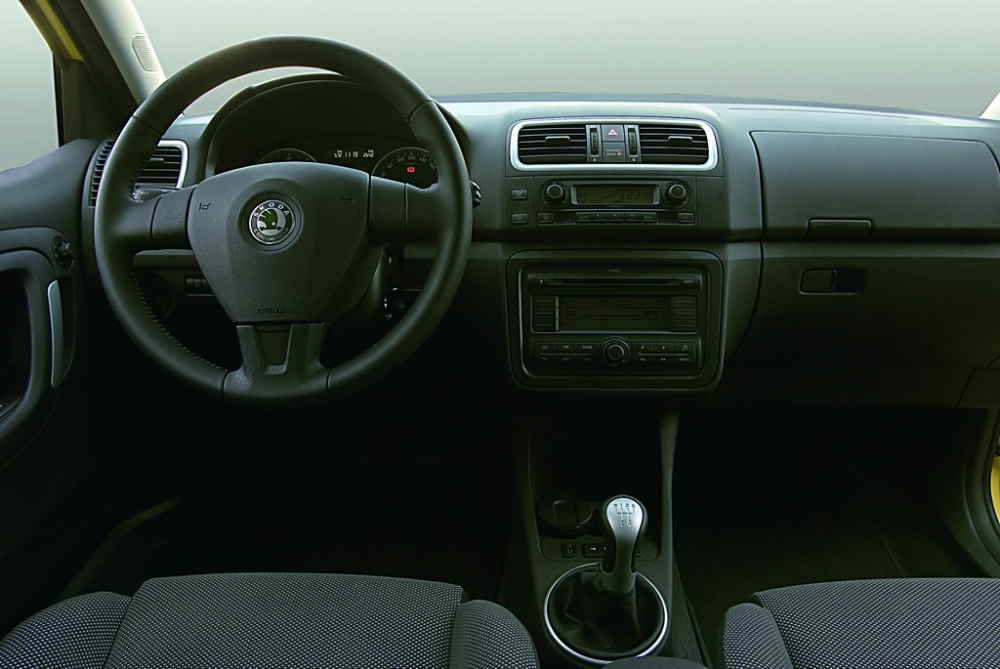
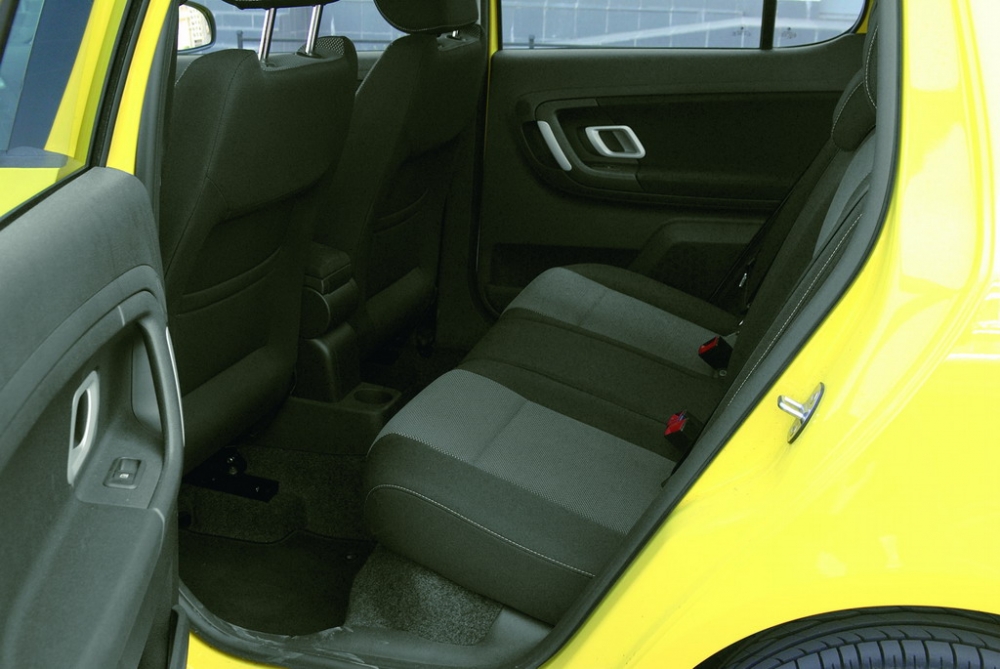
 The Czech brand clearly feels the influence of its German owner — Volkswagen. Inside, the Fabia tries to look even more solid than the VW Passat. The front panel is an exact copy of the one in the Roomster: an example of practicality and pragmatic design. No soul, but there is an idea — maximum convenience and functionality. In the Fabia, you forget that it is a B-class small car. It is spacious both in the front and, surprisingly, in the back. The seating position in the first row has become more upright compared to the first generation, so there is plenty of room in the back. It is unlikely you will find a classmate with such a spacious interior. The car has become 47 mm taller and 22 mm longer. The Czech brand clearly feels the influence of its German owner — Volkswagen. Inside, the Fabia tries to look even more solid than the VW Passat. The front panel is an exact copy of the one in the Roomster: an example of practicality and pragmatic design. No soul, but there is an idea — maximum convenience and functionality. In the Fabia, you forget that it is a B-class small car. It is spacious both in the front and, surprisingly, in the back. The seating position in the first row has become more upright compared to the first generation, so there is plenty of room in the back. It is unlikely you will find a classmate with such a spacious interior. The car has become 47 mm taller and 22 mm longer. |
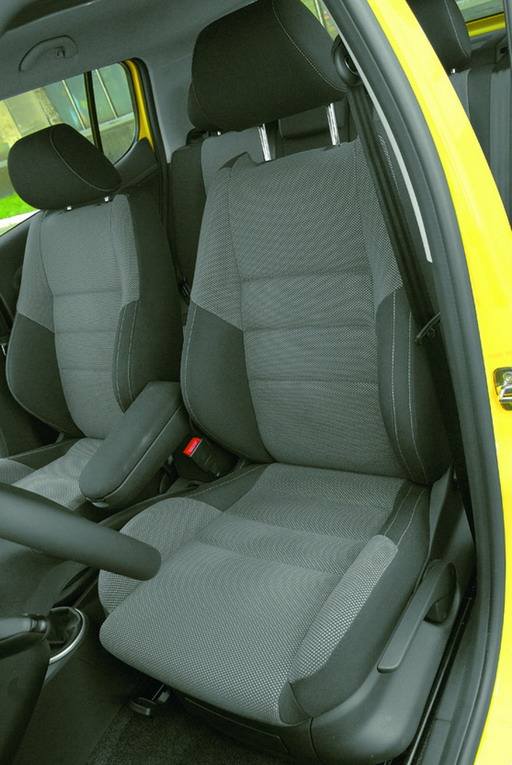
 The trunk volume of 300 liters is more than enough for everyday city life, and if you need more, you fold down the rear seats and get 1163 liters. The trunk has a removable compartment for small items. I also note the two-section glovebox in the central console and spacious door pockets with large cup holders — a liter bottle fit there easily. But the handbrake is inconvenient to use: the armrest significantly restricts access to it. The materials and quality of the interior trim pleased me. In the front, there are cozy seats with decent synthetic upholstery and pronounced lateral support. The three-spoke steering wheel is wrapped in leather with excellent grip, with the correct shape and cross-section — just like VW. The gear lever is also comfortable, but the operation of the mechanism itself seemed not ideal to me. The trunk volume of 300 liters is more than enough for everyday city life, and if you need more, you fold down the rear seats and get 1163 liters. The trunk has a removable compartment for small items. I also note the two-section glovebox in the central console and spacious door pockets with large cup holders — a liter bottle fit there easily. But the handbrake is inconvenient to use: the armrest significantly restricts access to it. The materials and quality of the interior trim pleased me. In the front, there are cozy seats with decent synthetic upholstery and pronounced lateral support. The three-spoke steering wheel is wrapped in leather with excellent grip, with the correct shape and cross-section — just like VW. The gear lever is also comfortable, but the operation of the mechanism itself seemed not ideal to me. |
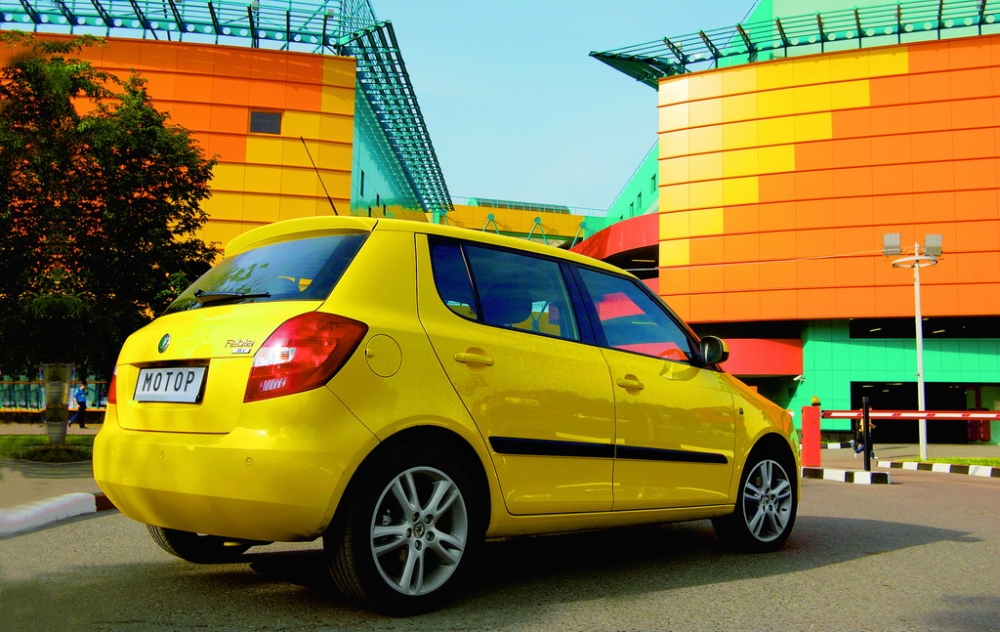
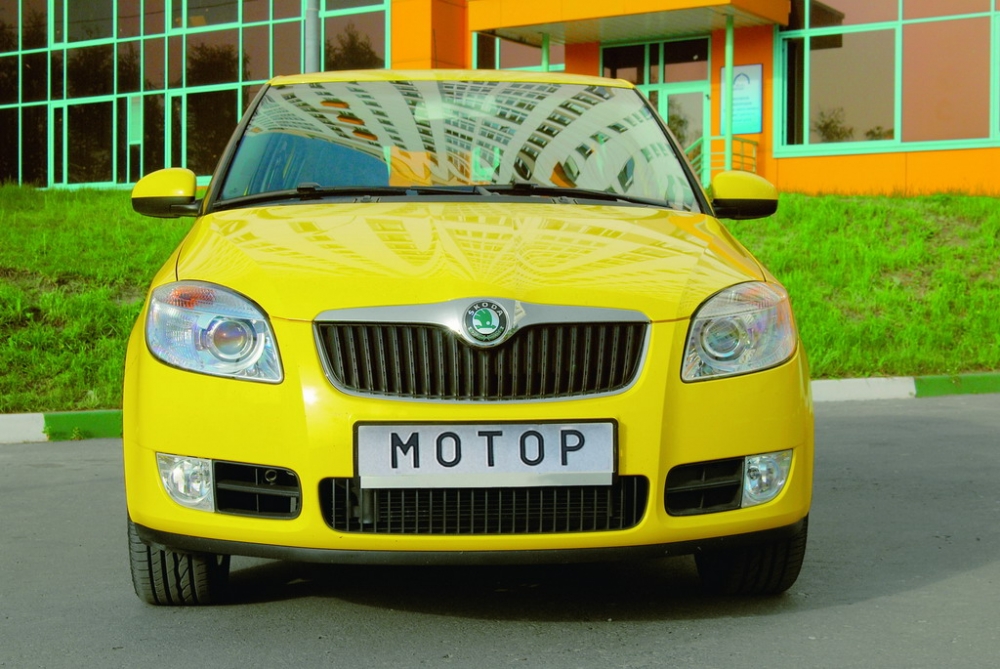
 The appearance of the second-generation Fabia is an order of magnitude more interesting than its predecessor. First of all, this concerns the body proportions. Despite the increased height, the car looks much more harmonious. The face has become more cheerful. Stylish details have appeared — a flat roof and black windshield pillars (though, it seems, this is borrowed from MINI and Suzuki Swift). The rear also turned out well, especially impressive are the large headlights in the new Skoda corporate style. And the font of the model name on the fifth door looks nice. With sound insulation, everything is in order: the engine is almost inaudible, and street noise does not bother either. The climate control works perfectly — I checked it in the heat. The appearance of the second-generation Fabia is an order of magnitude more interesting than its predecessor. First of all, this concerns the body proportions. Despite the increased height, the car looks much more harmonious. The face has become more cheerful. Stylish details have appeared — a flat roof and black windshield pillars (though, it seems, this is borrowed from MINI and Suzuki Swift). The rear also turned out well, especially impressive are the large headlights in the new Skoda corporate style. And the font of the model name on the fifth door looks nice. With sound insulation, everything is in order: the engine is almost inaudible, and street noise does not bother either. The climate control works perfectly — I checked it in the heat. |
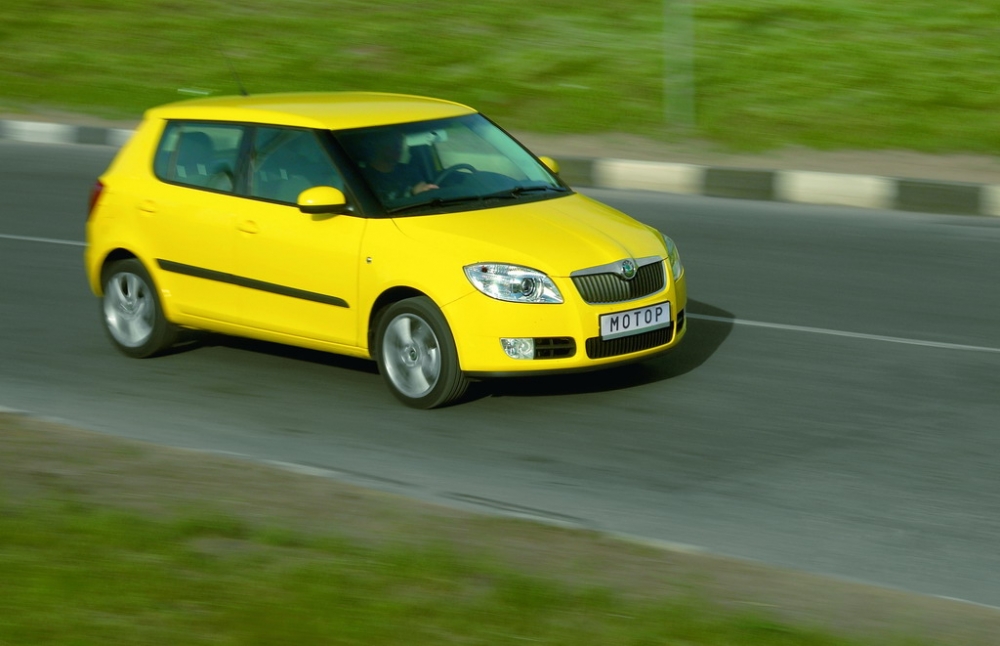
 The weak engine cannot give the car breathtaking acceleration, but if you constantly keep it in good shape and work the gear lever more actively, you can drive quite briskly. And at the same time enjoy the perfectly tuned suspension. The Fabia is a bit stiff on the move, but it handles with pleasure. True, you have to constantly watch the road quality. It is better to avoid manholes — there may be breakdowns "to the bump stops," and besides, low-profile tires are installed on the beautiful wheels. The weak engine cannot give the car breathtaking acceleration, but if you constantly keep it in good shape and work the gear lever more actively, you can drive quite briskly. And at the same time enjoy the perfectly tuned suspension. The Fabia is a bit stiff on the move, but it handles with pleasure. True, you have to constantly watch the road quality. It is better to avoid manholes — there may be breakdowns "to the bump stops," and besides, low-profile tires are installed on the beautiful wheels. |
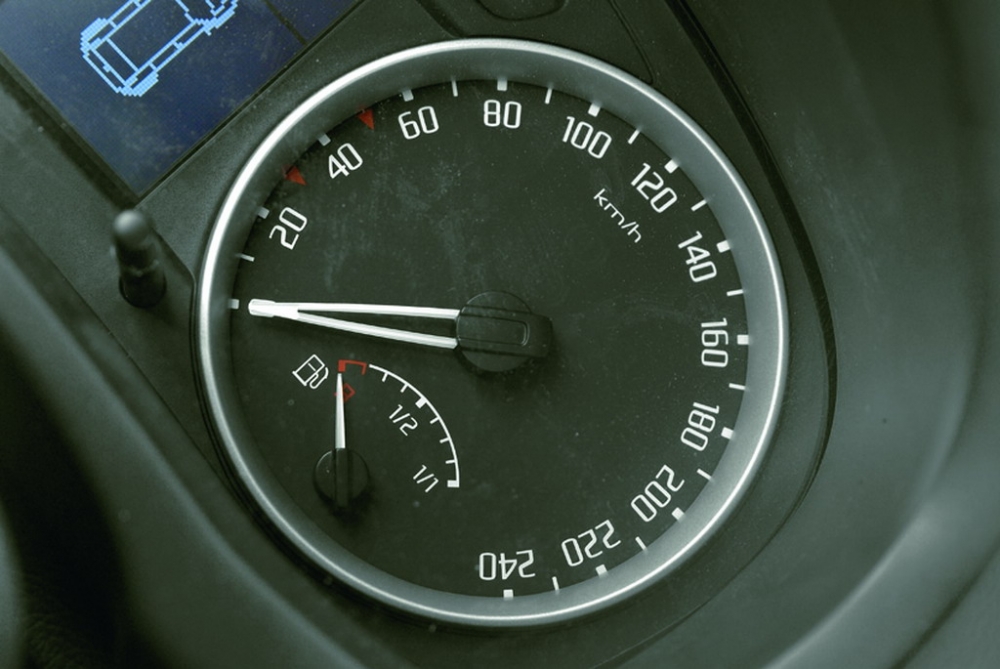 The steering has an electric power steering, which is hard to fault. The mechanism properly doses the effort on the wheel depending on the situation. Even with active rotation of the steering wheel, it does not "think." And how does a small, tall car behave on the highway? The maximum 175 km/h is, of course, achievable, but completely different figures are suitable for comfortable driving. And you do not want to rape the little engine, which howls desperately at high revs. Nevertheless, the suspension and steering work excellently at high speeds. The car holds the straight line tenaciously, and even on uneven surfaces, the driver feels confident thanks to the heavy steering wheel with a clear "zero." The Fabia also pleases during emergency braking. In general, the brakes work flawlessly, as in most Volkswagen Group models. The steering has an electric power steering, which is hard to fault. The mechanism properly doses the effort on the wheel depending on the situation. Even with active rotation of the steering wheel, it does not "think." And how does a small, tall car behave on the highway? The maximum 175 km/h is, of course, achievable, but completely different figures are suitable for comfortable driving. And you do not want to rape the little engine, which howls desperately at high revs. Nevertheless, the suspension and steering work excellently at high speeds. The car holds the straight line tenaciously, and even on uneven surfaces, the driver feels confident thanks to the heavy steering wheel with a clear "zero." The Fabia also pleases during emergency braking. In general, the brakes work flawlessly, as in most Volkswagen Group models. |
 The new Fabia is a pleasant car in all respects. Excellent quality, thoughtful ergonomics and interior layout, which provide unprecedented space for this class, as well as good driving characteristics. Perhaps, now in its segment, the Fabia is the most mature car. And it will remain so until the new generation of the VW Polo comes out. The new Fabia is a pleasant car in all respects. Excellent quality, thoughtful ergonomics and interior layout, which provide unprecedented space for this class, as well as good driving characteristics. Perhaps, now in its segment, the Fabia is the most mature car. And it will remain so until the new generation of the VW Polo comes out. |
 PRICES AND TRIM LEVELS PRICES AND TRIM LEVELSThe car is offered in four trim levels — Classic (1.2 and 1.4 l), Ambiente (1.2, 1.4, 1.6 l), Sport (1.4 l) and Elegance (1.6 l). All modifications with the 1.6 l engine can be equipped with an automatic transmission. The new Fabia exists only as a five-door hatchback. The Classic includes 14-inch steel wheels, electric power steering, audio preparation with 4 speakers, and a driver's airbag. The price is $12,990 (1.2 l) and $13,990 (1.4 l). By paying extra, you can get ABS, a seat belt sensor, and air conditioning. The Ambiente already has ABS, a second airbag, front power windows, and a tire pressure sensor. For the version with an "automatic," the base includes rear disc brakes and ESP. The Ambiente with a manual transmission and a 1.2 l engine costs $14,390, with a 1.4 l engine — $15,390, with a 1.6 l engine — $16,690. The 1.6 l version with an "automatic" is priced at $18,690. The Sport trim in the "base" includes alloy wheels R15, air conditioning, four power windows, a CD receiver, and fog lights. The price is $17,390. The Elegance version is similar in options to Sport, but differs in color scheme and interior design. The price with a 1.6 l engine and manual transmission is from $18,690, with an "automatic" — from $20,690. |
Urban Germanism
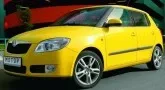
Yellow Fabia on 16-inch alloy wheels, according to the Sport trim, reminded of the first generation of the model in the 'hot' RS version. The similarity, however, was limited to the exterior.
Test drive photos
Comments
No comments yet. Say the first word.