
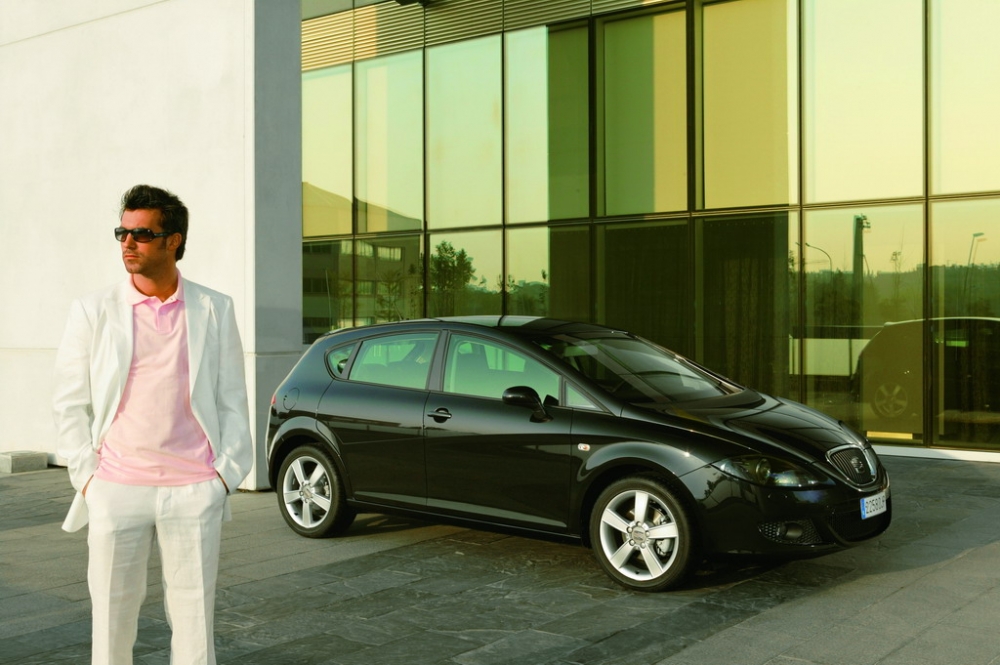
 In general, the Spaniards should be offended that today most Russians know their products mainly thanks to a Chinese fake based on the first-generation Toledo. It is logical that after a short pause, SEAT returned to our market. A market that has been showing fantastic growth recently is a priori attractive to any manufacturer with almost guaranteed sales. Given that the Spanish company's model range includes several very interesting offers for popular classes, the return seems logical and justified. Moreover, the appearance of the entire modern lineup is fresh. In general, the Spaniards should be offended that today most Russians know their products mainly thanks to a Chinese fake based on the first-generation Toledo. It is logical that after a short pause, SEAT returned to our market. A market that has been showing fantastic growth recently is a priori attractive to any manufacturer with almost guaranteed sales. Given that the Spanish company's model range includes several very interesting offers for popular classes, the return seems logical and justified. Moreover, the appearance of the entire modern lineup is fresh. |
 These cars have not even become familiar on Moscow roads yet, which can be considered a plus and a trump card for SEAT. A bright representative of the Spanish company's modern style is the Leon. It is this car that brings to life the ideas of the Salsa concept car, which was first shown to the public in 2000 at the Geneva Motor Show. This three-door hatchback marked the beginning of a new era in the development of the Spanish brand. SEAT's chief designer at the time was Walter de Silva, who had recently come from Alfa Romeo and developed the new corporate style. At the same time, VW began investing in Spanish production and the technical center. These cars have not even become familiar on Moscow roads yet, which can be considered a plus and a trump card for SEAT. A bright representative of the Spanish company's modern style is the Leon. It is this car that brings to life the ideas of the Salsa concept car, which was first shown to the public in 2000 at the Geneva Motor Show. This three-door hatchback marked the beginning of a new era in the development of the Spanish brand. SEAT's chief designer at the time was Walter de Silva, who had recently come from Alfa Romeo and developed the new corporate style. At the same time, VW began investing in Spanish production and the technical center. |
 Today, SEAT cars are assembled at the Martorell plant. Bodies and interiors are also made there. Suspensions, engines, and transmissions are, of course, German, but they are tuned according to Spanish recipes so that the new SEATs minimally resemble the donor (the fifth-generation VW Golf platform) and meet the company's slogan advocating for "emotional movement." However, my first encounter with my almost namesake could not be called emotional. Night, street, piercing November wind, and a dirty black Leon in the faint light of a distant streetlamp. Better get into the cabin, start the engine, turn on the seat heating... Today, SEAT cars are assembled at the Martorell plant. Bodies and interiors are also made there. Suspensions, engines, and transmissions are, of course, German, but they are tuned according to Spanish recipes so that the new SEATs minimally resemble the donor (the fifth-generation VW Golf platform) and meet the company's slogan advocating for "emotional movement." However, my first encounter with my almost namesake could not be called emotional. Night, street, piercing November wind, and a dirty black Leon in the faint light of a distant streetlamp. Better get into the cabin, start the engine, turn on the seat heating... |
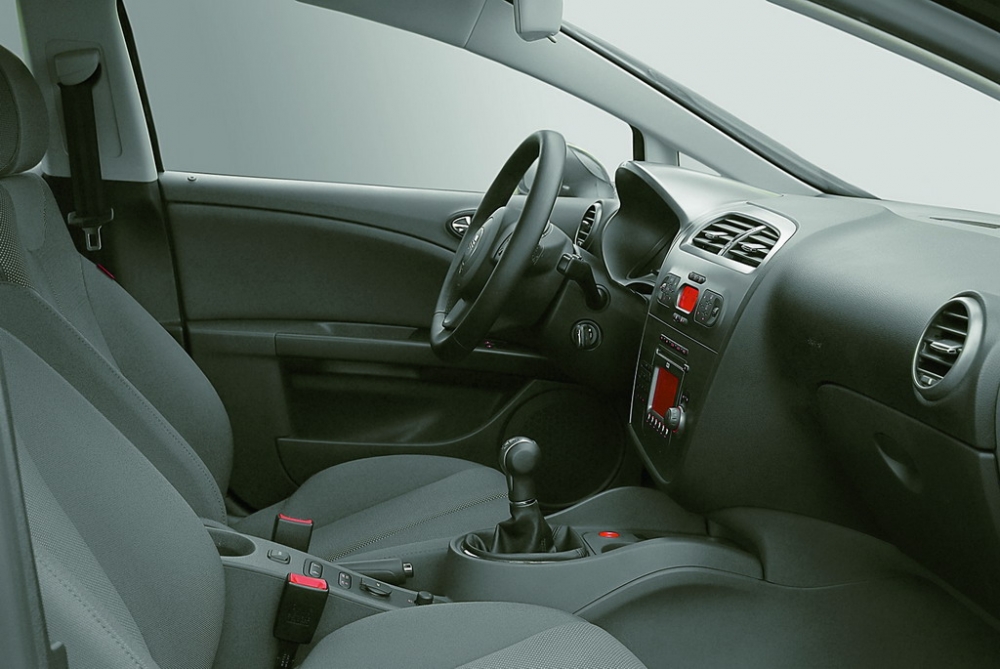 The heating, by the way, is turned on, as on most available VW Group models, with a rotating wheel that has five steps. In my soul, I was glad that this very wheel was the first and last element of the cabin that clearly reminded me of the German donor. Unlike, for example, the relative, the Czech company Skoda, whose car interiors evoke a constant feeling of deja vu, the Leon's cabin is individual. It has interesting architecture. The high front panel reminded me of Audi models from the early 90s – you sit low, and behind the high panel you feel reliably protected. But the mood is different – sporty. The heating, by the way, is turned on, as on most available VW Group models, with a rotating wheel that has five steps. In my soul, I was glad that this very wheel was the first and last element of the cabin that clearly reminded me of the German donor. Unlike, for example, the relative, the Czech company Skoda, whose car interiors evoke a constant feeling of deja vu, the Leon's cabin is individual. It has interesting architecture. The high front panel reminded me of Audi models from the early 90s – you sit low, and behind the high panel you feel reliably protected. But the mood is different – sporty. |
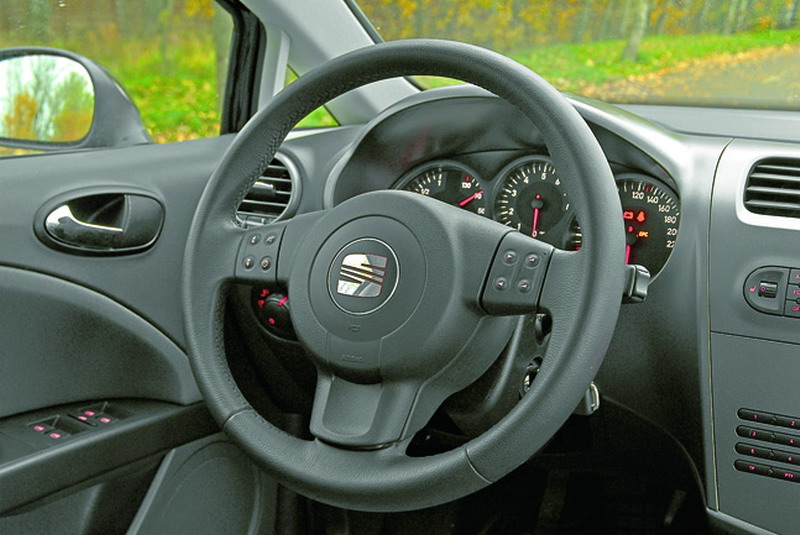 It is immediately created by the instruments located under a small visor. The tachometer, although almost twice as small as the speedometer, proves that the primary importance is not size, but location. The engine speed gauge is located strictly in the center, and your eyes always rest exactly on its needle – convenient for active driving! The central console is laconic. It neatly houses the controls for the dual-zone climate control and the audio system. Three small displays on the console have a pleasant reddish backlight, as does the instrument cluster. The seats are "German." Although civilian, they are quite rigid, with pronounced lateral support, which becomes even more evident in corners. It is immediately created by the instruments located under a small visor. The tachometer, although almost twice as small as the speedometer, proves that the primary importance is not size, but location. The engine speed gauge is located strictly in the center, and your eyes always rest exactly on its needle – convenient for active driving! The central console is laconic. It neatly houses the controls for the dual-zone climate control and the audio system. Three small displays on the console have a pleasant reddish backlight, as does the instrument cluster. The seats are "German." Although civilian, they are quite rigid, with pronounced lateral support, which becomes even more evident in corners. |
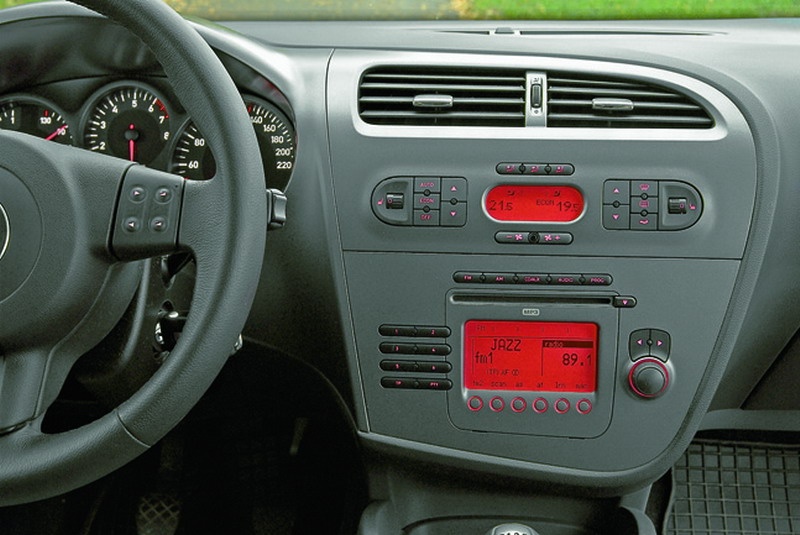 The steering wheel is its own – three-spoke, sporty – with comfortable grips in the handholds, covered in good leather. The gearshift lever is also upholstered in it. And the picture is completed by an excellent German-Spanish ergonomic pedal assembly with a floor-mounted accelerator. The cabin is assembled with quality, but in terms of trim materials it lags slightly behind the German. This is especially true of the hard plastic of the door panels. But the handles are metal, pleasantly cooling the hand. I examined the car's exterior in detail the next day after washing. And at first, the new Leon seemed overly "monovolume." The first generation of the car was more masculine, its aesthetics more understandable. And this one is too much like its family relatives in the form of the Altea and Toledo. The steering wheel is its own – three-spoke, sporty – with comfortable grips in the handholds, covered in good leather. The gearshift lever is also upholstered in it. And the picture is completed by an excellent German-Spanish ergonomic pedal assembly with a floor-mounted accelerator. The cabin is assembled with quality, but in terms of trim materials it lags slightly behind the German. This is especially true of the hard plastic of the door panels. But the handles are metal, pleasantly cooling the hand. I examined the car's exterior in detail the next day after washing. And at first, the new Leon seemed overly "monovolume." The first generation of the car was more masculine, its aesthetics more understandable. And this one is too much like its family relatives in the form of the Altea and Toledo. |
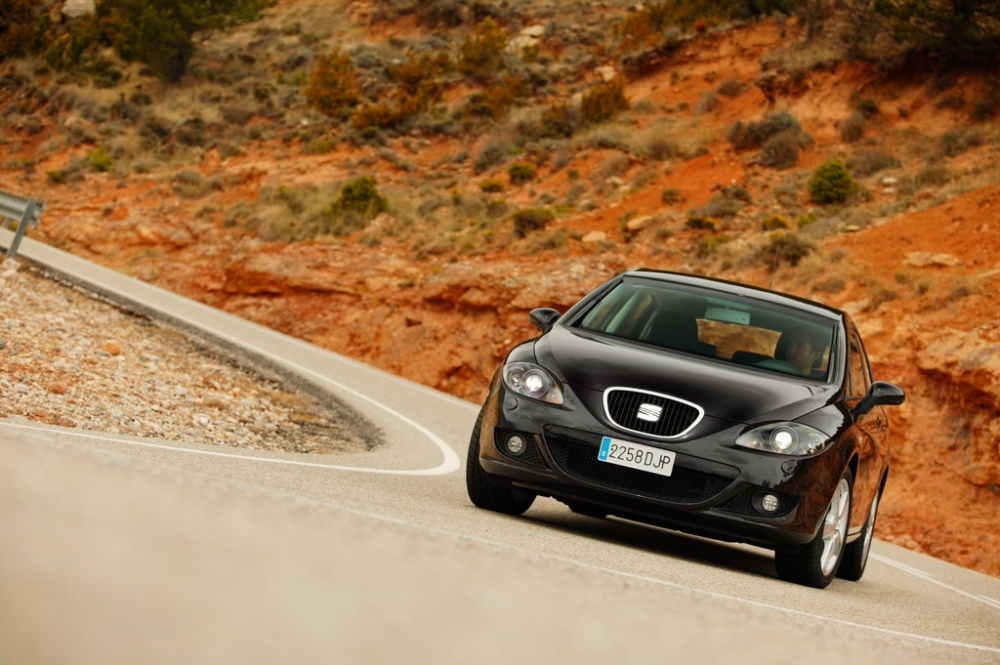
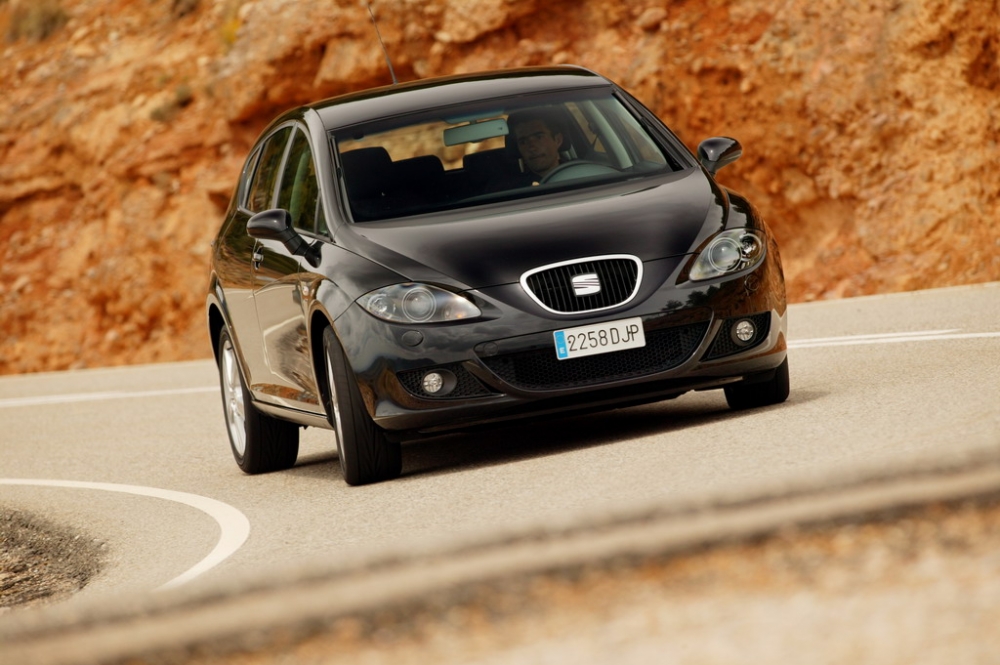
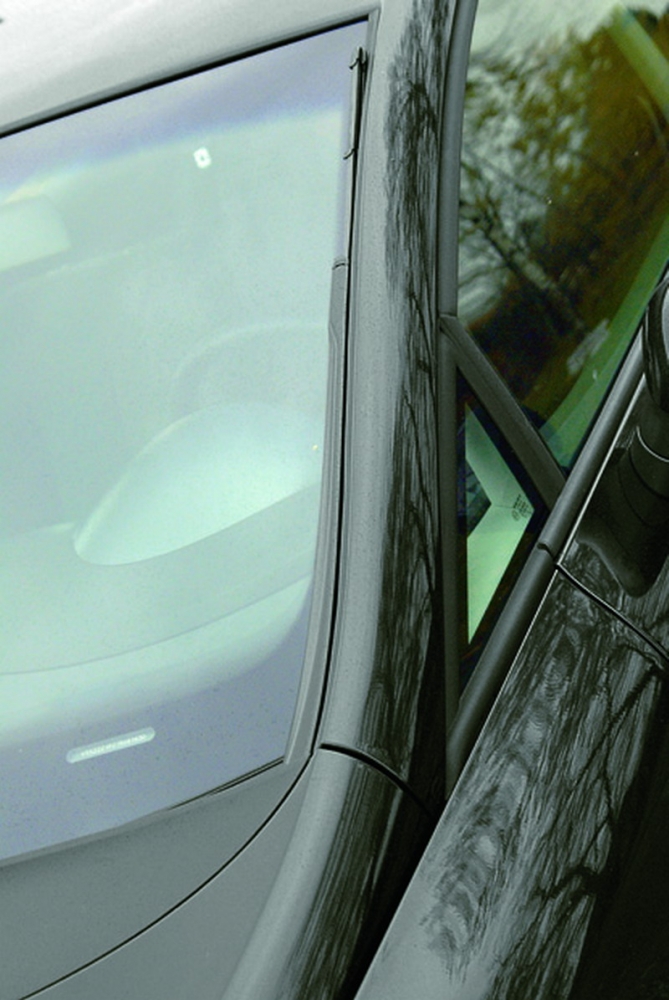
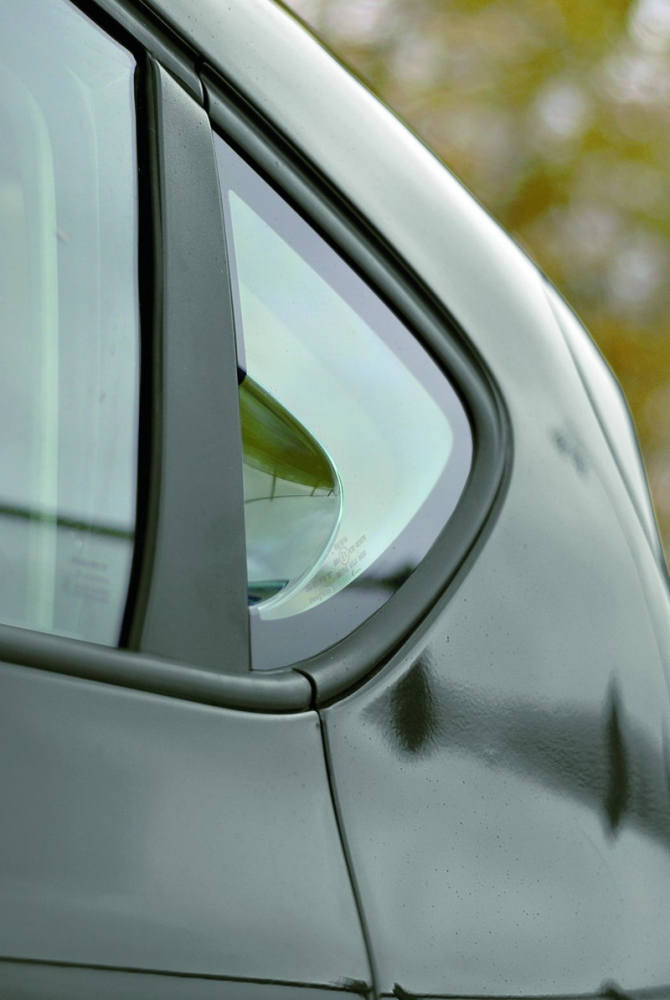
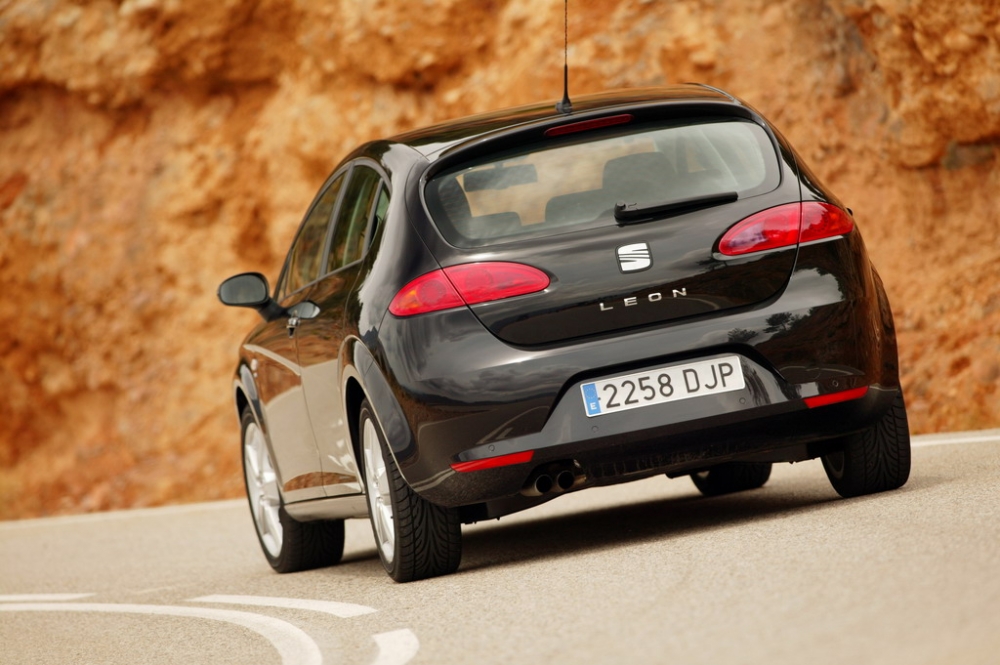 Like the previous generation, the Leon has a very attractive rear. A special charm is given to it by the high-mounted narrow lights (in the style of the Alfa 156 created at the time by de Silva), as well as the large SEAT emblem (which also serves as the handle for the fifth door) and the inscription in the center – Leon. The sides are also good, but the front part is for amateurs. The Leon has a couple of interesting solutions. The first is the disguised handles of the rear doors. Moreover, it is curious that the recess for the hand is made in the form of a depression in the small rear window, made of plastic. In the dark, one of my friends could not understand for a long time how to open this door. The second is the wipers, which in the off position press against the windshield pillars. Like the previous generation, the Leon has a very attractive rear. A special charm is given to it by the high-mounted narrow lights (in the style of the Alfa 156 created at the time by de Silva), as well as the large SEAT emblem (which also serves as the handle for the fifth door) and the inscription in the center – Leon. The sides are also good, but the front part is for amateurs. The Leon has a couple of interesting solutions. The first is the disguised handles of the rear doors. Moreover, it is curious that the recess for the hand is made in the form of a depression in the small rear window, made of plastic. In the dark, one of my friends could not understand for a long time how to open this door. The second is the wipers, which in the off position press against the windshield pillars. |
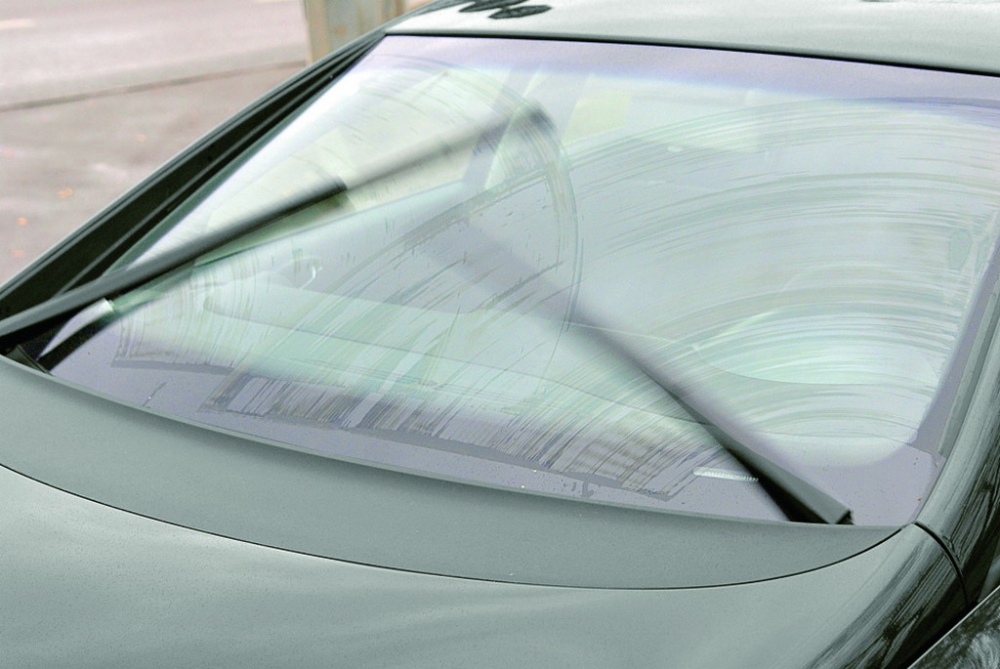 This solution has three obvious advantages: the wipers do not leave an uncleaned surface in the area of the pillars, reduce air resistance, and make the front of the car more aesthetic. However, it should be noted that when you visually assess the appearance of a car, the final rating may be incorrect. But when you have already driven the car, know its character, then you begin to perceive the appearance a little differently. Overall, it becomes clearer what the creators put into it, what the car's character is. This solution has three obvious advantages: the wipers do not leave an uncleaned surface in the area of the pillars, reduce air resistance, and make the front of the car more aesthetic. However, it should be noted that when you visually assess the appearance of a car, the final rating may be incorrect. But when you have already driven the car, know its character, then you begin to perceive the appearance a little differently. Overall, it becomes clearer what the creators put into it, what the car's character is. |
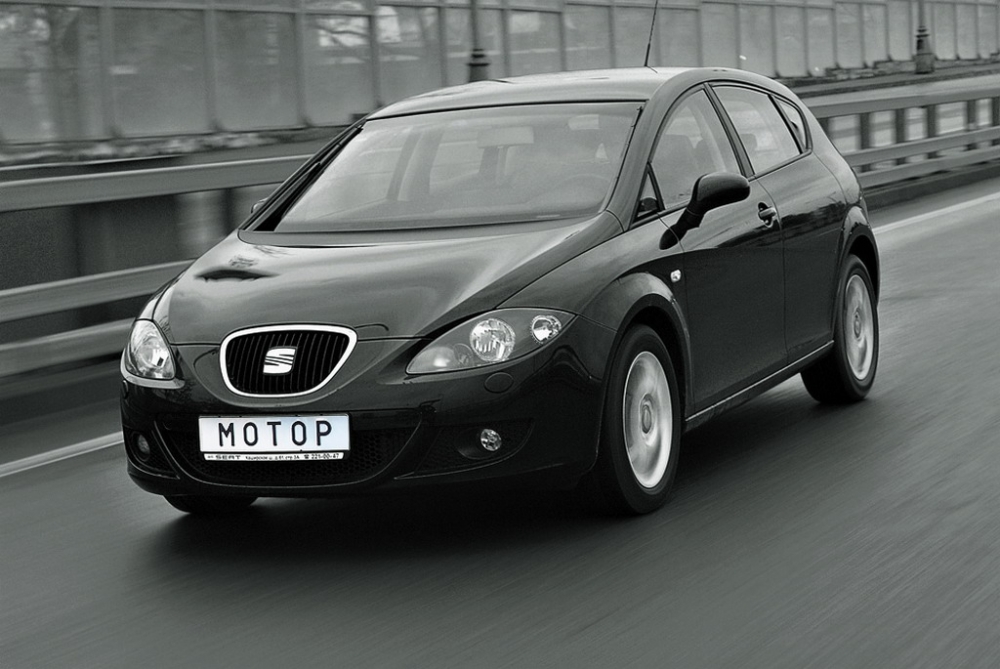 And the character of the new Leon is hot, truly Spanish! And the slogan about "emotional movement" is 100 percent justified. Surprisingly, even in the simplest modification – with a well-worn 8-valve 102-horsepower VW engine and a 5-speed manual! However, this is not so strange. After all, as practice shows, cars truly oriented towards the driver show their character even when equipped with weak power units. This was the case for me at one time with the 1.6-liter Mazda3, BMW 1 Series, and VW Golf. Now this list has been joined by the SEAT Leon. And the character of the new Leon is hot, truly Spanish! And the slogan about "emotional movement" is 100 percent justified. Surprisingly, even in the simplest modification – with a well-worn 8-valve 102-horsepower VW engine and a 5-speed manual! However, this is not so strange. After all, as practice shows, cars truly oriented towards the driver show their character even when equipped with weak power units. This was the case for me at one time with the 1.6-liter Mazda3, BMW 1 Series, and VW Golf. Now this list has been joined by the SEAT Leon. |
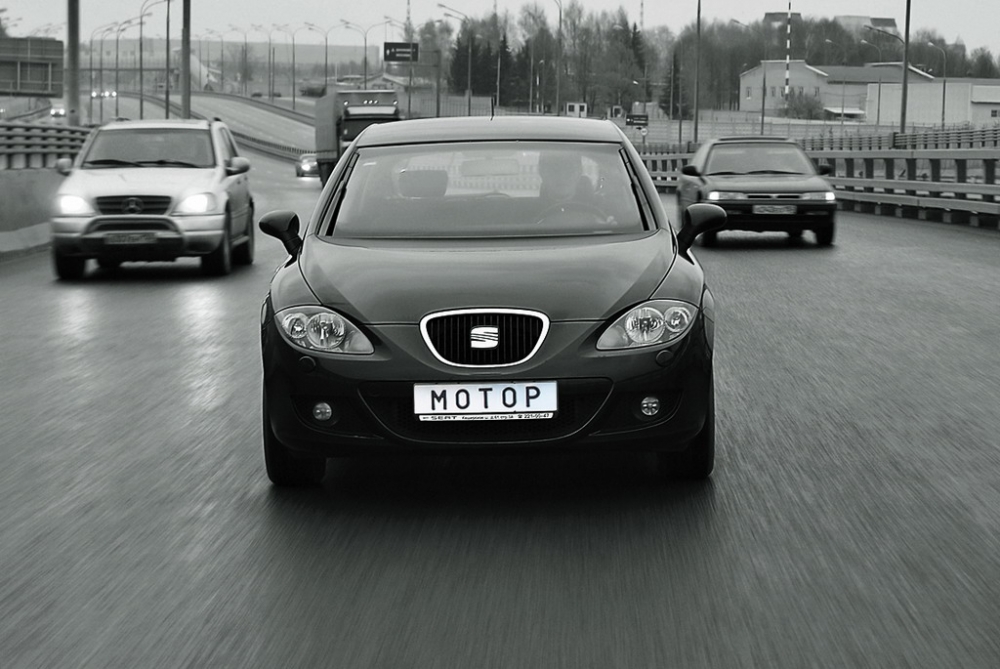 This is truly a driver's car! A comfortable seating position is found immediately. Forward visibility is excellent, rear visibility is worse, but tolerable for me. The gearshift mechanism works filigree, the process of changing gears itself is pleasant. The steering wheel is equipped with electric power steering, but its settings differ from the VW Golf. However, the principle of operation is the same – minimal effort when parking and more information when driving fast. And the "length" of the steering wheel is optimal – about 2.7 turns from lock to lock. The dynamics were a pleasant surprise. Even with such a weak engine, the Leon drives quite briskly! It accelerates well in the first three gears, allowing you to feel confident in urban conditions and even hooligan a little. The point is the changed gear ratios of the manual transmission. This is truly a driver's car! A comfortable seating position is found immediately. Forward visibility is excellent, rear visibility is worse, but tolerable for me. The gearshift mechanism works filigree, the process of changing gears itself is pleasant. The steering wheel is equipped with electric power steering, but its settings differ from the VW Golf. However, the principle of operation is the same – minimal effort when parking and more information when driving fast. And the "length" of the steering wheel is optimal – about 2.7 turns from lock to lock. The dynamics were a pleasant surprise. Even with such a weak engine, the Leon drives quite briskly! It accelerates well in the first three gears, allowing you to feel confident in urban conditions and even hooligan a little. The point is the changed gear ratios of the manual transmission. |
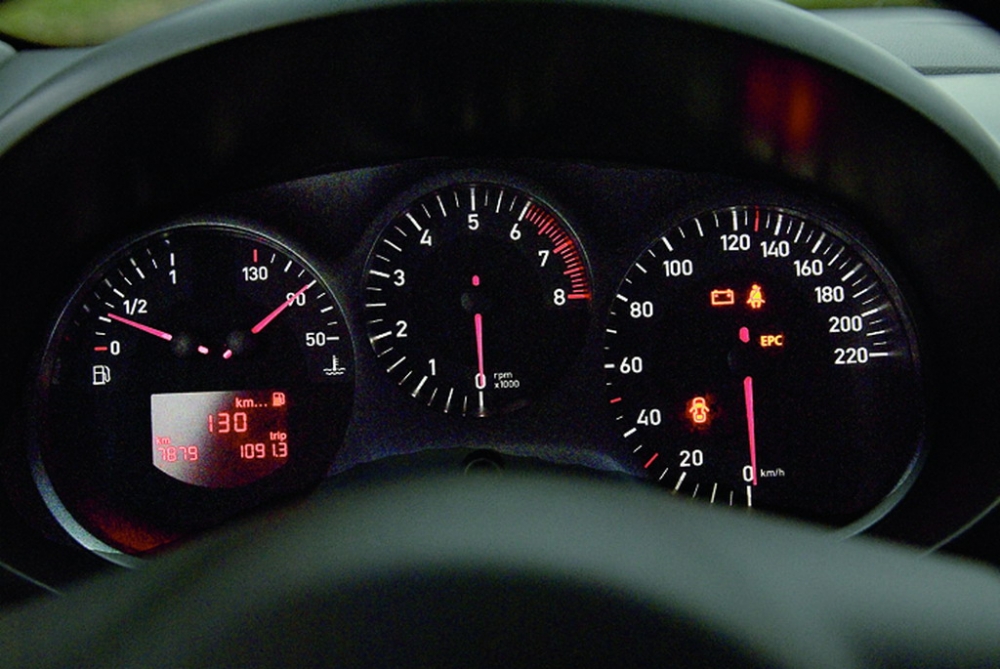 Do not look at the acceleration figures – up to 100 km/h. After all, the Leon reaches this mark with two gear changes. In reality, the car is perceived as significantly more dynamic than the boring 11.7 seconds to "hundred" in the passport. And the "top speed" of 184 km/h is reached quite easily, even when there are three adult men in the cabin. Oh, to try this car with a 2-liter turbo engine, preferably in the sporty Cupra version! However, even the simple 1.6-liter modification can offer its owner a well-assembled, sportily elastic suspension and tasty behavior in corners. The genes of the fifth Golf are, of course, felt, but the Leon cannot be called plagiarism. This is a verified Spanish "tuning" of an excellent German car. Do not look at the acceleration figures – up to 100 km/h. After all, the Leon reaches this mark with two gear changes. In reality, the car is perceived as significantly more dynamic than the boring 11.7 seconds to "hundred" in the passport. And the "top speed" of 184 km/h is reached quite easily, even when there are three adult men in the cabin. Oh, to try this car with a 2-liter turbo engine, preferably in the sporty Cupra version! However, even the simple 1.6-liter modification can offer its owner a well-assembled, sportily elastic suspension and tasty behavior in corners. The genes of the fifth Golf are, of course, felt, but the Leon cannot be called plagiarism. This is a verified Spanish "tuning" of an excellent German car. |
 The car shakes the occupants a little on uneven surfaces, and this is the only thing that can be perceived as a drawback of the chassis. Rolls are minimal, there is no trace of nose diving when braking or the nose lifting when starting. The steering wheel is light, but the effort on it quite transparently informs the driver about the position of the front wheels. On entry, the car resists a little, and once on the arc, it behaves impeccably. In response to releasing and adding throttle, soft reactions follow in the form of straightening or reducing the trajectory. At high speed, the Leon is stable, allows sharp lane changes, and instills confidence in the driver's abilities. The brakes also did not let down: verified effort, intense deceleration. The Leon leaves a very pleasant impression on the move and will definitely please an active driver. However, practicality is also in order. The cabin is spacious, there is plenty of room in the back. Fuel consumption during the entire test did not exceed 10.2 liters per 100 km, which, given the constant presence of the tachometer needle near the red zone, is an excellent result. The trunk is large and, of course, the rear seat backs fold in 1/3, 2/3 proportions. But do all these advantages justify the high price for the base configuration – just over $24,000 for a car with a 1.6 engine and manual transmission? After all, even a VW Golf V with such an engine and "automatic" can be bought today for about $22,000! Not to mention cheaper "Japanese" and a number of "Europeans"... Time will tell whether the choice of such a pricing policy is correct. For now, it can be admitted that SEAT's assets include a richer standard configuration and novelty. If the Golf has always been and will remain a gray spot in the traffic flow, then the flashy and original Leon will clearly avoid such a fate. The car shakes the occupants a little on uneven surfaces, and this is the only thing that can be perceived as a drawback of the chassis. Rolls are minimal, there is no trace of nose diving when braking or the nose lifting when starting. The steering wheel is light, but the effort on it quite transparently informs the driver about the position of the front wheels. On entry, the car resists a little, and once on the arc, it behaves impeccably. In response to releasing and adding throttle, soft reactions follow in the form of straightening or reducing the trajectory. At high speed, the Leon is stable, allows sharp lane changes, and instills confidence in the driver's abilities. The brakes also did not let down: verified effort, intense deceleration. The Leon leaves a very pleasant impression on the move and will definitely please an active driver. However, practicality is also in order. The cabin is spacious, there is plenty of room in the back. Fuel consumption during the entire test did not exceed 10.2 liters per 100 km, which, given the constant presence of the tachometer needle near the red zone, is an excellent result. The trunk is large and, of course, the rear seat backs fold in 1/3, 2/3 proportions. But do all these advantages justify the high price for the base configuration – just over $24,000 for a car with a 1.6 engine and manual transmission? After all, even a VW Golf V with such an engine and "automatic" can be bought today for about $22,000! Not to mention cheaper "Japanese" and a number of "Europeans"... Time will tell whether the choice of such a pricing policy is correct. For now, it can be admitted that SEAT's assets include a richer standard configuration and novelty. If the Golf has always been and will remain a gray spot in the traffic flow, then the flashy and original Leon will clearly avoid such a fate. |
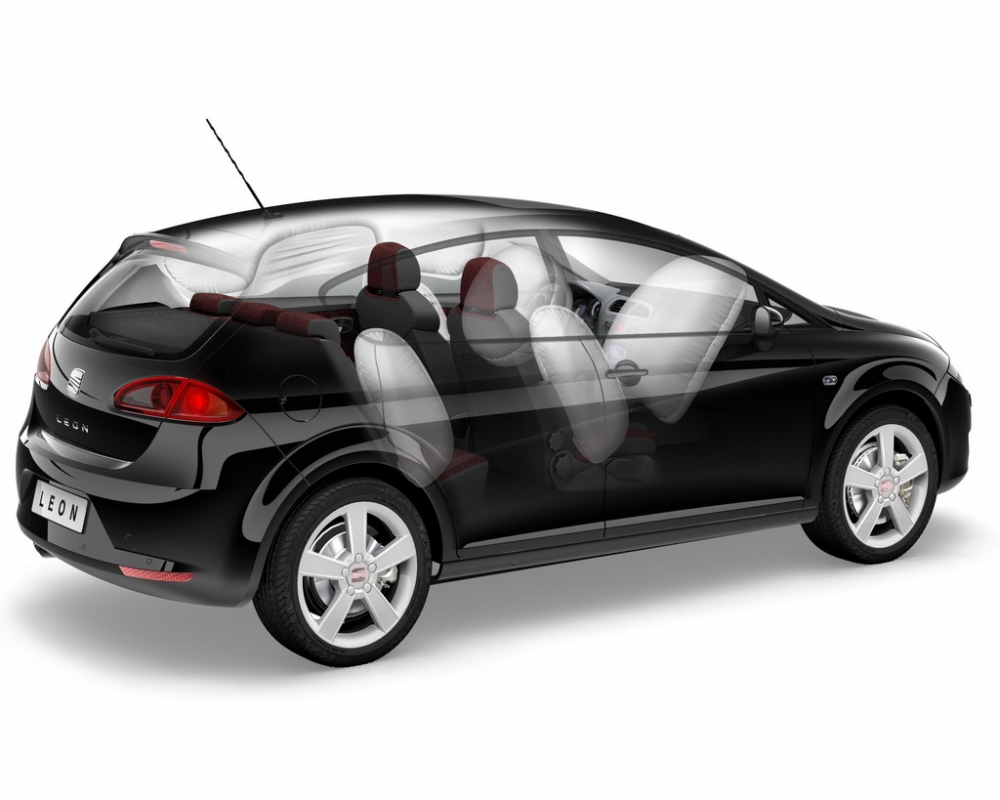
 PRICES AND TRIM LEVELS PRICES AND TRIM LEVELSThe base trim of the SEAT Leon is priced at $24,190 in ruble equivalent, set at the exchange rate to the dollar on the day of purchase. This is a car with a 1.6-liter engine and a 5-speed manual transmission in the Reference trim. For this money, the buyer gets a package for bad roads (reinforced suspension, plastic engine protection, anti-gravel coating on the underbody, increased ground clearance), ABS, traction control system TCS, airbags for front occupants and side curtain airbags for all passengers, steering wheel adjustment for height and reach, driver's seat height adjustment, seats with developed lateral support, leather steering wheel and gear shift lever, immobilizer, front electric windows, heated and electrically adjustable mirrors with parking function, air conditioning, audio system with CD, MP3, 6 speakers, AUX input for connecting external media and roof antenna, front fog lights, automatic headlights, steel wheels with hubcaps R16, tire pressure sensors, high-capacity battery. A more expensive version with the same engine and gearbox is called Stylance and costs $26,390 (it has dual-zone climate control, alloy wheels, 8 speakers). The version with a 2-liter FSI and a 6-speed manual is already priced at $32,890, and with an automatic transmission – $33,890! The hot version FR with a 2-liter turbo engine costs $39,900, and for the top version – the sporty Cupra – they ask a “biting” $44,990. |
 |
With a Spanish accent
SEAT Leon is a rare car in Russia. So far rare. As, in fact, are other representatives of the Spanish brand.
Test drive photos
Comments
No comments yet. Say the first word.