
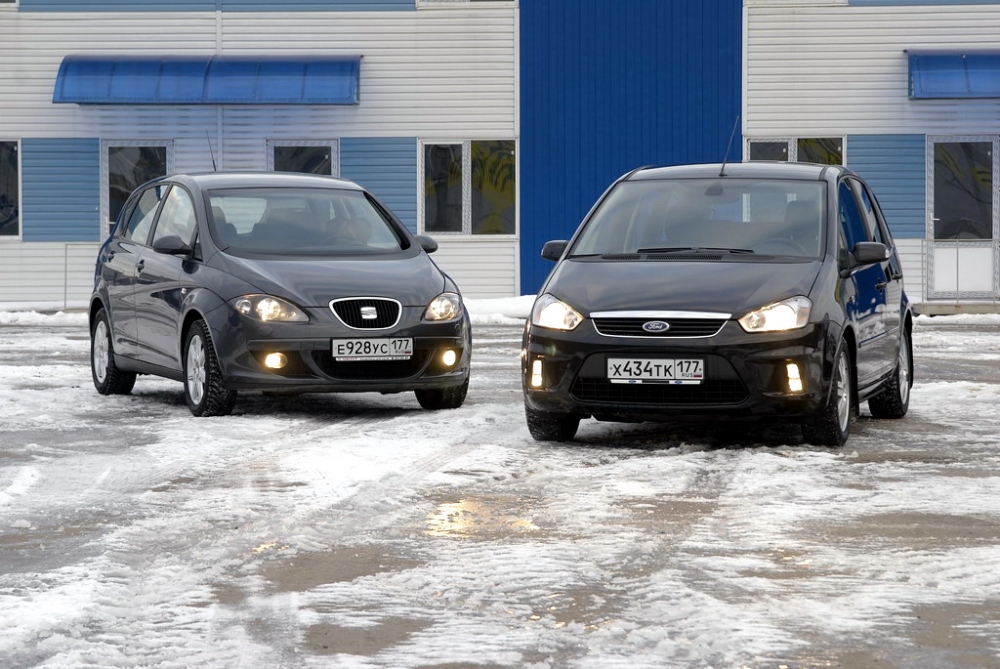
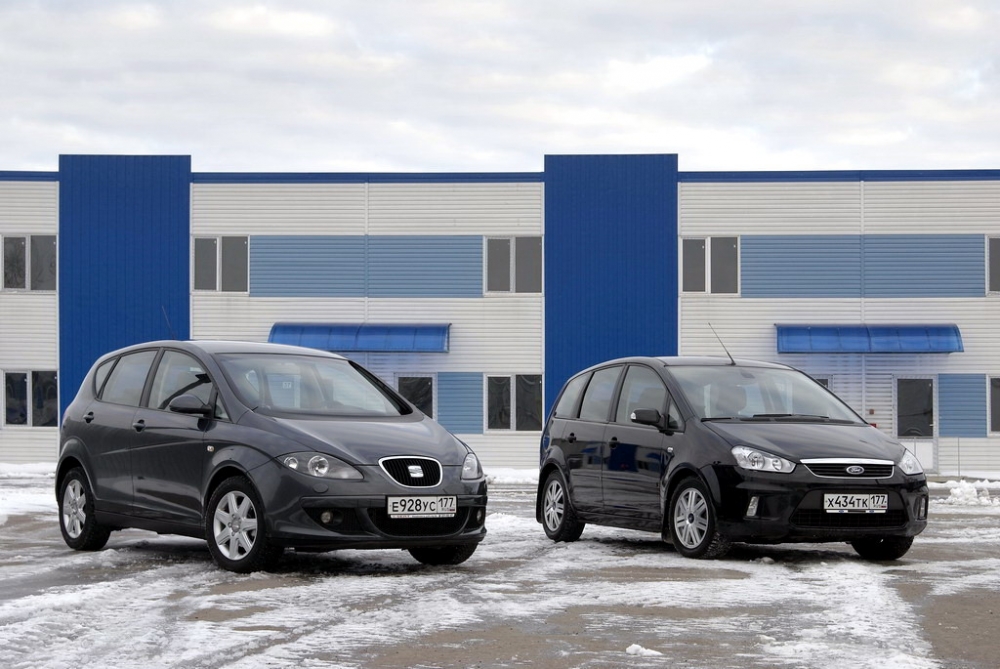
 The word "compact MPV" no longer sounds as jarring as it did more than 10 years ago, when the French from Renault brought their Megane Scenic to the market. It was they who came up with the idea of a family car on a golf-class platform, but with a high roof and a spacious interior. This idea proved so successful that soon many automakers hastened to follow this example and added a corresponding car to their model range. Thus appeared the Opel Zafira, Citroen Xsara Picasso, Fiat Multipla, Toyota Corolla Verso, Mazda 5, Volkswagen Golf Plus and others. Ford introduced its then still Focus C Max only in 2003, but an excellent price/quality combination allowed it to quickly gain worldwide popularity. The word "compact MPV" no longer sounds as jarring as it did more than 10 years ago, when the French from Renault brought their Megane Scenic to the market. It was they who came up with the idea of a family car on a golf-class platform, but with a high roof and a spacious interior. This idea proved so successful that soon many automakers hastened to follow this example and added a corresponding car to their model range. Thus appeared the Opel Zafira, Citroen Xsara Picasso, Fiat Multipla, Toyota Corolla Verso, Mazda 5, Volkswagen Golf Plus and others. Ford introduced its then still Focus C Max only in 2003, but an excellent price/quality combination allowed it to quickly gain worldwide popularity. |
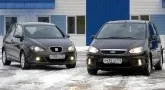
 The current C Max is the second generation of the model, the fruit of a serious restyling. Ford Corporation holds the title "Car of the Year 2007", awarded to its older "brother" – the S Max. It is to it that designers tried to bring the C Max closer in appearance. Look at the updated front part – the "kinetic" motifs of the S Max are clearly visible in it. The headlights, radiator grille, trapezoid air intake – everything is done in the same style. The bumper was changed, the hood became more sculpted, turn signals were integrated into the mirrors, and the "fog lights" were stretched vertically. The new C Max looks sportier and "angrier" than its predecessor, although overall it still remains quite restrained. The redesigned rear part harmonizes well with the new front: the bumper has increased in length and become more rounded, and new vertical lights with an LED strip allow you to unmistakably identify the C Max in traffic. The current C Max is the second generation of the model, the fruit of a serious restyling. Ford Corporation holds the title "Car of the Year 2007", awarded to its older "brother" – the S Max. It is to it that designers tried to bring the C Max closer in appearance. Look at the updated front part – the "kinetic" motifs of the S Max are clearly visible in it. The headlights, radiator grille, trapezoid air intake – everything is done in the same style. The bumper was changed, the hood became more sculpted, turn signals were integrated into the mirrors, and the "fog lights" were stretched vertically. The new C Max looks sportier and "angrier" than its predecessor, although overall it still remains quite restrained. The redesigned rear part harmonizes well with the new front: the bumper has increased in length and become more rounded, and new vertical lights with an LED strip allow you to unmistakably identify the C Max in traffic. |
 The SEAT Altea, in fact, is a "youngster" only for Russia. In the rest of the world, the model has been sold since 2004. But since the SEAT brand itself is a newcomer to our market, the Altea only recently officially crossed the state border of Russia. What trump cards have the Spaniards saved for the fight against eminent rivals? The first, and far from the last, is the appearance. Obviously, the choice of a car largely depends on its "clothing", and the Altea is definitely beautiful! The hand of maestro Walter De Silva is felt, capable of giving even the silhouette of a family minivan extraordinary dynamism. The tone is set by the forward-looking "corporate face" of SEAT. The SEAT Altea, in fact, is a "youngster" only for Russia. In the rest of the world, the model has been sold since 2004. But since the SEAT brand itself is a newcomer to our market, the Altea only recently officially crossed the state border of Russia. What trump cards have the Spaniards saved for the fight against eminent rivals? The first, and far from the last, is the appearance. Obviously, the choice of a car largely depends on its "clothing", and the Altea is definitely beautiful! The hand of maestro Walter De Silva is felt, capable of giving even the silhouette of a family minivan extraordinary dynamism. The tone is set by the forward-looking "corporate face" of SEAT. |
 There were also the characteristic "standing" wipers, already known from the Leon. Only on the Altea they are hidden under special plastic covers. Beautiful, aerodynamically justified, I don't argue. But in our cold winters, it's impossible to "tap" a frozen wiper against the glass! Oh, in Spain they don't know about such a method! The front is continued by stylish wave-like stampings on the sides – from the front headlights to the rear wheel arches. They say that this line played a decisive role in the design of the Altea. The rear part is "clean", without excesses, with an elegant spoiler and modest lights on muscular "hips". Perhaps, in the general conservative restraint of the Volkswagen concern's design solutions, the SEAT model range looks like a flock of "white crows", in which the Altea "flies" far from last. There were also the characteristic "standing" wipers, already known from the Leon. Only on the Altea they are hidden under special plastic covers. Beautiful, aerodynamically justified, I don't argue. But in our cold winters, it's impossible to "tap" a frozen wiper against the glass! Oh, in Spain they don't know about such a method! The front is continued by stylish wave-like stampings on the sides – from the front headlights to the rear wheel arches. They say that this line played a decisive role in the design of the Altea. The rear part is "clean", without excesses, with an elegant spoiler and modest lights on muscular "hips". Perhaps, in the general conservative restraint of the Volkswagen concern's design solutions, the SEAT model range looks like a flock of "white crows", in which the Altea "flies" far from last. |
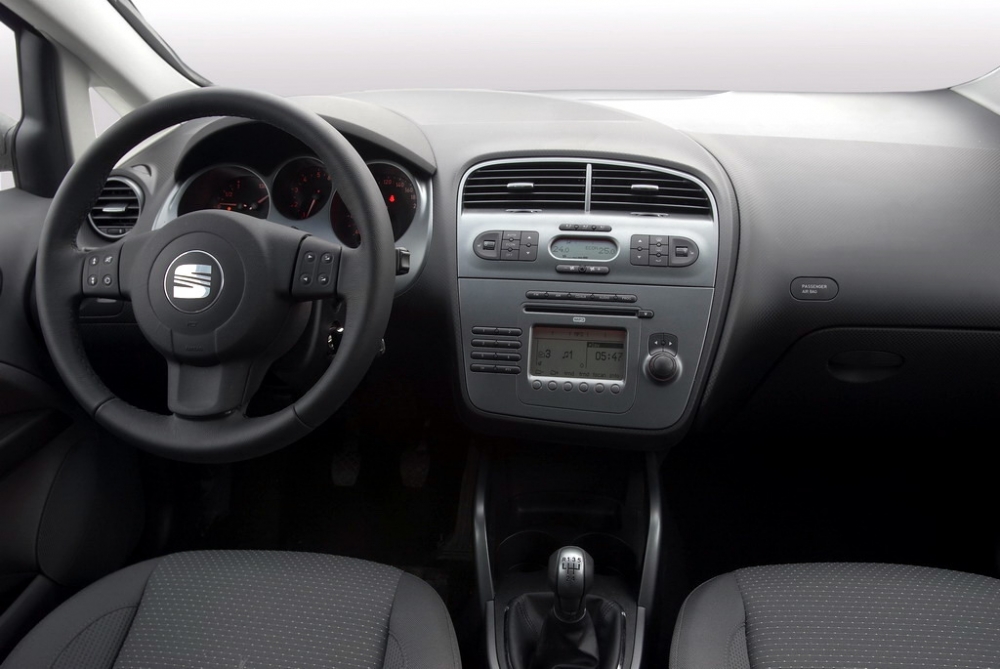
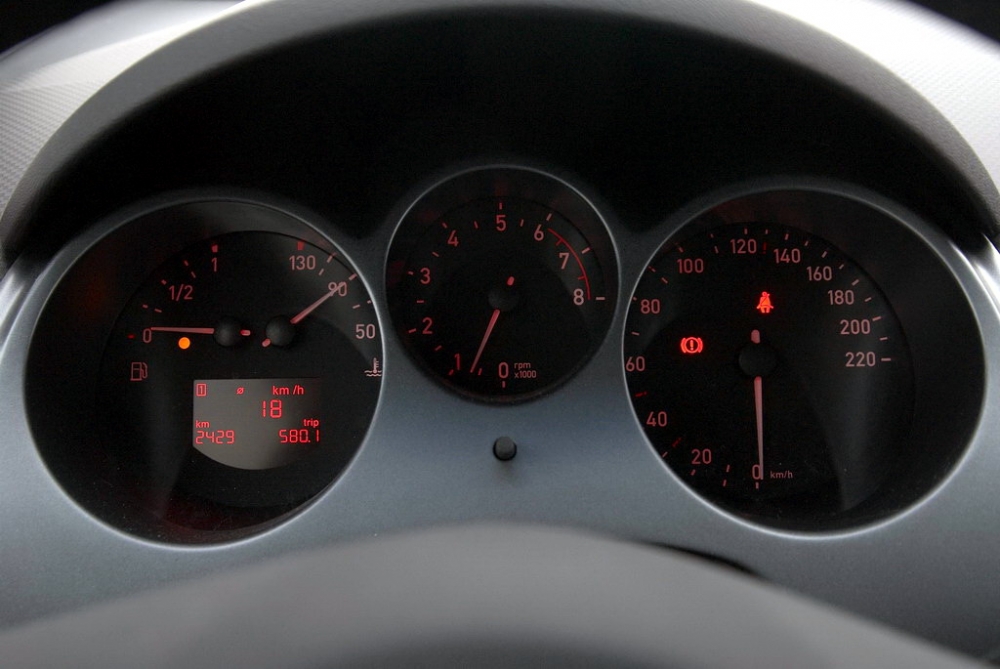
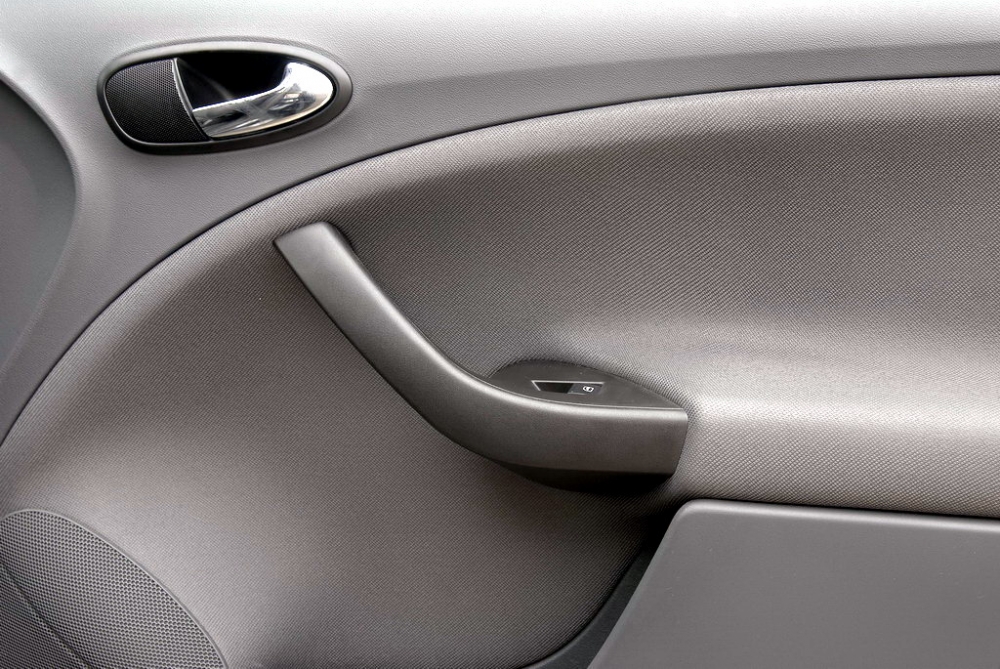
 In the interior, the pseudo-sporty theme continues. Three "wells" of instruments with a tachometer in the center and downward-hanging needles, "bloody" backlighting, a three-spoke steering wheel, rigid seats and a floor-mounted accelerator pedal can be good arguments for a driver tuned to active driving. An interesting interior, unusual. The quality of materials and panel fit disappointed. Except for the leather-wrapped steering wheel and gear lever, all other parts are made of hard material. The top of the front panel is made of original textured plastic, but its "oakiness" is noticeable even at a glance, not to mention by touch. The trim of the dashboard and center tunnel "under aluminum" also looks cheap, childish. But there is 2-zone climate control, TCS stabilization system and tire pressure monitoring system. Right, "kids" need to be controlled. In the interior, the pseudo-sporty theme continues. Three "wells" of instruments with a tachometer in the center and downward-hanging needles, "bloody" backlighting, a three-spoke steering wheel, rigid seats and a floor-mounted accelerator pedal can be good arguments for a driver tuned to active driving. An interesting interior, unusual. The quality of materials and panel fit disappointed. Except for the leather-wrapped steering wheel and gear lever, all other parts are made of hard material. The top of the front panel is made of original textured plastic, but its "oakiness" is noticeable even at a glance, not to mention by touch. The trim of the dashboard and center tunnel "under aluminum" also looks cheap, childish. But there is 2-zone climate control, TCS stabilization system and tire pressure monitoring system. Right, "kids" need to be controlled. |
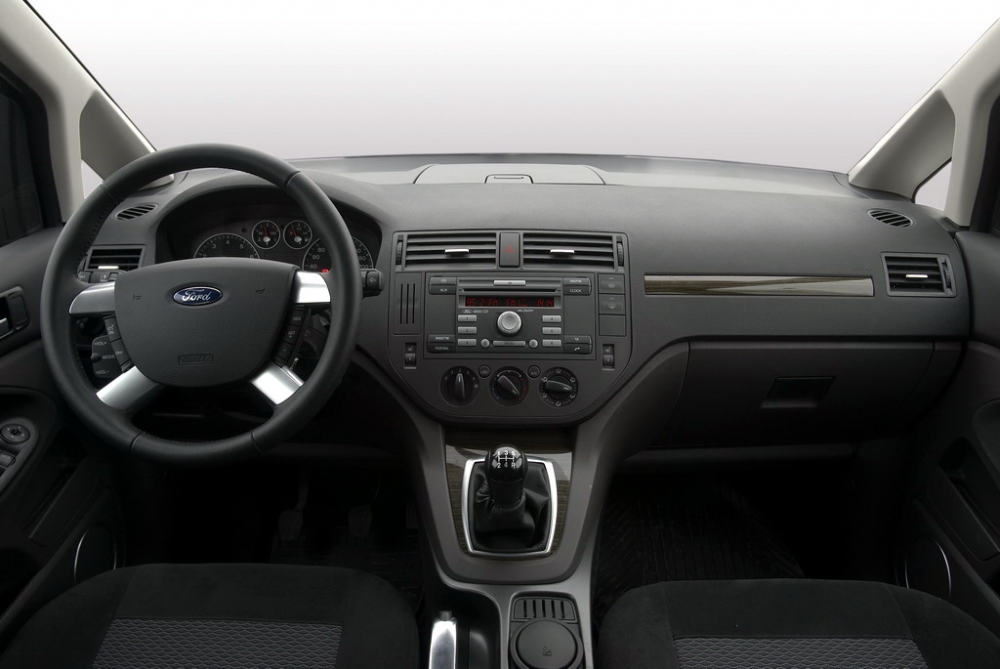
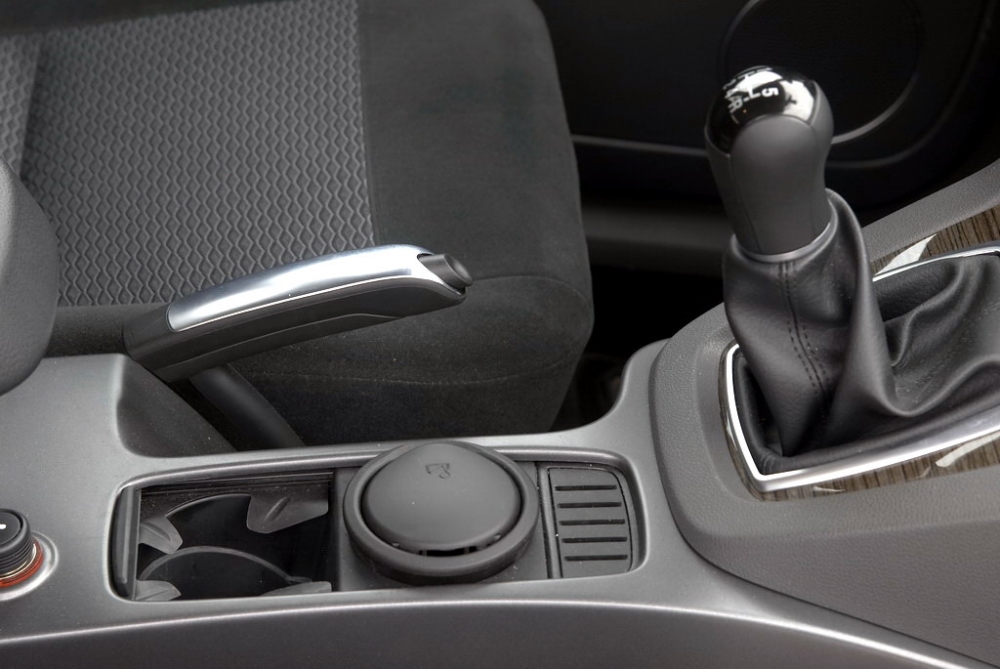
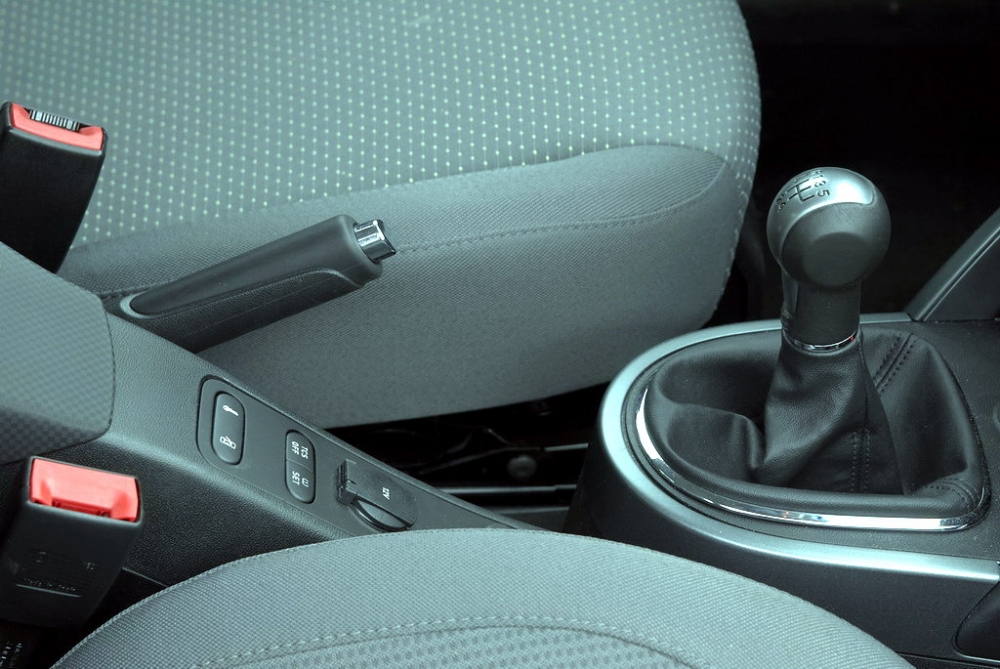
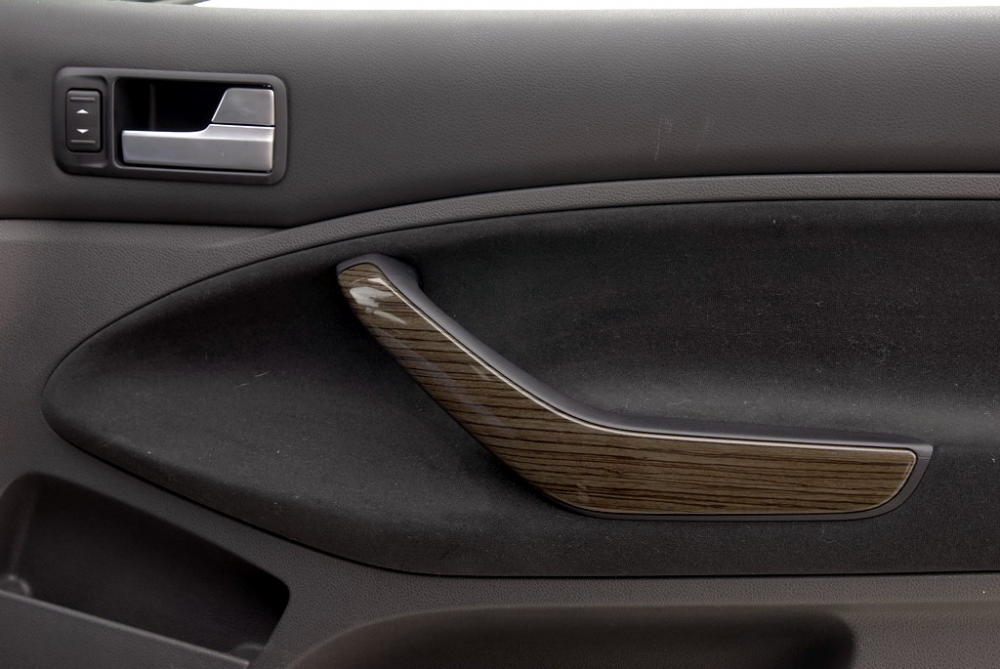
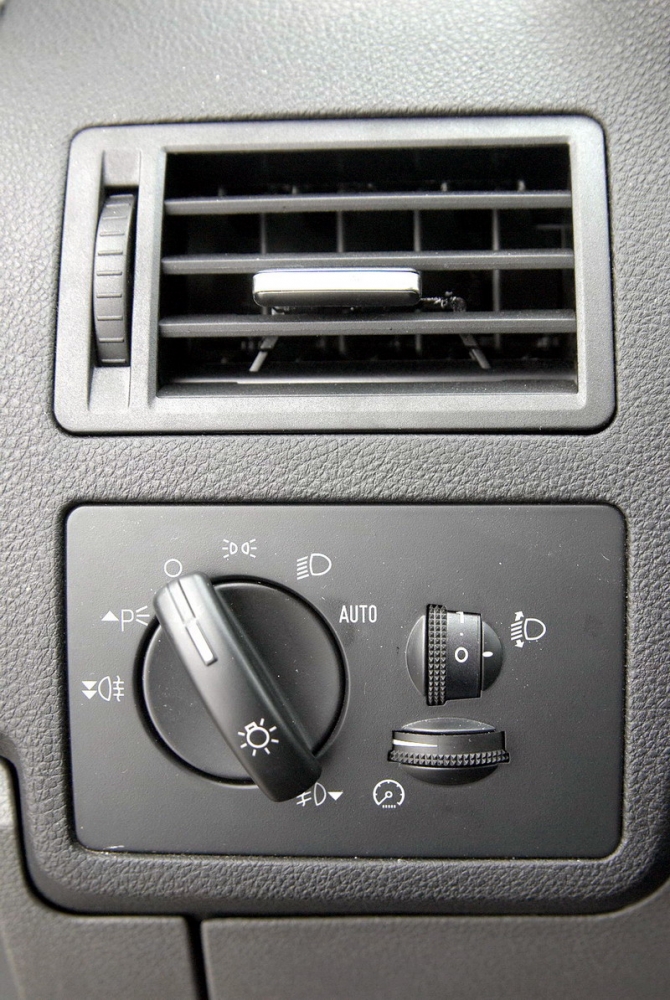
 Ford, on the other hand, has a regular air conditioner, and ESP is offered only for an extra charge. But inside it is much cozier. The "father" seems to have already played enough with all this "sport". He cares more about comfort and tranquility. The general theme is the same – aiming at the S Max. The door panels, dashboard, and center console with a high-mounted gear lever are similar. At the same time, the already good quality of finish has improved. Compared to SEAT, it is an order of magnitude better. Despite the varied, mostly soft plastic and "wood" trim in the Ghia version, the interior looks very harmonious and assembled. The seating position is slightly higher than in the Altea, and the velour seats do not hold the body as well. But in general, a comfortable position is found without difficulty in both cars. The difference is that behind the wheel of the SEAT you feel more like a participant in the process, and in the C Max, on the contrary, you distance yourself from it, lounging in the seat and leaning on a convenient sliding armrest box. Ford, on the other hand, has a regular air conditioner, and ESP is offered only for an extra charge. But inside it is much cozier. The "father" seems to have already played enough with all this "sport". He cares more about comfort and tranquility. The general theme is the same – aiming at the S Max. The door panels, dashboard, and center console with a high-mounted gear lever are similar. At the same time, the already good quality of finish has improved. Compared to SEAT, it is an order of magnitude better. Despite the varied, mostly soft plastic and "wood" trim in the Ghia version, the interior looks very harmonious and assembled. The seating position is slightly higher than in the Altea, and the velour seats do not hold the body as well. But in general, a comfortable position is found without difficulty in both cars. The difference is that behind the wheel of the SEAT you feel more like a participant in the process, and in the C Max, on the contrary, you distance yourself from it, lounging in the seat and leaning on a convenient sliding armrest box. |
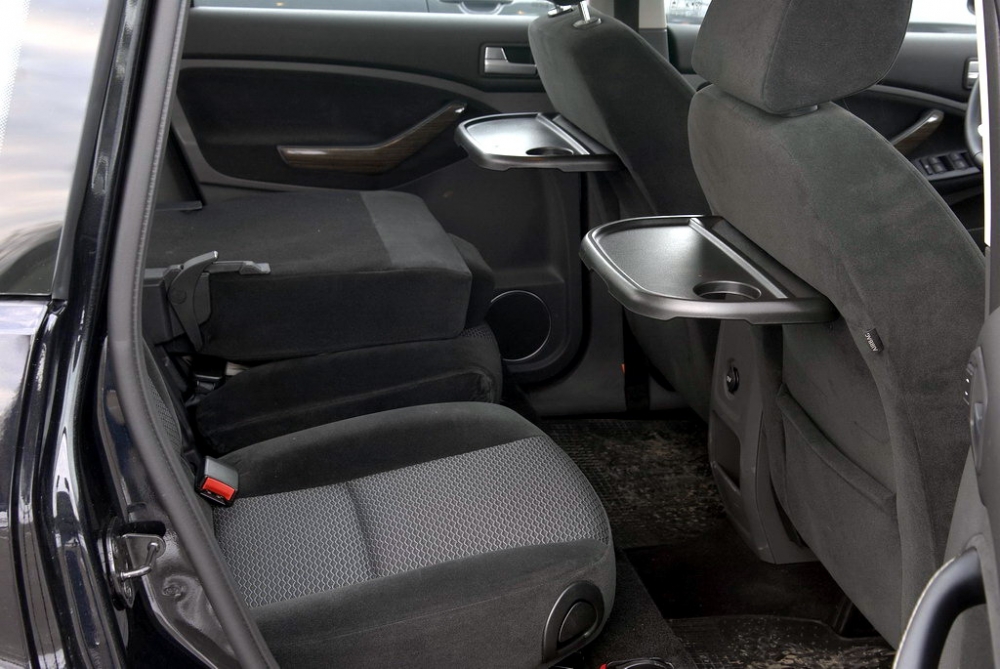
 Silence also contributes to tranquility – Ford's sound insulation is slightly better. The C Max also wins in terms of interior transformation possibilities. The proprietary Comfort Seat system allows you to fold or completely remove each of the three parts of the rear seat. But the most useful function is the ability to slide the two outer rear seats diagonally backward, having previously folded the middle one. This provides two rear passengers with simply royal comfort. You can even sit cross-legged! SEAT offers only seats that fold in a 2:3 ratio with an adjustable backrest angle. Silence also contributes to tranquility – Ford's sound insulation is slightly better. The C Max also wins in terms of interior transformation possibilities. The proprietary Comfort Seat system allows you to fold or completely remove each of the three parts of the rear seat. But the most useful function is the ability to slide the two outer rear seats diagonally backward, having previously folded the middle one. This provides two rear passengers with simply royal comfort. You can even sit cross-legged! SEAT offers only seats that fold in a 2:3 ratio with an adjustable backrest angle. |
 The Altea partially makes up for it with a huge compartment located under the luggage shelf and another under the false floor. But still, the interior space of the C Max is better thought out. And its trunk volume is larger – 473 liters versus 410, or 1633 versus 1320 liters with the rear row folded. Well, we've settled into the interiors, now it's time to check what these minivans can do on the move. Can the Altea provide worthy competition to the "coryphaeus" C Max? Or, maybe, all this sports paraphernalia with which the "Spaniard" is hung will be shown its place by Ford to the young upstart? The Altea partially makes up for it with a huge compartment located under the luggage shelf and another under the false floor. But still, the interior space of the C Max is better thought out. And its trunk volume is larger – 473 liters versus 410, or 1633 versus 1320 liters with the rear row folded. Well, we've settled into the interiors, now it's time to check what these minivans can do on the move. Can the Altea provide worthy competition to the "coryphaeus" C Max? Or, maybe, all this sports paraphernalia with which the "Spaniard" is hung will be shown its place by Ford to the young upstart? |
 Here a caveat is appropriate. Structurally, the tested cars are similar in many ways. With barely distinguishable dimensions, they have the same type of suspensions (MacPherson front, multi-link rear), both have 5-speed manual transmissions. And the prices are close: the Altea in Stylance trim and the C Max in Ghia version cost about $27,000. However, for this money, the SEAT can only be bought with the ancient "Volkswagen" 1.6-liter eight-valve engine! For the same money, Ford already offers a 2-liter engine. The Altea is also equipped with a 2-liter engine (FSI). But then you will have to pay as much as $33,000! Why so – this is a great mystery. The positioning of the SEAT brand as a "more sporty than Volkswagen" division is hardly a justification for prices higher than for similar models of the same VW. Nevertheless, we decided that the difference in power of more than 40 hp should not be an obstacle in assessing the driving qualities of the cars. And we were not mistaken. Here a caveat is appropriate. Structurally, the tested cars are similar in many ways. With barely distinguishable dimensions, they have the same type of suspensions (MacPherson front, multi-link rear), both have 5-speed manual transmissions. And the prices are close: the Altea in Stylance trim and the C Max in Ghia version cost about $27,000. However, for this money, the SEAT can only be bought with the ancient "Volkswagen" 1.6-liter eight-valve engine! For the same money, Ford already offers a 2-liter engine. The Altea is also equipped with a 2-liter engine (FSI). But then you will have to pay as much as $33,000! Why so – this is a great mystery. The positioning of the SEAT brand as a "more sporty than Volkswagen" division is hardly a justification for prices higher than for similar models of the same VW. Nevertheless, we decided that the difference in power of more than 40 hp should not be an obstacle in assessing the driving qualities of the cars. And we were not mistaken. |
 The "youngster" is cheeky. Even with a low-power engine, the SEAT does not give up. The classic old eight-valve engine is alien to such concepts as a "shelf" of torque or power, hence its character: a lack of traction at the very bottom and a noticeable surge above average revs. That's what we're waiting for! To accelerate briskly, you need not be shy to actively rev the engine almost to the maximum. This is facilitated by a very short "gearbox" (in fifth gear, a speed of 150 km/h corresponds to 5000 engine rpm!), you just have time to "stick" the gears. Fortunately, the mechanism works clearly, but…. The "youngster" is cheeky. Even with a low-power engine, the SEAT does not give up. The classic old eight-valve engine is alien to such concepts as a "shelf" of torque or power, hence its character: a lack of traction at the very bottom and a noticeable surge above average revs. That's what we're waiting for! To accelerate briskly, you need not be shy to actively rev the engine almost to the maximum. This is facilitated by a very short "gearbox" (in fifth gear, a speed of 150 km/h corresponds to 5000 engine rpm!), you just have time to "stick" the gears. Fortunately, the mechanism works clearly, but…. |
 This is a real provocation! Shifting gears with such diligence and frequency, constantly keeping the tachometer needle approaching the red zone, you will make any car go more or less quickly. But the thing is, the Altea seems to like it! And the stiff suspension with minimal body roll indulges this youthful fervor in every way. The car confidently traces an arc at speeds that are not at all "minivan-like". The stabilization system allows a lot, almost without interfering in the control process. It's not for nothing that the "Seat people" themselves call the Altea nothing less than MSV – Multi Sports Vehicle. I am sure that with more powerful engines (and besides the usual 2-liter FSI, there is also a version with a 200-horsepower turbo engine TFSI), the SEAT will "tear apart" many competitors. This is a real provocation! Shifting gears with such diligence and frequency, constantly keeping the tachometer needle approaching the red zone, you will make any car go more or less quickly. But the thing is, the Altea seems to like it! And the stiff suspension with minimal body roll indulges this youthful fervor in every way. The car confidently traces an arc at speeds that are not at all "minivan-like". The stabilization system allows a lot, almost without interfering in the control process. It's not for nothing that the "Seat people" themselves call the Altea nothing less than MSV – Multi Sports Vehicle. I am sure that with more powerful engines (and besides the usual 2-liter FSI, there is also a version with a 200-horsepower turbo engine TFSI), the SEAT will "tear apart" many competitors. |
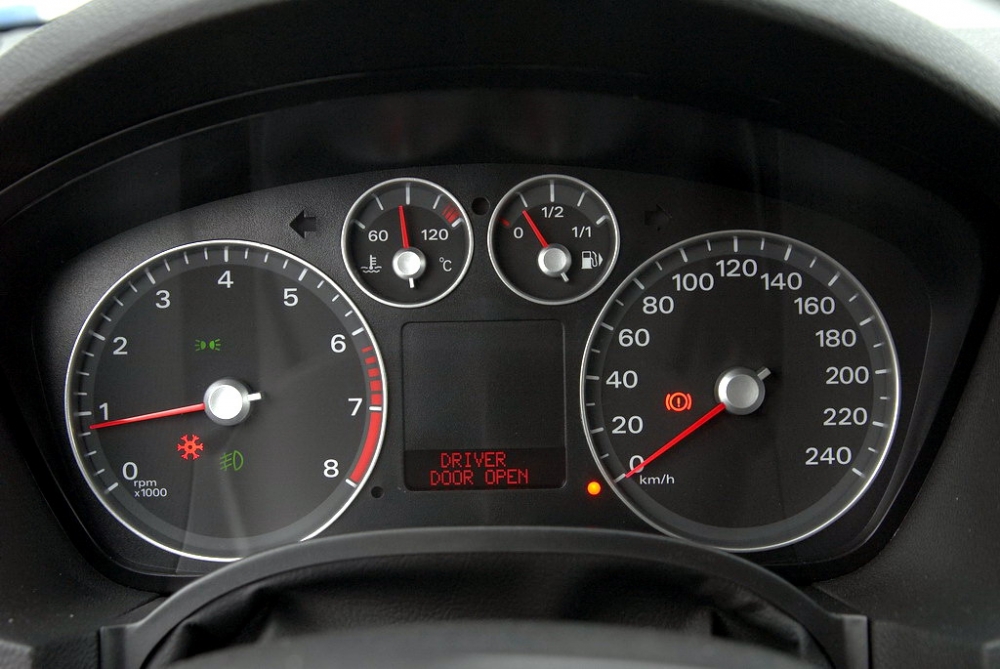
 And what about the C Max? Ford drives confidently, calmly, "without fanaticism". It is more convenient to control acceleration here. The 2-liter Duratec, whose power was clearly lacking for the heavy Mondeo, easily accelerates the lighter minivan based on the Focus. The gears in the gearbox are not as short as in the Altea. And there's no need for that, there is a reserve of power and torque. Even revving the engine to only 4000 rpm, you can easily stay ahead of the flow or accelerate on par with a driver squeezing all the juice out of the Altea. But in tense moments, for example, when leaving an adjacent road or during a "short" overtaking, no one will forbid you to rev the engine properly, almost to 7 thousand rpm, and swiftly rush forward. And after the revs reach 6500, an upward-pointing arrow lights up on the tachometer, reminding you of the need for an imminent shift. And here "sport"? Hardly, rather just a tribute to fashion. The Ford's suspension is tuned more friendly to passengers than on the SEAT. It does not inform so thoroughly about the road surface profile and its irregularities. The ride smoothness is good. This allows you to confidently set off on a long journey in the C Max. On the Altea, it's worth thinking about this, after all, the "Spaniard" requires much more composure behind the wheel. As always, the flip side of comfort is worse response clarity. But worse does not mean bad. Ford only reacts slightly worse to steering wheel deviations, and body roll in corners is slightly more. There are slight dives during intense acceleration and braking, while the Altea performs these exercises in a strictly horizontal position, like an iron. Despite this, you can also drive the C Max very enthusiastically and fast, leaving all this sports entourage of a screaming engine and stiff suspension to the "Spaniard". And what about the C Max? Ford drives confidently, calmly, "without fanaticism". It is more convenient to control acceleration here. The 2-liter Duratec, whose power was clearly lacking for the heavy Mondeo, easily accelerates the lighter minivan based on the Focus. The gears in the gearbox are not as short as in the Altea. And there's no need for that, there is a reserve of power and torque. Even revving the engine to only 4000 rpm, you can easily stay ahead of the flow or accelerate on par with a driver squeezing all the juice out of the Altea. But in tense moments, for example, when leaving an adjacent road or during a "short" overtaking, no one will forbid you to rev the engine properly, almost to 7 thousand rpm, and swiftly rush forward. And after the revs reach 6500, an upward-pointing arrow lights up on the tachometer, reminding you of the need for an imminent shift. And here "sport"? Hardly, rather just a tribute to fashion. The Ford's suspension is tuned more friendly to passengers than on the SEAT. It does not inform so thoroughly about the road surface profile and its irregularities. The ride smoothness is good. This allows you to confidently set off on a long journey in the C Max. On the Altea, it's worth thinking about this, after all, the "Spaniard" requires much more composure behind the wheel. As always, the flip side of comfort is worse response clarity. But worse does not mean bad. Ford only reacts slightly worse to steering wheel deviations, and body roll in corners is slightly more. There are slight dives during intense acceleration and braking, while the Altea performs these exercises in a strictly horizontal position, like an iron. Despite this, you can also drive the C Max very enthusiastically and fast, leaving all this sports entourage of a screaming engine and stiff suspension to the "Spaniard". |
 In both cars, the settings of the electric power steering were not liked. In corners, information and effort are quite adequate (the SEAT is a bit sharper here too), although some unnaturalness is still felt. But when driving in a straight line at high speed, the steering wheel in the "zero" zone becomes too loose, constant course correction is required, the cars move as if along a very smooth sinusoid. I don't think it's worth attributing this only to winter studded tires – I have noticed this before on cars with electric power steering. But this is not such a significant drawback against the overall positive background left by both test subjects. We liked these minivans. Excellent cars for young families, and quite budget-friendly. Spacious, nimble, with excellent visibility. Ford pleased with its "homeliness", comfort and confidence in motion. SEAT traditionally unpleasantly surprised with prices, but its extraordinary appearance and sporty attitude are quite capable of compensating the overpayment to the future owner. Probably, a person who chose the C Max for himself is unlikely to understand someone who overpays for the expressiveness of the Altea. Well, some want calmness and reliability, while others want sharpness and "nerves". The eternal problem of fathers and children… In both cars, the settings of the electric power steering were not liked. In corners, information and effort are quite adequate (the SEAT is a bit sharper here too), although some unnaturalness is still felt. But when driving in a straight line at high speed, the steering wheel in the "zero" zone becomes too loose, constant course correction is required, the cars move as if along a very smooth sinusoid. I don't think it's worth attributing this only to winter studded tires – I have noticed this before on cars with electric power steering. But this is not such a significant drawback against the overall positive background left by both test subjects. We liked these minivans. Excellent cars for young families, and quite budget-friendly. Spacious, nimble, with excellent visibility. Ford pleased with its "homeliness", comfort and confidence in motion. SEAT traditionally unpleasantly surprised with prices, but its extraordinary appearance and sporty attitude are quite capable of compensating the overpayment to the future owner. Probably, a person who chose the C Max for himself is unlikely to understand someone who overpays for the expressiveness of the Altea. Well, some want calmness and reliability, while others want sharpness and "nerves". The eternal problem of fathers and children… |
Fathers and Sons
C-Max has been traversing the Russian expanses for a long time, almost five years now. And during this time it has firmly entered the ranks of sales leaders in the compact MPV class. A true "dad". Altea, on the other hand, is a newcomer, having appeared on the same expanses only last year. What can "youth" counter to "maturity"?
Test drive photos
Comments
No comments yet. Say the first word.