
 Saab and Volvo. Volvo and Saab. Everyone knows that these car brands come from Sweden, although in fact they no longer are. Ask anyone, even a person with poor knowledge of cars, where Volvo and Saab are made? The answer will be unequivocal: "In Sweden!" Since the middle of the last century, rivalry and struggle for leadership have been going on between these two brands. Each wants to prove that it is the best and has the right to more. All signs of a civil war are evident: nationality is the same – Swedes, religion is the same – cars, and the redistribution of power and property needs no explanation. Saab and Volvo. Volvo and Saab. Everyone knows that these car brands come from Sweden, although in fact they no longer are. Ask anyone, even a person with poor knowledge of cars, where Volvo and Saab are made? The answer will be unequivocal: "In Sweden!" Since the middle of the last century, rivalry and struggle for leadership have been going on between these two brands. Each wants to prove that it is the best and has the right to more. All signs of a civil war are evident: nationality is the same – Swedes, religion is the same – cars, and the redistribution of power and property needs no explanation. |
 Of course, Volvo was first. When in the early 40s the company developed the "people's" models PV36 and PV51, Saab was still building airplanes. But after the end of World War II, in 1949, the first Saab 92 appeared. And off it went. Since then, these two companies have been exchanging sensitive jabs in the form of new car models. These cars were different – both in design, essence, and target audience. As they say, what is good for a Volvo fan is bad for a Saab fan. Despite the fact that in the modern automotive world the boundaries between brands are rapidly blurring, the Swedes are still true to themselves, trying to maintain their image – each their own. Volvo and Saab are still different, still each bends its own line. Today we will try to convey this to you through a conditional comparison of two models, similar in concept and class, but absolutely different in driving sensations and mood. Of course, Volvo was first. When in the early 40s the company developed the "people's" models PV36 and PV51, Saab was still building airplanes. But after the end of World War II, in 1949, the first Saab 92 appeared. And off it went. Since then, these two companies have been exchanging sensitive jabs in the form of new car models. These cars were different – both in design, essence, and target audience. As they say, what is good for a Volvo fan is bad for a Saab fan. Despite the fact that in the modern automotive world the boundaries between brands are rapidly blurring, the Swedes are still true to themselves, trying to maintain their image – each their own. Volvo and Saab are still different, still each bends its own line. Today we will try to convey this to you through a conditional comparison of two models, similar in concept and class, but absolutely different in driving sensations and mood. |
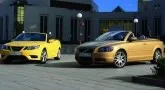
 When in 1983 at the Frankfurt Motor Show Saab showed a prototype of the open version of the 900 model, Volvo was busy with something else. Sales of the Volvo 740 had just begun – a legendary car, but so "cubic" that Picasso and Braque themselves would have envied. It could not be compared with the elegant forms of the 900 Convertible. But Volvo never preached elegance. Its forte has always been reliability and safety, which was not least manifested in its forms. Moreover – and time has proven this – Volvo is a more conservative and inert company than Saab, which strides through life easily and carelessly. It is to this ease that we owe the appearance of the convertible based on the 900 model. When Robert Sinclair demanded an open modification for the USA, its prototype was immediately built, and three years later it was put into production. Only 11 years later did Volvo show the world its car without a roof on the S40 model chassis. But now few people remember this story, and we have two modern convertibles from both companies in top versions – Saab 9-3 Aero Convertible and Volvo C70 T5. When in 1983 at the Frankfurt Motor Show Saab showed a prototype of the open version of the 900 model, Volvo was busy with something else. Sales of the Volvo 740 had just begun – a legendary car, but so "cubic" that Picasso and Braque themselves would have envied. It could not be compared with the elegant forms of the 900 Convertible. But Volvo never preached elegance. Its forte has always been reliability and safety, which was not least manifested in its forms. Moreover – and time has proven this – Volvo is a more conservative and inert company than Saab, which strides through life easily and carelessly. It is to this ease that we owe the appearance of the convertible based on the 900 model. When Robert Sinclair demanded an open modification for the USA, its prototype was immediately built, and three years later it was put into production. Only 11 years later did Volvo show the world its car without a roof on the S40 model chassis. But now few people remember this story, and we have two modern convertibles from both companies in top versions – Saab 9-3 Aero Convertible and Volvo C70 T5. |
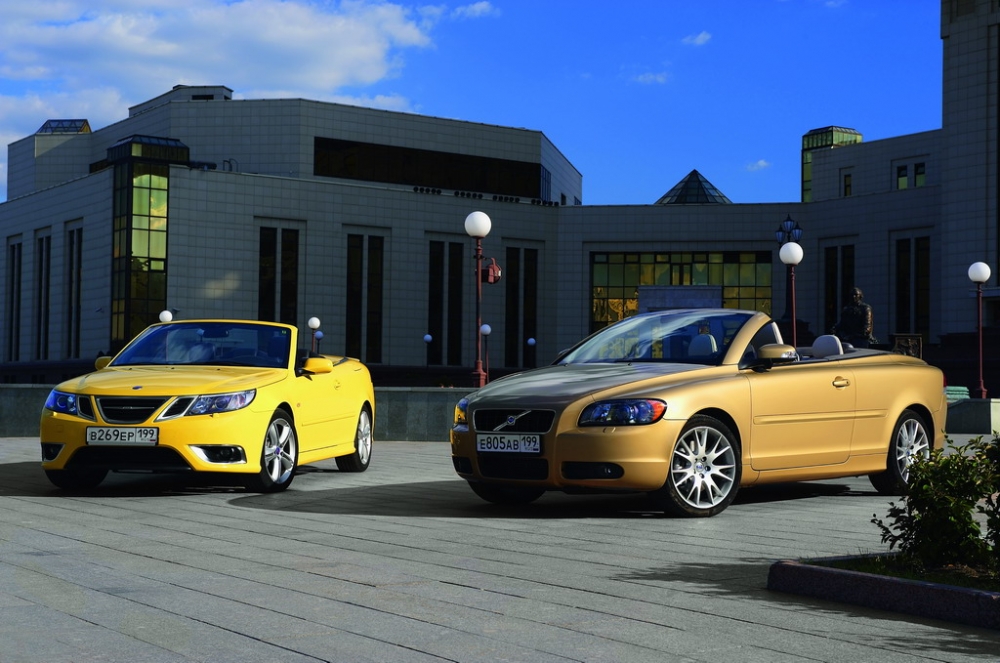
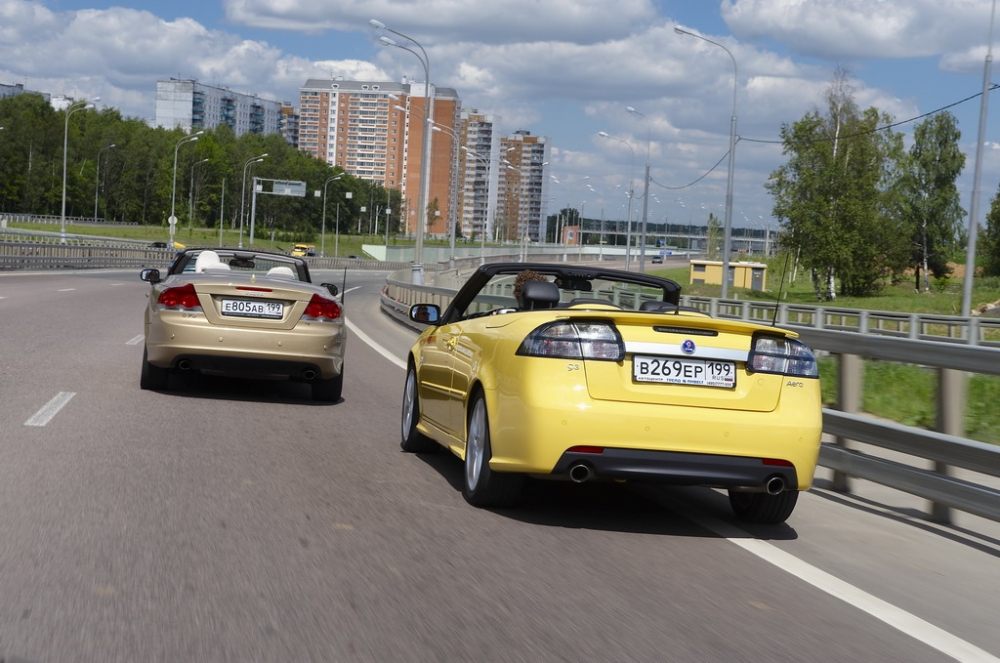
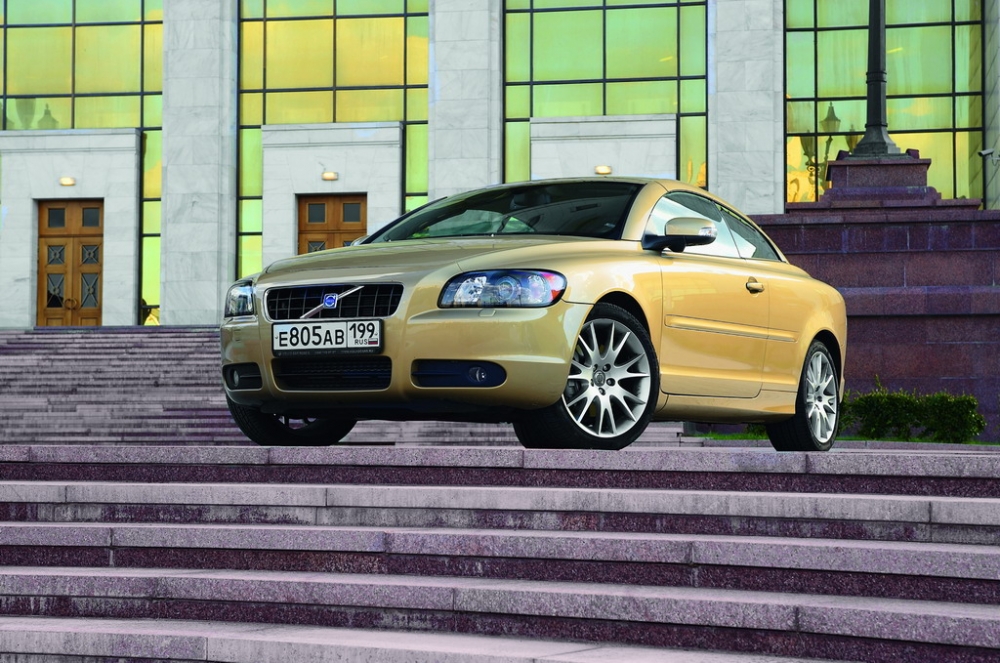
 Here they stand before me. One – in a bright lemon-yellow color, the other, as befits a Volvo, in a more restrained but no less beautiful beige "metallic". In design, both honor traditions. Saab has retained the signature radiator grille, headlights flowing onto the front fenders, and that sexy rise of the beltline closer to the stern, which were on that very prototype of 1983. Volvo has changed more over time, although the front part, even having become considerably rounded, sends us back to its ancestors. Cubism has been replaced by smooth lines. The C70 body – a joint work of the Californian studio VMCC and the Italians from Pininfarina – looks simply magnificent. Here they stand before me. One – in a bright lemon-yellow color, the other, as befits a Volvo, in a more restrained but no less beautiful beige "metallic". In design, both honor traditions. Saab has retained the signature radiator grille, headlights flowing onto the front fenders, and that sexy rise of the beltline closer to the stern, which were on that very prototype of 1983. Volvo has changed more over time, although the front part, even having become considerably rounded, sends us back to its ancestors. Cubism has been replaced by smooth lines. The C70 body – a joint work of the Californian studio VMCC and the Italians from Pininfarina – looks simply magnificent. |
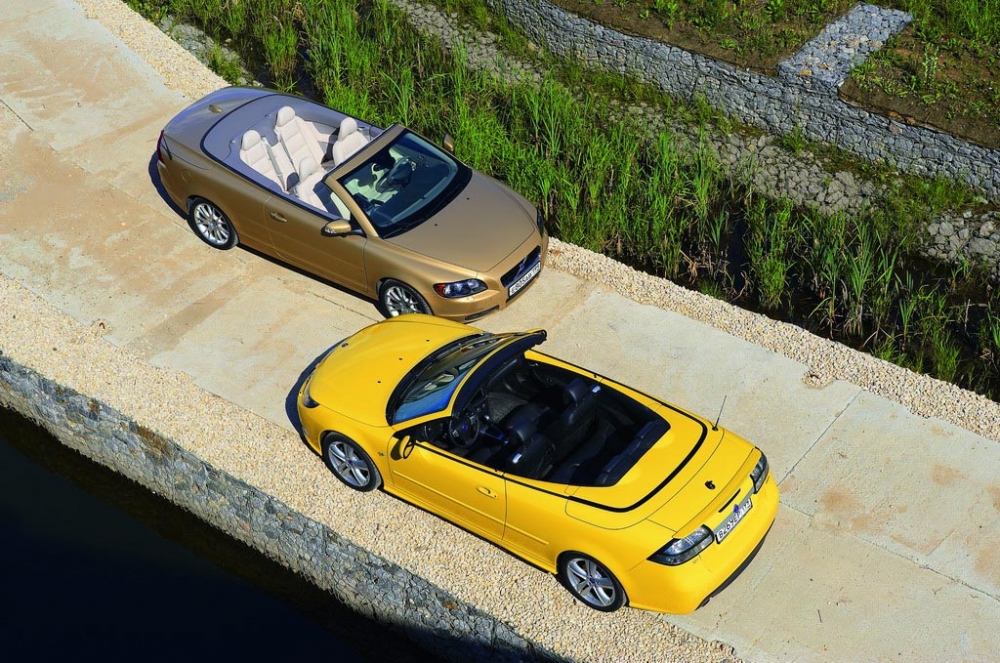
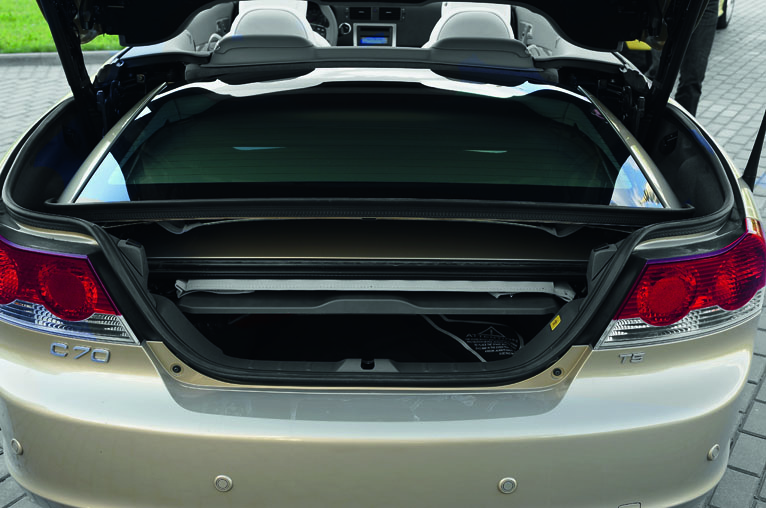
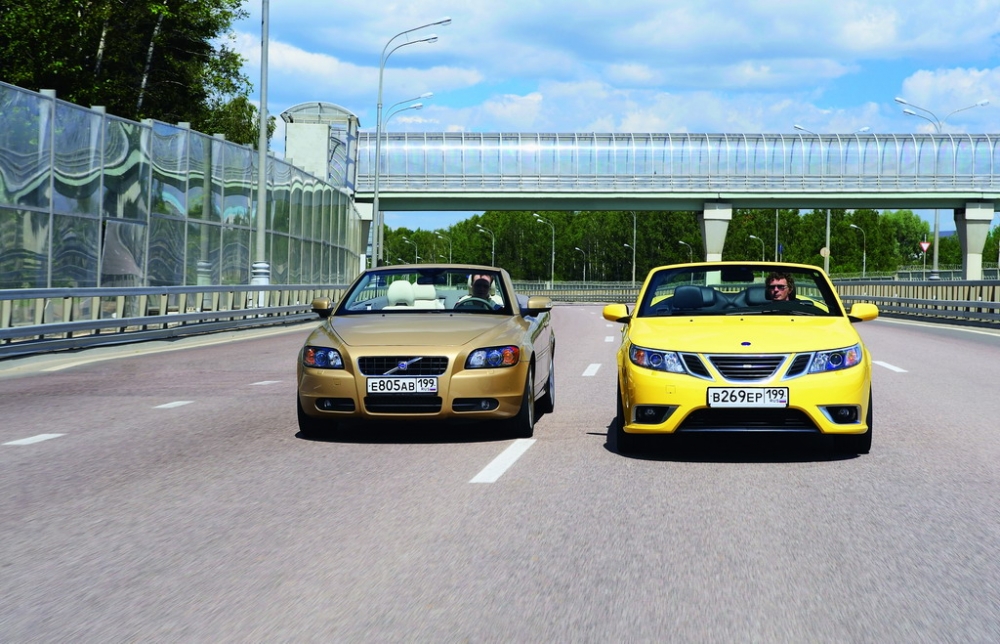 Like all other convertibles, ours look best with the top down. The approaches to folding-unfolding are different for the cars. Here, oddly enough, Saab is more conservative – its roof is fabric, while Volvo sports a hard one. This three-section miracle folds into the trunk in 30 seconds. The extra 10 seconds compared to the Saab are more than compensated by watching this mesmerizing action. The mechanism consists of more than 700 parts! But the 9-3's roof can be lowered on the move at speeds up to 30 km/h (very convenient, you can fold it, for example, driving through the yard to the entrance or office), while the C70 requires moving the "automatic" lever to Parking and also pressing the brake. Like all other convertibles, ours look best with the top down. The approaches to folding-unfolding are different for the cars. Here, oddly enough, Saab is more conservative – its roof is fabric, while Volvo sports a hard one. This three-section miracle folds into the trunk in 30 seconds. The extra 10 seconds compared to the Saab are more than compensated by watching this mesmerizing action. The mechanism consists of more than 700 parts! But the 9-3's roof can be lowered on the move at speeds up to 30 km/h (very convenient, you can fold it, for example, driving through the yard to the entrance or office), while the C70 requires moving the "automatic" lever to Parking and also pressing the brake. |
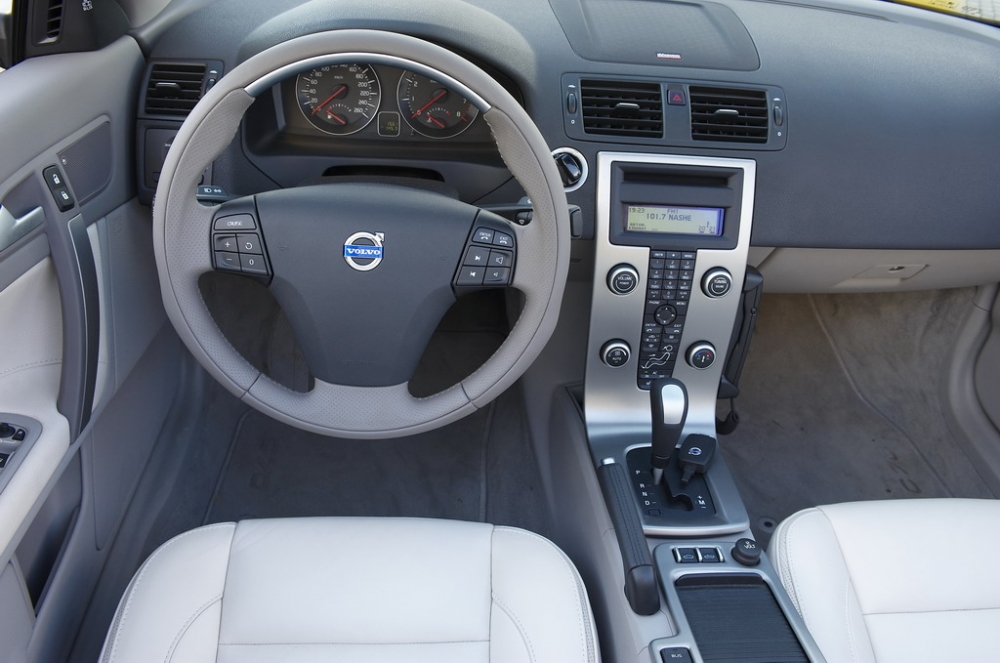
 Lowered. The interiors of our Swedish test subjects are revealed to the eyes. The war continues – white against black. Here Volvo is beyond competition. Its delightful snow-white interior is impeccably executed. Good leather, high-quality trim materials, and excellent sound from Dynaudio, specially tuned for driving without a roof. Saab, of course, is not such a handsome guy. The interior is done in black, the quality of materials is worse. The interior is enlivened by inserts in body color on the "window sills" – a kind of greeting from the Soviet auto industry, remember the VAZ "kopeyka"? Lowered. The interiors of our Swedish test subjects are revealed to the eyes. The war continues – white against black. Here Volvo is beyond competition. Its delightful snow-white interior is impeccably executed. Good leather, high-quality trim materials, and excellent sound from Dynaudio, specially tuned for driving without a roof. Saab, of course, is not such a handsome guy. The interior is done in black, the quality of materials is worse. The interior is enlivened by inserts in body color on the "window sills" – a kind of greeting from the Soviet auto industry, remember the VAZ "kopeyka"? |
 I open the door of the C70. Wow, how thick it is! It has special bars that increase body rigidity. Saab gets by with thinner doors. Nevertheless, both models were recognized as the safest convertibles in different years. Here there is a truce – both Swedish companies are obsessed with safety. The bodies of both cars are significantly reinforced, a large number of elements are made of high-strength steel. Both are equipped with roll bars that deploy in case of a rollover. The Volvo has a powerful partition behind the rear seats so that the folded roof deforms in the trunk in a rear impact. Looking ahead, I will say that the handling of the cars is not greatly affected by whether you drive with the top down or up. I open the door of the C70. Wow, how thick it is! It has special bars that increase body rigidity. Saab gets by with thinner doors. Nevertheless, both models were recognized as the safest convertibles in different years. Here there is a truce – both Swedish companies are obsessed with safety. The bodies of both cars are significantly reinforced, a large number of elements are made of high-strength steel. Both are equipped with roll bars that deploy in case of a rollover. The Volvo has a powerful partition behind the rear seats so that the folded roof deforms in the trunk in a rear impact. Looking ahead, I will say that the handling of the cars is not greatly affected by whether you drive with the top down or up. |
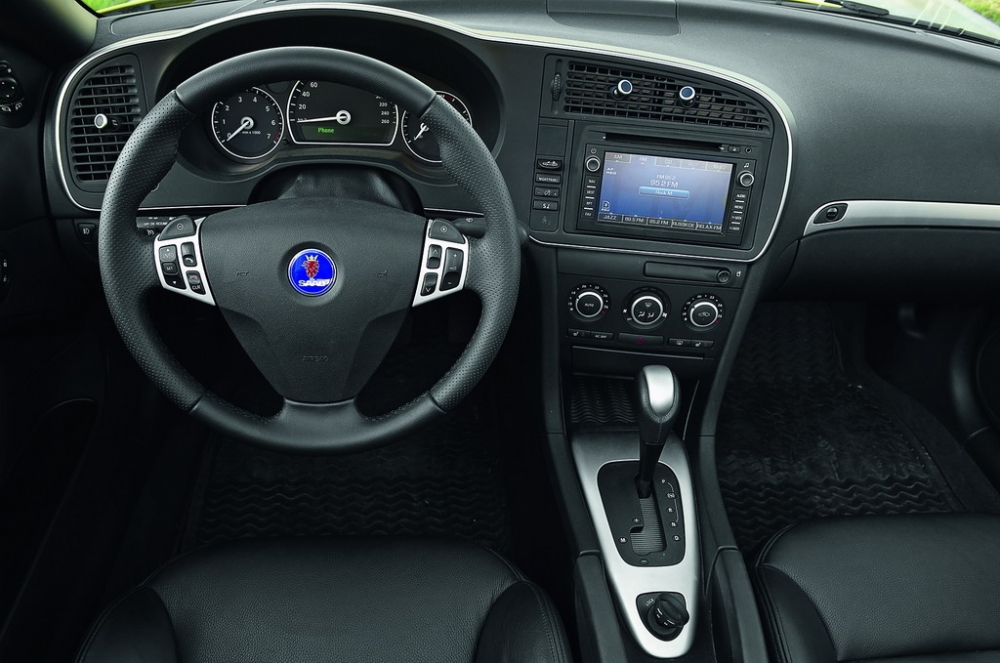
 Getting behind the wheel, you immediately understand what each car is tuned for. The seating position in both is comfortable, but if the soft comfortable seat of the C70 suggests a relaxed posture, the Aero's seat immediately firmly grips the body, making it clear that it will not let go even under serious lateral acceleration. The Volvo's instruments are simple and clear as an orange, which does not prevent them from looking very elegant. The efforts on all switches and buttons of the "floating" center console are perfectly calibrated. Saab is being original. The signature "pimples" of the air deflectors, the large speedometer plate, the ignition key on the center tunnel (a real atavism: earlier, on cars with a manual gearbox, this was a kind of anti-theft system – it was impossible to remove the key without engaging reverse gear) and the famous Night Panel function seem to shout: "I am not like everyone else" But anyone who has ever sat behind the wheel of a Saab will easily find a common language with this too. Getting behind the wheel, you immediately understand what each car is tuned for. The seating position in both is comfortable, but if the soft comfortable seat of the C70 suggests a relaxed posture, the Aero's seat immediately firmly grips the body, making it clear that it will not let go even under serious lateral acceleration. The Volvo's instruments are simple and clear as an orange, which does not prevent them from looking very elegant. The efforts on all switches and buttons of the "floating" center console are perfectly calibrated. Saab is being original. The signature "pimples" of the air deflectors, the large speedometer plate, the ignition key on the center tunnel (a real atavism: earlier, on cars with a manual gearbox, this was a kind of anti-theft system – it was impossible to remove the key without engaging reverse gear) and the famous Night Panel function seem to shout: "I am not like everyone else" But anyone who has ever sat behind the wheel of a Saab will easily find a common language with this too. |
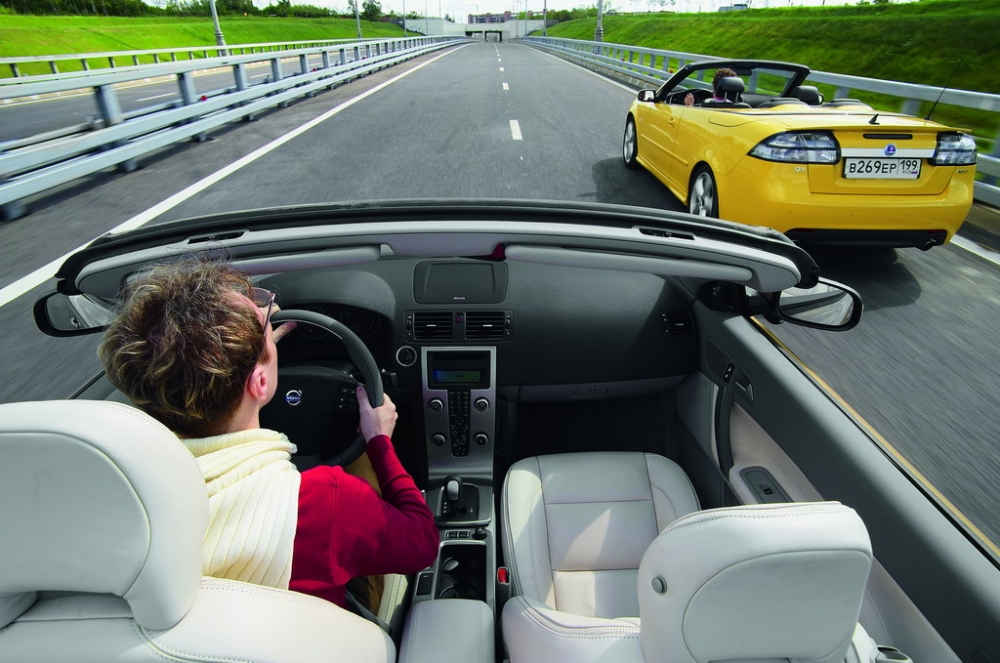 Before setting off, I'll tell you a little about the arsenal of the opposing sides. Under the hoods of both convertibles are turbo engines. The 9-3 has a V-shaped six, the C70 has a crown inline five-cylinder engine. The character of the engines is different. Of course, the modern Saab is already devoid of that famous "turbo punch" following the equally impressive lag, as on the old four-cylinder units, but the pickup after 3500 rpm is still noticeable. The T5 engine pulls evenly almost from idle – a different school, the low pressure school. The settings of the automatic transmissions also differ. The five-speed automatic of the C70 shifts smoothly, and the manual mode does not particularly sharpen reactions, which, however, does not prevent the beige convertible from reaching 100 km/h in 8 seconds. The Saab's "automatic" has six gears. It is more driving, but only in sport, and especially in manual mode, when you can shift gears with special paddles on the steering wheel. In normal Drive, the gearbox is hardly more responsive than the Volvo's. The suspensions of the cars are a mixture of standard front McPherson struts with rear multi-link steering axles. Before setting off, I'll tell you a little about the arsenal of the opposing sides. Under the hoods of both convertibles are turbo engines. The 9-3 has a V-shaped six, the C70 has a crown inline five-cylinder engine. The character of the engines is different. Of course, the modern Saab is already devoid of that famous "turbo punch" following the equally impressive lag, as on the old four-cylinder units, but the pickup after 3500 rpm is still noticeable. The T5 engine pulls evenly almost from idle – a different school, the low pressure school. The settings of the automatic transmissions also differ. The five-speed automatic of the C70 shifts smoothly, and the manual mode does not particularly sharpen reactions, which, however, does not prevent the beige convertible from reaching 100 km/h in 8 seconds. The Saab's "automatic" has six gears. It is more driving, but only in sport, and especially in manual mode, when you can shift gears with special paddles on the steering wheel. In normal Drive, the gearbox is hardly more responsive than the Volvo's. The suspensions of the cars are a mixture of standard front McPherson struts with rear multi-link steering axles. |
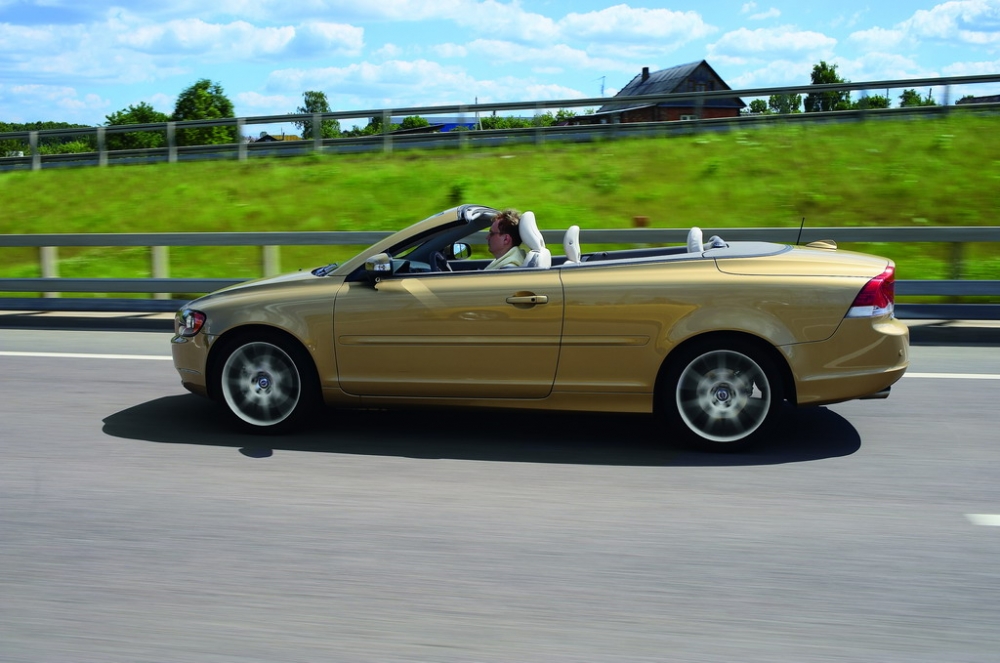
 I decide: Volvo will be first. Roof off, gas to the floor! The C70 smoothly moves off, making it clear that it will nip any of my urges to be nimble in the bud. But the speed grows. Without fire, without strain, but it grows. Only the "automatic" managed to tuck in second gear, when I realize it's time to raise the windows – the wind has started to roam the cabin. I press a special button, it gets better, but while I was performing these manipulations, the speedometer needle had already reached 140 km/h, and it became windy again. I slow down to 120, and here it is – happiness! I leisurely roll along the highway, taking sun baths and enjoying what no closed car will offer – the blue sky above my head. Volvo does not want to rush. No, don't think it's slow. The power of 230 hp is quite enough to be the first to leave the traffic light in most cases or to perform a long overtaking without problems. But there is no "heat" here. Instead, there is reliability and solidity, which are felt in every movement of the C70. This also applies to handling. The suspension is similar to other Volvo models. It swallows even serious bumps, but at the same time sometimes thumps terribly. You get used to it and stop paying attention. The car follows the steering wheel with laziness – you have to turn it ahead of time, but then it clearly and confidently goes in the given direction. It does not scare, does not irritate. It drives solidly. Without fanaticism. I decide: Volvo will be first. Roof off, gas to the floor! The C70 smoothly moves off, making it clear that it will nip any of my urges to be nimble in the bud. But the speed grows. Without fire, without strain, but it grows. Only the "automatic" managed to tuck in second gear, when I realize it's time to raise the windows – the wind has started to roam the cabin. I press a special button, it gets better, but while I was performing these manipulations, the speedometer needle had already reached 140 km/h, and it became windy again. I slow down to 120, and here it is – happiness! I leisurely roll along the highway, taking sun baths and enjoying what no closed car will offer – the blue sky above my head. Volvo does not want to rush. No, don't think it's slow. The power of 230 hp is quite enough to be the first to leave the traffic light in most cases or to perform a long overtaking without problems. But there is no "heat" here. Instead, there is reliability and solidity, which are felt in every movement of the C70. This also applies to handling. The suspension is similar to other Volvo models. It swallows even serious bumps, but at the same time sometimes thumps terribly. You get used to it and stop paying attention. The car follows the steering wheel with laziness – you have to turn it ahead of time, but then it clearly and confidently goes in the given direction. It does not scare, does not irritate. It drives solidly. Without fanaticism. |
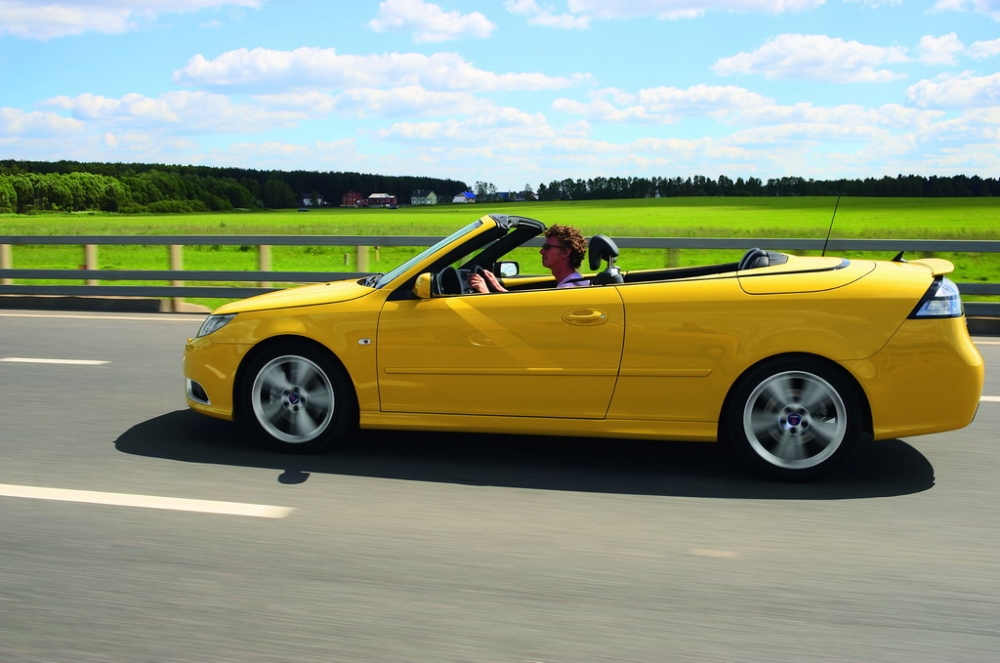
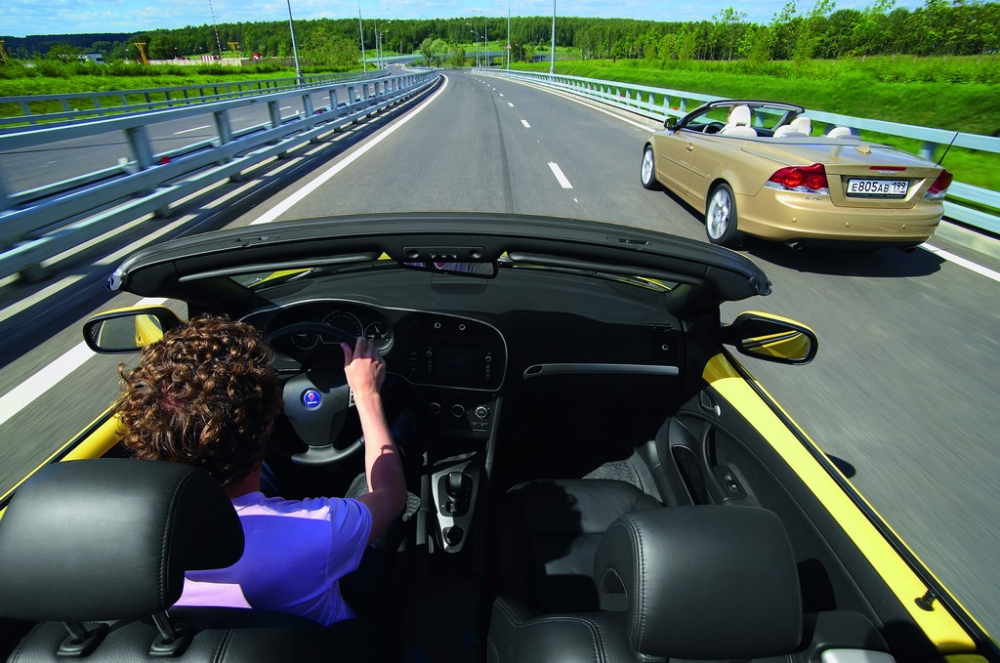 I move into the Saab and once again note that the manners of the 9-3 have become much better after the last restyling. In some ways, they even returned to their glorious roots. Excellent grip, even despite the excess of torque on the front axle. The steering wheel is not as precise as in the sedan or wagon (see MOTOR, No. 1–2, 2008), but compared to the Volvo, it is already an instrument. You feel not only the steering angle, but even the slipping of one of the wheels. Reactions to the gas are much sharper here, the car follows the pedal without delay. The Aero welcomes an active driver. Sacrificing to a certain extent ride smoothness, the 9-3 offers excellent responses for a convertible to movements of all controls. What about the wind mercilessly tousling the hair – I have no time to raise the roof, and the speedometer already shows 200 km/h! So I rush on in a fully controlled flight. I move into the Saab and once again note that the manners of the 9-3 have become much better after the last restyling. In some ways, they even returned to their glorious roots. Excellent grip, even despite the excess of torque on the front axle. The steering wheel is not as precise as in the sedan or wagon (see MOTOR, No. 1–2, 2008), but compared to the Volvo, it is already an instrument. You feel not only the steering angle, but even the slipping of one of the wheels. Reactions to the gas are much sharper here, the car follows the pedal without delay. The Aero welcomes an active driver. Sacrificing to a certain extent ride smoothness, the 9-3 offers excellent responses for a convertible to movements of all controls. What about the wind mercilessly tousling the hair – I have no time to raise the roof, and the speedometer already shows 200 km/h! So I rush on in a fully controlled flight. |
 There are no complaints about the brakes of both convertibles – effective, powerful, predictable. Just as there are none about the spacious interiors. The rear row of seats is absolutely functional, these are not some kind of "plus two"! It's just that passengers there have a hard time with the top down – they get blown away! There is another problem, but it is connected not so much with the cars as with the reality around us. After a day spent in an open car, the leather interior is covered with a thick layer of road dust, hands become black, and hair like tow. What can I say, the air in our megacities is transparent only in appearance. Therefore, it is better to lower the roof only outside the city. In any case, I perfectly understand people who drive without a top: these emotions are incomparable to anything else. There are no complaints about the brakes of both convertibles – effective, powerful, predictable. Just as there are none about the spacious interiors. The rear row of seats is absolutely functional, these are not some kind of "plus two"! It's just that passengers there have a hard time with the top down – they get blown away! There is another problem, but it is connected not so much with the cars as with the reality around us. After a day spent in an open car, the leather interior is covered with a thick layer of road dust, hands become black, and hair like tow. What can I say, the air in our megacities is transparent only in appearance. Therefore, it is better to lower the roof only outside the city. In any case, I perfectly understand people who drive without a top: these emotions are incomparable to anything else. |
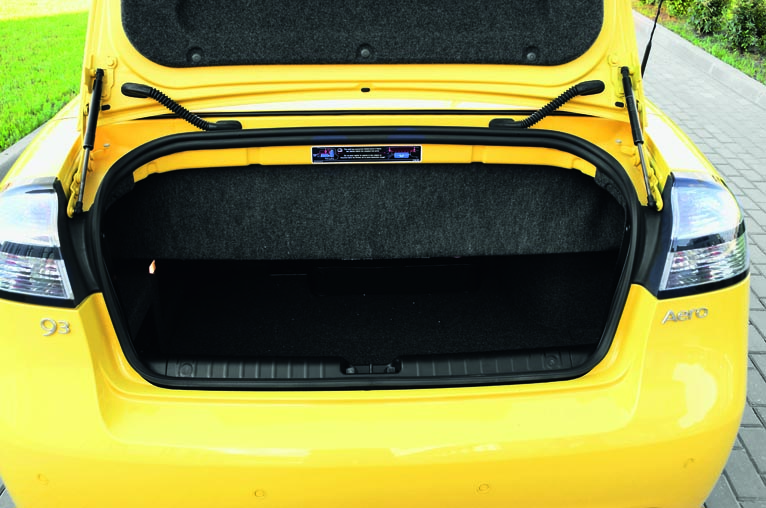 As you can see, the civil war within Sweden continues. And it so happened that our today's heroes are able to most vividly emphasize the difference between the two legendary Scandinavian brands. There is no answer to the question of which of them is better. These two convertibles are excellent examples of the "open" tribe. Each person will choose the one more suitable for themselves according to their temperament and needs. Just as there is no answer to the question of when this war will end and whether it will end at all. In my opinion, this is exactly the case when war is both a mother and an engine of progress. Make war, not love! As you can see, the civil war within Sweden continues. And it so happened that our today's heroes are able to most vividly emphasize the difference between the two legendary Scandinavian brands. There is no answer to the question of which of them is better. These two convertibles are excellent examples of the "open" tribe. Each person will choose the one more suitable for themselves according to their temperament and needs. Just as there is no answer to the question of when this war will end and whether it will end at all. In my opinion, this is exactly the case when war is both a mother and an engine of progress. Make war, not love! The history of Swedish convertible manufacturing It is said that the idea of creating the Saab convertible belongs to Robert Sinclair, who was the president of Saab's US division at the time. He demanded that the Saab 900 notchbacks supplied to the States have a leather interior, air conditioning, a turbocharged engine, and... a folding roof! His words were taken more than seriously, and a prototype of the first Saab convertible based on the 900 model was presented in 1983 at the Frankfurt Motor Show. Everything Sinclair wanted was in the 900 Convertible, and the roof, moreover, lowered and raised fully automatically. In 1986, the convertible went into production. The next generation of the 900 Convertible appeared in 1993, and in 1997 the 900 model became the 9-3. In 1998, the first Aero version with an open body was released. The third generation of the Convertible was introduced in 2003 and continued to be produced until 2008, when it was replaced by our hero today. |
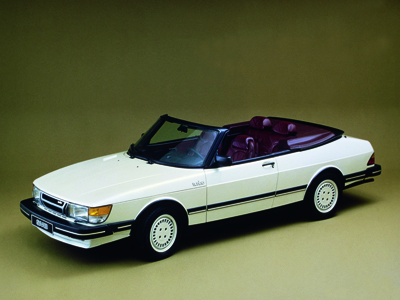 Saab 900 Convertible Prototype, 1983 Saab 900 Convertible Prototype, 1983 |
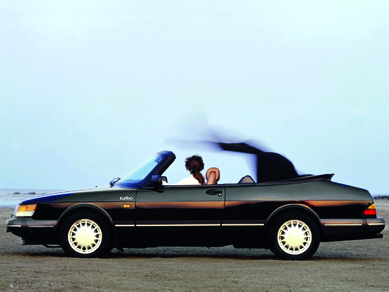 Saab 900 Turbo Convertible, 1986 – 1993 Saab 900 Turbo Convertible, 1986 – 1993 |
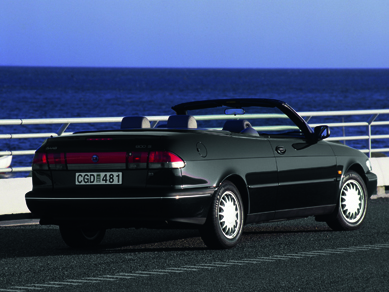 Saab 900 S Convertible, 1993 - 1998 Saab 900 S Convertible, 1993 - 1998 |
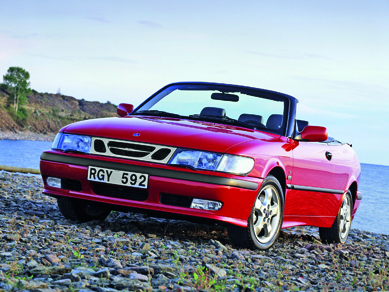 Saab 9-3 Aero Convertible, 1998 - 2003 Saab 9-3 Aero Convertible, 1998 - 2003 |
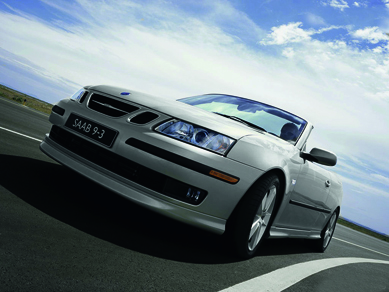 Saab 9 3 Aero Convertible, 2003 - 2007 Saab 9 3 Aero Convertible, 2003 - 2007 |
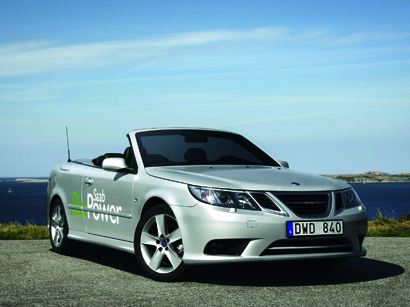 Saab 9 3 Convertible BioPower, 2008 Saab 9 3 Convertible BioPower, 2008 For Volvo, the history of open cars began 15 years later than for Saab. The first generation of the C70 convertible, based on the coupe of the same name, appeared in dealer showrooms in 1998. By the way, the first C70 had a fabric top. It was only later, during the widespread fashion for hard roofs, in 2005, that the Swedes decided not to lag behind and equipped the new C70 with one, which is what we had for a test drive. |
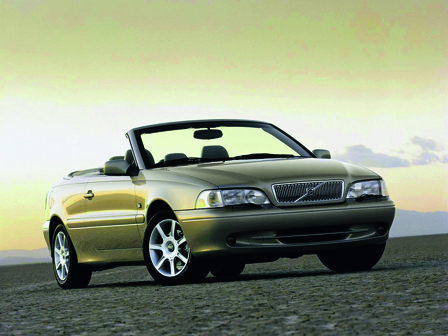 Volvo C70 Convertible, 1998 – 2005 Volvo C70 Convertible, 1998 – 2005 |
Civil war
Civil war is a war within a single state, involving a significant part of the population of one nationality and religion. It is caused by the need to redistribute power and property. Encyclopedia "Around the World" In the past millennium, Russia often fought with Sweden. In the intervals between wars, we built up military power, raised the fleet, and built Moscow State University, despite constant contradictions arising within the country. But the Swedes always lived amicably, without conflicts. The split emerged already in our time, in the 20th century. The cause and main protagonists of the civil war were automobiles.
Test drive photos
Comments
No comments yet. Say the first word.