

Restrained Elegance
In 1995, the Renault 19 hatchback swapped its dull digital index for the sonorous name Megane. Since then, the model has undergone two generational changes, and each one was completely unlike the previous.
The first Megane, born in the era of biodesign, was a typical product of its time. But the second generation turned out to be so avant-garde that its bold appearance appealed to far from everyone.
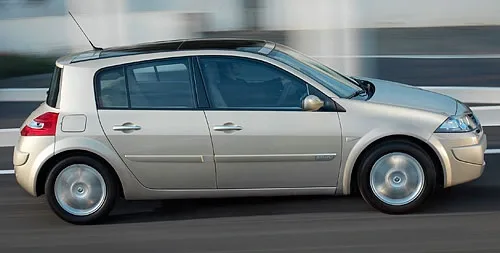
Lessons from the past were learned, and the styling of the third generation was decided to be made more understandable and calmer.
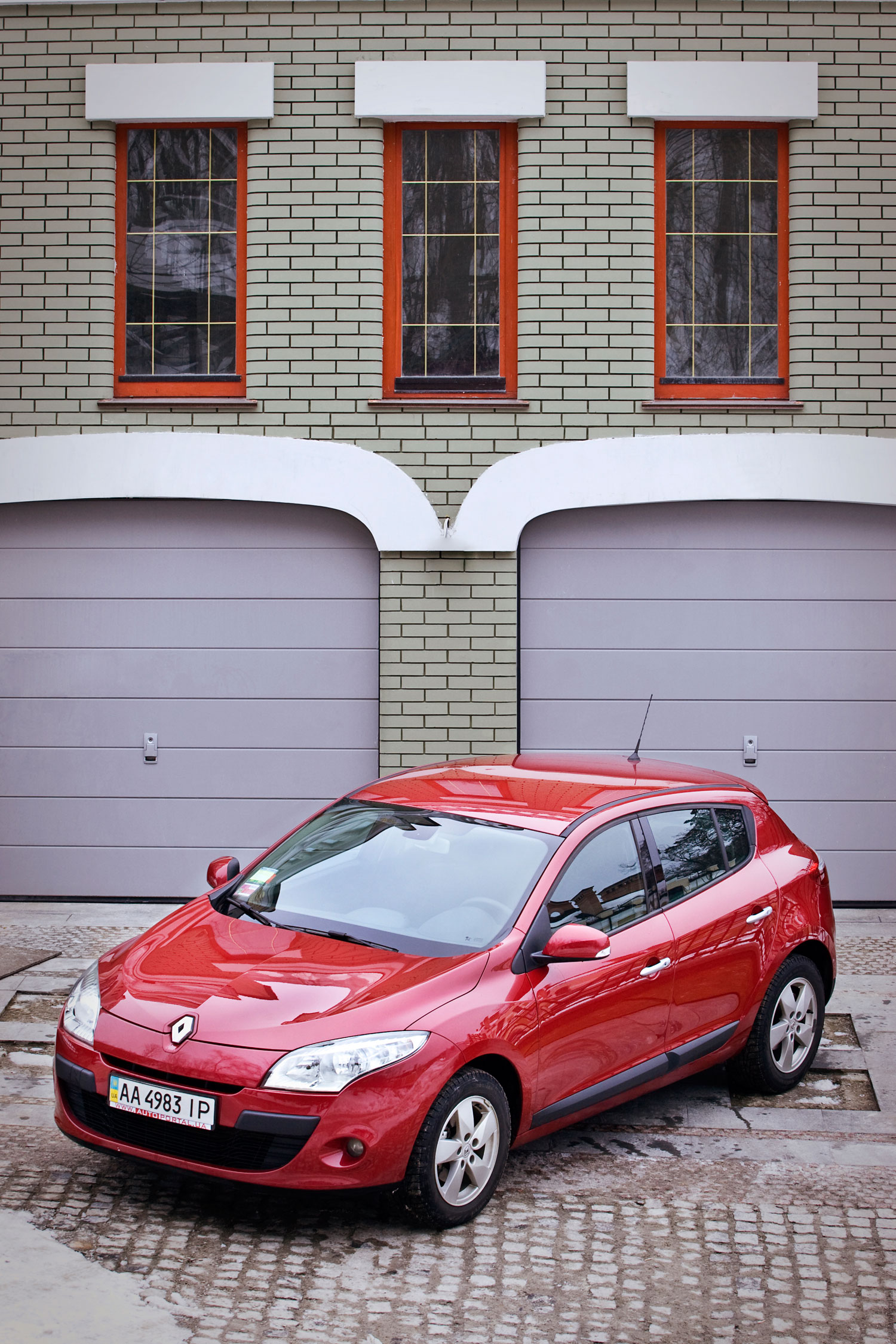
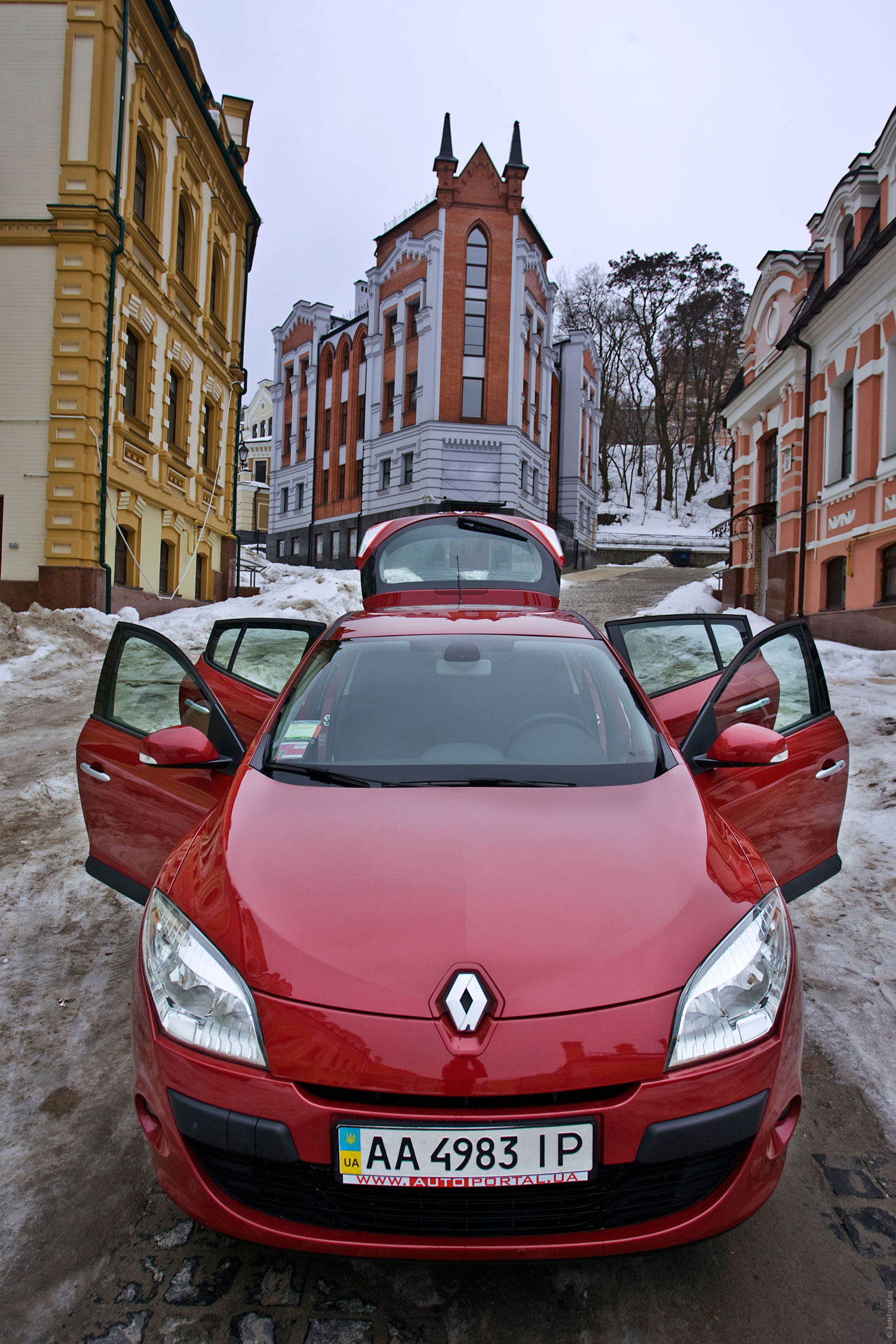
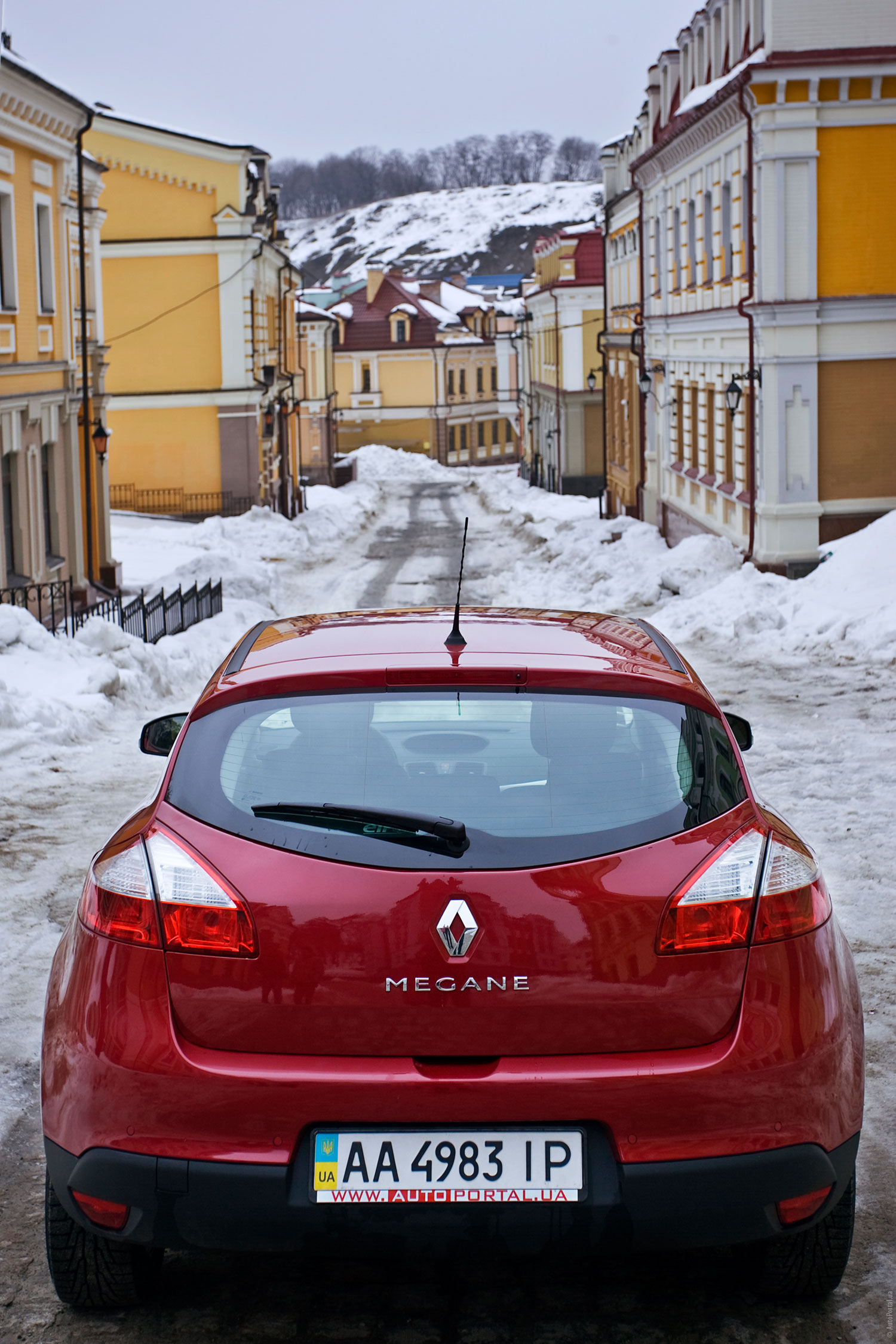
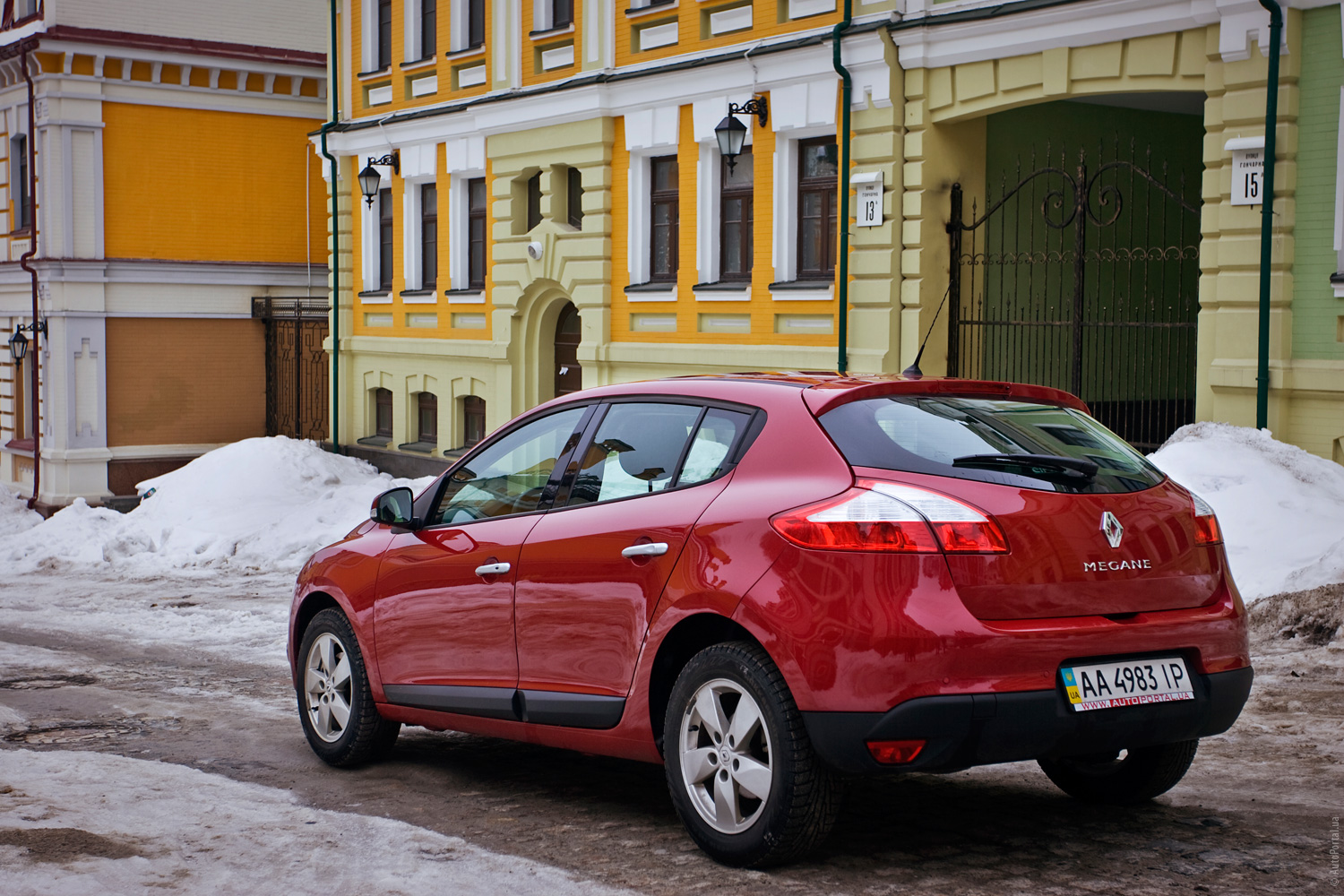
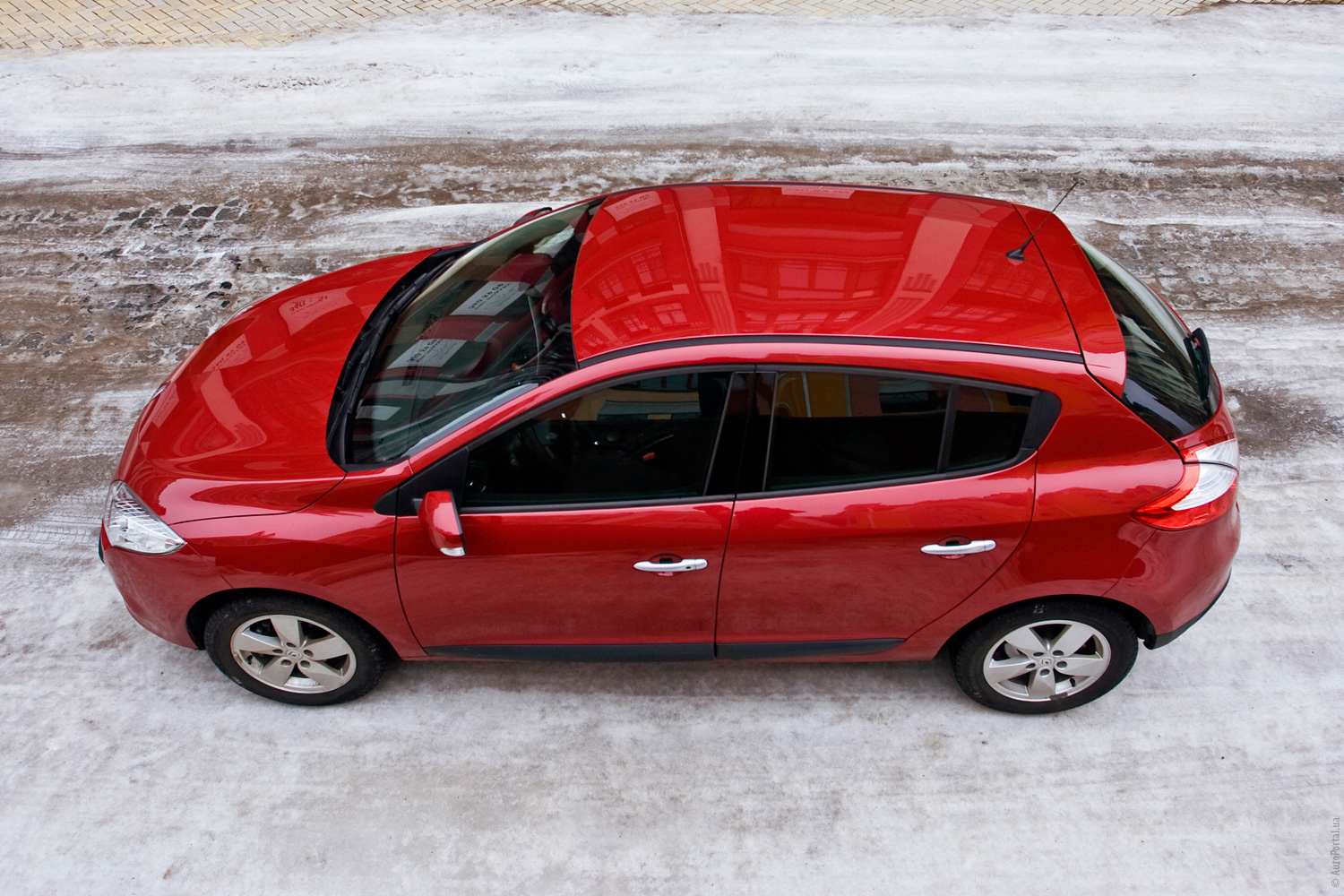
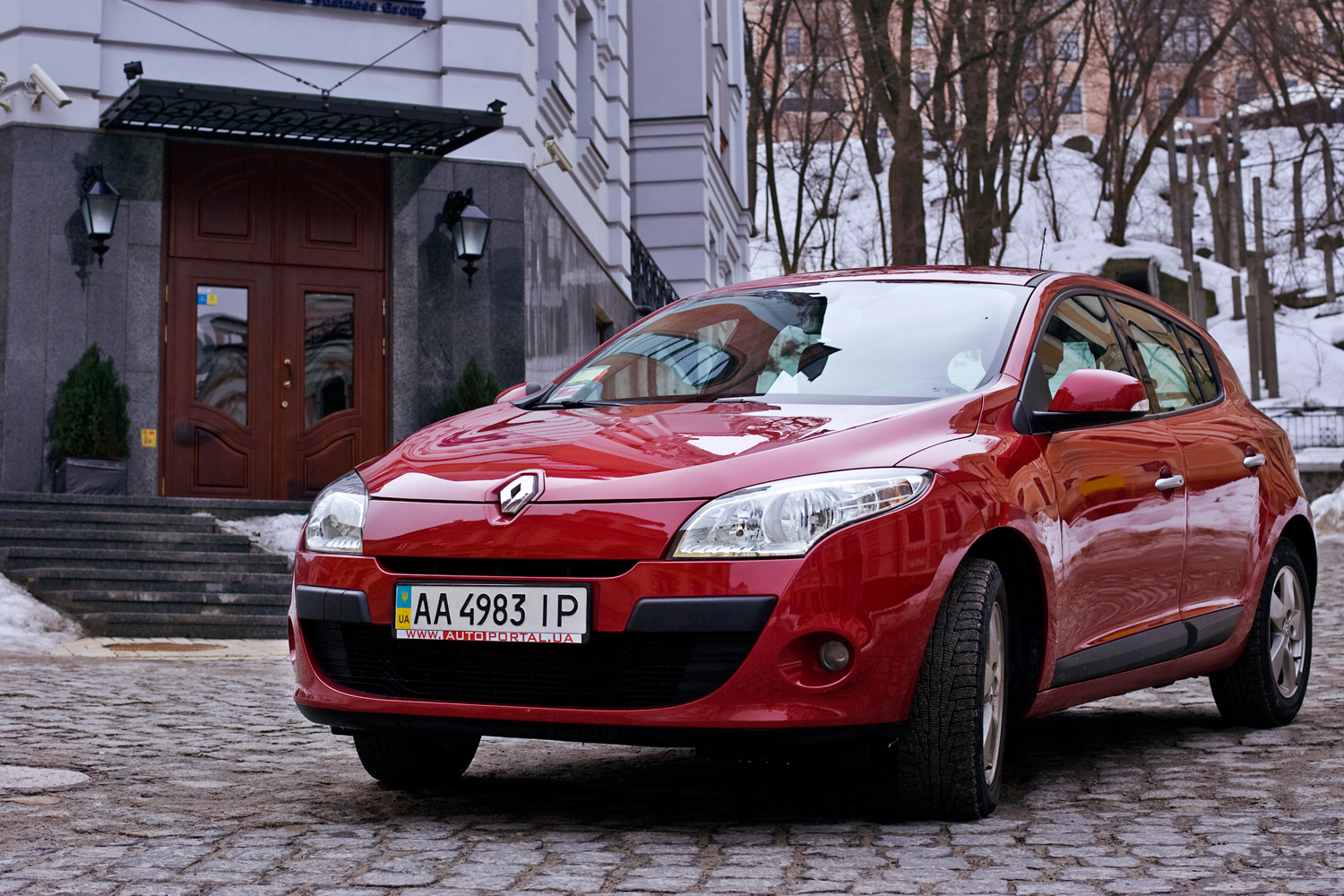
The sharp angles of its predecessor gave way to smooth, elegant lines and well-balanced body proportions. The only thing that stands out against this "correct" design is the hood with an unusual stamping that resembles the bottom of a boat.
Despite its restrained appearance, the car does not go unnoticed and attracts the interest of those around it, especially among owners of other Renaults.
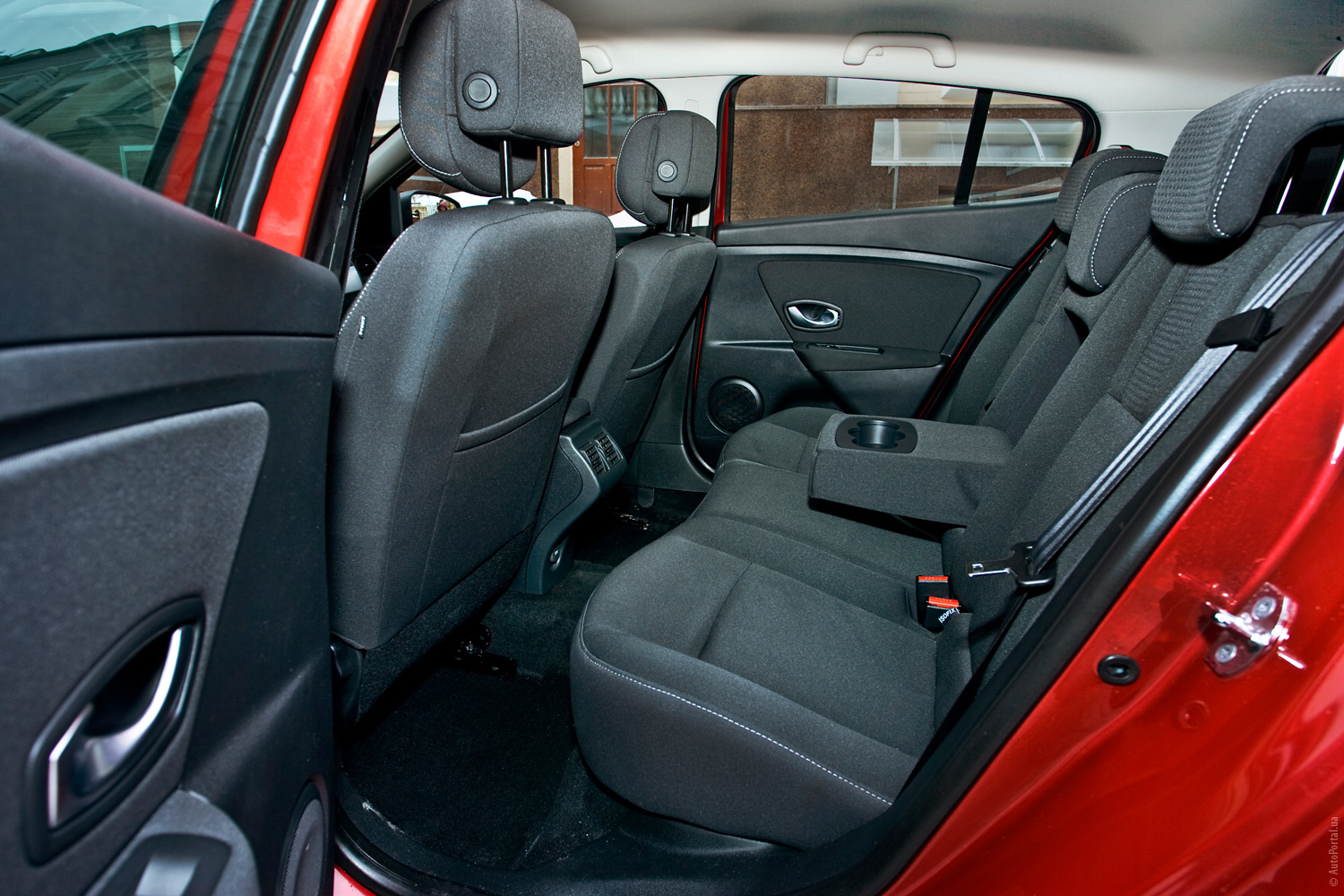
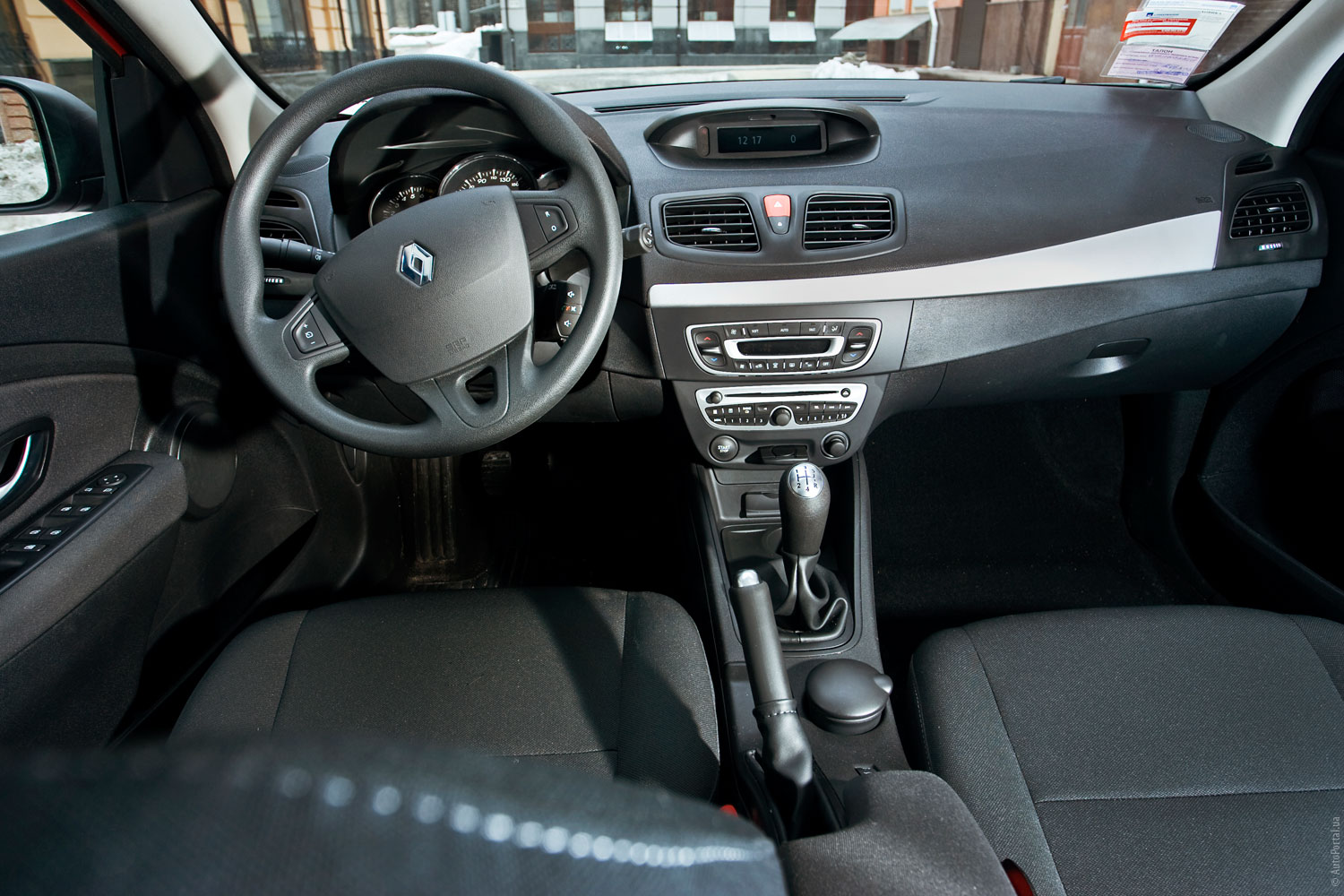
Elegance also reigns inside. Not a trace remains of the previous Megane's interior — the cabin has been completely reworked, and no generational continuity is felt here.
Not only the design has changed, but also the quality of materials. Thanks to soft plastic and neat fit of parts, the interior looks noticeably more expensive. There is also more free space for passengers, especially in width.
The "aviation" handbrake lever is a thing of the past — now it's a familiar "poker". The climate control unit, which used to look playful, has become stricter and more solid. The hazard light and central locking buttons have moved to the top of the center console, freeing up space for the key card slot.
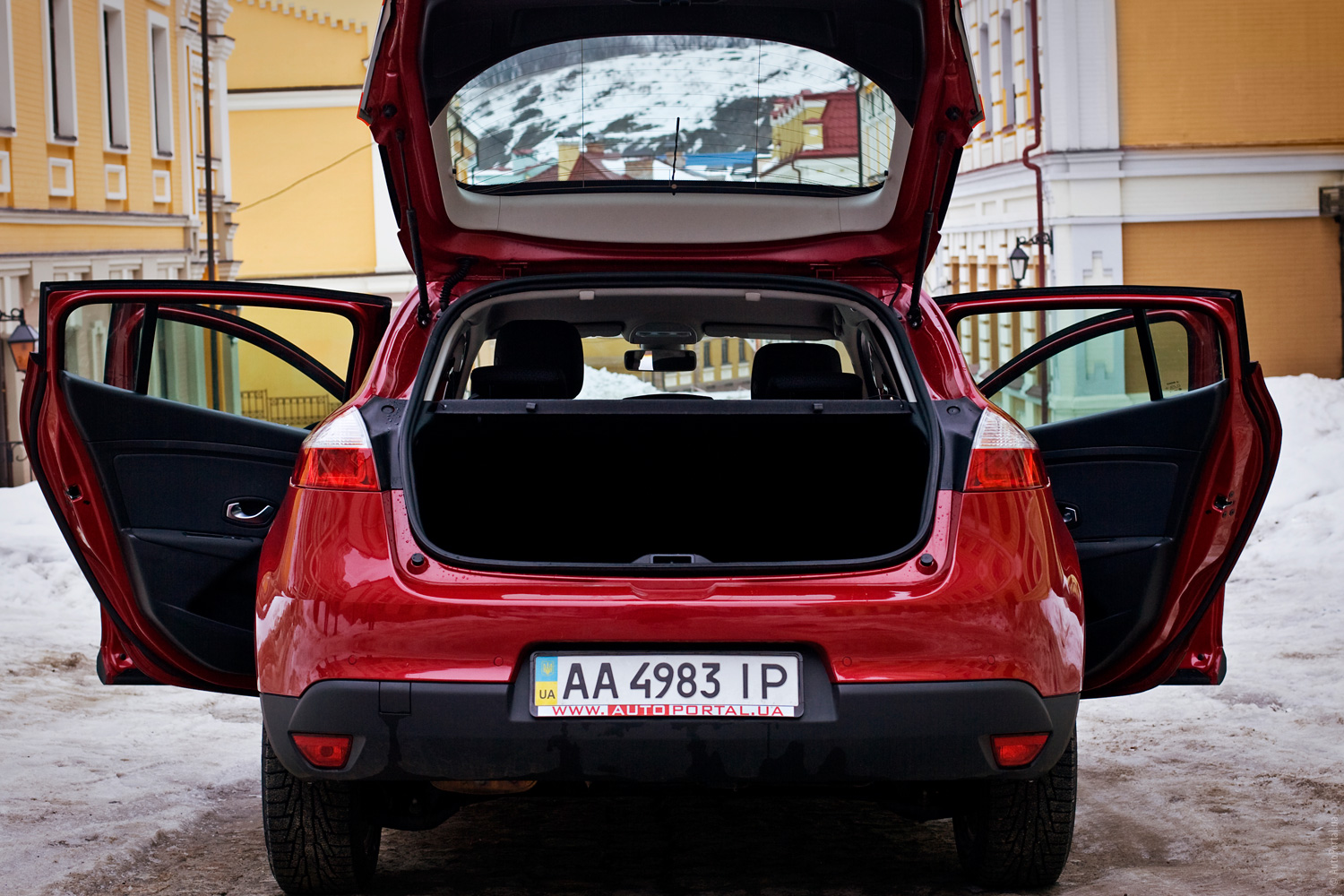
The trunk is quite spacious, and the spare tire doesn't eat up useful volume because it's hidden under the floor, closer to the road.
But in rainy weather, to open the fifth door without getting your hands dirty, you'll have to try hard: the handle is not very well placed. And the gaps between the tailgate and the body could be narrower.
Safe Comfort
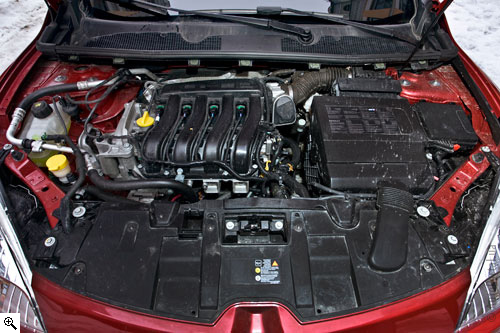
Under the hood of our test Megane is the familiar 1.6-liter engine from the previous generation, producing 110 horsepower, paired with a five-speed manual.
The trim level is mid-range, Confort, supplemented with parking sensors, cruise control, heated seats, and a couple more options. The only thing missing is the stability control system. In this configuration, the car costs 186,900 hryvnias.
As befits a modern Renault, the engine starts keylessly, via a button, using the proprietary card.
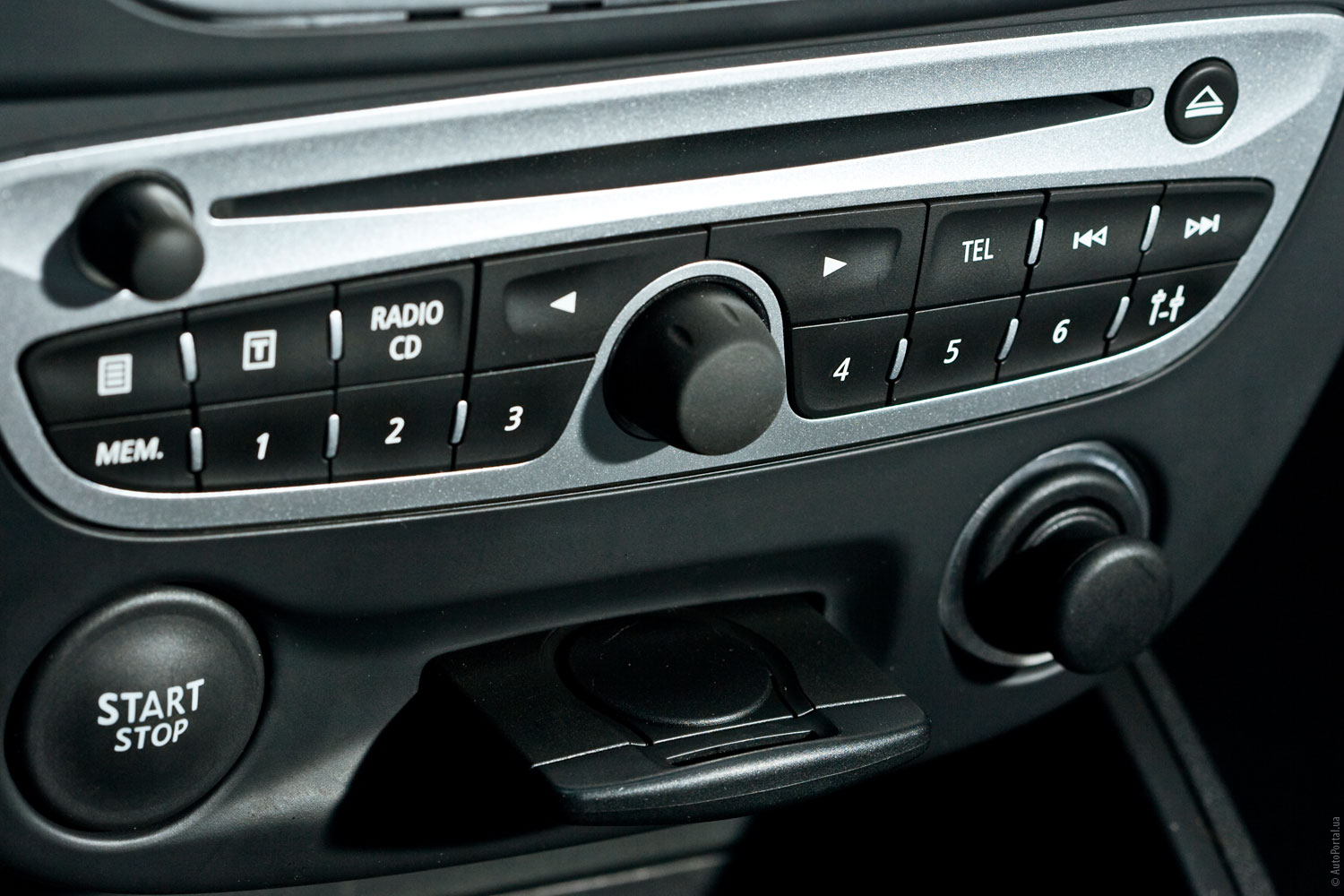
The electronics are smart: the engine won't start until the clutch is pressed, if a gear is engaged — to prevent the car from jerking. In neutral, you need to press the brake. In short, all possible starting errors are already anticipated.
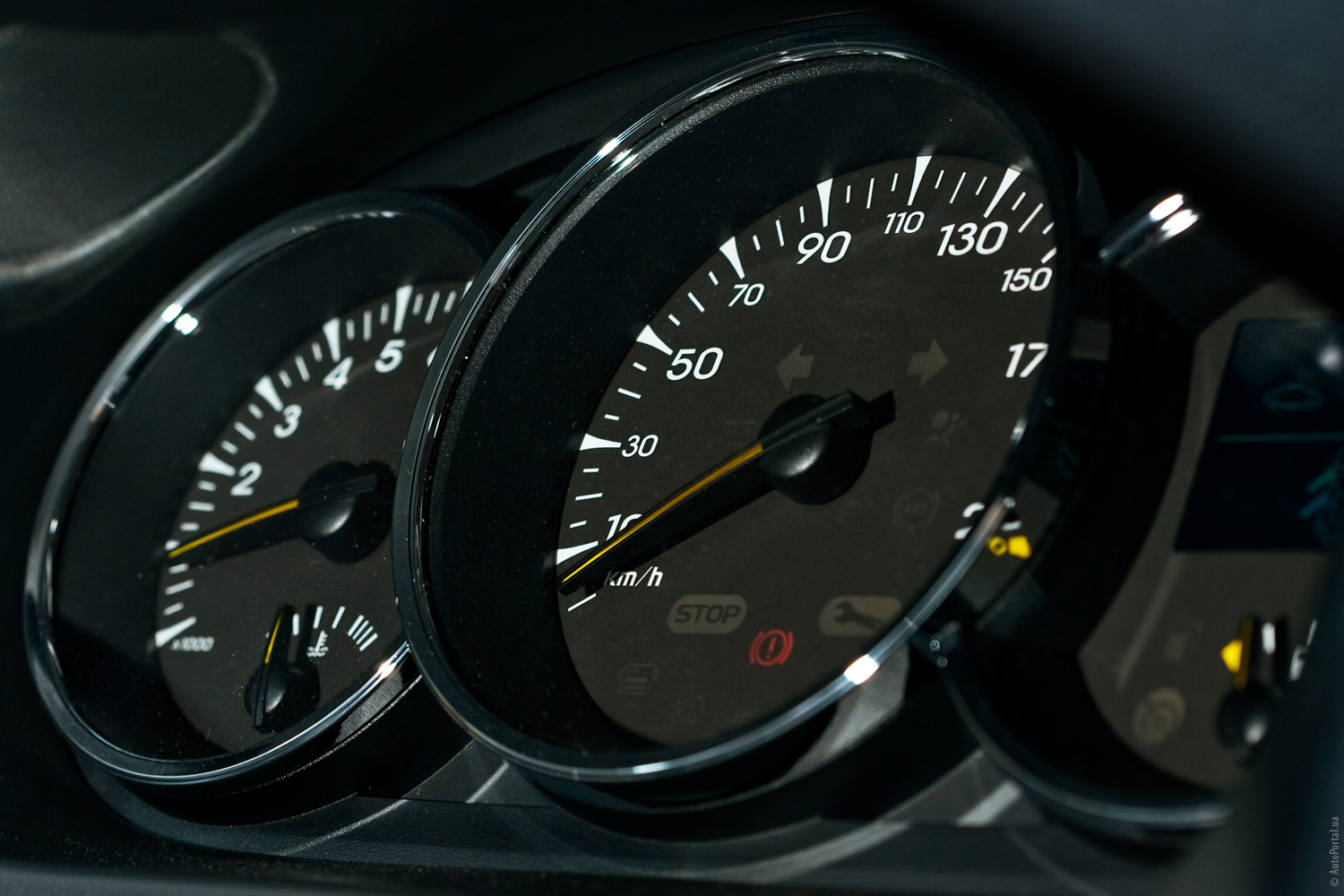
The engine is almost inaudible in the cabin — at idle it doesn't make a sound at all. Interestingly, if you stall when starting, there won't be the usual jolts. Only the tachometer needle dropping down will tell you the engine has stalled.
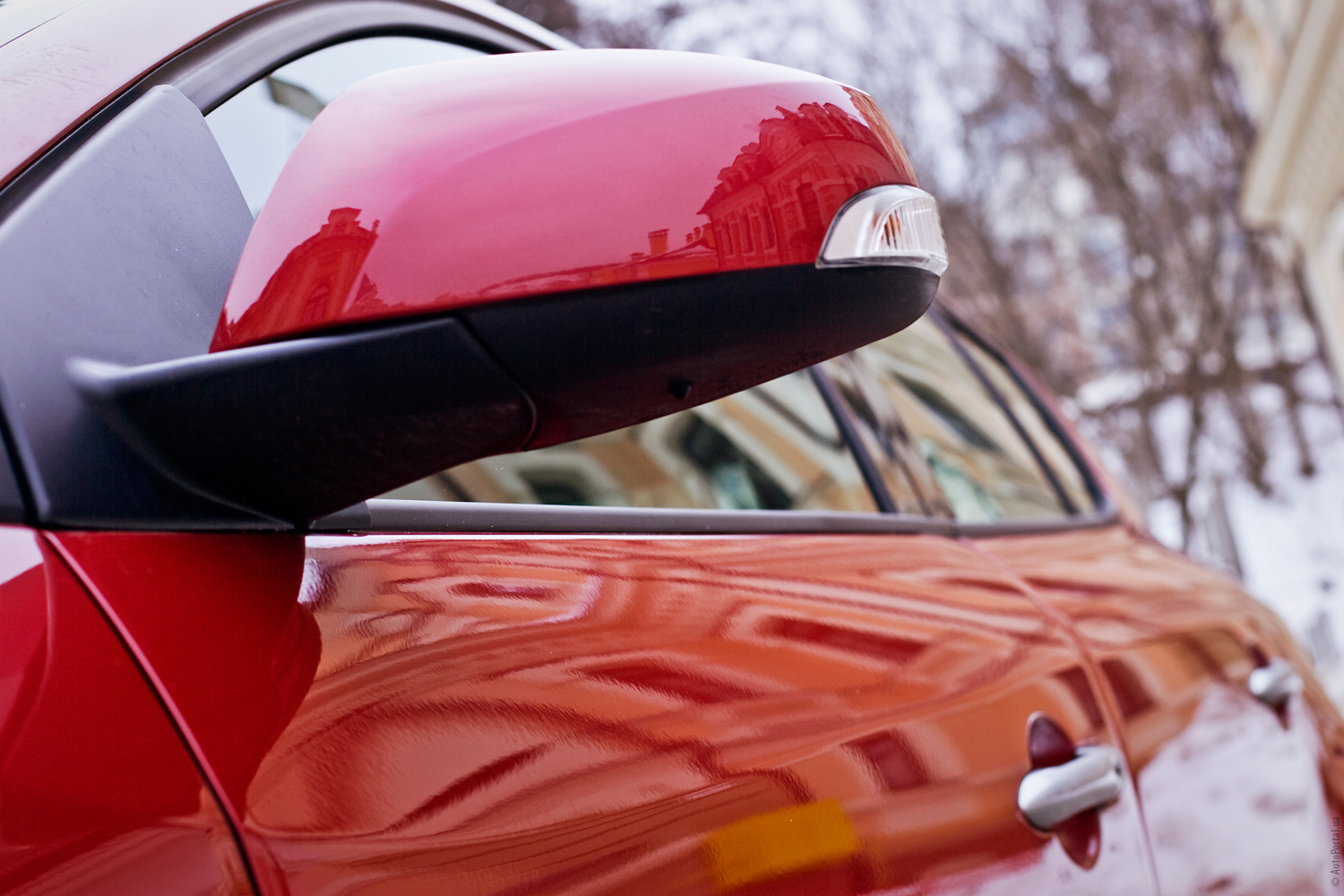
The large side mirrors show perfectly what's happening behind. The heavily raked glass of the fifth door hardly obstructs the view through the interior mirror. However, the front pillars could be thinner, but then the Megane wouldn't have its five stars in crash tests.
But what the French definitely should work on is the turn signals. Their loud "singing" isn't even drowned out by music. And a one-touch mode for lane changes would come in handy here.
Gears engage crisply, the lever moves with short throws. The only thing that might hinder comfortable shifting is a bottle in the cupholder, which is located right behind the gearshift lever.
The steering wheel, which can be turned with one finger when parking, fills with pleasant heaviness at speed. But it still lacks a bit of feedback, as well as leather upholstery.
The suspension is exemplary French in comfort. And on our roads, it also works quietly, which is a rarity for modern cars.
C'est la vie*
Even though the new Megane lacks an avant-garde appearance, it looks bright against most competitors. The Frenchman's equipment doesn't lag behind, and the comfortable suspension seems made for our roads.
Moreover, the price — from 156,000 hryvnias — is quite acceptable, especially when you remember how much Korean classmates cost. So the third attempt to win over the Ukrainian buyer may well succeed.
But the new Megane shouldn't expect an easy life. The previous generation was mostly bought here as a sedan. And hatchbacks, especially French ones, are still treated more coolly in Ukraine than in Europe.
Pros:
- Comfortable suspension
- Ease of handling
- Good sound insulation
Cons:
- Loud turn signals
- Gaps between body panels
- Cupholder next to the gearshift lever
We thank the company "Renault Ukraine", represented by Anna Sibekina, for providing the car for the test.
* C'est la vie — such is life (trans. from French)