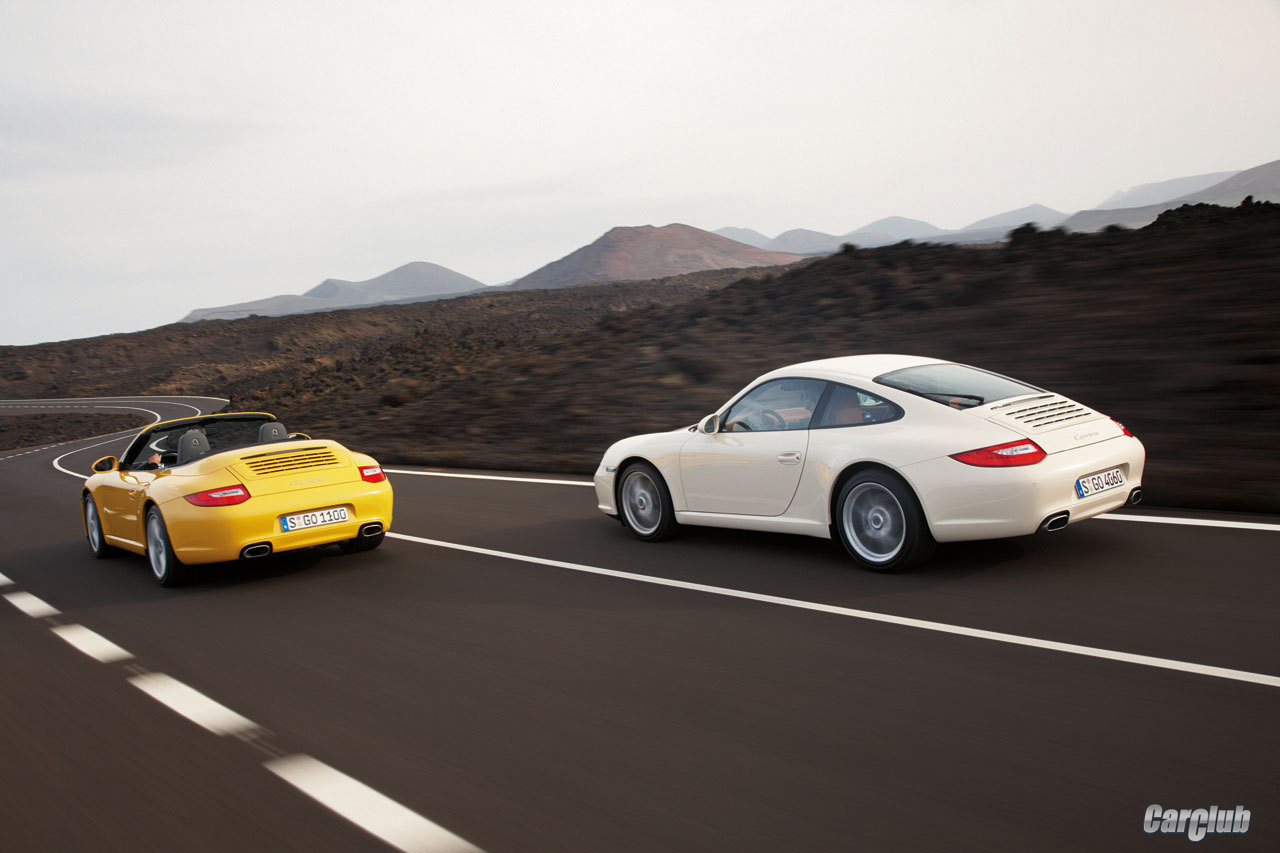
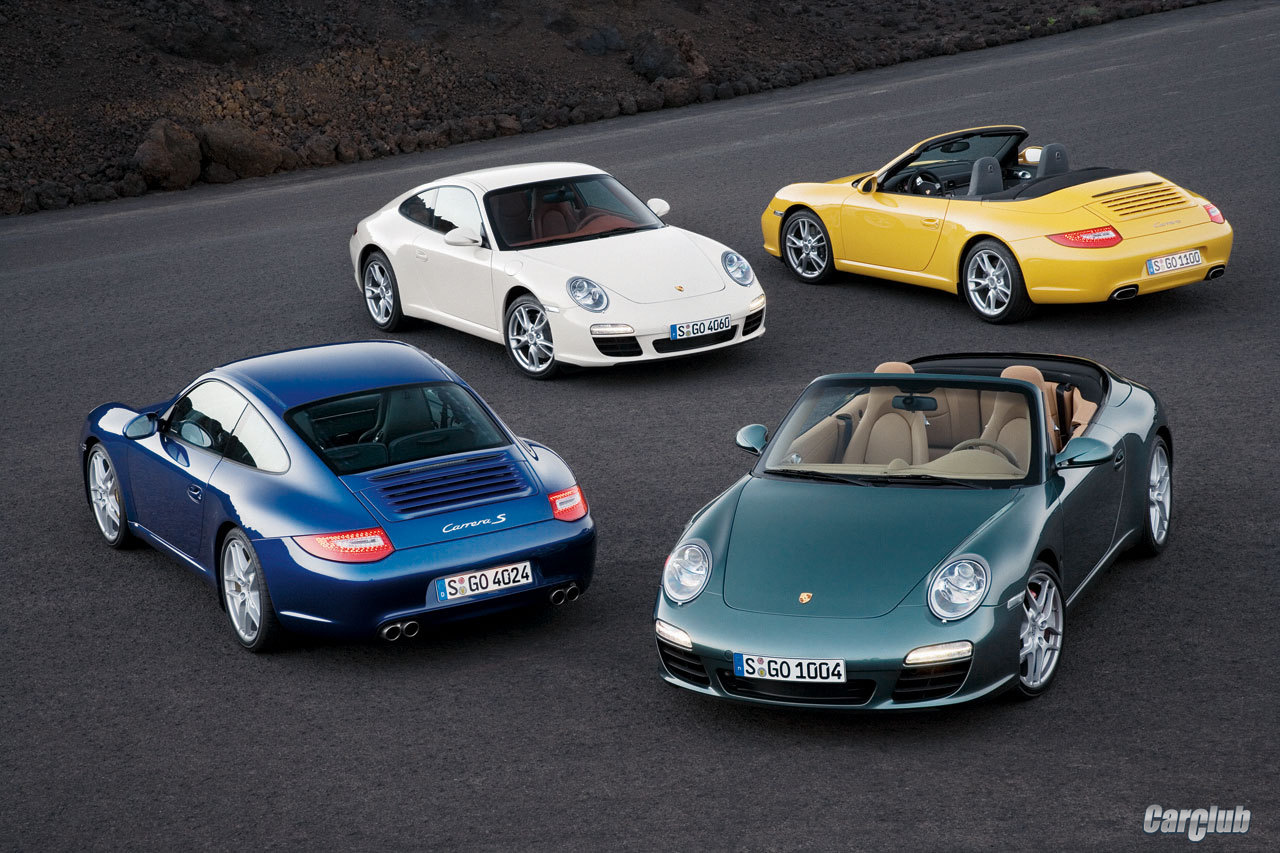
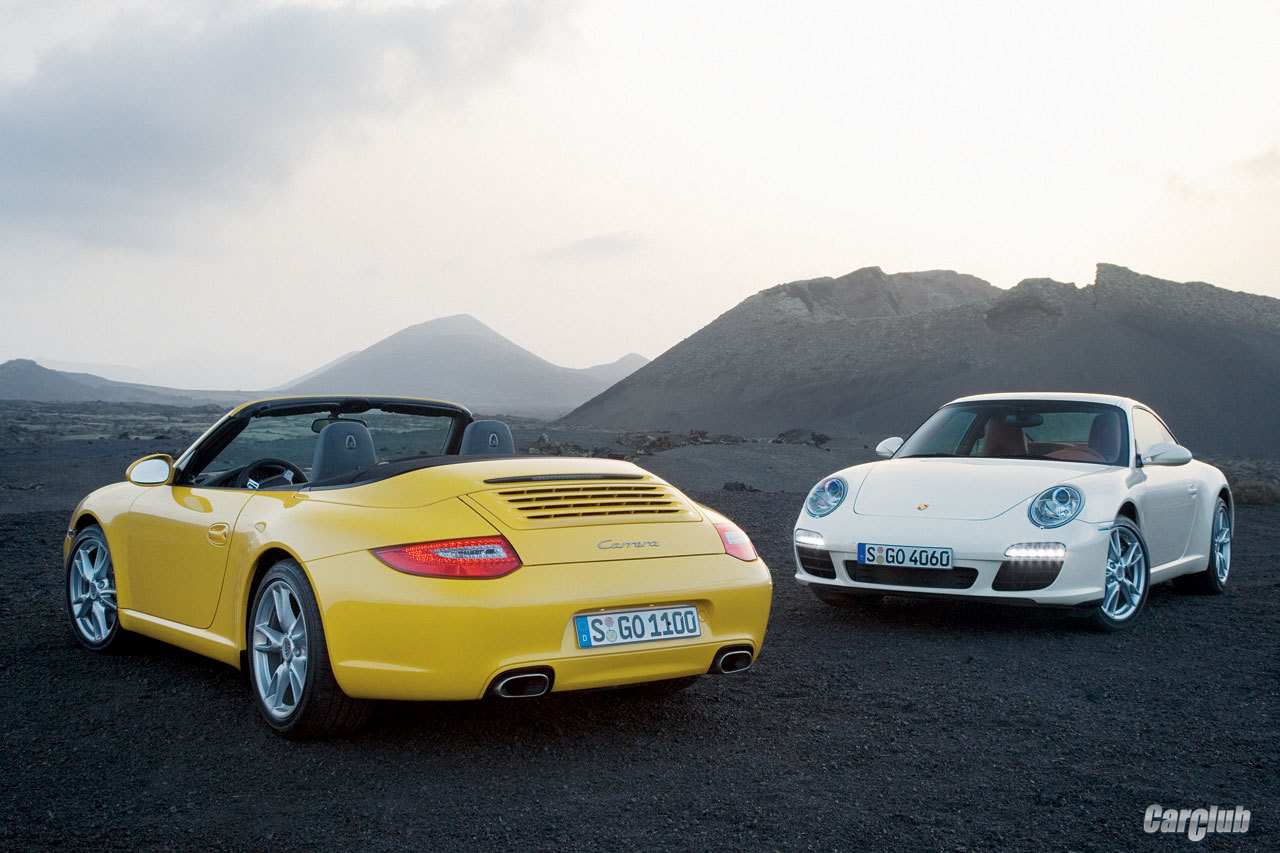
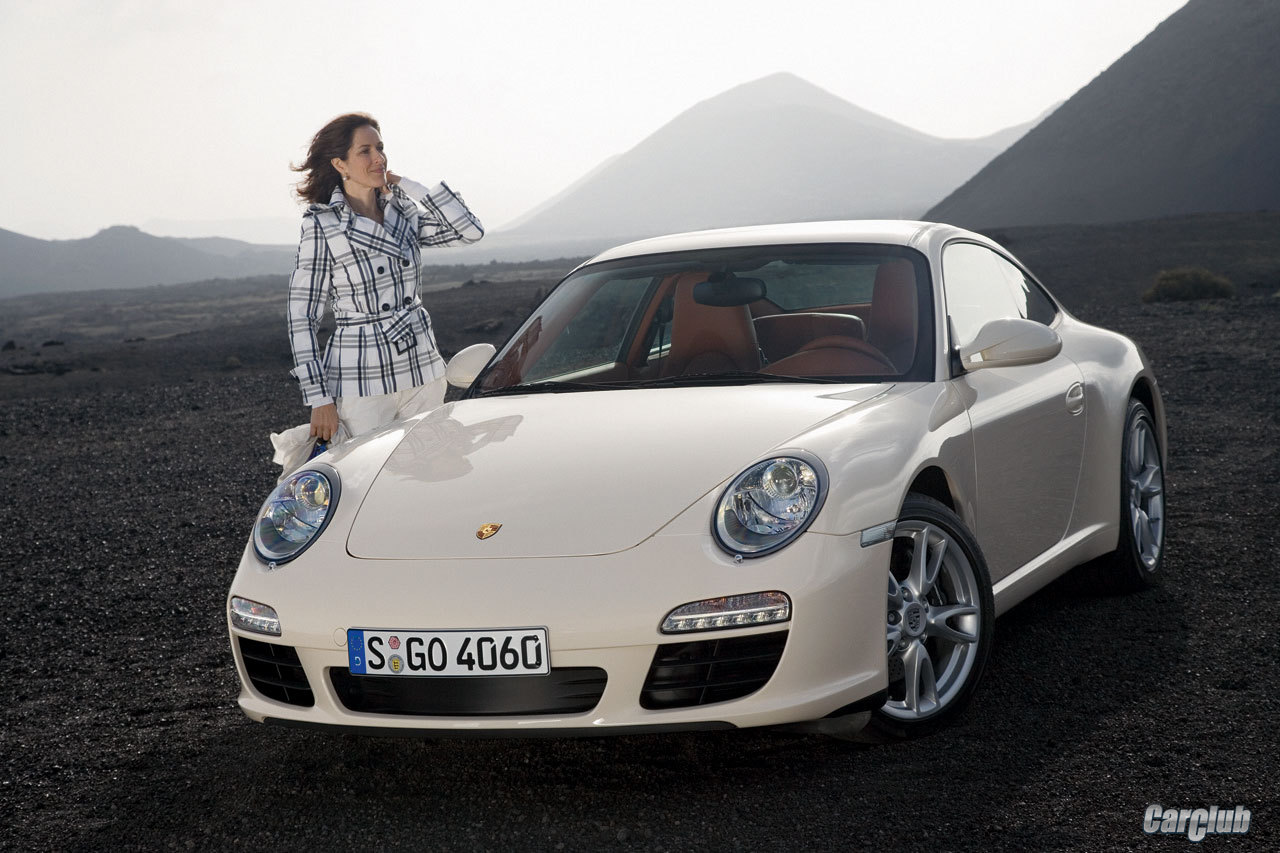
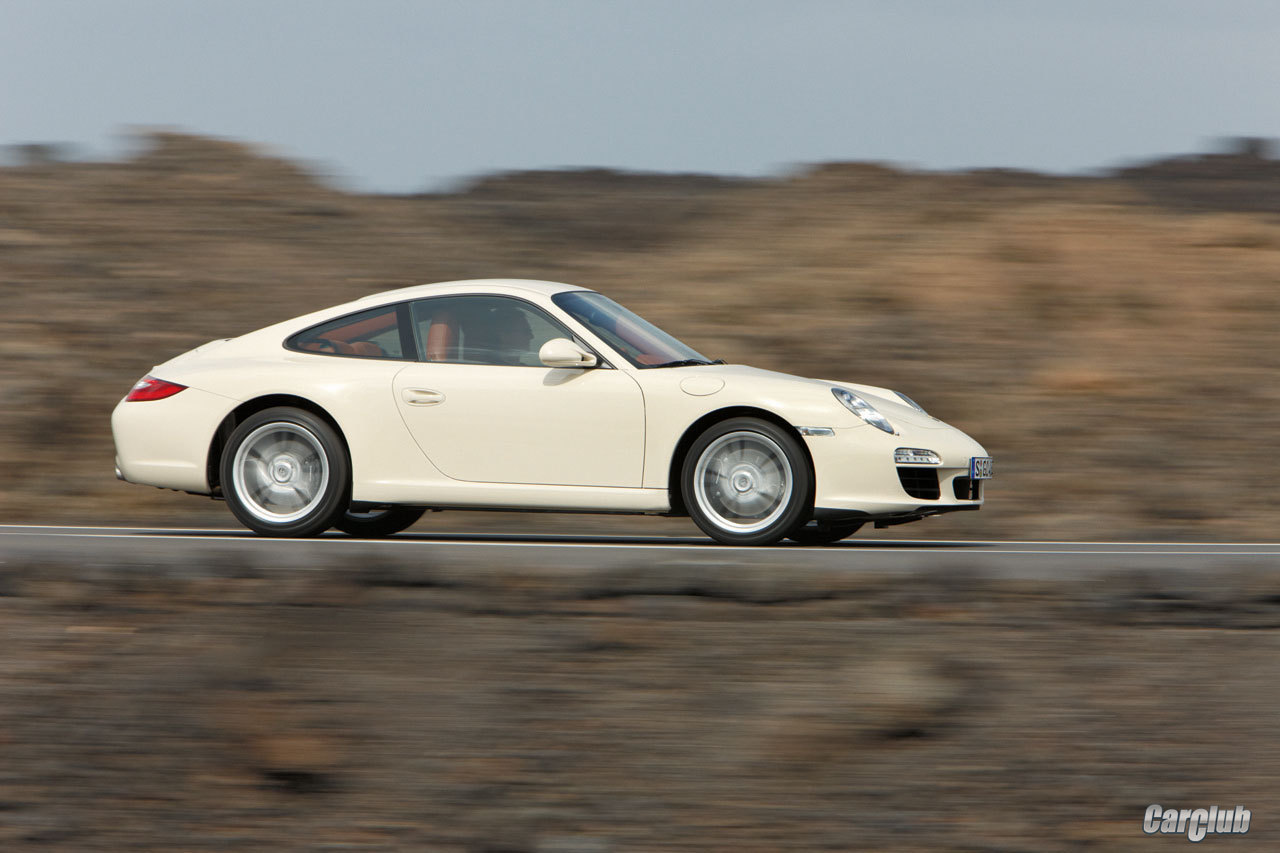
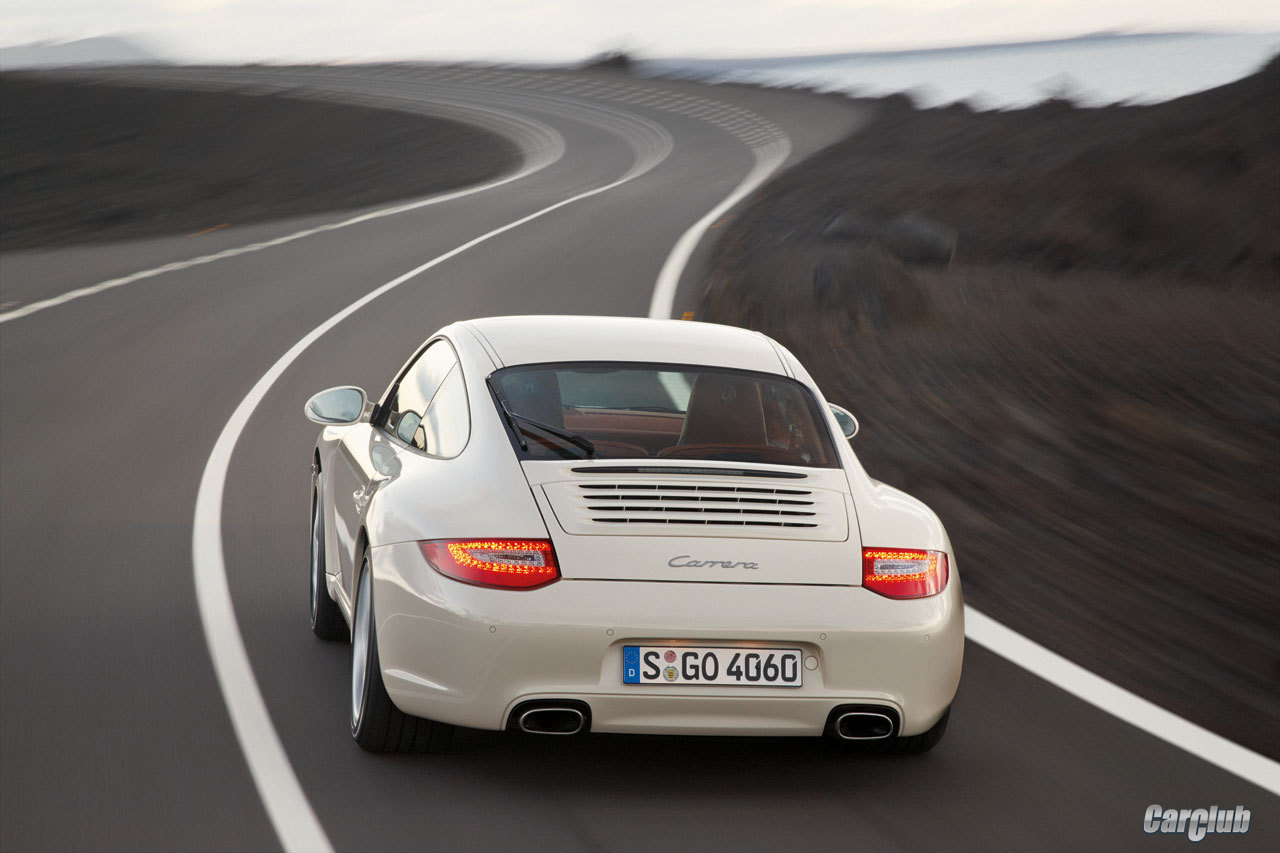
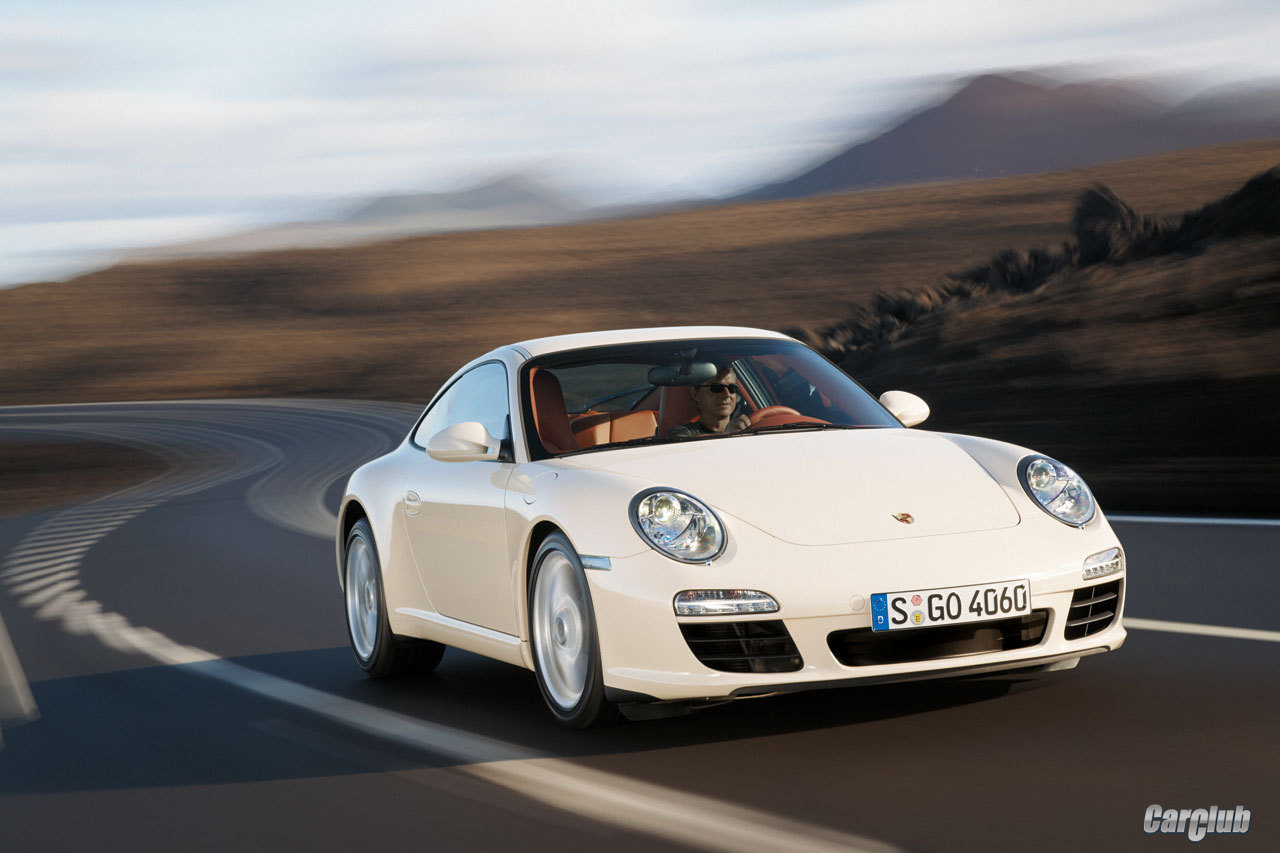
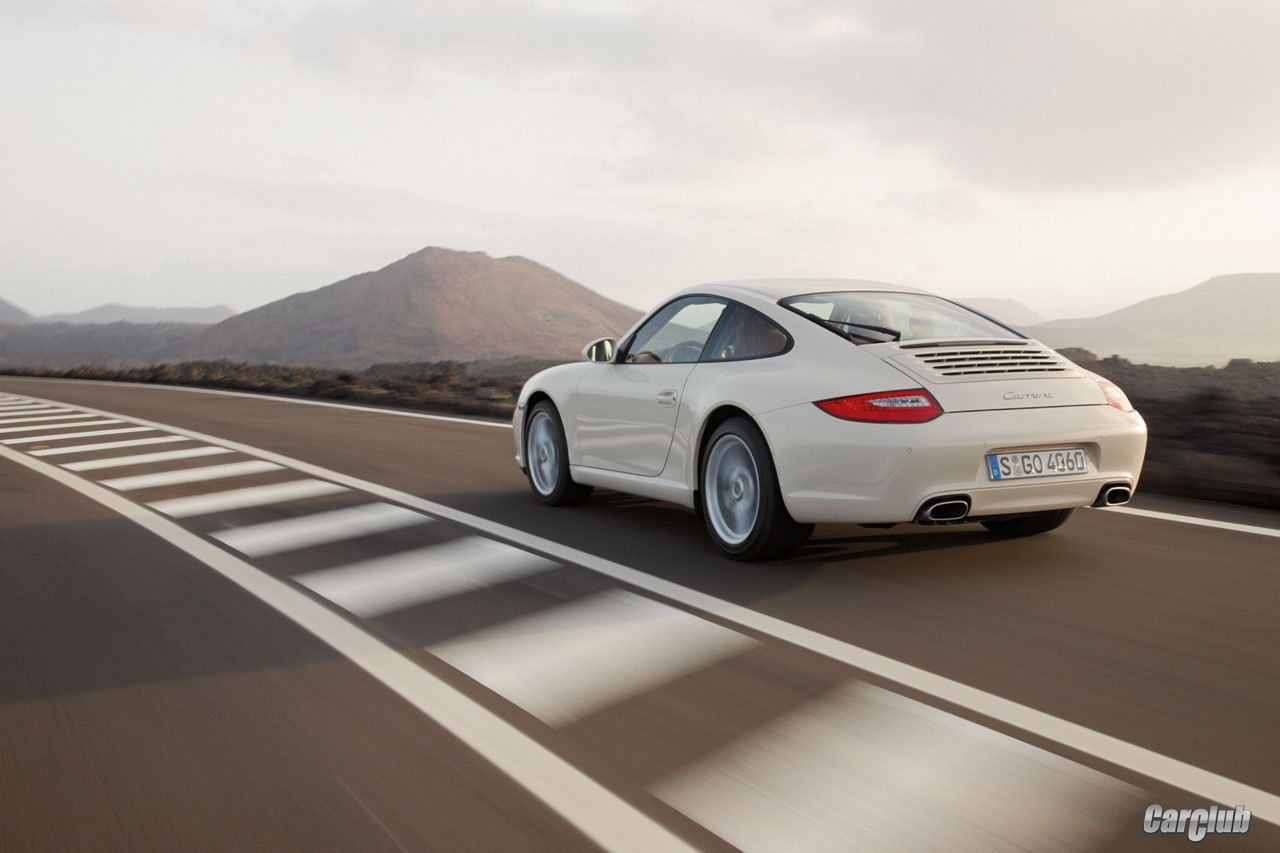
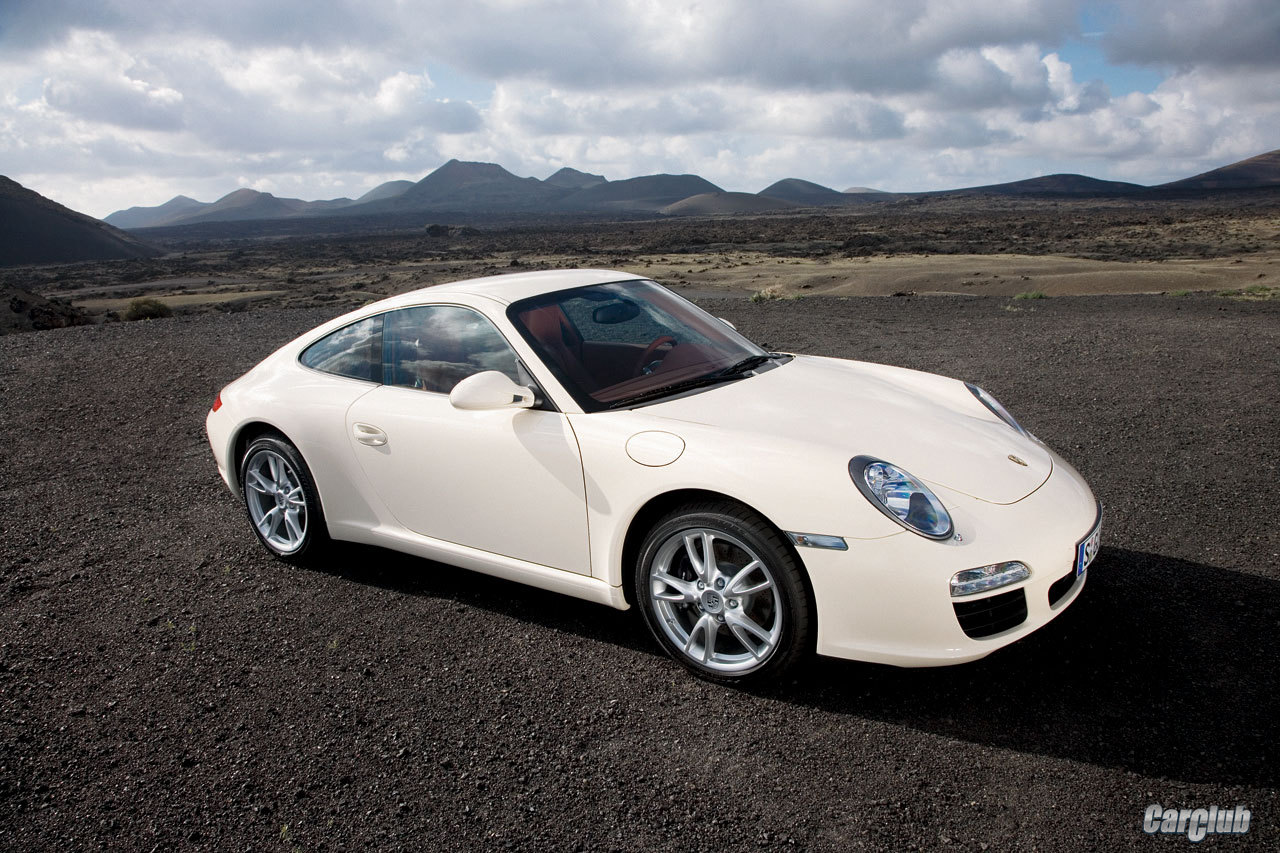
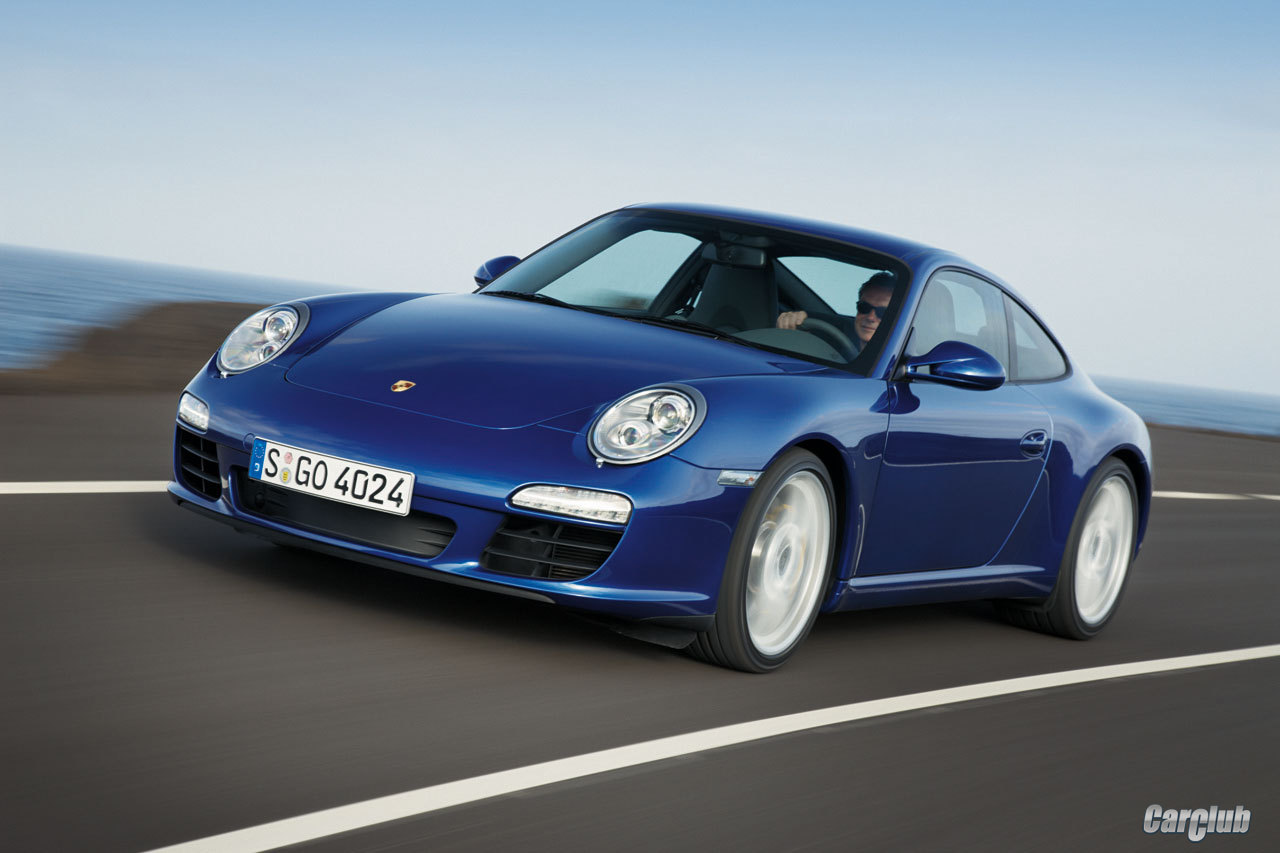
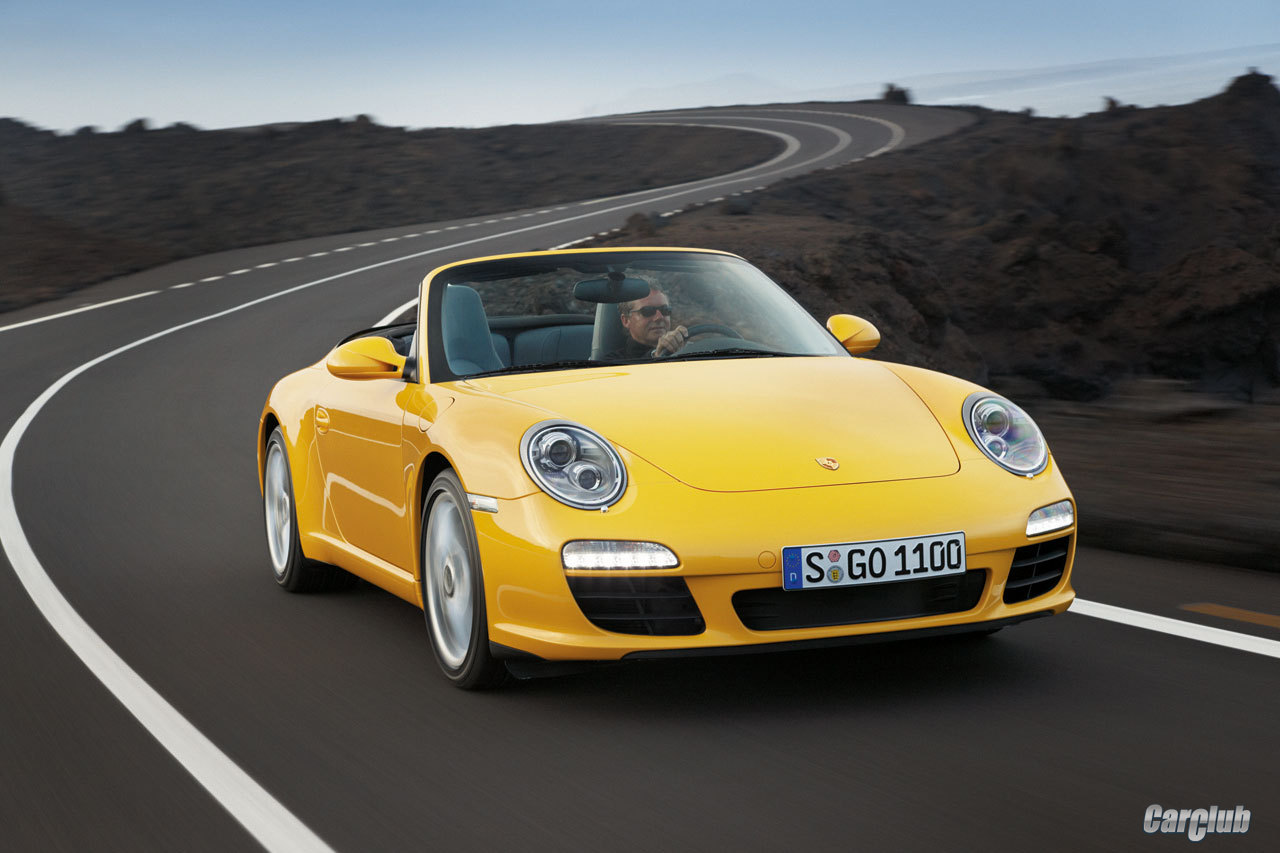
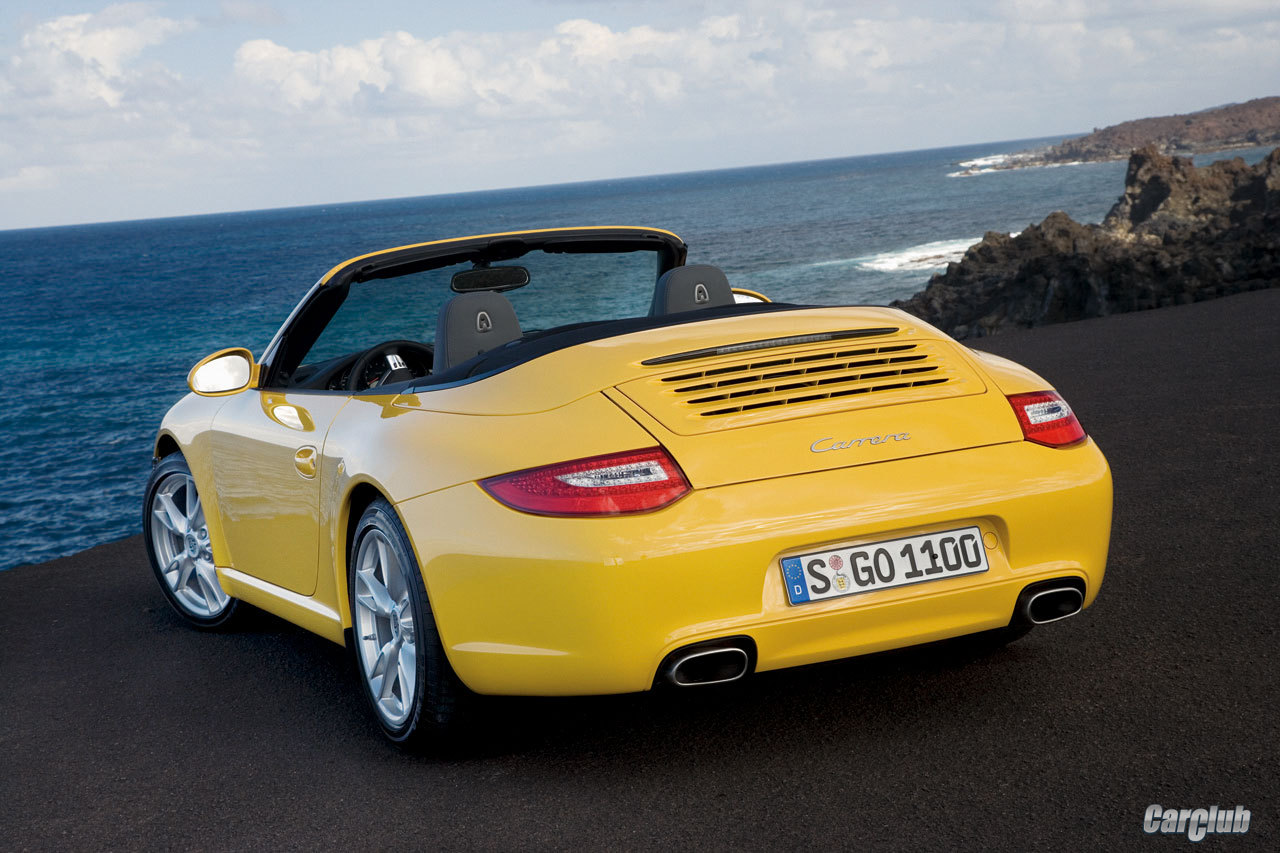
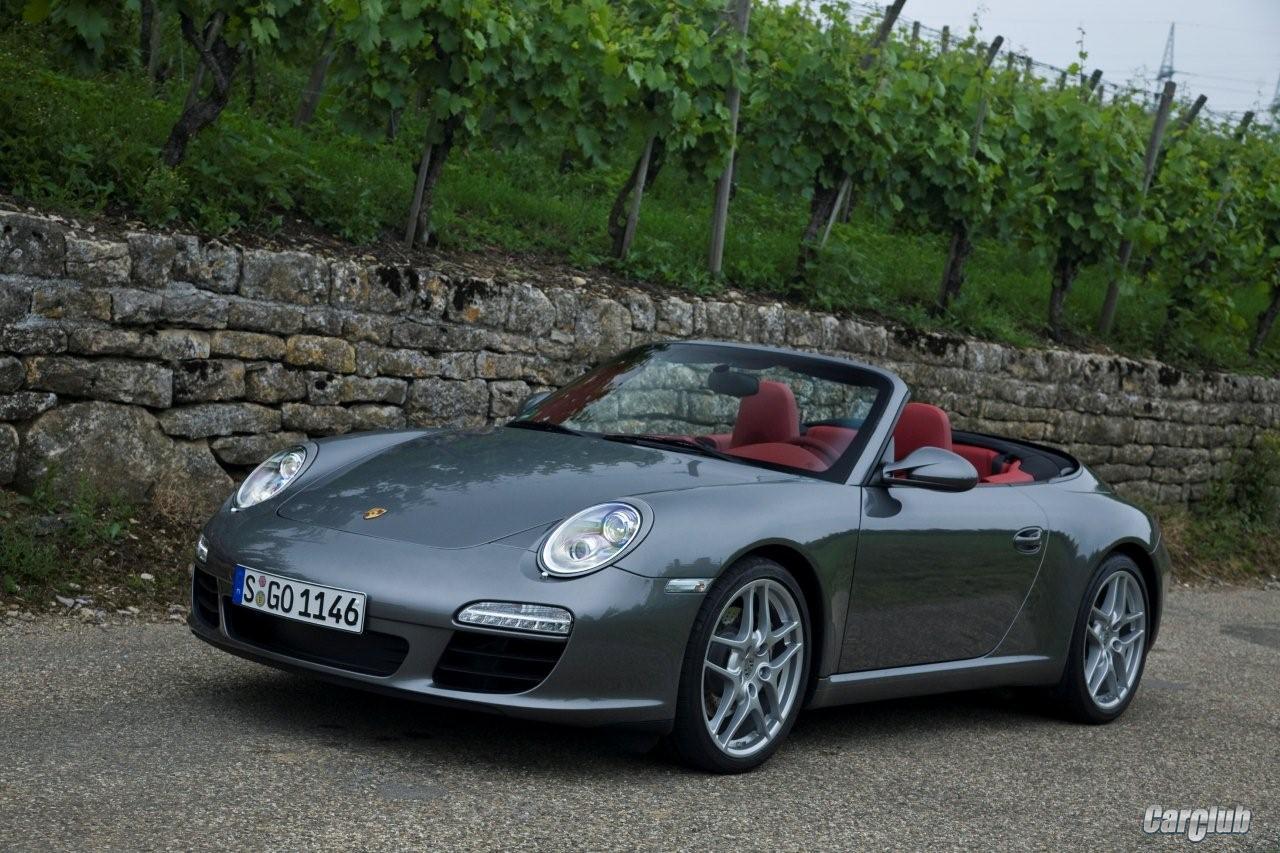
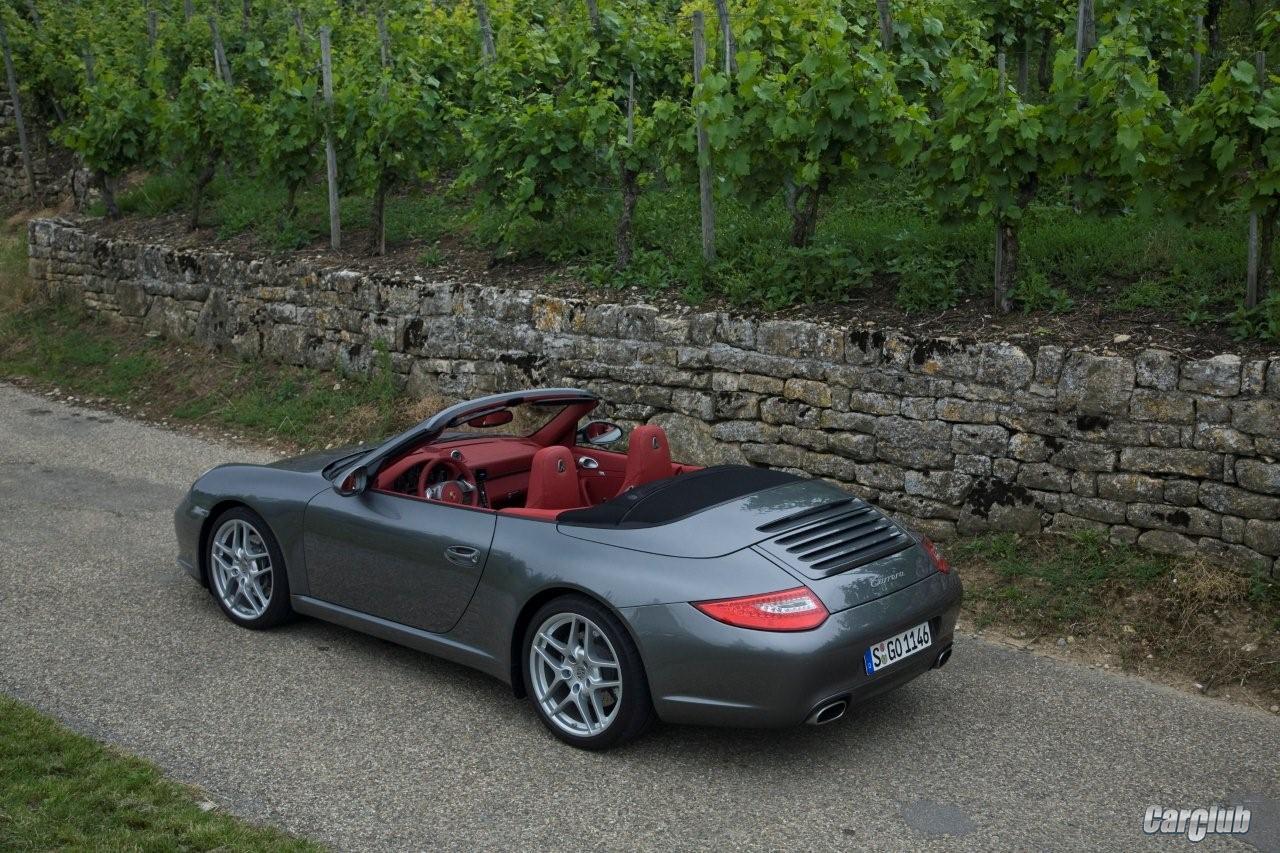
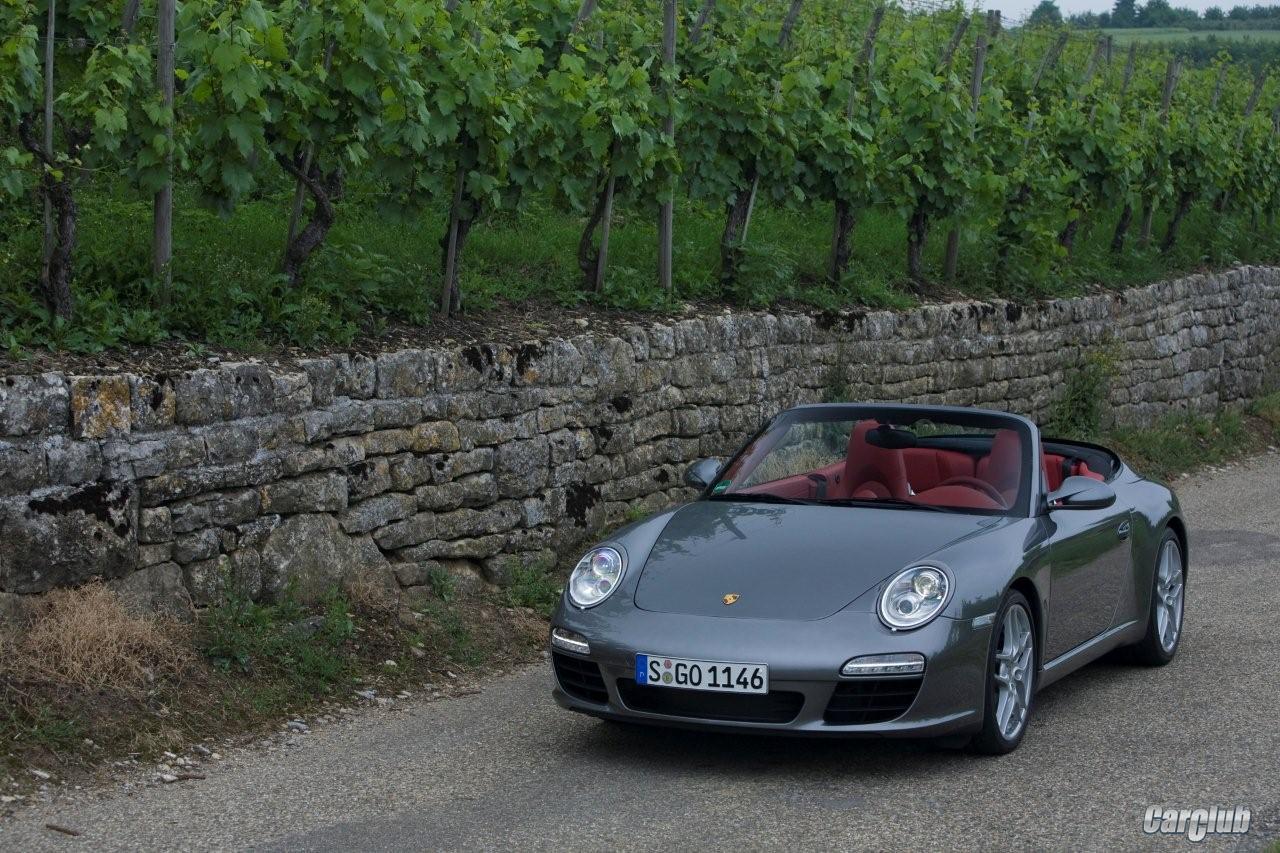
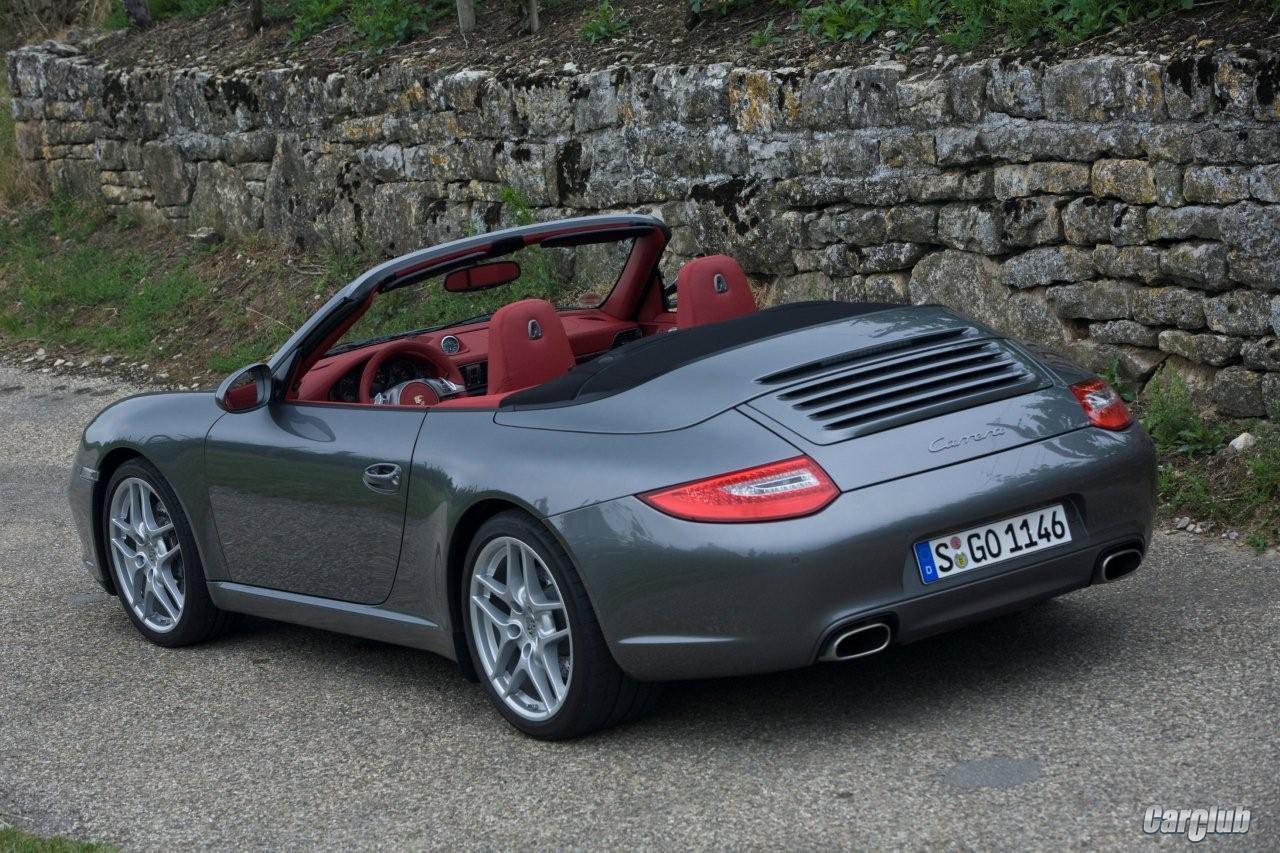
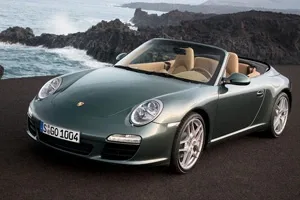
Reports about the 911 facelift appeared unexpectedly. The last generation 997 has been produced since 2004, and given its ageless design from 40 years ago, we didn't expect a facelift. Why would Duncan Macleod need a facelift? But for all its 40 years, the 911, like the Highlander, travels around the world, competes in races, and withstands strong rivals that become more skillful and perfect year after year. So Porsche had to think not about appearance, but about its own technology. No, it's already very good, but it can be made even better. This principle is what helps Porsche consistently hold the palm in the segment of everyday sports cars. Many try to wedge in, from Audi TT to Nissan GT-R, but the 911 remains the best-selling and absolutely unreachable for competitors.
To figure out the secret of Porsche's success, and get acquainted with the new 911, we went to Stuttgart, Germany, where the 911s and engines for all other Porsches are assembled, and also visited the test track in Weissach, where, besides Porsche, engineers develop a lot of other cars. Among them are Opel Zafira, the domestic "eight" and a whole scattering of secret projects. Not every automaker can admit that its cars were refined not by its own engineers, but by the guys from Porsche. By the way, according to rumors, the income from Porsche's engineering activities is quite comparable to the profit brought by car production.
But money is money, let the misers and accountants count it, and we will study the technical part.
"Creating a new car, we, of course, made it even faster and more perfect, but paid even more attention to ecology and reducing fuel consumption", - says the press release, and it's hard not to believe it. The words "fuel consumption" and "ecology" during the press conference sounded in almost every sentence — The European Union considerably frightens automakers with its plans to introduce restrictions on the average amount of emissions across the model range, and the first to be hit is precisely Porsche. Small companies producing less than 10 thousand cars a year are promised concessions, while the Germans produce dozens of times more cars, and they won't get any benefits.
Work on reducing fuel consumption was carried out on all fronts with minimal costs. The updated engines received direct fuel injection, and the traditional "automatic" gave way to the PDK (Porsche Doppelkupplung) gearbox or, in Russian, "Porsche with double clutch". In essence, it's the same gearbox used on many models of the Volkswagen concern, but now it has been adapted for higher torque. This was achieved primarily through the use of a "wet" multi-disc clutch — it increases the transmission's service life, and the oil protects the discs from overheating. To the credit of Porsche engineers, it can be said that they invented the dual-clutch transmission – PDK debuted back in 1983 on the Porsche 956 sports prototype of Group C.
In total, the official fuel consumption of the new Porsche 911 Carrera with PDK is only 9.8 liters per 100 km — this is less than many mid-class cars with conventional "automatics", not to mention sports cars.
But this is still dry theory that requires proof, and my first acquaintance with the new Porsche 911 begins with... the passenger seat, but on the race track in Weissach, on the territory of the
Porsche engineering and technical center. The track combines the most
treacherous corners of various race tracks, and test drivers seem to know them all by heart. Otherwise, how can you constantly look at the road through the side window when the car is sliding, on a track that is fenced on all sides by a high fence and lacks safety zones. Driving a Porsche this way is a particularly perverted form of driver's pleasure. Everyone knows that proper track driving is smooth trajectories with minimal sliding, and on a Porsche with its specific weight distribution (more than 65% falls on the rear axle), this rule is doubly true, fortunately the wheels are always heavily loaded with the weight of the engine. But
breaking the rear wheels into a slide seems to be the instructors' favorite pastime, and for this you don't need to press the gas hard. You can simply rock the steering wheel while braking, and the heavy rear will immediately make itself known. And if you also support the slide with gas... The
negative camber of the wheels also has an effect – in a
corner, the car seems to stand on the loaded rear wheel and continues to accelerate on it alone. A strange feeling and therefore very exciting and awe-inspiring.
Ferdinand Porsche Sr. built his first Porsche on the basis of the rear-engined "Beetle", but for better weight distribution turned the engine into the cabin. However, there was little space in the cabin, and on the second model the engine returned behind the rear axle. Over the years, this layout has completely outlived itself — now no one makes rear-engined cars (except "Smart") and certainly no one enters them in races. Meanwhile, Porsche managed not only to preserve production, polishing the design to a shine, but also to make the whole world respect their own eccentricity. It's hard to call it anything else.
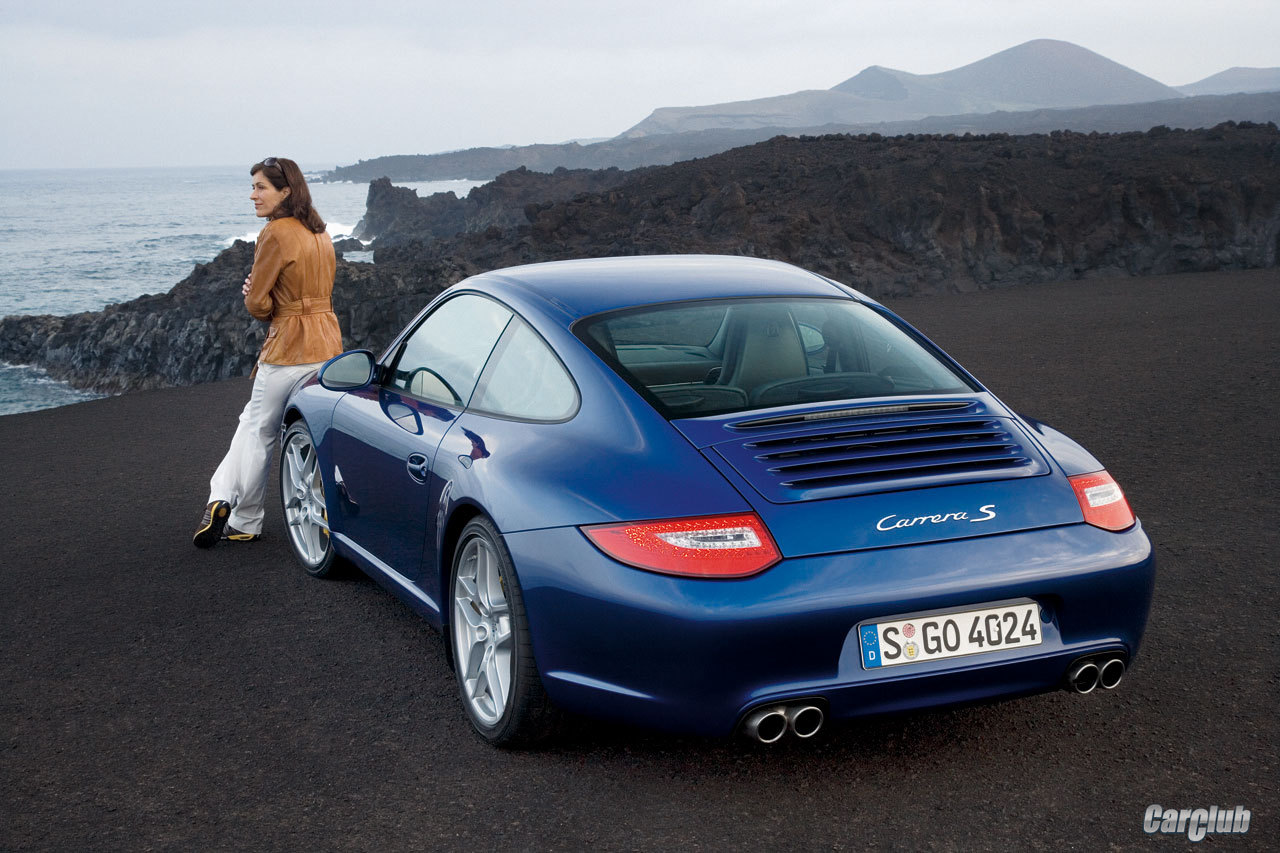
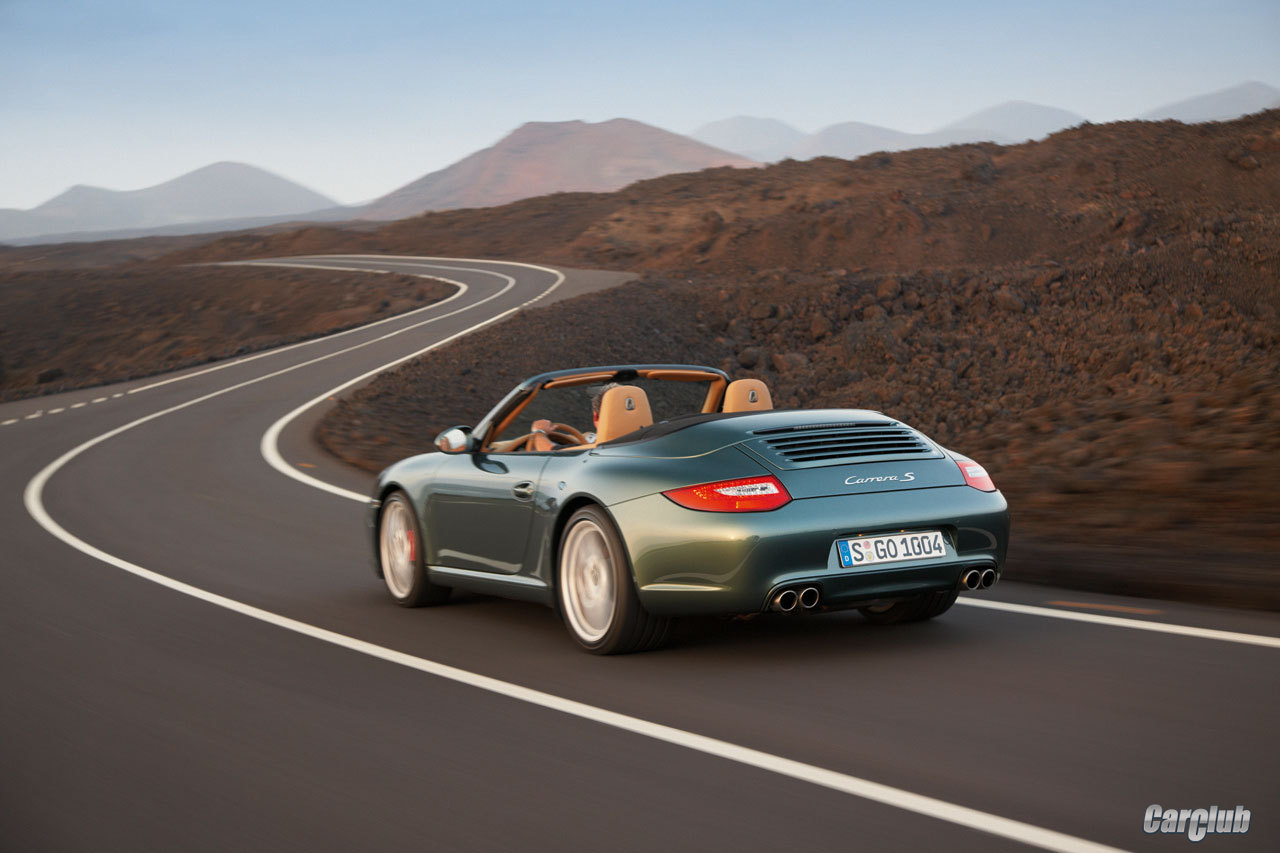
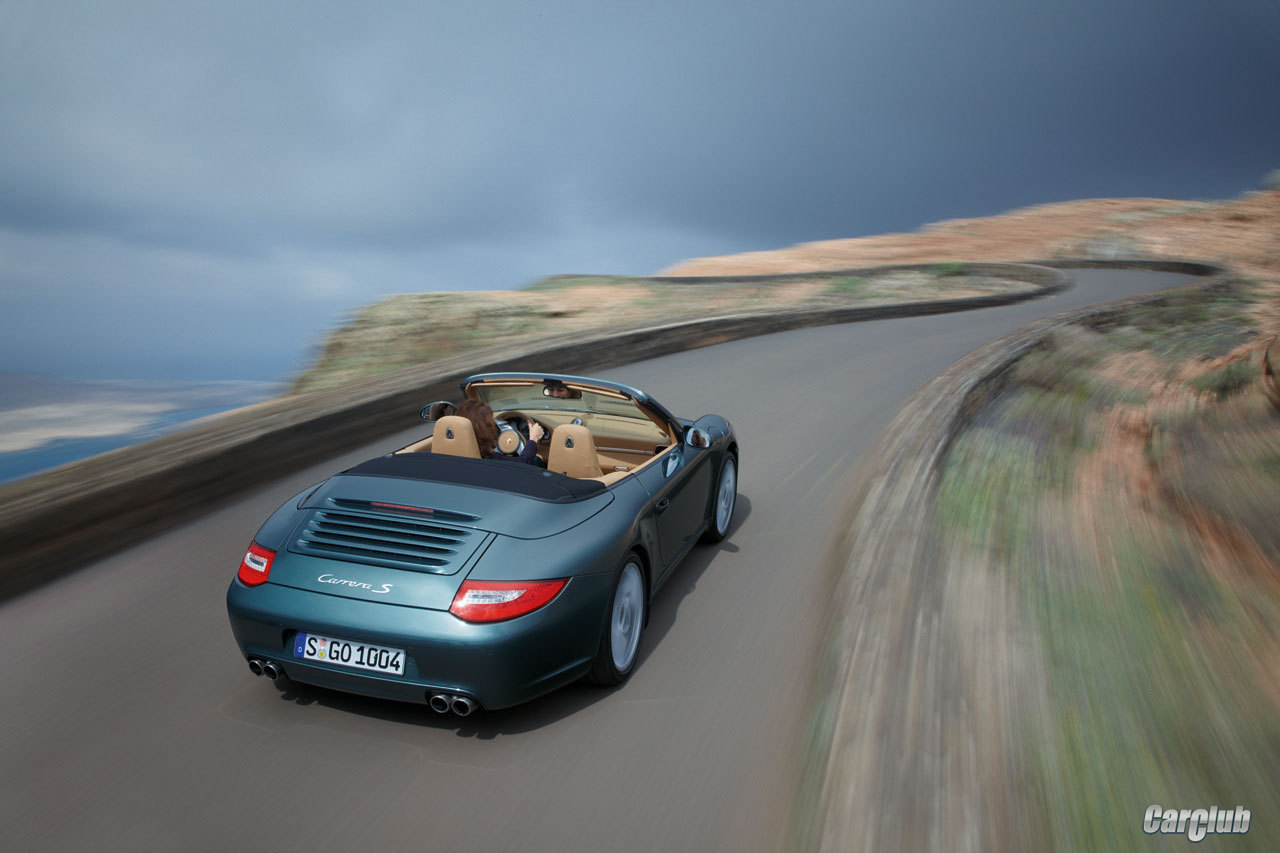
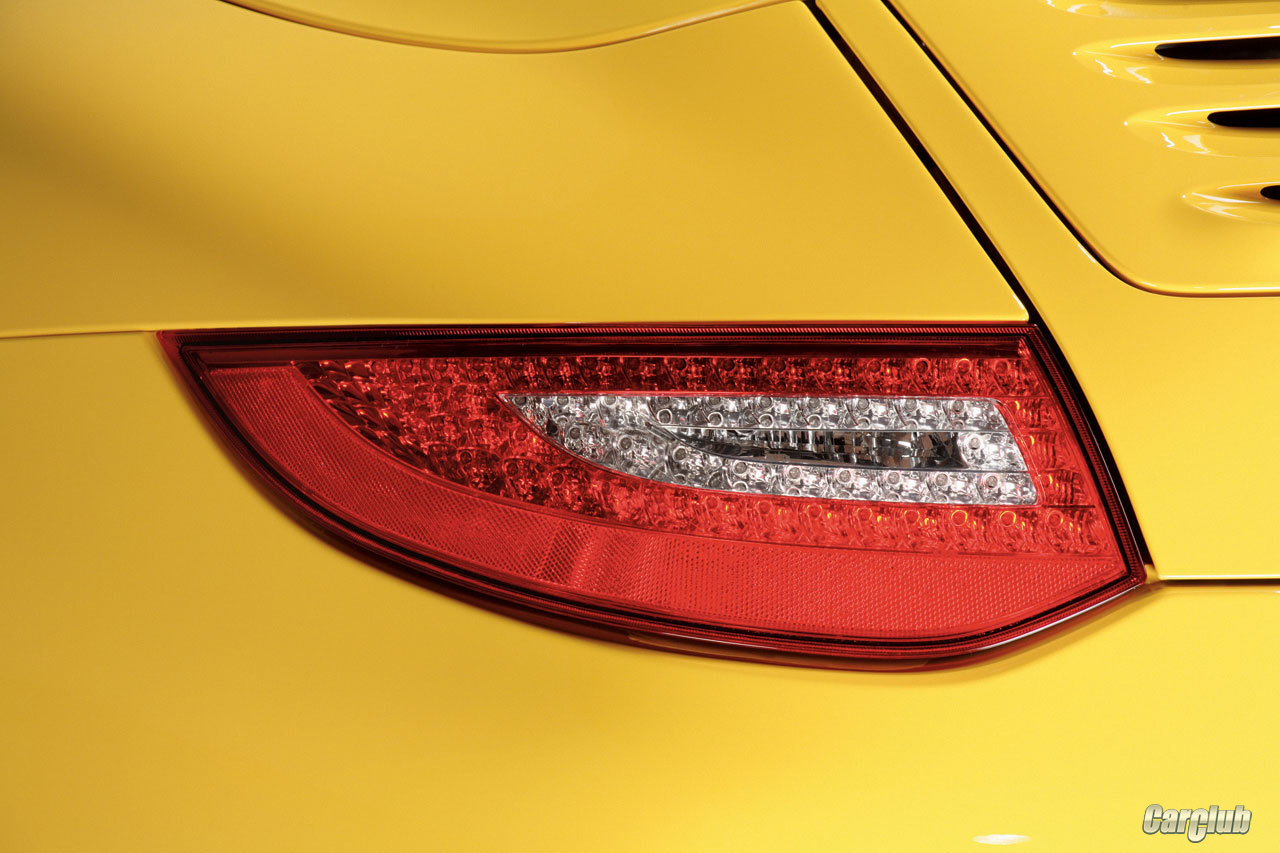
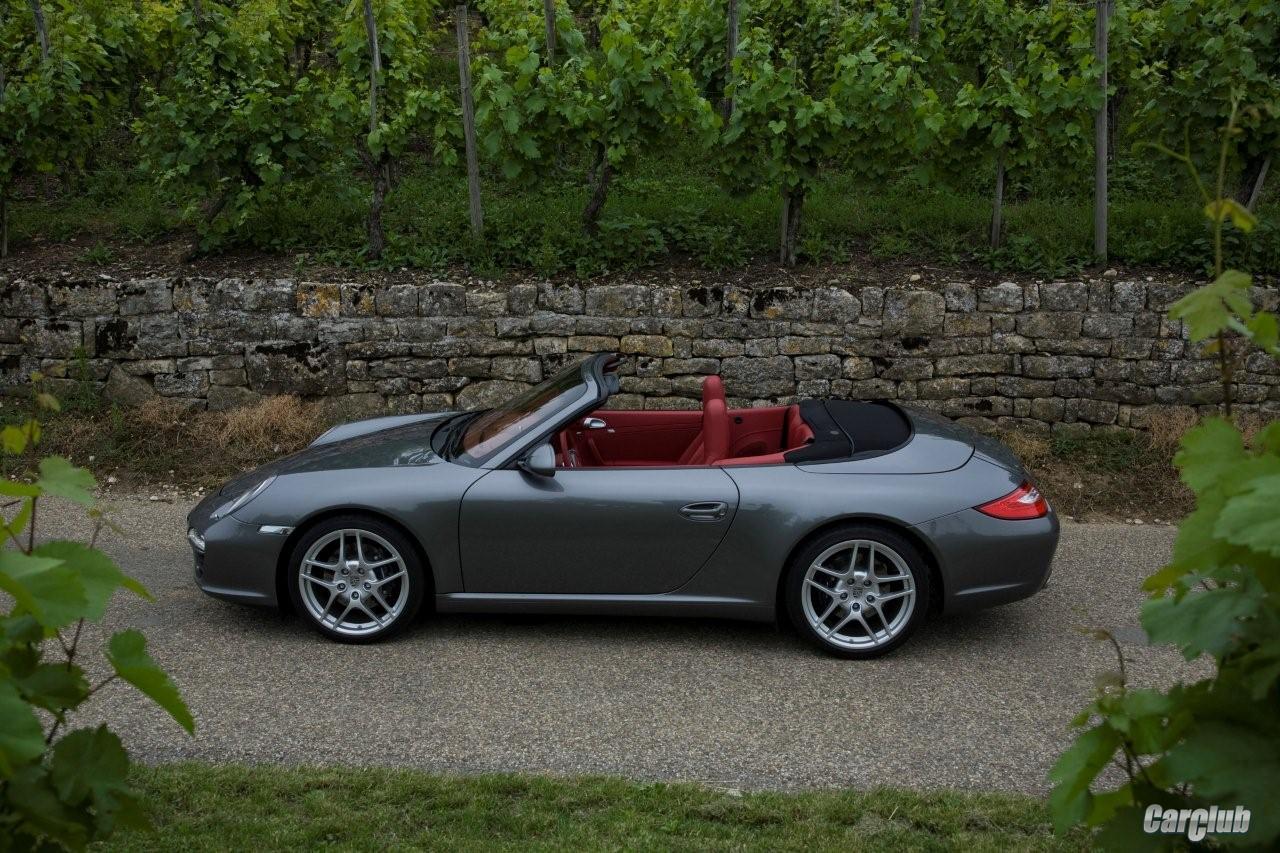
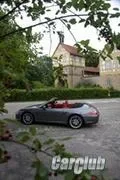
But it's one thing to feel the car while sitting in the passenger seat, and quite another to be behind the wheel. And the very next morning, I received the coveted key to the newest Porsche . I got the most expensive and most powerful of the presented versions: Carrera S Cabrio. Can it be called beautiful? Not sure. Some details, perhaps: crystal-correct headlights and rounded rear "hips" - that's unforgettable. Otherwise, it's probably already gotten old - after all, 40 years...
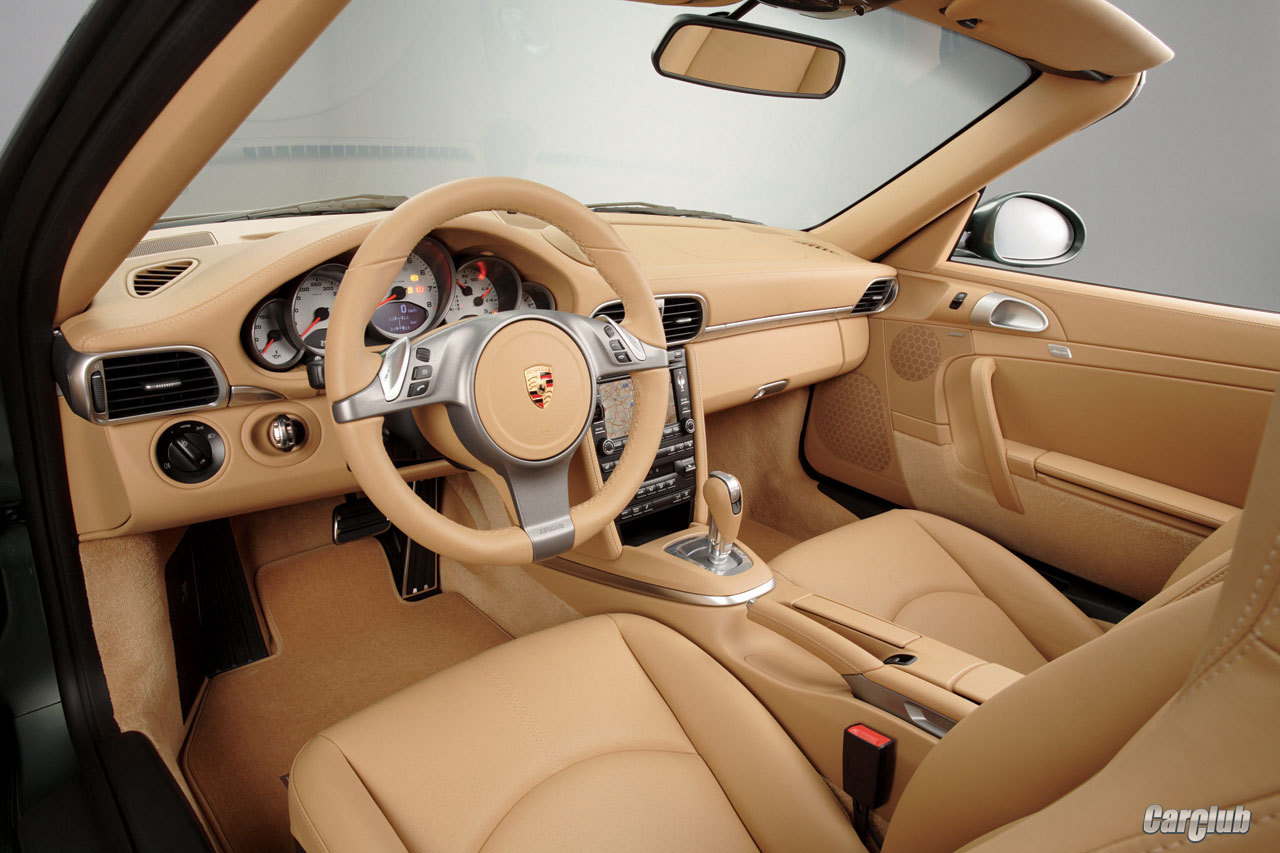
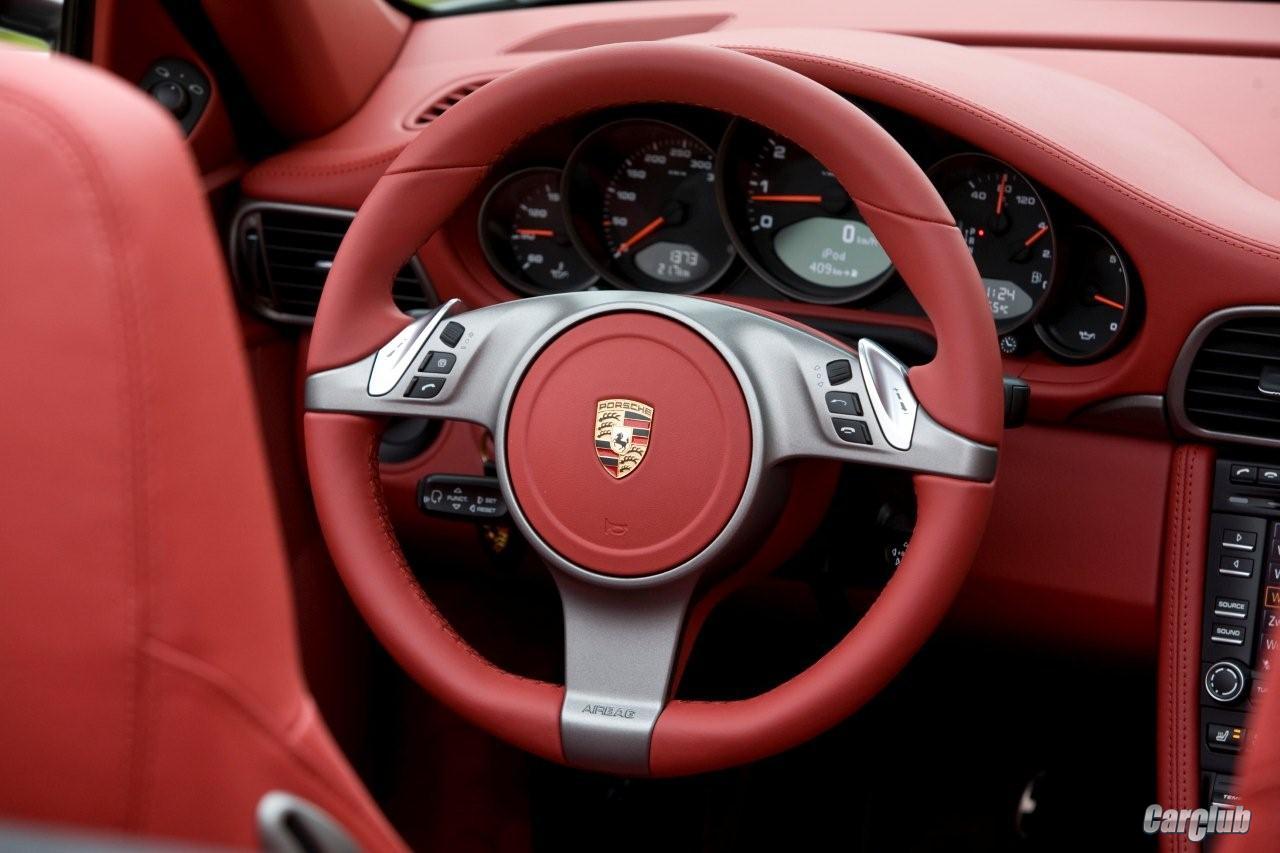
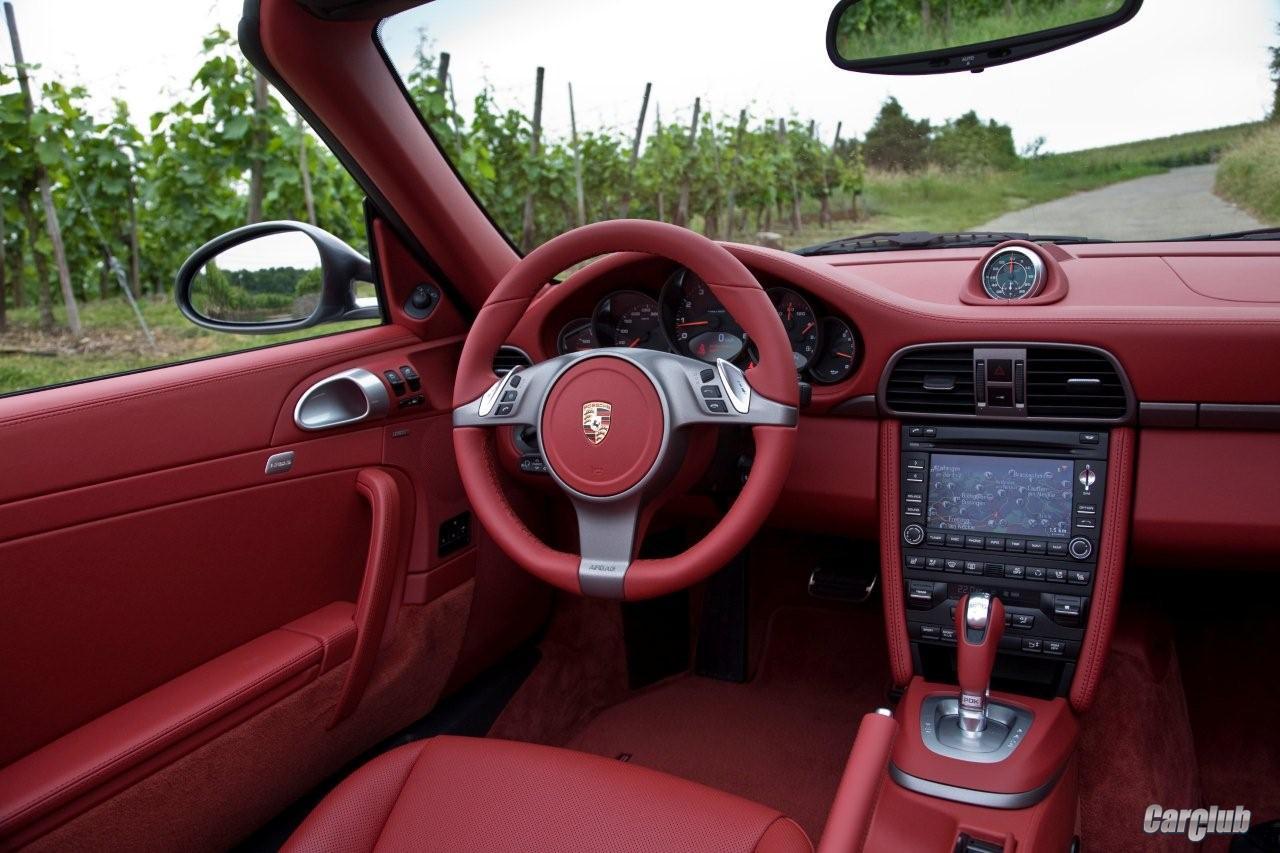
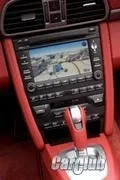
Following racing tradition, the key is inserted to the left of the steering wheel - this was important when the start was given with engines off, and drivers could start the engine with their left hand while engaging a gear with their right. This scheme reminds me more of grandfather's "Zhiguli", but let's call it a feature. The PDK selector moves with the precision of a rifle bolt, which, combined with the bass-hissing sound of the engine behind, sets a fighting mood. The seating position seemed suboptimal to me - I wanted to take the steering wheel even more. But the seats are beyond praise.
Having created a new gearbox, Porsche also changed the gear shift algorithm on the steering wheel - now these are two identical keys on the spokes. Forward - next gear, pull - shift down. Having figured out the controls, I slowly pull out of the parking lot and look for a free straight - I want to test the Launch Control automatic start system myself. I understand with my head that this is abuse of the car, but how sweetly this acceleration intoxicates - 4.3 seconds to "hundred". Here the rear engine is a benefit - wheel slip is minimal, and even despite the relatively modest power-to-weight ratio, the start is impressive. Further acceleration captivates with the speed of gear changes and the numbers on the electronic speedometer - there aren't that many emotions in it. The even character of the engine and linearly increasing hum allow accelerating to 250 km/h, while the vestibular system estimates the speed as 180 km/h. Glory to the German autobahns!
And how Porsche handles! Over 40 years, the chassis has been polished to a shine and is surprisingly compliant. The 911th gladly executes any driver command, and the informative steering wheel always tells you what's happening with the car. You lay in a steep arc - be ready for slight understeer or work in advance to shift down a couple of gears and load the driven wheels with life-giving mass. But after the nose has turned into the corner, you can press the gas boldly - it's not so easy to break the heavy rear loose.
It's a pity the test drive distance was only 100 km. Perhaps, if it were a lifetime long, it could have been boring, but for a week I would take the Porsche without the slightest hesitation.
Sometimes only the innate fuel economy of the latest 911 annoys. The stretched 7-speed transmission tends to shift to the last gear already at 60 km/h, when engine revs drop below 1500 rpm and an unpleasant vibration runs through the cabin. Accelerating in 7th gear is impossible, but a sharp press on the gas leads to a direct downshift to second, and the furious race begins again.
In theory, the dual-clutch transmission is currently the best thing invented in this field, and Porsche once again proves its ability to bring any idea to perfection. Fantastically fast operation, with high reliability and low fuel consumption - these are the three pillars on which the Porsche 911 now stands.
Leonid Pavlov
UPD: photos taken by Porsche photographer "on Location"
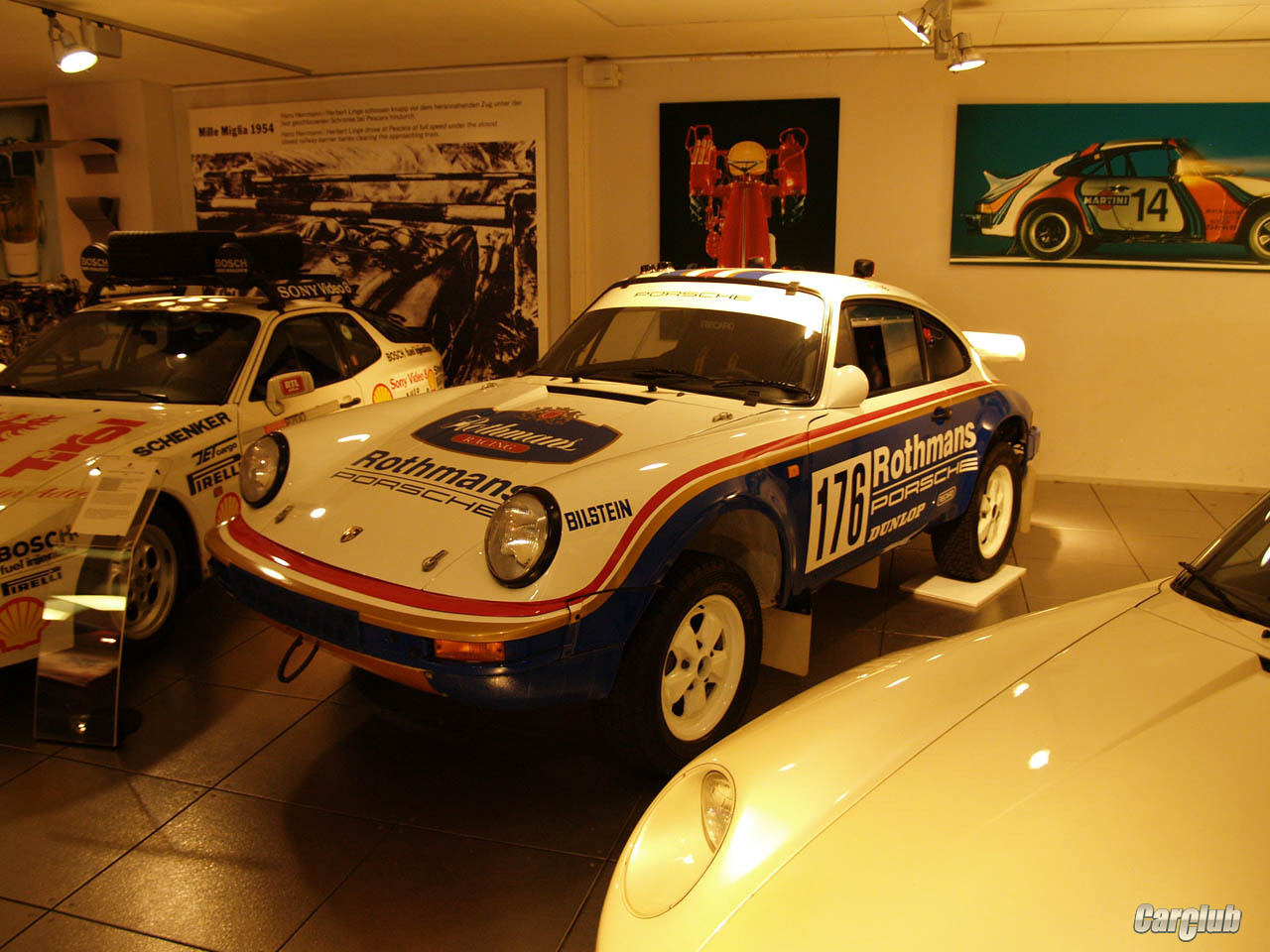
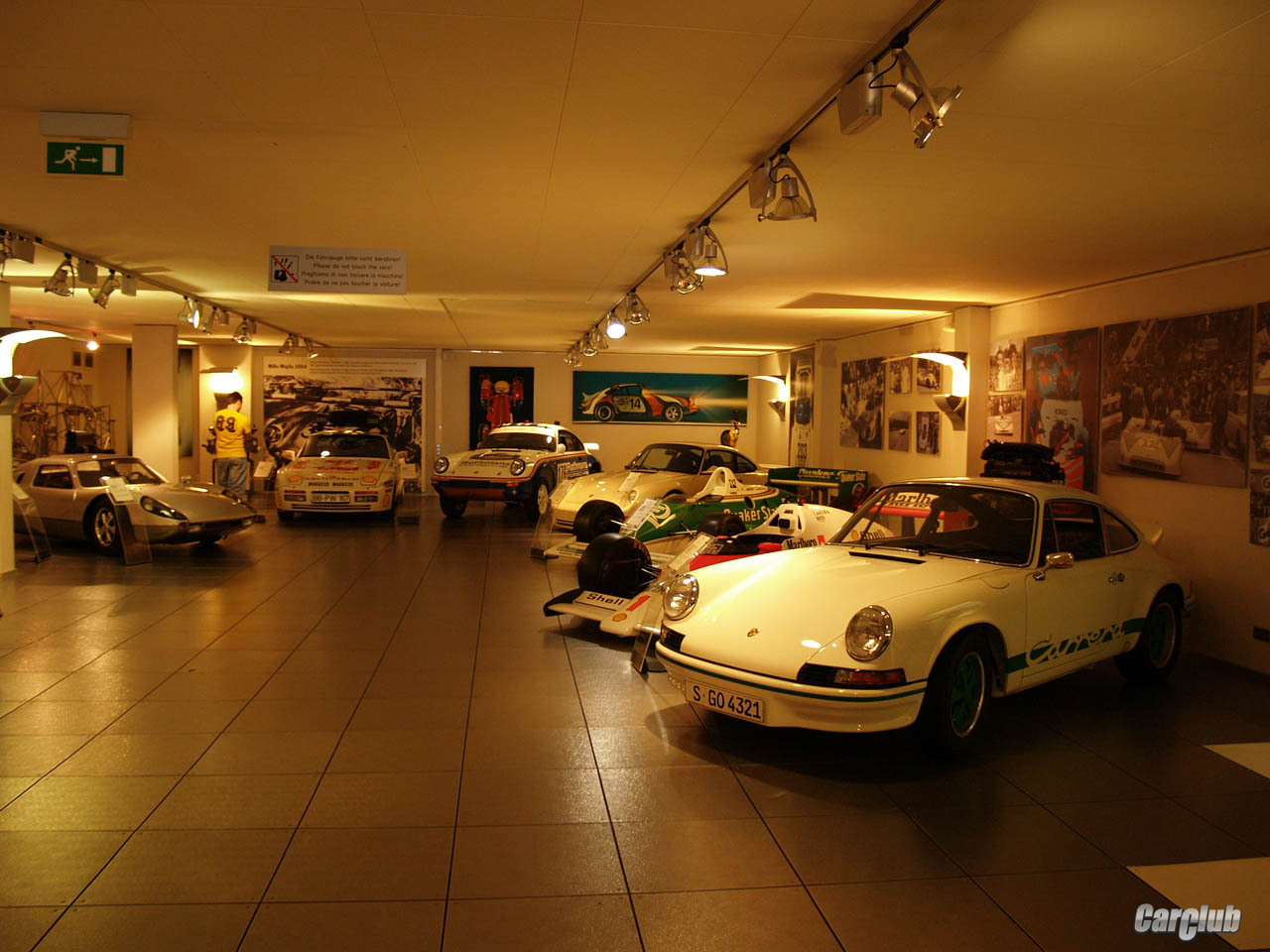
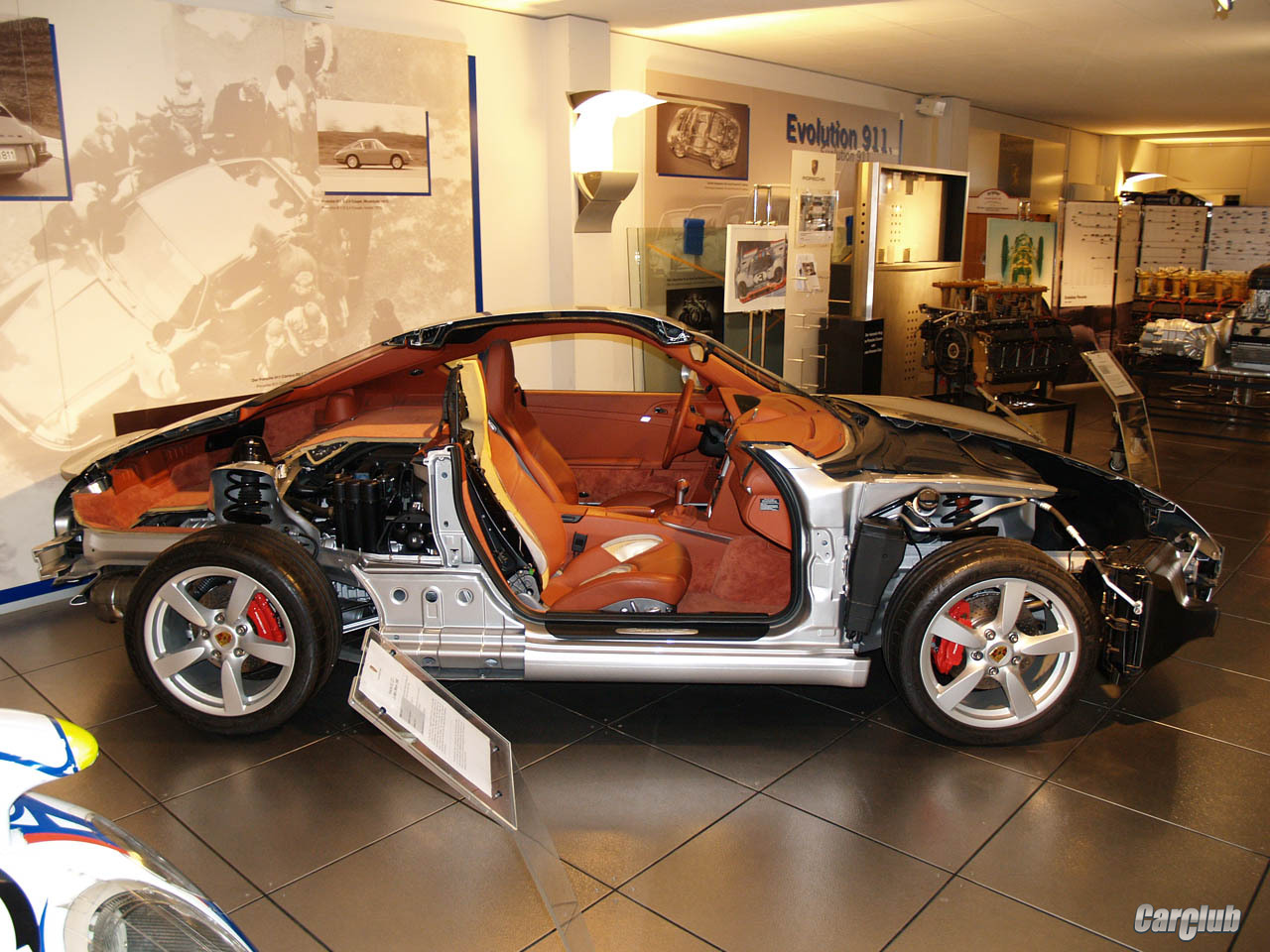
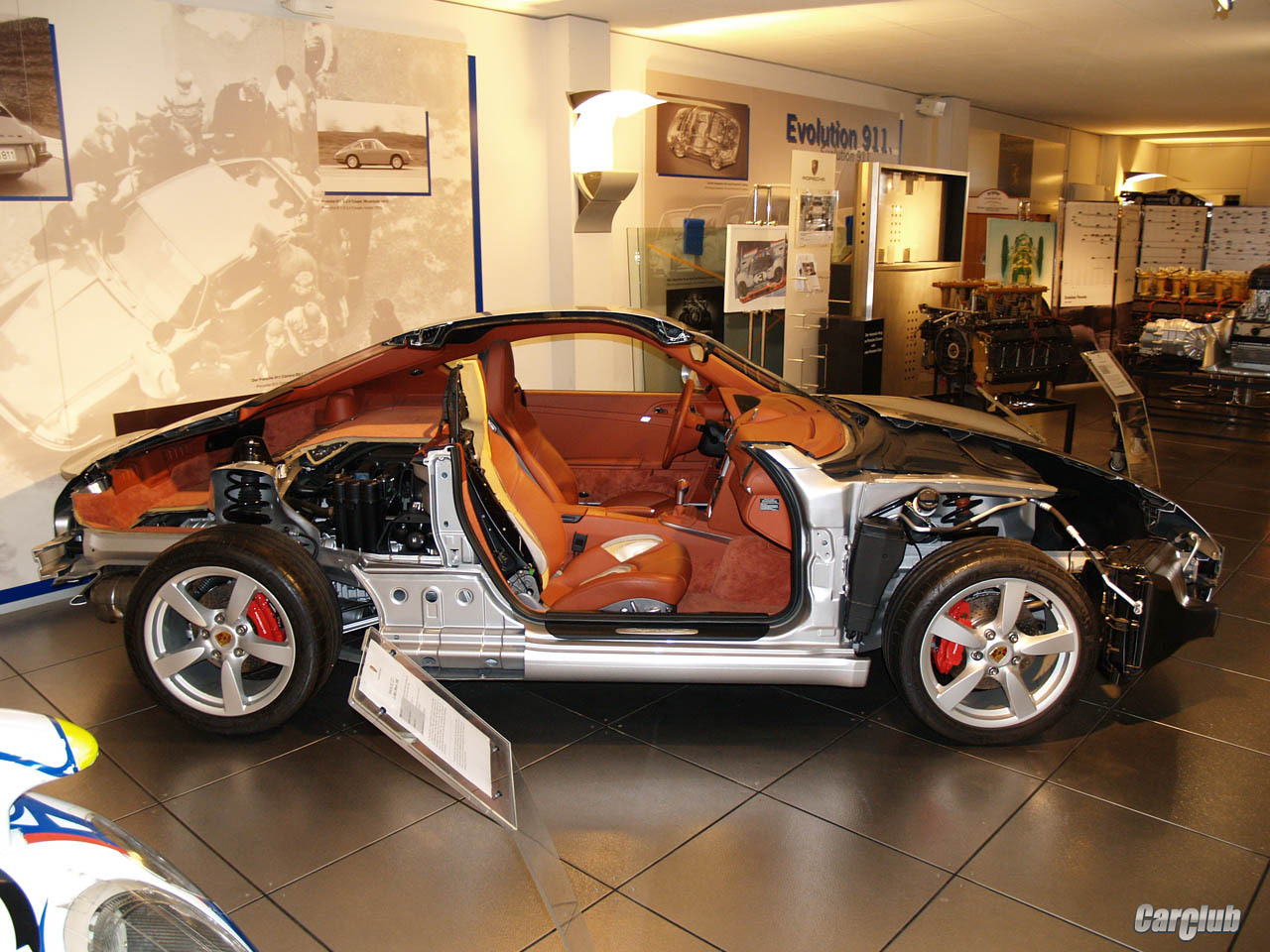
Porsche Museum in Stuttgart

 To figure out the secret of Porsche's success and get acquainted with the new 911, we went to Stuttgart, Germany, where the 911s and engines for all other Porsches are assembled, and also visited the test track in Weissach, where, besides Porsche, engineers develop a lot of other cars.Comments (16)