
First, let's mention the potential competitors of the new model that have debuted in Ukraine. These are the Peugeot 301, Citroen C-Elysee, and Renault Logan. And although Nissan Ukraine does not consider them rivals of the new Almera, indirectly they can still be considered competitors - both in price and class.
How and from what
To avoid further questions regarding the country of manufacture and components, a few words about how and from what the Nissan Almera is made.
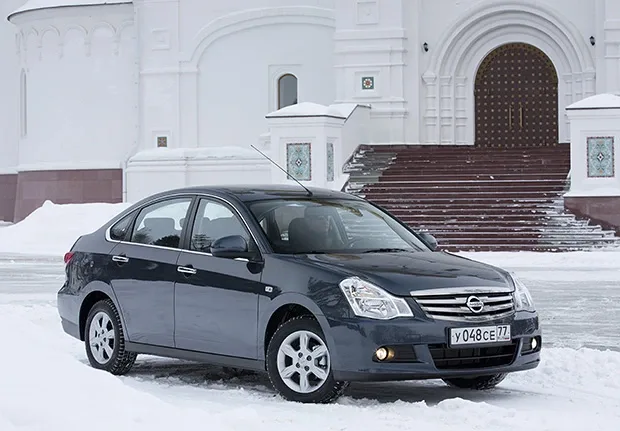
The budget sedan is produced in Russia - at the Renault Nissan alliance plant in Togliatti. Logically, the components for the model are borrowed from alliance models. The metal is Russian (Severstal). As it was possible to find out, during assembly the body undergoes anti-corrosion treatment, but it is not galvanized. The localization of Almera production is just over 50%. The engine and transmission are received by the Russians in finished form. The model is painted in a separate workshop at AvtoVAZ, prepared for painting the Lada Largus and Renault cars.
The suspension was designed specifically for Russian and Ukrainian roads. And the car as a whole was designed to meet the requirements of residents of the CIS countries. Therefore, it has 4 doors and a spacious trunk - as most born in the USSR like.
Marketers see potential buyers as mature family men for whom practicality and, of course, affordability are extremely important. In these parameters, the new Almera compares favorably with competitors in price (except for Chinese cars) - in addition to a spacious interior, it has the largest trunk in its class (500 l).
Wrapper and filling
The exterior of the new model does not evoke any emotions. A car is a car. This was intended, since the designers had the task of creating an unremarkable car that would not cause much controversy among people of middle and older age.
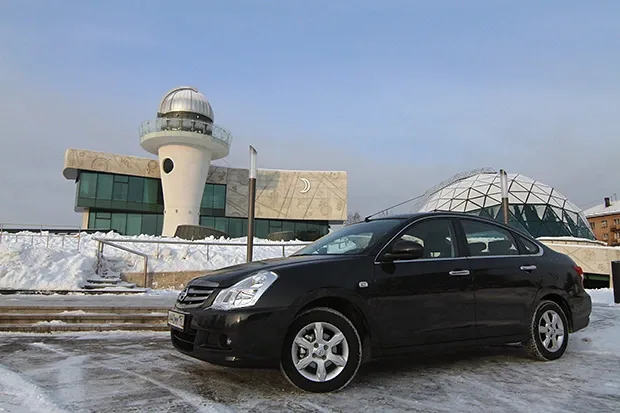
It can definitely be said that compared to its predecessor, the 2013 Almera has become more modern and in certain angles even resembles Infiniti models. Although in fact - externally it is the previous generation Nissan Bluebird Sylphy, except for stylistic details.
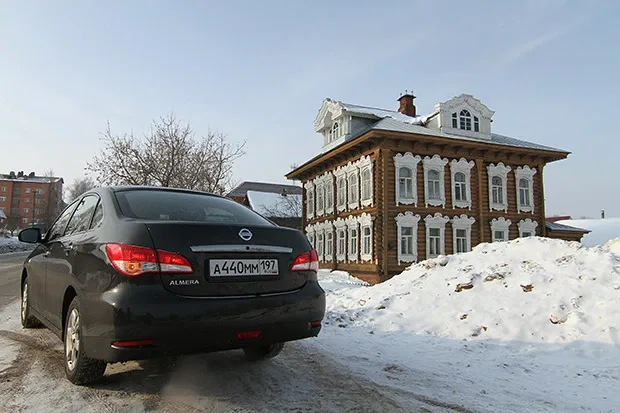
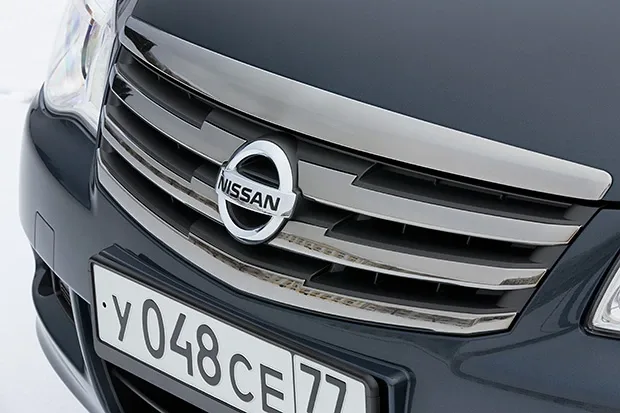
Depending on the trim level (there are three - Welcome, Comfort, and Tekna), the car may have slightly different exterior styling. For example, in the base version, the car has unpainted mirrors and door handles, as well as stamped wheels with hubcaps. The more expensive the version, the more decorative elements and chrome parts.
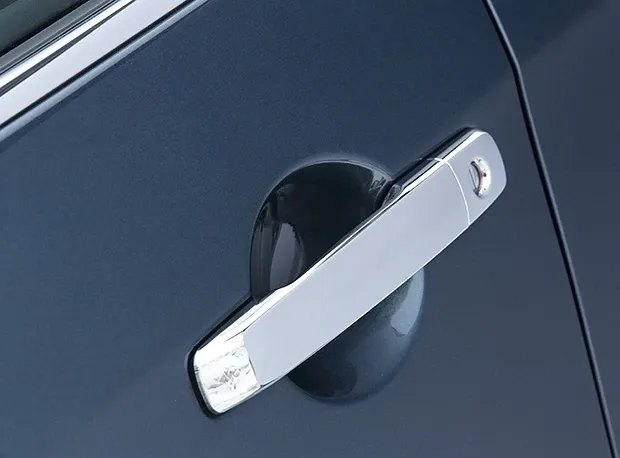
By the way, the exterior chrome is not simple. The Russians used the experience of past years and chose a special coating for the Almera that is resistant to our operating conditions (uncleaned roads, reagents, salt, sand). Previously, as we recall, there were cases when chrome could not withstand such tests, which AutoPortal wrote about in the article "What will happen if you don't wash your car in winter". This will definitely not happen with the Almera.
Getting inside, you immediately feel that the engineers and designers saved money. And it's not about the quality of materials, but about the elements themselves. Many interior parts were assembled from here and there. To save money, the developers used parts from other models.
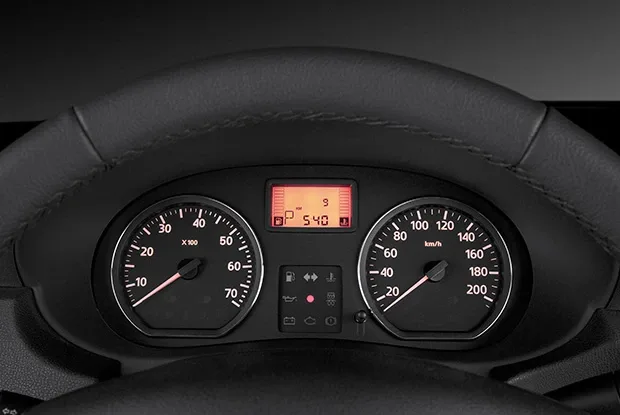
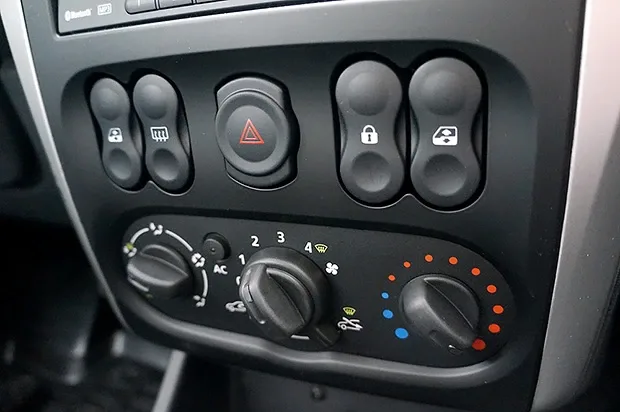
Don't be surprised if you find a steering wheel from the Renault Logan, and window lift buttons from the Duster, which got them from the Logan. And the air ducts are from there too. What's more, the horn is like in budget Renaults - in the form of a button on the right steering column stalk. Actually, the location of all this is exactly the same.
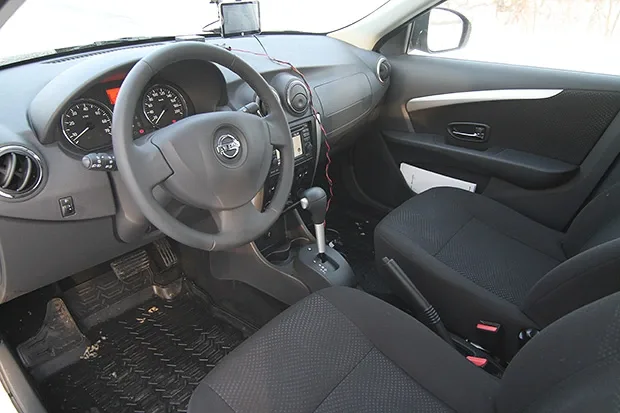
True, all this can and should be forgiven. After all, the Nissan has a flat floor, a lot of free space for rear passengers, and a spacious trunk with a low loading height and a wide opening. Probably, for a potential buyer, this is much more important than similarities with budget Renaults.
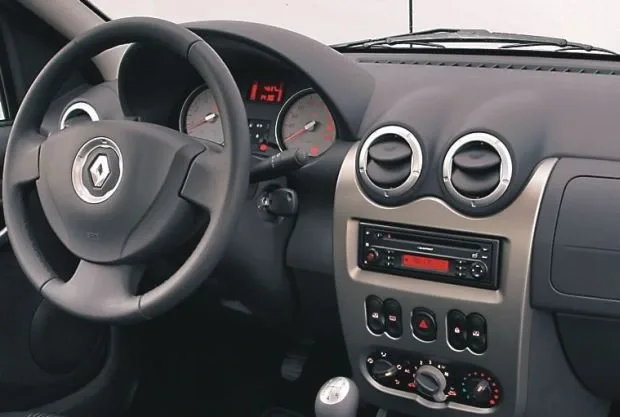
Among the features/disadvantages of the new Almera, it is necessary to mention the steering column that adjusts in only one direction. 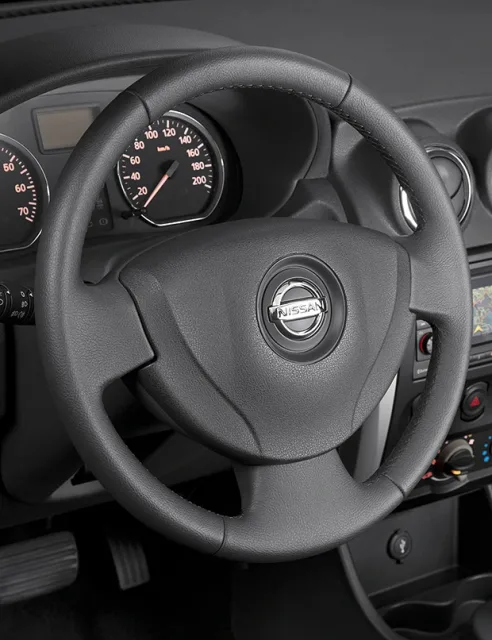
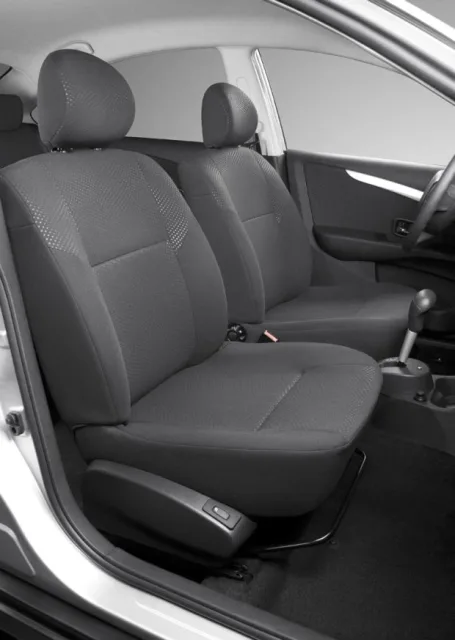
The "Renault-style" steering wheel cannot be adjusted for reach even in the top trim. And there are also problems with seat height adjustment. It is spring-loaded, so to lower the seat, you need to press with your own weight - well, almost like in trucks. The seats are more or less comfortable.
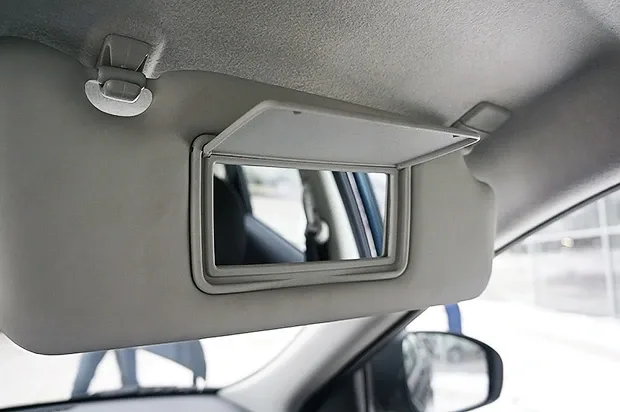
Another feature is the sun visors. They have mirrors, but no lighting.
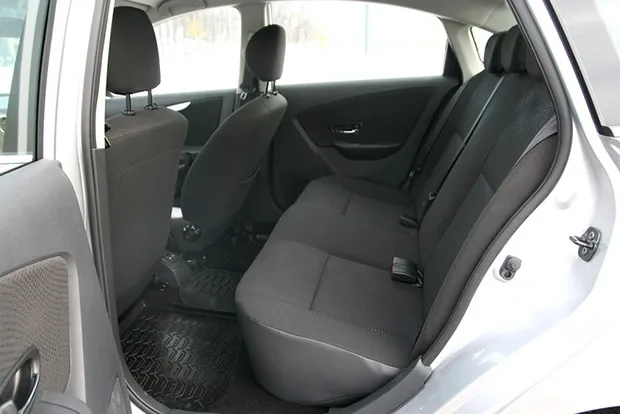
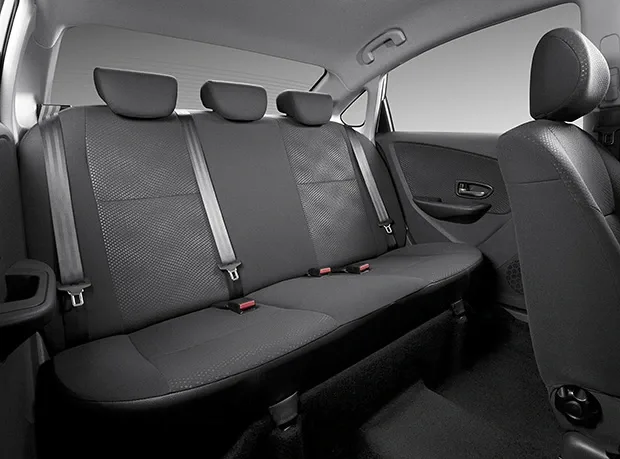
The rear sofa is spacious and quite comfortable. It's just a pity that the backrest does not fold down (you won't be able to transport long items), and an armrest is not provided for any of the trim levels.
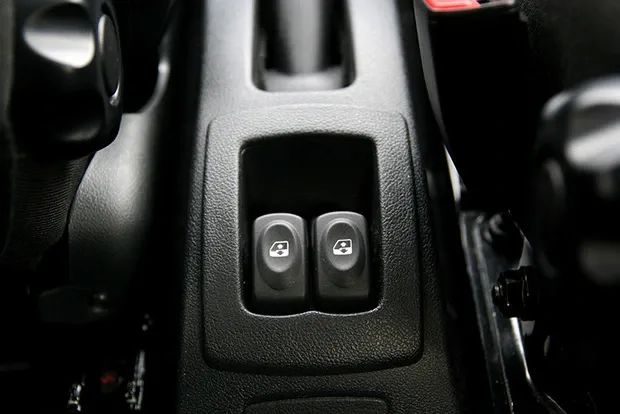
From budget Renaults, the "Russian" Nissan inherited the window lift control buttons. For front passengers, they are located on the center console (you'll have to get used to it), and rear passengers will have to reach forward for them - the buttons are in the middle of the tunnel (hello, Duster and Logan!).
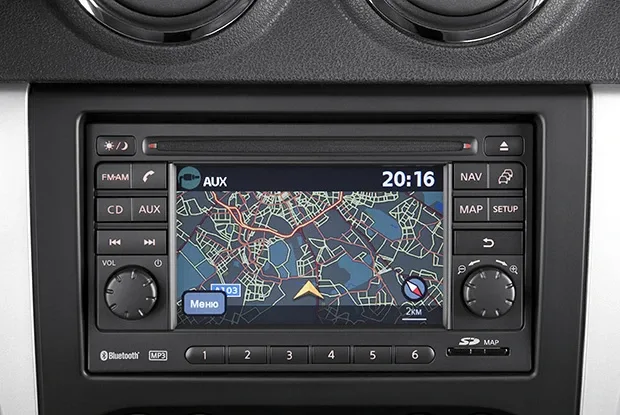
In the maximum trim, the Almera features chrome details (chrome trim on the instrument panel, etc.), as well as the Nissan Connect multimedia system with navigation. This is no longer an inheritance from Renault, but a purely Nissan device - like in the Nissan Juke, Qashqai, and Teana. It's just a pity that the placement is not the most successful - not at eye level.
The new Almera pleased with its flat floor. It will allow placing three passengers in the back without the slightest discomfort for the one sitting in the middle. The flat sofa helps.
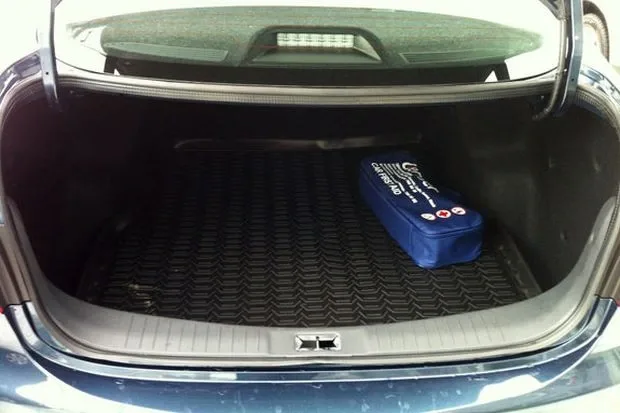
The trunk is very spacious and features a low loading height and a wide opening, which facilitates loading.
Expensive roads
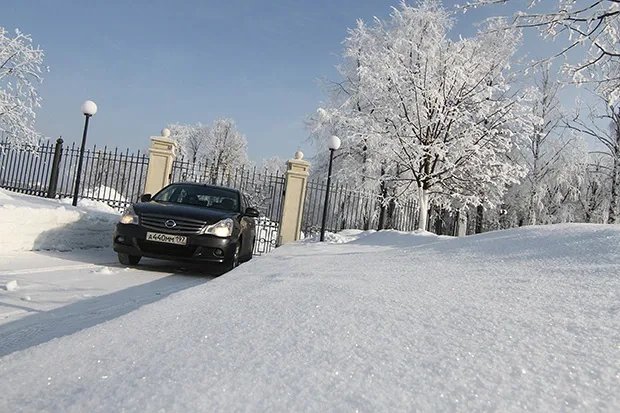
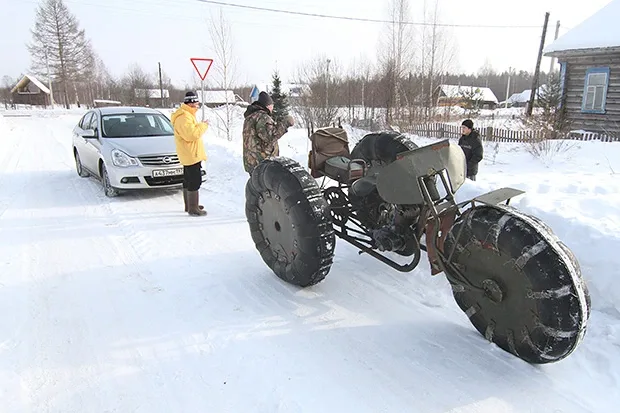
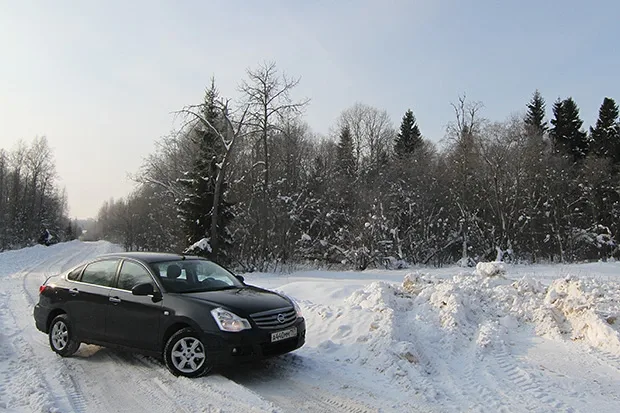
In Russia, as in Ukraine, many officials do not disdain saving public funds on road surface repairs. Nevertheless, if we compare the quality of Russian roads with the current state of roads in Ukraine, our neighbors have something to boast about. Despite the fact that the Almera test took place 300-400 km from Moscow (in the city of Yaroslavl, founded by Yaroslav the Wise), local roads are still more like roads than directions. But if you turn off the main highways - the situation is similar to that on Kyiv streets. Even deeper into the forest - you can find such homemade means for overcoming snowdrifts!
Understanding that in the next 1...5...10 years the situation with roads in our countries will not improve, the engineers approached the chassis settings thoroughly. The new Almera received long-travel suspensions (McPherson in front, torsion beam in the rear). In many ways, the suspension repeats the chassis of the Renault Logan, but the Almera has a different subframe, a stiffer and thicker rear suspension beam, and the springs and shock absorbers were selected to withstand the greater mass of the car (compared to the Logan). 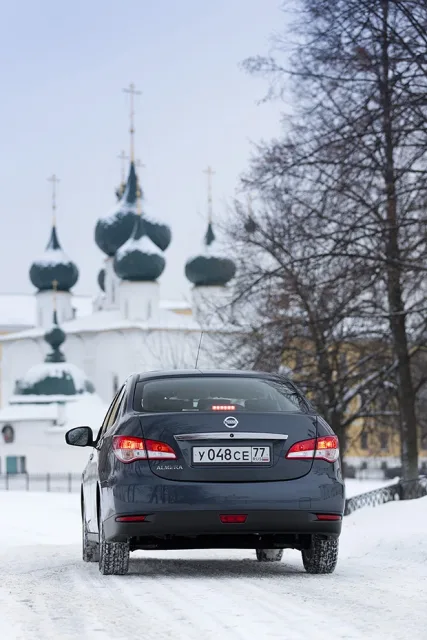
To protect when driving on bad roads, the engine compartment is covered from below with a two-millimeter steel panel. Potentially vulnerable brake pipes and fuel lines laid under the car are also protected by steel plates. Ground clearance is 160 mm (in the area of the engine protection - 145 mm).
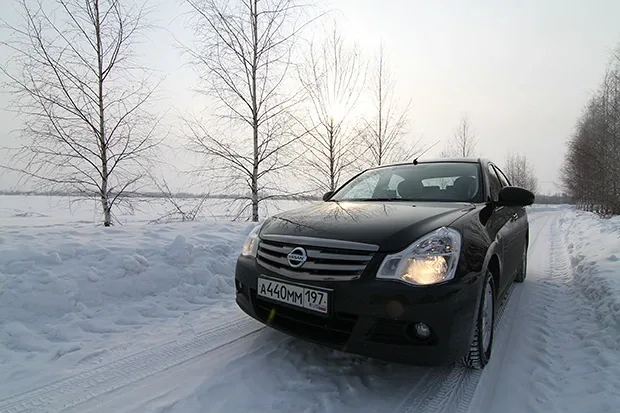
As the one-day test showed, the Almera was really well prepared for post-Soviet roads. The suspension literally swallows any bumps and potholes (and quite quietly), but it does it too "loosely". As for small irregularities - the Nissan does not like them very much. When driving on a snowy road broken by tractors, all the architectural features of the roads are transmitted to the occupants' fifth point.
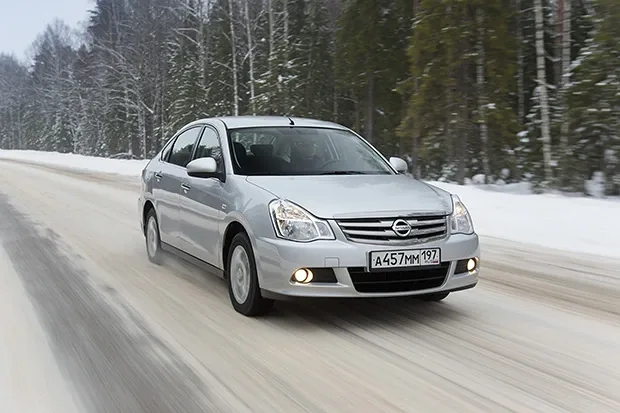
Active driving and the Nissan Almera are absolutely incompatible concepts. Without special skills, excessive throttle in corners (especially on uneven surfaces) will most likely result in a skid. And in general, you won't be able to screw this car into a corner. Steering reactions are sluggish, and turn-in is insufficient. Body roll is substantial. The ESP stability control system could have saved the situation, but it cannot be "added" to any of the versions.
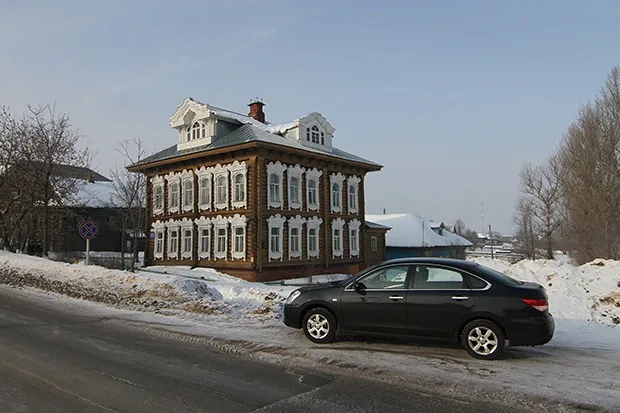
The power steering somewhat surprised us. In the car with a manual transmission, it seemed too "light" and therefore dangerous at high speeds, but in the car with an automatic, it turned out to be more "weighty" and informative. We asked the Russian representatives of Nissan whether there are any design differences. However, to our surprise, the Russians stated that everything is identical. Did we imagine it? That's a rhetorical question. But what is indisputable is the same feedback. When turning the steering wheel, all road irregularities are transmitted to it - especially when turning on the spot.
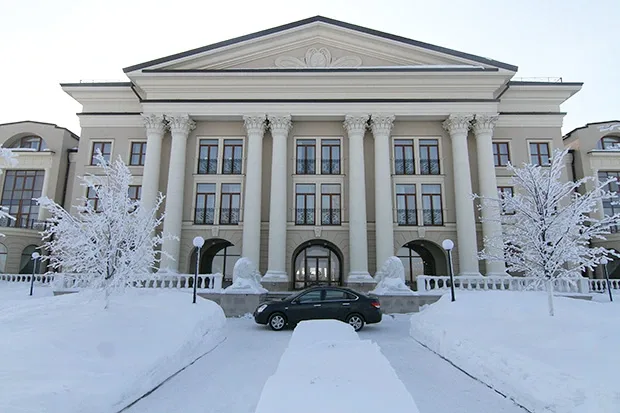
We also didn't understand the Russians' stories about sound insulation. It's not about whether it's good or bad. Does it even exist? Judging by the sound from under the wheel arches, the annoying noises from the engine, and the "howling" gearbox (this applies to the manual), it rather doesn't. True, this mostly applies to the car with the 4-speed automatic.
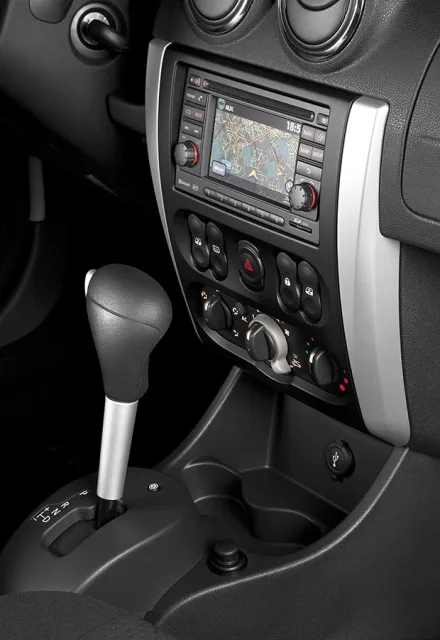
Version with automatic transmission. Despite its "ancientness," it does its job quite smoothly and quietly. But only if you don't press the gas pedal to the floor. It's better not to do that, otherwise the gearbox will wait until the engine revs up to 6,500 rpm. And that's an eternity, which will be hard to endure due to the noise "pressure." During relaxed driving, the automatic shifts gears decently, although honestly, we liked the operation of the "automatic" more on... the Lada Granta. And there's an explanation for that. The gearbox in the Nissan is the DP2 from the Logan, while the Lada's is made by the Japanese company Jatco. In our opinion, the latter, although no less "ancient" (25 years old), is more efficient. And if we talk about reliability, the Japanese gearbox is considered one of the most reliable in the world, whereas there are quite a few complaints about the French gearbox. Or rather, there used to be, because this gearbox has been slightly refined. How it will adapt to the Almera - only time will tell.
As for acceleration and fuel consumption, the Almera with the automatic, as our test showed, can easily get by on 8 liters of gasoline during leisurely highway driving and 9-10 liters in the city. As for dynamism, almost 13 seconds is not dynamic. The owner will have to get used to enduring the annoying noise of the 102-horsepower engine before overtaking, which will definitely appear when downshifting (can be done in manual mode). It's worth noting that there is a winter mode, but honestly, we never appreciated its effectiveness when driving on ice and near-forest trails.
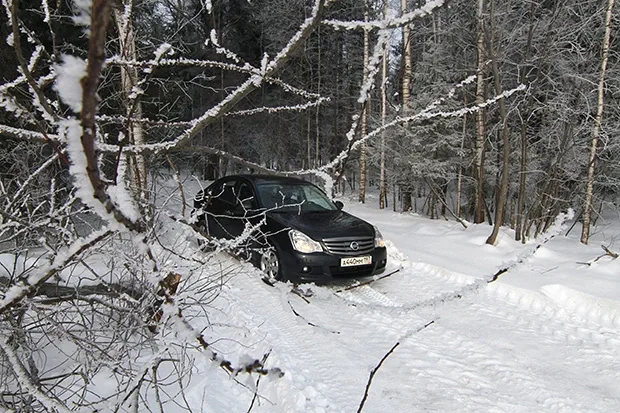
Version with manual transmission. In addition to the top version with the automatic and navigation, we also managed to test the car with a manual in base trim. It lacks alloy wheels, the simplest decorative elements, and instead of a radio, there's a blanking plate. But it has a third pedal and 5 gears instead of 4.
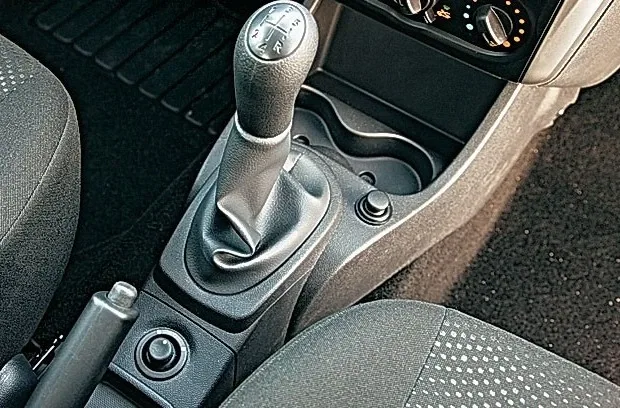
At the very first start in the car with the manual, the clutch pedal caused bewilderment. It's so "airy" that it literally sinks at the slightest press. There's nothing wrong with that, but you'll have to get used to it. The plus of such "lack of information" is that your foot won't get tired when driving in traffic jams. As for the gearbox operation itself - shifts are vague, and the lever vibrates.
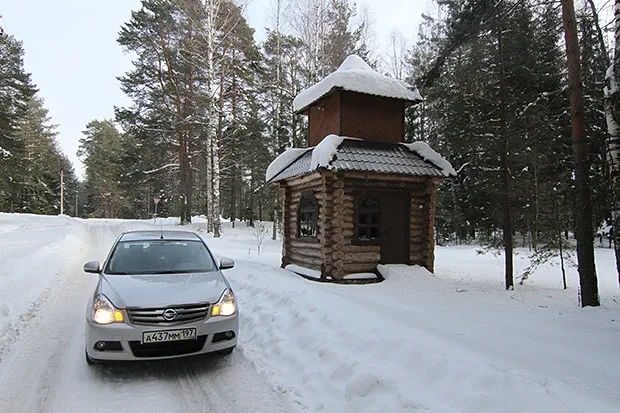
However, in terms of acceleration, the car with the manual is a bit more cheerful - almost 11 seconds to 100 km/h. Overtaking is slightly easier, but you'll have to put up with the "howling" of the gearbox. This applies both to acceleration and to coasting with the gear engaged. It's a design feature - nothing can be done about it. It's important to note that the Almera with the manual is comfortable to drive at speeds of 80-100 km/h. If you go faster, you'll have to raise your voice to talk to passengers. Alternatively, turn up the music and go. On the version with the automatic, oddly enough, you can easily drive at 120 km/h - it will be just as comfortable as in the car with the manual at 100 km/h. Compared to the car with the automatic, the version with the manual consumes approximately 10-15% less fuel. For example, when driving on the highway, the car in base trim showed an average consumption of 7.2 liters. We're sure it can be even less. In the city, we managed to achieve 8 liters.
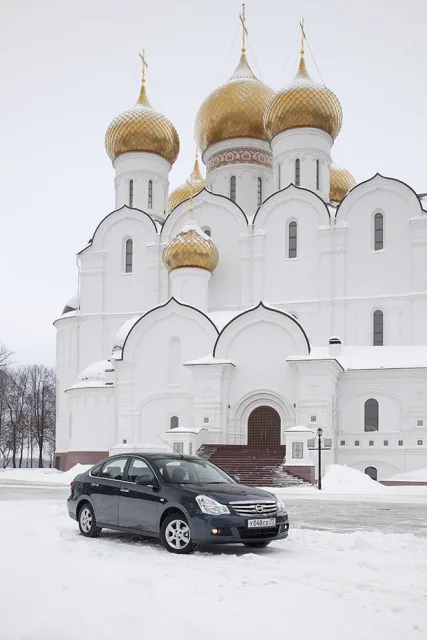
To all the above, it's worth adding that only one powertrain is available for the Almera - a 1.6-liter engine with 102 hp.
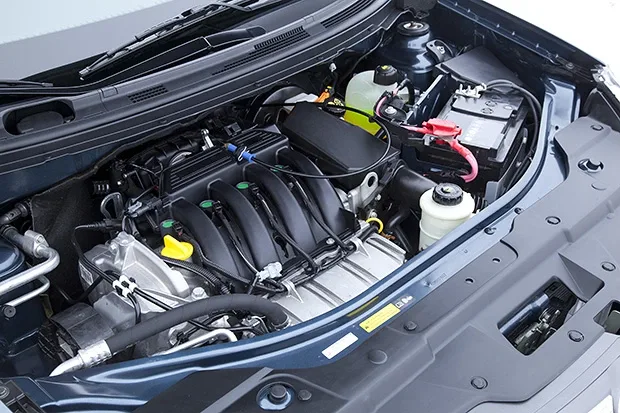
The engine is time-tested and adapted for 92-octane gasoline. This is an important point for a potential buyer.
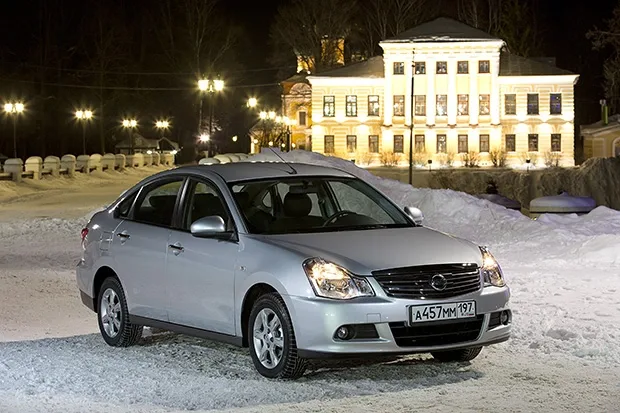
Regardless of trim level and version, the Nissan Almera has ABS. The anti-lock braking system works well, but it seemed to us that it engages a bit early. However, this cannot be considered a drawback. Rather, it's a characteristic. Moreover, the braking power is sufficient even without it to make a confident stop - despite the fact that the rear brakes are drum brakes!
About prices
The Nissan representative office in Ukraine has not yet set prices for the mid-range and top trims. Only the price of the base modification is known - 109,000 UAH. Interestingly, this is almost $1,000 cheaper than the Almera costs in Russia. Considering that the top version with the automatic costs 565,000 rubles there. Converted to Ukrainian currency, that's about 150,000 UAH. If the same preferences apply to the Almera in top trim for our market as for the base version, then Ukrainians will be able to buy it for 140-145 thousand hryvnias. For a car comparable in size to the previous-generation VW Passat, the price tag is very interesting.
To summarize, it remains to state that the "Russian" Nissan Almera 2013 has drawbacks typical of budget-segment cars. But it's important to say that auto journalists who constantly test cars of different classes and brands are unlikely to come to terms with them, but those who currently drive VAZs or morally and technically outdated foreign cars will definitely pray for such a car. Once behind the wheel of the Almera, they might feel like they're in paradise and write in the comments under this test that all the above-mentioned drawbacks are our inventions...
| Model | ||||
| Body type | Sedan | |||
| Gasoline engine 1.6 L | ||||
| Number of seats | 5 | |||
| Engine | ||||
| Engine displacement | cm³ | 1598 | ||
| Maximum engine power | kW/(hp)/rpm | 75(102) / 5750 | ||
| Maximum torque | Nm/rpm | 145 / 3750 | ||
| Fuel type | Unleaded gasoline with octane rating 92 | |||
| Fuel supply | Multi-point injection | |||
| Emission standard | Euro 4 | |||
| Transmission | ||||
| Type | 5-speed manual | 4-speed automatic | ||
| Drive | Front | |||
| Chassis | ||||
| Front suspension | Independent, MacPherson type | |||
| Rear suspension | Torsion beam, springs | |||
| Steering | Rack and pinion with power steering | |||
| Turning circle wall to wall | m | 11.4 | ||
| Brakes | Front brakes - ventilated discs, rear - drums; with ABS system | |||
| Tire size | 185/65R15 92H | |||
| Dimensions and weight | ||||
| Curb weight min/max | kg | 1177/1198 | 1209/1224 | |
| Maximum permissible load | kg | 1600 | 1645 | |
| Length | mm | 4656 | ||
| Width | mm | 1695 | ||
| Height | mm | 1522 | ||
| Wheelbase | mm | 2700 | ||
| Ground clearance | mm | 160 | ||
| Maximum trailer mass | with brakes | kg | 1100 | 950 |
| without brakes | kg | 614 | 630 | |
| Luggage compartment volume (VDA) | l | 500 | ||
| Fuel tank capacity | l | 50 | ||
| Dynamic characteristics | ||||
| Fuel consumption | Urban cycle | l/100 km | 9.5 | 11.9 |
| Extra-urban cycle | l/100 km | 5.8 | 6.5 | |
| Combined cycle | l/100 km | 7.2 | 8.5 | |
| CO2 emissions | g/km | 171 | 201 | |
| Maximum speed | km/h | 185 | 175 | |
| Acceleration 0-100 km/h | sec | 10.9 | 12.7 | |