
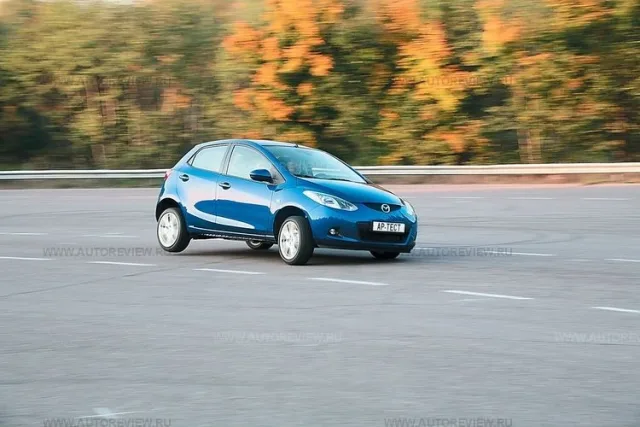
Mazda 2 — a car like this has never been seen in Russia before. But now it will be! And since the new "two" came into our hands long before its spring market debut, we decided to pit it in advance against the most striking of its classmates — the Opel Corsa, Toyota Yaris, Peugeot 207, and the new Skoda Fabia.
So different — yet together.
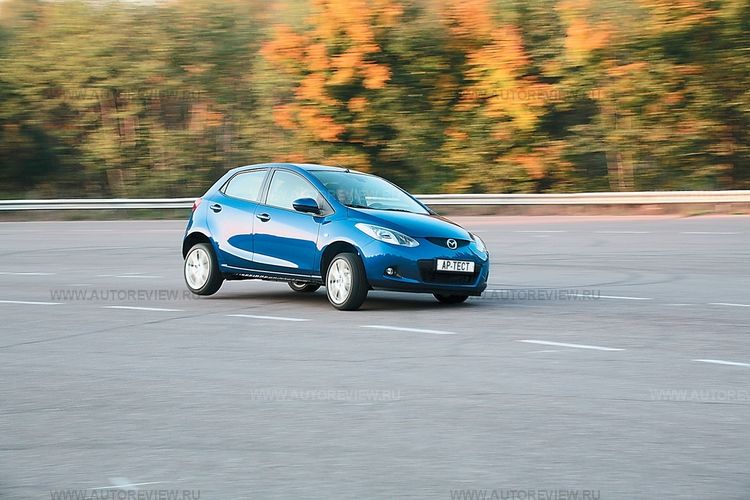
Mazda 2 captivates with its sexy looks and sharp handling. The most thrilling chassis!
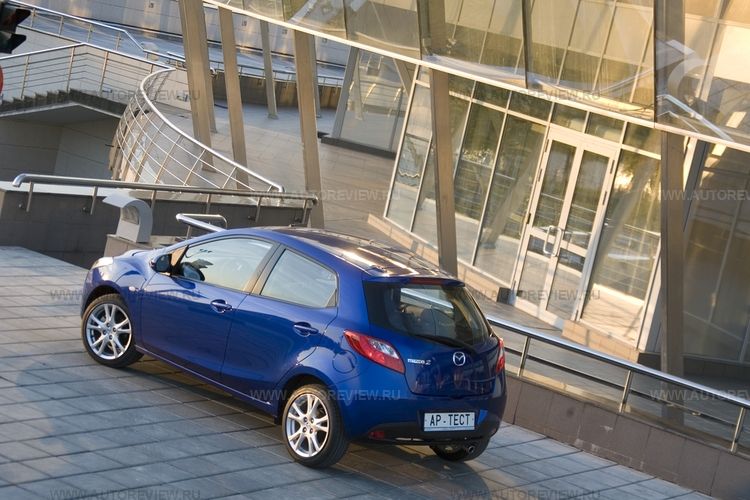
So, the new Mazda 2. Sculpted flanks, muscular wheel arches in the style of the rotary RX-8 coupe… Gorgeous! It's a pity the interior is simpler. In the black sea of hard plastic, the designer barrel of the center console, the playful steering wheel like the Mazda MX-5 roadster's, and the unusual "floral" design of the stereo all get lost.
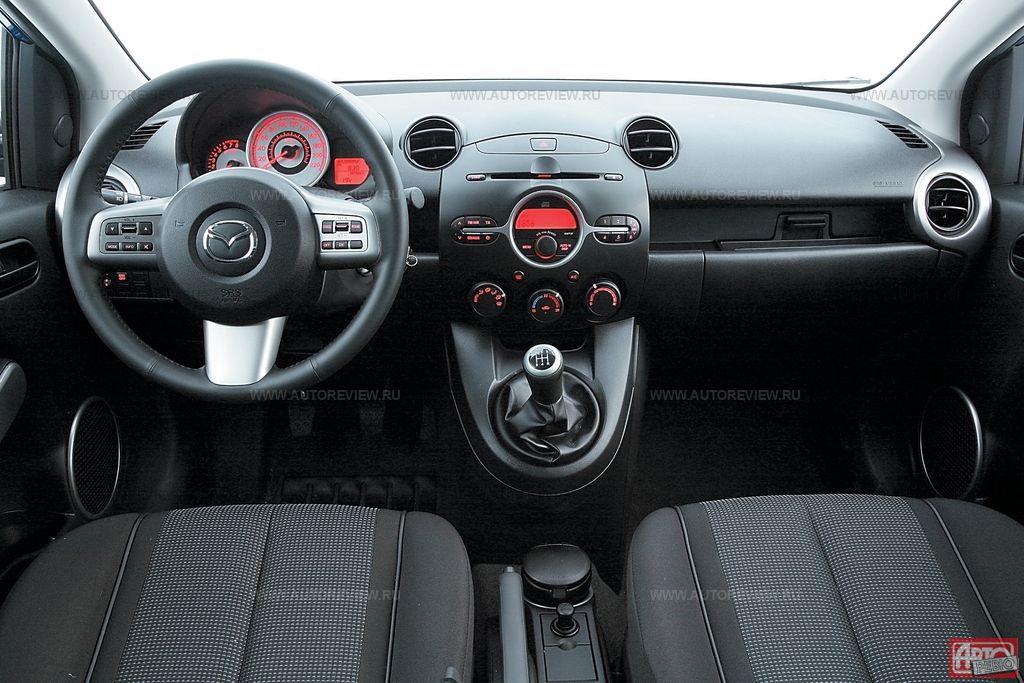 | 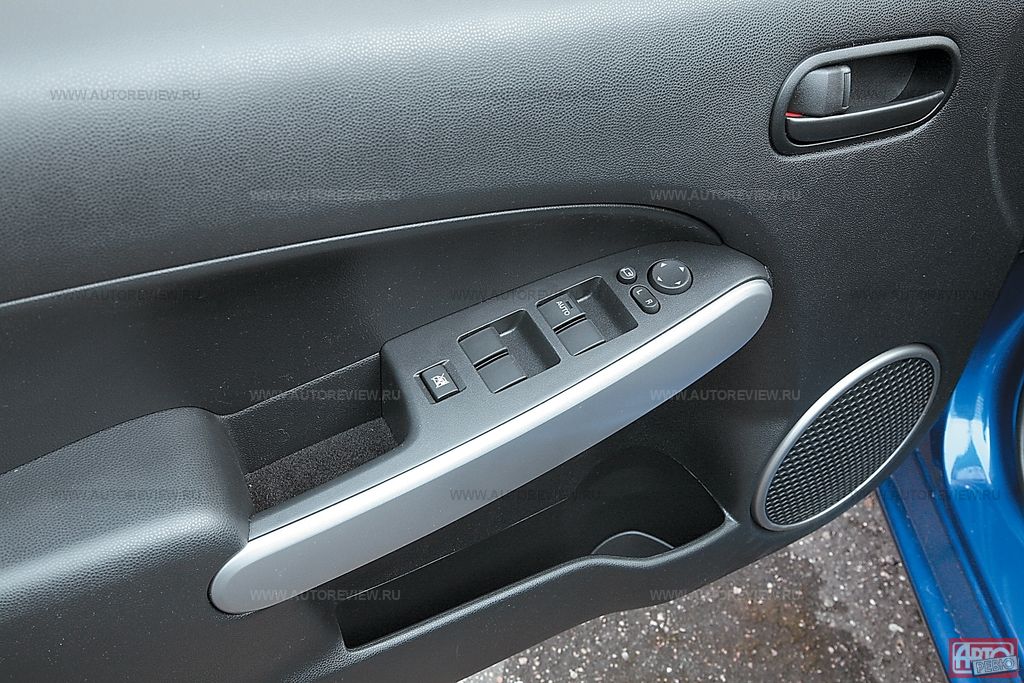 |
| Inside the Mazda 2 — a strange mix of urban seating, a minivan-style bulge under the gear lever, a sporty steering wheel, and coarse plastic | Mirror and window controls are concentrated on a short armrest. Beneath it — a modest pocket with a cup holder |
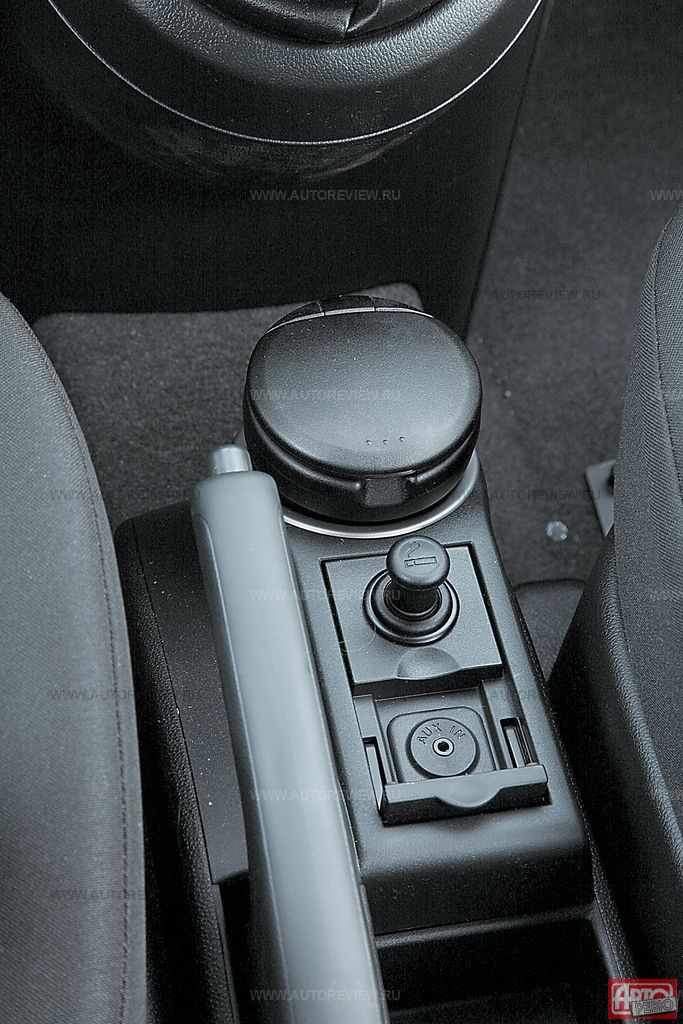 | |
| All seat adjustments are manual. The heated seat button at the base of the cushion is not the most convenient solution | You can also connect your own player to the expensive audio system with CD changer that the Mazda was equipped with |
Outside, the Mazda 2 is low and sleek, but the driver's seat is set high. The seats are grippy and soft, but the range of longitudinal adjustment for a tall driver is at its limit, and the steering wheel has no reach adjustment. But if you're not above average height, there's nothing to worry about — the Mazda will fit you well. Except that the movements of the gear lever mounted on a pedestal, as well as the effort required, are a bit excessive.
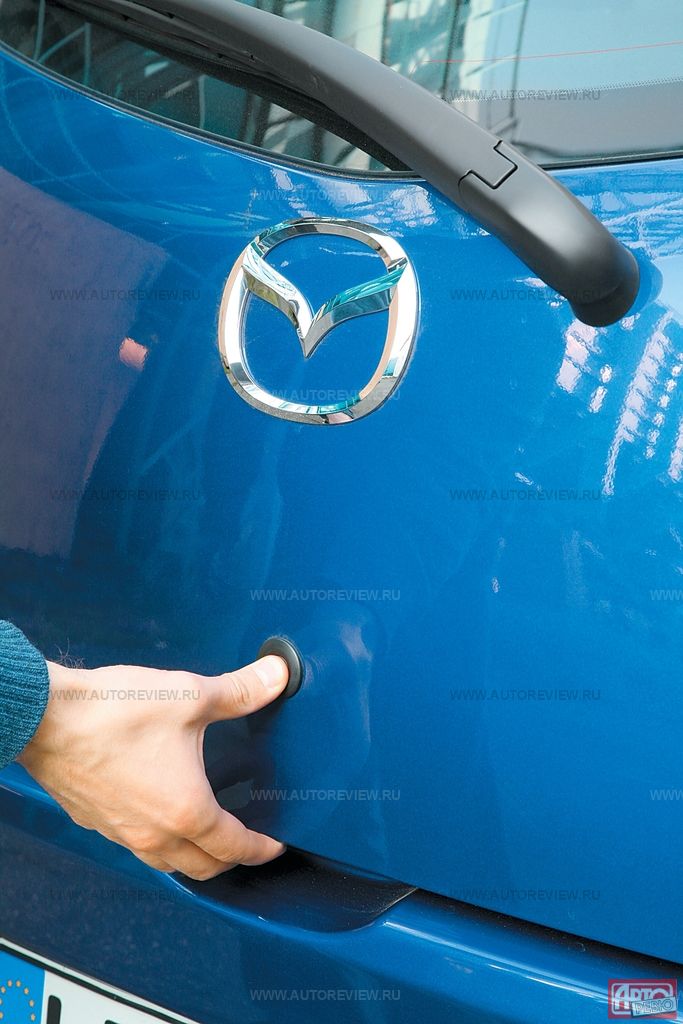 | 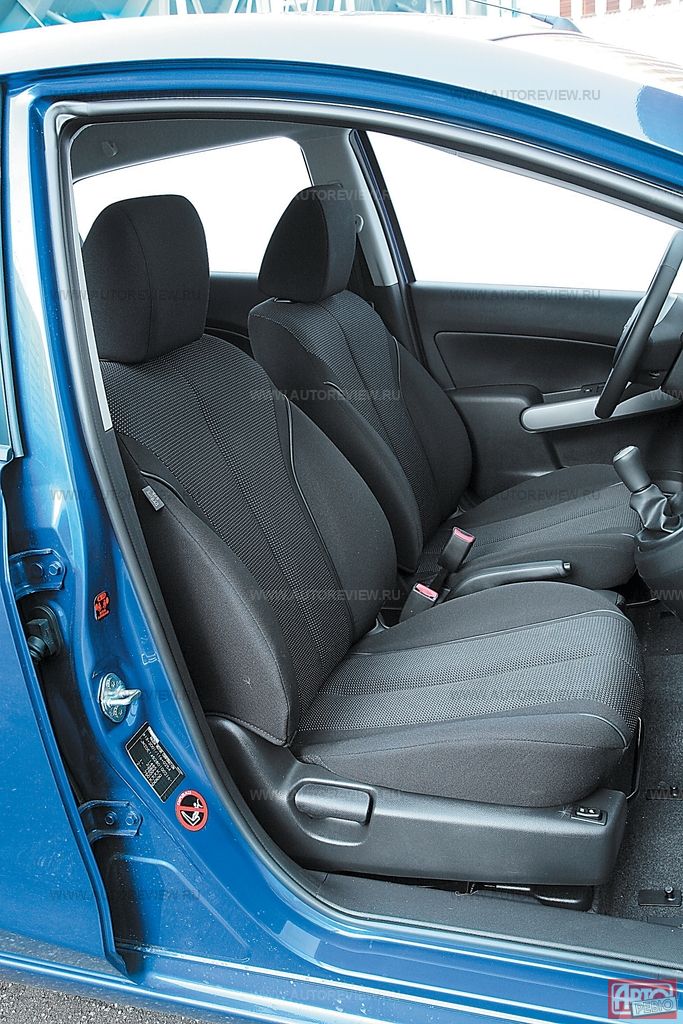 | 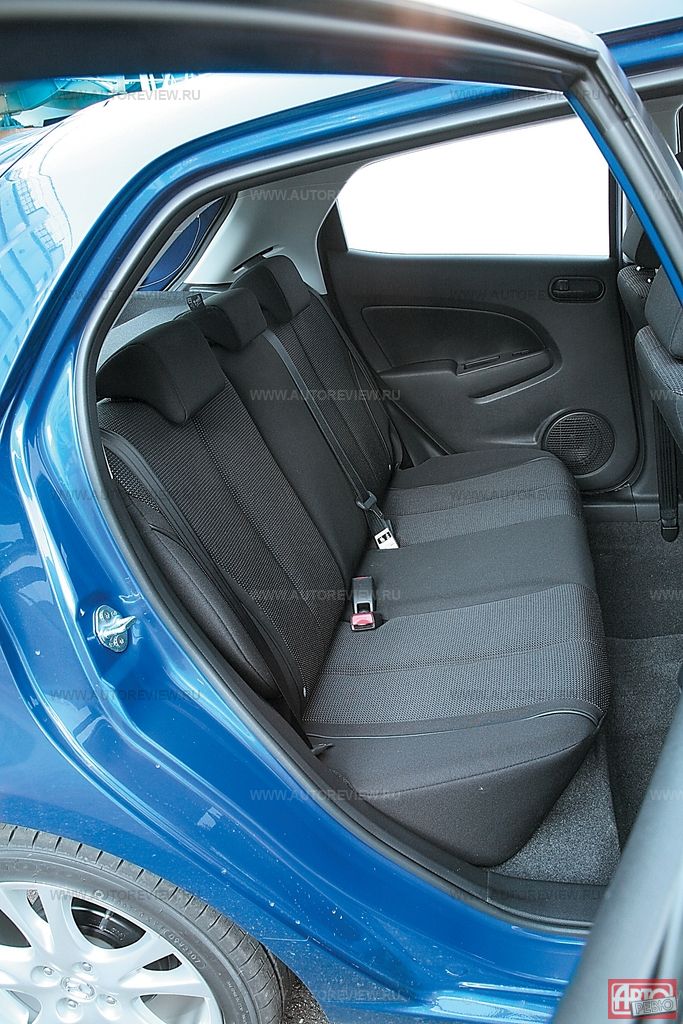 |
| To open the trunk, you need to press a button with your thumb that's not protected from dirt | The fabric seats are good, the side bolsters hold the body securely, but the range of longitudinal adjustment is too small | You have to bend down to get to the rear bench, and only two will be comfortable there. Moreover, in our quintet, only the Mazda lacks air ducts for rear passengers' feet |
The Mazda is beautiful, but the Peugeot 207 is even better! Both in design and ergonomics. Inside — soft plastic with a mesh texture, white instruments in chrome bezels, the central display and vents in an aluminum necklace. The shape and thickness of the steering wheel are impeccable, the pedals and gear lever are "light" and precise. Plus, there's more space up front, and the adjustment ranges are wider. Only the seats are a bit soft.
| Mazda 2 | Opel Corsa | Peugeot 207 |
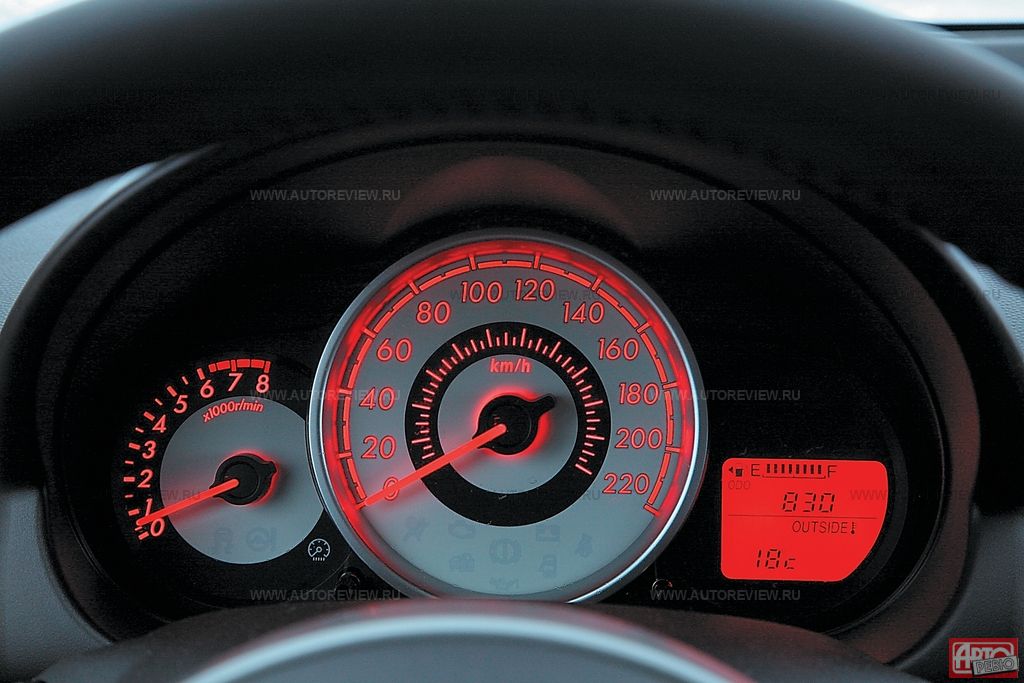 | 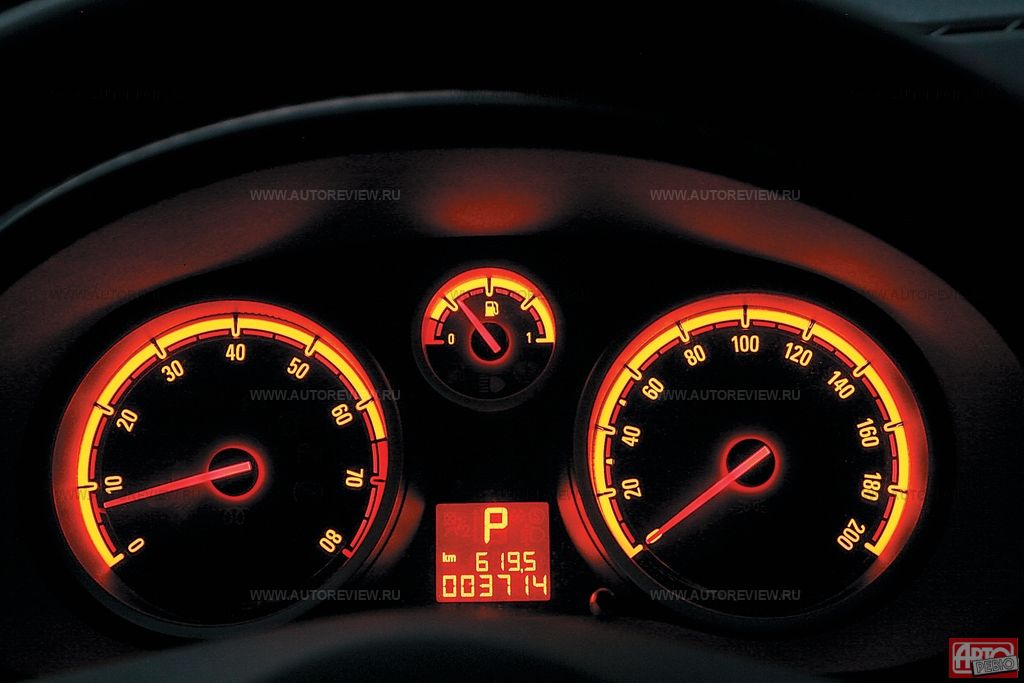 | 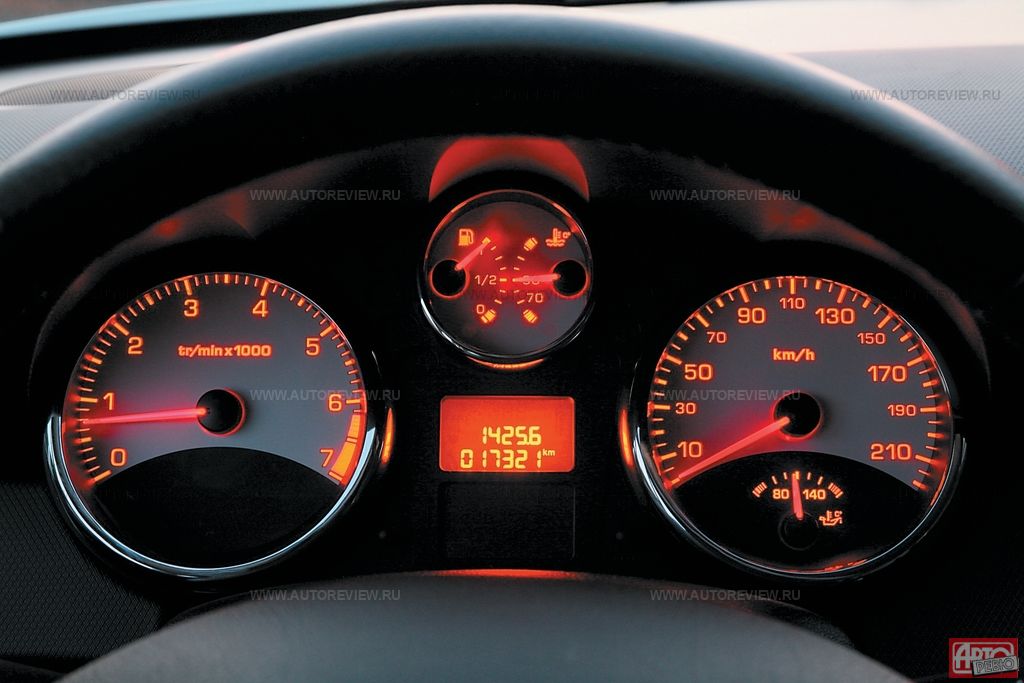 |
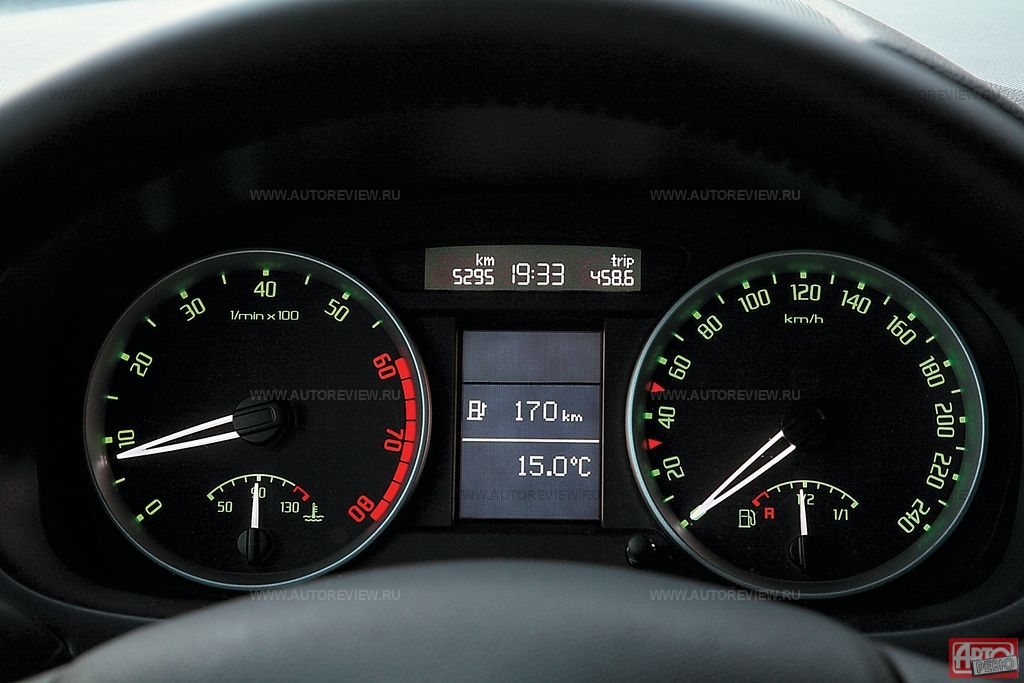
| Skoda Fabia | Toyota Yaris | Pluralism of concepts! The traditional dials of the Peugeot with white "backings" and orange illumination look striking and read perfectly. The Skoda's scales are also refined, but the numerals are a bit small. The Opel's instruments are laconic and clear. The Mazda's instruments are not serious: the truncated tachometer and "electronic" fuel gauge read poorly. And the readings of the Yaris's "digital" cluster are hard to perceive |
 | 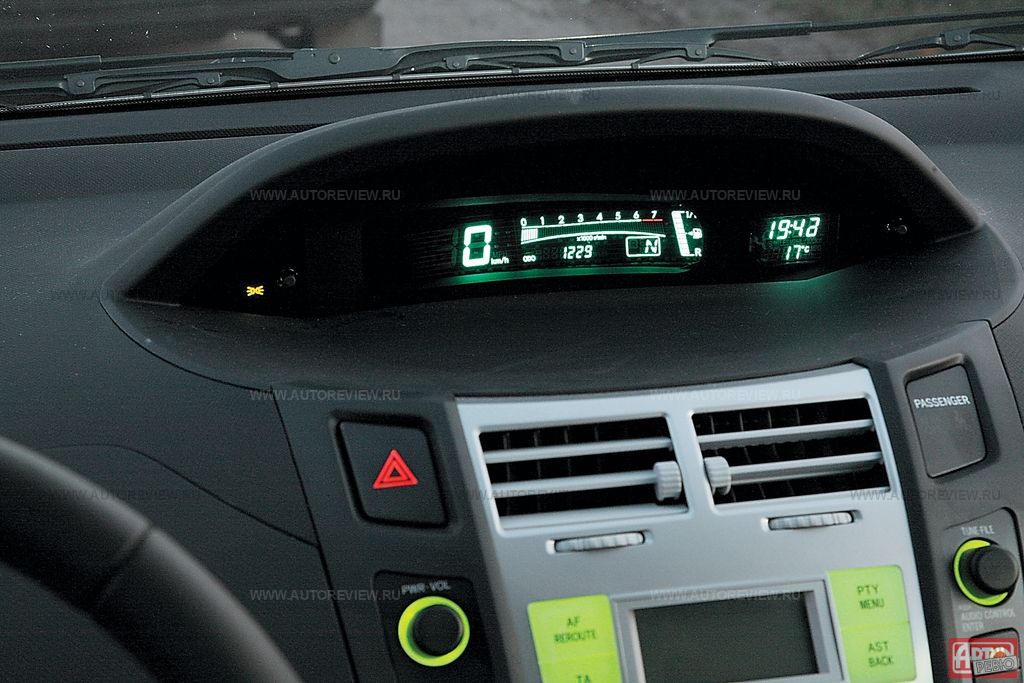 |
The Opel Corsa in five-door guise is not as striking as the three-door, but in our company it's perhaps the most solid. At the same time, the interior breathes liveliness, and the quality of materials is top-notch. Ergonomics are excellent too: a comfortable chunky steering wheel, laconic instruments in "cut-off" pods, and an optimal driving position. And the sportily firm seats will take even the tallest driver like a glove.
The monumental Skoda Fabia looks simpler. The interior is canonical too — the dark gray mass of the dashboard is broken only by three metallic frames around the vents. But everything is so solidly made, and the ergonomics are so refined! The steering wheel begs to be held, the seats are almost sporty "buckets." It's a pity the accelerator pedal is "pinched" and set lower than the brake pedal.
Finally, the round and plump Yaris — a sort of lady's toy with a funny but deliberately "plastic" interior. So many little boxes and pockets here! The seating in the Yaris is the most urban — high and upright, but for a tall driver the seat adjustment range is too small, and the seat itself with its convex backrest is not ideal.
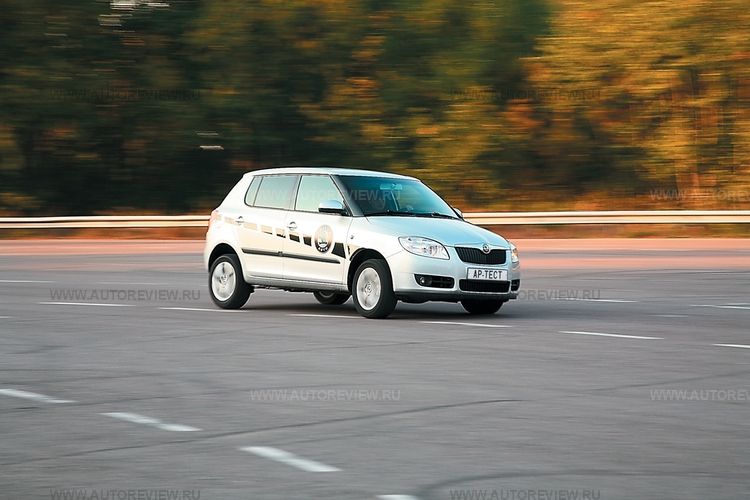
The Skoda Fabia both looks and drives "excellently," but its character lacks a certain zest
But only the Toyota allows the rear bench to slide back and forth, and its backrest has as many as six fixed positions for the angle of inclination — convenient. Still, in terms of cargo and passenger capabilities, the best is not the Yaris but the Skoda Fabia. It can take three on the rear bench without discomfort, the loading height of the trunk is the lowest, and the trunk itself is deeper and more spacious, with loops and hooks on the sides.
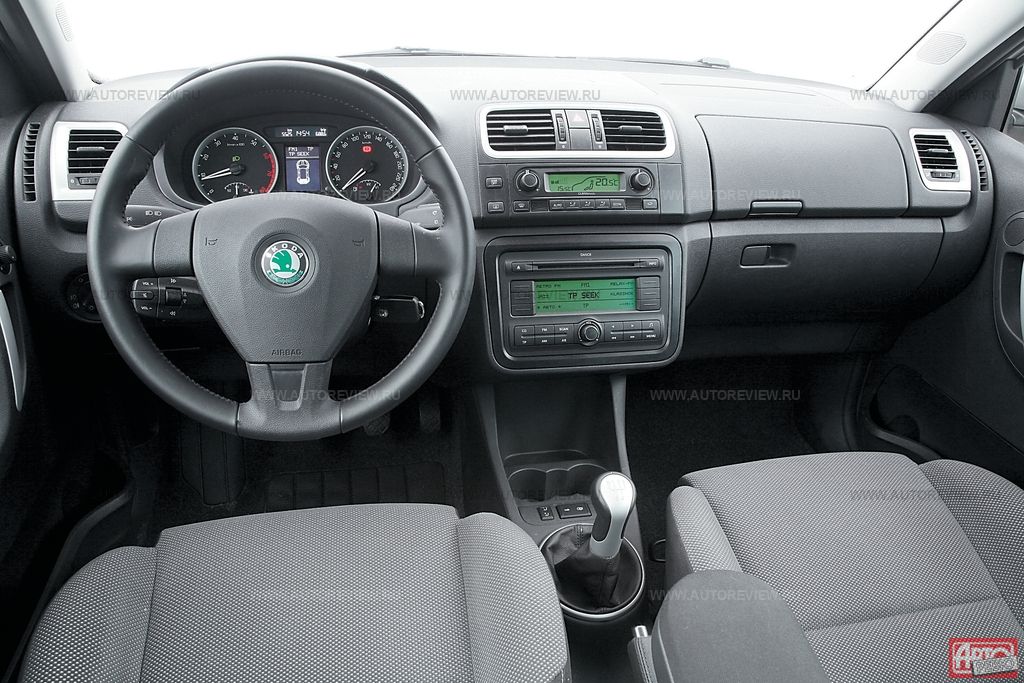 | 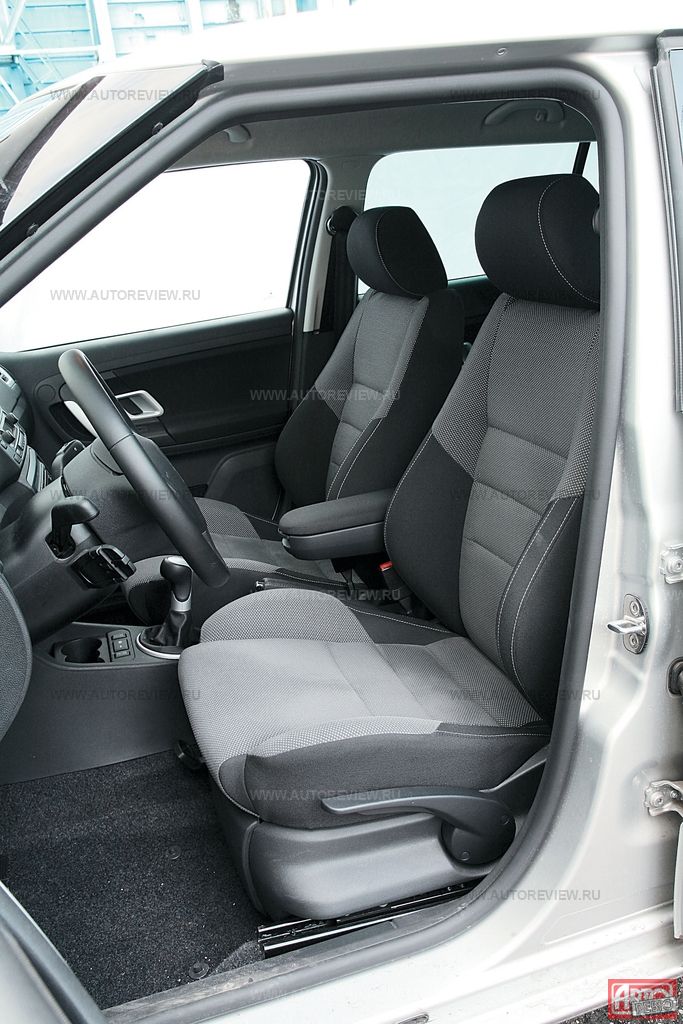 |
| The Skoda's interior is stingy with emotions but impeccably functional. Almost Volkswagen | The deep, perfectly profiled "buckets" of the Sport version can confidently be called the best |
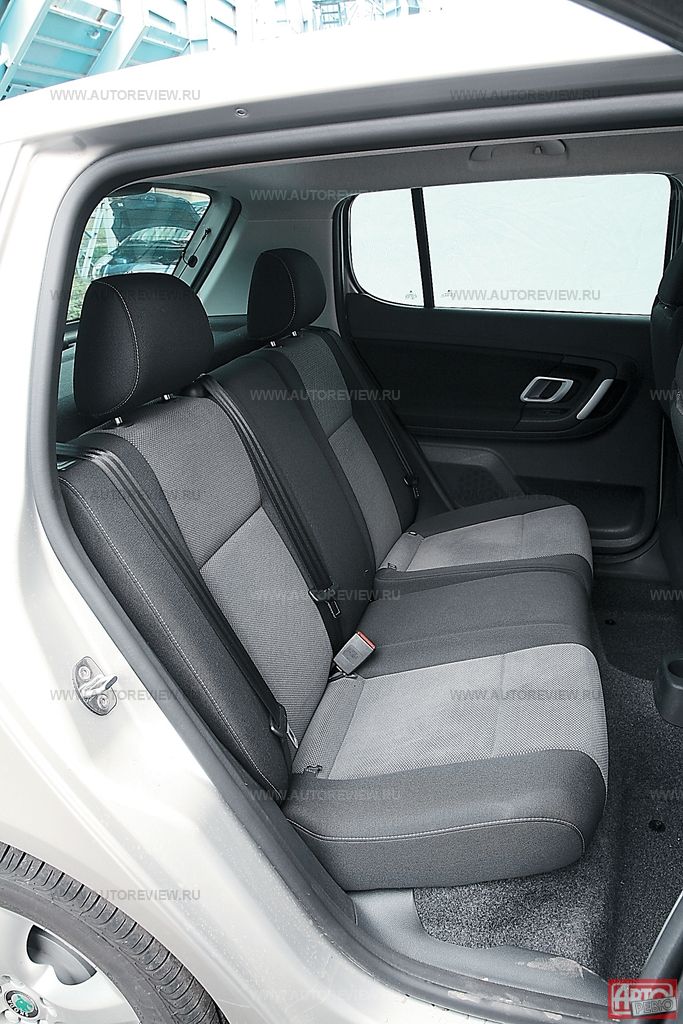 | 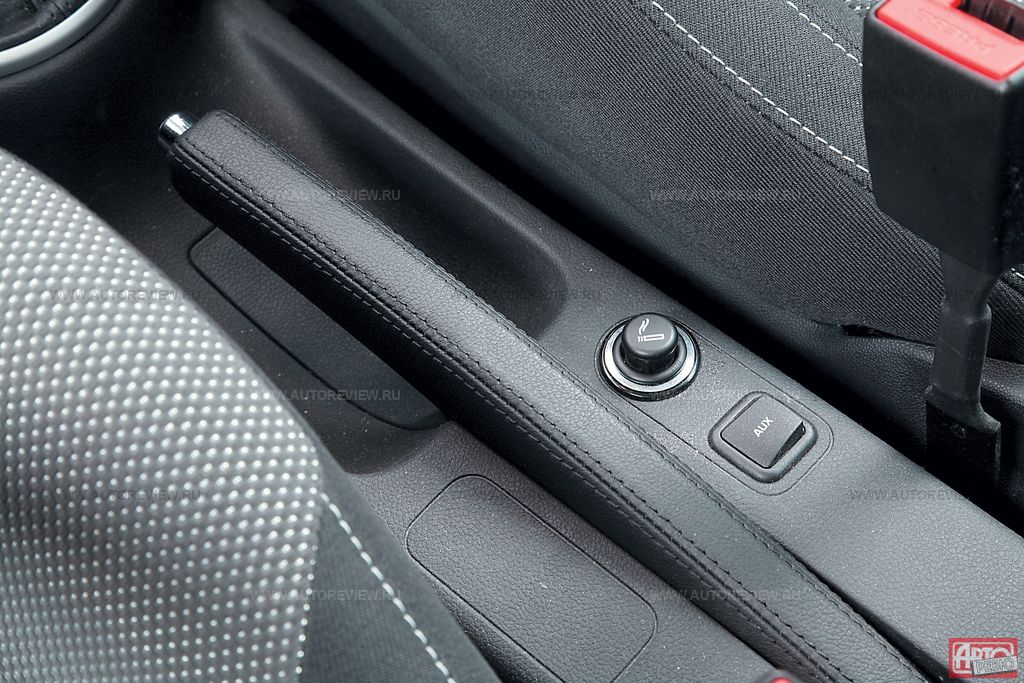 |
| The rear seats in the Fabia are the most spacious and comfortable | Next to the cigarette lighter is a connector for an "external" player: this is part of the optional audio system |
The Corsa is also good: the rear backrest adjusts for angle, there's plenty of shoulder room for three in the back, but knees still touch the front seatbacks. As for the trunk, its loading height could be lower.
In the cargo-passenger rearguard are the Peugeot 207 and Mazda 2. Sitting three in the back is tough, and for two passengers the Mazda is preferable. But for a supermarket run, it's better to take something else: the trunk is small. And the Peugeot 207 is the opposite: there's a bit less room for rear passengers, but more for luggage.
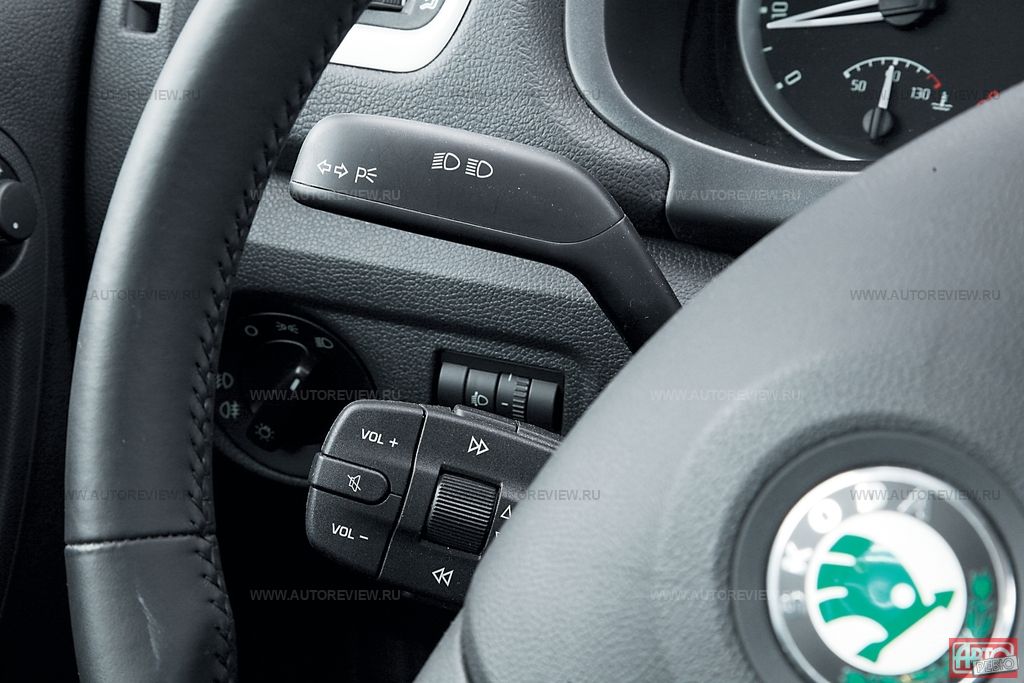 | |
| The Skoda Fabia offers a convenient overhead glasses holder | For the massive steering wheel-mounted stereo control, you'll need to pay an extra 1800 rubles |
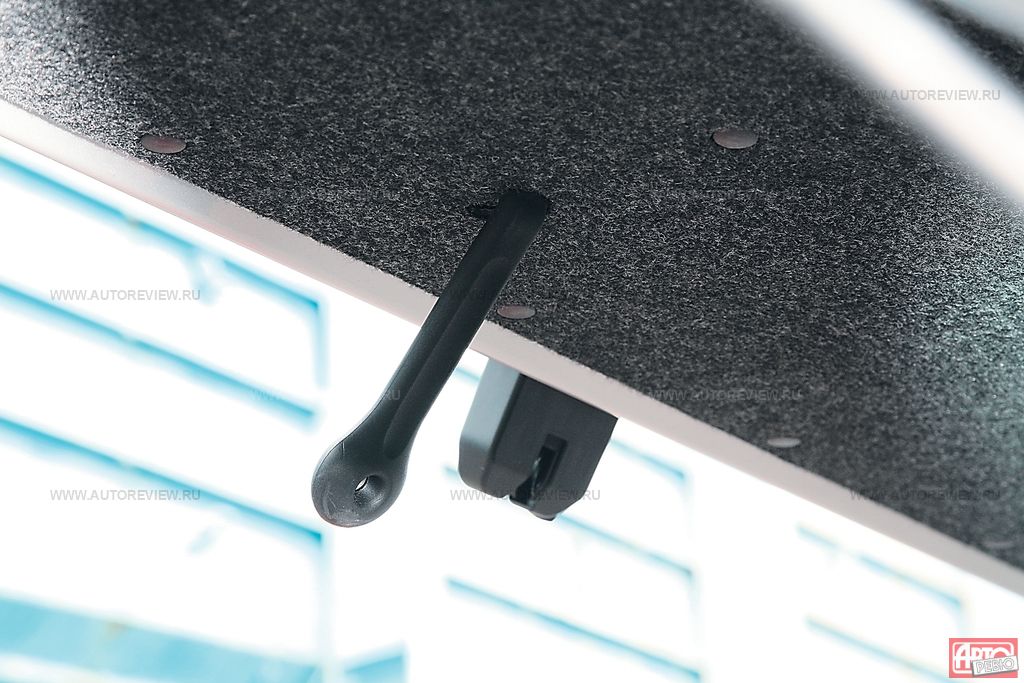 | 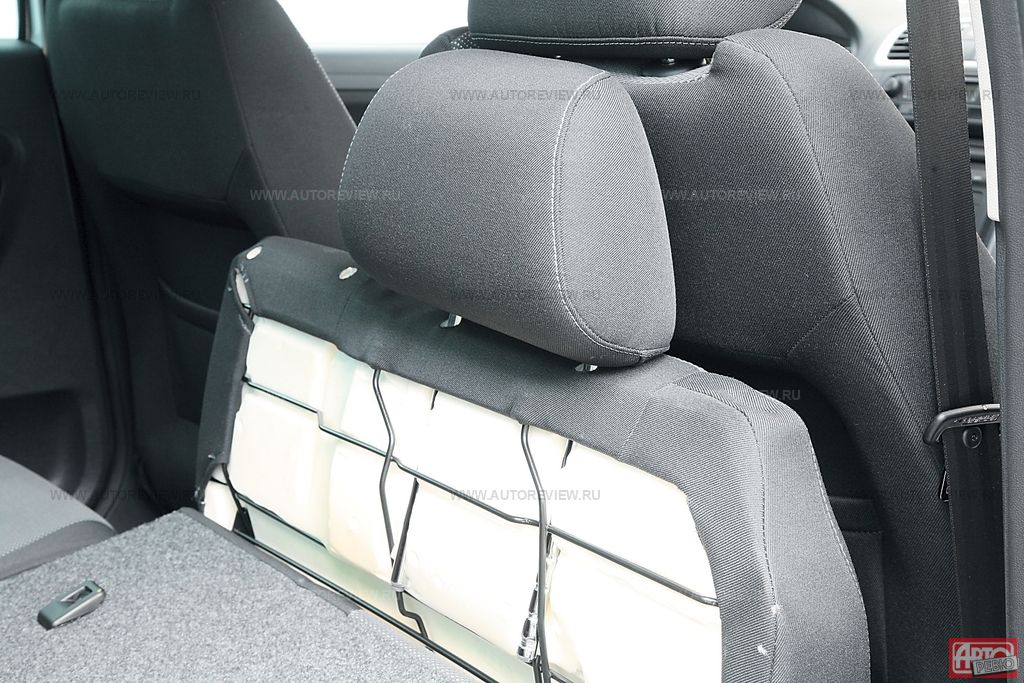 |
| Instead of an inner handle on the Skoda's trunk lid, there's a plastic strap | "Camping" attachment for rear headrests |
And now — let's go!
The Mazda 2 for Russia is equipped only with the most powerful 1.5-liter engine, and when weighed, it turned out to be the lightest. Now we divide 103 hp of rated maximum power by 1046 kg of measured curb weight — and we get a power-to-weight ratio of about 100 hp per ton. Not a supercar, of course. But more than enough to pull away from competitors with 1.3-1.4 liter engines for a few seconds during acceleration! The engine is great: it pulls briskly from 2500 rpm all the way to the maximum 6800 rpm. Reactions to the gas pedal are quick, and only the clutch lacks feedback.
| Mazda 2 | Opel Corsa | Peugeot 207 |
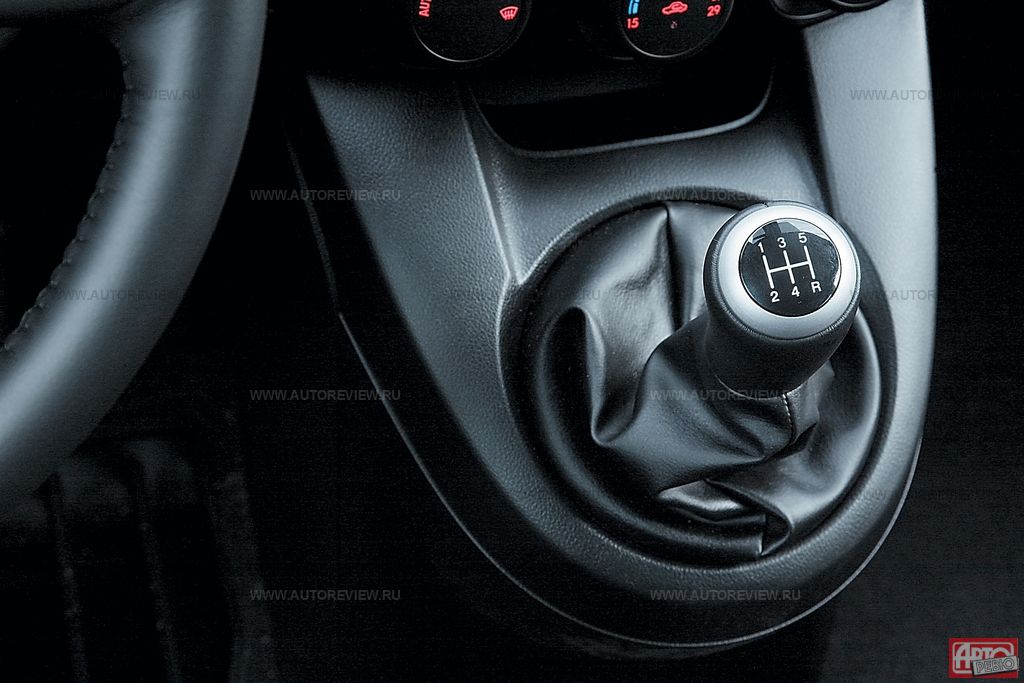 | 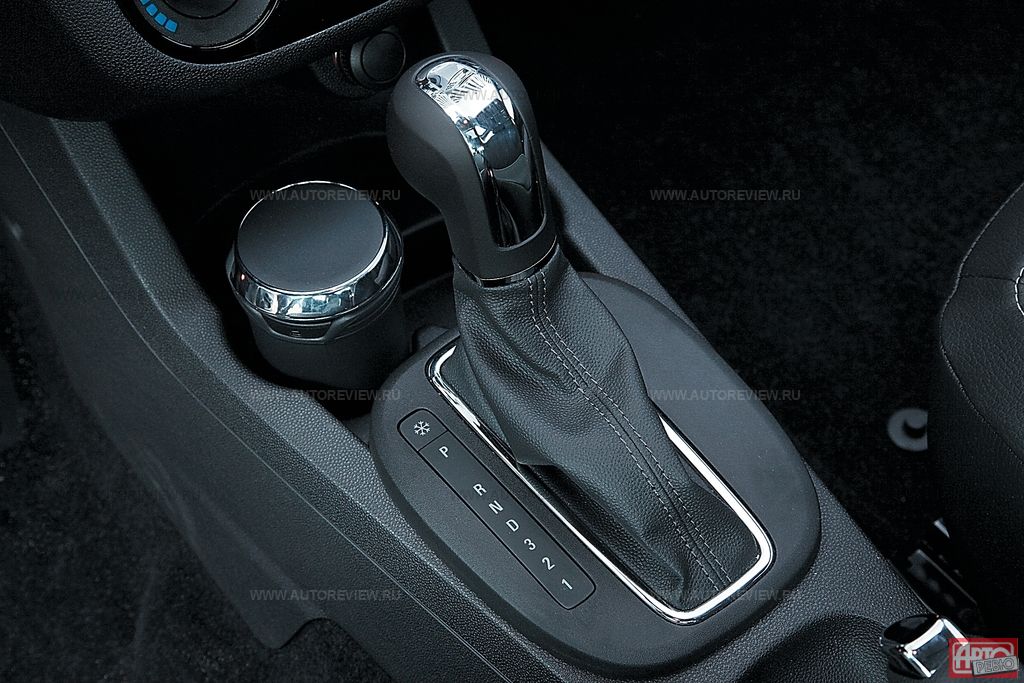 | 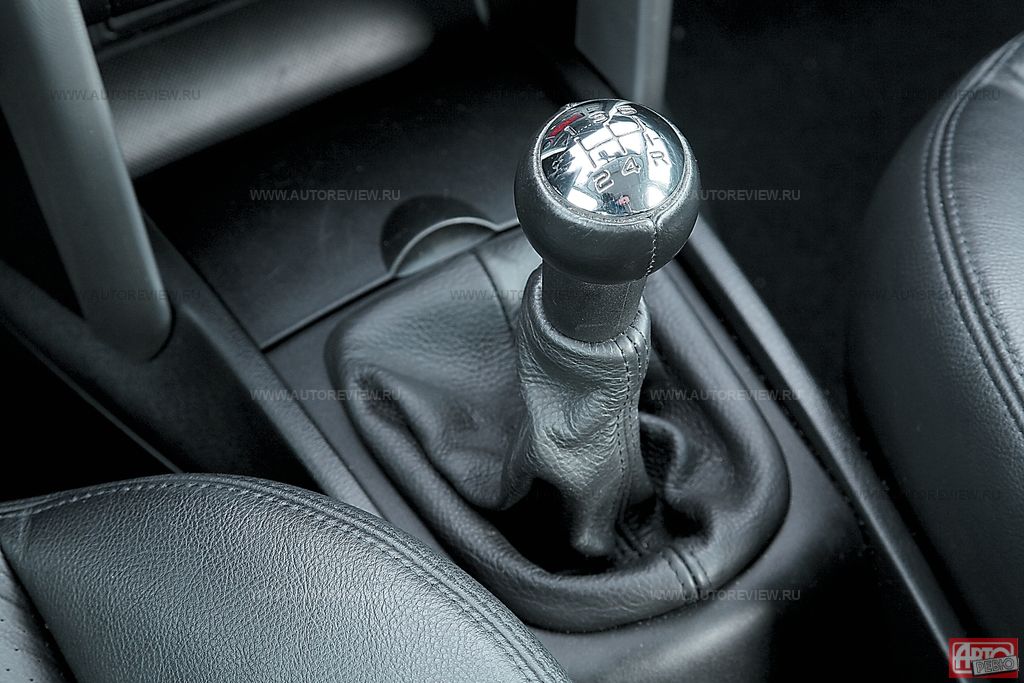 |
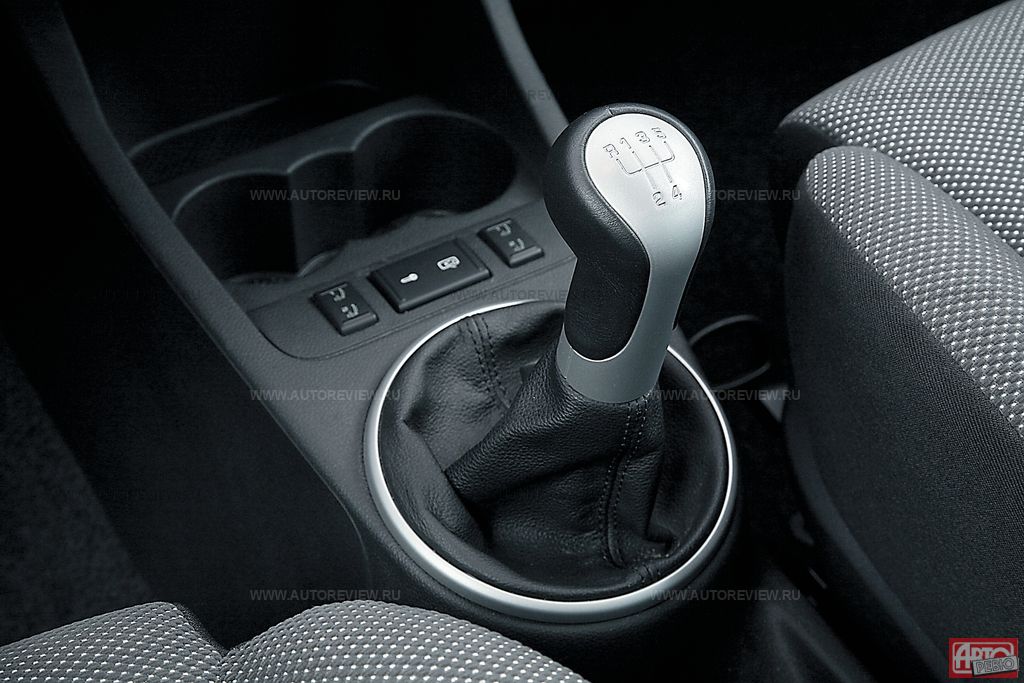
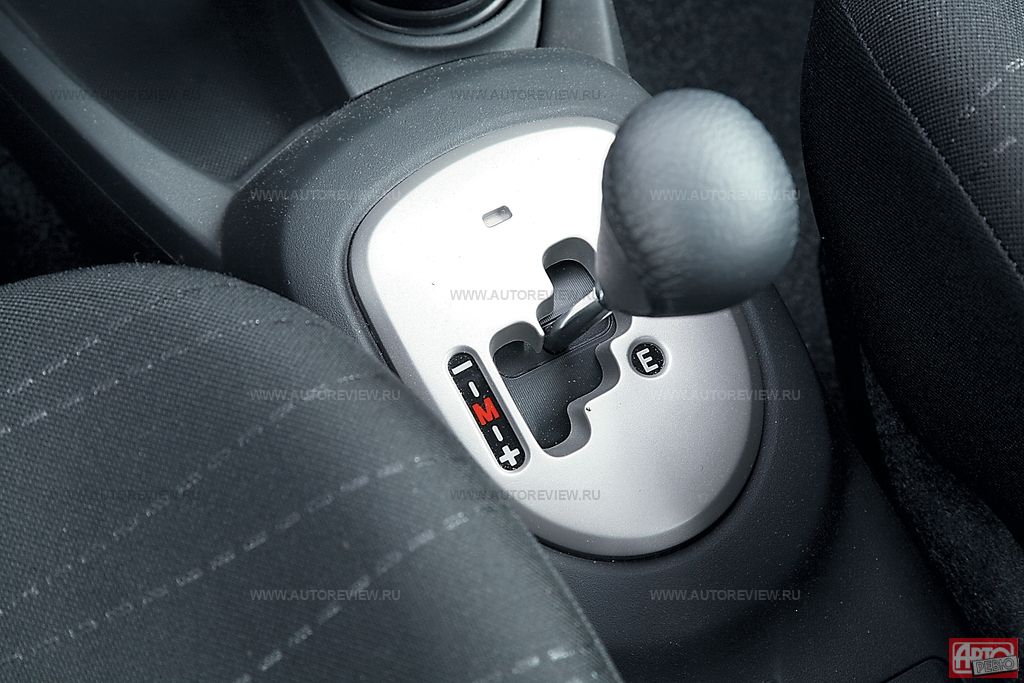
| Skoda Fabia | Toyota Yaris | The high-mounted gearshift lever of the Mazda is convenient, but a bit stiff. The Peugeot's joystick with a steel ball is more stylish and lighter, but its travel is also a bit long. And the best shift mechanism is in the Skoda — it's a pity the shape of the knob is not optimal. When using the Opel's automatic selector, it's important not to miss the desired position. The Toyota's MultiMode robot eliminates this risk, but the lever itself is mounted low |
 |  |
Second in the power-to-weight ranking is the Yaris: 87 hp from a 1.3-liter engine, divided by 1064 kg of curb weight, but we subtract the sluggishness of the MultiMode robotic gearbox (since in Russia mostly "robotized" Yarises are bought, it's simply impossible to get a car with a manual for testing). As a result, acceleration to 100 km/h takes 14.9 seconds, and the expert rating for traction dynamics had to be lowered due to the jerks and stumbles of the "robot".
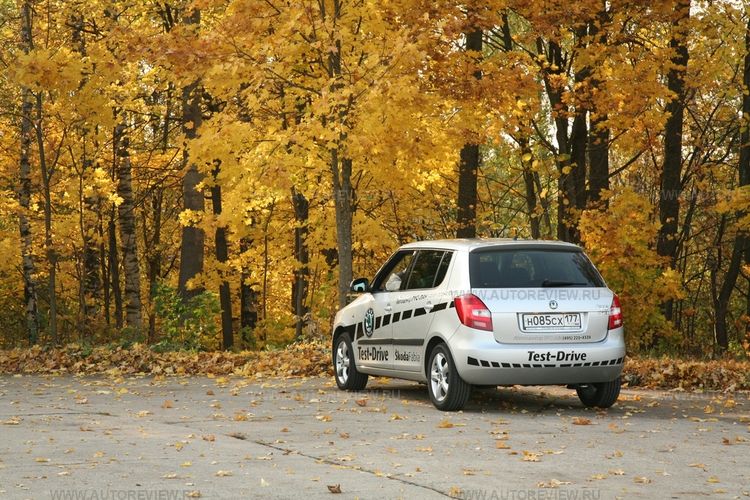
All three remaining cars have 1.4-liter engines of approximately the same power: about 90 hp. But the most spirited after the Mazda is the Skoda Fabia. After all, it is only slightly heavier than the Mazda and Toyota, and the gears of the five-speed manual are made deliberately "short". Unsurprisingly, the Fabia 1.4 reaches 100 km/h in 13 seconds. But acceleration is hardly a joy — the gas pedal is "thoughtful", the engine howls unpleasantly at high revs and fades long before the maximum 6100 rpm…
Now the Peugeot 207 is a different story! Objectively, it is slightly slower — 14.7 seconds to 100 km/h. But even the heaviest (1237 kg) Peugeot 207 with a manual turned out to be faster than the "robotized" Yaris, and most importantly, it allows you to enjoy managing the throttle. And it even excites! True, up to 3500 rpm the engine is sluggish and inelastic, but at high revs, with the exhaust ringing, it just urges you to be more lively.
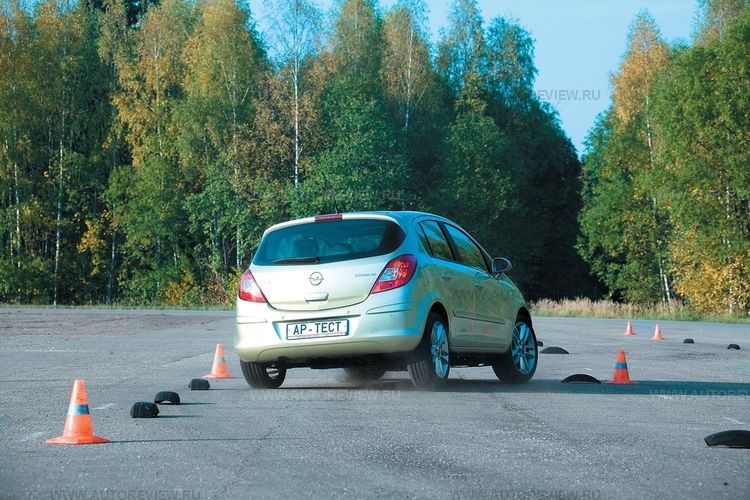
And this time the title of slowpoke goes to the Corsa. A year ago, a three-door with the same 1.4 engine and a manual weighed 1177 kg and reached 100 km/h in a tolerable 14.5 seconds. But now we got a five-door with an automatic and optional 17-inch wheels. The scales showed 1224 kg, and the stopwatch of the measuring system — a lo-o-ong 16.5 seconds to 100 km/h. Sluggish. Although the automatic works smoothly and predictably. So if you're not in a hurry, the Corsa won't annoy you. And if you need to brake urgently, it won't let you down. Our measured braking distance from 100 km/h is the shortest: 39.8 m!
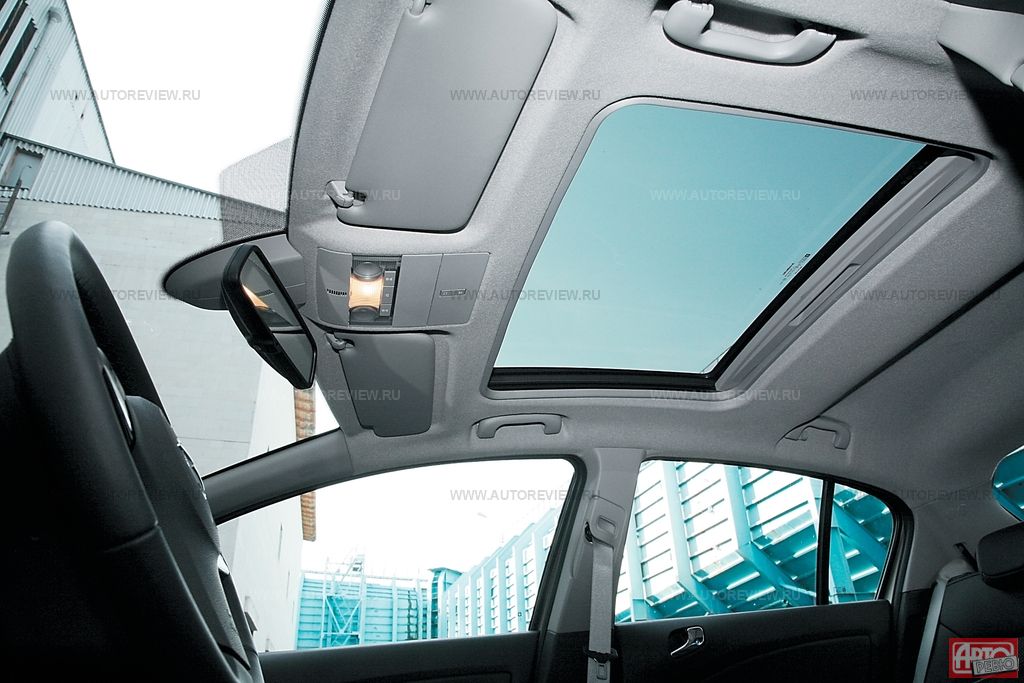 | 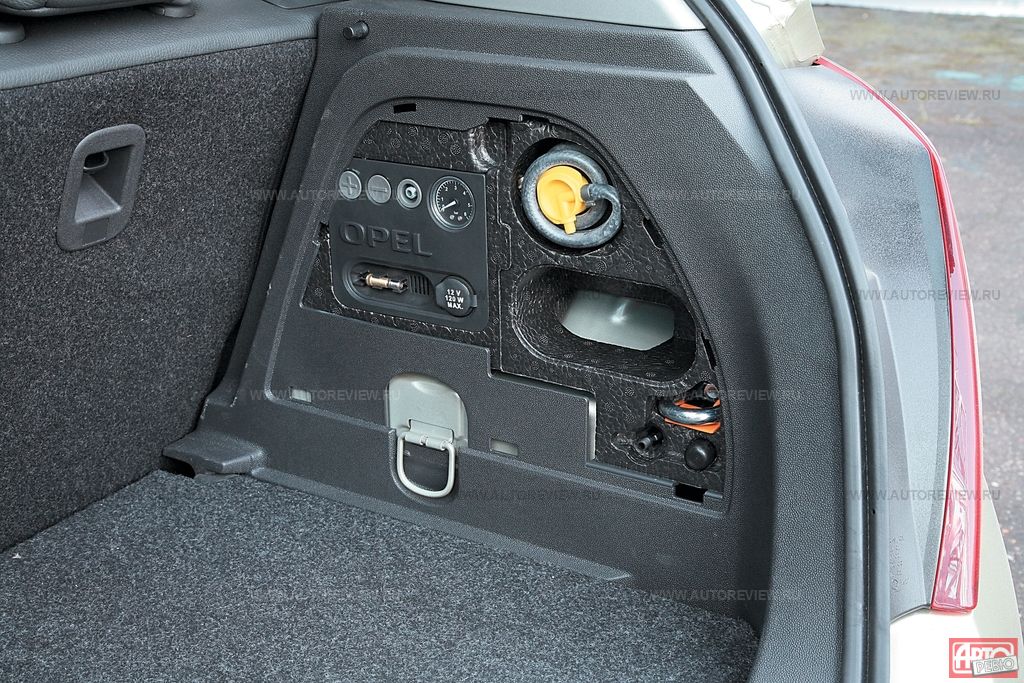 | 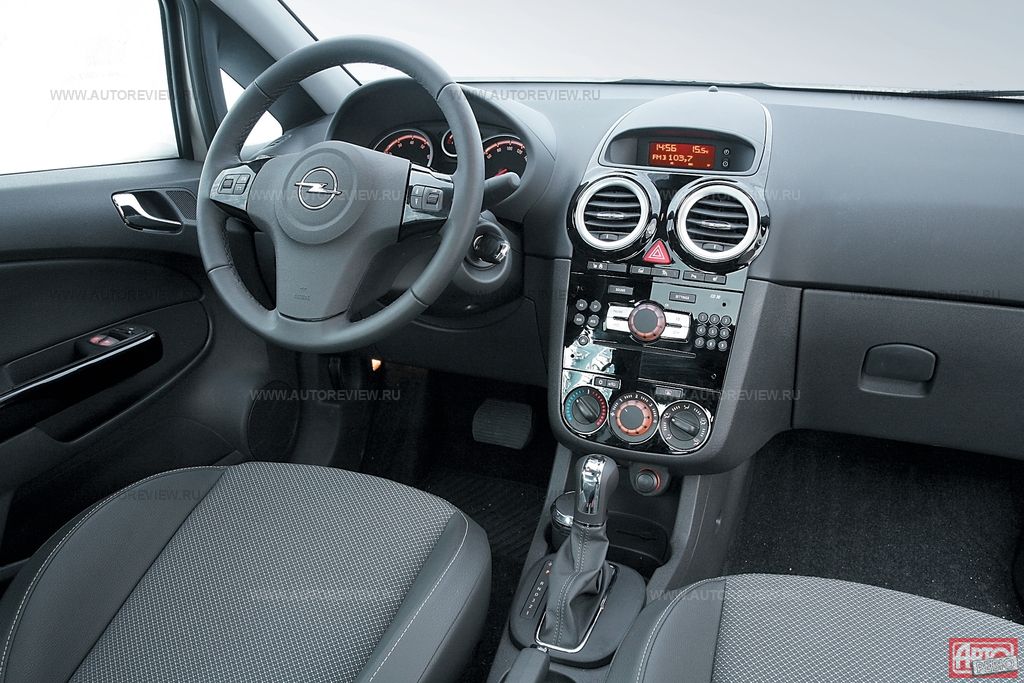 |
| The large sunroof in the Corsa is another 22 thousand rubles ($905) | In case of a puncture, the Corsa offers to make do with a repair kit with sealant and compressor | Opel Corsa: design, execution, materials — everything is at the highest level |
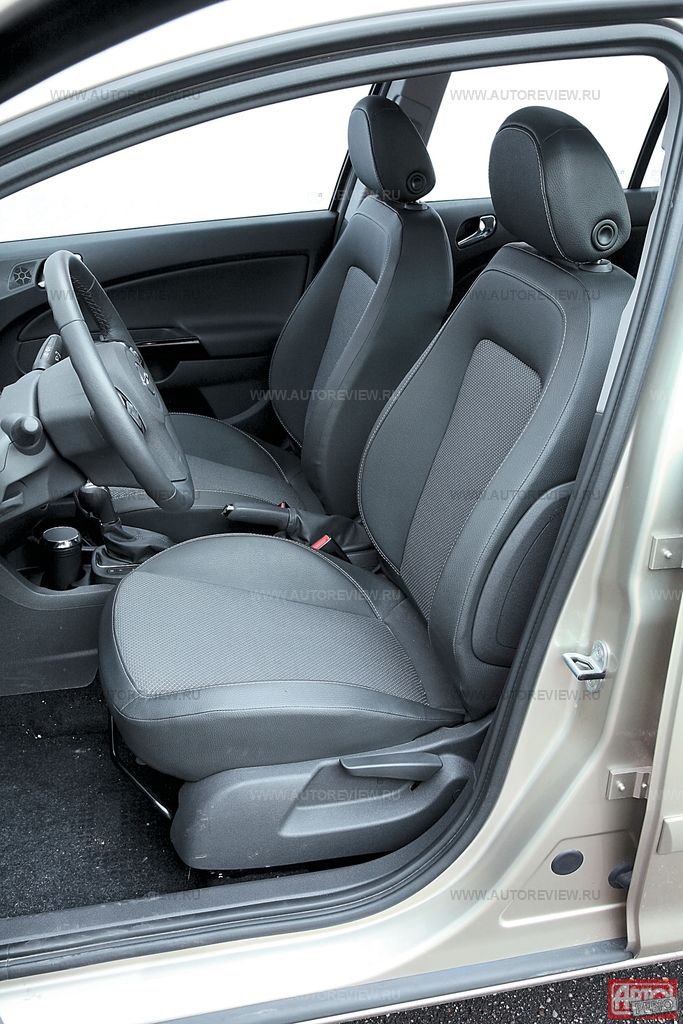 | 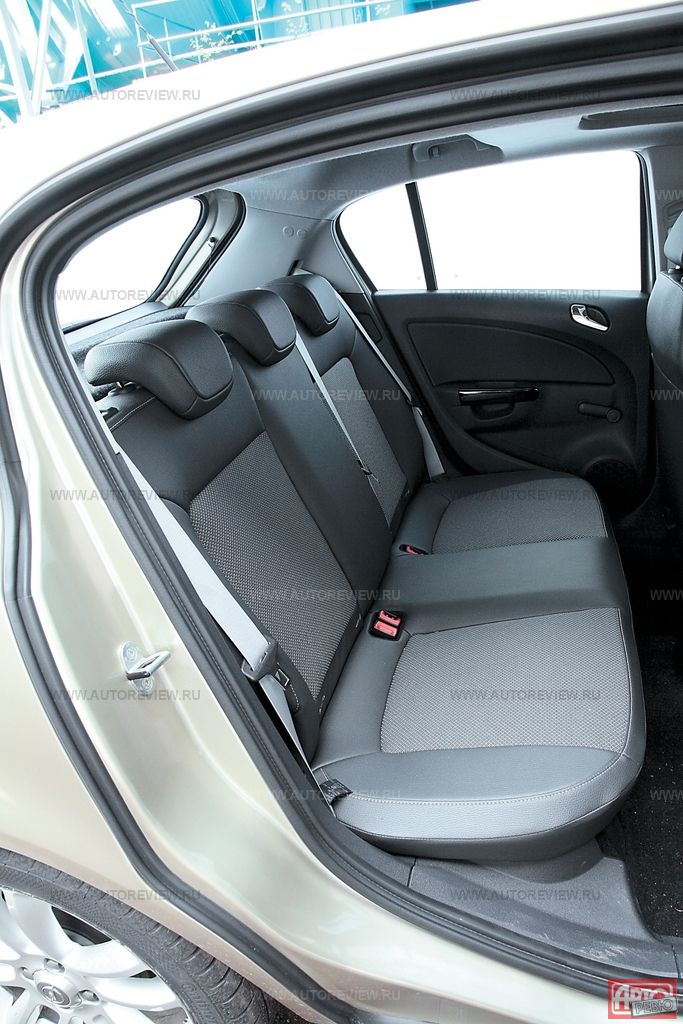 | |
| In the firm, truly German seats, a person of any height can sit comfortably | Rear passengers have less knee room than in the Mazda, but three people can sit here more comfortably |
However, all other cars have no problems with brakes either — neither in normal modes nor during emergency braking. And the spread in braking distance (up to 44.2 m for the Peugeot 207) can easily be explained by the difference in tires.
But the differences in handling are radical!
The Mazda 2 is not only the fastest, but also the most exciting.
| Mazda 2 | Opel Corsa | Peugeot 207 |
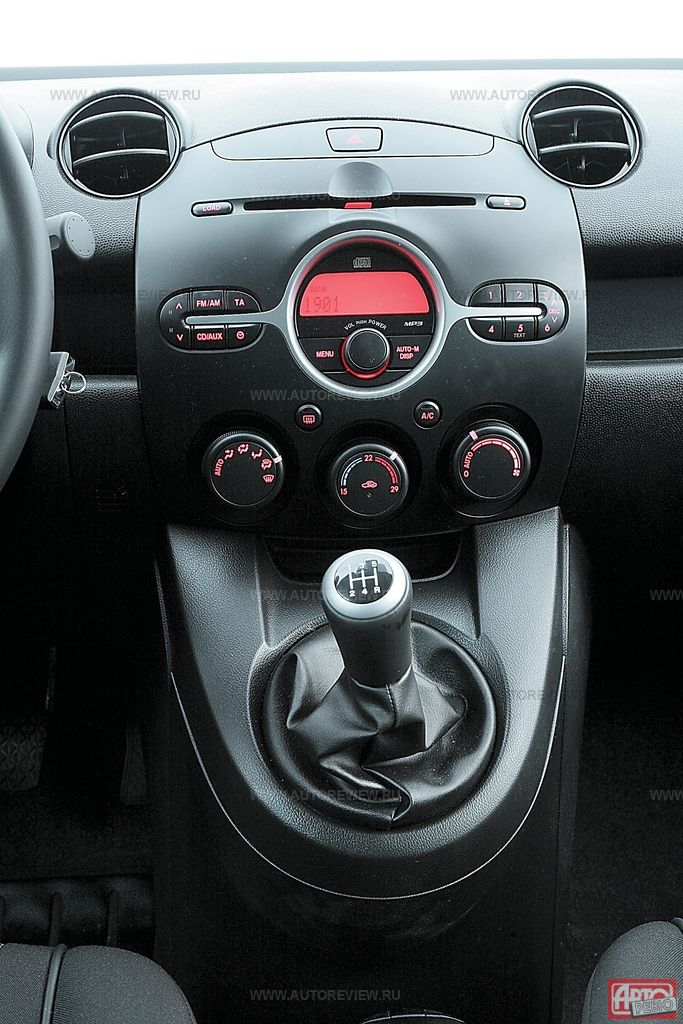 | 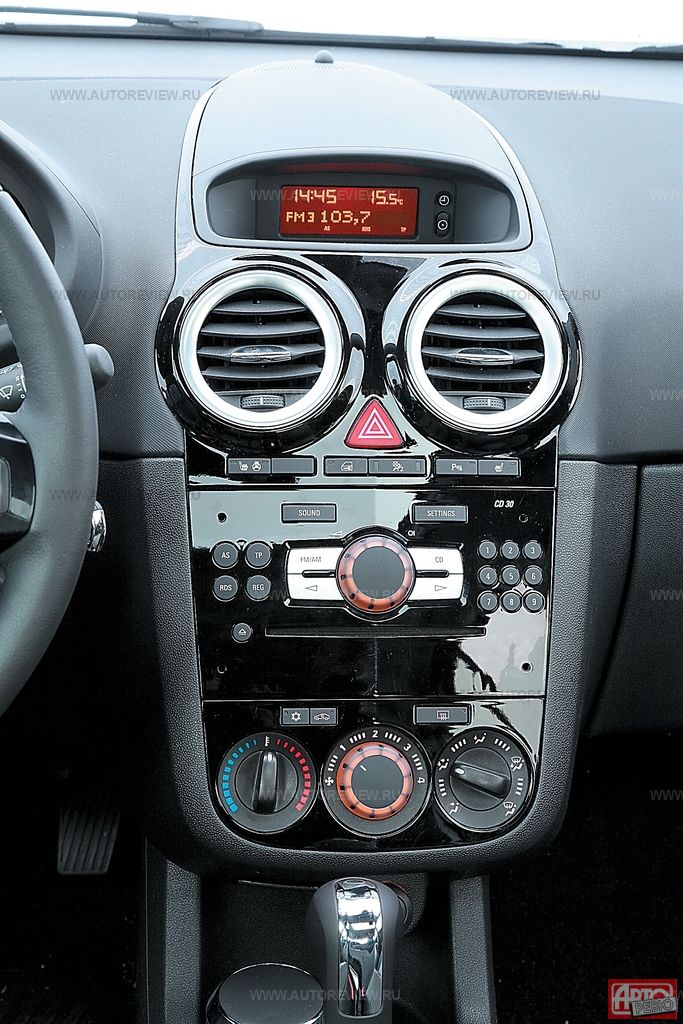 | 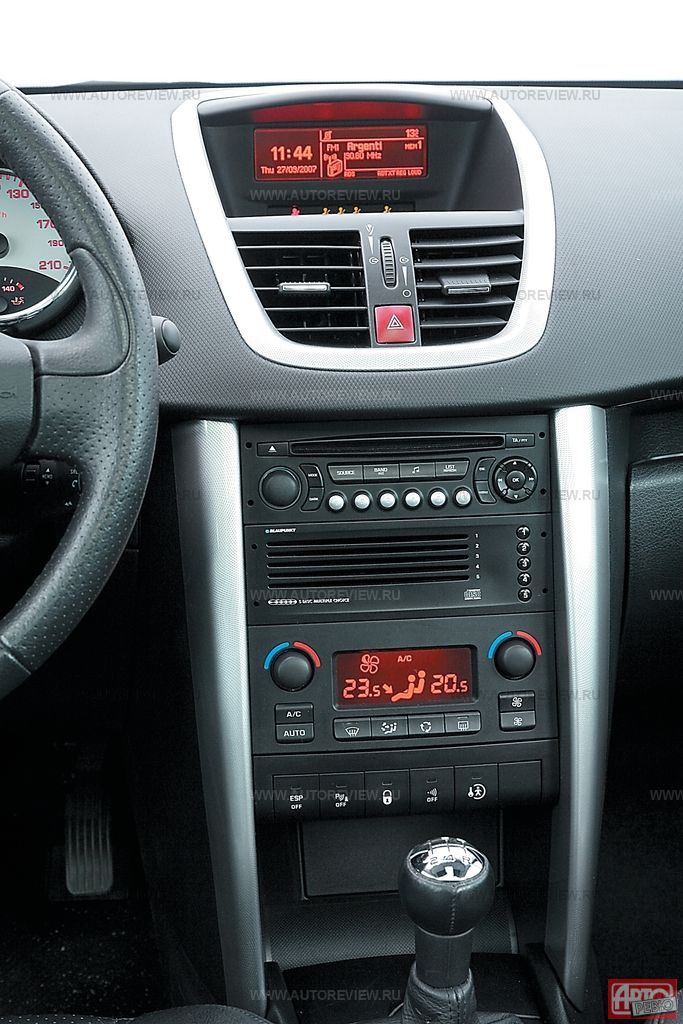 |
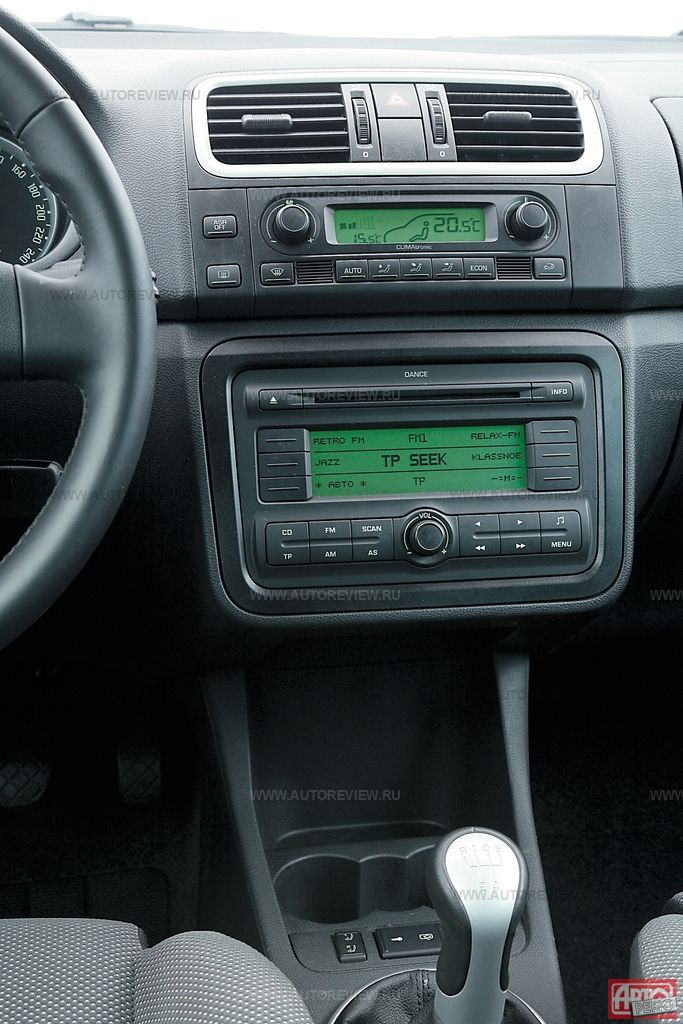
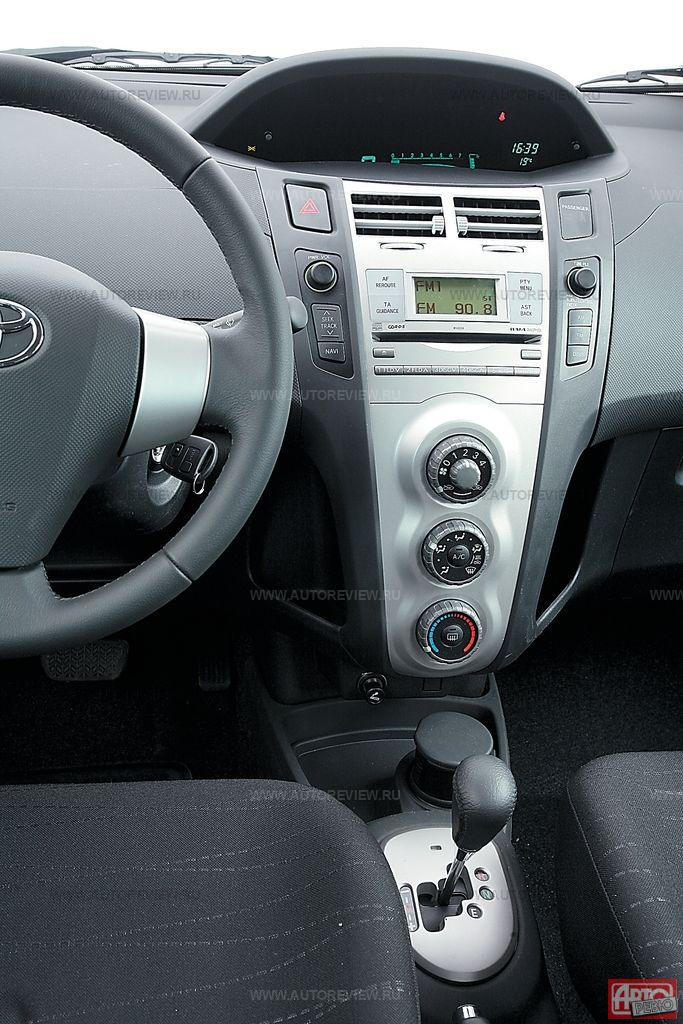
| Skoda Fabia | Toyota Yaris | Using the Mazda's climate control knobs is a pleasure, but the indication of its operating modes is only on the knobs themselves. The Corsa's center console is a riot of shapes and textures, but the air conditioning control is organized primitively — the temperature and mode knobs are too simple. The climate control in the Peugeot 207 is dual-zone: the knobs and buttons are a bit small, but the display indication is comprehensive. The "climate" in the Skoda is simpler, the display is smaller, but the knobs are optimally placed. In the Toyota, everything is turned upside down: the lowest "traffic light" dial is responsible for temperature, rotating the "button" in the center of the upper dial changes the fan speed, and the large outer ring activates the recirculation mode |
 |  |
The electric power steering is one of the best: it's just a pity that at city speeds the "zero" position is a bit vague and information content drops slightly during sharp movements. But as speed increases, the three-spoke steering wheel becomes a precise tool. A sharp maneuver, a steep turn — the "two" enjoys it all! It dives into corners with ease and holds the line accurately, even if the road surface is wavy Moscow-region asphalt. Higher speed — and the Mazda slides "neutrally" on all four wheels. Lift off the throttle — and you get a smooth controlled drift and a delicate response from the stability control system. Moreover, the electronics can fight not only oversteer, but also, which is sometimes more important for an unprepared driver, understeer. And if you turn off the DSC? No problem — the same neutrality and full predictability.
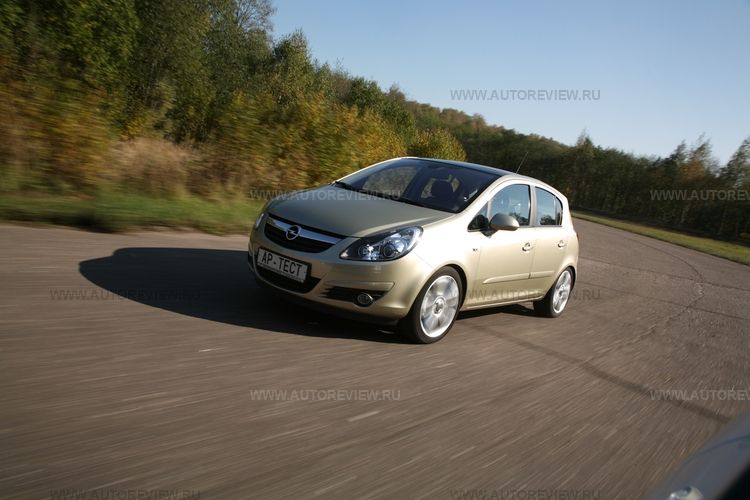
Breed is felt in the appearance and manners — the Corsa is precise and sharp in handling. Sometimes even too much
Great!
But the Opel is no worse. The steering here is the "shortest" — 2.2 turns from lock to lock, reactions on 17-inch tires are instantaneous, and the steering system delights with crystal clarity. The Corsa is as sharp as a corsair's sword — at high-speed lane changes this is even a bit tense. The German chassis is tuned for a noticeably greater tendency to oversteer, so the stability control system here is non-switchable and stricter: it activates earlier than the Mazda's, not allowing any mischief. It, by the way, also knows how to fight understeer. On an arc, the Opel rolls and sways more than the Mazda, but thanks to the larger tires, the Corsa's speed threshold is slightly higher. And beyond it — a predictable slide outward on all wheels.
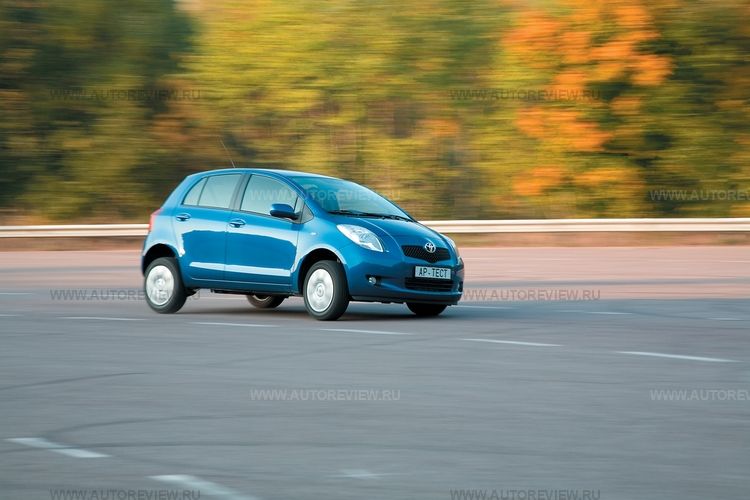
The Yaris looks friendly, but handles characterlessly — vague reactions, large rolls, low stability limits
Another delicacy is the Peugeot 207. The fake weightlessness of the steering wheel in the parking lot gives way with increasing speed to a truly driver-oriented effort — heavy, but perfectly informative. The sharpness of reactions fits here, as does the excessive abruptness with which the car darts from lane to lane — as if you're sitting in a nimble go-kart. In fast corners, the Peugeot 207 is very reliable: where others are already sliding into a drift, it only slightly screws into the inside of the turn. But if you go even faster, the "207" will start to slide outward with its front end — and only then transition to understeer of all four wheels. Pleasant and reliable, but Mazda and Opel are slightly better.
 <\/a><\/td> <\/a><\/td> |  <\/a><\/td><\/tr> <\/a><\/td><\/tr> |
<\/td> To open the Yaris trunk, you need to pry a small tab on its lid with your finger<\/td><\/tr>