
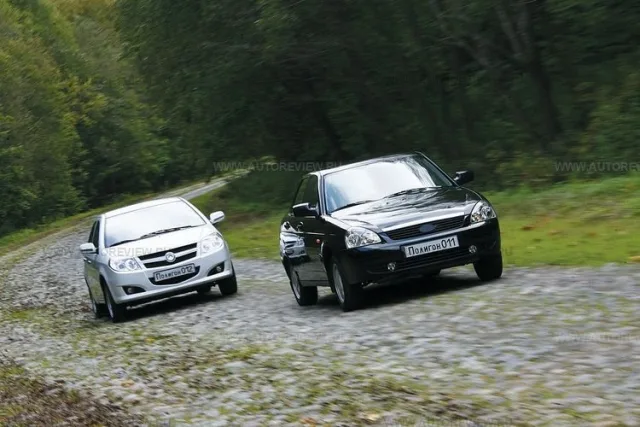
Why is the Zaporozhets considered the most expensive car on the planet? It's simple: people save up for it their whole lives. No supercar causes such heated battles as comparisons of "people's cars." Last year, the discussion of the Lada Priora test on the Autoreview forum stretched to seven pages online! Meanwhile, debates about the Ferrari F430 and four other supercars took only five.
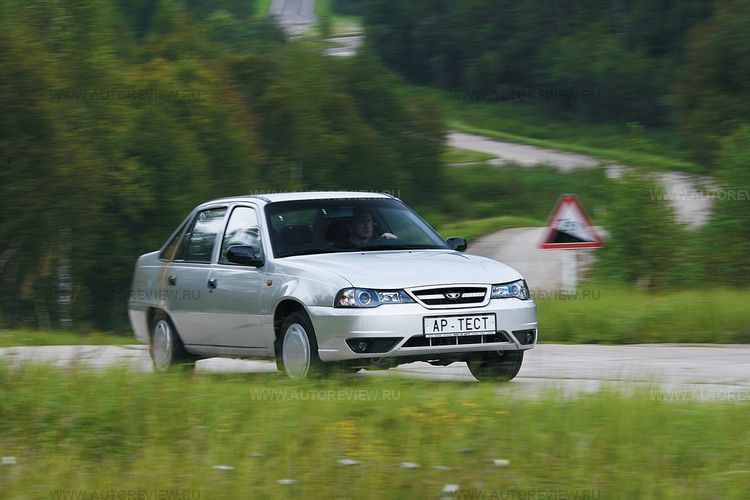
The steering wheel feels empty, reactions are sluggish... It seems the Nexia is dozing behind the wheel
And now we face a serious showdown: what to choose — the updated Daewoo Nexia, the fresh "Chinese" Geely MK, or maybe the Lada Priora? After all, people save up for the Priora and Nexia for years too, so they defend them like family. The main thing is that many of us drive such cars: in just eight months of this year, 82,610 Prioras and 36,265 Nexias were sold! The advertising doesn't stop: "Nexia New — at all official dealers," "Geely MK — your choice will be appreciated," "Lada Priora — priMake a decision"... So what decision should we make if we need a car with power steering, air conditioning, and a reasonably powerful 16-valve engine?
 |
 |
|
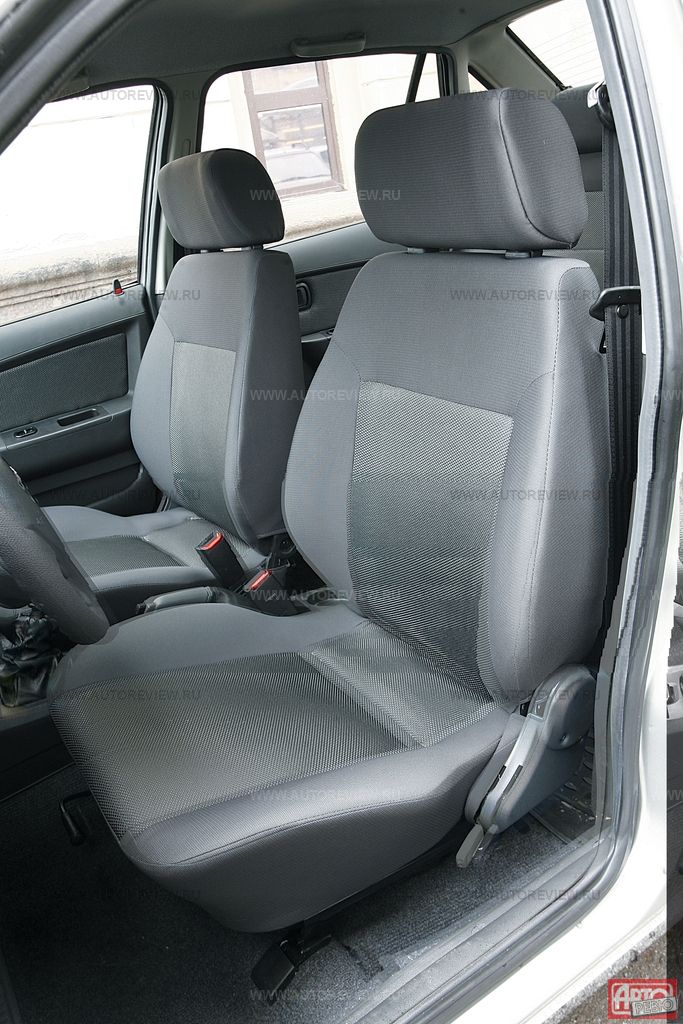
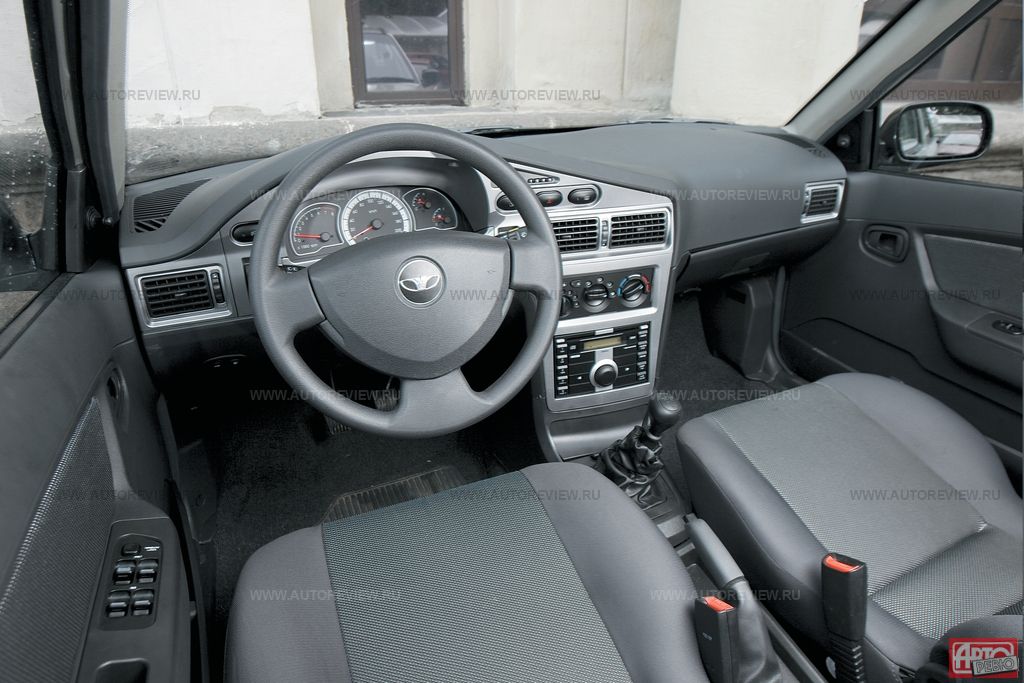
| The Nexia's seat is the most uncomfortable | Daewoo's interior restyling in the spirit of "euro-overlay on the dashboard." The quality is corresponding... |
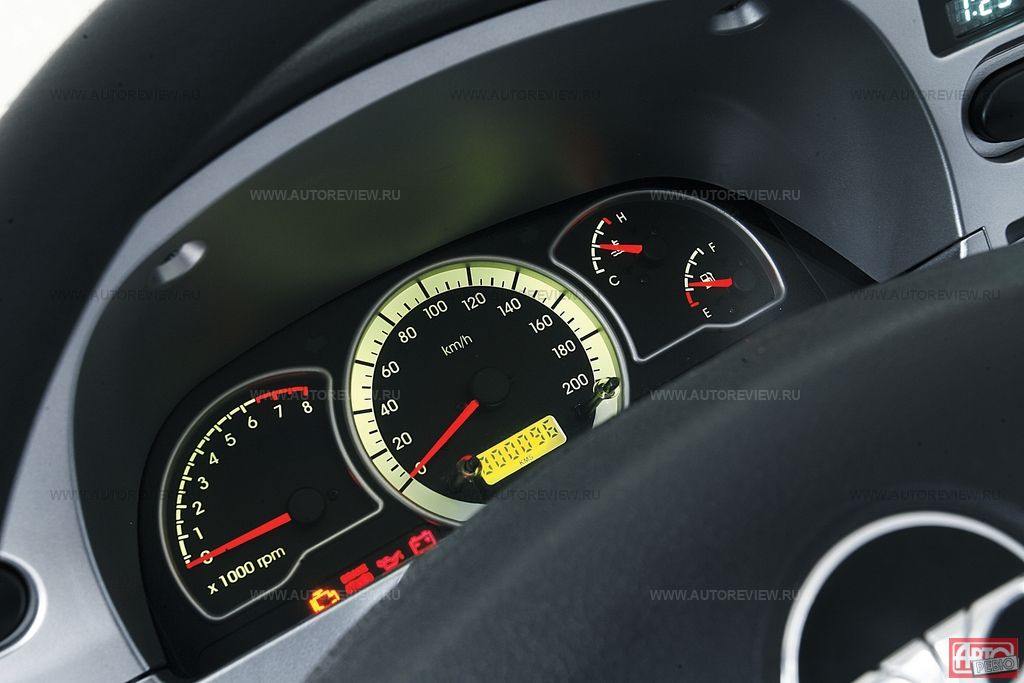
...a skewed instrument cluster... |
| ...a crooked glove box lid... | ...horrible! |
Of the three, the most affordable is the Nexia: 309 thousand rubles. The Priora costs 313 thousand rubles. And the most expensive turned out to be the Geely MK: from 319 thousand rubles.
Well, shall we argue?
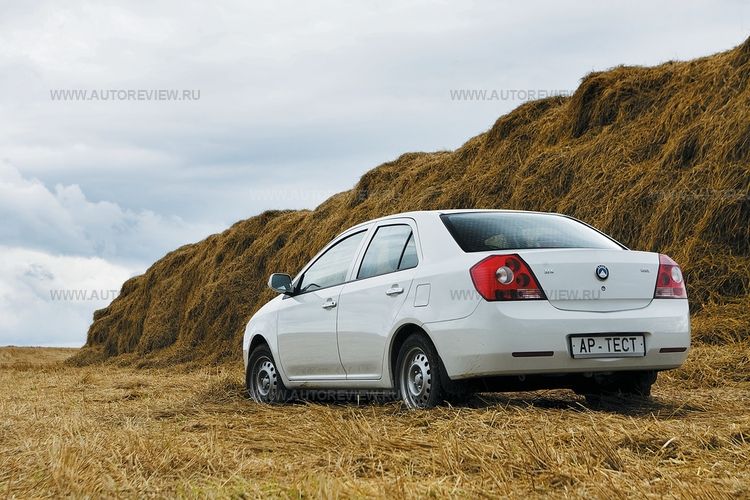
Just let's not talk about design. "Get used to it and you'll grow to love it" — this principle unites all three cars. We're already used to the Priora. The angular, supposedly original appearance of the Geely MK doesn't bother us either. We can even be glad that it's now hard to guess its secret source — the "Thai" sedan Toyota Vios (essentially a restyled first-generation Yaris sedan). But the newly frowning Nexia still catches the eye. Never mind, for 309 thousand rubles, you'll get used to it and grow to love it.
| Daewoo Nexia | Geely MK | Lada Priora |
 |
 |
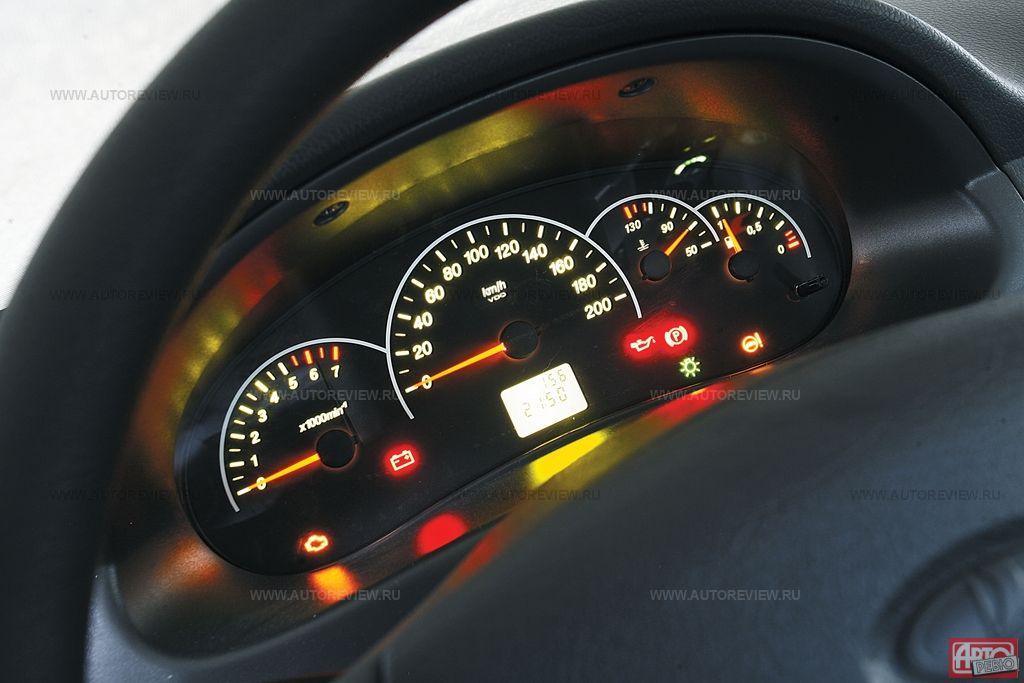 |
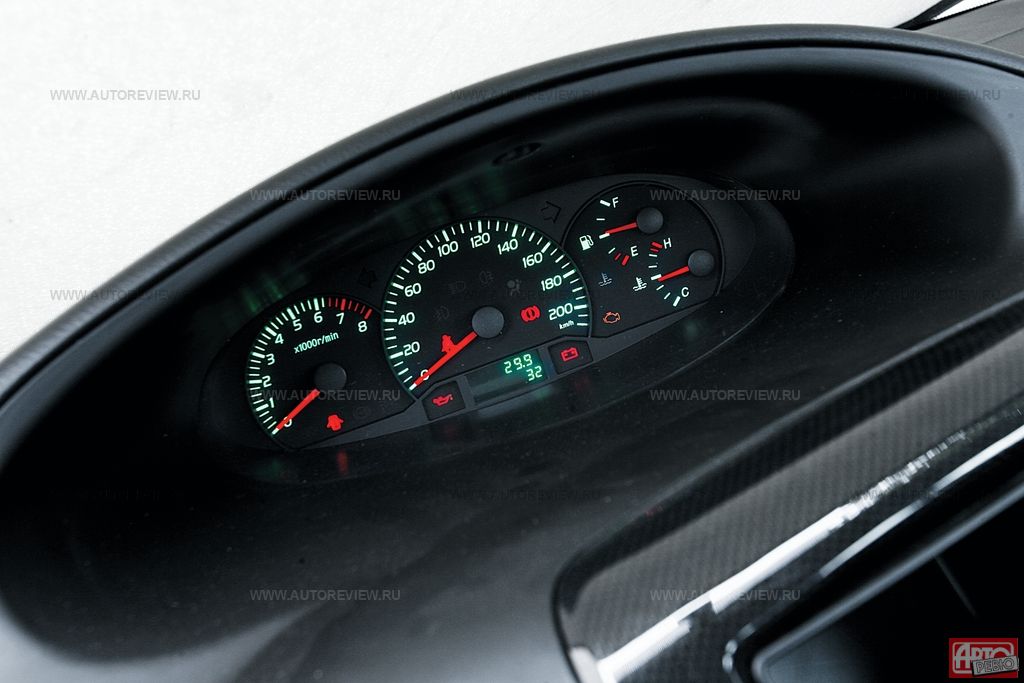
| We liked the Priora's instruments the most — clear and legible. In the Nexia, the speedometer overshadows the other scales, while the Geely's instrumentation, placed in the center of the panel, makes you squint and glance sideways — the red-green backlight is too harsh, and the turn signals work silently | ||
 |
 |
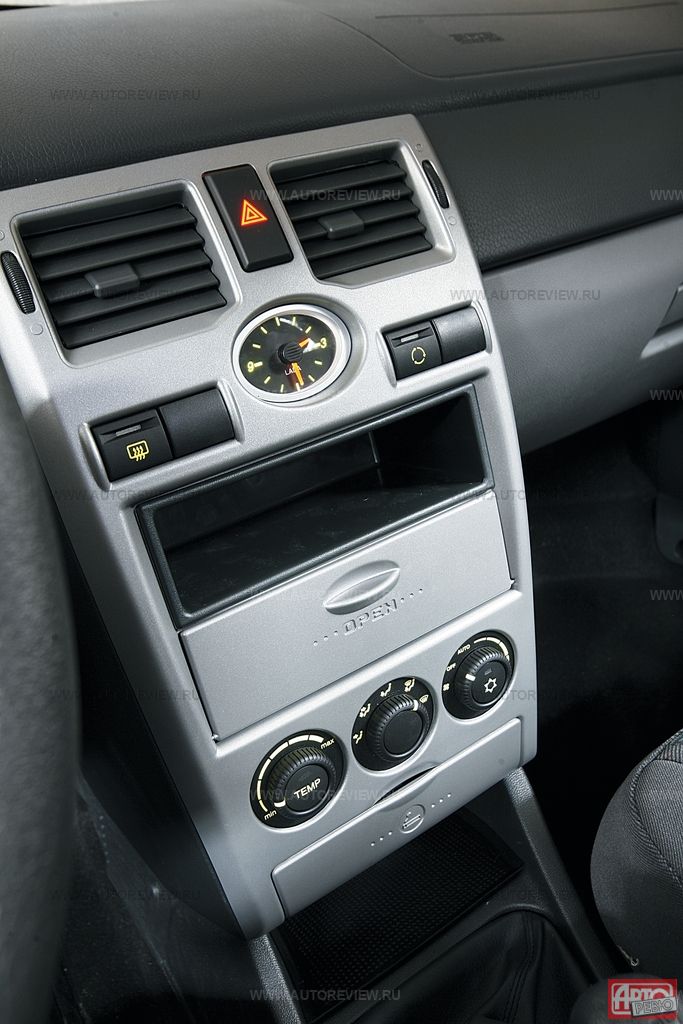 |
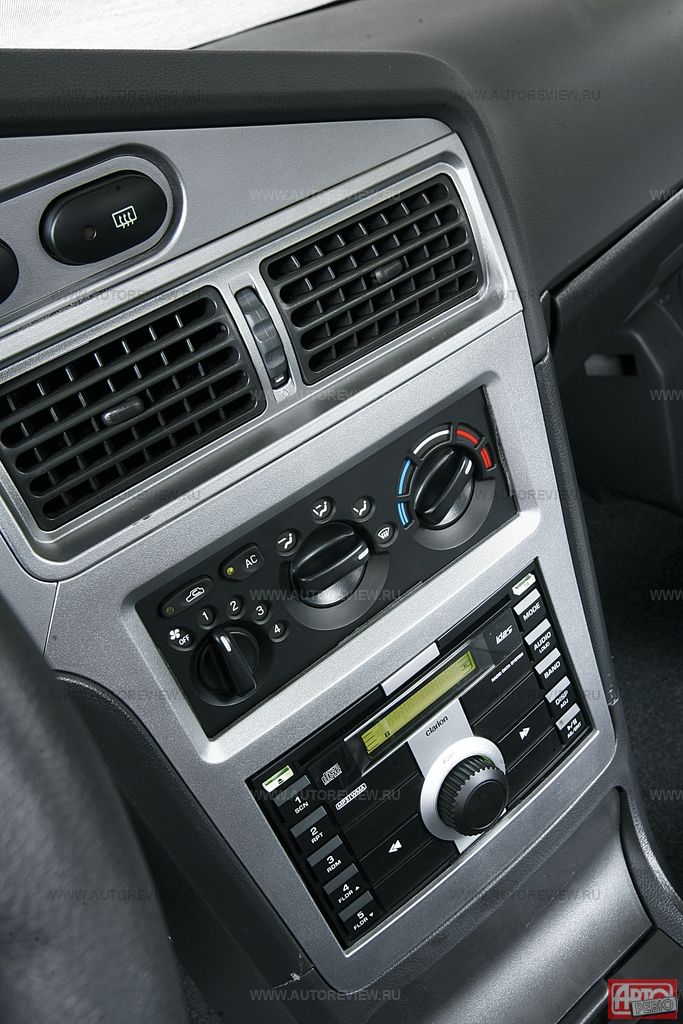
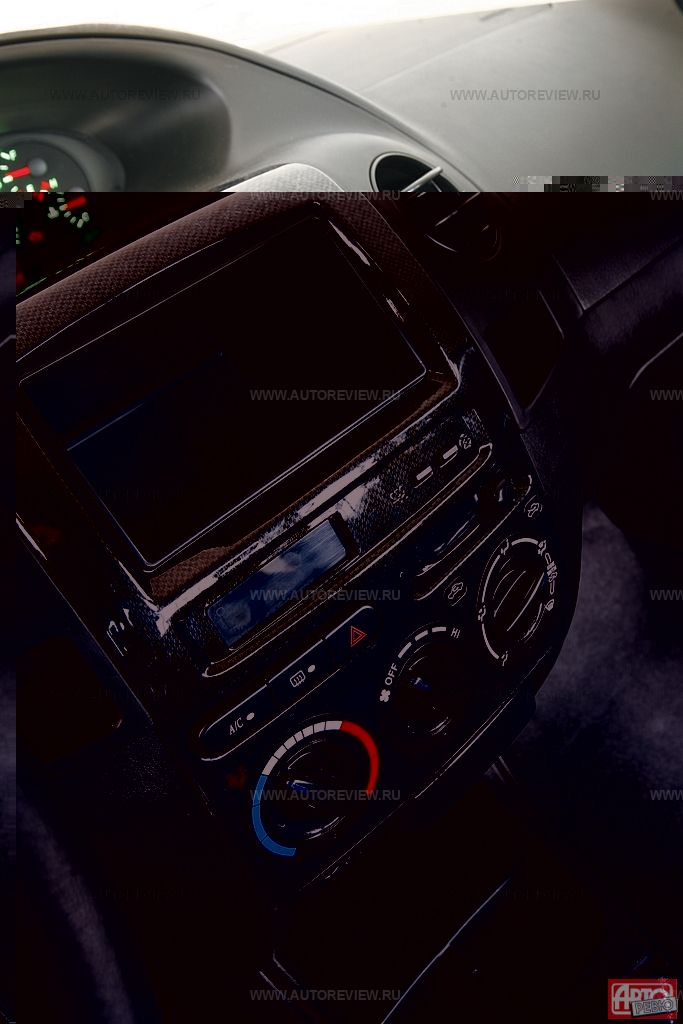
| The Clarion stereo in the Nexia sounds terrible, but the Geely and Priora don't even have one. The Nexia's climate control knobs are mismatched, turn stiffly and unevenly; the Geely's switches, on the contrary, are loose, and under the hood hides an archaic valve for switching heating between summer and winter modes. The most pleasant climate adjustment is in the Priora: only here is there an automatic fan mode | ||
When closing the driver's door of the Nexia, you have to twist your arm as if swimming the crawl. But after looking around the cabin, you stop noticing ergonomic flaws like the non-adjustable steering wheel, the sunken backrest of the rather stiff seat, and the pedal assembly shifted to the right. Where is the quality or at least a hint of it? Where are you, Opel Kadett or even the Daewoo Nexia we knew before? The front panel is hard as a bell with a curved edge and a protruding windshield seal, the instrument cluster is skewed, making the already crooked steering wheel seem even more crooked. Who needs such a restyling? The old climate control unit "breathes" in the new center console not only figuratively but literally: when changing airflow direction, something hisses under it. Panel gaps are misaligned, seat upholstery seams have puckers. And on the silver-painted console, black scratches are visible... You no longer want to start the engine.
The Geely MK's interior also doesn't shine with finish: the hard front panel seems a dirty black, the glaring pseudo-carbon "bubble" of the center console, and the tasteless assortment of materials on the gear lever — here you have metal, leather, and "fake wood." But it's all assembled much more neatly than in its Uzbek sibling: gaps are even, no misalignments. Compared to the Otaka model (aka CK), which competed with the Priora last year (see AR No. 18, 2007), this is noticeable progress! The Chinese are gaining, gaining momentum...
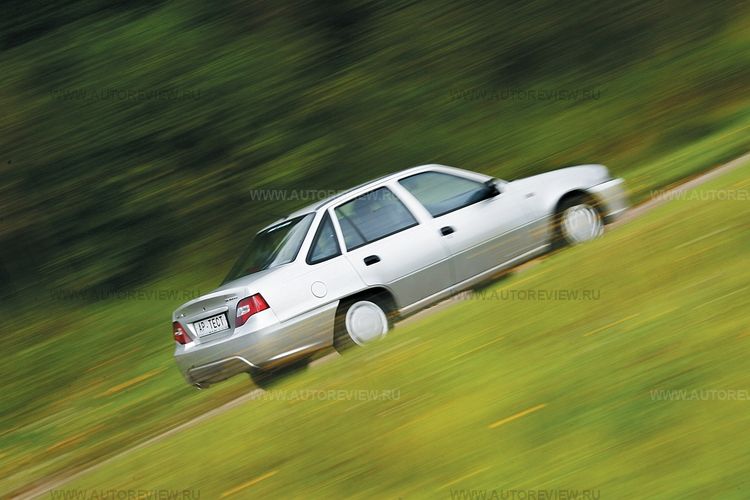
But comfort behind the wheel of the Geely is not much better than in the Nexia. The driver's seat is soft and formless: the body sinks in and is held only by the "friction" upholstery. The steering wheel is comfortable, with height adjustment, but once settled "for the pedals," you want to pull the wheel closer. You also have to put up with the instruments, Yaris-style, placed in the center of the panel. At least their harsh green glow can be dimmed.
And what about the Priora? Has it changed? The doors now open with handles for a "natural" grip instead of the old "tenth" ones, and from inside — with sturdy, metal-like handles. The flimsy "openers" are a thing of the past! But everything else is unchanged.
| Daewoo Nexia | Geely MK | Lada Priora |
 |
 |
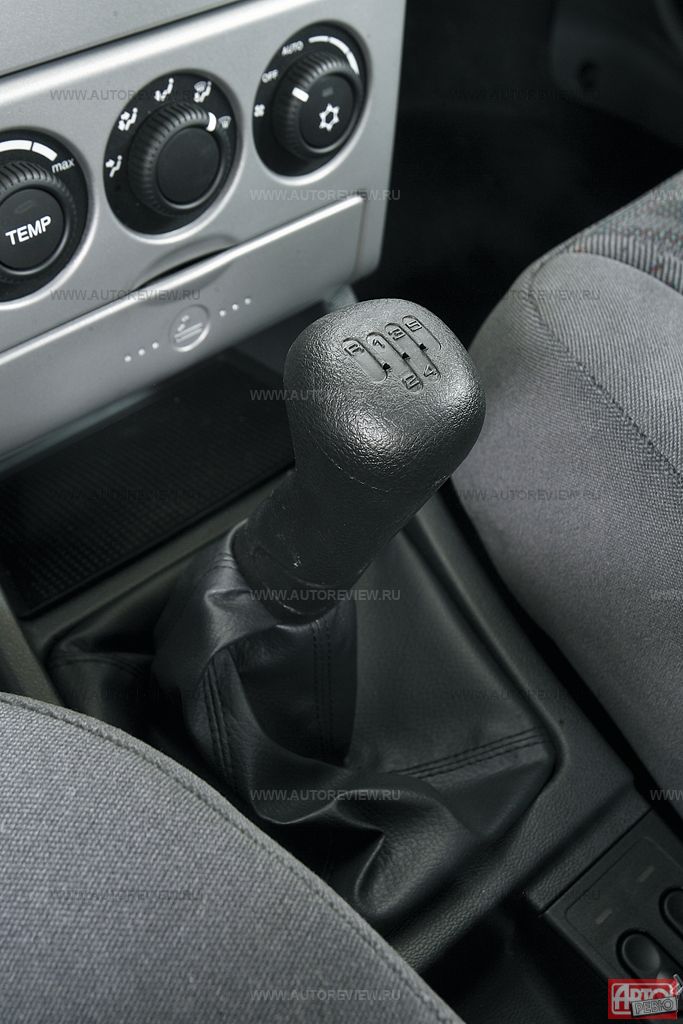 |
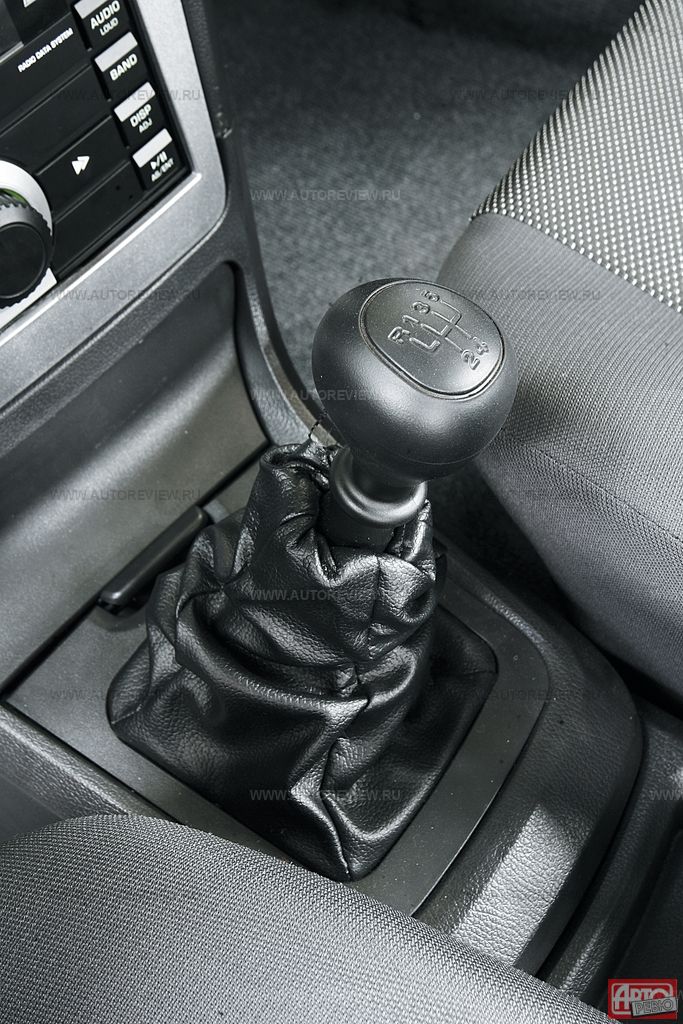
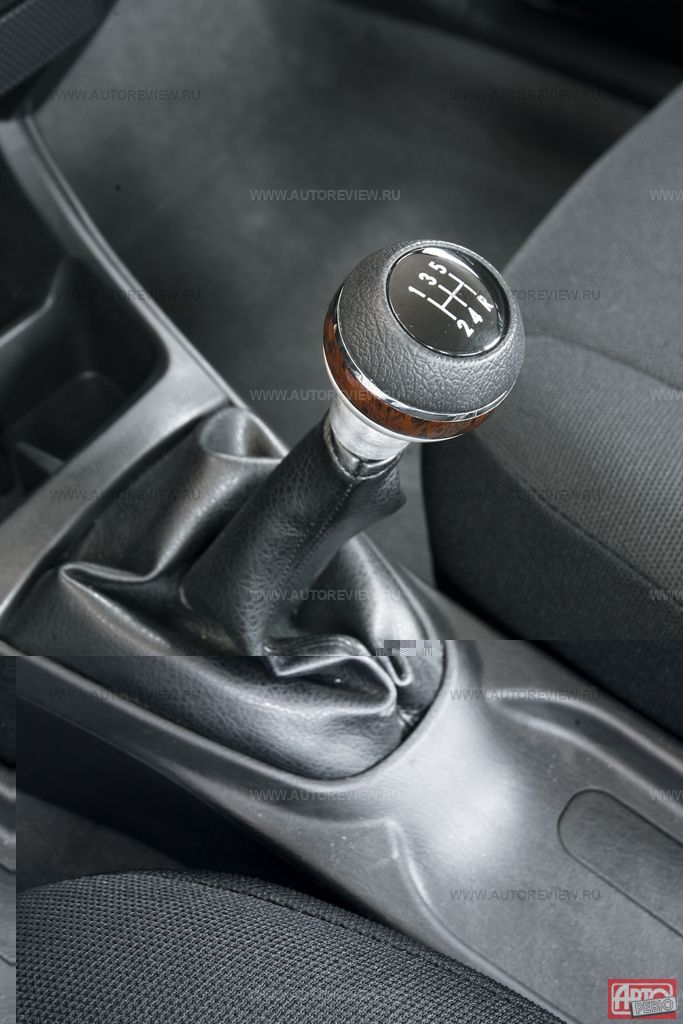
| The Nexia's gear selection mechanism is loose but doesn't make mistakes. In the Geely, gears engage clearly, but due to too-short lateral lever travel, not always the one you need. And in the Priora, you have to reach for the lever and shove gears like a shovel into clay | ||
 |
||
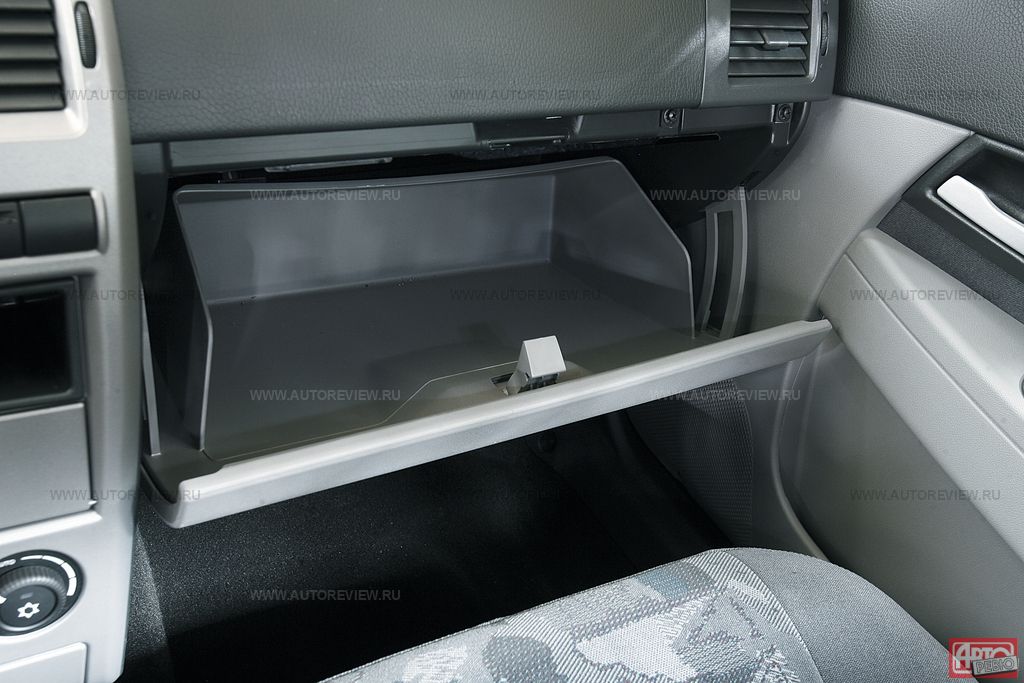
| The Priora has the most spacious glove box | ||
Visually, the Priora's interior is the best of the three. But no matter how you try, the driver's seat crawls along the rails very slowly and won't go back further than for a person 175 cm tall. If last time Divakov with his 184 cm fit behind the wheel of the Priora freely, now he sits with his arms and legs tucked. Something stuck? Did the supplier change? After the sluggish Chinese seat, the Priora's seat seems stiff, and in this company it's the most comfortable. Plus — the tenacious, burr-like upholstery and the only smooth backrest angle adjustment here. Too bad reaching the rotating handle isn't easy.
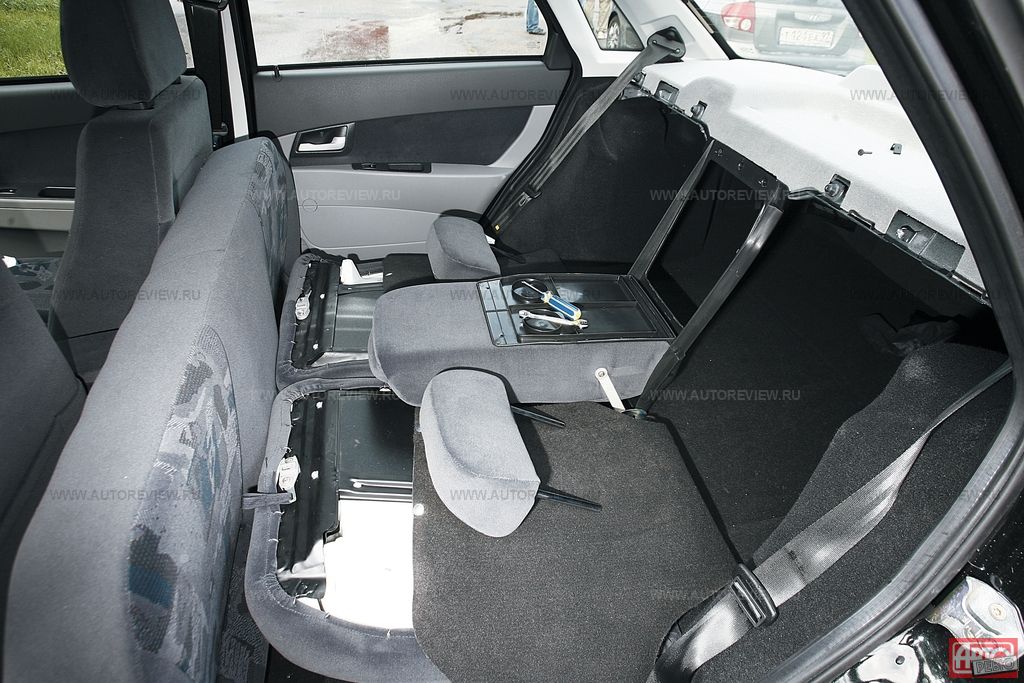
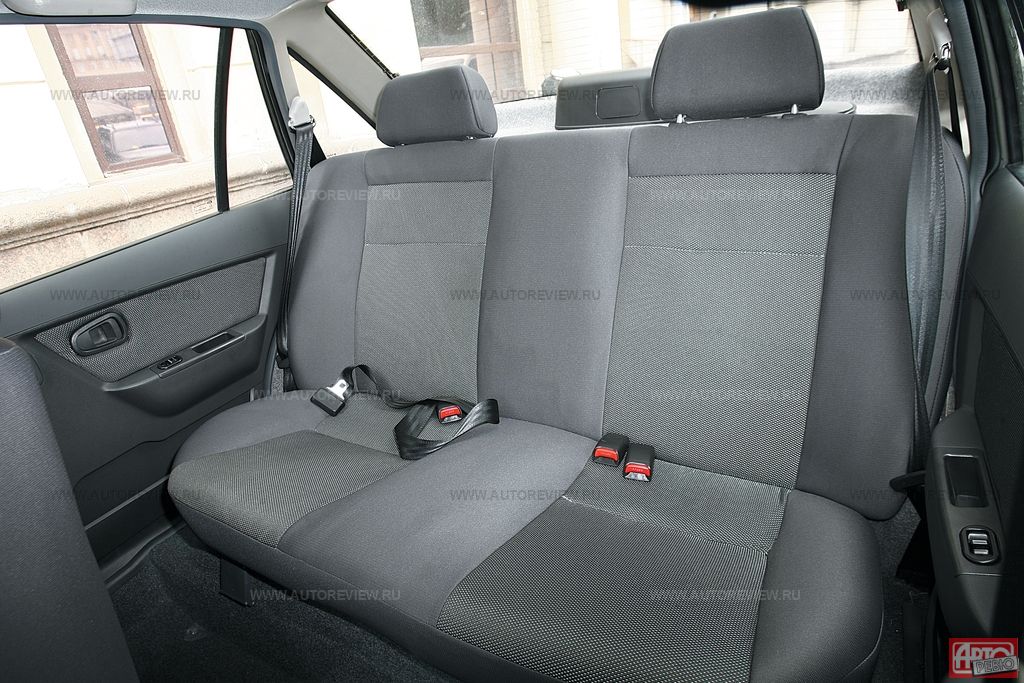
Rear passengers can't boast comfort in any of the cars. The tightest is the Nexia: the bench only offers headrests and a human-like backrest profile. The Geely is more spacious, but people sit as if in a hammock: backs rest only on the upholstery, behind which there seems to be emptiness. The Priora has less headroom than the "Chinese," but more knee room. And only the Togliatti car can boast a center armrest, behind which hides a hatch for transporting long items. True, the hatch, as last time, is firmly screwed to the frame with self-tapping screws, and the armrest has to be hammered into place.
However, all those torments that accompany every attempt to fold or unfold the Priora's rear seat are just the beginning. The real fun starts when the cushion refuses to come off without someone's help, and the backrest won't click into place even after the tenth try!
After such exercises, folding the rear seat in the Geely feels like a real pleasure, especially since the opening isn't blocked by anything.
And yet, it's better to struggle with the Priora's seat, risking injury from the sharp edges of the frame, than to face the deaf, firmly fixed backrest of the Daewoo. But the new Nexia offers as consolation a trunk volume of 530 liters — that's a hundred liters more than both competitors. However, in terms of "dacha" off-road capability, it trails behind: here the Priora leads with a ground clearance of 168 mm, while Geely has 145 mm, and the new Nexia only 119 mm.
The only thing truly new in the Nexia is the 109-horsepower 1.6 DOHC engine borrowed from the Chevrolet Lacetti. A funny nuance: if during a test "spin" of the instruments to the limit and back you turn off the ignition, the electronic speedometer needle will remain in the extreme position — say, at the 180 km/h mark. Isn't that a reason for holy wars on internet forums? The "Donets," as it's called at the Uzbek plant, pulls confidently and smoothly, slightly livening up after 4000 rpm. The cabin noise is tolerable (only the rattling glove box lid is annoying), and elasticity is top-notch: in fifth gear, the engine pulls from 60 km/h. Plus, the gas pedal is responsive. No delights, no complaints. Although the gearshift mechanism could use some tightening — it's too loose.
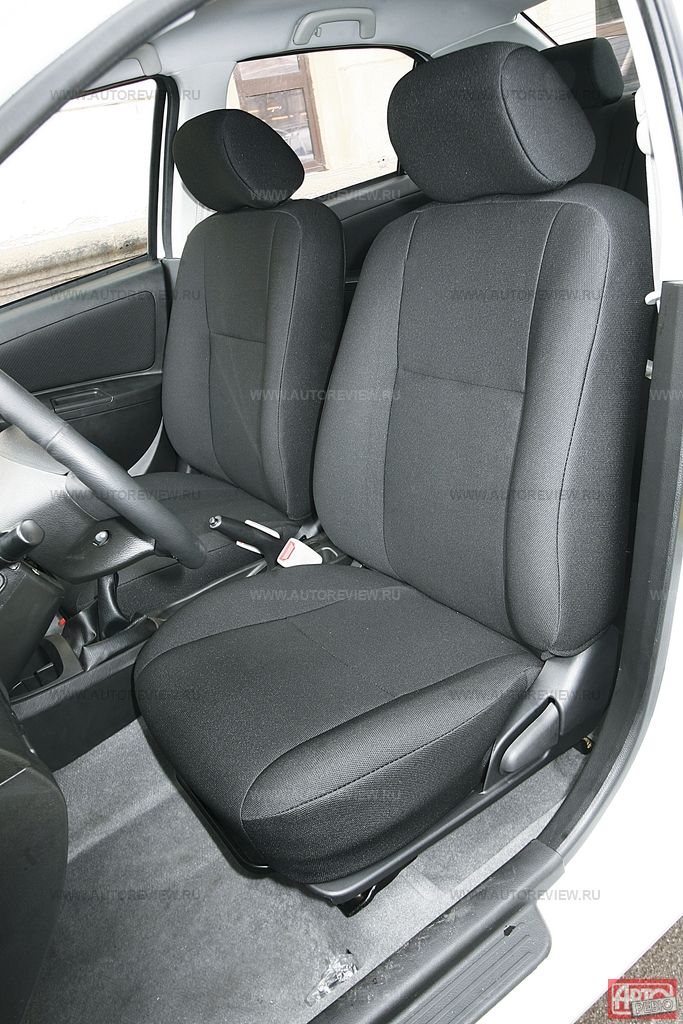 | 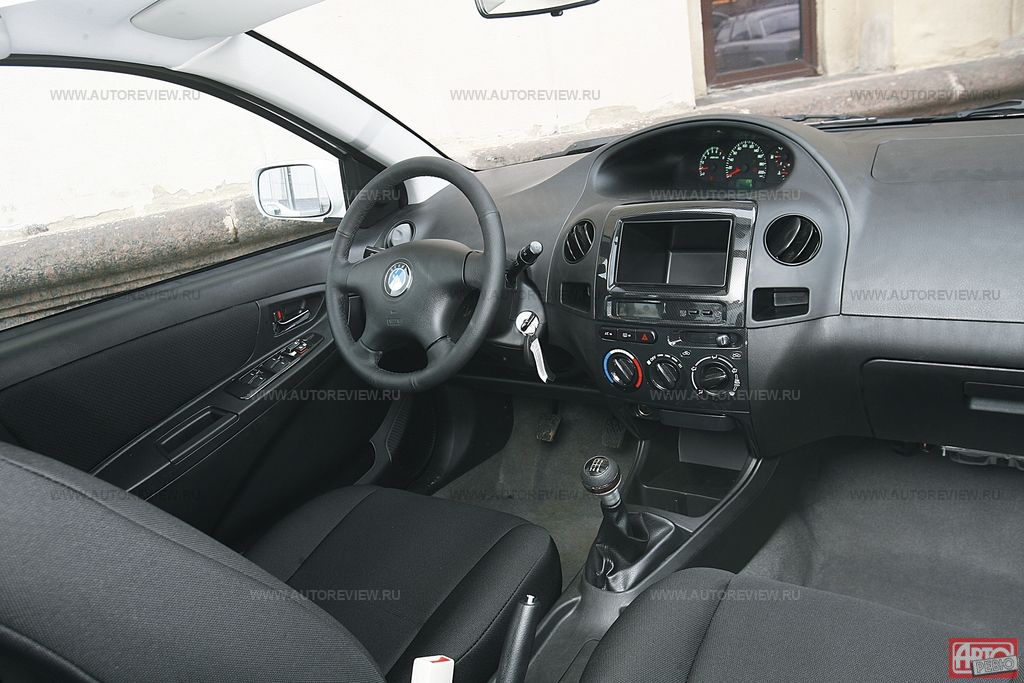 |
| The soft and shapeless Geely seat is only slightly more comfortable than the Uzbek one | The Chinese drew inspiration from the Toyota Yaris. The quality of trim materials is depressing, but assembly is done well |
The acceleration of the Geely MK with the 1.5 engine (94 hp) is calmer only in terms of stopwatch numbers: 12.9 seconds to 100 km/h versus 12.2 for the Nexia. But the nerves are stretched to the limit, as if you're taking off on a forty-year-old "Tupolev" of Rayavia Service. From under the driver's feet comes a hum, from the passenger side of the dashboard — some squealing, and the gas pedal feels like it's being drilled with a blunt drill. In transitional modes, there's also a transmission whistle. And why all this suffering? The engine wakes up only after 3500 rpm, and to keep it from dozing off again, you have to constantly shift — elasticity, compared to the Nexia, is nonexistent. Gears engage more clearly, but selection is a problem: instead of fourth, you can easily hit second, and instead of fifth — third.
The Lada Priora with its 98-horsepower 1.6 engine simply flies — even faster than the Nexia with the Korean "Donets." True, it's only slightly quieter than the Geely. The engine has a smooth character and the widest working range: its peak starts at 3000 rpm, livening up throttle response. In full-throttle acceleration, the Priora beats everyone (11.7 seconds to 100 km/h), though it loses to the Nexia in elasticity. But the charm of the powerful engine is drowned in "soundtrack." Underfoot it hums, behind the glove box it mutters and gurgles, and in your head an annoying ringing squeak persists. With every gear change, these "musicians" scurry about as if looking for a place to rehearse. Moreover, you have to reach for the gear lever and, as if squeezing cotton, forcefully push the gears in.
Brakes are fine on all. But the Priora stops first — from 100 km/h in 44.4 meters. Then the Geely (45.1 m), followed by the Nexia, the only one without ABS: 46 meters. Moreover, the informative pedal allows the easiest braking modulation on the Daewoo; on the Geely, the pedal effort is too high and braking results are the most inconsistent (spread reached 1.5 meters — three times more than the Priora and Nexia), while the Priora confuses with a blurred boundary between free and working pedal travel and low-frequency ABS operation: the car decelerates in jerks.
Handling? The Priora's is tolerable, the Nexia's is drifty, and the Geely's is tolerably drifty.
| Daewoo Nexia | Geely MK |
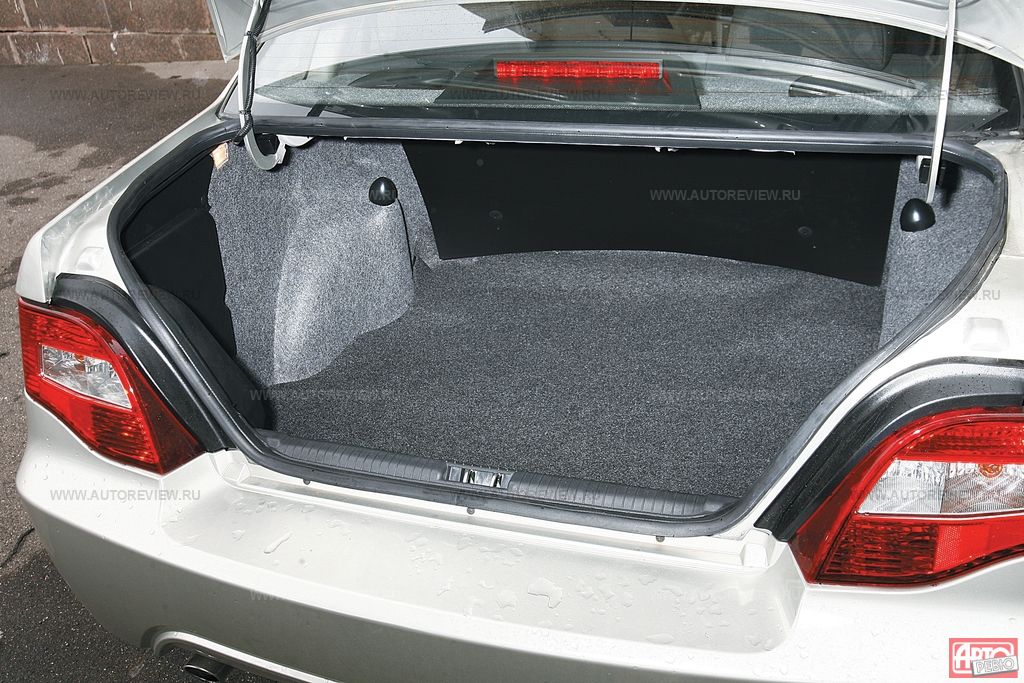 | 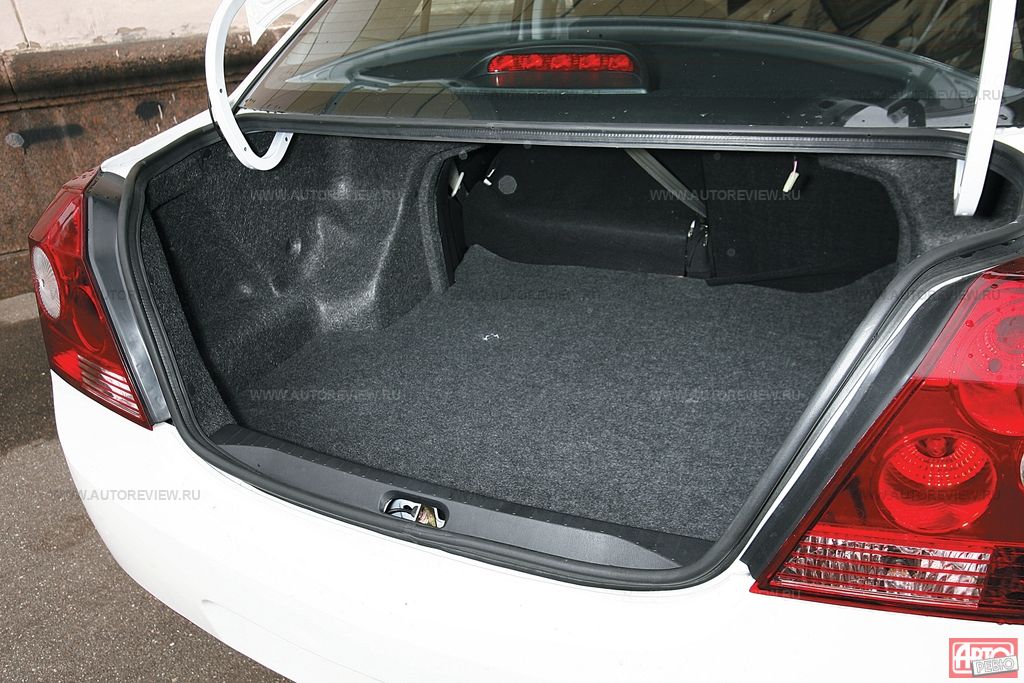 |
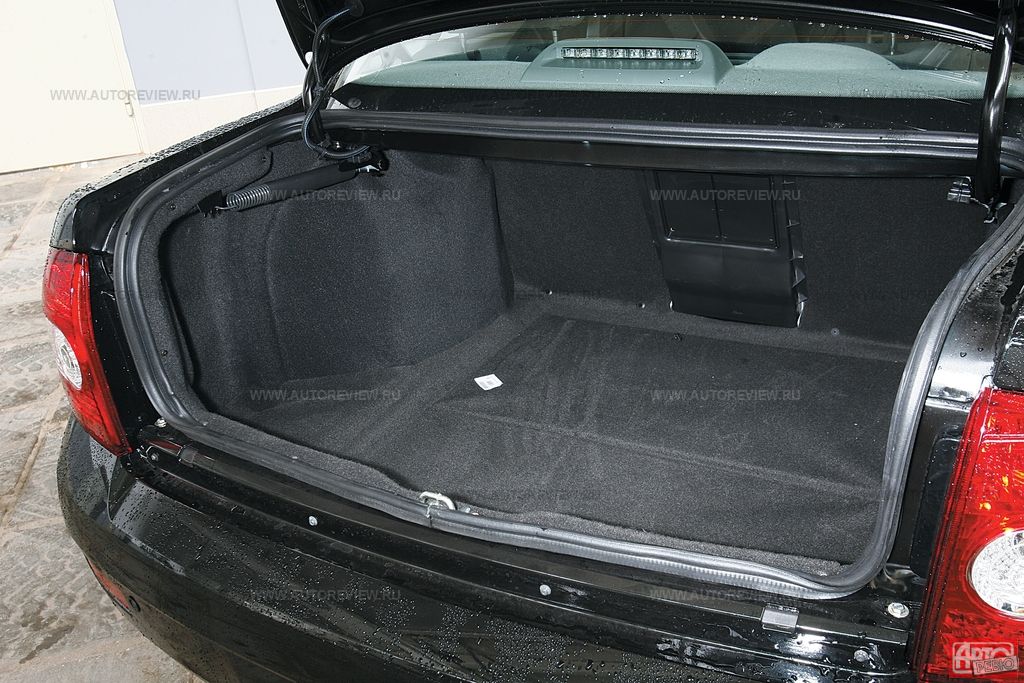
| The most spacious trunk is in the Nexia (530 L), but its rear seat doesn't fold. The Geely and Lada compartments are equal in volume (430 L), but due to a wider opening, loading the Priora is more convenient. The Geely's rear seatback folds in parts. And in the Priora, after struggling with the locks, the backrest and cushion can be completely removed from the cabin, but the opening will be blocked by the armrest frame, to which cup holder and "sandwich holder" imitations are screwed with self-tapping screws | |
| Lada Priora | |
 |  |
The Chinese sedan confidently holds a straight line, responds quickly and accurately to steering inputs, and only during sharp lane changes do you notice delays in reactions. The Geely enters sharp turns more willingly than all and follows the set trajectory steadily, but the desire to drive fast disappears already in the first "alternating" sequence: due to significant lag, the steering wheel has to be turned at very large angles. And "at the limit," the Geely first briefly slides with the front wheels, then sharply, as if hitting spilled oil, falls into a drift. The grip properties of the Chinese Champiro 128 GT Radial tires, it seems, aren't that grippy.
And driving the Nexia is like stretching rubber. The steering wheel is empty in the near-zero zone, the zone itself is too wide, and reactions are too lazy. The car holds the straight "by eye," keeping the driver tense. It enters corners reluctantly and with strong body rolls. The pliable lateral tires Continental ContiEcoContact CP make handling even more "rubbery." The only consolation is the absence of pitching and precise arc following. The main thing is to manage to hit that arc. And if you overdo the speed in a corner, when lifting off the gas, the Nexia will start to slide smoothly with the rear axle.
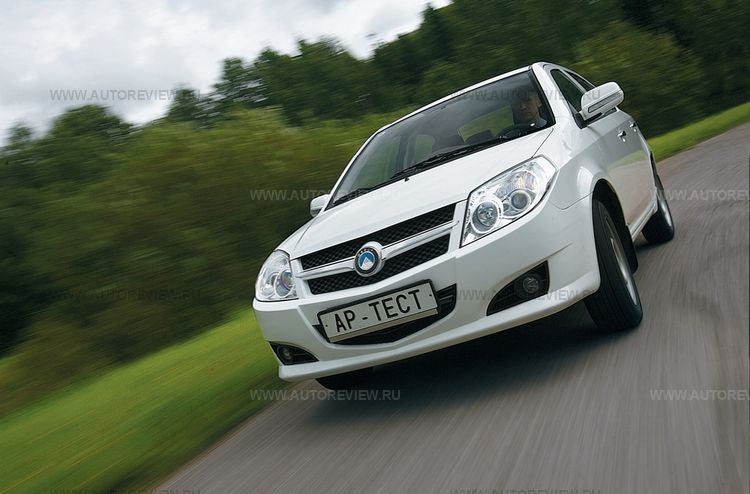
The Geely MK pleases with precise and quick reactions — until it comes to truly active maneuvers
In such a situation, the Priora goes nose-first outward. A drift can only be provoked deliberately, but then — catch it! In normal modes, the VAZ sedan handles no better than the Uzbek, let alone the Chinese: delayed reactions, "empty" steering wheel. Even during smooth lane changes, you have to turn the wheel further, compensating for the increasing front-wheel slip, and then the steering suddenly becomes excessively heavy. It's good that road irregularities barely affect the steering, but it's bad that even on smooth surfaces it constantly trembles.
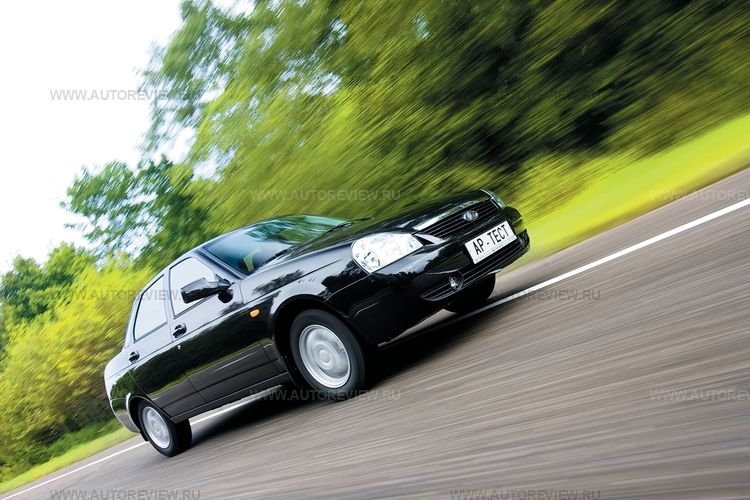
Even on a flat road, the Priora constantly trembles and handles as sluggishly as the Nexia
The Priora finds irregularities even where they seemingly don't exist — at least, neither the Nexia nor the Geely notice them. The car handles waves and hard bumps well, doesn't pitch, but collects all the "small stuff" from the road and annoys with vibrations even on relatively smooth surfaces — as if you're riding on plywood down an icy hill.
The Nexia's suspension is softer and more tolerant of small irregularities. And the best ride smoothness is in the Geely: the suspension swallows both road waves and various bumps. But the picture is spoiled by tire slaps at joints and loud thuds on larger potholes.
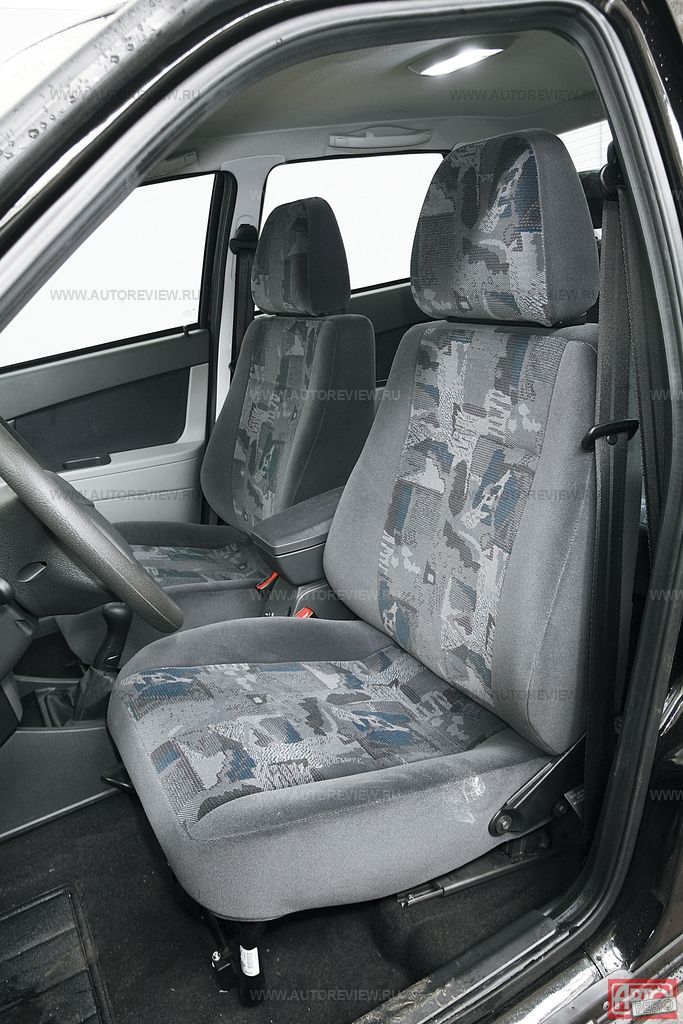 | 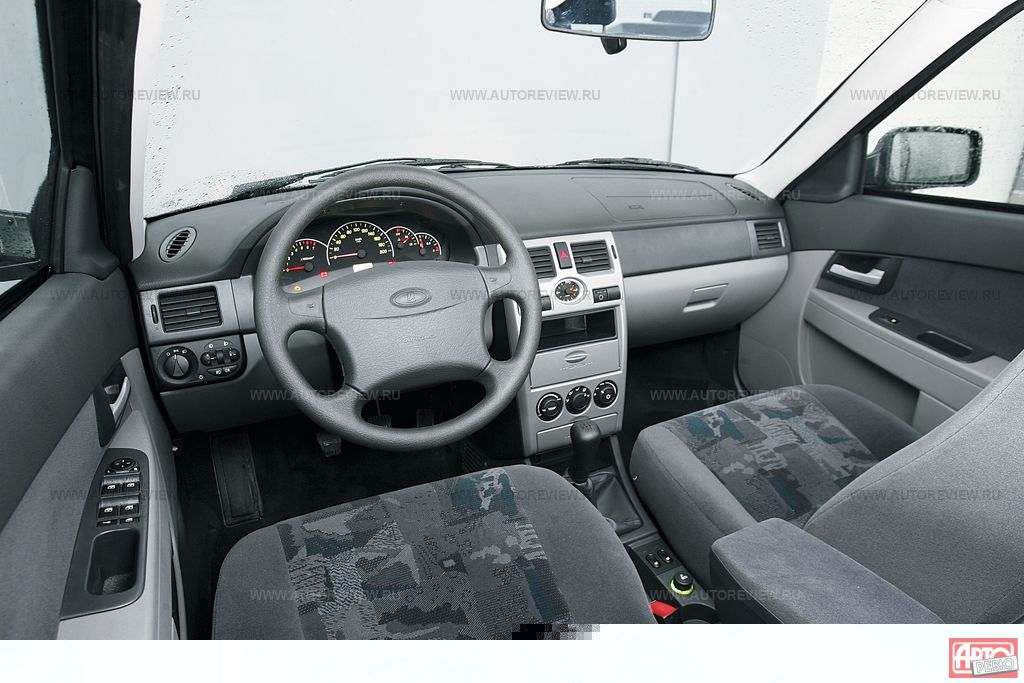 |
| The Priora's seat is the best in the trio, but its longitudinal adjustment range is limited by jamming slides | The design is fine, the quality of materials is better than rivals'. If only the seats moved and folded as they should… |
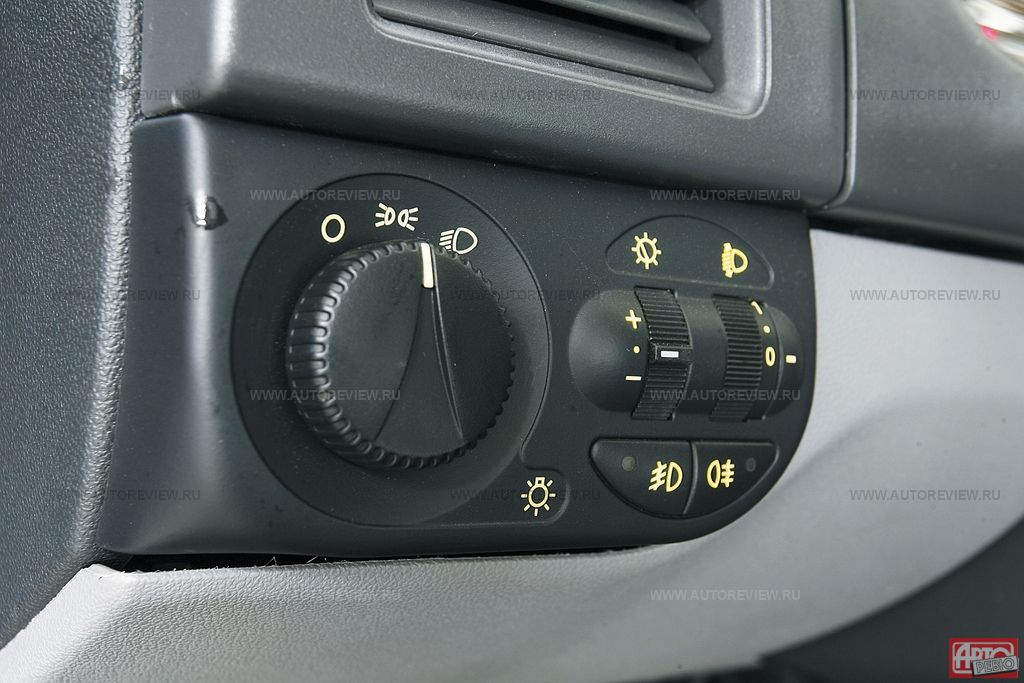 | |
| Four power windows are the norm for the Lux version. But the main joy is the sturdy door handles! | The "luxury" light control unit — with a button for front fog lights |
So what truth was born in this dispute?
The picture is bleak: buying any of these cars is a game of roulette. Take the Priora, for example. Last year, the driver's seat slid all the way back without issue, but now it jams halfway. The car used to feel confident even at high speeds, but now the steering feels 'empty' and reactions are delayed. When we put the Priora on the alignment rack, it turned out the wheel alignment angles were off from the factory. The Geely MK, on the other hand, pulls to the right when braking, even though tire pressure and suspension geometry are in perfect order. And as for the interior of the Uzbek-built car, there's nothing to say: it's unlikely they could replicate such careless assembly. Although, if they do, it might come with some new 'creative' variations.
| Daewoo Nexia | Geely MK | Lada Priora |
 |
 |
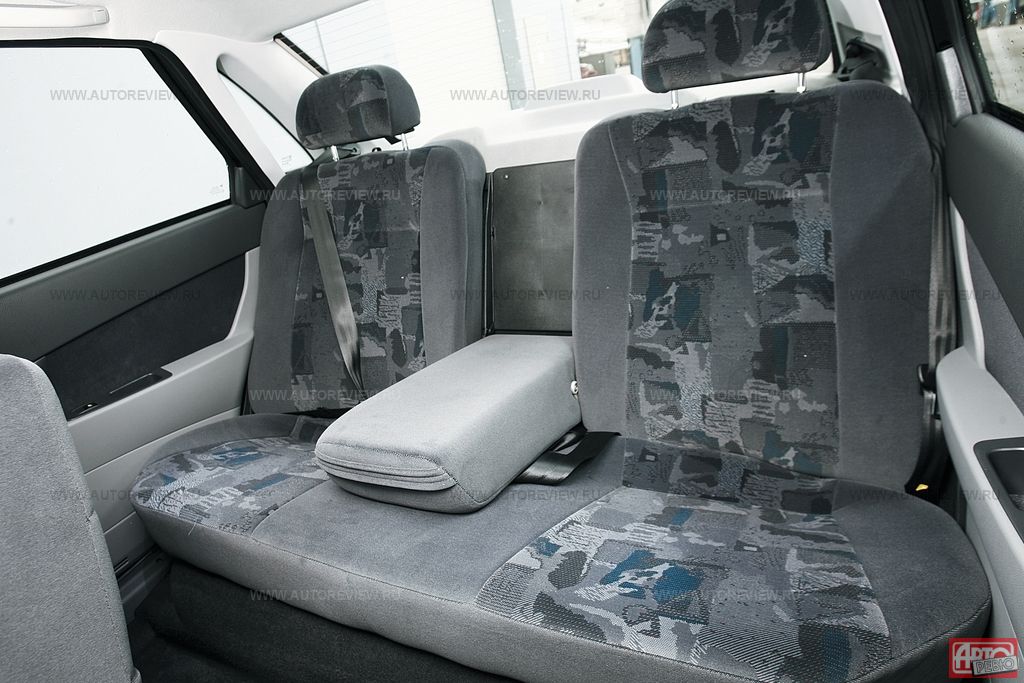 |
| The rear row is most comfortable in the Priora. The Nexia is cramped in the back, and the Geely's sofa has the worst profile | ||
Yes, the Priora scored the most points. But that's no reason to celebrate. Too often we had to choose among three evils. The Chinese sedan Geely MK fell not far behind the Priora. The big gap in points for the 'new' Nexia is explained by the fact that its interior doesn't transform at all.
AvtoVAZ, Geely, and UzDaewoo already know how to build cars. What remains is to learn how to build them so they don't look used from the first minute. And here, whether we like it or not, the Chinese have a better chance: even in a year, their progress is evident. But neither we nor our Uzbek colleagues should despair. AvtoVAZ now has the Renault-Nissan alliance behind it, and General Motors is about to take UzDaewoo seriously... And for those who can't wait, the direct path is to the dealership, and there it's a matter of luck. Maybe someone will get a better example than ours. Happy 'fishing'!
Autoreview readers' forecast
Before this test, we asked visitors of www.autoreview.ru to answer the question: 'Which of the cars in the next Autoreview test would you choose?'
The votes were distributed as follows:
Lada Priora 65.33%
Daewoo Nexia 29.00%
Geely MK 5.67%
Total votes: 16,774 people
Autoreview expert ratings
| Autoreview expert ratings | |||||
| Evaluated parameters | Max score | Cars | Why? | ||
| Daewoo Nexia | Geely MK | Lada Priora | |||
| Ergonomics | 200 | 145 | 155 | 160 | The Nexia loses to its rivals in both seating comfort and visibility. The Geely's seat, though shapeless, is a bit more comfortable, and the Priora's is slightly better. But the adjustment let it down |
| Driver's workplace | 100 | 70 | 75 | 75 | |
| Visibility | 100 | 75 | 80 | 85 | |
| Dynamics | 300 | 220 | 225 | 230 | The Priora accelerates fastest, and the Nexia has the most tractive engine. The Geely MK is noticeably slower than both, but in normal modes it handles more pleasantly |
| Acceleration dynamics | 90 | 70 | 65 | 70 | |
| Braking dynamics | 110 | 75 | 80 | 85 | |
| Handling | 100 | 75 | 80 | 75 | |
| Ride comfort | 260 | 185 | 180 | 180 | The Geely MK is the smoothest on the road, but its noise insulation is poor. The Priora is not much quieter, and it also shakes. The Nexia is average in smoothness, but it has less noise. The Priora wins on climate thanks to the automatic fan mode, which the others lack |
| Ride smoothness, vibration protection | 90 | 65 | 70 | 60 | |
| Acoustic comfort | 90 | 60 | 50 | 55 | |
| Climate | 80 | 60 | 60 | 65 | |
| Interior comfort | 240 | 135 | 180 | 180 | In the back, three people are cramped in all cars, and for two, the Priora is best. The Nexia is cramped, and the Geely is uncomfortable to sit in. The rear seat folds only in the Priora and Geely, but in the VAZ car the mechanism works poorly |
| Passenger seats | 90 | 70 | 70 | 75 | |
| Trunk | 80 | 65 | 55 | 60 | |
| Interior transformation | 70 | 0 | 55 | 45 | |
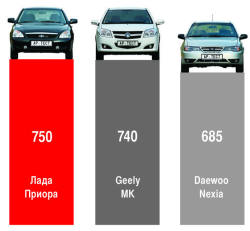
| Total score | 1000 | 685 | 740 | 750 | |
Passively dangerous?
When it comes to safety and choosing among three evils, preference should be given to the Lada Priora. Why? First, like the Geely MK, it has a driver's airbag in the base configuration, and in more expensive versions, a passenger airbag and ABS. Moreover, Prioras with two airbags are additionally equipped with front seat belt pretensioners.
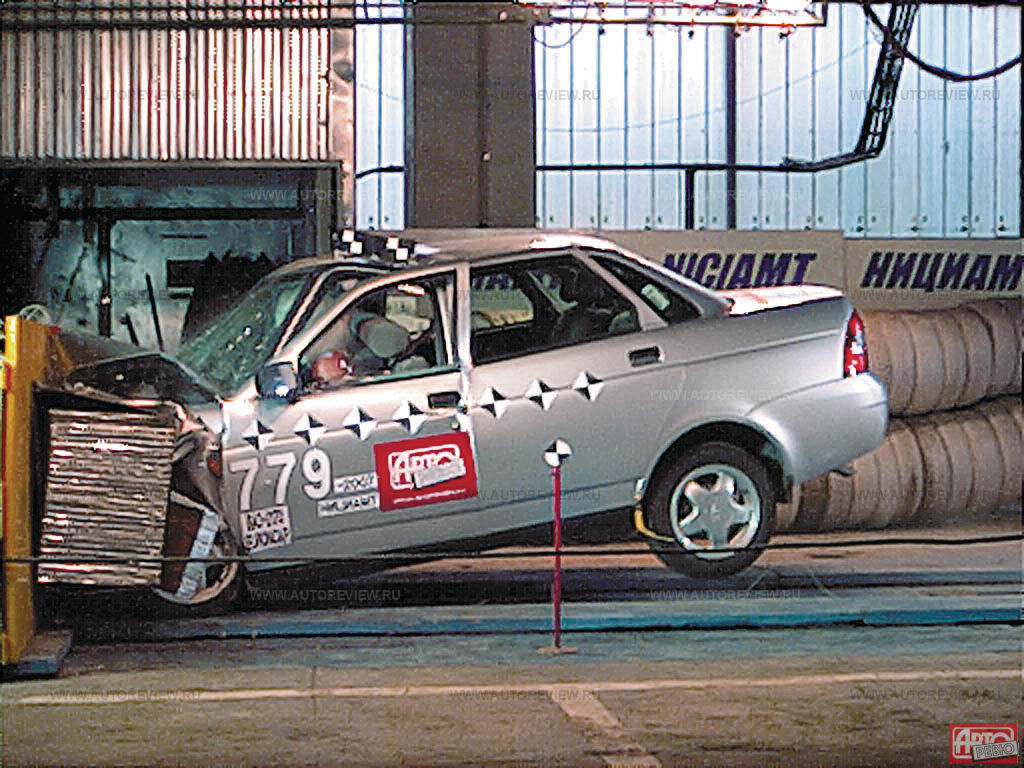
We conducted a frontal crash test according to the EuroNCAP methodology (impact at 64 km/h) on a Priora with the so-called Phase I body, like the 'ten'. The result was 5.7 points out of 16 possible. The steering column shifted significantly upward and to the right upon impact, the 'driver's' head slipped off the airbag and hit the instrument panel visor. The 'passenger' fared even worse—he hit his head harder. Leg protection for front occupants is also weak. If we add the frontal points to the side crash test result (see AR No. 10, 2007), the Priora scores 14.7 points out of 32—that's only two stars out of five on the EuroNCAP rating. But VAZ officials claim that this summer, Phase II Prioras with reinforced bodies started coming off the assembly line, which with two airbags and pretensioners should earn 10.6 points out of 16 (see AR No. 15, 2007) and reach three EuroNCAP stars.
 |
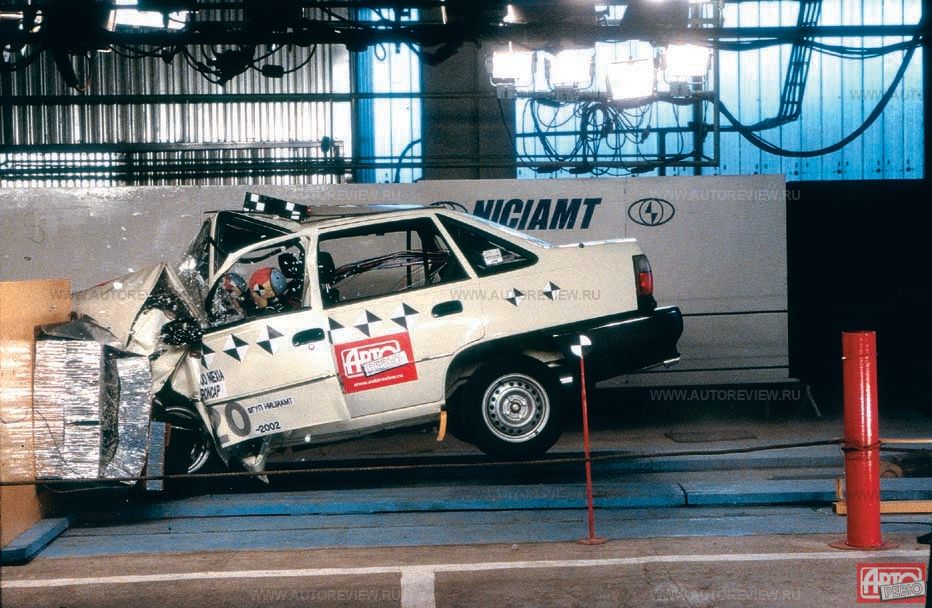 |
| Lada Priora Phase I, one airbag. Autoreview crash test, 2007, 5.7 points | Daewoo Nexia, Autoreview crash test, 2002, 1 point |
How the Geely MK will behave in a crash is anyone's guess—there have been no independent crash tests for this car yet. But the result of its 'relative', the Otaka model (see AR No. 20, 2007), does not add optimism—the car simply fell apart in our crash test...
We tested the pre-restyling Nexia for safety according to the EuroNCAP methodology six years ago (see AR No. 15, 2002). In a frontal impact, the Daewoo body barely resisted deformation: the left A-pillar moved up, the roof folded like a 'house', the sill broke, and the floor rippled. The driver dummy had almost no chance: the head hit the instrument panel visor, the chest met the displaced steering wheel, and the space under the panel on the left shrank threefold. The 'passenger' also suffered—a significant neck strain. The cause was the too-soft floor metal, which earned the Nexia only one point out of 16 possible. The 'new' Nexia also has no ABS, airbags, or pretensioners.
Comparative test of budget sedans: Daewoo Nexia, Geely MK, and Lada Priora
When I was tasked with choosing the three most affordable sedans on our market, I immediately realized this would be a tough test. After all, for relatively little money you can buy a car that will either be a time-tested workhorse, a modern "Chinese", or a product of the domestic auto industry. Meet: Daewoo Nexia, Geely MK, and Lada Priora. All three are four-door sedans with five seats, but that's probably where their similarities end.
First impression and interior
Let me start with what catches the eye immediately. The Nexia, which I remember from the nineties, looks like time has stopped for it. Yes, it has become a bit more modern, but inside it's still the same old familiar. The plastic is hard, the ergonomics are simple and unpretentious. The Geely MK is a completely different story. The Chinese clearly tried to make the interior more presentable: there are wood inserts and a more modern dashboard. True, the quality of materials still gives away the budget segment. As for the Priora, it's a step forward compared to the classic. You sit in it and understand that the engineers tried to make a modern car. But, as they say, it looked good on paper...
Starting the engines and hitting the highway
Under the hood of all three are inline four-cylinders with multi-point injection. The Nexia has a 1.6-liter engine producing 109 horsepower. The Geely has 1.5 liters and 94 "horses". The Priora also has 1.6, but tuned to 98 horsepower. It would seem that the Nexia should be the most spirited, but in practice it's not so clear-cut.
The first to take the test is the Daewoo Nexia. Acceleration to 100 km/h takes 11 seconds — according to the specs. But the feel... The engine pulls evenly, but without spark. The gearbox is manual, five-speed, works clearly, but the lever is a bit long. On the highway, the Nexia holds a straight line confidently, but on curves it starts to lean noticeably. The suspension is classic MacPherson struts in front and a semi-independent beam in the rear. It swallows small bumps, but on serious potholes it reacts harshly.
Then I switch to the Geely MK. I expected worse, to be honest. But the Chinese sedan turned out not to be such a letdown. Even though it has only 94 horsepower, acceleration to 100 km/h takes 10.5 seconds — even faster than the Nexia! The secret is in the short final drive ratio — 4.31 versus 3.55. In the city, the Geely feels lively, but on the highway it lacks power reserve. The top speed is only 165 km/h, and at speeds around 140 km/h the engine starts to whine. However, the suspension was a surprise — it's softer and more energy-intensive than the Daewoo's. The Geely swallows potholes and joints with enviable calm.
And finally, the Priora. I get behind the wheel and feel that the car is better assembled. The 1.6-liter engine produces 98 horsepower, and acceleration to 100 km/h takes 11.5 seconds — the most modest figure of the trio. But in reality, the Priora doesn't feel slow. The torque of 145 Nm is available at 4000 rpm, and up to 120 km/h it drives very confidently. The other thing is the suspension. It turned out to be the stiffest of all three. Every bump, every crack in the asphalt is transmitted to the steering wheel and body. Handling, however, is top-notch. The Priora follows the trajectory precisely, and the power steering is informative.
Measuring brakes and checking speedometers
The brakes on all three are disc in front and drum in the rear. The Priora's front discs are also ventilated. Overall, all three cars decelerate predictably, without veering. But on long descents, I noticed that the Nexia's brakes start to fade — heat takes its toll.
I also checked the accuracy of the speedometers. It turned out that all three cars lie, but differently. The Nexia at an indicated 100 km/h actually travels 94 km/h. The Geely — 97 km/h. The Priora — 96 km/h. Moreover, for the Nexia and Priora at the 180 km/h mark, the real speed is 172 km/h, while the Geely doesn't even reach that mark.
Trunk and maneuverability
Now about practicality. The Nexia's trunk is the most spacious, at 530 liters. The Geely and Priora have 430 liters each. But the Chinese sedan has a wider opening, making loading more convenient. The Priora has one nice feature — the rear seat backrest folds down, increasing the useful volume. True, in the base trim you'll have to pay extra for that.
As for maneuverability, all three are roughly equal. The turning circle by the outer wheel track for the Nexia is 10.15 m, for the Geely — 10.26 m, and for the Priora — 10.40 m. The steering wheels of all require 3.5-3.9 turns from lock to lock. The Priora is the "longest-armed" in this regard.
Fuel consumption: what the numbers say
Here the Chinese car pleasantly surprised. In the city cycle, the Geely consumes only 7.8 liters per 100 km, and on the highway — 6.3 liters. The Nexia consumes 9.3 liters in the city and 8.5 liters on the highway. The Priora shows 9.8 and 5.6 liters, respectively. Moreover, the Nexia and Geely are content with AI-92, while the Priora requires only AI-95. Given that the Priora's tank is only 43 liters, its range on the highway is noticeably shorter.
What's the verdict?
To sum up, I'll say this. The Nexia is a workhorse that doesn't surprise but doesn't let you down either. It's as predictable as the sunrise, and that's probably why people love it. The Geely MK is an attempt by the Chinese to make a modern car, and in places it succeeded. Soft suspension, decent city dynamics, but on the highway it struggles, and the top speed of 165 km/h is more of a sentence than an achievement. The Priora is a step forward for the domestic auto industry. It's better assembled, handles more precisely, but the stiff suspension and fuel demands might put off some buyers. So the choice, as always, is up to the buyer: what matters more to you — comfort, dynamics, or familiar reliability?
| Some measurement results from Autoreview | ||||
| Parameters | Cars | |||
| Daewoo Nexia | Geely MK | Lada Priora | ||
| Maximum speed, km/h | 180.0 | 171.2 | 182.2 | |
| Acceleration time, s | 0—50 km/h | 3.5 | 3.7 | 3.2 |
| 0—100 km/h | 12.2 | 12.9 | 11.7 | |
| 0—150 km/h | 30.0 | 34.4 | 28.6 | |
| over 400 m | 18.0 | 18.5 | 17.8 | |
| over 1000 m | 33.4 | 34.4 | 33.0 | |
| 60—100 km/h (III) | 7.3 | 9.1 | 7.6 | |
| 60—100 km/h (IV) | 10.5 | 13.5 | 12.8 | |
| 80—120 km/h (V) | 16.6 | 23.7 | 19.8 | |
| Coast-down, m | from 50 km/h | 544 | 675 | 595 |
| 130—80 km/h | 931 | 1003 | 956 | |
| 160—80 km/h | 1389 | 1489 | 1416 | |
| Braking from 100 km/h | distance, m | 46.0 | 45.1 | 44.4 |
| deceleration, m/s² | 8.4 | 8.6 | 8.7 | |
| Equipment of the cars participating in the test | |||
| Equipment | Cars | ||
| Daewoo Nexia | Geely MK | Lada Priora | |
| Price of base version, RUB | 261000 | 319000 | 289440 |
| Driver front airbag | – | + | + |
| Front passenger airbag | – | P | P |
| ABS | – | P | P |
| Power steering | P | + | + |
| Tilt-adjustable steering column | – | + | + |
| Leather-wrapped steering wheel | – | + | – |
| Central locking | P | +* | +* |
| Anti-theft alarm | O** | + | – |
| Power-adjustable and heated exterior mirrors | – | P | + |
| Front electric windows | P | P | + |
| Rear electric windows | P | P | P |
| Driver seat heating | – | + | P |
| Front passenger seat heating | – | – | P |
| Folding rear head restraints | + | + | + |
| Air conditioning | P | + | P |
| Trip computer | – | – | + |
| Folding rear seat | – | + | + |
| Ski hatch | – | – | + |
| Rear center armrest | – | – | + |
| Remote trunk lock | + | + | + |
| Remote fuel filler flap lock | + | + | – |
| CD receiver | + | – | – |
| Front fog lights | P | + | P |
| Alloy wheels | – | – | + |
| Full-size spare wheel | + | + | + |
| Rear parking sensors | – | – | P |
| Metal engine protection | – | – | + |
| Metallic paint | + | – | + |
| Tires | Continental ContiEcoContact CP 185/60 R14 | Champiro 128 GT Radial 185/60 R15 | Cordiant Standart 185/65 R14 |
| Price of tested car, RUB | 311900 | 349000 | 325360 |
| * Remote | |||
| ** Installed by dealer | |||
| (+) Included in base version | |||
| (–) Not available in base version | |||
| (O) Options installed on the tested car | |||
| (P) Equipment included in the package of the tested car | |||
Dimensions
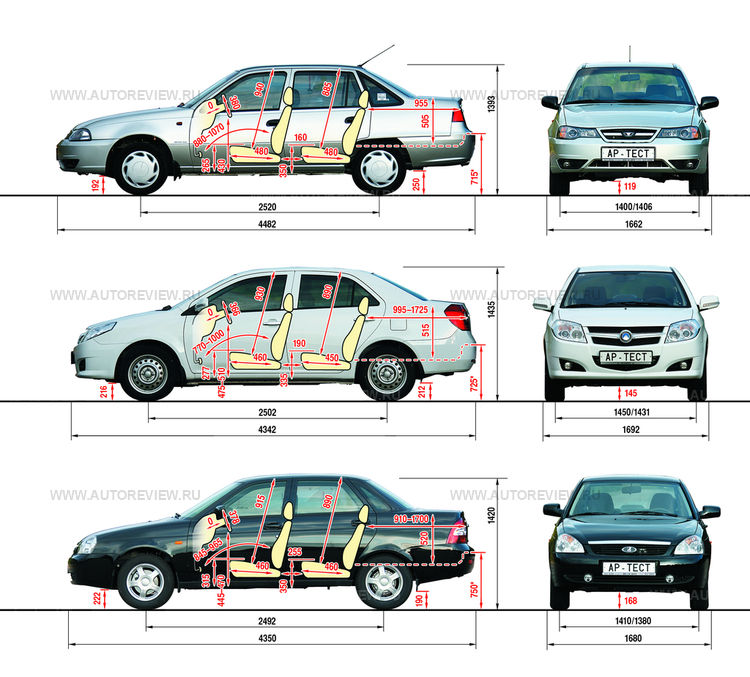
Black indicates manufacturer data, red indicates Autoreview measurement results
* Loading height
Acceleration graphs
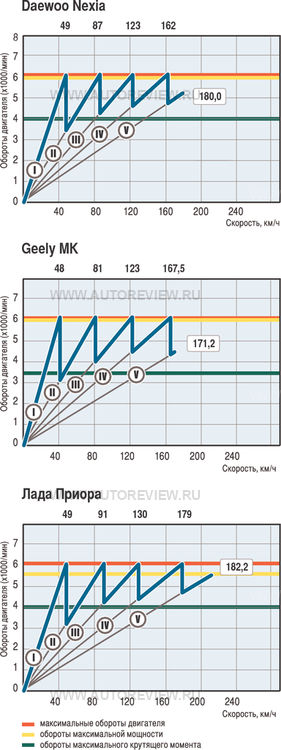
Curb weight and axle distribution (Autoreview measurement results)

Visibility
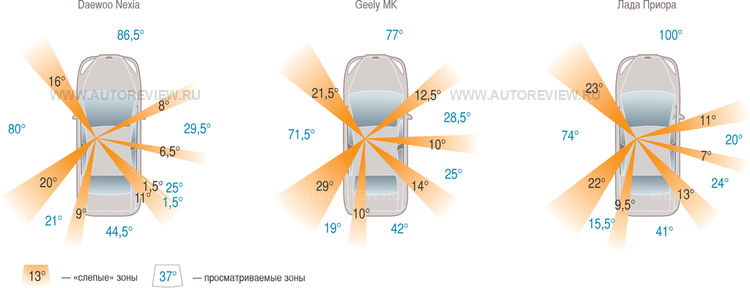
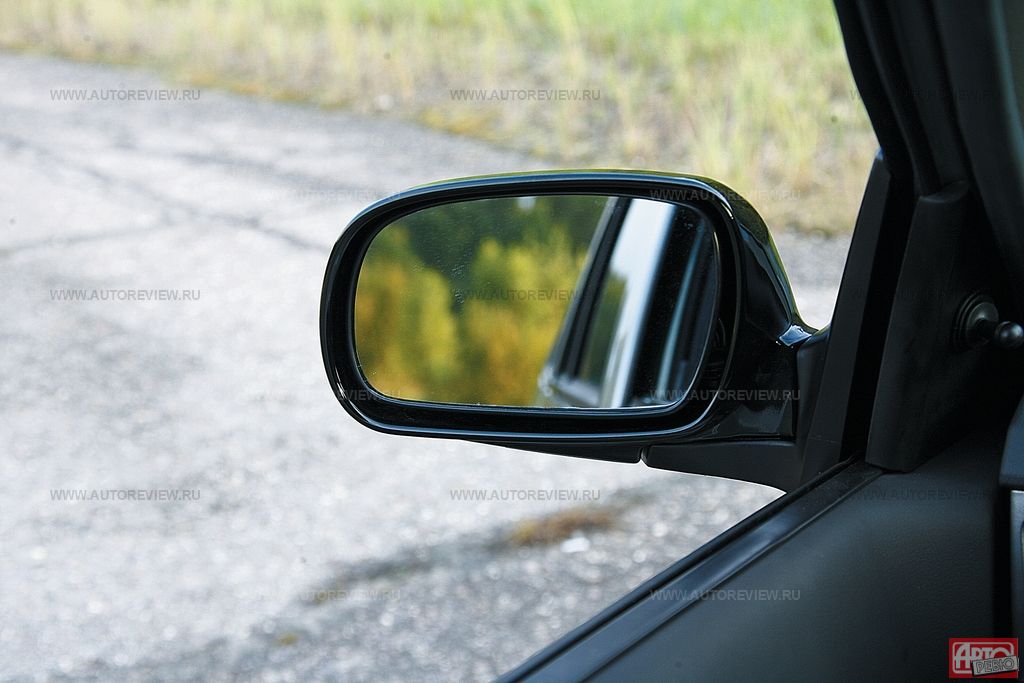
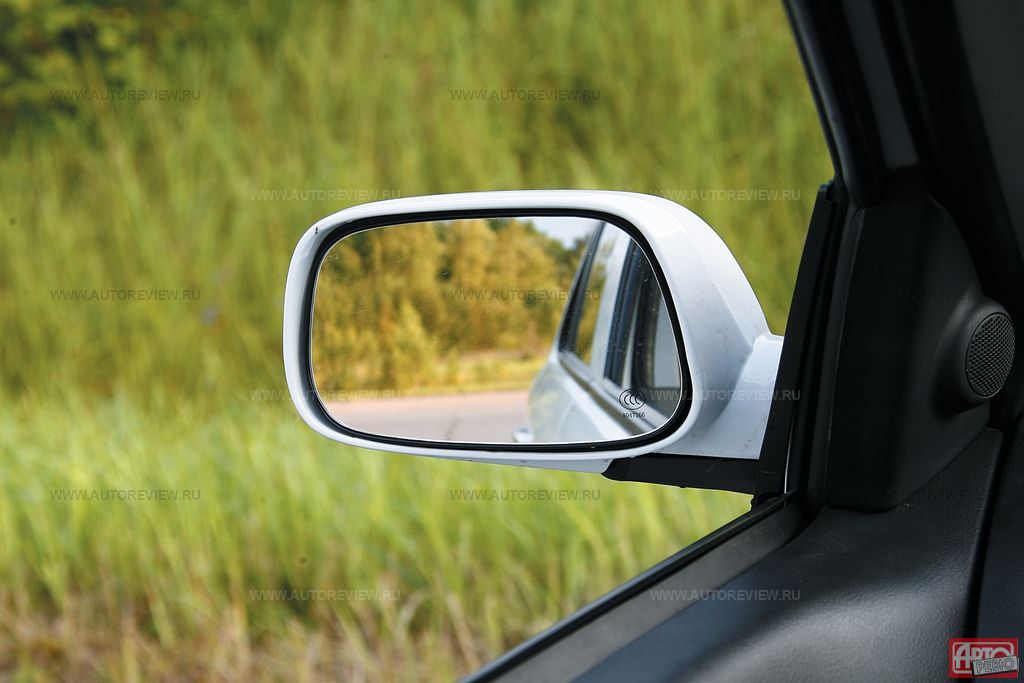
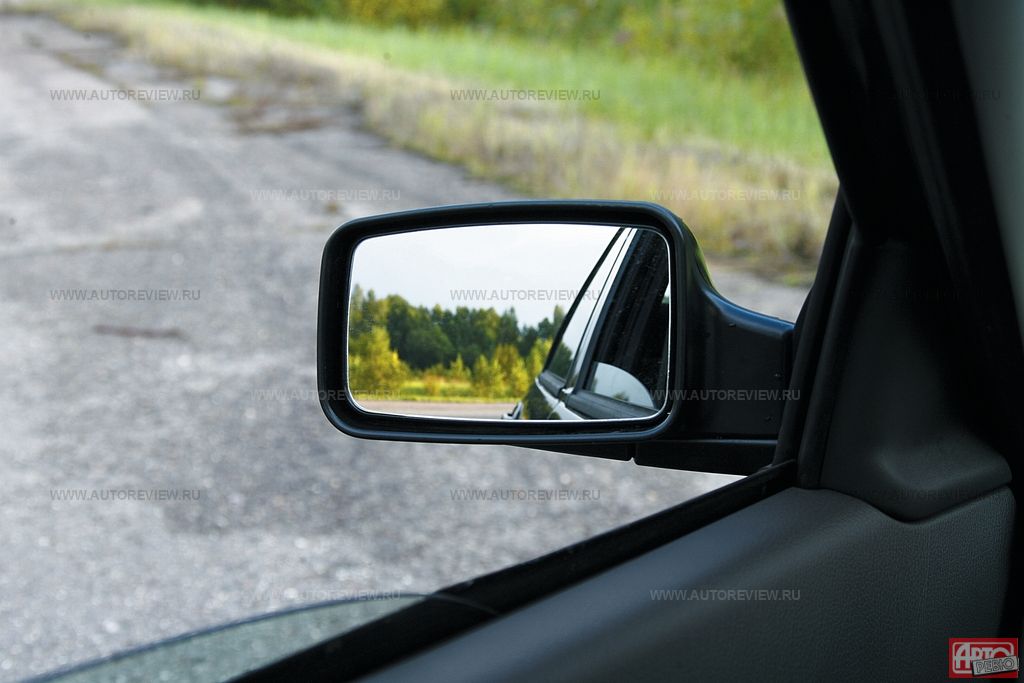
From a visibility standpoint, the Priora stands out: the front pillars with large triangles to which the mirrors are attached hardly obstruct the view of the road, the side mirrors work excellently, and the rear window is only slightly covered by the head restraints. The Geely is worse: the wipers work sluggishly, leaving a significant uncleaned area, and the side mirrors noticeably distort the image. The Nexia's mirrors are also "crooked," each in its own way. The driver's mirror can still be adjusted from inside, but the passenger's is at the limit of adjustment — you have to press on the reflective element itself, behind which the drive cables are clearly visible. Looking forward from the Daewoo is most convenient, but the rear view is spoiled by the head restraints.
| Daewoo Nexia | Geely MK | Lada Priora |
 |
 |
 |
| Car | Total viewing angle, deg. | Total blind spot angle, deg. |
| Daewoo Nexia | 288.0 | 72.0 |
| Geely MK | 263.0 | 97.0 |
| Lada Priora | 274.5 | 85.5 |
What costs how much?
Daewoo Nexia is the most affordable car in this comparison, but its equipment is also the most modest: there are no airbags or ABS in the equipment list at all. The initial modification with the 8-valve engine (1.5 L, 80 hp) and CD player will cost 254 thousand rubles. The version with the 16-valve 1.6 engine (109 hp) costs only 7,000 rubles more — from 261 thousand. If you take the Nexia in GLE trim with power steering, electric windows, central locking, and fog lights, the price rises to 292 thousand, and you'll have to pay another 17 thousand for air conditioning. Notably, the pre-restyling version can still be found at dealers at the same starting prices.
The factory warranty on the Daewoo is two years or 50 thousand kilometers; however, some dealers are willing to extend it to five years or 150 thousand, but only if the car is serviced exclusively at their stations. The brand's sales network in Russia includes 131 dealer centers in 60 cities.
Lada Priora with the base 8-valve engine (1.6 L, 81 hp) will appear at dealers at the end of October; the price of such a sedan is 272,860 rubles. The base already includes a driver's airbag, central locking, and front electric windows. The Norma trim with the 16-valve engine (98 hp) adds power steering, power-adjustable and heated mirrors, as well as alloy wheels. This costs 289,440 rubles — which is 2,560 rubles less than the Daewoo Nexia 1.6 with a radio but without an airbag and on stamped wheels. The top Lyuks version includes two airbags, seat belt pretensioners, ABS, heated front seats, and fog lights — for 307,620 rubles. The surcharge for air conditioning and rear parking sensors will be 17,740 rubles. Closer to winter, the richest trims with light and rain sensors will appear — for 327,680 rubles. The Priora hatchback is 3,200–5,200 rubles more expensive than the sedan depending on the trim.
The warranty on the Lada is three years or 50 thousand kilometers, but some dealers can extend it to six years or 100 thousand, again with the condition of undergoing all maintenance at their facilities. The brand's network includes 459 dealer centers in 230 cities of Russia.
Geely MK (1.5 L, 94 hp) in the simplest trim costs from 319 thousand rubles — that's ten thousand more than the Nexia with maximum equipment. For this money, the buyer gets a driver's airbag, air conditioning, heated front seats, power steering, fog lights, central locking, and even an alarm. The Priora with ABS, electric mirror adjustments, and front electric windows, but without seat heating and fog lights, comes out cheaper by 6,670 rubles. The Geely MK version with two airbags, ABS, and a full electric package costs 349 thousand, and for leather, alloy wheels, and a sunroof, you'll have to pay 379 thousand rubles.
The warranty on Geely cars of Chinese assembly is two years or 60 thousand kilometers. Sales are handled by 29 dealer centers in 25 cities of Russia.
| Cost of scheduled maintenance including consumables and parts, RUB | |||
| Frequency | Cars | ||
| Daewoo Nexia | Geely MK | Lada Priora | |
| Labor rate per hour | 750 | 1000 | 650 |
| Mileage, km | |||
| 2000 | 4670 | 3500 | 4500 |
| 10000 | 6500 | 3000 | — |
| 15000 | — | — | 3300 |
| 20000 | 8380 | 4200 | — |
| 30000 | 8380 | 3700 | 7400 |
| 40000 | 15700 | 5100 | — |
| 45000 | — | — | 5400 |
| 50000 | 8380 | 3000 | — |
| 60000 | 8600 | 8900 | 9500 |
| 70000 | 8380 | 3000 | — |
| 75000 | — | — | 5900 |
| 80000 | 15700 | 5100 | — |
| 90000 | 8380 | 3700 | 9600 |
| Total | 93070 | 43200 | 45600 |
| Approximate prices for parts at Moscow dealerships, RUB | |||
| Part | Cars | ||
| Daewoo Nexia | Geely MK | Lada Priora | |
| Oil filter | 140 | 258 | 160 |
| Fuel filter | 380 | 701 | 450 |
| Air filter | 340 | 493 | 220 |
| Cabin filter | — | 708 | 460 |
| Spark plug | 150 | 164 | 115 |
| Front brake pads | 1300 | 1707 | 800 |
| Rear brake pads | 800 | 1123 | 800 |
| Front shock absorber | 1700 | 2075 | 1600 |
| Rear shock absorber | 1900 | 1950 | 1300 |
| Clutch disc | 1100 | 1292 | 750 |
| Headlight | n/a* | 5629 | 4050 |
| Tail light | n/a | 2568 | 1200 |
| Front fender | 3840 | 5524 | 2100 |
| Front bumper | n/a | 8085 | 2200 |
| Hood | 7300 | 11282 | 7000 |
| Windshield | 3700 | 5311 | 2200 |
| * N/a — not available, as these parts are not sold at retail in Moscow | |||
Durability Duel: Lada Priora vs Geely MK
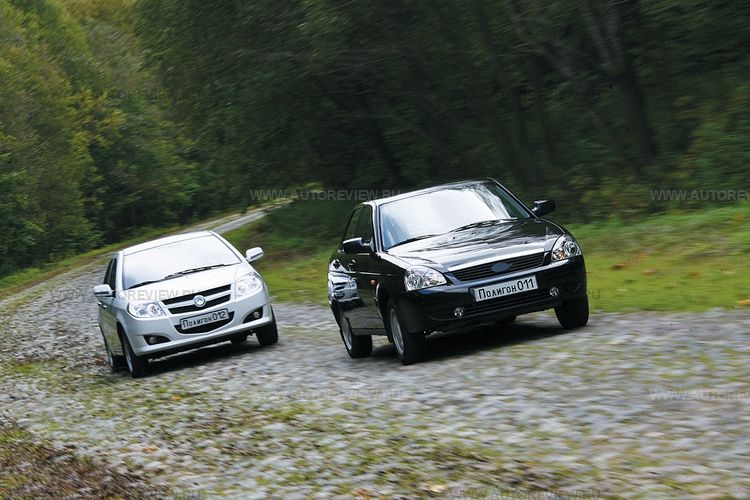
How reliable are these cars, really? The most accurate answer, of course, can only come from years of real-world use. But that's a hindsight answer. Those choosing a car right now need more up-to-date data. To get it, we decided to revive the practice of accelerated durability testing — as is customary, or rather, should be customary, in the global automotive industry.
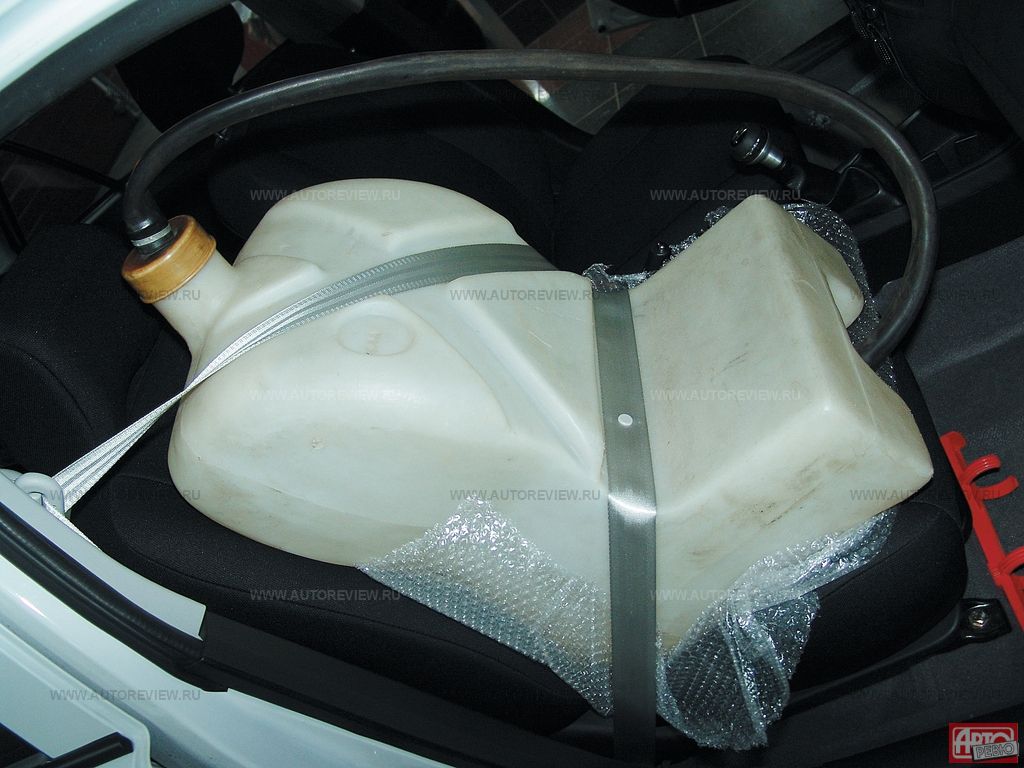
Our publication already has experience with such tests: about ten years ago, we conducted two such "duel" tests — the Volga GAZ-3110 competed against the Moskvich-2141, and the Skoda Felicia against the Belarusian Ford Escort (see AR No. 12 and No. 16, 1998). Now, with the same goal, we bought a Lada Priora and a Geely MK: in harsh conditions, they will cover 35,000 kilometers on various roads of the test track, which, with a factor of 2.9, is equivalent to one hundred thousand kilometers of "normal life."
Why wasn't the "new" Nexia included in this venture? It's simple: such tests require enormous costs and are complex to organize, and experienced testers willing to spend weeks at the track are hard to find! Besides, after a long break, we decided to refine the methodology, fine-tune it, and minimize risks.
 |
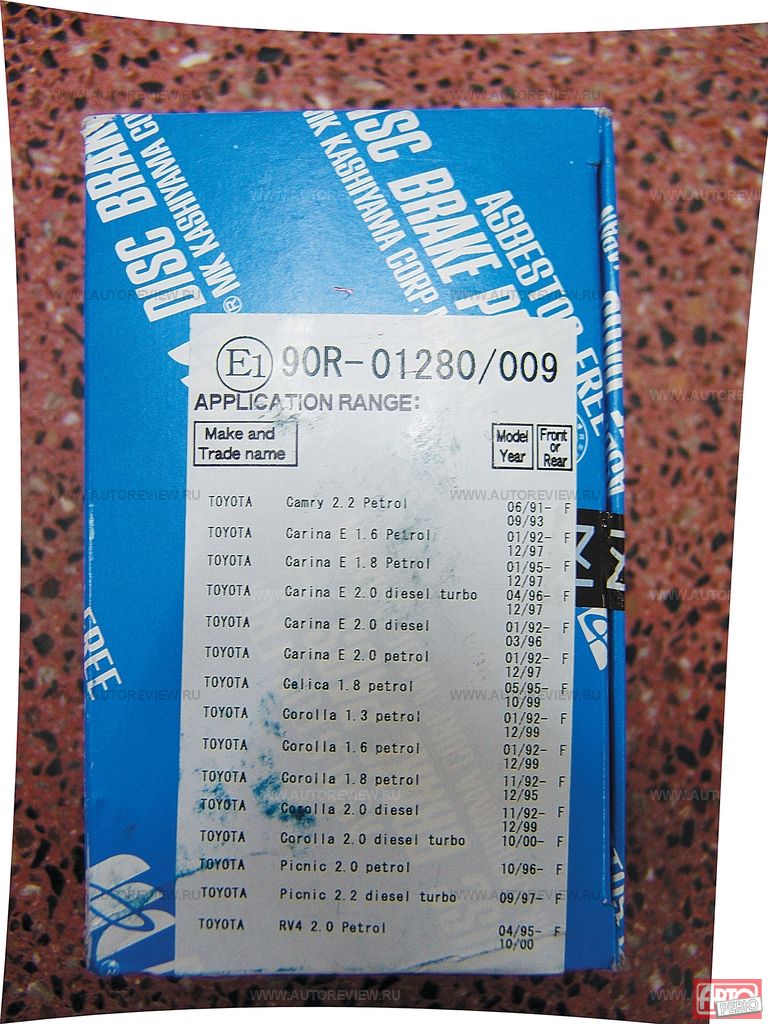 |
| Nearly half of the 35,000-kilometer run will be with full load, simulated by water-filled "dummies" | Instead of "official" pads for the Geely MK, we were sold unofficial Toyota ones |
The test program includes cycles of acceleration and braking, driving at maximum speed, driving on cobblestone pavement and mountain roads. Additionally, doors will be opened and closed, and windows lowered and raised hundreds of times...
But first — break-in according to all instructions in the manual: only the driver behind the wheel, not exceeding 100 km/h, smooth asphalt under the wheels. And already at this stage, surprises began! At 640 km, the fuel level indicator lamp burned out on the Geely MK, and the gasoline suddenly ran out. Meanwhile, the Priora, in cool weather (+5°C), started only on the third or fourth attempt.
We perform maintenance and repairs ourselves whenever possible at the Autoreview technical center, so we pre-purchased all consumables from official dealers. And here we were in for a surprise. Filters, oils, and brake pads for the Priora cost only 2,844 rubles (based on 35,000 km of mileage), while for the Geely MK — more than 20,000 rubles! It's not just about the shorter service intervals — 10,000 km versus 15,000 for the Priora (in accelerated tests, we reduce the service interval by 20%, so we service the Geely MK every 8,000 km and the Priora every 12,000 km). It's compounded by the fact that the Geely requires more service operations: even at the "break-in" service (2,000 km), you need to change the gearbox oil and power steering fluid, among other things. But the main issue is that under the guise of some parts for the "Chinese" car, dealers sell non-original parts for... old Toyotas!
We hadn't even driven 3,000 km on the Geely when a "bad" knocking sound started coming from under the driver's feet on the cobblestone road, which grew louder over time — the engine torque mount failed. After 5,000 km, knocking started from the rear — the loose muffler began hitting the suspension beam. Soon, the rear left shock absorber started leaking. Then, at about 170 km/h, a rear tire burst, and another one a day later. The only bright spot is the responsiveness of the Red Dragon division of the Rolf holding, Geely's distributor in Russia: after our test began, contracts with dealers were tightened, and now instead of two service centers in Moscow, only one remains — and it has rear shock absorbers.
The Priora is no angel either. At the "two-thousand" service, it turned out that the left steering knuckle mounting had loosened — we tightened it and adjusted the wheel alignment angles. The steering wheel also straightened out. At 6,000 km, the engine started acting up: at top speed, the "Check engine" light comes on, and idle speed becomes unstable. This effect is "cured" by turning off the ignition for a couple of minutes. The Priora's tires didn't "explode," but they quickly died "of natural causes" — by 6,100 km, the tread wear was critical. And during another tenfold slamming of doors and lowering of windows (we conduct such tests every 2,000 km), the Priora's rear power windows failed.
By the time this issue of Autoreview went to press, the cars had covered 10,000 km each — and so far, the only thing we can say with confidence is that we won't be short of information.
Animal Cruelty
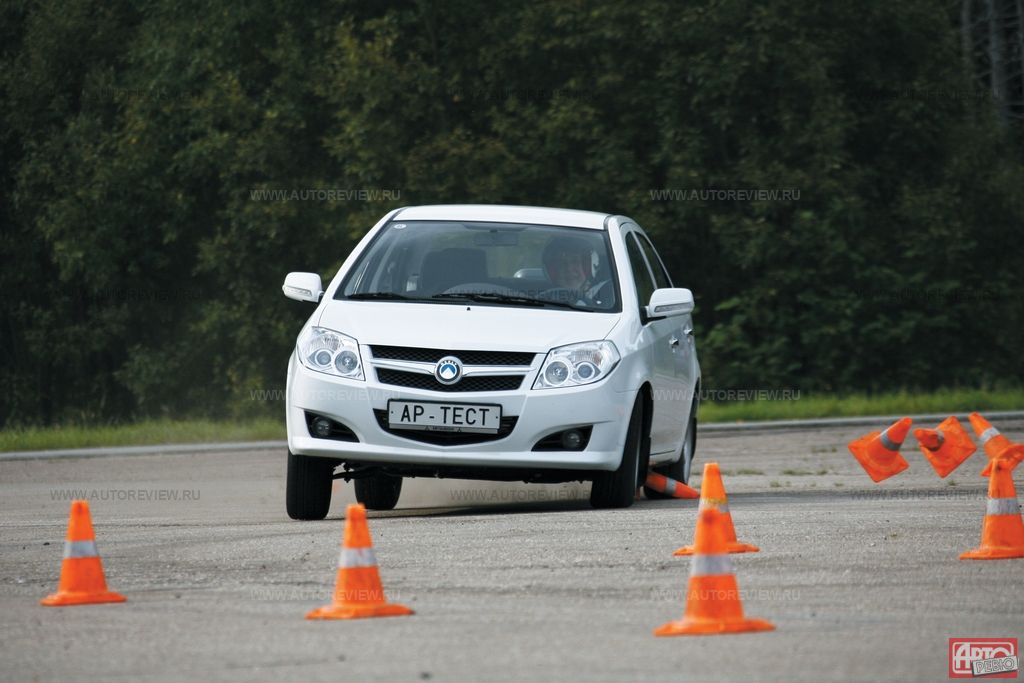 |
| The moose won't pass! Five "random" drivers couldn't avoid the imaginary animal in either car, but on the Geely they performed the most sweeping pirouettes |
The fastest the tester managed to avoid the "moose" was in the Priora: 70.3 km/h. Due to a lack of sensitivity, the "long" steering wheel had to be turned to extreme angles, but directional stability turned out to be quite high. None of the five "volunteers" managed the task. A lack of steering sensitivity prevented one from dodging the obstacle, three from returning to their lane, and the fifth, a tall driver, blamed the "non-moving" seat: with his chest against the steering wheel, he couldn't rotate it fast enough.
The Nexia's result of 68.5 km/h was much harder for the tester. When avoiding an obstacle, the steering sensitivity unexpectedly dropped, forcing the tester to turn the wheel very quickly at large angles, and the Nexia "hung" in a deep skid that was difficult to correct. Of the five "random" drivers, all managed to avoid the obstacle, but then it was every man for himself. Not a single clean pass!
And the Geely MK in the "lane change" test is like the Nexia under a magnifying glass: steering sensitivity is even lower, the skid is sharper and deeper, and the angle to which you need to turn the wheel to catch the slide is larger. The result is only 67.3 km/h. Of the five "volunteers," one met the "moose" head-on, while the others knocked down cones on both their own and the oncoming shoulder. Scary, absolutely terrifying!

The "Emergency situation" test allows you to assess the reliability of vehicle control when avoiding a sudden obstacle. The tester determines the maximum speed of the vehicle when performing the "lane change" maneuver ("Moose test"). And five drivers, having already familiarized themselves with the cars in normal driving modes, attempt from the first and only try to avoid the "moose" at a speed of 65 km/h and return the car to their lane
| "Moose test" from the first attempt at a speed of 65 km/h. | |
| Car | Maneuver completed |
| Daewoo Nexia | 0 out of 5 drivers |
| Geely MK | 0 out of 5 drivers |
| Lada Priora | 0 out of 5 drivers |
| Maximum speed of the "moose test", km/h | |
| Car | Speed |
| Daewoo Nexia | 68.5 |
| Geely MK | 67.3 |
| Lada Priora | 70.3 |
CASCO: who is cheaper?
Dmitry DROBYSHEVSKYTo find out how much a CASCO insurance policy will cost for our cars, we contacted Ingosstrakh (they insure almost all brands and offer the largest number of services) and the insurers recommended to us by dealers.
At Ingosstrakh, a CASCO policy is not cheap — for example, insuring a Priora for an experienced driver will cost at least 9,000 rubles more than at Standard-Reserve. But at Standard-Reserve and PSK, where they recommend insuring the Nexia, the package of additional services is more expensive, and at Reso-Garantia, recommended for the Geely MK, there are no discounts for accident-free driving.
However, regardless of the chosen company, young and inexperienced drivers will find the policy very expensive — insurers openly apply prohibitive rates, not wanting to pay "repair" bills. Thus, a CASCO policy for the Geely MK at Ingosstrakh costs 25.43% of the car's price — that's almost 89 thousand rubles! Competitors are not much more loyal: Reso-Garantia will ask for 17.17%, or 60 thousand rubles, to insure the Geely MK. And only experienced drivers will be offered humane rates: from 5.78% for the Priora to 7.75% for the Nexia.
As a result, thanks to its low criminal appeal (unlike other Lada models) and inexpensive body repairs, the Priora's insurance will be the cheapest — from 18,806 rubles. And policies for the Daewoo and Geely MK will be noticeably more expensive, since the "first" Nexia was often stolen, and the Geely MK scares insurers with spare parts prices.
| Cost and conditions of CASCO insurance | |||||||
| Cars | Lada Priora | Daewoo Nexia | Geely MK | ||||
| Insurance companies | Ingosstrakh | Standard Reserve | Ingosstrakh | First Insurance Company | Ingosstrakh | Reso-Garantia | |
| Price of the tested car, rub. | 325360 | 311900 | 349000 | ||||
| Price of the basic policy, in % of the car price | Age — 21 years, experience less than a year | 17.4 | 10.01 | 19.86 | 12.05 | 25.43 | 17.17 |
| Age over 48 years, experience at least 18 years | 8.56 | 5.78 | 7.51 | 7.75 | 11.65 | 7.46 | |
| Price of the basic policy, rubles | Age — 21 years, experience less than a year | 56613 | 32569 | 61943 | 37579 | 88751 | 59923 |
| Age over 48 years, experience at least 18 years | 27851 | 18806 | 23424 | 24171 | 40659 | 26035 | |
| Discount for deductible in % | |||||||
In the cabin
The interior also leaves a pleasant impression. Of course, there are no expensive materials here, but everything is fitted neatly, and most importantly, it is well thought out. The driver's seat is comfortable, the seating position is correct, and visibility is good. There are no complaints about the build quality: nothing creaks, wobbles, or falls off. The only thing you need to get used to is the not very informative clutch pedal, but that's a matter of practice. In the back, there is enough space for two adults, although a third will be superfluous. The trunk is not a record holder either, but it is quite roomy for its dimensions. Folding rear seats increase its volume, but the floor is uneven.On the move
Under the hood we had a 1.5-liter engine with 94 horsepower. For the city, this is quite enough to feel confident in traffic. But on the highway, overtaking has to be planned in advance. The gearbox works clearly, but the lever could be shorter. The suspension, as befits a budget car, is quite energy-intensive, but on large bumps it may seem a bit stiff. However, on dirt roads and broken asphalt, the car feels confident, not gathering the entire suspension into a fist. Fuel consumption during the test was about 8.5 liters per 100 kilometers in the combined cycle. For such an engine, this is a normal indicator, although not record low. Overall, the Geely MK leaves the impression of a solid and honest car that is ready to forgive the driver minor mistakes and does not require increased attention.Safety and insurance
From a safety point of view, the basic configuration of the Geely MK includes only a driver's airbag and ABS. For an additional charge, you can order a second airbag for the passenger, but even in this case, the set of passive safety remains minimal. This is perhaps the main compromise you have to make for such a price. By the way, about insurance. We decided to find out how much CASCO will cost for this car in different companies. It turned out that for a young driver with less than a year of experience, the cost of the policy can reach 5.98 of the base price of the car. For an experienced driver over 48 years old, this coefficient decreases to 2.39. It is also worth considering that most insurance companies apply a discount for accident-free driving of 15% per year, but in one of them there is no such discount at all.Alternatives
The choice of budget sedans of class B+ with a price of about 300 thousand rubles is the widest. Let's list the options:- Lada Kalina — from 230,300 rubles for a car with a 1.6 engine (81 hp);
- ZAZ Sens with an engine from Tavria (1.3 L, 70 hp) — 231,500 rubles;
- Chevrolet Lanos with a 1.5 engine (86 hp) — from 256 thousand rubles;
- Chevrolet Aveo — from 321,130 rubles for a sedan with a 1.2 engine (72 hp);
- Lifan Breez of Cherkessk assembly — at least 275 thousand rubles for a version with a 1.3 engine (89 hp). The same amount costs the base Maple C32 (1.3 L, 85 hp);
- Renault Logan 1.4 (75 hp) of Moscow assembly — from 277,300 rubles;
- Geely Otaka (1.5 L, 94 hp) costs 291,500 rubles;
- Hyundai Accent (1.5 L, 102 hp) from Taganrog — at least 299,700 rubles;
- BYD F3 with a 1.5 engine (99 hp) for 320 thousand rubles will go on sale in January, but for now dealers only have sedans with 1.6 engines (100 hp) at a price from 354,900 rubles;
- Iran Khodro Samand with an eight-valve 1.8 L engine (100 hp) costs from 324 thousand rubles;
- Fiat Albea (1.4 L, 77 hp) is assembled in Naberezhnye Chelny and is sold for at least 329 thousand rubles;
- Hafei Princip (1.6 L, 101 hp) — from 333,900 rubles;
- Peugeot 206 Sedan — from 339 thousand rubles for a version with a 1.4 engine (75 hp);
- Kia Spectra (1.6 L, 101 hp) of Izhevsk assembly — at least 342 thousand rubles;
- the Chinese sedan FAW Vita (1.5 L, 102 hp) is offered for 340 thousand rubles.