
 The new generation Cee’d is based on a fresh Korean platform shared with the Hyundai i30. The hatchback is assembled in Slovakia, and at home in Korea it is sold under the ED index. Russian buyers will get the Slovak version in the form of CKD kits, but with different trim levels, a different set of engines, and a re-tuned suspension. Final assembly will be entrusted to the Kaliningrad-based Avtotor — essentially, the finished car will be fitted with seats, wheels, and a couple of small parts. The new generation Cee’d is based on a fresh Korean platform shared with the Hyundai i30. The hatchback is assembled in Slovakia, and at home in Korea it is sold under the ED index. Russian buyers will get the Slovak version in the form of CKD kits, but with different trim levels, a different set of engines, and a re-tuned suspension. Final assembly will be entrusted to the Kaliningrad-based Avtotor — essentially, the finished car will be fitted with seats, wheels, and a couple of small parts. |
 We had at our disposal a Slovak Cee’d in the base version with a 1.4-liter engine and a manual gearbox. Even in the base trim, there was plenty of useful equipment: electric power steering, ABS, ESP, climate control, tire pressure sensor, immobilizer, seat belts with pretensioners and force limiters, active headrests, front electric windows, onboard computer, and an audio system with MP3, four speakers, and USB/AUX inputs. Six airbags are also standard for the simplest modification. The price of such a car is about $17,000, and the Russian version is expected to be slightly more affordable. We had at our disposal a Slovak Cee’d in the base version with a 1.4-liter engine and a manual gearbox. Even in the base trim, there was plenty of useful equipment: electric power steering, ABS, ESP, climate control, tire pressure sensor, immobilizer, seat belts with pretensioners and force limiters, active headrests, front electric windows, onboard computer, and an audio system with MP3, four speakers, and USB/AUX inputs. Six airbags are also standard for the simplest modification. The price of such a car is about $17,000, and the Russian version is expected to be slightly more affordable. |
| There is not yet full clarity on the engine lineup for the Russian Cee’d. According to preliminary data, the new model will get modern 16-valve gasoline engines with variable valve timing, displacing 1.4, 1.6, and 2.0 liters, developing 109, 122, and 144 hp. The developers also have two economical diesels with second-generation Common Rail injection — 1.6 liters with 115 hp and 2.0 liters with 140 hp. Three gearboxes will be offered: two manuals with five and six speeds, as well as a four-speed automatic. Moreover, the six-speed manual is only available for the two-liter diesel. |
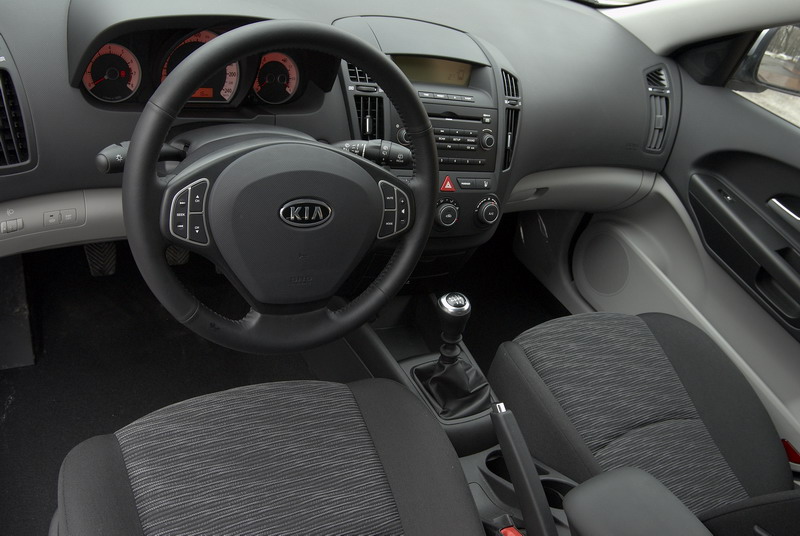
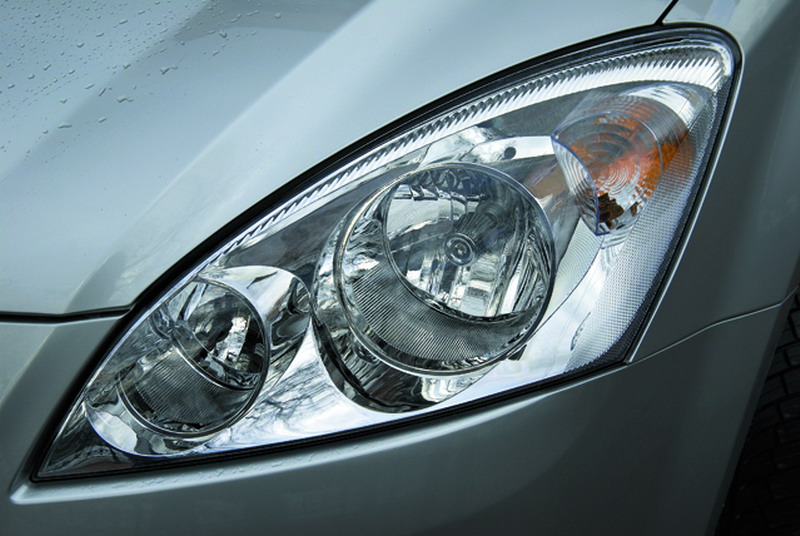
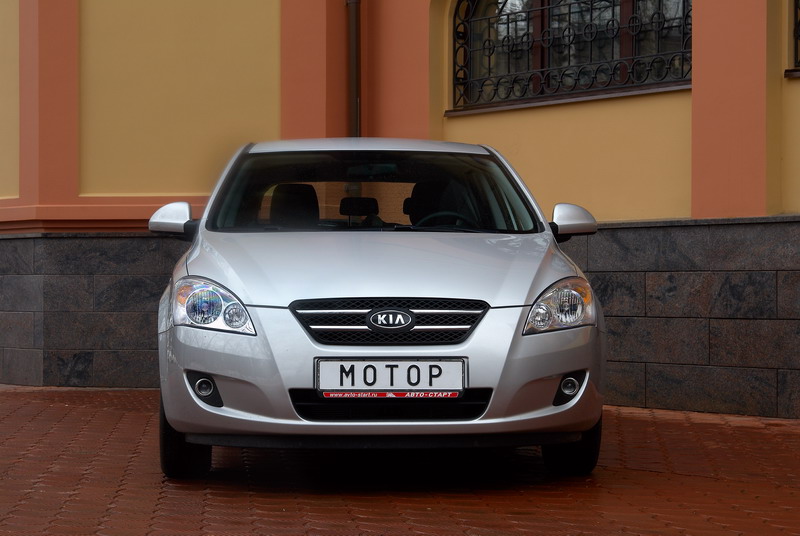
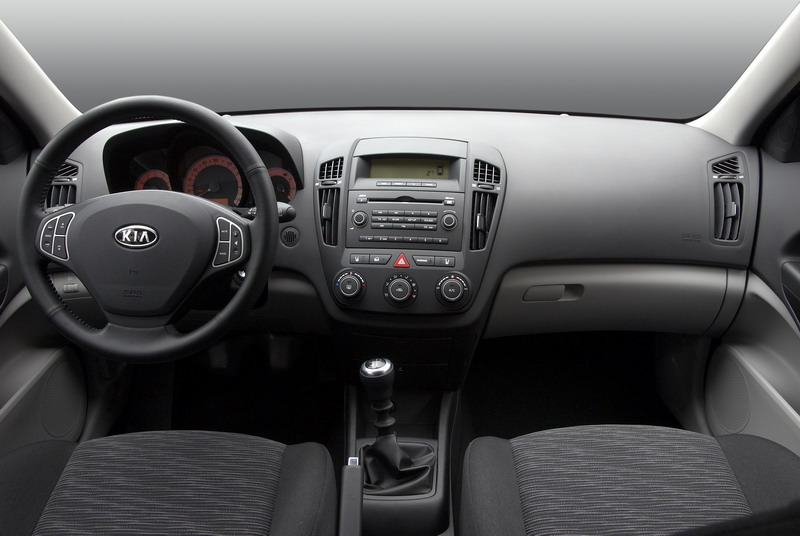
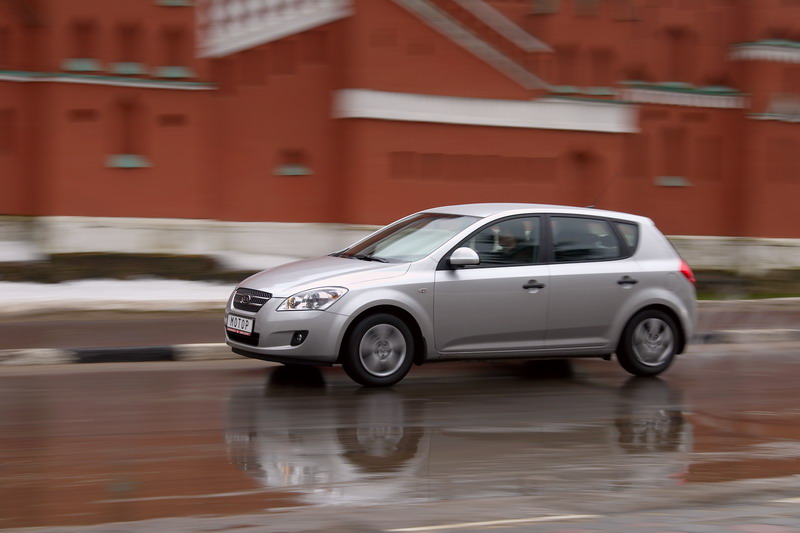
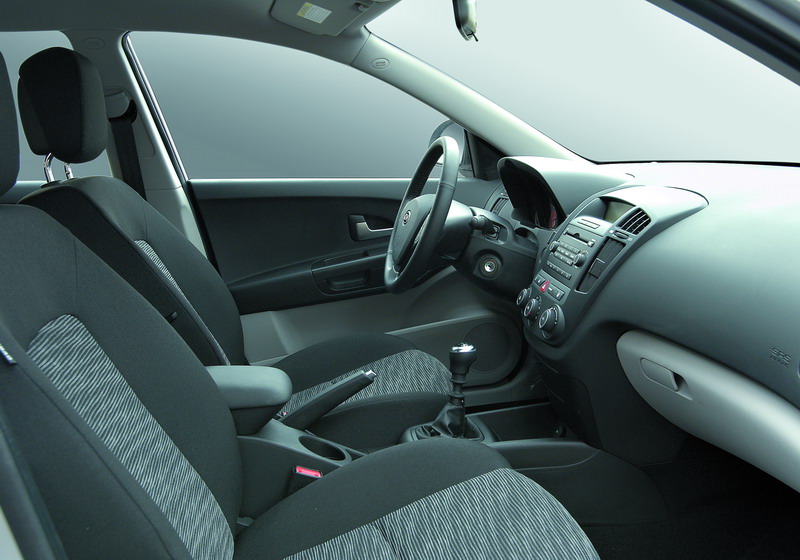
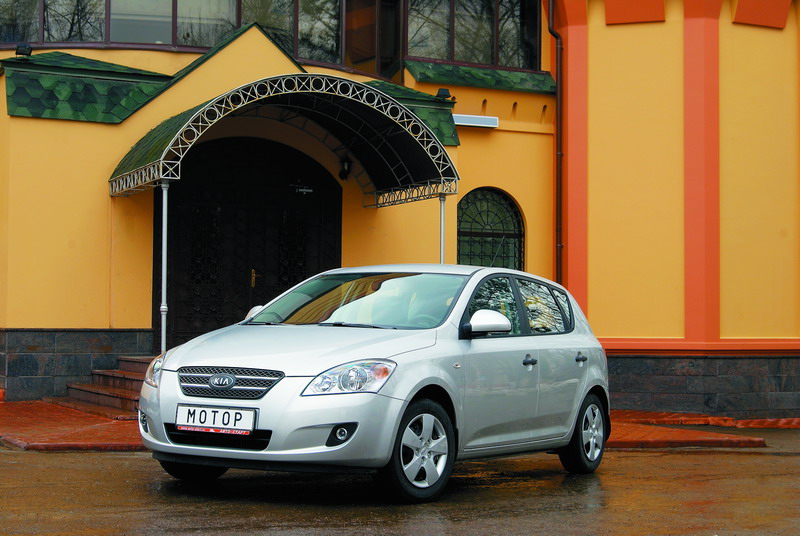
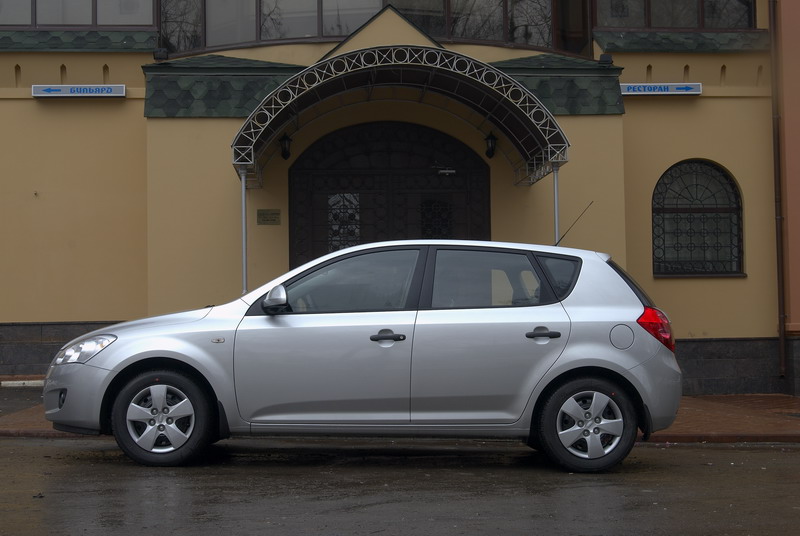 It is immediately obvious that the hatchback is tailored to European preferences: restrained design, friendly headlight gaze, and a "smile" on the front bumper. The interior is simple but neat, with all parts tightly fitted. The impression is that the interior is already three-quarters European. The top of the dashboard is dark, made of soft plastic with an unusual texture, while the bottom is light and hard. The instrument cluster is laconic, and the center console with large buttons, round knobs, and big displays is easy to master. It is immediately obvious that the hatchback is tailored to European preferences: restrained design, friendly headlight gaze, and a "smile" on the front bumper. The interior is simple but neat, with all parts tightly fitted. The impression is that the interior is already three-quarters European. The top of the dashboard is dark, made of soft plastic with an unusual texture, while the bottom is light and hard. The instrument cluster is laconic, and the center console with large buttons, round knobs, and big displays is easy to master. |
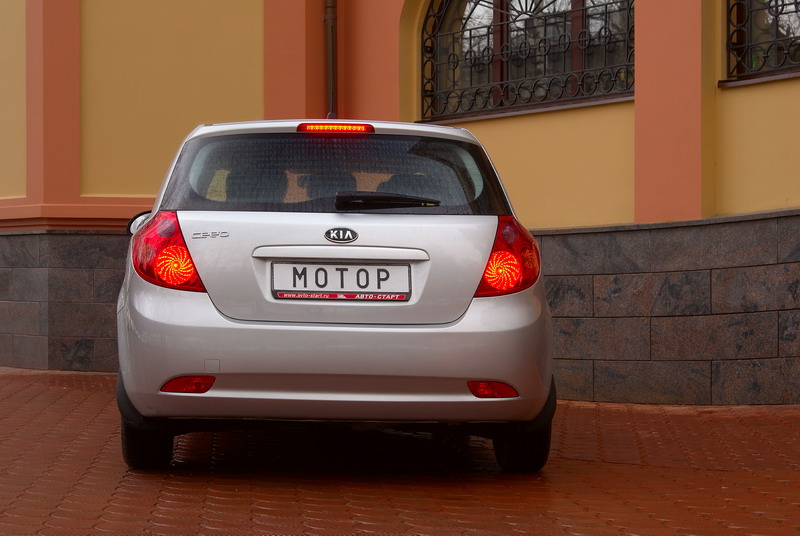
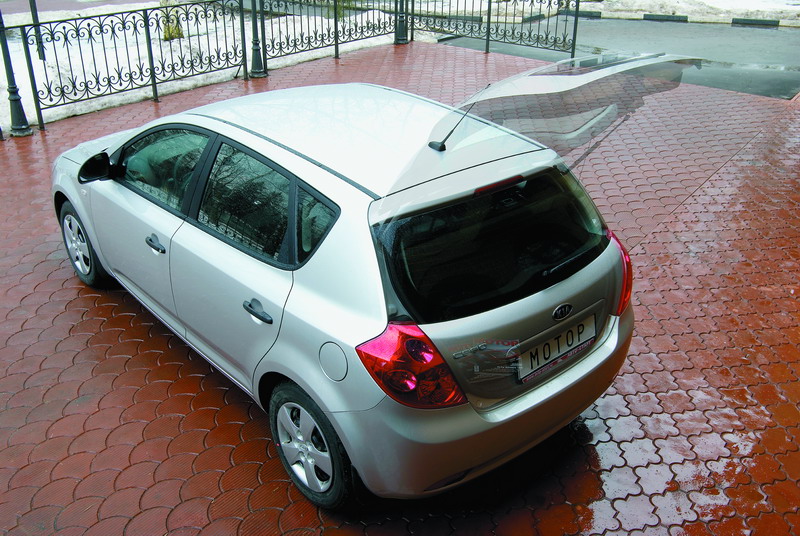
 The driver's workspace is well thought out. The seat and steering wheel adjustments have a huge range. There is plenty of room in the back — three passengers will have more space than in the direct competitor Ford Focus II. Visibility is excellent, especially to the rear, thanks to large side mirrors. The rear seat back folds in a 60:40 ratio. In the trunk lies a space-saver spare wheel, and under it is an organizer tray with many niches and compartments. The driver's workspace is well thought out. The seat and steering wheel adjustments have a huge range. There is plenty of room in the back — three passengers will have more space than in the direct competitor Ford Focus II. Visibility is excellent, especially to the rear, thanks to large side mirrors. The rear seat back folds in a 60:40 ratio. In the trunk lies a space-saver spare wheel, and under it is an organizer tray with many niches and compartments. |
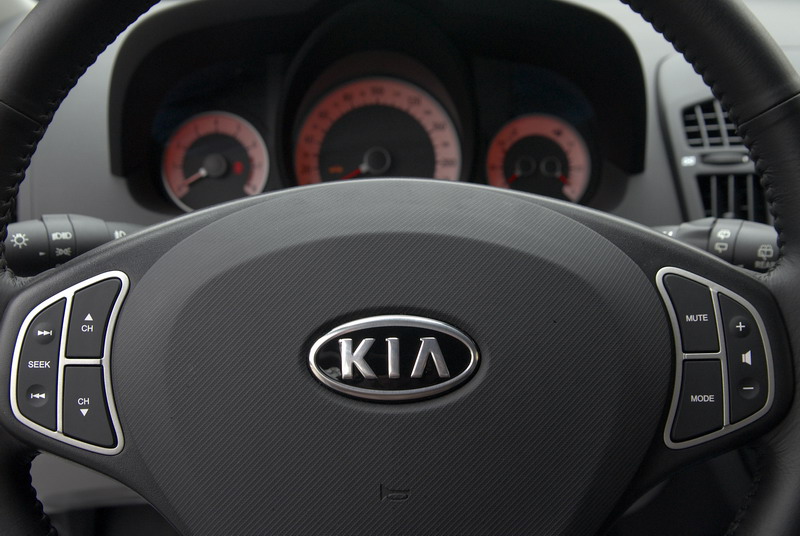
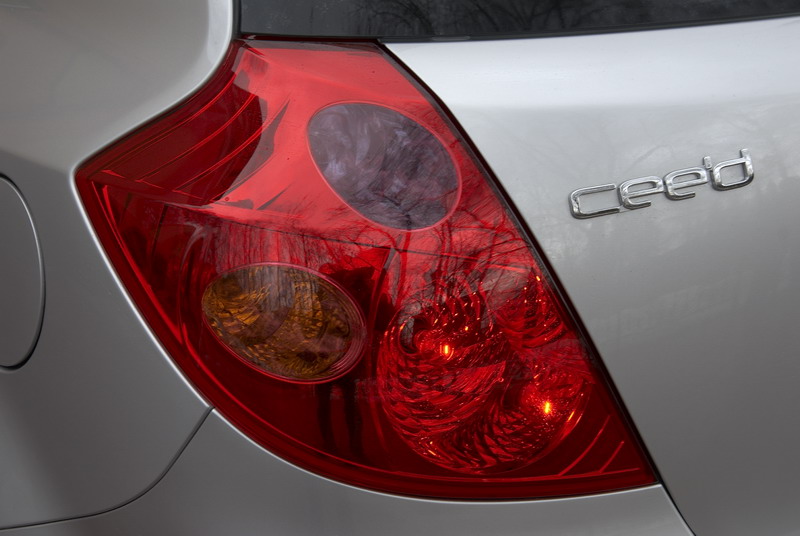 The engine of our Cee’d, with a decent torque of 140 Nm for a 1.4-liter, briskly pulls the car even with three large passengers on board and allows you to feel confident in city traffic. The close gear ratios add to the liveliness, but you have to pay for it with a top speed of only 190 km/h. With the two-liter engine, the dynamics are, of course, much more fun, and the "top speed" reaches 225 km/h thanks to the more "stretched" gears. The engine of our Cee’d, with a decent torque of 140 Nm for a 1.4-liter, briskly pulls the car even with three large passengers on board and allows you to feel confident in city traffic. The close gear ratios add to the liveliness, but you have to pay for it with a top speed of only 190 km/h. With the two-liter engine, the dynamics are, of course, much more fun, and the "top speed" reaches 225 km/h thanks to the more "stretched" gears. The gearbox shifts crisply, but the lever throws are a bit long. The steering wheel did not please — it is slippery. However, the hub houses audio system control keys. That said, this applies only to the Slovak version: Avtotor will simplify the car, and the multifunction steering wheel will appear only in expensive trim levels. |
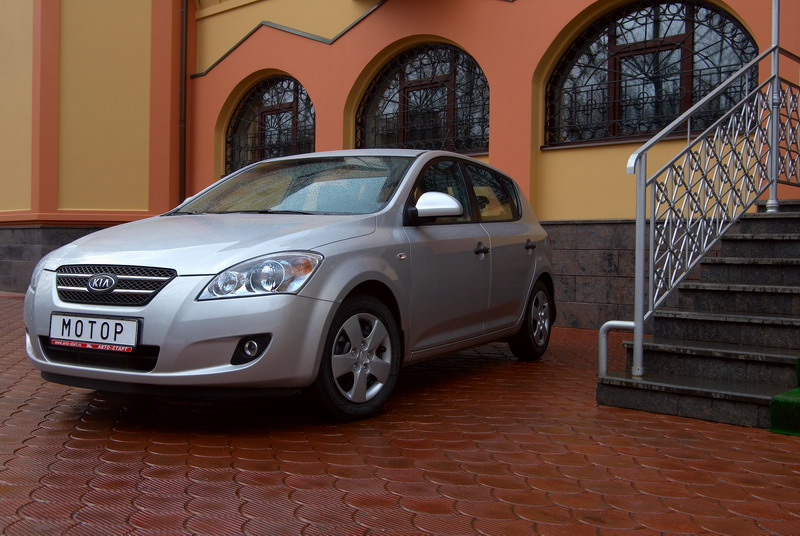 The steering is optimally sharp — even a demanding driver will be satisfied. However, the feedback from the electric power steering did not impress: during active maneuvering, you seem to get stuck in it. The suspension of the Slovak Cee’d is tuned for driving. The suspension deserves praise — no pitching, no irritating oscillations. The car handles bumps of any size firmly, holds the line confidently, and body roll is not a concern. The only "but" is that small road imperfections are noticeably transmitted to the body. Most likely, Russian versions will get a softer suspension and increased ground clearance. The steering is optimally sharp — even a demanding driver will be satisfied. However, the feedback from the electric power steering did not impress: during active maneuvering, you seem to get stuck in it. The suspension of the Slovak Cee’d is tuned for driving. The suspension deserves praise — no pitching, no irritating oscillations. The car handles bumps of any size firmly, holds the line confidently, and body roll is not a concern. The only "but" is that small road imperfections are noticeably transmitted to the body. Most likely, Russian versions will get a softer suspension and increased ground clearance. |
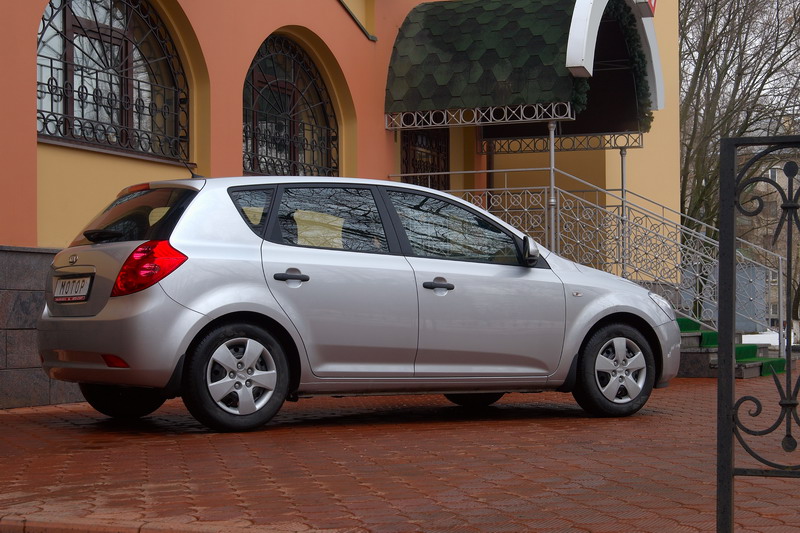 Noise insulation left mixed feelings. The engine and exhaust do not strain the ears, but the suspension works quite loudly, and stones drumming on the arches and sills add their own notes. Additional sound insulation with anti-gravel coating would clearly not hurt. Noise insulation left mixed feelings. The engine and exhaust do not strain the ears, but the suspension works quite loudly, and stones drumming on the arches and sills add their own notes. Additional sound insulation with anti-gravel coating would clearly not hurt. |
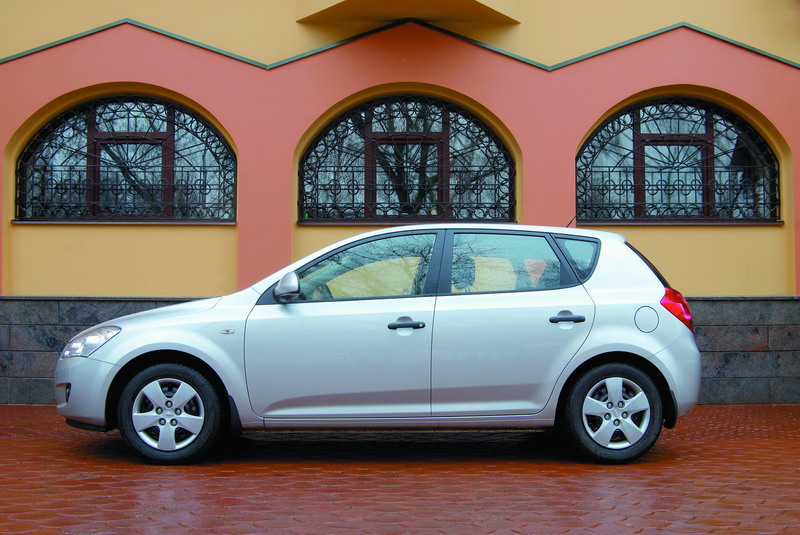 The brakes are grippy and informative, but the pedal travel is very short — you need to be careful with them: press a little harder, and ABS already kicks in. ESP can be turned off and is not too strict, allowing the car to slide a bit. The brakes are grippy and informative, but the pedal travel is very short — you need to be careful with them: press a little harder, and ABS already kicks in. ESP can be turned off and is not too strict, allowing the car to slide a bit. To sum up, the Cee’d demonstrates excellent build quality, attractive exterior, and decent driving characteristics. It seems the Koreans have learned the rules of the European market well, and their new model will clearly fit in there. |
 |
 |
 |
 |
 |
 |
 |
Korean march
The Kia Cee'd concept was shown last year at the Geneva Motor Show, and the pre-production version in Paris. The car reached the assembly line quickly, which is, in principle, typical for the mass market. Moreover, this indicates that Europe is one of the main benchmarks for the Koreans.

Test drive photos
Comments
No comments yet. Say the first word.