
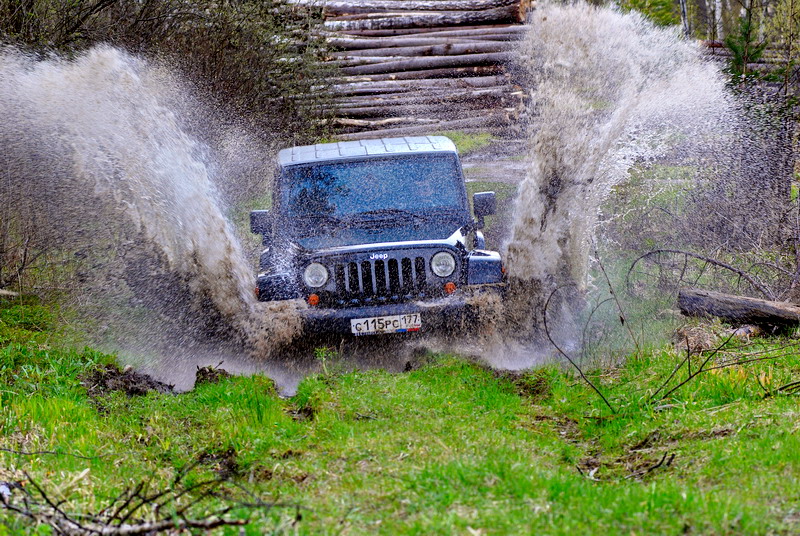
 It is unlikely that Arthur Herrington, who created a car with the abbreviation GP (general purpose) after World War I, could have imagined that this name would eventually turn into the familiar word "jeep" and give the world such a long and glorious history. He hardly knew that in 1942 his GP would become the military Willys, and that civilian versions with the CJ (civilian jeep) index would be produced until 1960. He certainly did not guess that from 1963 the American Motor Company would begin producing its all-wheel-drive models under the same name, and that in 1986 the first Jeep Wrangler would appear — the heir to the CJ and the great-great-grandson of the "Willys." And yet, that is exactly how the history of the modern Chrysler SUV unfolded. This long path brought us to 2007, when sales of the new generation Jeep Wrangler started in Russia. It is unlikely that Arthur Herrington, who created a car with the abbreviation GP (general purpose) after World War I, could have imagined that this name would eventually turn into the familiar word "jeep" and give the world such a long and glorious history. He hardly knew that in 1942 his GP would become the military Willys, and that civilian versions with the CJ (civilian jeep) index would be produced until 1960. He certainly did not guess that from 1963 the American Motor Company would begin producing its all-wheel-drive models under the same name, and that in 1986 the first Jeep Wrangler would appear — the heir to the CJ and the great-great-grandson of the "Willys." And yet, that is exactly how the history of the modern Chrysler SUV unfolded. This long path brought us to 2007, when sales of the new generation Jeep Wrangler started in Russia. | ||||||||||
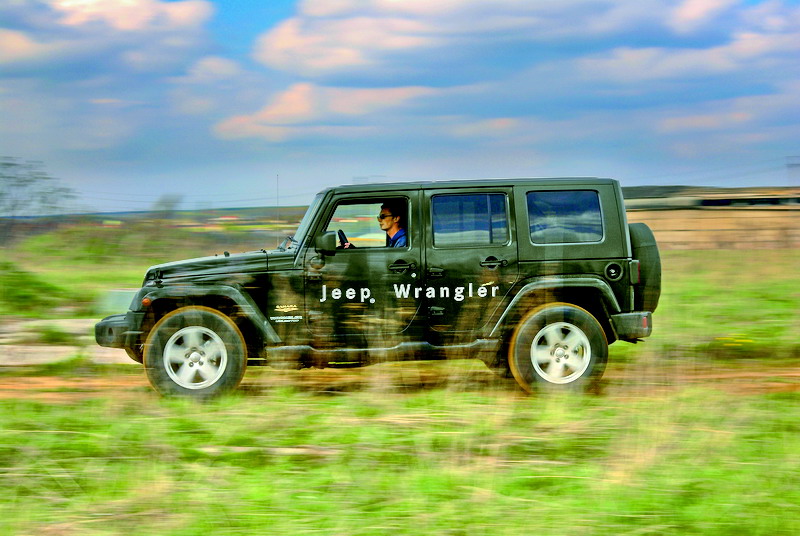 The main feature of the Wrangler, distinguishing it from other off-road vehicles, is the amazing combination of pure utility and stylish, deliberately rugged appearance. It is this approach that has kept the model in demand for more than two decades and constantly attracted new fans. Since 1986, a huge number of modifications have appeared (owners will tell you how much effort goes into finding the right parts). And there will be even more: now the Jeep Wrangler is also produced in a four-door Unlimited version with a wheelbase increased by 520 mm. It is this car that we took for a test. The first acquaintance, arranged by the DaimlerChrysler representative office a couple of months ago, turned out to be too short, and we only drove the "two-doors" then. But even that time, the off-road capabilities of the jeep made us doubt that there are any insurmountable obstacles for it at all. The main feature of the Wrangler, distinguishing it from other off-road vehicles, is the amazing combination of pure utility and stylish, deliberately rugged appearance. It is this approach that has kept the model in demand for more than two decades and constantly attracted new fans. Since 1986, a huge number of modifications have appeared (owners will tell you how much effort goes into finding the right parts). And there will be even more: now the Jeep Wrangler is also produced in a four-door Unlimited version with a wheelbase increased by 520 mm. It is this car that we took for a test. The first acquaintance, arranged by the DaimlerChrysler representative office a couple of months ago, turned out to be too short, and we only drove the "two-doors" then. But even that time, the off-road capabilities of the jeep made us doubt that there are any insurmountable obstacles for it at all. | ||||||||||
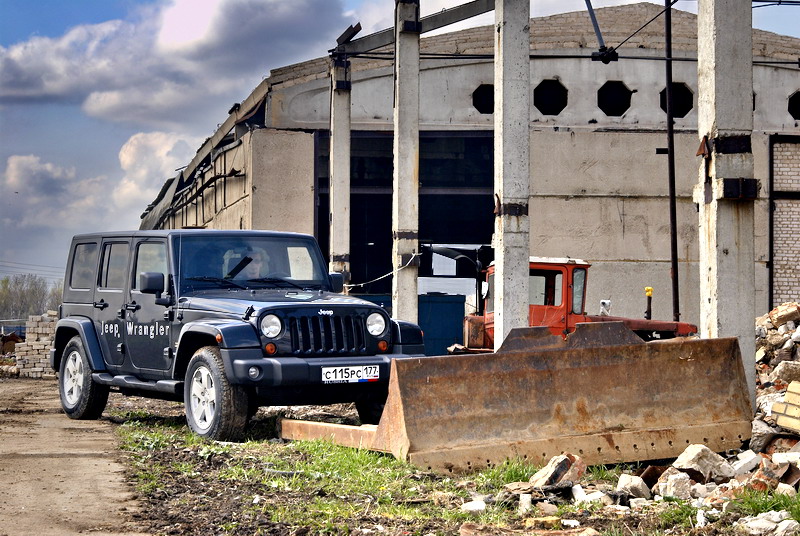
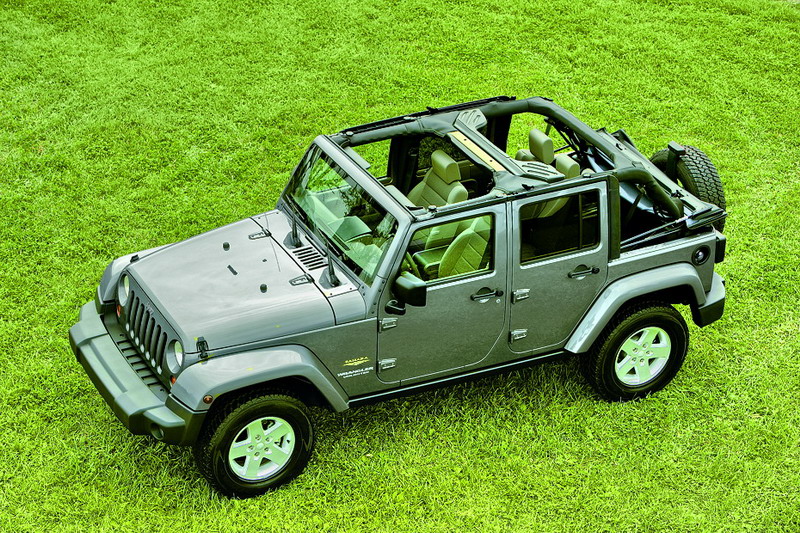
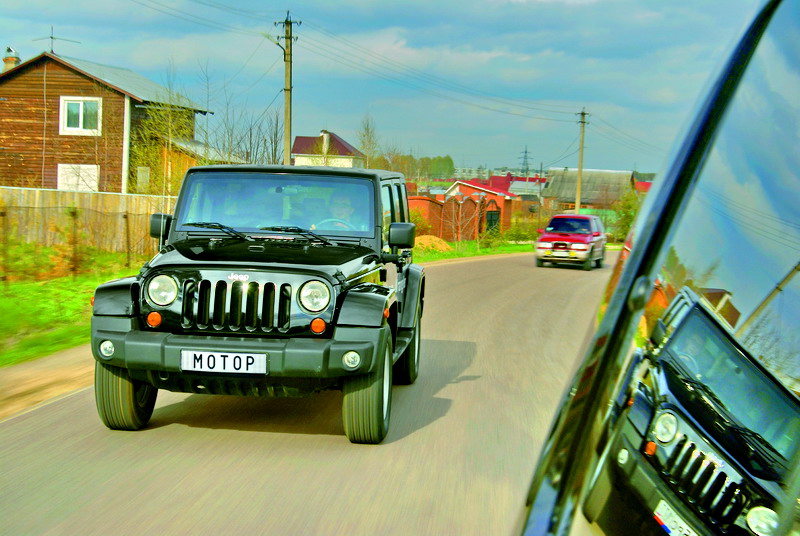
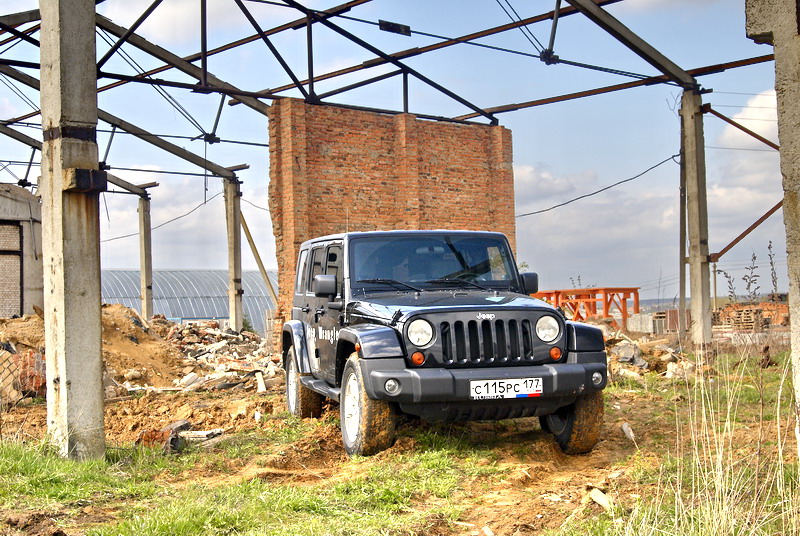 On city streets, the Wrangler invariably finds itself in the spotlight. Pedestrians and drivers turn around as if a Lamborghini or Ferrari were passing by. And that is not surprising. In an era when car design changes with fashion and ultimately becomes the same, Jeep remains true to the style laid down by Willys. Perhaps only the Porsche 911 can boast the same loyalty to its traditions. On city streets, the Wrangler invariably finds itself in the spotlight. Pedestrians and drivers turn around as if a Lamborghini or Ferrari were passing by. And that is not surprising. In an era when car design changes with fashion and ultimately becomes the same, Jeep remains true to the style laid down by Willys. Perhaps only the Porsche 911 can boast the same loyalty to its traditions. The new Wrangler so accurately repeats the appearance of the old one that it can easily be confused with its predecessor (with the previous generation this is unlikely — that one had rectangular headlights). The same round headlights, flat body sides, seven vertical slots in the radiator grille, and the familiar "square" silhouette. The plastic fender flares remain in place — on serious off-road they still serve as consumables. | ||||||||||
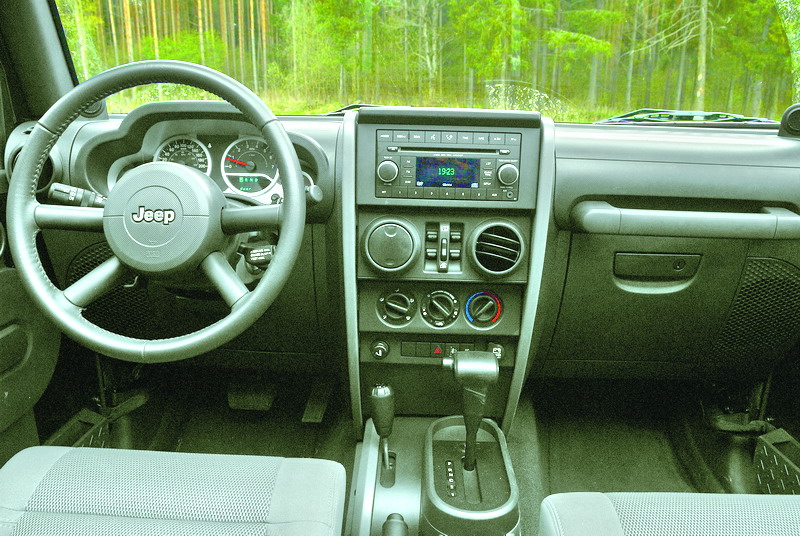
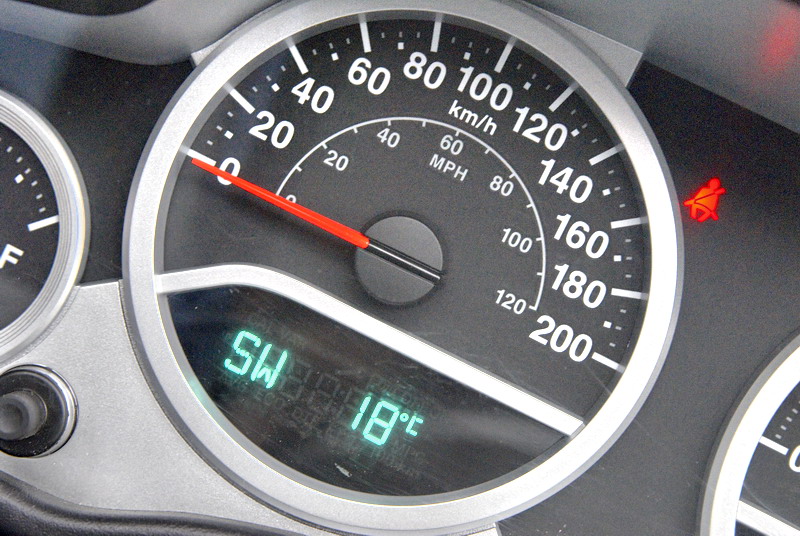
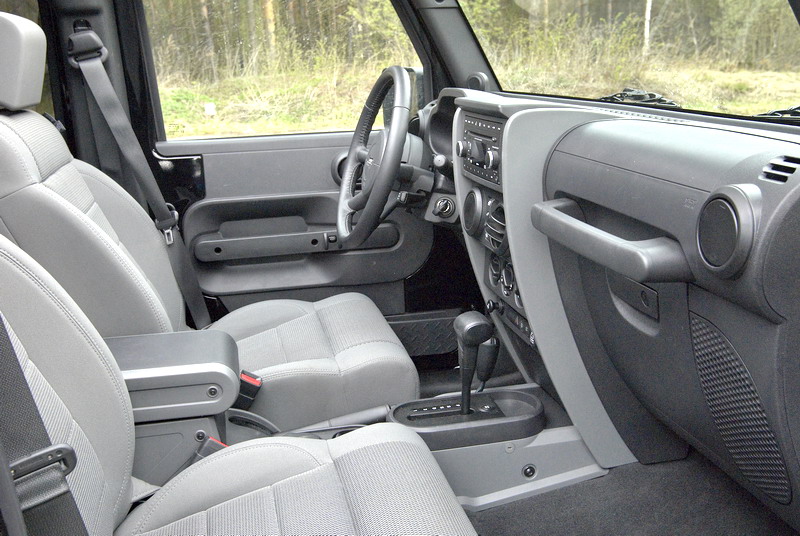
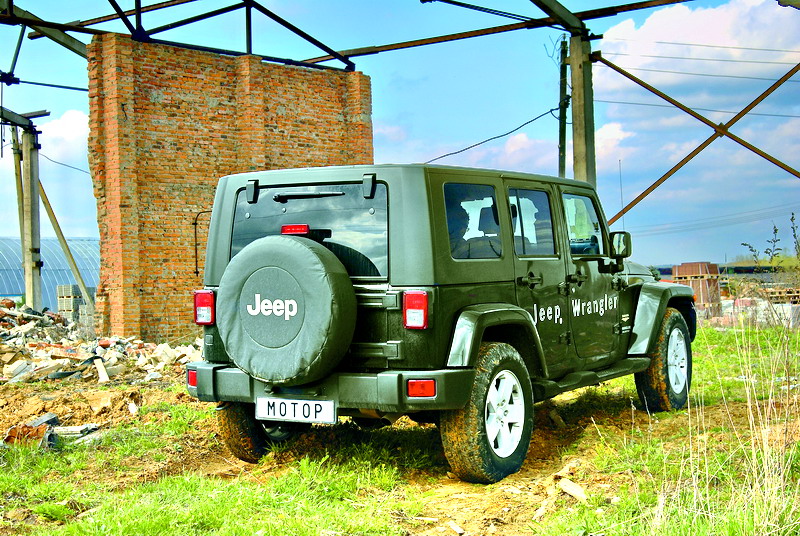 There are changes, of course, but they are not striking. The windshield has become slightly curved — just enough to be folded onto the hood, like on the old "Willys." The radiator grille has been tilted, and the bumper has been made more massive and pushed forward — all for passive safety. There are changes, of course, but they are not striking. The windshield has become slightly curved — just enough to be folded onto the hood, like on the old "Willys." The radiator grille has been tilted, and the bumper has been made more massive and pushed forward — all for passive safety. The Wrangler, as before, is ready for "stripping." The roof panels and the rear part of the body above the trunk can be removed, exposing the safety cage covered with zippered covers, turning the car into a kind of convertible. A soft rubberized top is also available. An hour of work in the garage — and you can head to the beach, seating a whole company of vacationers in the back row and the trunk. The interior continues the utilitarian theme, although compared to the previous model, a noticeable step forward has been made here. The feeling of sitting in a tin can is gone. Many parts made of painted metal are still on display, sound insulation is rather conditional, and the finish meets the strictest requirements of soldier aesthetics. | ||||||||||
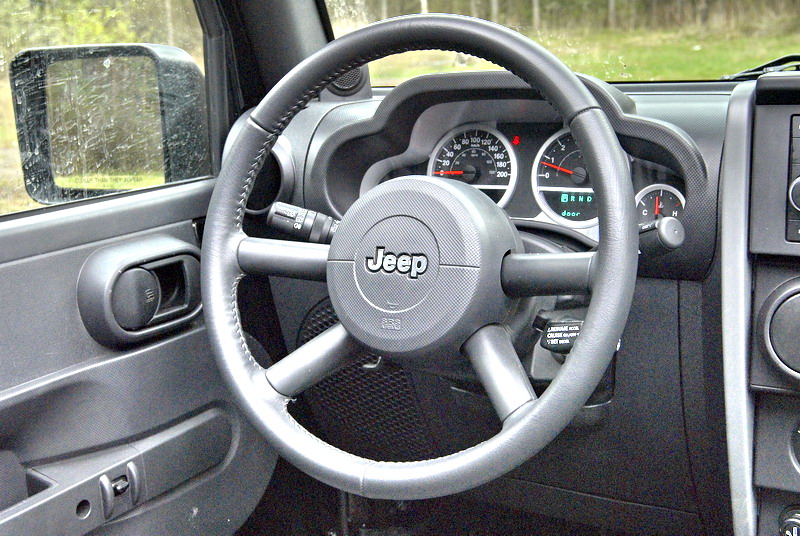
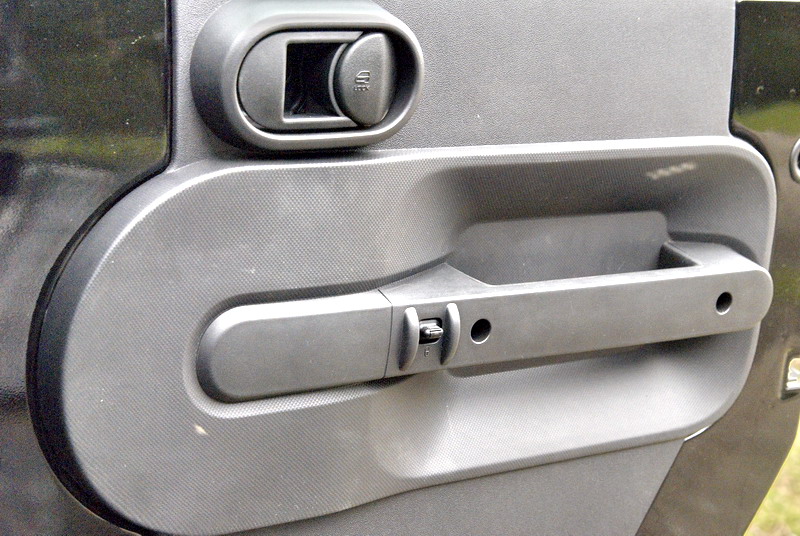
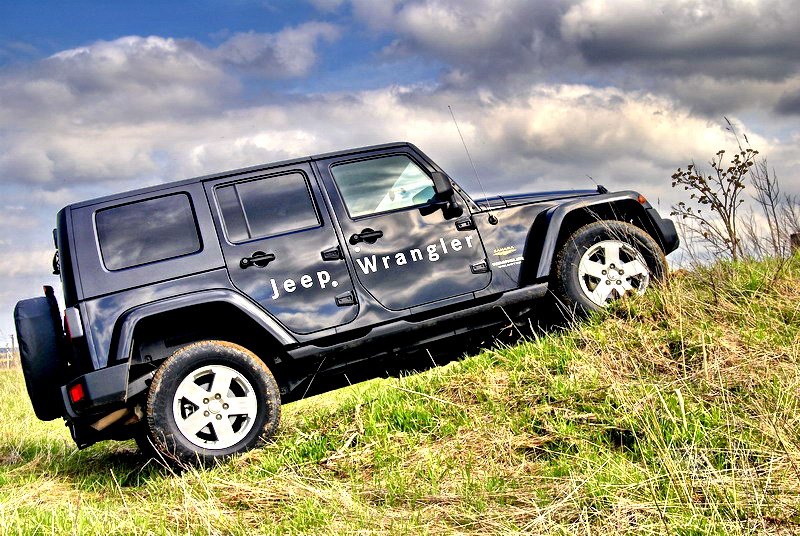 The ergonomics of the driver's seat have improved: when turning the steering wheel, you no longer hit the door. The seating position can be adjusted quite decently, but it is far from ideal, and it is unlikely to get closer with such a layout. You sit as if on a chair, holding onto a thin large steering wheel. Remove the leather from it — and you get exactly the steering wheel of a "Willys" from World War II. The window lift buttons are moved to the center console, and it is not easy to get used to this. Moreover, they themselves are not very convenient. There is no footrest for the left foot. On a manual, I would understand — the clutch pedal interferes, but why is it absent on the version with an "automatic"? The jeep driver is deprived of such a necessary point of support when overcoming obstacles. Strange, especially considering where the Wrangler can climb and through what potholes it can go. But the driver is certainly ready for the fact that the mirrors are adjusted manually — by simply pressing on the surface. The ergonomics of the driver's seat have improved: when turning the steering wheel, you no longer hit the door. The seating position can be adjusted quite decently, but it is far from ideal, and it is unlikely to get closer with such a layout. You sit as if on a chair, holding onto a thin large steering wheel. Remove the leather from it — and you get exactly the steering wheel of a "Willys" from World War II. The window lift buttons are moved to the center console, and it is not easy to get used to this. Moreover, they themselves are not very convenient. There is no footrest for the left foot. On a manual, I would understand — the clutch pedal interferes, but why is it absent on the version with an "automatic"? The jeep driver is deprived of such a necessary point of support when overcoming obstacles. Strange, especially considering where the Wrangler can climb and through what potholes it can go. But the driver is certainly ready for the fact that the mirrors are adjusted manually — by simply pressing on the surface. | ||||||||||
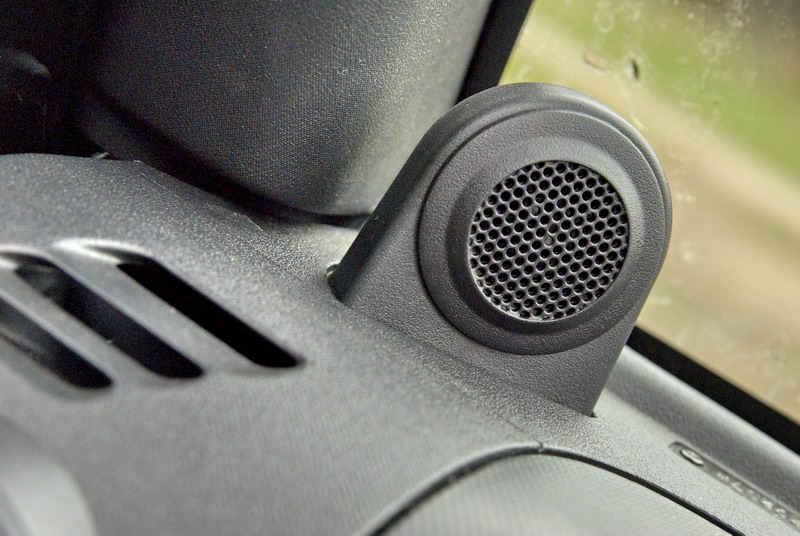
 To warm up the cabin at zero temperature, I turned on the maximum airflow — the fan started humming like a small vacuum cleaner. The audio system here is the same as in the new Sebring, but it sounds noticeably worse. To warm up the cabin at zero temperature, I turned on the maximum airflow — the fan started humming like a small vacuum cleaner. The audio system here is the same as in the new Sebring, but it sounds noticeably worse. Finishing the conversation about the interior, I cannot help but recall what it is like to get into the second row of the three-door version. This requires enviable flexibility. But even being a gymnast, in dirty weather you are unlikely to keep your clothes clean. And there is very little space there — cramped and uncomfortable. Those suffering from claustrophobia should not sit in the back of the "three-door" (with the roof not removed) at all — they will want to get out as soon as possible. And this, by the way, is also a kind of acrobatic act. The additional doors in the Unlimited eliminate all these "miracles of impracticality," but noticeably worsen the geometric cross-country ability. | ||||||||||
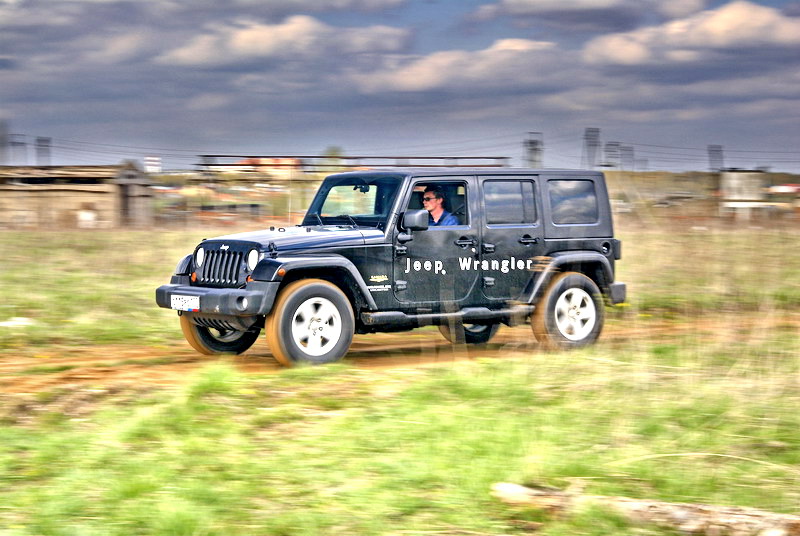 But the long-wheelbase version has other advantages. The Unlimited does not "buck" as noticeably on uneven surfaces, and the ride smoothness is better. Overall, such a car is more comfortable. And yet, it cannot be called truly comfortable: the suspension with two axles and huge travel can withstand brutal off-road abuse, terrible impacts, and throws in ruts, but on asphalt it is sheer torment. And the driver has it especially hard. But the long-wheelbase version has other advantages. The Unlimited does not "buck" as noticeably on uneven surfaces, and the ride smoothness is better. Overall, such a car is more comfortable. And yet, it cannot be called truly comfortable: the suspension with two axles and huge travel can withstand brutal off-road abuse, terrible impacts, and throws in ruts, but on asphalt it is sheer torment. And the driver has it especially hard. | ||||||||||
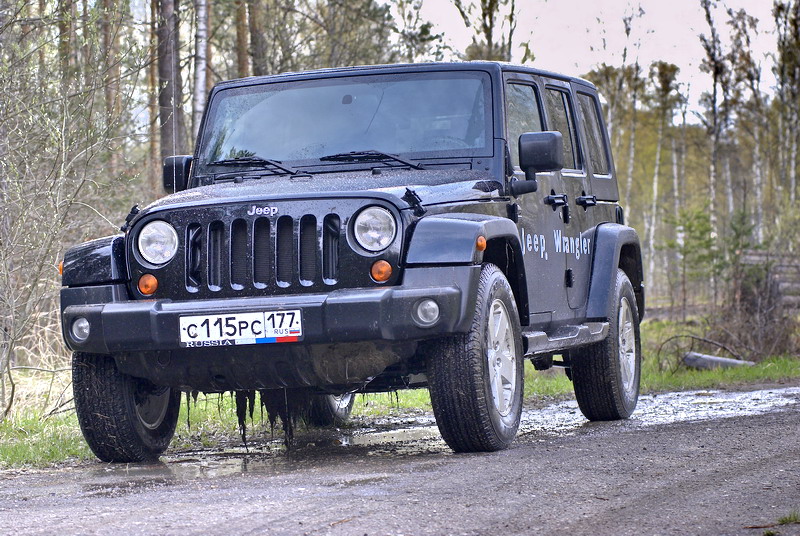 If you live in the city and do not regularly venture onto serious off-road, it is hard to put up with the looseness of the Wrangler's chassis and all the resulting drawbacks on solid asphalt. The huge unsprung masses readily transmit vibrations to the body, the car slides off the trajectory, and leans heavily in corners. If you live in the city and do not regularly venture onto serious off-road, it is hard to put up with the looseness of the Wrangler's chassis and all the resulting drawbacks on solid asphalt. The huge unsprung masses readily transmit vibrations to the body, the car slides off the trajectory, and leans heavily in corners. | ||||||||||
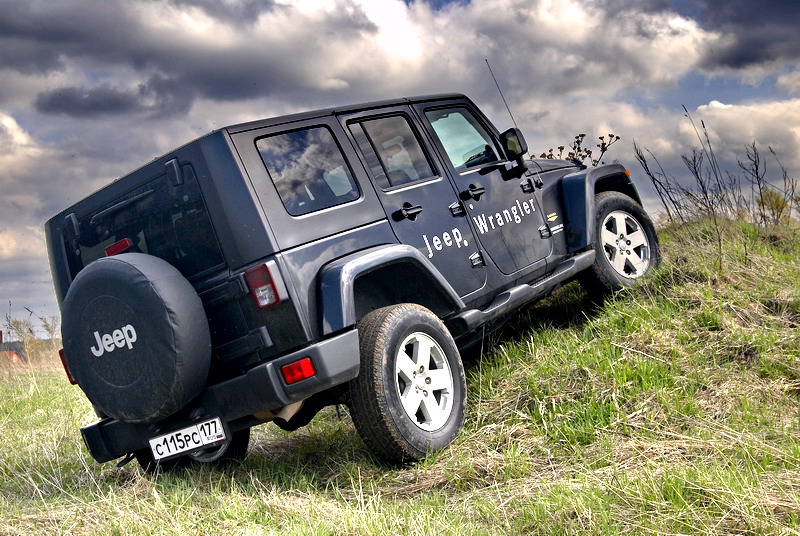 Dynamics can also be written off as a drawback. The 3.8-liter engine with 199 horsepower works in tandem with a four-speed "automatic," and this duo is almost never ready to sharply accelerate the car. The accelerator drive is heavily damped, which prevents precise control of traction... You press the pedal to the floor — to complete a recklessly started overtaking, the "gearbox" after a delay that seems like an eternity finally engages the desired gear, the engine howls desperately at high revs, and the Wrangler sedately gains speed. At the same time, the car "floats" along the road with frightening amplitude. Add to this a steering wheel with more than four turns of lock and vague brakes. And God forbid there is some unevenness on the road during overtaking. "Hold on to the wheel tighter, driver!" Dynamics can also be written off as a drawback. The 3.8-liter engine with 199 horsepower works in tandem with a four-speed "automatic," and this duo is almost never ready to sharply accelerate the car. The accelerator drive is heavily damped, which prevents precise control of traction... You press the pedal to the floor — to complete a recklessly started overtaking, the "gearbox" after a delay that seems like an eternity finally engages the desired gear, the engine howls desperately at high revs, and the Wrangler sedately gains speed. At the same time, the car "floats" along the road with frightening amplitude. Add to this a steering wheel with more than four turns of lock and vague brakes. And God forbid there is some unevenness on the road during overtaking. "Hold on to the wheel tighter, driver!" However, over time, you get used to the car's sleepy habits, and its indifference to the quality of the surface is even convenient. And let the unsprung masses shake. God be with them, now we will turn off onto the off-road and plunge into the mud...
|
General purpose
Jeep Wrangler, the heir to the legendary "Willis", is the most iconic of all all-wheel-drive vehicles. It has a charisma that is unavailable to most SUVs. However, the Wrangler is bought not only for its heroic appearance – it fully matches its off-road capabilities.
Test drive photos
Comments
No comments yet. Say the first word.