
Practicality vs. Style
The second generation Honda Jazz and the facelifted Nissan Note hit the European market back in mid-2008. However, Jazz only reached Ukraine in autumn 2009, while the restyled Note became available only at the beginning of spring.
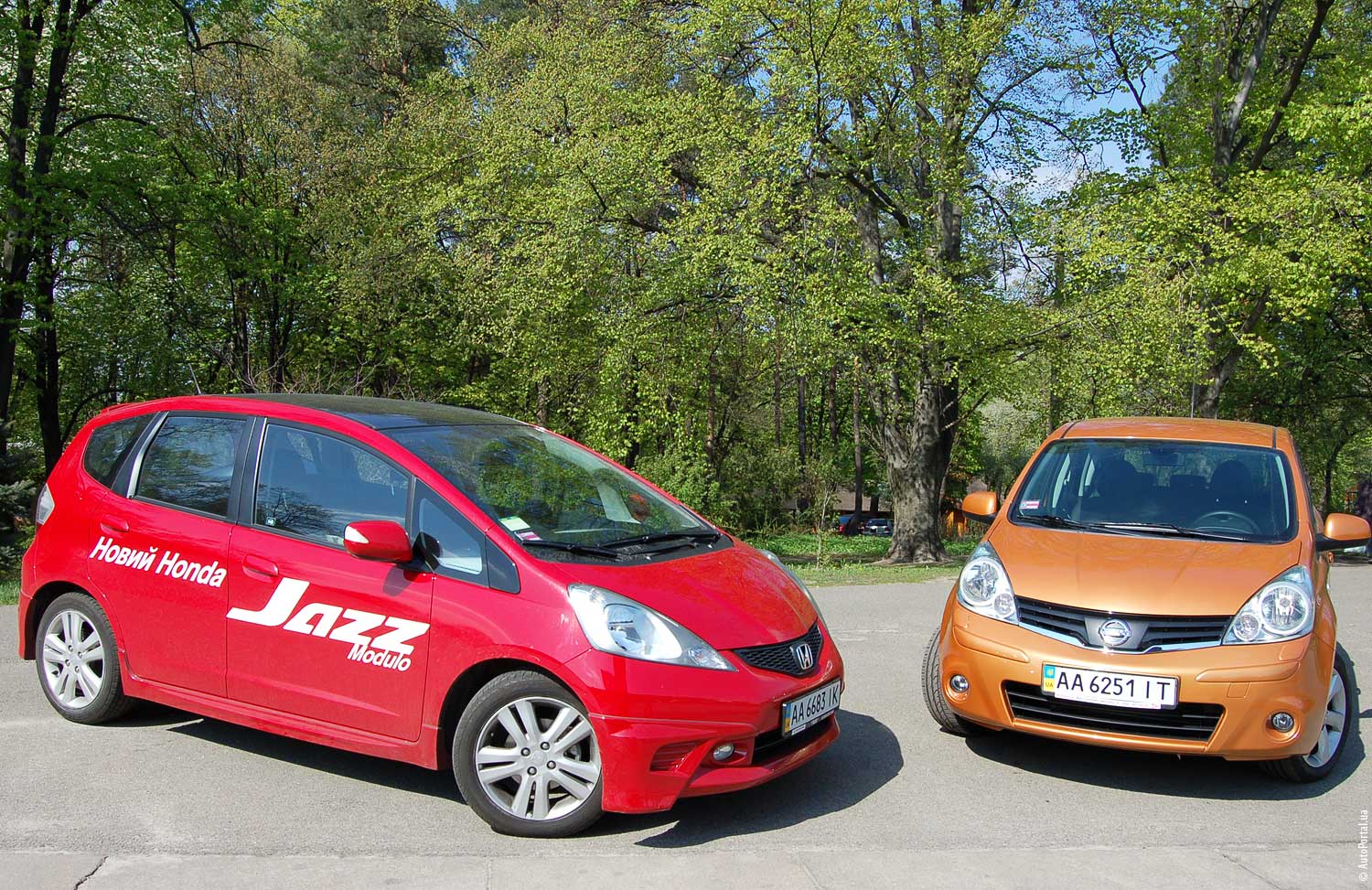
The Jazz exterior looks more dynamic: in profile, the car resembles a small projectile aimed at hitting a target (read: Nissan Note). The signature Modulo body kit adds to the sporty feel, though it won't have an easy time on our "roads."
The red Jazz with stickers on its sides proudly bearing its name invariably draws attention.
And from a wide range of audiences — from schoolgirls in the park to a distinguished gentleman who nearly fell out of his Prado's window (we hope he managed to read the model name).
The Note is not as flashy, but its appearance can hardly be called bland. After the update, the front headlights and fog lights became more expressive, the radiator grille is adorned with a chrome strip, and the rear "boomerang" taillights got a tint.
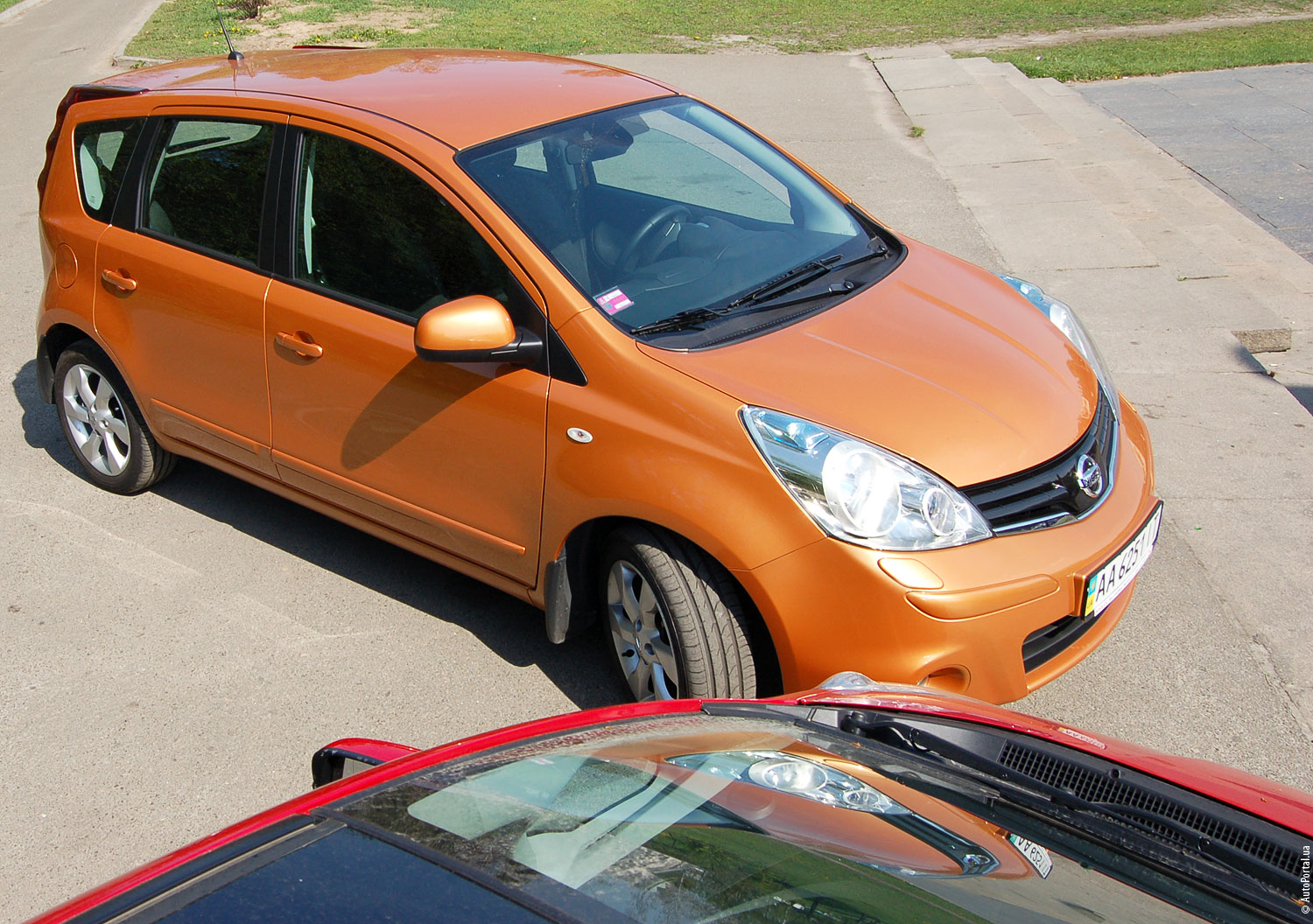
However, there are few differences from the pre-facelift version, and given the model's popularity, its look has already become familiar on Kyiv streets. Only owners of the previous generation microvan will likely recognize the fresh Note in traffic. Besides, a family car doesn't need extra attention.
For a family car, a spacious and comfortable cabin is more important — and the Note is ready to offer that.
The Nissan's interior is not only roomy but also looks expensive thanks to leather inserts on the seats.
The cabin design is strict, especially against the "playful" Jazz. Everything is placed conventionally and in its place.
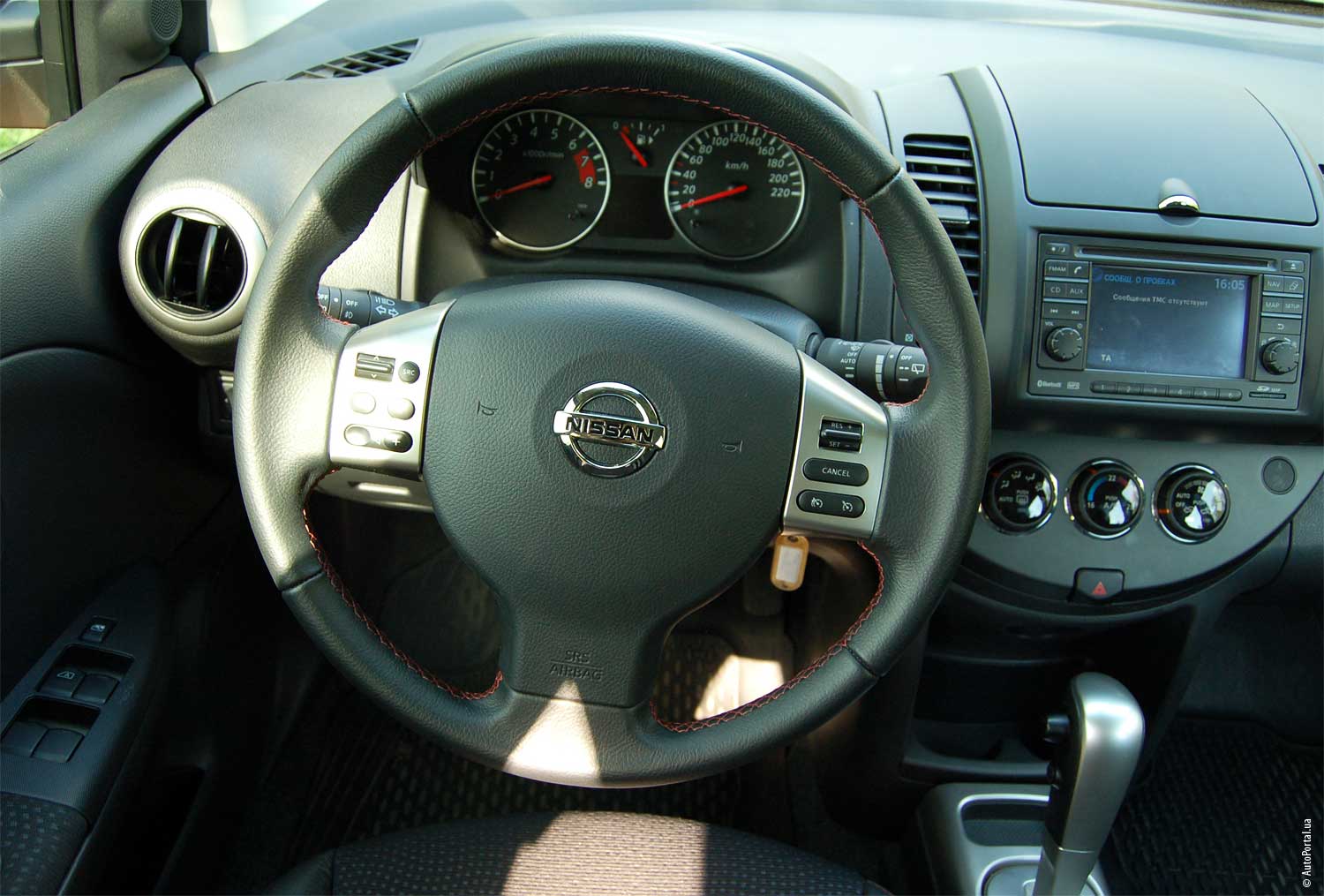
The only dissonance is the long "cane" (no other word for it) of the automatic gearbox lever.
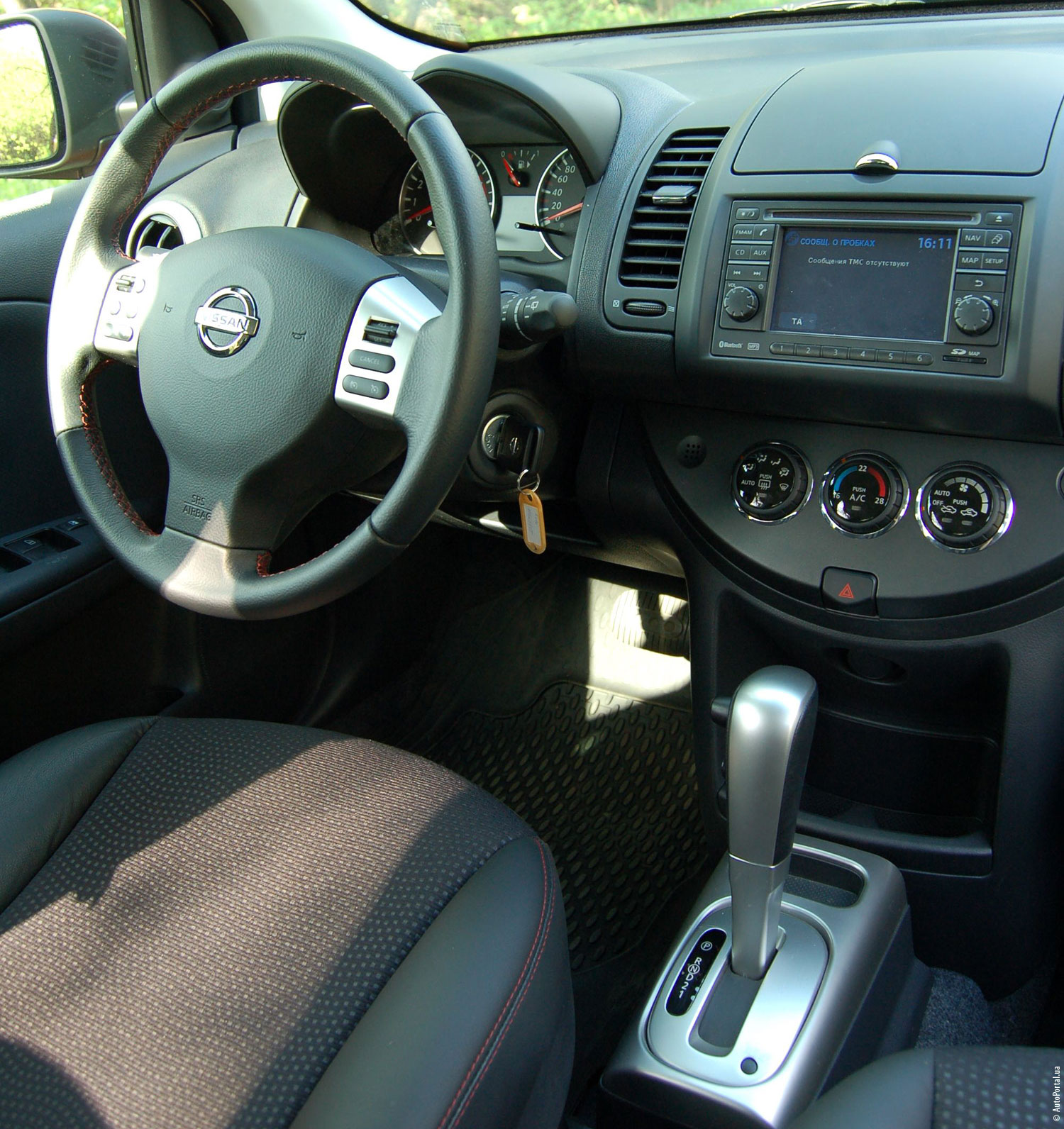
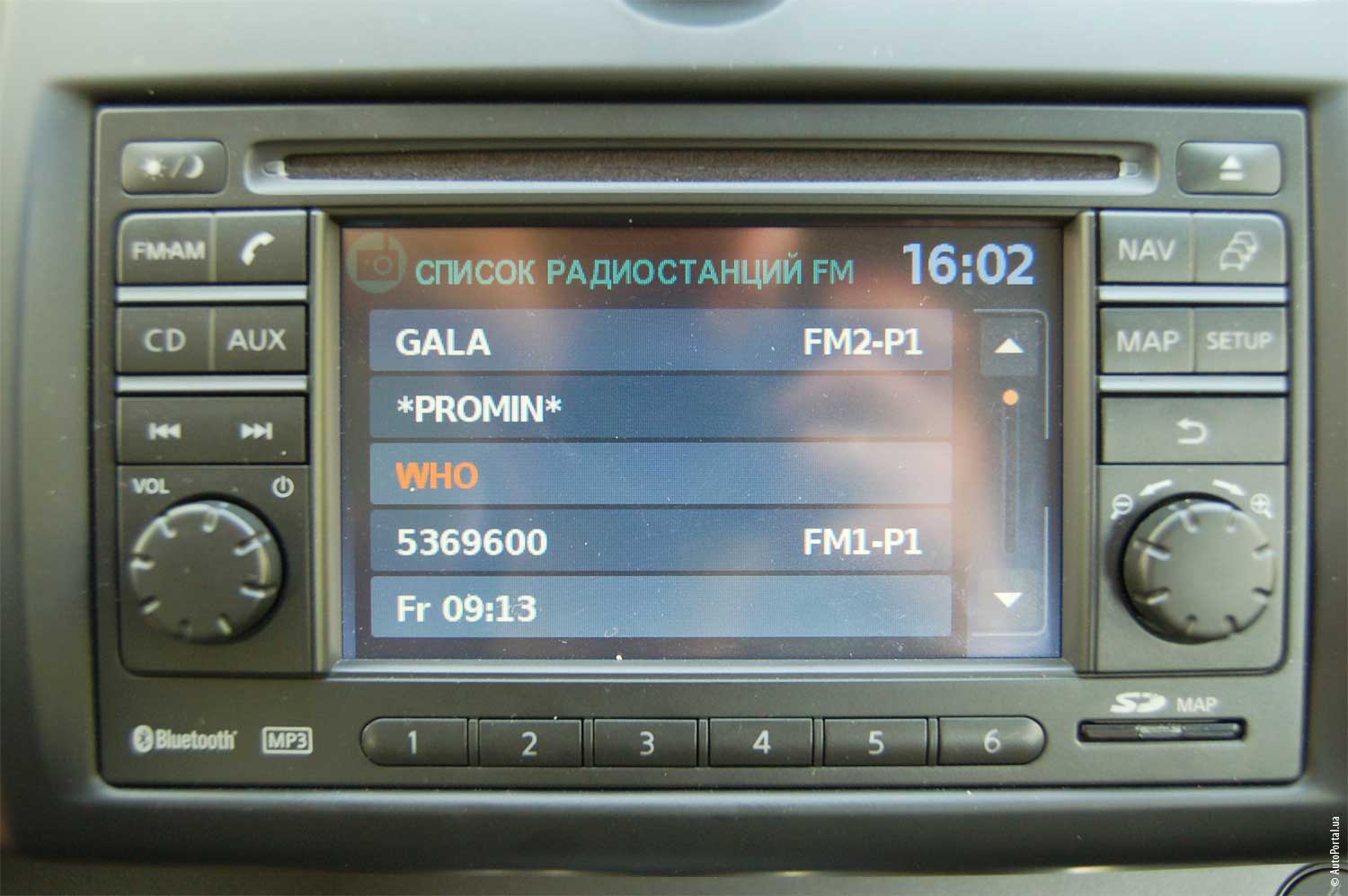
The main innovation of the Note facelift is a multimedia system with a touchscreen and navigation. But without Ukrainian maps, the navigator can only show the direction the car is heading.
Instead of a CD changer, the new system got a 30 GB hard drive, AUX and USB ports, and the ability to connect a phone via Bluetooth.
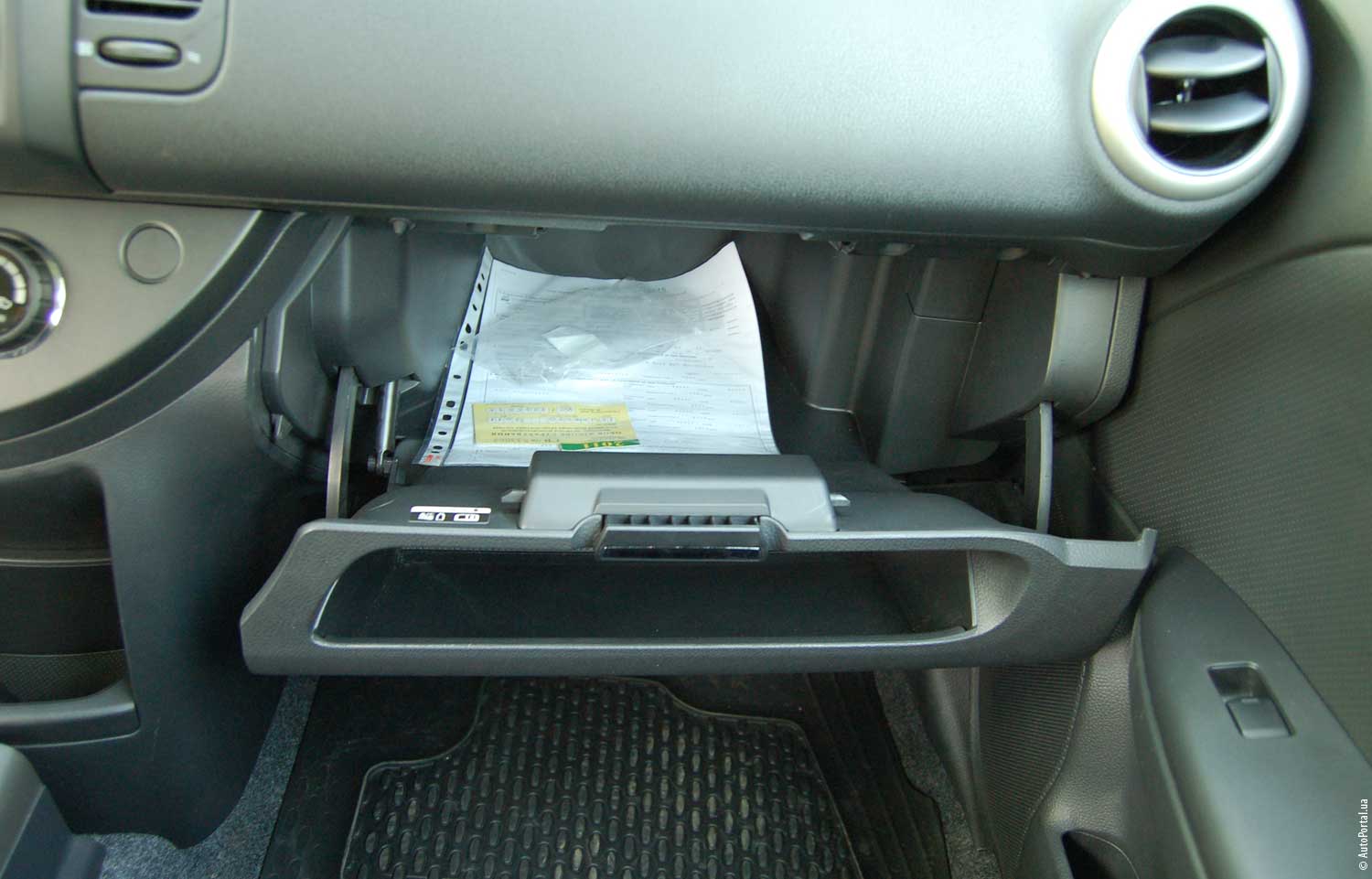
As befits a microvan, the Note has no issues with storing small items: a small niche was even found in the lid of the spacious glovebox.
The trunk here is two-tiered: with removable shelves, it can be divided into separate sections.
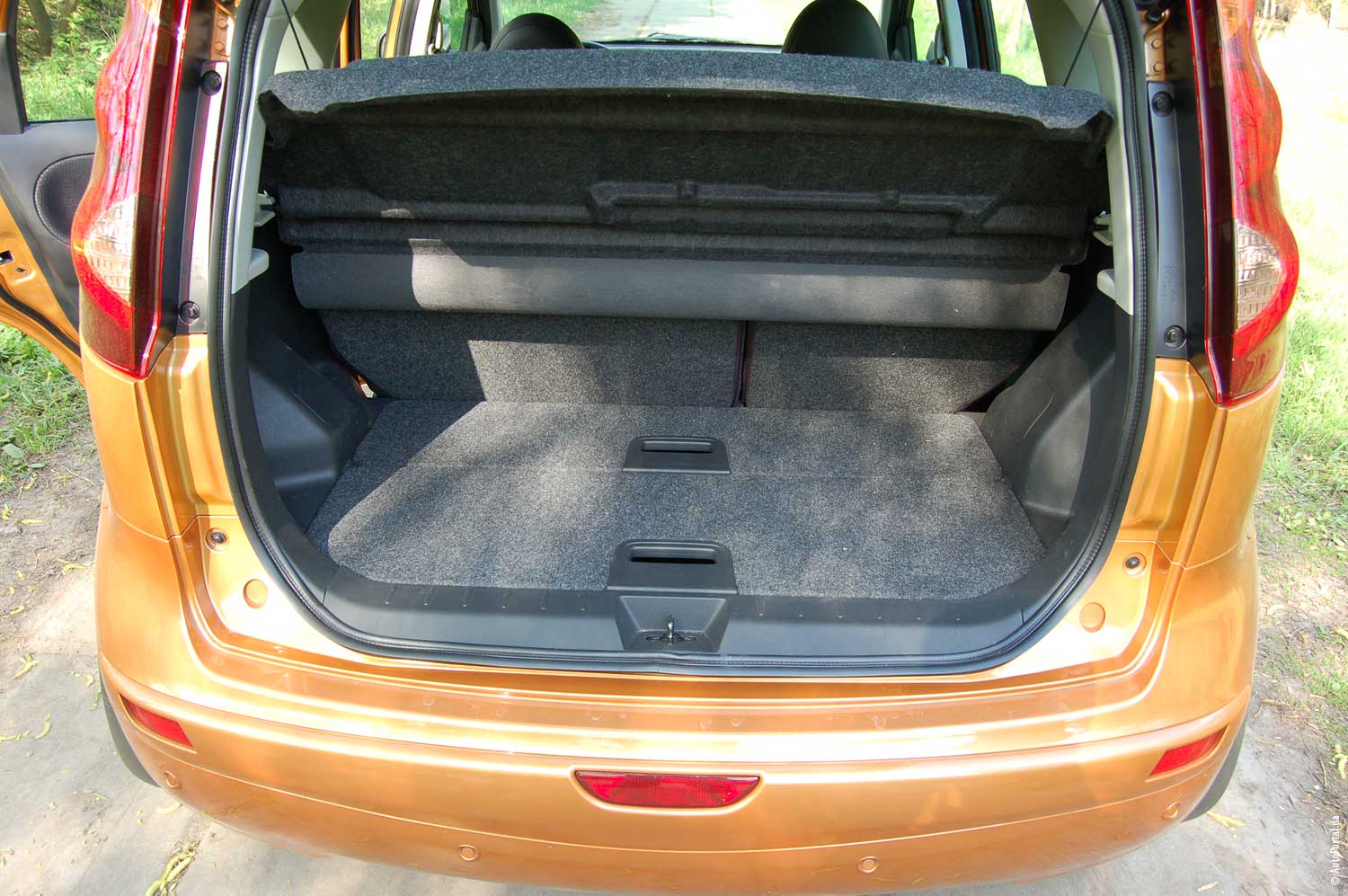
The rear bench slides lengthwise, increasing the trunk, and passengers have access to fold-down tables in the front seat backs.
However, you won't be able to perfectly adjust the driver's seat: the steering wheel only adjusts for height.
And here comes the Jazz, ready to confirm the brand's driver-oriented image as the "Japanese BMW."
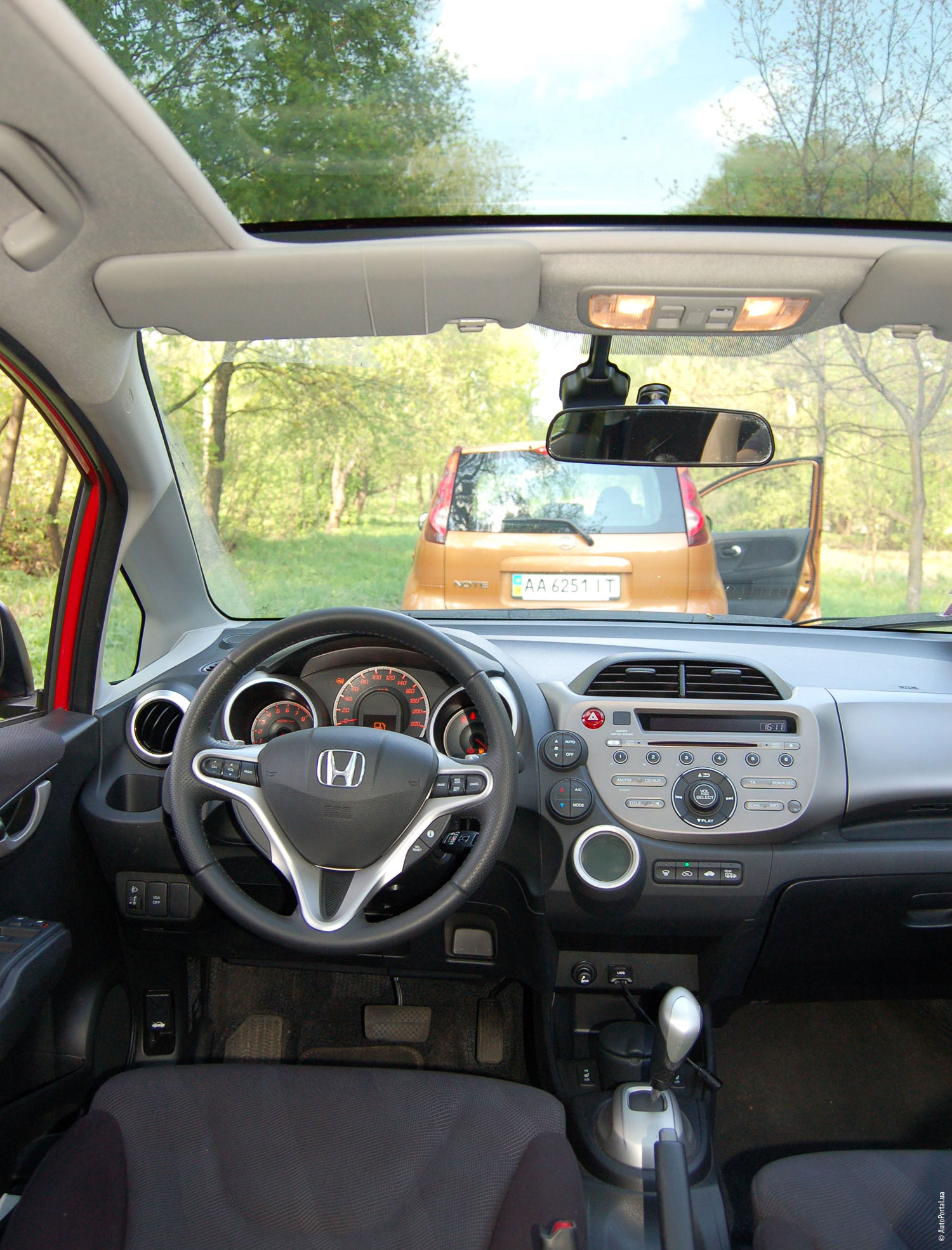
The comfortable steering wheel from the Civic, which begs to be held, is not deprived of necessary adjustments. It's immediately clear: despite its family nature, the driver is the main one here.
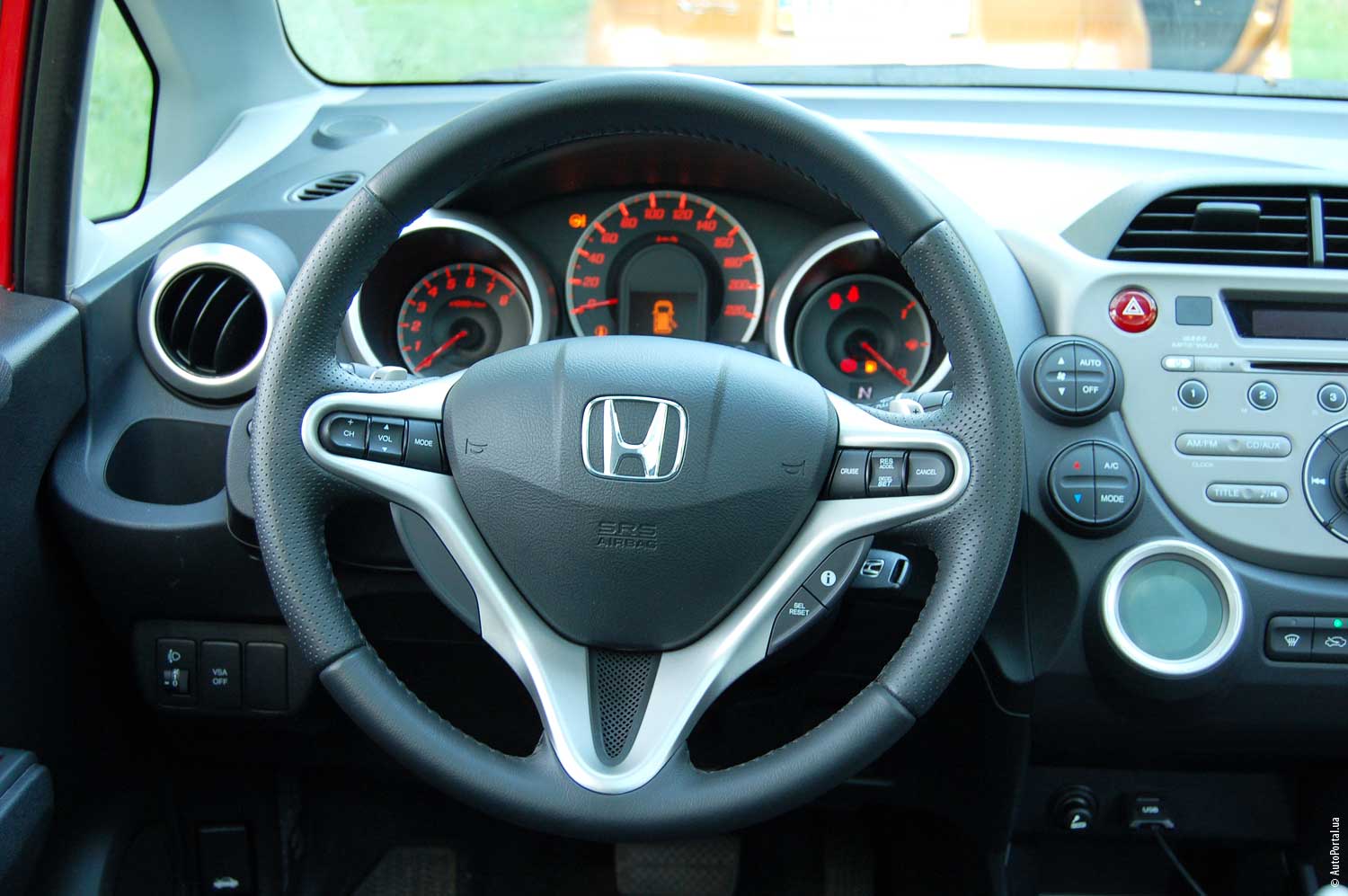
The interior is styled interestingly and distinctively. You need to get used to the unusual climate control unit, but it's located right at hand. As is the stylish lever of the automated manual.
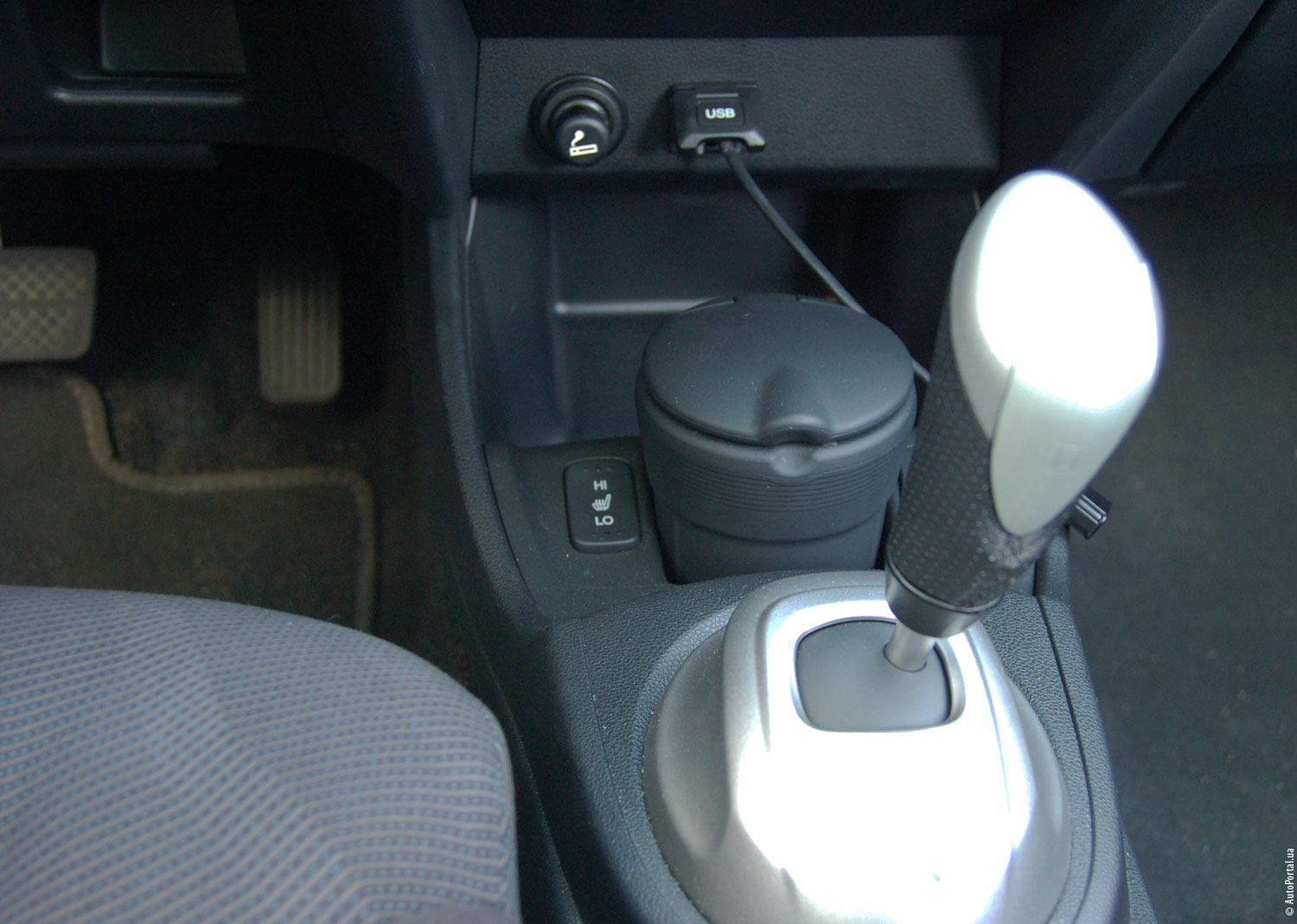
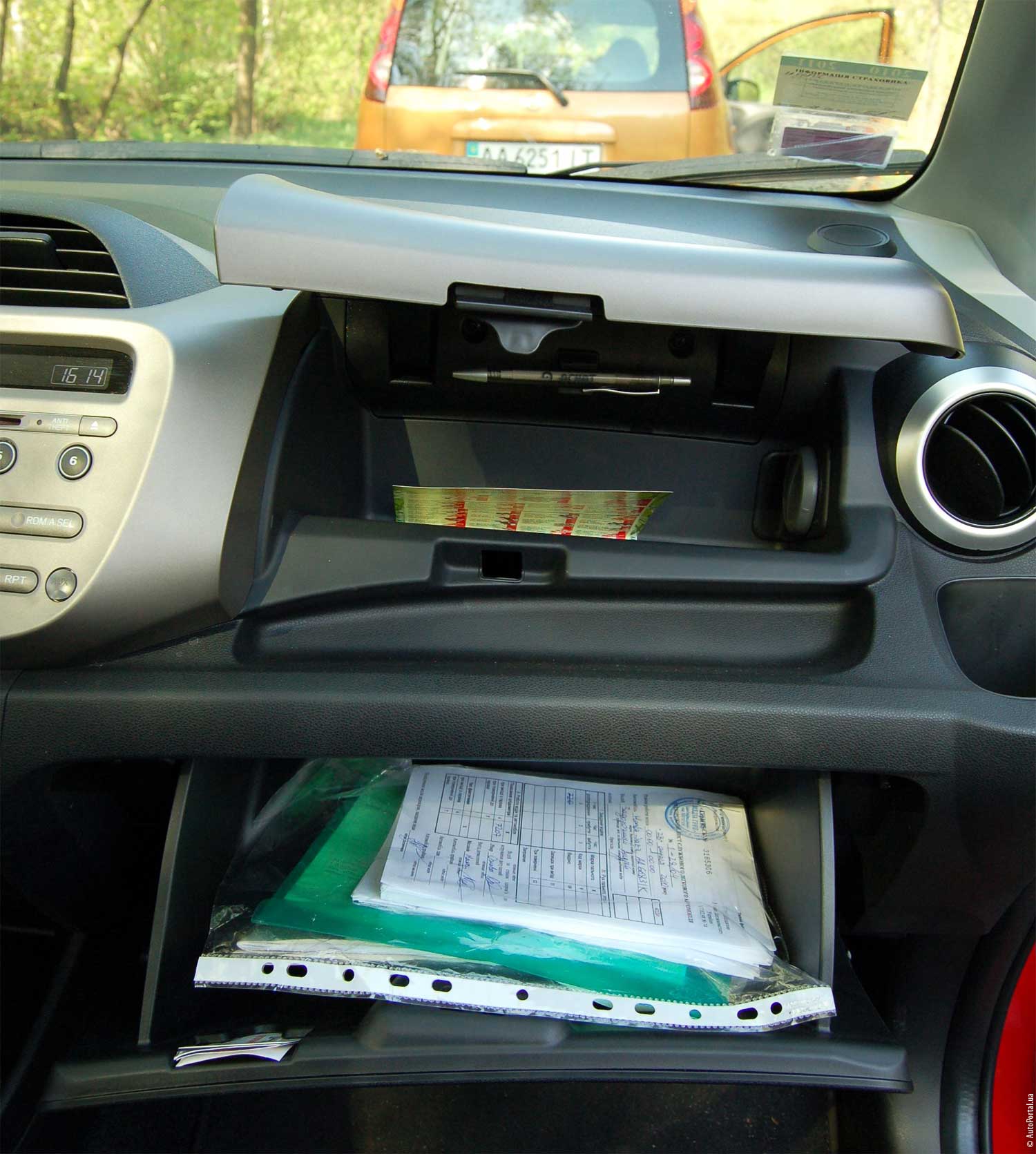
The cupholders are conveniently placed in front of the outer air vents — drinks will stay cool. However, an A4 folder won't fit into either of the two gloveboxes, so storing it will be problematic.
The instrument panel with its constant bright orange backlight reads perfectly in any lighting.
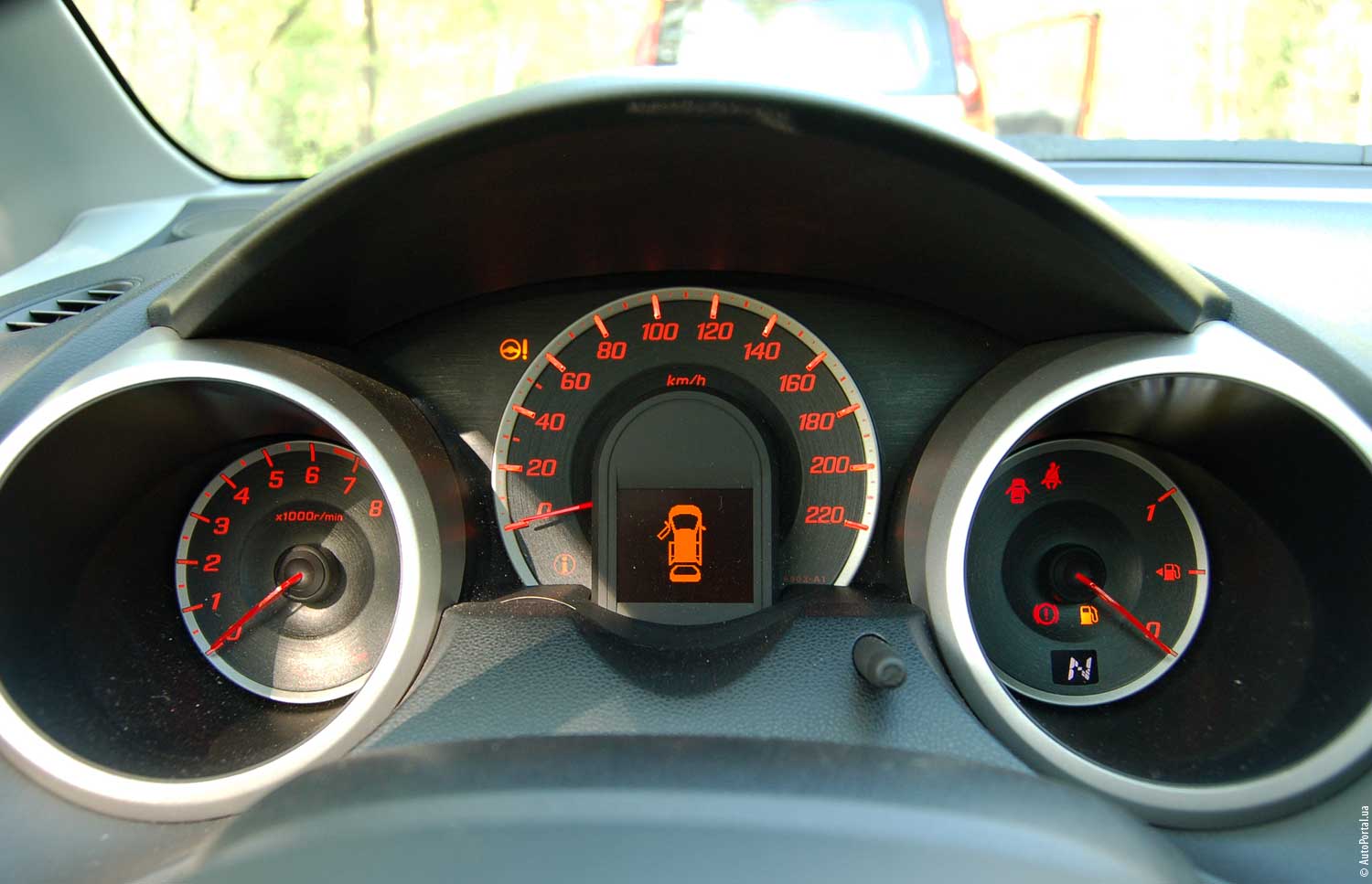
Though we preferred the white-and-red instruments of the Note, even if they aren't constantly illuminated.
Both microvans saved on the engine temperature gauge. But the Jazz signals a cold engine with a light, while the Note will only warn about overheating.
The Jazz's highlight is the glass roof, flooding the cabin with light and allowing you to see the traffic light while sitting right under it.
But rear passengers are less fortunate: no tables, no sliding seats. The glass section above the second row ends, transitioning into a regular roof, which slightly presses on the head.
However, those sitting in the back are protected by window safety curtains, which the Note decided to save on.
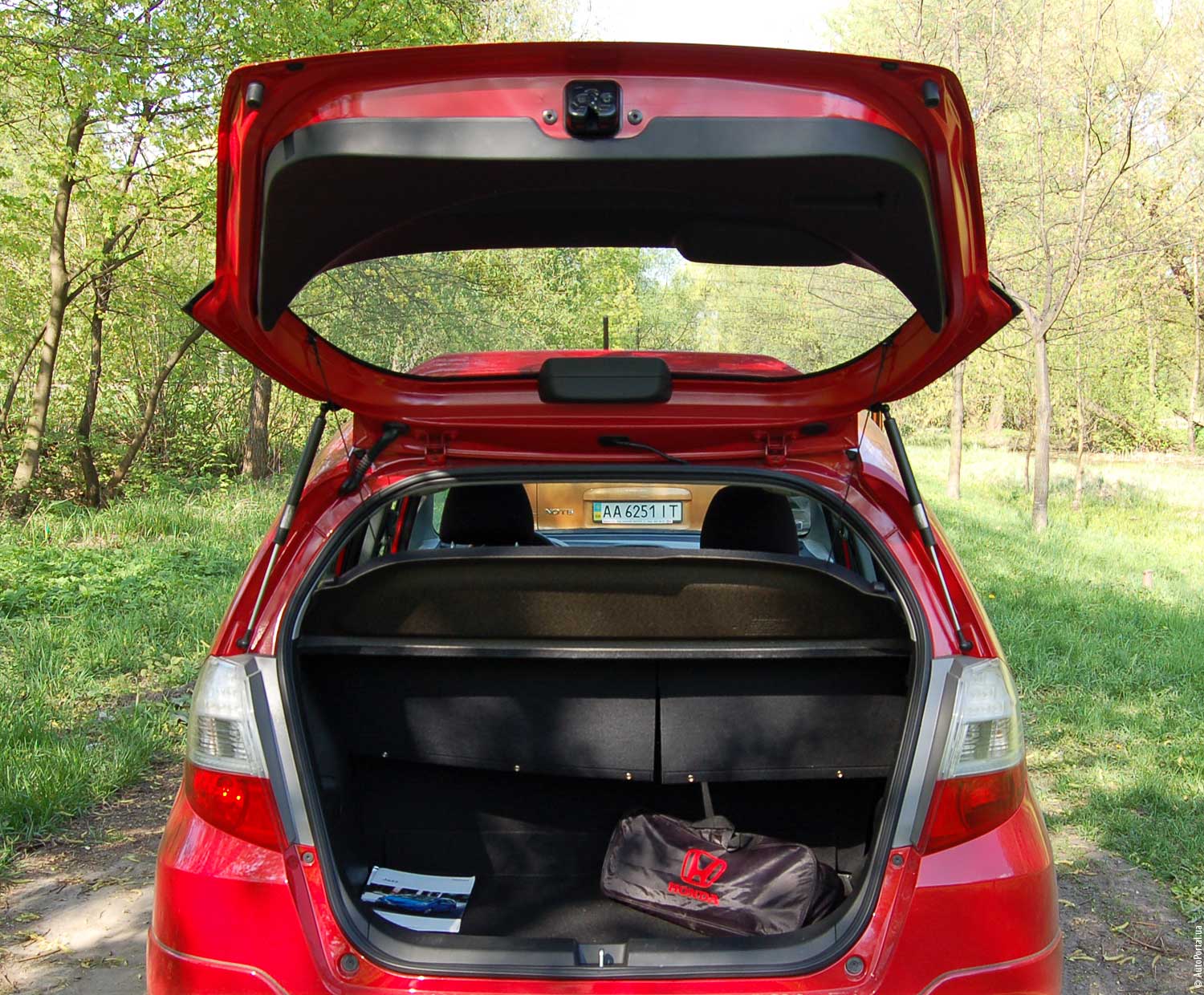
The Jazz trunk is spacious but without interesting transformations. You can only increase it by folding the rear row. By the way, the seats fold quickly and conveniently.
"Old" Automatic vs. "Underdeveloped" Manual
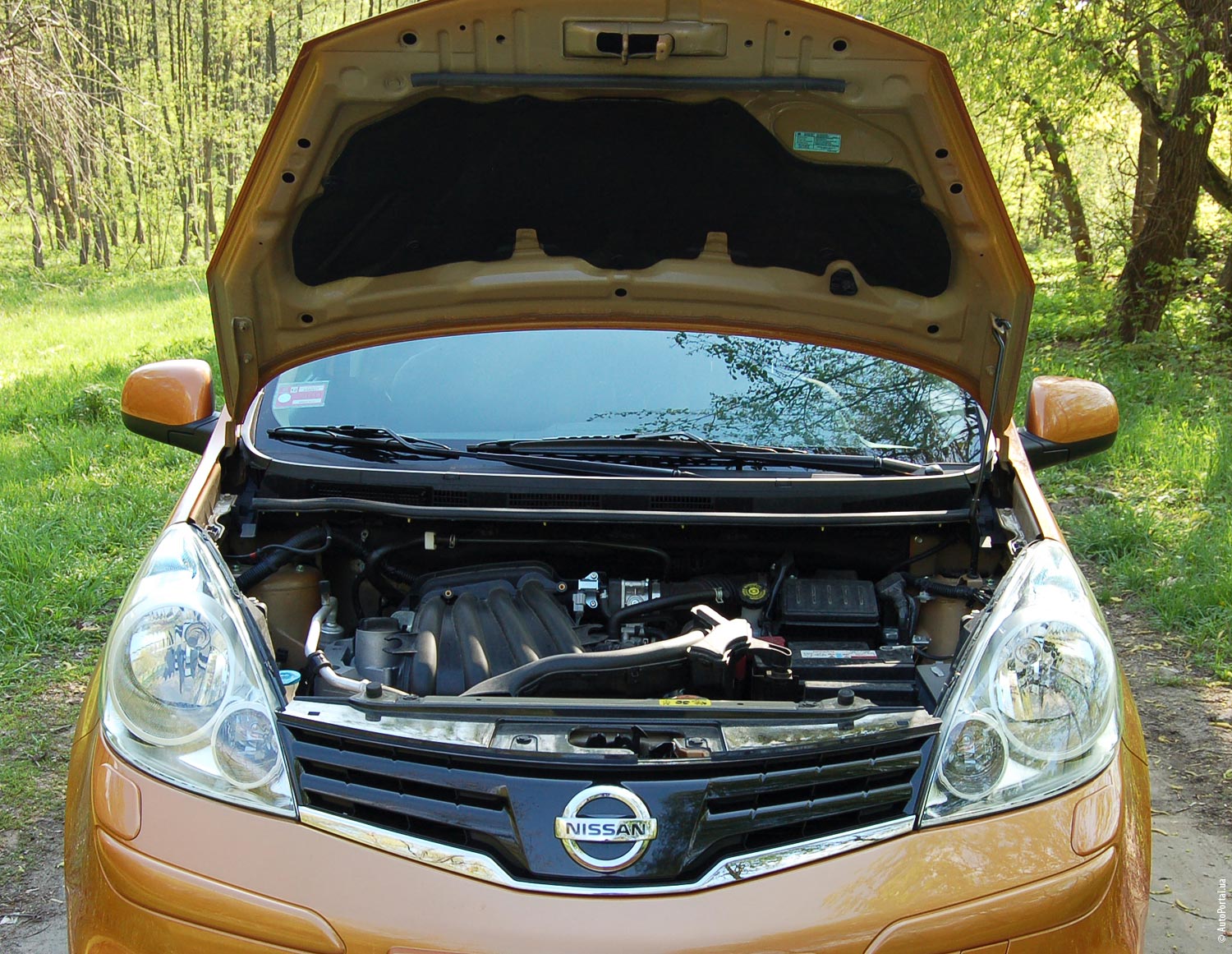
The test Note is equipped with a 110-hp 1.6-liter engine and a 4-speed automatic.
Switching modes isn't very informative: you don't always hit Drive on the first try.
Although there are only four gears, they shift smoothly. Minor hesitations appear only during active driving.
The transmission has no manual mode, but there was no desire to interfere with the electronics' work.
Average consumption during the test — no more than 9 liters. Given the not-so-modern automatic, the appetite is quite acceptable.
The Jazz turned out to be more economical — 7 liters and change, but at what cost...
Although the Jazz has a more modest 1.3-liter engine (Honda insists it's 1.4), its power is 100 hp, only 10 less than the Nissan.
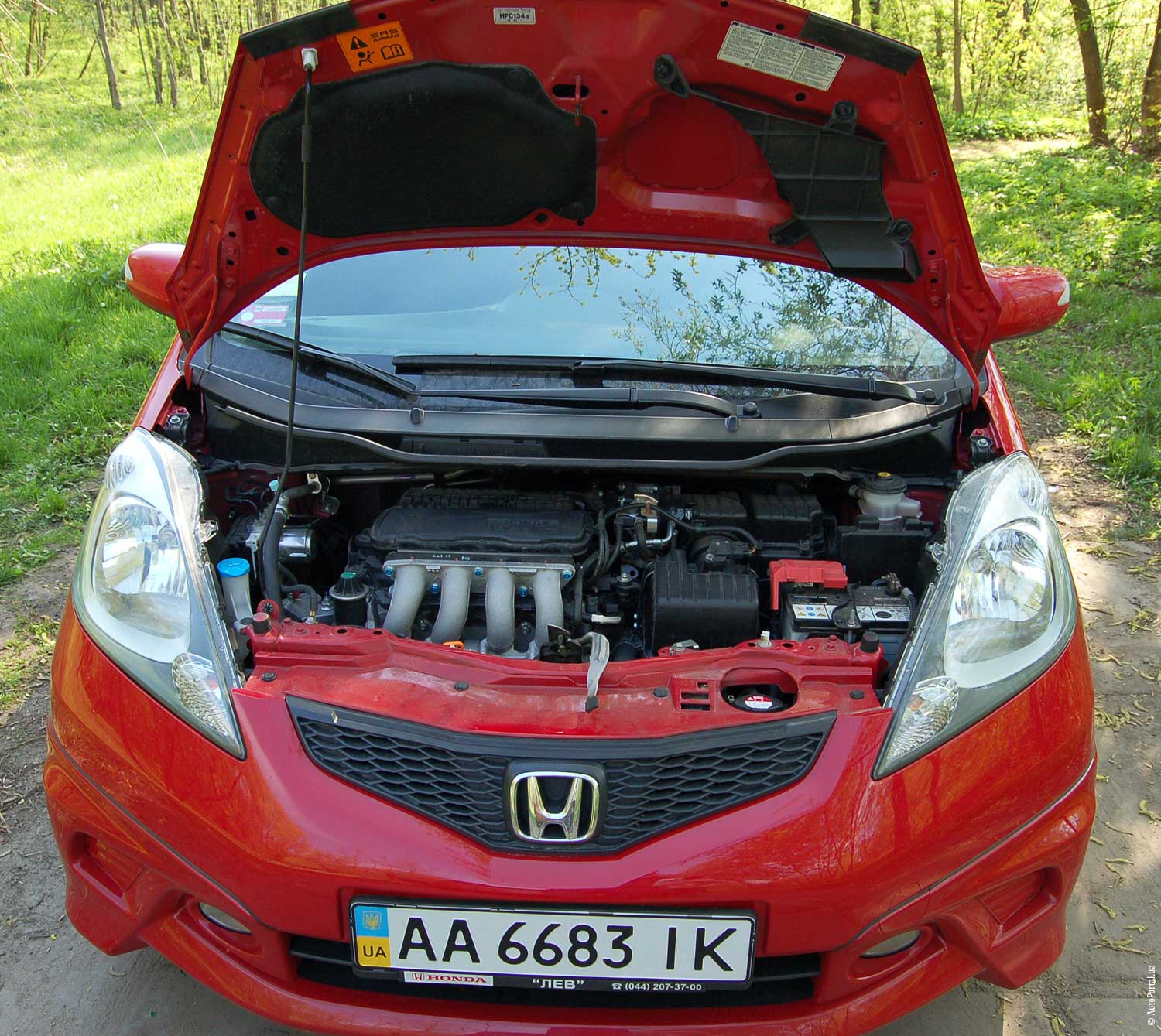
It would seem the difference in power and dynamics should be insignificant. But Honda decided to equip the Jazz with an automated manual.
The six-speed "robot" tries its best to save every liter of fuel but turns any acceleration into a seesaw: every attempt to speed up is accompanied by noticeable nods during shifts.
Don't forget that a "robot" is essentially a manual without a clutch pedal (hence the delays). It doesn't even have the usual "park" and "drive" modes, only "neutral" and "reverse," so you need to get used to its algorithms.
Manual mode will help unlock the potential of the 100-hp engine and achieve dynamic acceleration. You can shift using paddle shifters or the lever. To return control to the "robot," simply push the lever to the left.
Large side mirrors on both minivans provide excellent visibility. However, in a tight parking lot, the Note has an ace up its sleeve — parking sensors.
In terms of suspension comfort, the competitors are almost identical. Their chassis allows maintaining a confident course on the highway and doesn't annoy with excessive stiffness in city traffic.
In the Note's cabin, peace is disturbed by the removable trunk shelves — when hitting speed bumps, they loudly bang against the trunk floor.
But the Jazz delivered an unpleasant surprise with its fuel gauge: after the next refueling, the needle froze at zero and refused to tell us the amount of gasoline for the rest of the test.
Our Choice: "Jazznote"
Our duelists win the hearts of Ukrainian families in completely different ways.
The Note wins with practicality, space, and rich equipment. The Jazz attracts with its bright design, panoramic roof, and a better set of safety systems.
And if the Note and Jazz could be merged into one model (Jazznote), discarding everything unnecessary, it would be the perfect family minivan.
The most important thing that our musical Japanese cars lack is a modern and adequate transmission. For example, a continuously variable transmission, which is available for both models on the domestic market. It seems that the Japanese prefer to keep the best for themselves.
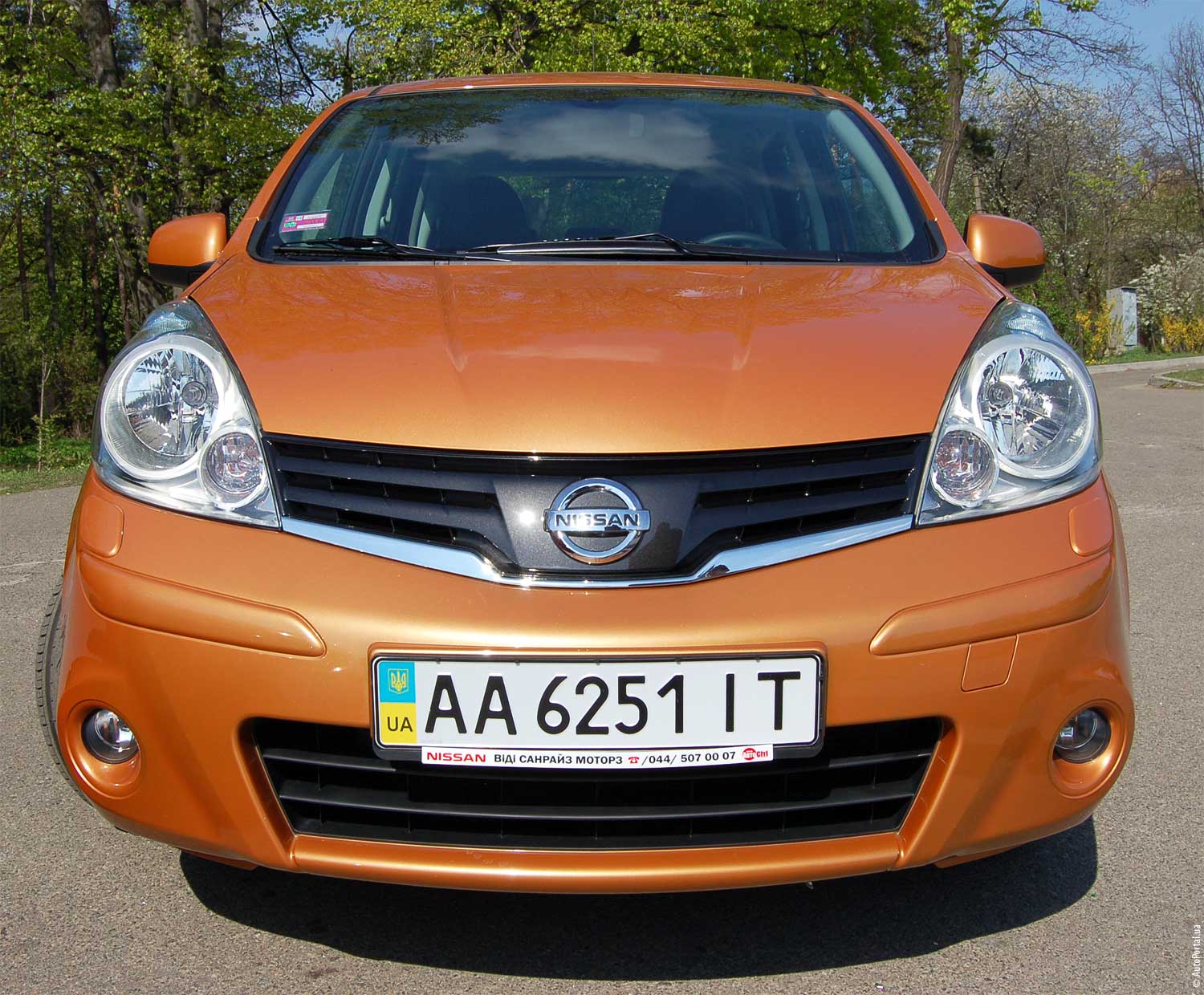
Pros:
- Spacious cabin
- Responsive automatic transmission
- Various options for transforming seats and trunk
Cons:
- No steering wheel reach adjustment
- Awkward automatic gear lever
- Noisy trunk
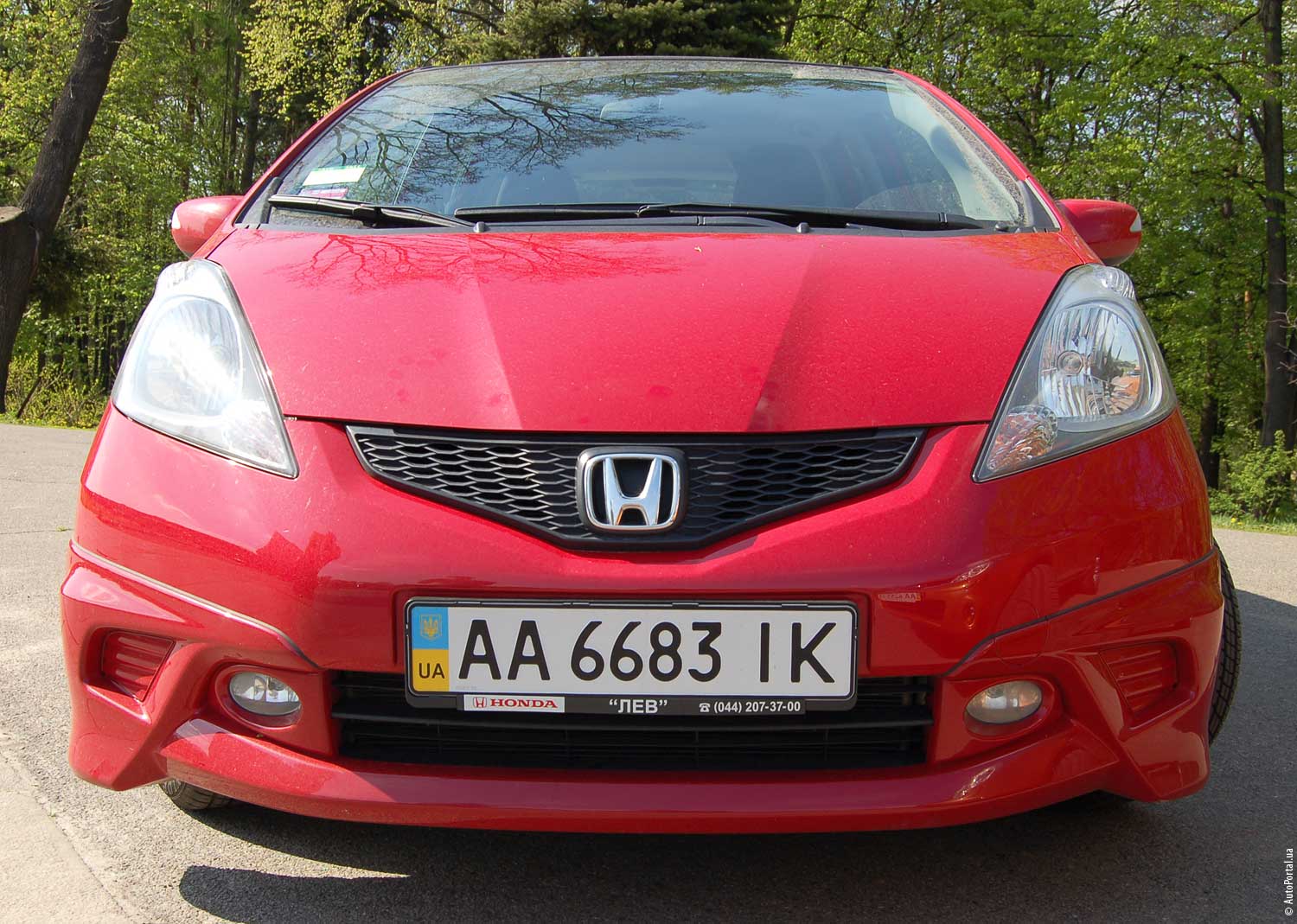
Pros:
- Bright exterior and interior design
- Panoramic roof
- Fuel efficiency
Cons:
- Slow-witted "robot"
- Small glove boxes
- Fuel sensor glitches
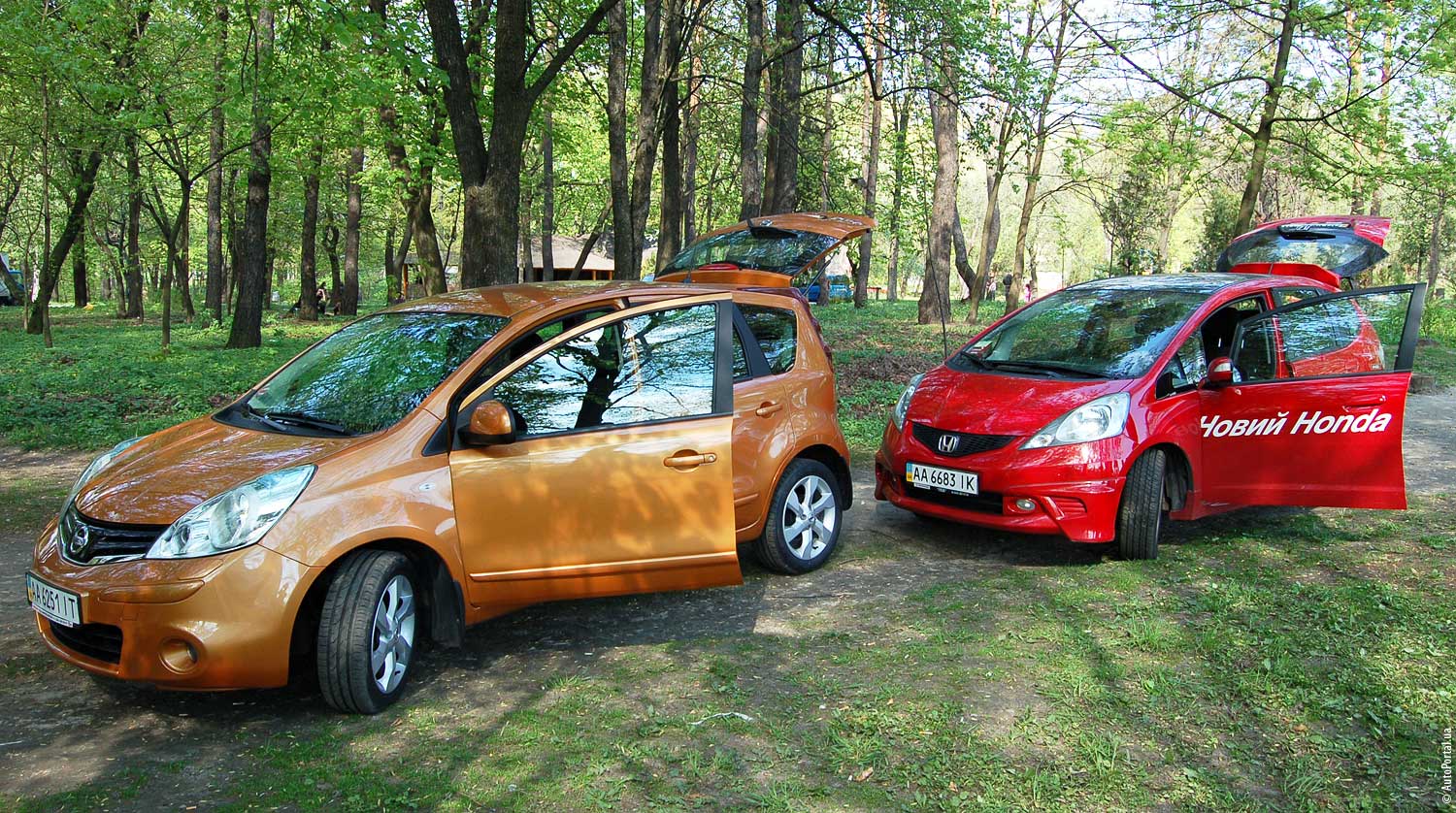
We thank the company "Nissan Motor Ukraine", represented by Iryna Petriashvili, and the company "Honda Ukraine", represented by Olena Chyzhenko, for providing the test cars.