
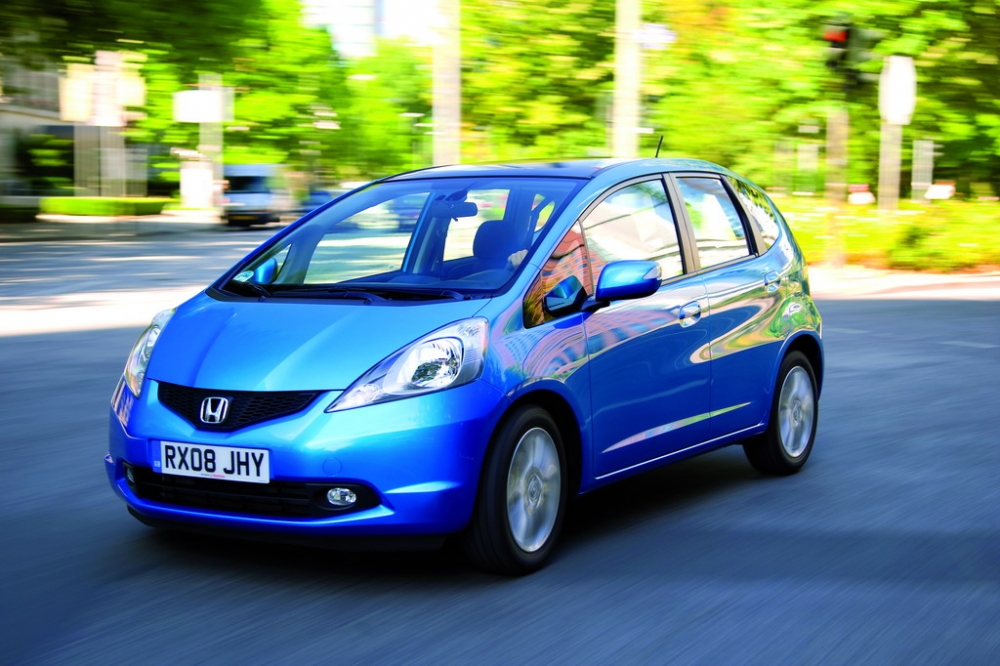
 Jazz has always been the domain of the chosen few — many compositions seemed too complex and unpredictable. However, along with the crazy psychedelia of King Crimson and the intellectual avant-garde of Alice Coltrane, everyone is familiar with "ordinary" names like Louis Armstrong, Miles Davis, or Frank Zappa. That's mainstream already, isn't it? A similar situation exists with the modern Honda Jazz. The previous Jazz, which sold over two million units worldwide, could not remain mainstream forever. A fresh stream was needed, improvisation was necessary. Honda's designers and engineers, like orchestra members, struck their instruments and performed a new wave piece — and we head to Frankfurt to hear its current sound. Jazz has always been the domain of the chosen few — many compositions seemed too complex and unpredictable. However, along with the crazy psychedelia of King Crimson and the intellectual avant-garde of Alice Coltrane, everyone is familiar with "ordinary" names like Louis Armstrong, Miles Davis, or Frank Zappa. That's mainstream already, isn't it? A similar situation exists with the modern Honda Jazz. The previous Jazz, which sold over two million units worldwide, could not remain mainstream forever. A fresh stream was needed, improvisation was necessary. Honda's designers and engineers, like orchestra members, struck their instruments and performed a new wave piece — and we head to Frankfurt to hear its current sound. |
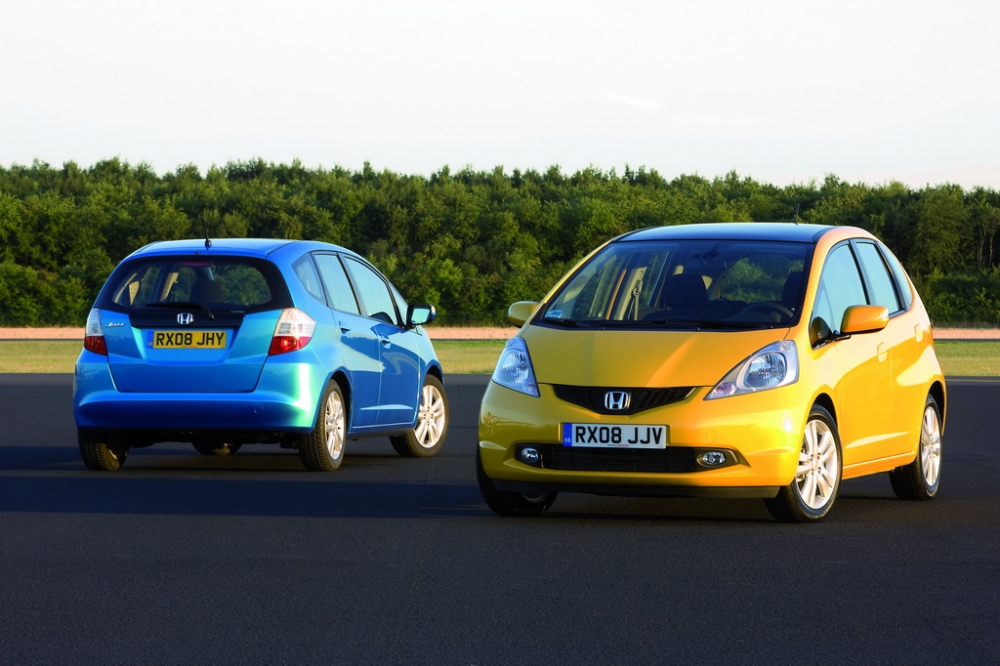
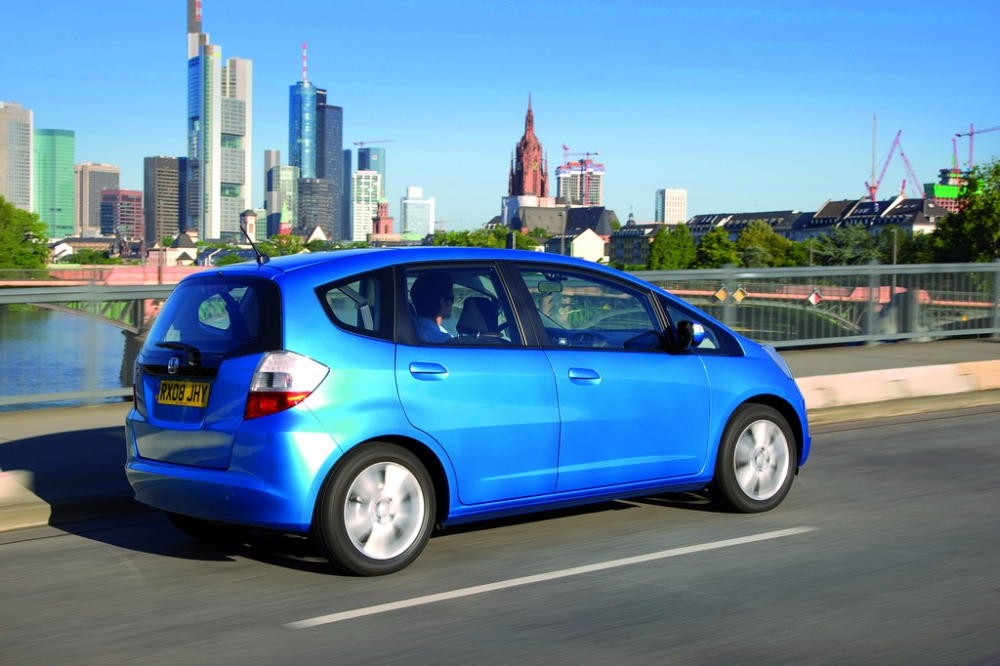 It must be admitted: a number of deviations prevent Jazz from being definitively classified as mainstream in the B-class. The most noticeable of these is the body, which strongly tends toward a one-box layout. It is also obvious that among similar classmates, Honda is one of the most attractive. The designer improvisation turned out not too daring, but precisely calibrated. It seems Jazz has changed only slightly, but the good-naturedness and bug-eyed look of the previous generation have been replaced by sharpness and seriousness, emphasized by the front end in the style of the Civic. The little car has grown up. The body has gained very little in length and width. The wheelbase has grown by 50 mm. But the main rhythm — the cab forward layout with the fuel tank under the front seats — remains the same. And this is natural: it is this that makes Jazz so spacious inside, which is why many appreciate it. It must be admitted: a number of deviations prevent Jazz from being definitively classified as mainstream in the B-class. The most noticeable of these is the body, which strongly tends toward a one-box layout. It is also obvious that among similar classmates, Honda is one of the most attractive. The designer improvisation turned out not too daring, but precisely calibrated. It seems Jazz has changed only slightly, but the good-naturedness and bug-eyed look of the previous generation have been replaced by sharpness and seriousness, emphasized by the front end in the style of the Civic. The little car has grown up. The body has gained very little in length and width. The wheelbase has grown by 50 mm. But the main rhythm — the cab forward layout with the fuel tank under the front seats — remains the same. And this is natural: it is this that makes Jazz so spacious inside, which is why many appreciate it. |
 The interior specialists have not lagged behind either. Remember the solid melody of the old Jazz, based on the original and very convenient Magic Seats system? Well, it has been thoroughly reworked. The front panel already looked unusual before, and now even more so: a clear tilt toward the avant-garde, reminiscent of the Civic, and the steering wheel is a one-to-one match. The abundance of textures is not overwhelming: each material seems to play its own part, and with quality. Additional compartments and niches for small items have appeared. The interior specialists have not lagged behind either. Remember the solid melody of the old Jazz, based on the original and very convenient Magic Seats system? Well, it has been thoroughly reworked. The front panel already looked unusual before, and now even more so: a clear tilt toward the avant-garde, reminiscent of the Civic, and the steering wheel is a one-to-one match. The abundance of textures is not overwhelming: each material seems to play its own part, and with quality. Additional compartments and niches for small items have appeared. |
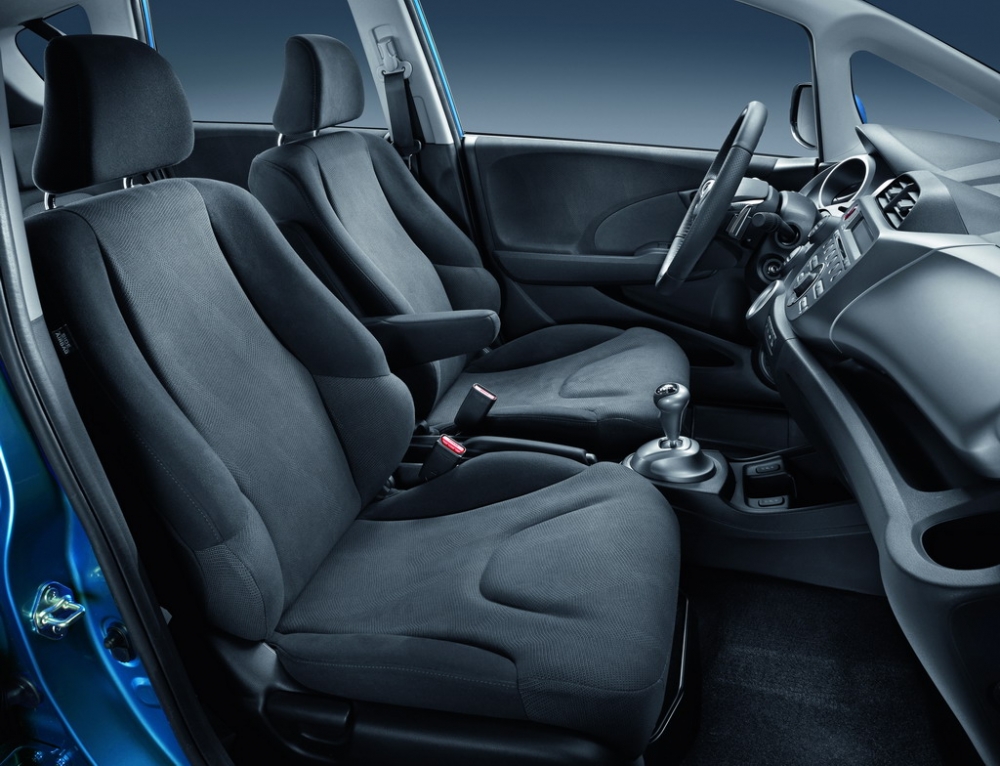
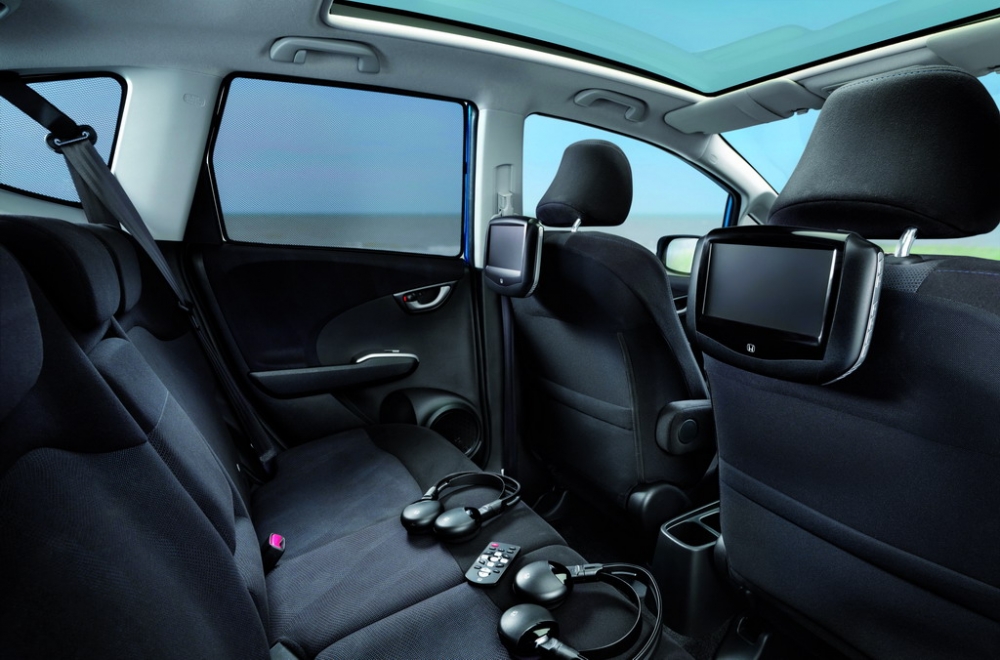
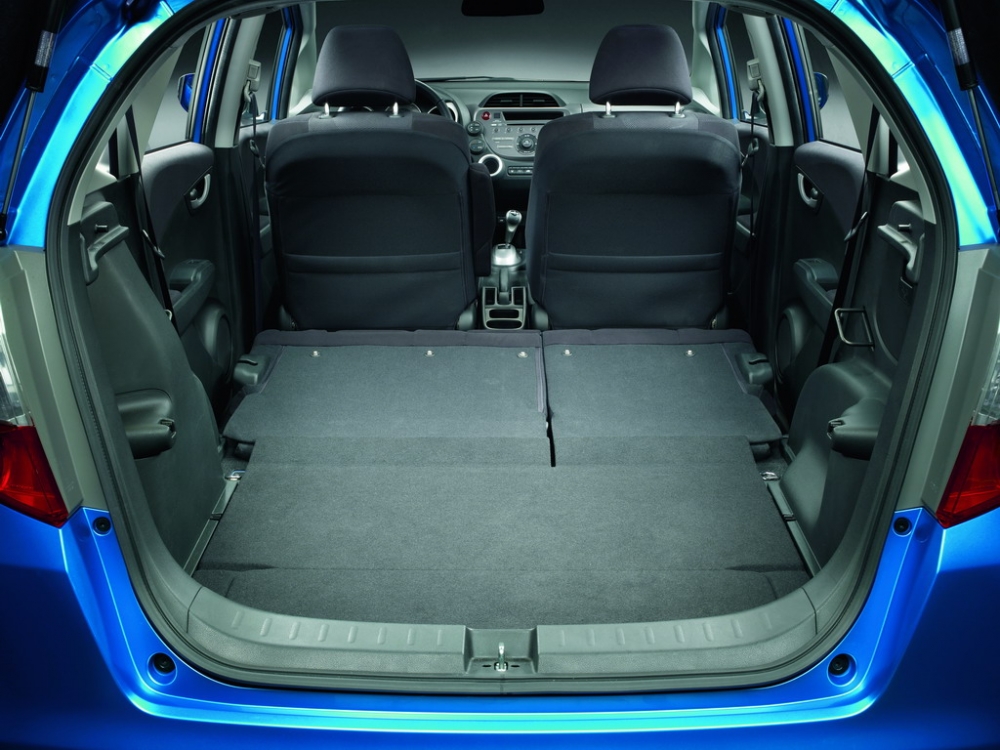
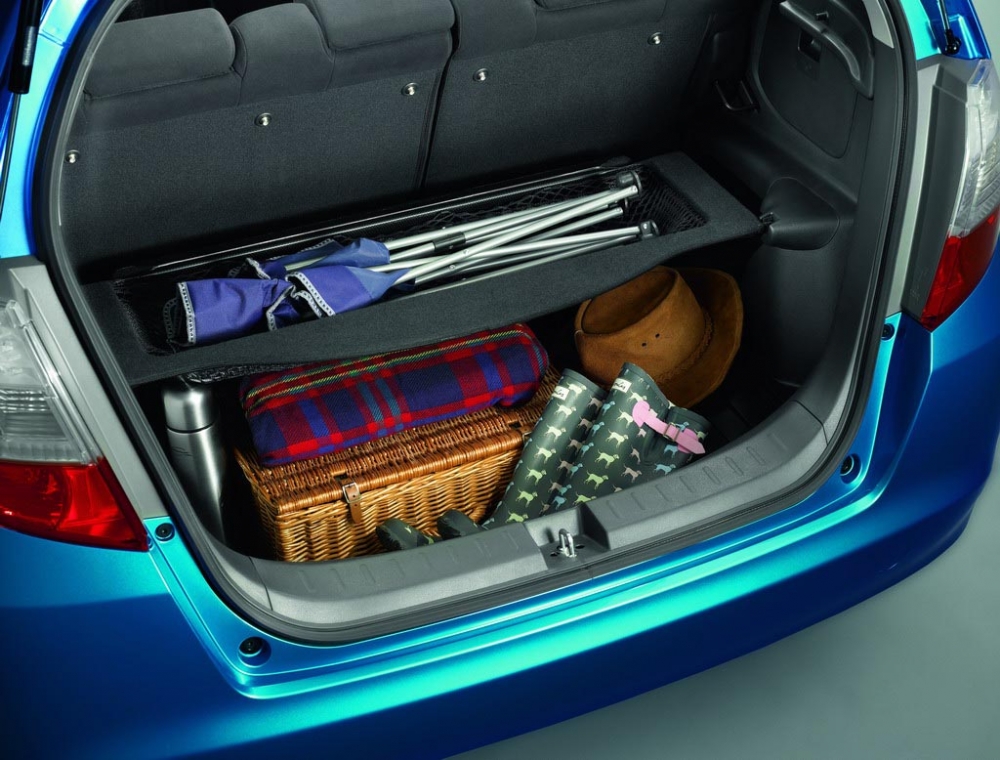
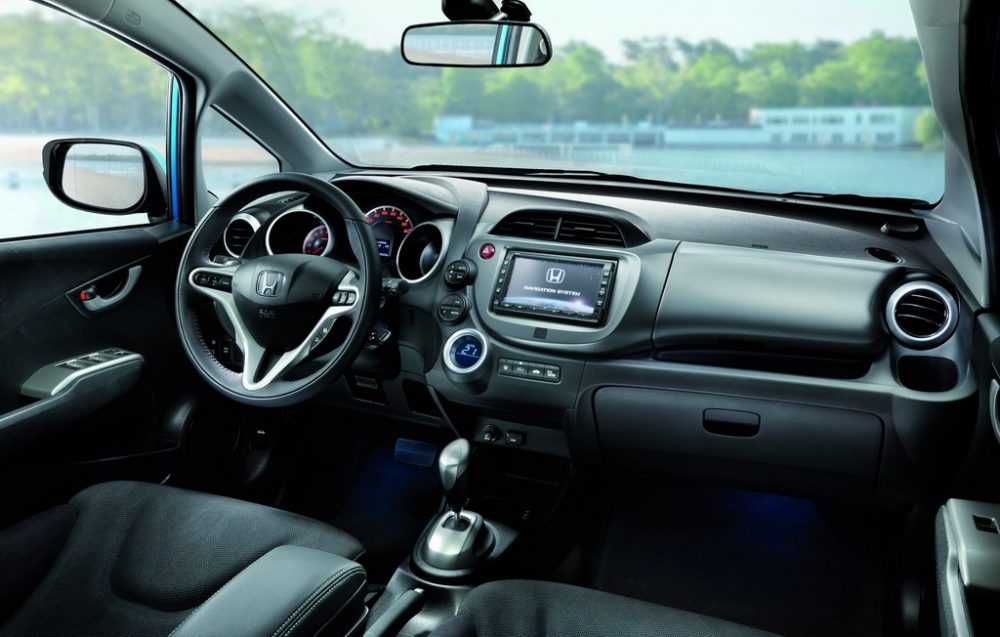 Jazz is the leader in its class in terms of interior space. There is an amazing amount of room, especially in the back. The second row folds down with one movement, and then in the huge trunk you can carry the instruments of an entire jazz band. Even a double bass. For such an abundance of free space, one can quite forgive the vertical minivan-like seating position. Although the driver is comfortable: the seat with original fabric upholstery holds well in corners, and the three-spoke steering wheel with a recessed hub begs to be held. When turning the ignition key, the numbers in the instrument cluster wells flash invitingly in red. The little one clearly wants us to test its new 100-horsepower i-VTEC engine in action. Jazz is the leader in its class in terms of interior space. There is an amazing amount of room, especially in the back. The second row folds down with one movement, and then in the huge trunk you can carry the instruments of an entire jazz band. Even a double bass. For such an abundance of free space, one can quite forgive the vertical minivan-like seating position. Although the driver is comfortable: the seat with original fabric upholstery holds well in corners, and the three-spoke steering wheel with a recessed hub begs to be held. When turning the ignition key, the numbers in the instrument cluster wells flash invitingly in red. The little one clearly wants us to test its new 100-horsepower i-VTEC engine in action. |
 Honda's engine builders played their previous 1.4-liter theme in a completely new way. The main changes are the addition to the "orchestra" of another camshaft, eight valves, and the i-VTEC part. They got +17 hp and more torque in the mid-range. In practice, the engine remains just as cheerful and revvy (maximum revs — over 6500), but it pulls noticeably better. Well, and as usual, the engine is cleaner and more economical. Honda's engine builders played their previous 1.4-liter theme in a completely new way. The main changes are the addition to the "orchestra" of another camshaft, eight valves, and the i-VTEC part. They got +17 hp and more torque in the mid-range. In practice, the engine remains just as cheerful and revvy (maximum revs — over 6500), but it pulls noticeably better. Well, and as usual, the engine is cleaner and more economical. |
 Greater economy is also the merit of the new gearbox for Jazz, which replaced the flawless CVT: it is a robotic 6-speed i-SHIFT. Instead of the imperceptible operation of the CVT, you will now have to get used to jerks, jolts, and braking when shifting down. Of course, there is a manual mode. There are even paddle shifters. But they cannot replace the CVT. Maybe it was not worth abandoning it? And the Japanese did not abandon it — the Japanese version of Jazz is equipped with the CVT. Have Honda's transmission engineers really not grown up to jazz improvisations? Not quite. They made up for it with the manual! Greater economy is also the merit of the new gearbox for Jazz, which replaced the flawless CVT: it is a robotic 6-speed i-SHIFT. Instead of the imperceptible operation of the CVT, you will now have to get used to jerks, jolts, and braking when shifting down. Of course, there is a manual mode. There are even paddle shifters. But they cannot replace the CVT. Maybe it was not worth abandoning it? And the Japanese did not abandon it — the Japanese version of Jazz is equipped with the CVT. Have Honda's transmission engineers really not grown up to jazz improvisations? Not quite. They made up for it with the manual! |
 The shift mechanism is close to ideal — precise and short throws. The handling of the previous generation Jazz "sounded" good, and most importantly, reliable and predictable. Only the steering mechanism was dissonant: with its viscosity and low sensitivity, it spoiled the overall impression of the ensemble. This time it sounds in unison with the elastic suspension, which has been slightly refined — this is noticeable both on the straight (the new Jazz handles high speeds more easily) and in corners. You know, it's even unusually dashing to put this family "aquarium" on an arc. But it's clear that the suspension specialists wanted to convey exactly this with their "music" — jazz with elements of samba and Latin. It's not to say that Jazz has become a professional dancer, but it can quite create a duet for a temperamental driver. The shift mechanism is close to ideal — precise and short throws. The handling of the previous generation Jazz "sounded" good, and most importantly, reliable and predictable. Only the steering mechanism was dissonant: with its viscosity and low sensitivity, it spoiled the overall impression of the ensemble. This time it sounds in unison with the elastic suspension, which has been slightly refined — this is noticeable both on the straight (the new Jazz handles high speeds more easily) and in corners. You know, it's even unusually dashing to put this family "aquarium" on an arc. But it's clear that the suspension specialists wanted to convey exactly this with their "music" — jazz with elements of samba and Latin. It's not to say that Jazz has become a professional dancer, but it can quite create a duet for a temperamental driver. |
 The new wave of jazz, having already swept through its native Japan, according to forecasts of "musical" analysts, should reach Russia simultaneously with Europe, which means in February-March of this year. All these exercises, of course, will not cause such a furor as that first Jazz, but they will undoubtedly elevate the music from Honda to a higher level. This is the case when improvisation turns out to be quite successful. So much so that it again begins to smell of mainstream... The new wave of jazz, having already swept through its native Japan, according to forecasts of "musical" analysts, should reach Russia simultaneously with Europe, which means in February-March of this year. All these exercises, of course, will not cause such a furor as that first Jazz, but they will undoubtedly elevate the music from Honda to a higher level. This is the case when improvisation turns out to be quite successful. So much so that it again begins to smell of mainstream... |
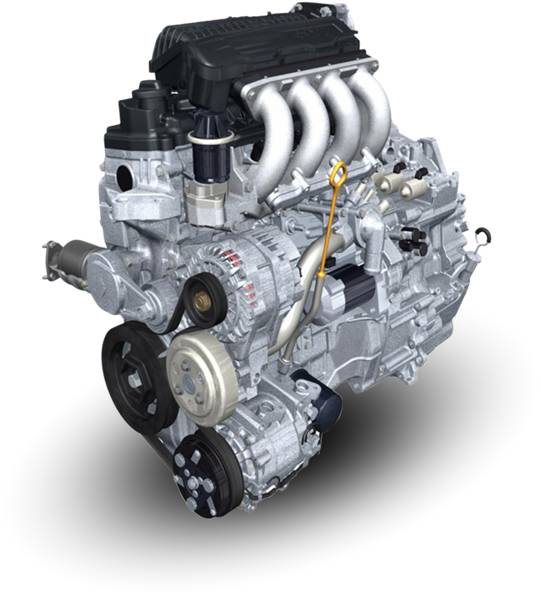 FOR YOUR INFORMATION FOR YOUR INFORMATIONEngine It would be more honest to call the Jazz engine 1.3 liters, since its volume is 1339 cm³, but Honda people prefer 1.4. Compared to the eight-valve i-DSI engine of the previous generation, the volume remains the same, but now it is a 16-valve engine with the i-VTEC variable valve timing system, developing 100 hp at 6000 rpm and 127 Nm at 4800 rpm. In addition to the use of i-VTEC technology, the engine has changed combustion chamber shapes, improved cooling, reduced friction in the valve-piston group, applied an intake manifold with a resonator, and reduced air resistance at the inlet and outlet. To improve environmental performance, the exhaust manifold is made as one piece with the cylinder head, and an air flow sensor at the inlet, a linear air flow sensor installed before the closed catalytic converter, and an oxygen sensor located before the rear catalytic converter are also installed. |
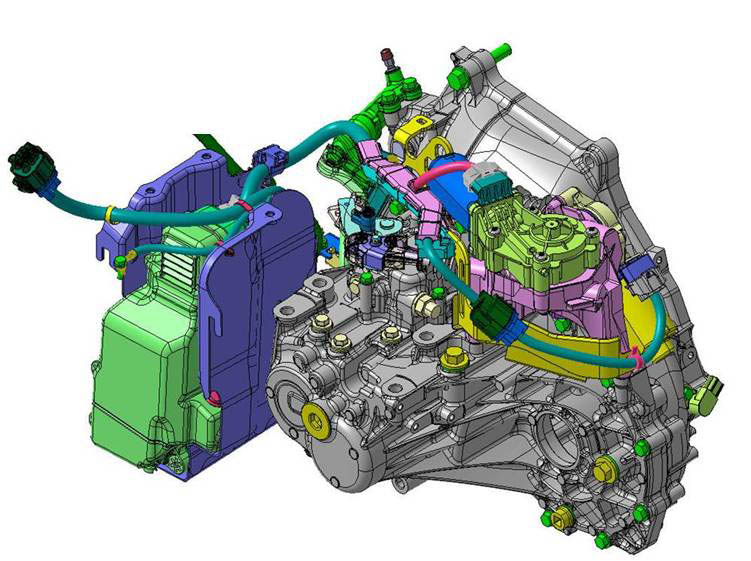 Gearboxes GearboxesJazz is equipped with either a five-speed manual or a six-speed robot. In the manual gearbox, gear ratios have been changed, the clutch pedal travel has become shorter, and carbon synchronizers have appeared on 2nd and 3rd gears instead of brass ones. On the instrument panel of cars with a "stick", a SIL (Shift Indicator Light) has appeared — an indicator that allows optimizing shifts. |
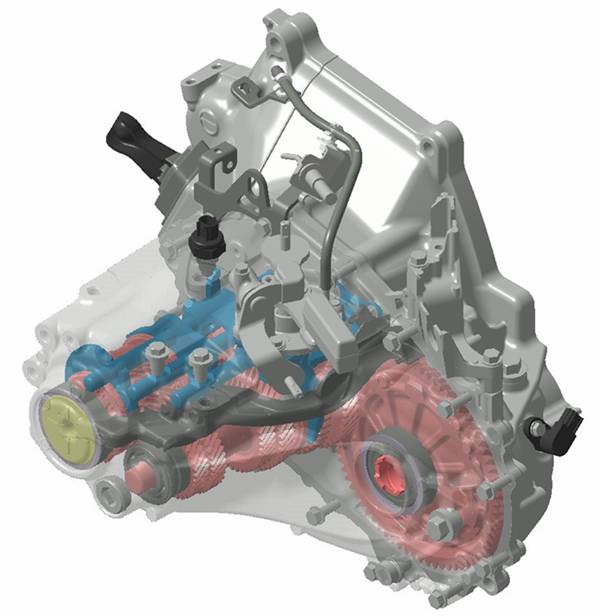 The automated manual transmission i-SHIFT is used on Jazz for the first time (in Japan, cars with a CVT are still produced). It is said for better economy and environmental friendliness. Gears are shifted either independently, in automatic mode, or using the gear lever or paddle shifters in manual. Models with i-SHIFT are also equipped with the HSA (Hill Start Assist) system, which allows not rolling back when starting on an incline. The automated manual transmission i-SHIFT is used on Jazz for the first time (in Japan, cars with a CVT are still produced). It is said for better economy and environmental friendliness. Gears are shifted either independently, in automatic mode, or using the gear lever or paddle shifters in manual. Models with i-SHIFT are also equipped with the HSA (Hill Start Assist) system, which allows not rolling back when starting on an incline. |
 Suspension Suspension |
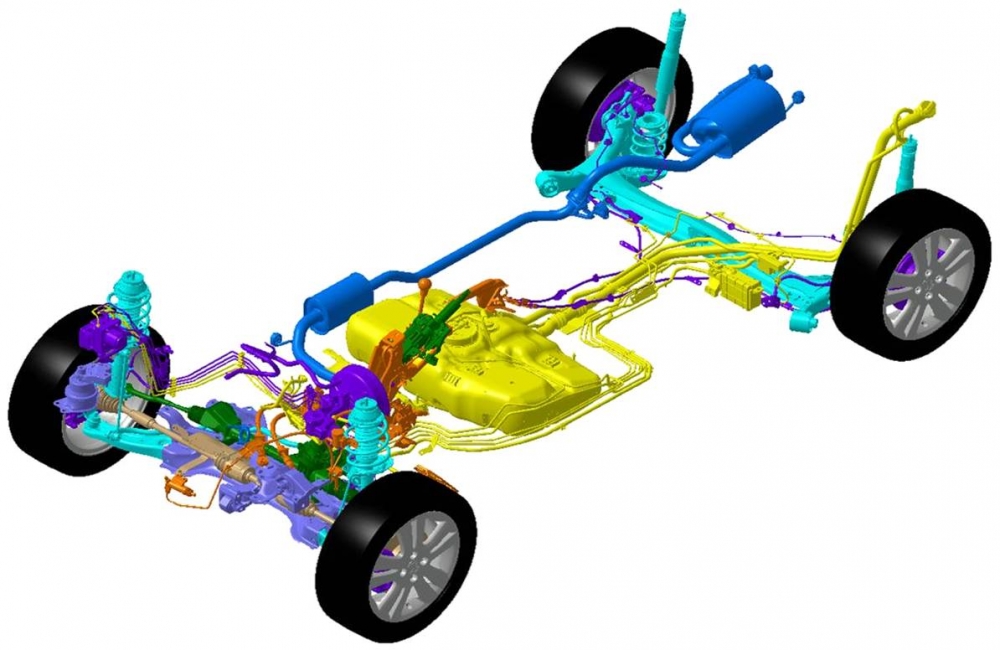
The engineers revised the geometry of the front McPherson suspension to improve handling and maneuverability. The caster angle increased from 2.2 to 3.3 degrees, and the stabilization arm was increased from 5 to 20 mm — this had a positive effect on directional stability. At the rear, the same compact H-shaped torsion beam remains, but its shape has been slightly changed, and the trailing arms have become longer by 39 mm. The track has also widened. While the body has lengthened by 55 mm, the turning radius remains the same — 4.9 meters. For an additional cost, Jazz can be equipped with the VSA stability control system. The steering with electric power assist and brakes with ABS in the standard also underwent serious modernization.
MODEL HISTORY
The name Honda Jazz first appeared in Europe back in 1984, but at that time it was an Isuzu vehicle. It was a small, tall, bug-eyed three-door hatchback with a weak 1.2-liter engine producing 45–56 hp. Buyers did not appreciate it, and sales ceased as early as 1986. However, the true ancestor of the modern lineup was the Honda Fit, released in Japan in 2001. It replaced the outdated Logo model and was a response to the Toyota Vitz (Yaris) of 1999. The Fit turned out to be remarkably successful: in the first ten days alone, about 23,000 orders were placed for it in Japan! The car appeared in Europe on January 19, 2002, after its premiere at the Frankfurt Motor Show, and there it was already called Jazz.
For the European market, the Jazz received a stiffer suspension. In Germany alone, more than 12,000 such cars were sold in 2002, and in 2003, over 10,000 more, accounting for more than a third of all Honda exports. In Japan, the Fit was offered with 1.3-liter (86 hp) and 1.5-liter (110 hp) engines, as well as with all-wheel drive, while in Europe, the front-wheel-drive Jazz was sold with 1.2 and 1.4-liter engines producing 78 and 83 hp, respectively. A five-speed manual or automatic transmission was offered. After the 2005 facelift, the automatic transmission was replaced by a CVT, and rear drum brakes gave way to disc brakes. The Jazz's appearance was also slightly updated, and in this form the model has survived to this day (read about the latest generation of Jazz in the April 2008 issue of MOTOR).