
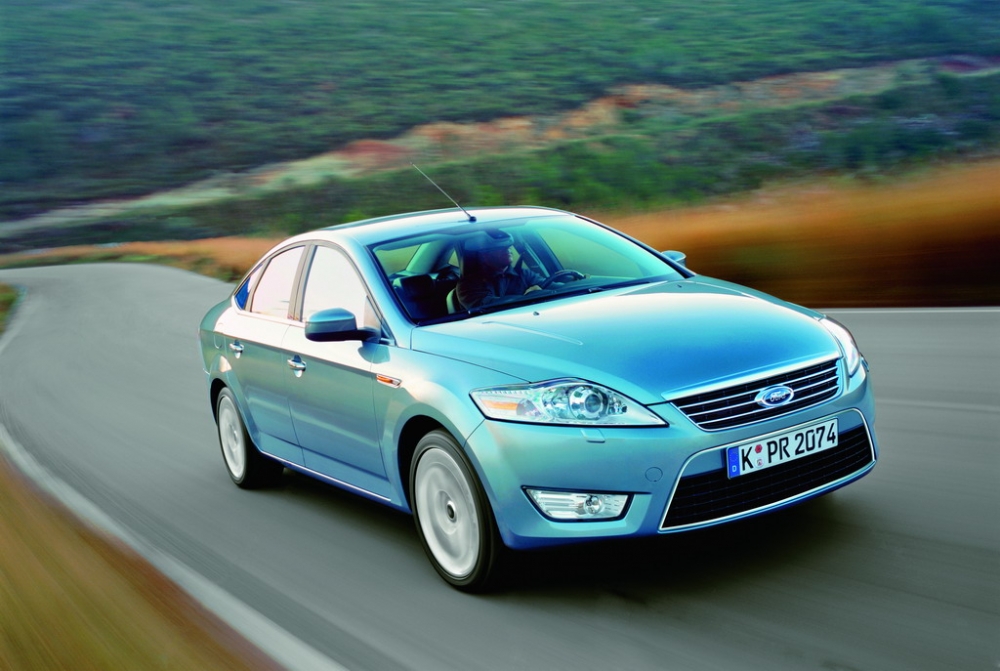
 At the official presentation, everything was laid out on the shelves. Previously, mass-market Ford models were perceived by buyers as solid and reliable cars with decent handling — that was enough for stable sales. But now the market dictates different conditions. Simply being high-quality is no longer enough: a car must evoke emotions, appeal at first sight, and grab attention. That's why Ford decided to radically refresh its image. And the first step on this path was the new generation Mondeo. At the official presentation, everything was laid out on the shelves. Previously, mass-market Ford models were perceived by buyers as solid and reliable cars with decent handling — that was enough for stable sales. But now the market dictates different conditions. Simply being high-quality is no longer enough: a car must evoke emotions, appeal at first sight, and grab attention. That's why Ford decided to radically refresh its image. And the first step on this path was the new generation Mondeo. |
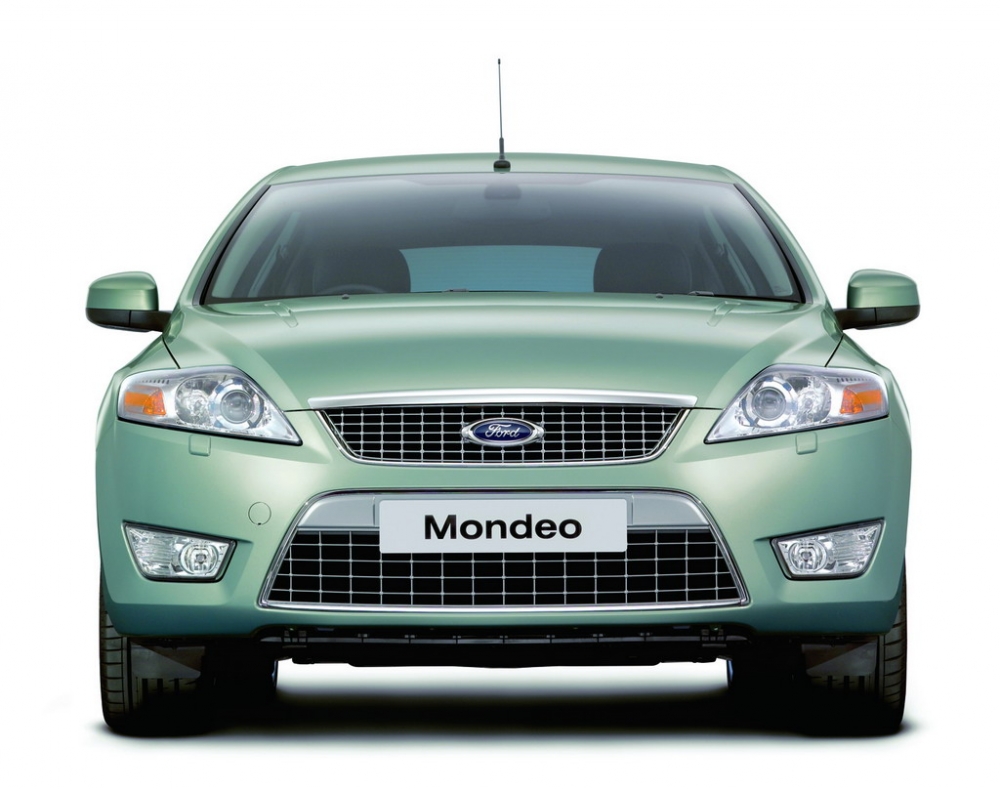 The "kinetic" design, first shown on the Iosis concept car and then transferred in simplified form to the Mondeo, came in very handy here. The company is confident that the appearance of Ford cars will now become noticeably more attractive, and the question of the emotional component can be considered closed. Hence the new slogan — "Feel the Difference." At the end of the press conference, we were shown a Mondeo commercial: old Ford models (Sierra, Escort, and others) fly away from their owners into the sky on balloons, and in their place appears a flawless new Mondeo. So, is the difference really that great? The "kinetic" design, first shown on the Iosis concept car and then transferred in simplified form to the Mondeo, came in very handy here. The company is confident that the appearance of Ford cars will now become noticeably more attractive, and the question of the emotional component can be considered closed. Hence the new slogan — "Feel the Difference." At the end of the press conference, we were shown a Mondeo commercial: old Ford models (Sierra, Escort, and others) fly away from their owners into the sky on balloons, and in their place appears a flawless new Mondeo. So, is the difference really that great? |
 I got the Ghia version with a 2.5-liter turbo engine and a six-speed manual gearbox. However, the interior trim in the Ghia is like a greeting from the past. The plastic imitating wood is made, forgive my bluntness, quite tastelessly. My test partner even compared it to products from the Chinese auto industry. Such a solution absolutely does not combine with the "kinetic" design, and it seems that "wood-look" was used here solely for marketing reasons — there is still demand for such decor among the public. I got the Ghia version with a 2.5-liter turbo engine and a six-speed manual gearbox. However, the interior trim in the Ghia is like a greeting from the past. The plastic imitating wood is made, forgive my bluntness, quite tastelessly. My test partner even compared it to products from the Chinese auto industry. Such a solution absolutely does not combine with the "kinetic" design, and it seems that "wood-look" was used here solely for marketing reasons — there is still demand for such decor among the public. |
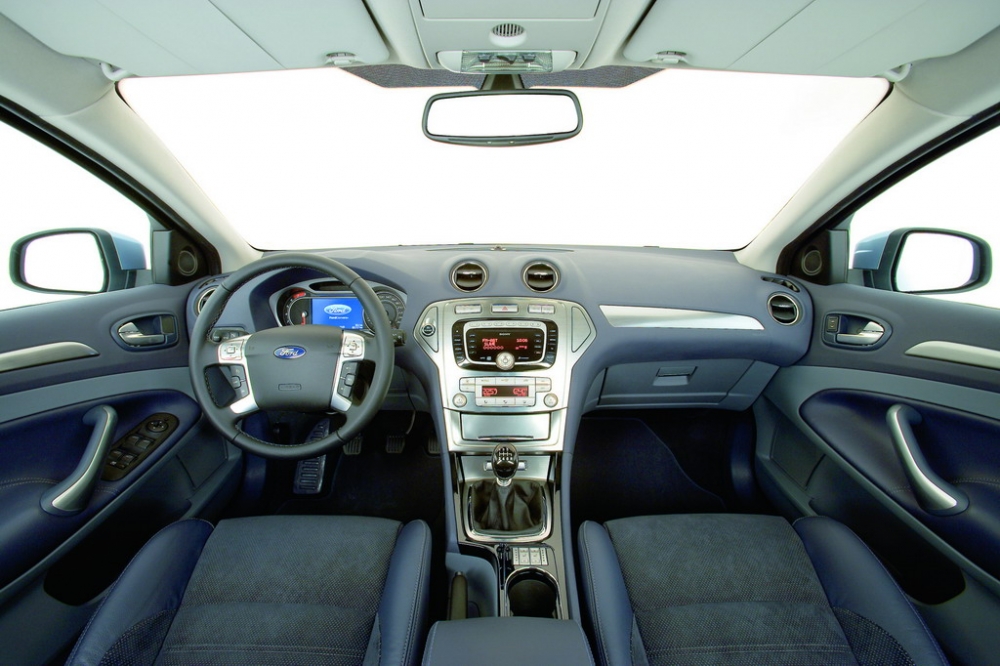 The interior in the Titanium version looks much nicer. Here, the interior and exterior are in a unified style. Polished metal inserts create the right mood. In addition, the Ghia has regular instruments — tachometer and speedometer, while in the Titanium, a large color display is placed between them (because of it, the tachometer is slightly reduced), which added technocratic feel to the interior in the spirit of Kinetic Design. Overall, the Mondeo interior is made solidly. There's no point even comparing it to the previous model — everything has changed so much. The front panel is made of excellent resilient plastic, trim materials have become more diverse and expensive, and attention to detail has noticeably increased: for example, air ducts for rear passengers appeared in the middle pillars. The driver's seat is comfortable, all controls are at hand. True, the slippery leather seats with weak lateral support and a backrest profile that seems to push you out were disappointing. During a break between stages, I sat in a Titanium with combined fabric upholstery and more pronounced lateral support — a completely different matter! I would choose exactly those seats. The interior in the Titanium version looks much nicer. Here, the interior and exterior are in a unified style. Polished metal inserts create the right mood. In addition, the Ghia has regular instruments — tachometer and speedometer, while in the Titanium, a large color display is placed between them (because of it, the tachometer is slightly reduced), which added technocratic feel to the interior in the spirit of Kinetic Design. Overall, the Mondeo interior is made solidly. There's no point even comparing it to the previous model — everything has changed so much. The front panel is made of excellent resilient plastic, trim materials have become more diverse and expensive, and attention to detail has noticeably increased: for example, air ducts for rear passengers appeared in the middle pillars. The driver's seat is comfortable, all controls are at hand. True, the slippery leather seats with weak lateral support and a backrest profile that seems to push you out were disappointing. During a break between stages, I sat in a Titanium with combined fabric upholstery and more pronounced lateral support — a completely different matter! I would choose exactly those seats. |
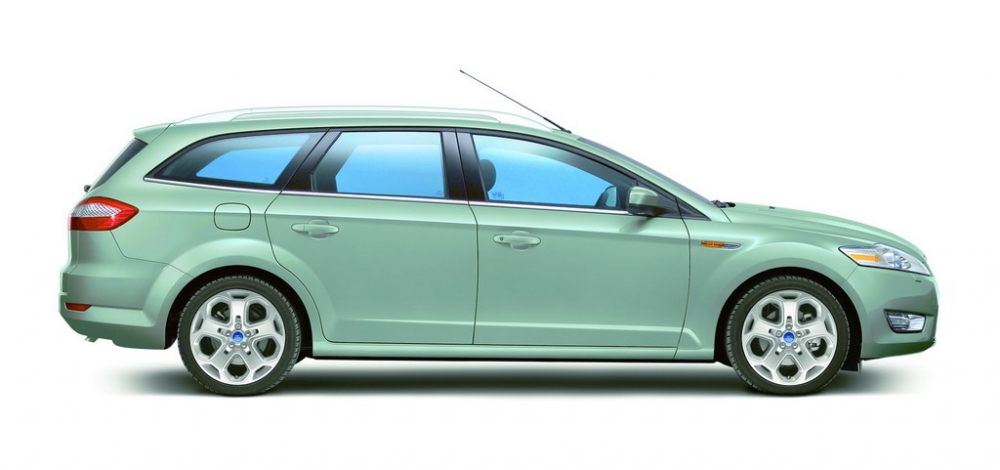
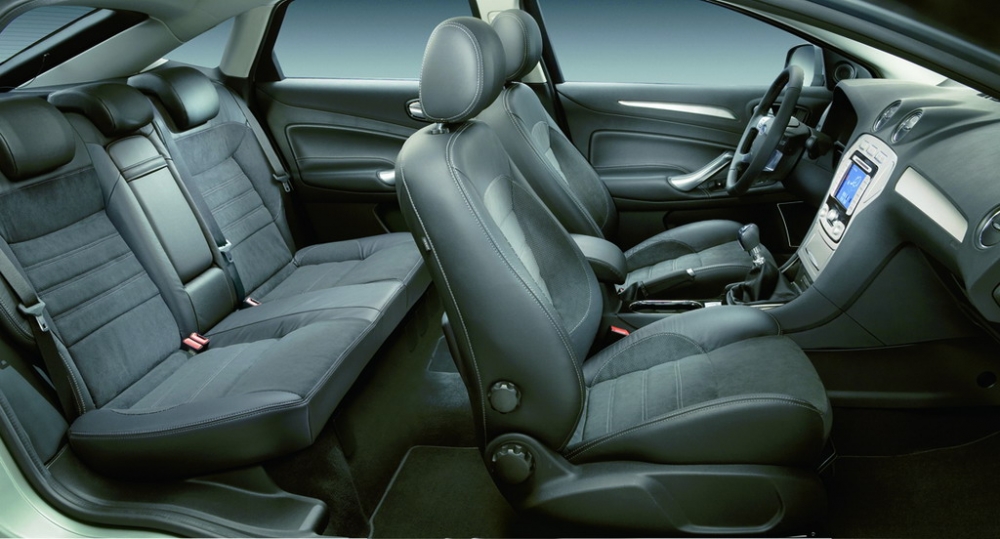 When it was time to hand over the wheel to my colleague, I settled in the back without hesitation. The fact is that the new Mondeo sedan is a real overgrown. Its length is 4844 mm — more than the Toyota Camry (4815 mm), which is considered a representative of the "affordable business class." And in terms of wheelbase length, it even surpassed longer classmates — the Hyundai Grandeur and Nissan Teana. As a result, there is an inexhaustible amount of space in the back, and the trunk is very spacious. This D-class sedan can easily be used as a chauffeured car. Under the hood is the well-known 2.5-liter five-cylinder turbo engine, once developed by Volvo and now "adopted" by Ford for its models (unification, nothing to be done). The engine is paired only with a six-speed manual, which, frankly, was a bit surprising. I think many potential Mondeo buyers would like to see this engine paired with an automatic. In general, all the cars in the test were exclusively with a manual. The automatic will appear later and will be available with two engines — a four-cylinder 2.3-liter (borrowed from Mazda) and a two-liter turbo diesel. When it was time to hand over the wheel to my colleague, I settled in the back without hesitation. The fact is that the new Mondeo sedan is a real overgrown. Its length is 4844 mm — more than the Toyota Camry (4815 mm), which is considered a representative of the "affordable business class." And in terms of wheelbase length, it even surpassed longer classmates — the Hyundai Grandeur and Nissan Teana. As a result, there is an inexhaustible amount of space in the back, and the trunk is very spacious. This D-class sedan can easily be used as a chauffeured car. Under the hood is the well-known 2.5-liter five-cylinder turbo engine, once developed by Volvo and now "adopted" by Ford for its models (unification, nothing to be done). The engine is paired only with a six-speed manual, which, frankly, was a bit surprising. I think many potential Mondeo buyers would like to see this engine paired with an automatic. In general, all the cars in the test were exclusively with a manual. The automatic will appear later and will be available with two engines — a four-cylinder 2.3-liter (borrowed from Mazda) and a two-liter turbo diesel. |
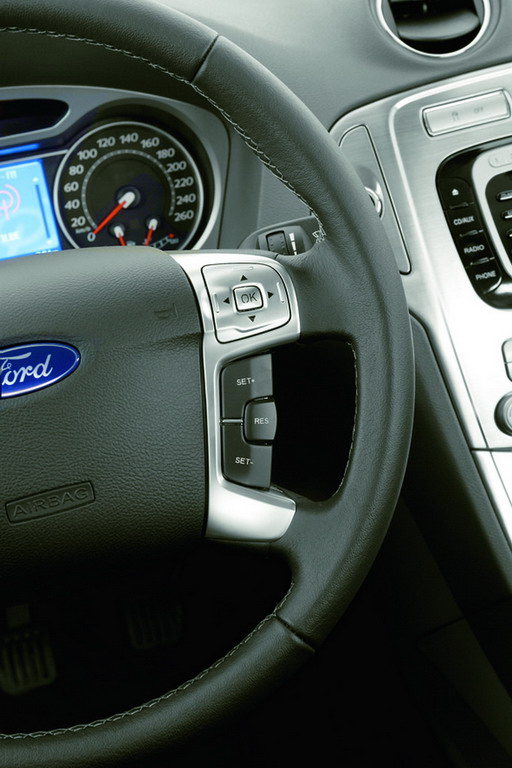 However, I liked the combination of manual transmission and powerful engine. The dynamics, as expected, are at their best. The low-pressure turbine provides confident pickup on any gear already from mid-range revs. At high revs, the engine predictably fades and asks for a shift — there's no point in revving it to the limiter. Acceleration is smooth and very energetic. On one well-visible straight, I easily accelerated to 190 km/h. Special thanks to the organizers for not limiting the route to perfect highways. We encountered a variety of sections, including a stretch that seems not to have seen repairs since Soviet times. So the sedan's ride quality was tested to the full extent. However, I liked the combination of manual transmission and powerful engine. The dynamics, as expected, are at their best. The low-pressure turbine provides confident pickup on any gear already from mid-range revs. At high revs, the engine predictably fades and asks for a shift — there's no point in revving it to the limiter. Acceleration is smooth and very energetic. On one well-visible straight, I easily accelerated to 190 km/h. Special thanks to the organizers for not limiting the route to perfect highways. We encountered a variety of sections, including a stretch that seems not to have seen repairs since Soviet times. So the sedan's ride quality was tested to the full extent. |
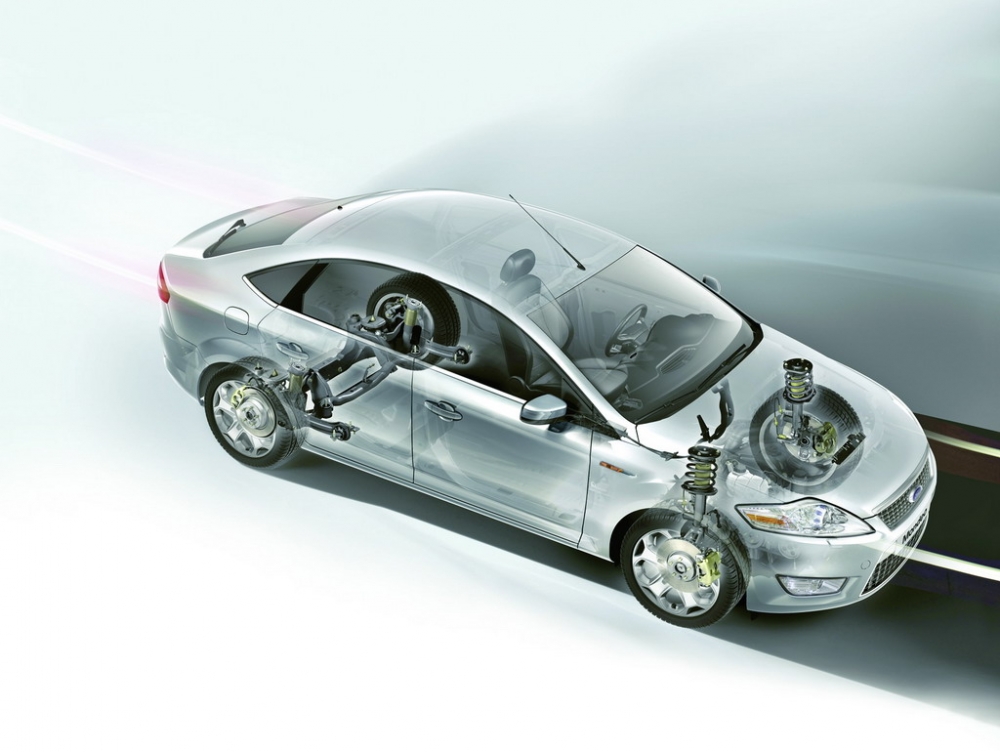 On smooth surfaces, the rating is "excellent." Directional stability, responsiveness, and informativeness of the steering with hydraulic assist, comfort, and handling — nothing to fault. But the main surprise is how the Mondeo behaves on a broken road with ruts. Perhaps no other front-wheel-drive car today treats road quality with such disdain while maintaining excellent handling. The suspension inexplicably combines smoothness, comfort, rare energy intensity, and at the same time, the driver feels the car perfectly. I note that the test sedan stood on 16-inch alloy wheels with 205/55 tires, which are not too demanding on the road. I dare to assume that with 17-inch wheels, the situation is unlikely to change dramatically. On smooth surfaces, the rating is "excellent." Directional stability, responsiveness, and informativeness of the steering with hydraulic assist, comfort, and handling — nothing to fault. But the main surprise is how the Mondeo behaves on a broken road with ruts. Perhaps no other front-wheel-drive car today treats road quality with such disdain while maintaining excellent handling. The suspension inexplicably combines smoothness, comfort, rare energy intensity, and at the same time, the driver feels the car perfectly. I note that the test sedan stood on 16-inch alloy wheels with 205/55 tires, which are not too demanding on the road. I dare to assume that with 17-inch wheels, the situation is unlikely to change dramatically. |
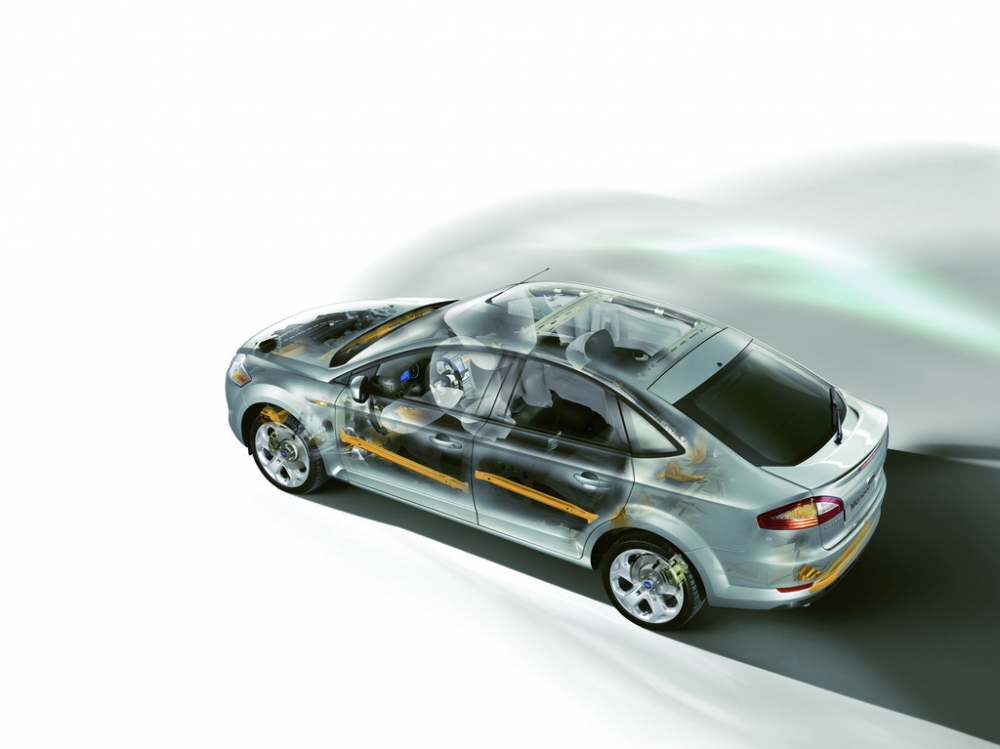 The excellent "autobahn" ended, and a broken two-lane road began. The road wound, giving the opportunity to test the car in turns of varying sharpness. At first, I was cautious — the suspension seemed comfortable, and such cars usually don't like being provoked into sporty driving. But gradually it turned out that the Mondeo's capabilities are much broader than one might assume. The excellent "autobahn" ended, and a broken two-lane road began. The road wound, giving the opportunity to test the car in turns of varying sharpness. At first, I was cautious — the suspension seemed comfortable, and such cars usually don't like being provoked into sporty driving. But gradually it turned out that the Mondeo's capabilities are much broader than one might assume. |
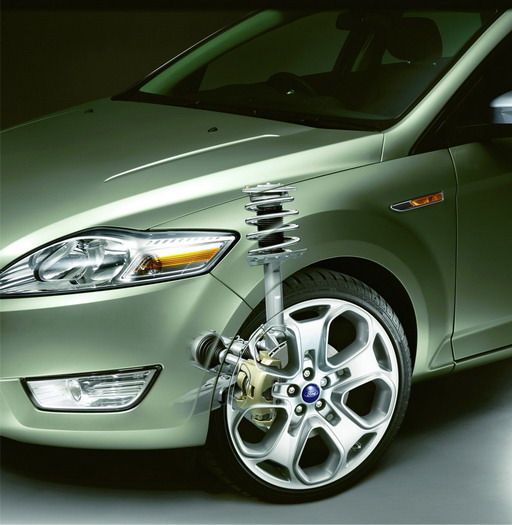 On a straight line, the sedan flies as if not noticing potholes. Only on very large irregularities is a shock absorber bottoming out possible — during the entire test, this happened only once. At speed, the road seems to smooth out under the Mondeo's wheels. But even more pleasant is that the car takes turns with broken asphalt at high speed with amazing confidence! Minimal impacts are transmitted to the steering wheel, there are almost no "parasitic" moments from the powerful engine, and the suspension always manages to handle the uneven profile. As a result, the car holds onto the surface with all wheels at the limit without losing its trajectory. How good that the suspension was not modified specifically for the Russian market! On a straight line, the sedan flies as if not noticing potholes. Only on very large irregularities is a shock absorber bottoming out possible — during the entire test, this happened only once. At speed, the road seems to smooth out under the Mondeo's wheels. But even more pleasant is that the car takes turns with broken asphalt at high speed with amazing confidence! Minimal impacts are transmitted to the steering wheel, there are almost no "parasitic" moments from the powerful engine, and the suspension always manages to handle the uneven profile. As a result, the car holds onto the surface with all wheels at the limit without losing its trajectory. How good that the suspension was not modified specifically for the Russian market! |
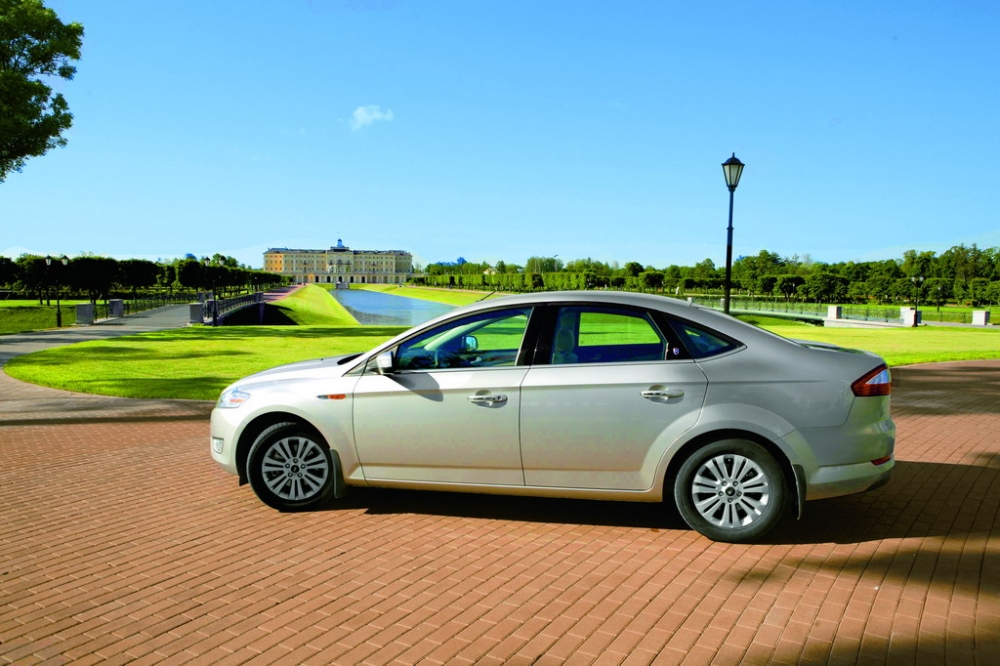 When the road became better, I increased speed on the bends and boldly turned off the stability system. On such an exemplary front-wheel-drive chassis, it is simply not needed. The operation of all controls — clutch, accelerator, brakes, steering — is impeccable. Even without optional "sport packages" or active shock absorbers with variable stiffness, the car drives very well. Definitely, in terms of ride quality, the new Mondeo can confidently be placed alongside the front-wheel-drive class standards — the Alfa Romeo 159 and VW Passat. At the same time, they are not capable of driving on bad roads as quickly and painlessly for the suspension. When the road became better, I increased speed on the bends and boldly turned off the stability system. On such an exemplary front-wheel-drive chassis, it is simply not needed. The operation of all controls — clutch, accelerator, brakes, steering — is impeccable. Even without optional "sport packages" or active shock absorbers with variable stiffness, the car drives very well. Definitely, in terms of ride quality, the new Mondeo can confidently be placed alongside the front-wheel-drive class standards — the Alfa Romeo 159 and VW Passat. At the same time, they are not capable of driving on bad roads as quickly and painlessly for the suspension. |
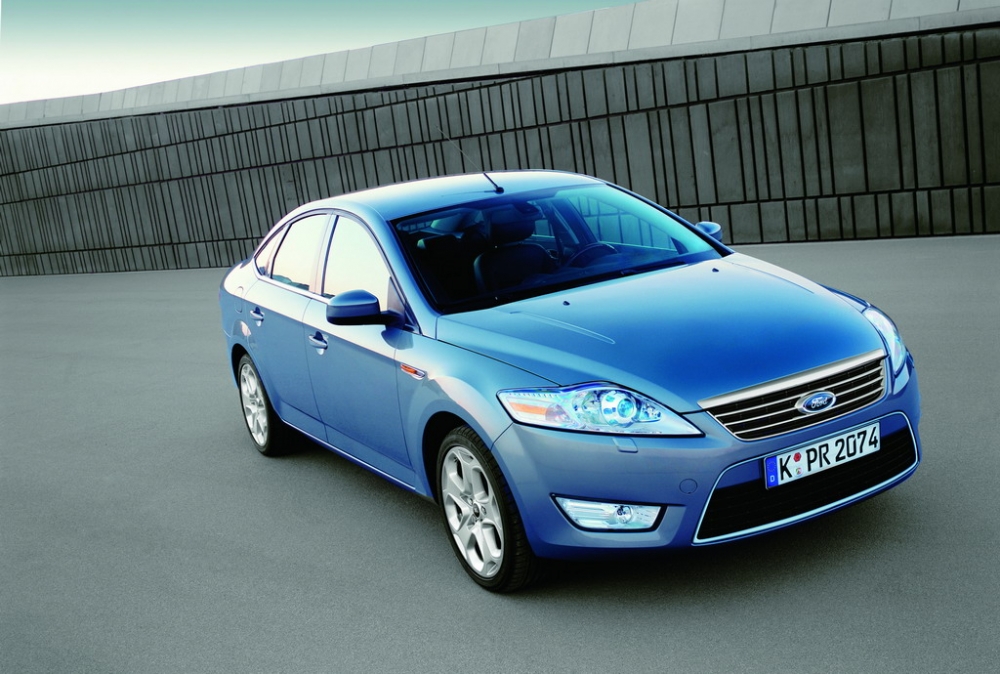 It seems I understand why the test drive was so short — only one day was allocated for it. The organizers were confident that this would be enough to "feel the difference." The new Mondeo has moved far ahead of its predecessor and today is one of the most attractive offers in its class. It can even lure away some buyers from models of a higher rank. It seems I understand why the test drive was so short — only one day was allocated for it. The organizers were confident that this would be enough to "feel the difference." The new Mondeo has moved far ahead of its predecessor and today is one of the most attractive offers in its class. It can even lure away some buyers from models of a higher rank.PRICES AND TRIM LEVELS |
Threat from below
Perhaps this test was the most massive of all ever conducted in Russia. Almost 40 journalists from across the country took seats in 20 cars at the parking lot near Pulkovo Airport. The reason is clear – Ford is placing a serious bet on the new Mondeo.
Test drive photos
Comments
No comments yet. Say the first word.