
 It would seem that the Golf is not the best opponent for Fiat. It has been produced for many years and will be replaced by a new model in the foreseeable future. The Golf is the choice of pragmatists, while the Bravo is for poets. That doesn't bother us in the least. A standard is a standard, after all, to serve as a benchmark for newcomers. And so, using the Golf as our tool, we will test the new attempt of the Italians who have emerged from the crisis in one of the most popular and mass-market classes. The previous experiment – the Stilo – was a failure and flopped even in Europe (not to mention Russia). Did its creators draw the right conclusions? It would seem that the Golf is not the best opponent for Fiat. It has been produced for many years and will be replaced by a new model in the foreseeable future. The Golf is the choice of pragmatists, while the Bravo is for poets. That doesn't bother us in the least. A standard is a standard, after all, to serve as a benchmark for newcomers. And so, using the Golf as our tool, we will test the new attempt of the Italians who have emerged from the crisis in one of the most popular and mass-market classes. The previous experiment – the Stilo – was a failure and flopped even in Europe (not to mention Russia). Did its creators draw the right conclusions? |
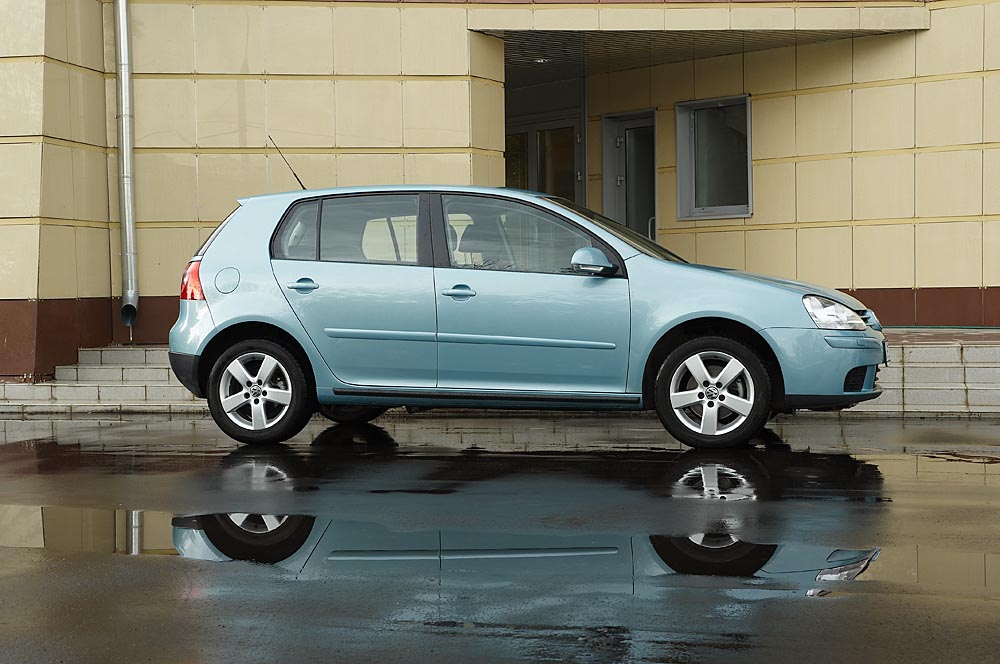
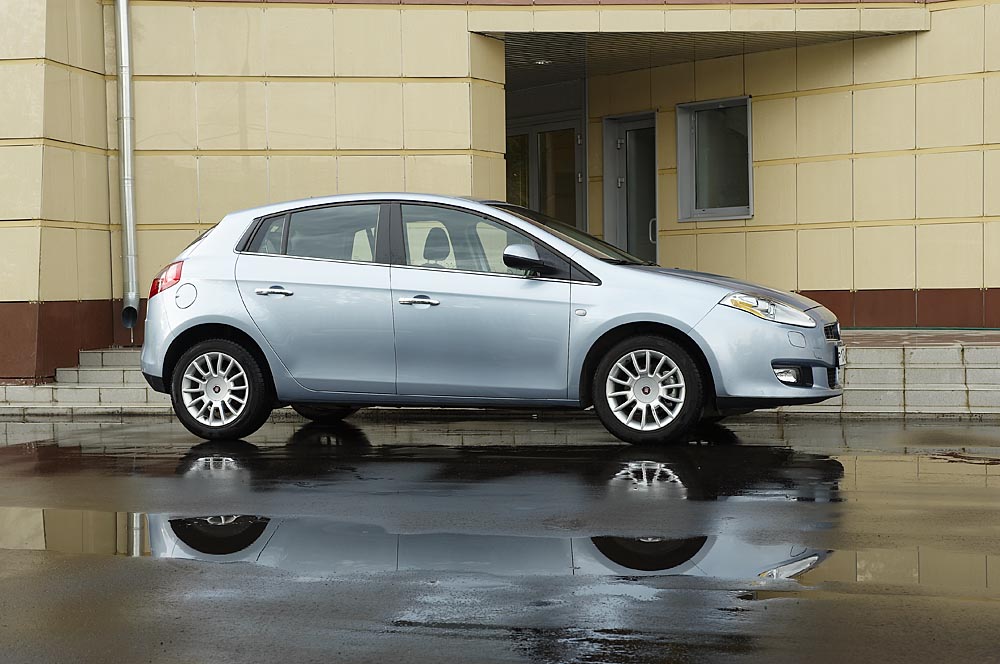
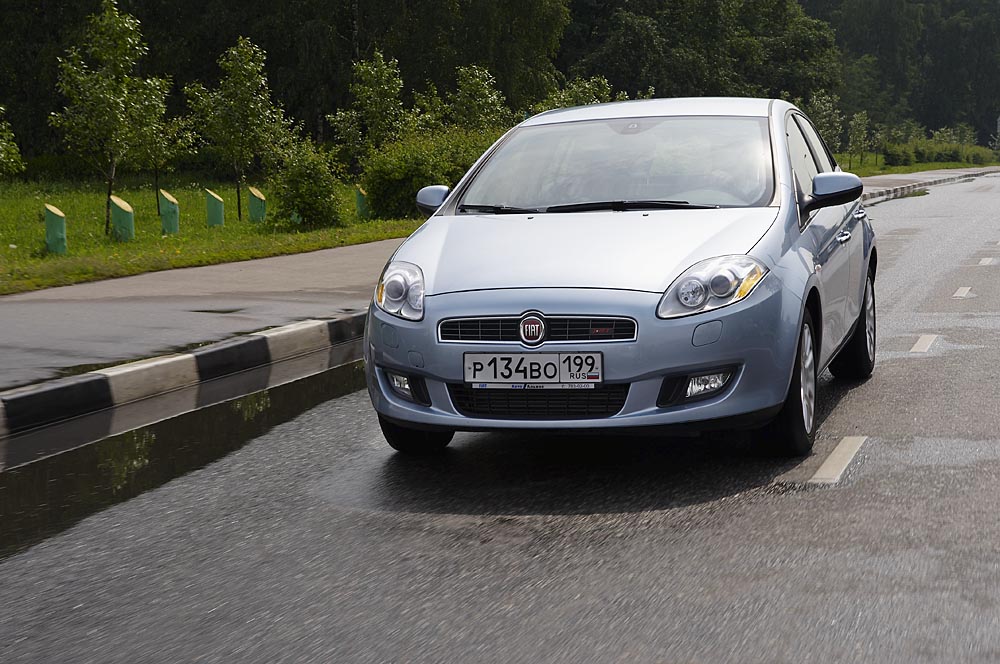
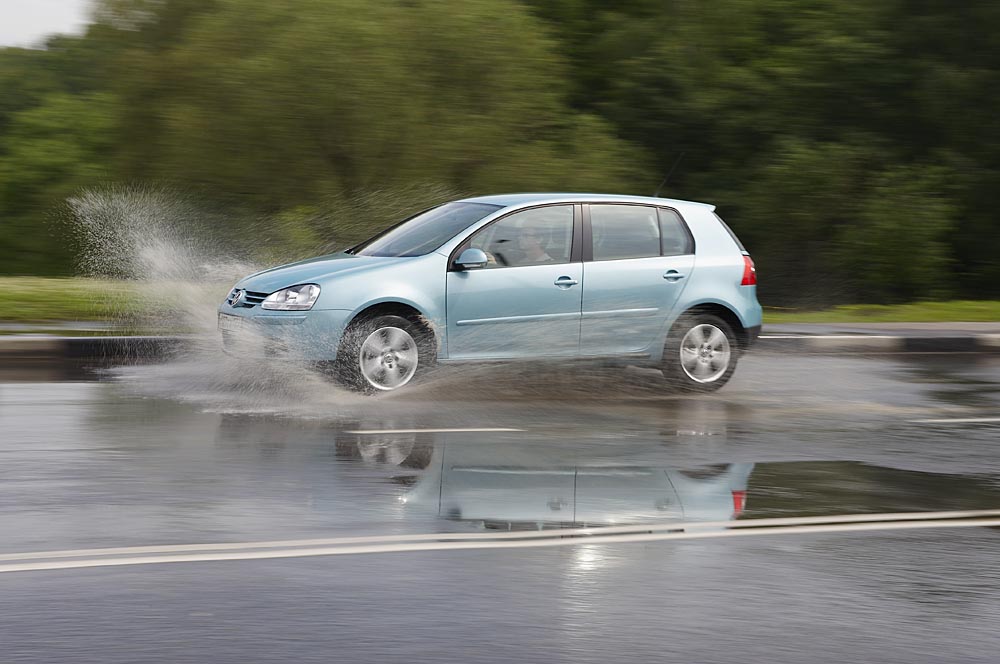
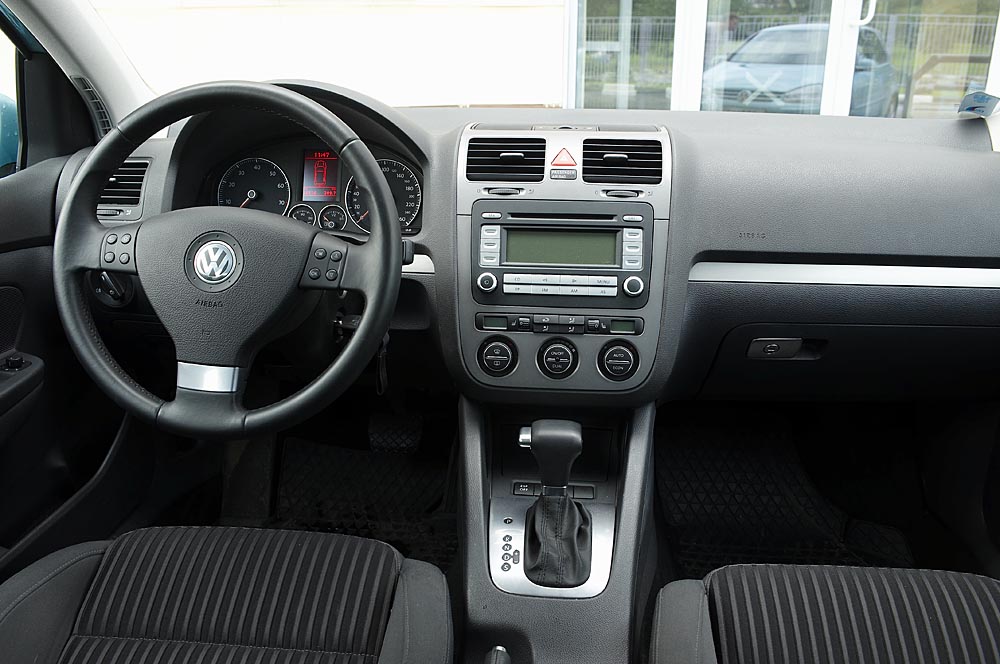
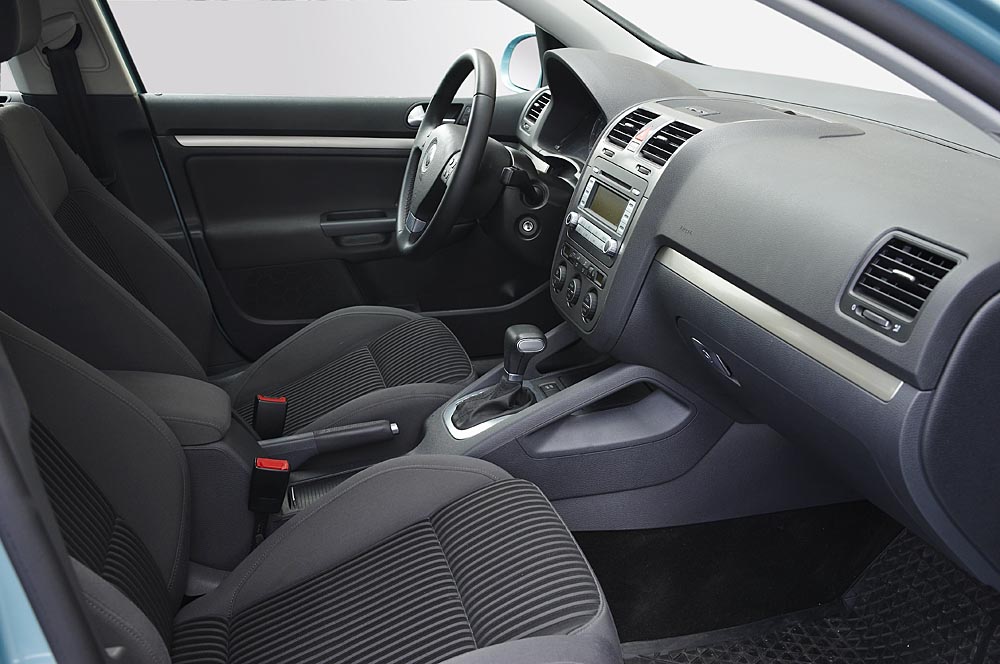
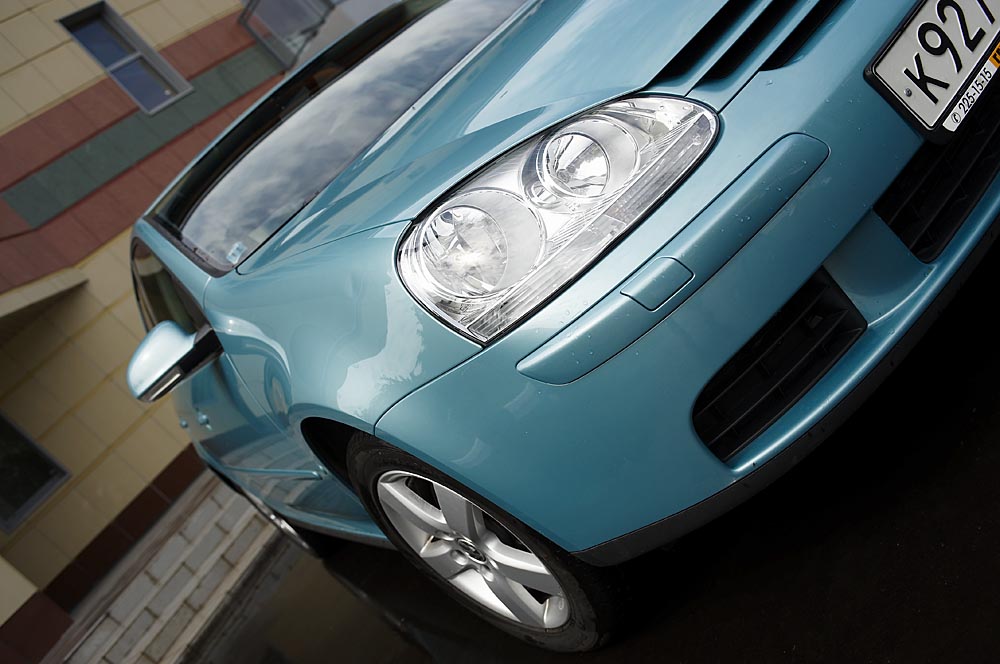
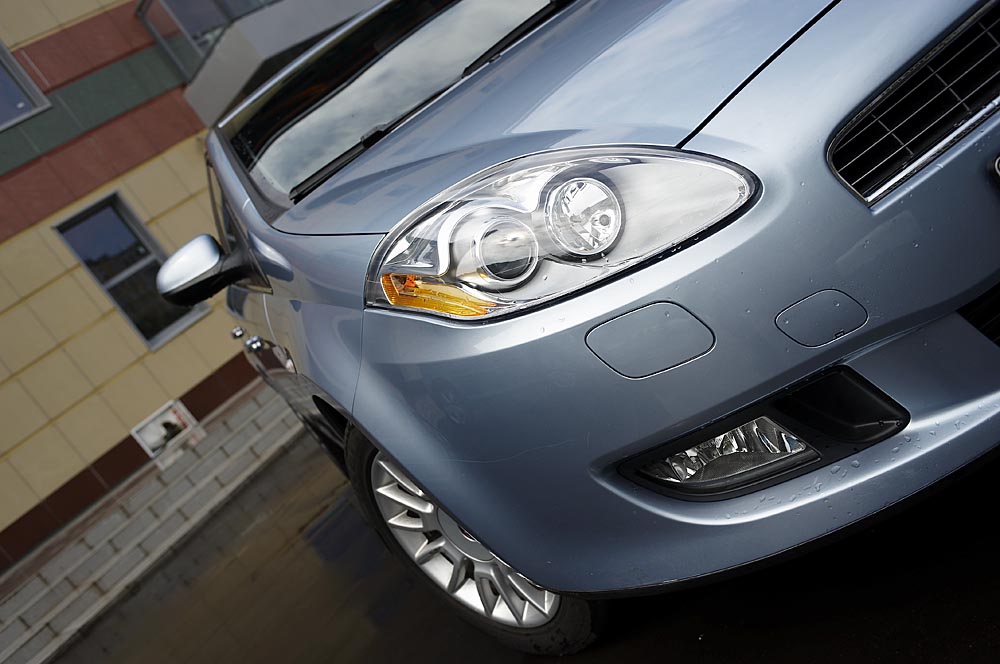
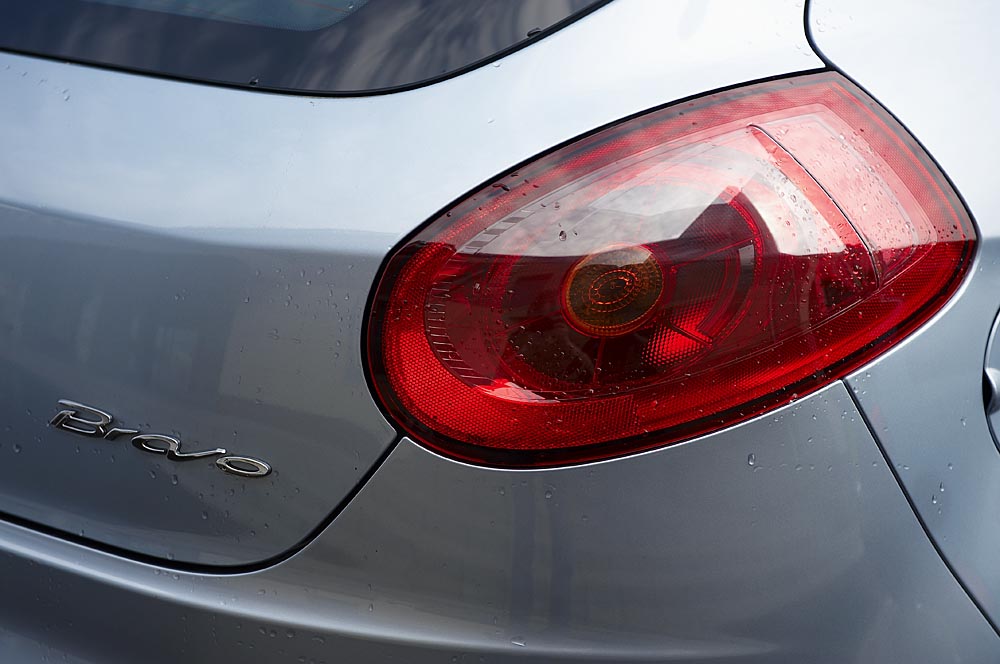
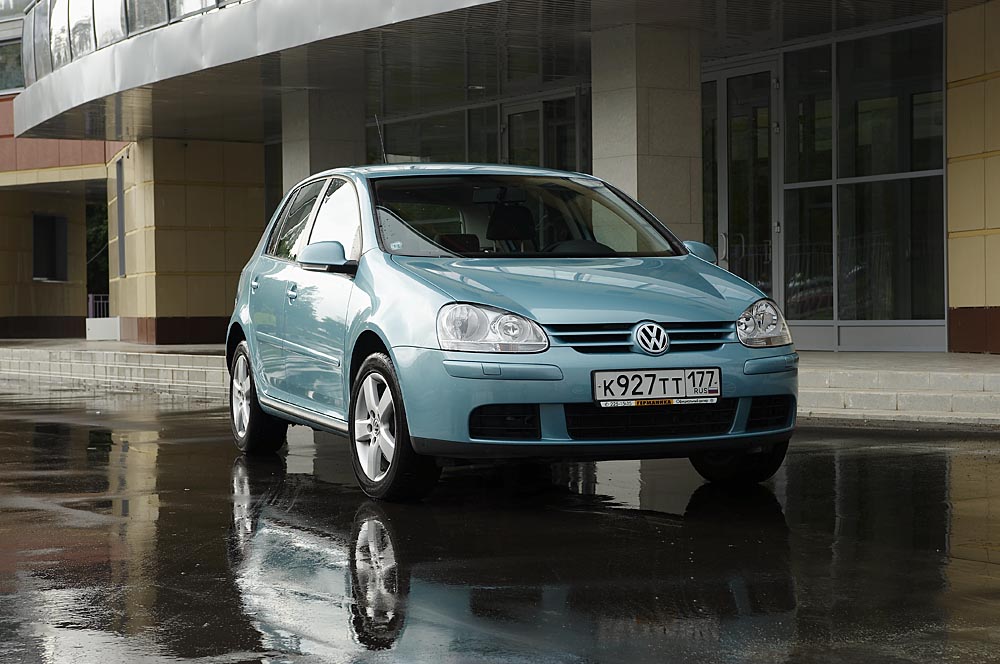
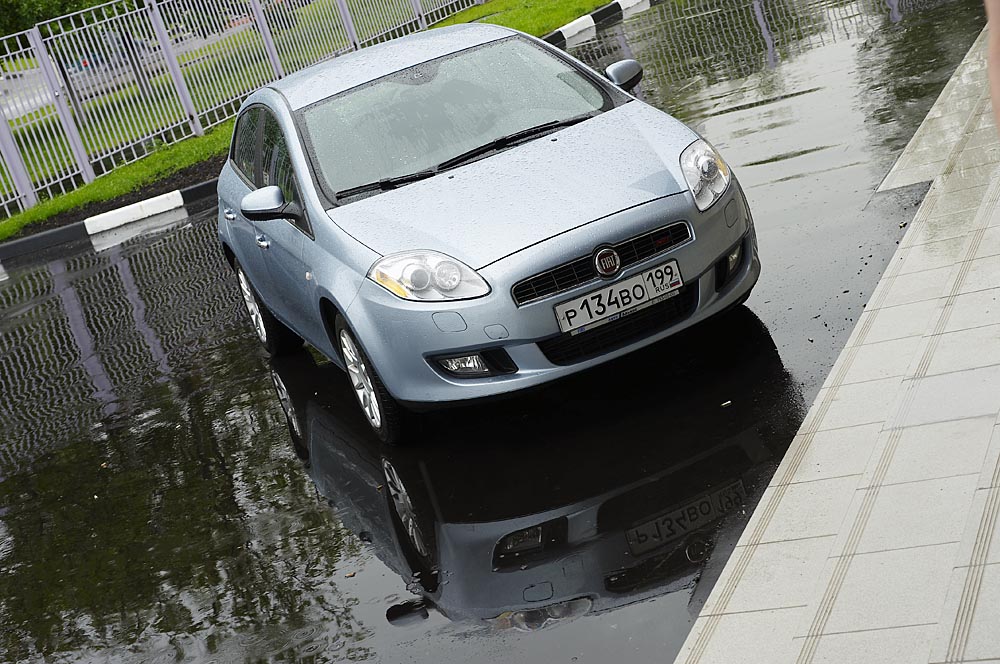
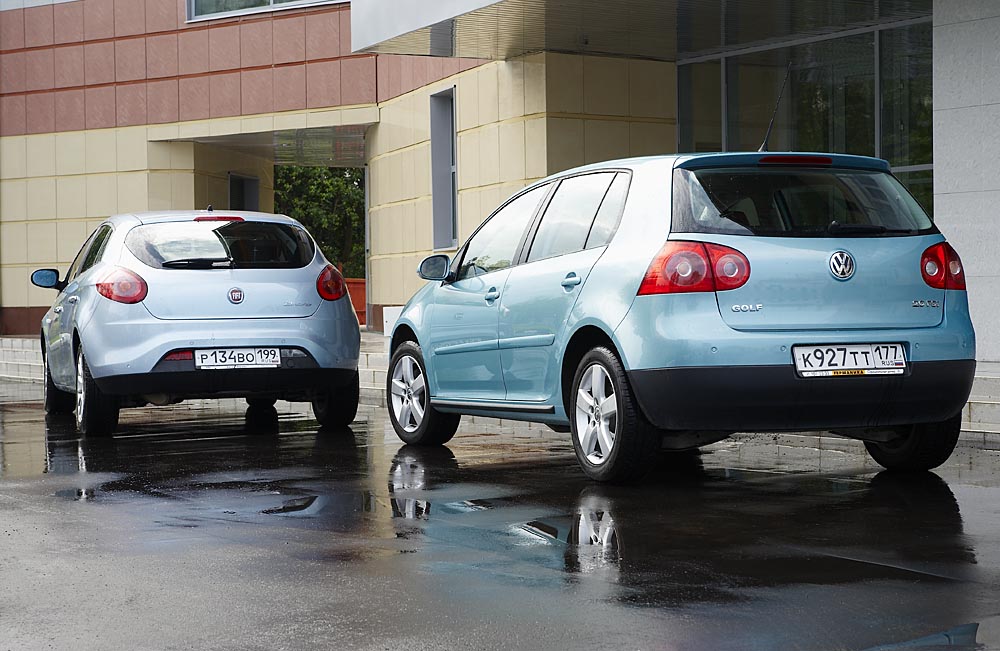 Although calling the Stilo a complete failure would be unfair. Remember its looks? Personally, I still find this hatchback appealing. However, Italians have always drawn better than others. And this time they did their art homework better than anyone. Including better than the Golf. And there's no need to make excuses for the German, saying that it's old, that it has different values, and that it doesn't rely on design – it didn't, it doesn't, and it won't. Although some might find the somewhat boring but self-sufficient look of the "sock" appealing, of course. But just put the Bravo next to it – the Italian is flawless! And "bravo" – in this case, we say to the gentlemen from the FIAT Style Center. The Golf's interior is familiar and at first glance even more boring than its exterior. But it's comfortable, cozy, and pleasant. The trim materials haven't aged, and the build quality is something Italians will be learning from their German colleagues until the end of time. In the modest-looking Golf cabin, there's a very distinct feeling of premium quality, and it only intensifies when the car starts moving… Although calling the Stilo a complete failure would be unfair. Remember its looks? Personally, I still find this hatchback appealing. However, Italians have always drawn better than others. And this time they did their art homework better than anyone. Including better than the Golf. And there's no need to make excuses for the German, saying that it's old, that it has different values, and that it doesn't rely on design – it didn't, it doesn't, and it won't. Although some might find the somewhat boring but self-sufficient look of the "sock" appealing, of course. But just put the Bravo next to it – the Italian is flawless! And "bravo" – in this case, we say to the gentlemen from the FIAT Style Center. The Golf's interior is familiar and at first glance even more boring than its exterior. But it's comfortable, cozy, and pleasant. The trim materials haven't aged, and the build quality is something Italians will be learning from their German colleagues until the end of time. In the modest-looking Golf cabin, there's a very distinct feeling of premium quality, and it only intensifies when the car starts moving… |
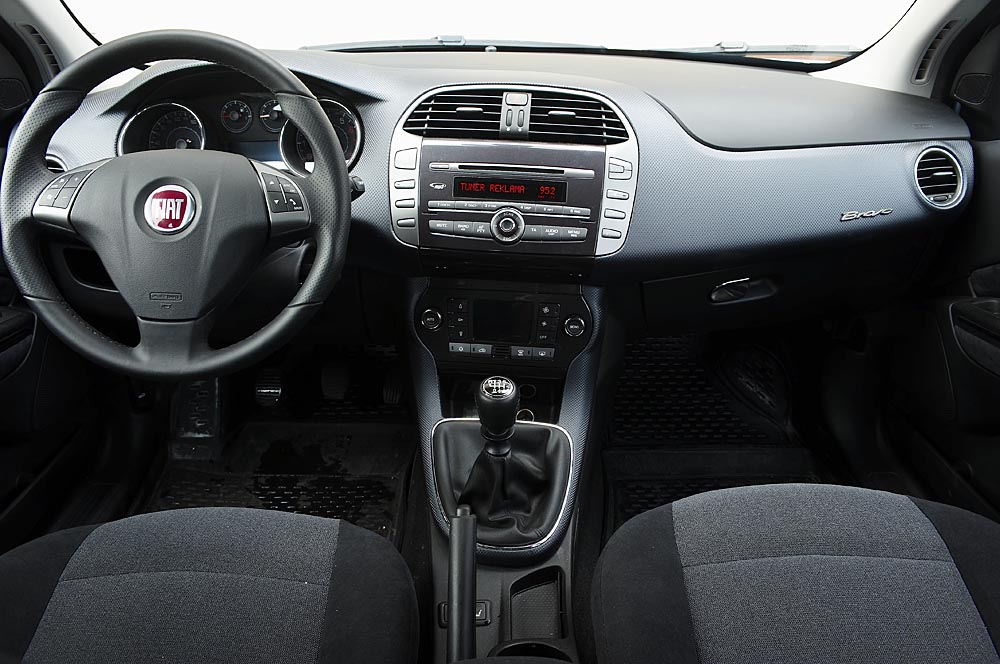
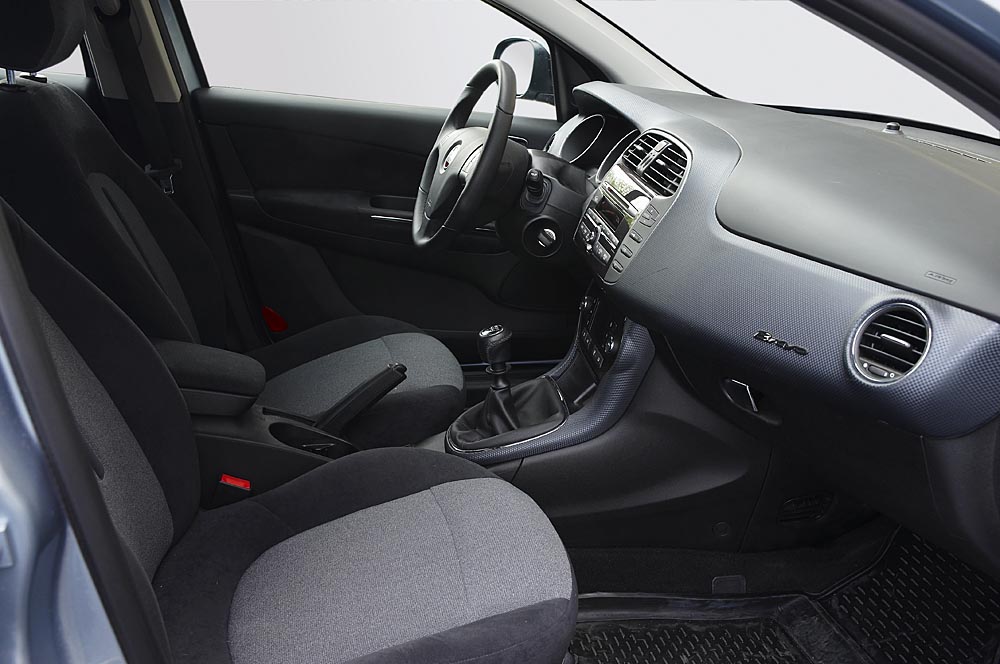
 But wait! It's too early to drive. We haven't even looked inside the Bravo. What surprise have Fiat's interior designers prepared for us? I open the heavy door and… stand for a few seconds with my mouth agape. Trying to put my emotions into coherent streams of thought. This interior was drawn with bold strokes. It feels like it went straight into production from the designers' pencil sketches. Moreover, they didn't even let the technologists get a word in. The mere trim of the front panel with bluish elastic plastic that imitates carbon fiber is worth a lot. But wait! It's too early to drive. We haven't even looked inside the Bravo. What surprise have Fiat's interior designers prepared for us? I open the heavy door and… stand for a few seconds with my mouth agape. Trying to put my emotions into coherent streams of thought. This interior was drawn with bold strokes. It feels like it went straight into production from the designers' pencil sketches. Moreover, they didn't even let the technologists get a word in. The mere trim of the front panel with bluish elastic plastic that imitates carbon fiber is worth a lot. |
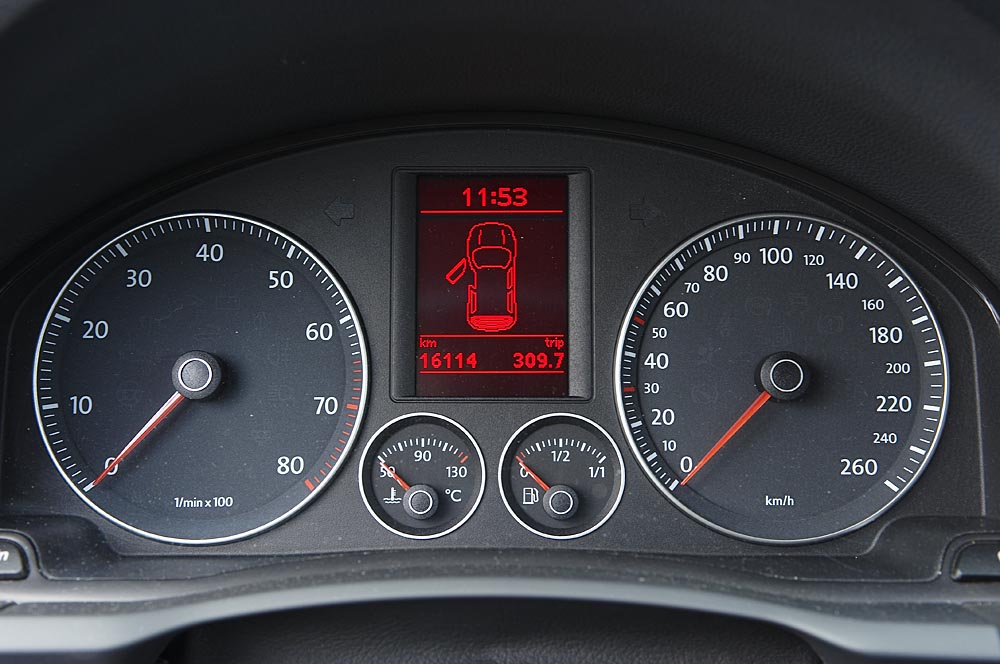
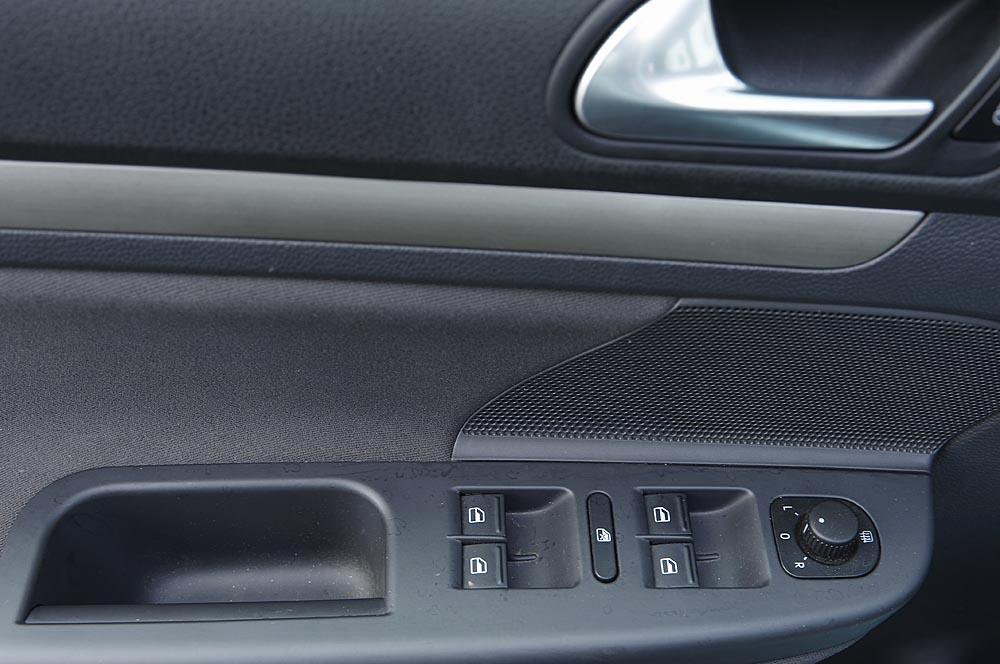
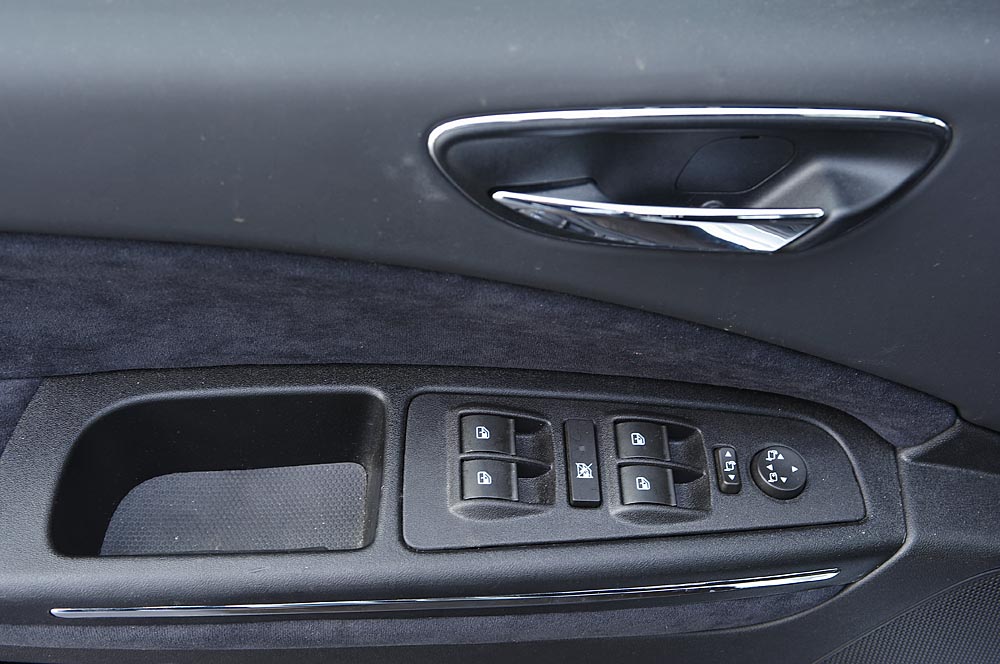
 But as you study the interior more closely, the initial delight subsides a bit. The eclectic trim with heterogeneous plastic is surprising. It all looks, seemingly, harmonious, but some things could have been done more neatly. For example, the plastic framing the door handles or the USB connector sticking out like a white crow. The seating position here is not as comfortable as in the Golf. The climate control works worse. Better visibility is also the German's forte. And the sound quality of the audio system is not the Bravo's strongest point. But as you study the interior more closely, the initial delight subsides a bit. The eclectic trim with heterogeneous plastic is surprising. It all looks, seemingly, harmonious, but some things could have been done more neatly. For example, the plastic framing the door handles or the USB connector sticking out like a white crow. The seating position here is not as comfortable as in the Golf. The climate control works worse. Better visibility is also the German's forte. And the sound quality of the audio system is not the Bravo's strongest point. |
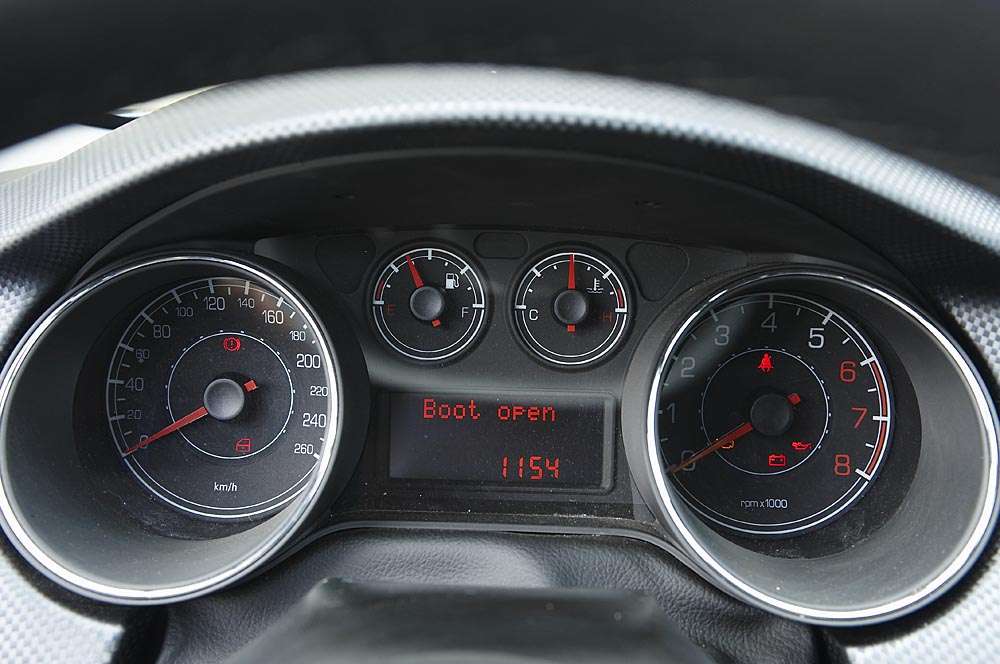
 Ergonomics? For Italians, the synonym for this word is "habit." Yes, yes, you'll have to get used to the placement of many buttons. Just like the dim speedometer. But what stylish fonts, what exciting red backlighting! The Golf owner sits and quietly rejoices in the excellent ergonomics, great seats, and build quality with the prefix "super." And the Bravo driver's mood is lifted by people who get into his car for the first time. They don't have time to scrutinize assembly nuances or assess the convenience of using the rear wiper. Just "wow" and a thumbs up. Try to surprise someone that much with the Golf's interior, even the most loaded one. Ergonomics? For Italians, the synonym for this word is "habit." Yes, yes, you'll have to get used to the placement of many buttons. Just like the dim speedometer. But what stylish fonts, what exciting red backlighting! The Golf owner sits and quietly rejoices in the excellent ergonomics, great seats, and build quality with the prefix "super." And the Bravo driver's mood is lifted by people who get into his car for the first time. They don't have time to scrutinize assembly nuances or assess the convenience of using the rear wiper. Just "wow" and a thumbs up. Try to surprise someone that much with the Golf's interior, even the most loaded one. |
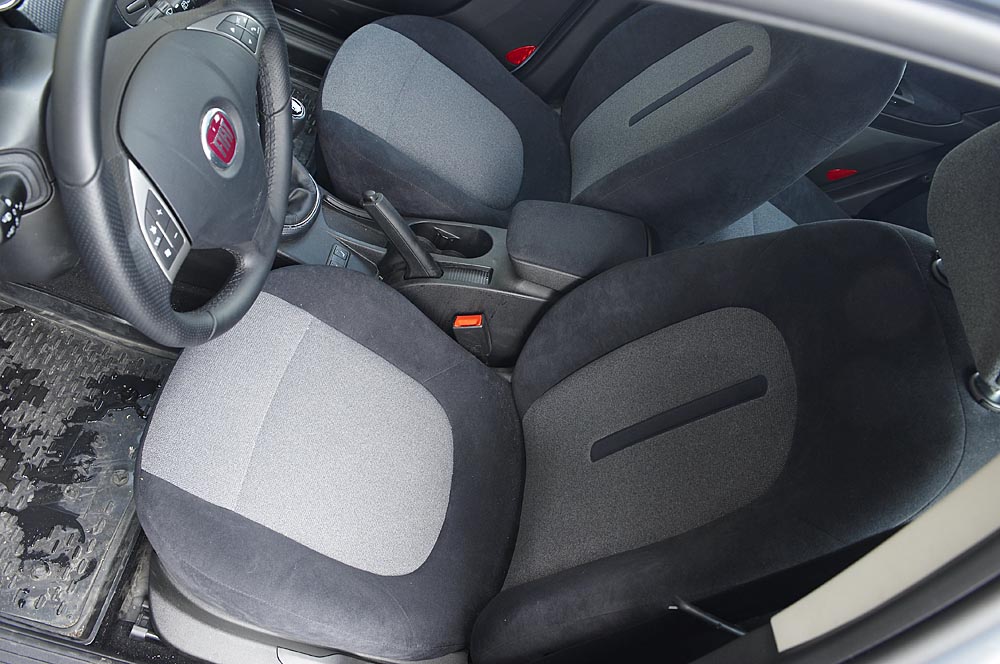
 However, a visitor to the Bravo's cabin might also curse the Italian designers. For example, if they hit their head on the door frame while sitting on the high-set front seat. These seats are orthopedists at heart. Once you sit in them, you immediately have to straighten your shoulders. The shape of the backrest is pushing, and it's extremely firm. After the Golf, I took a couple of days to get used to the preventive seating position. And I did get used to it! But in every fast corner, I fondly remembered the grippy, embracing seats of the German competitor. We really wanted to get a Golf with a manual transmission, but few people buy a two-liter car without an "automatic," and test fleets don't keep such cars. Therefore, comparing acceleration dynamics could only be done with a certain degree of theorizing. But we can pit the engines face to face without any doubts or reservations. However, a visitor to the Bravo's cabin might also curse the Italian designers. For example, if they hit their head on the door frame while sitting on the high-set front seat. These seats are orthopedists at heart. Once you sit in them, you immediately have to straighten your shoulders. The shape of the backrest is pushing, and it's extremely firm. After the Golf, I took a couple of days to get used to the preventive seating position. And I did get used to it! But in every fast corner, I fondly remembered the grippy, embracing seats of the German competitor. We really wanted to get a Golf with a manual transmission, but few people buy a two-liter car without an "automatic," and test fleets don't keep such cars. Therefore, comparing acceleration dynamics could only be done with a certain degree of theorizing. But we can pit the engines face to face without any doubts or reservations. |
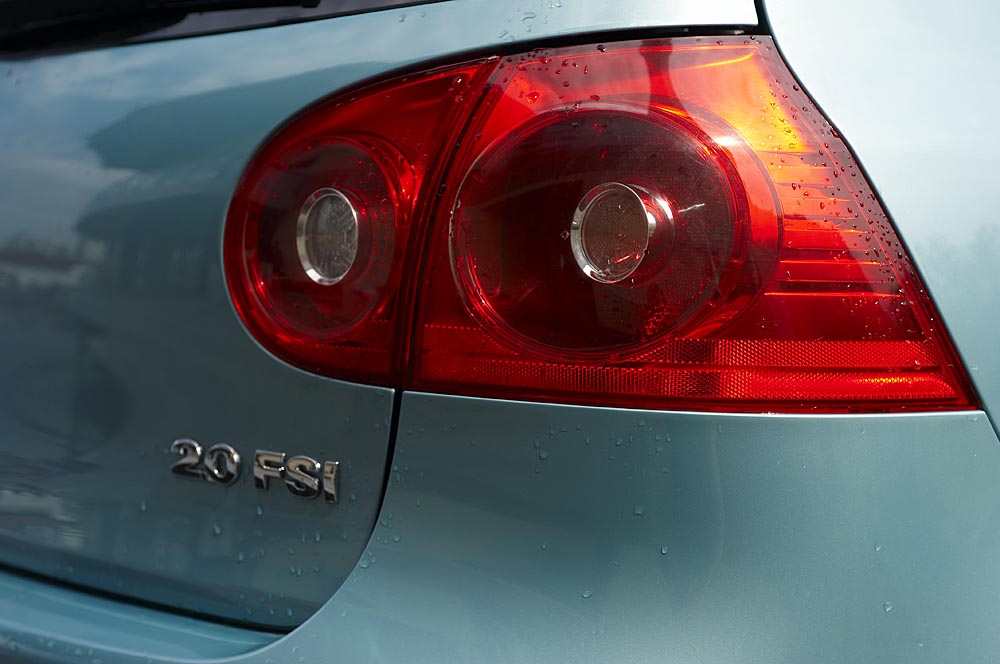
 This is a confrontation between the old and new schools of engine building. Under the blue German hood is the familiar 2-liter inline four. Who can you surprise with that now? Even with FSI injection? Such engines will soon become a turned page in the annals of automotive engineering, because small-displacement turbocharged engines are rapidly coming into vogue. In this light, it was very interesting to arrange a comparison between adherents of the old school and the new wave. In essence, the two-liter naturally aspirated engine has only two obvious advantages: elasticity across the entire rev range and more predictable responses to the accelerator. Otherwise, it's just a workhorse. This is a confrontation between the old and new schools of engine building. Under the blue German hood is the familiar 2-liter inline four. Who can you surprise with that now? Even with FSI injection? Such engines will soon become a turned page in the annals of automotive engineering, because small-displacement turbocharged engines are rapidly coming into vogue. In this light, it was very interesting to arrange a comparison between adherents of the old school and the new wave. In essence, the two-liter naturally aspirated engine has only two obvious advantages: elasticity across the entire rev range and more predictable responses to the accelerator. Otherwise, it's just a workhorse. |
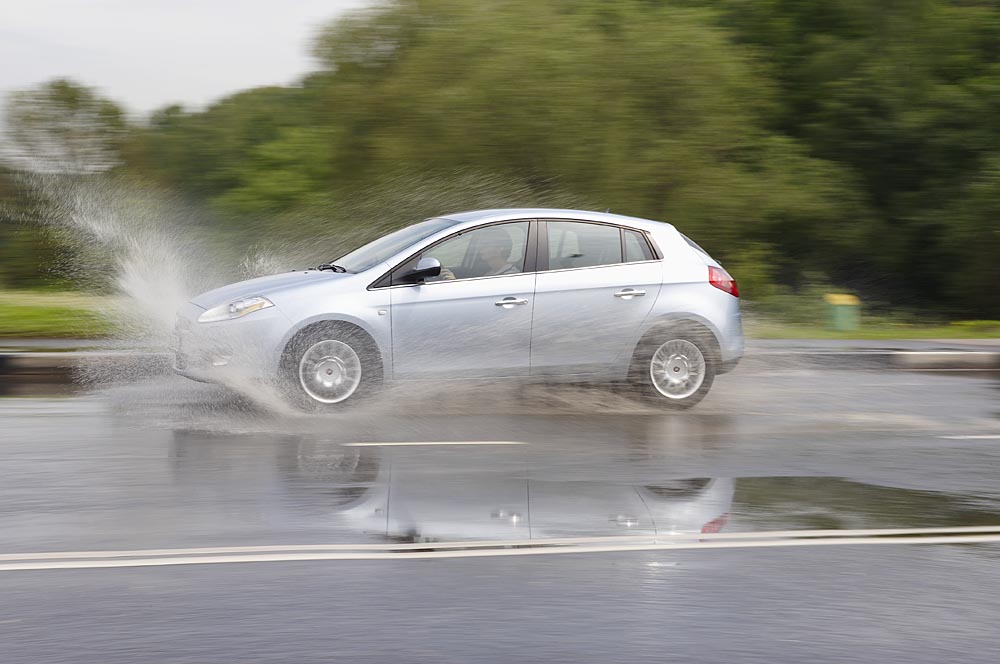 But the T-Jet is a terrible provocateur! I admit, I drove the Fiat calmly only once. And even then, as an experiment (checking fuel economy). All the rest of the time – "pedal to the metal"! And even though this engine is dead up to two thousand revs, even though it drinks more than the naturally aspirated opponent in boost mode, what it gives in return you can't buy at a gas station for any money. Wielding the lever of the Italian-style loose gearbox (good thing the shifts are precise), I cut the traffic flow to pieces with the blue beast. First gear, pause, surge, the angry roar of the little turbo, a leap forward. Second – with a jolt, and on the wave of intoxicating turbo acceleration, Bravo and I fly out of the sluggish traffic like a cork. 8.5 seconds to a hundred, it turns out, can be a good adrenaline rush! But with this little engine, there's life after a hundred. A hundred and fifty horses, backed by solid torque, allow you to quickly reach the 200 km/h mark and not get lost on the highway in this adult speed range. But the T-Jet is a terrible provocateur! I admit, I drove the Fiat calmly only once. And even then, as an experiment (checking fuel economy). All the rest of the time – "pedal to the metal"! And even though this engine is dead up to two thousand revs, even though it drinks more than the naturally aspirated opponent in boost mode, what it gives in return you can't buy at a gas station for any money. Wielding the lever of the Italian-style loose gearbox (good thing the shifts are precise), I cut the traffic flow to pieces with the blue beast. First gear, pause, surge, the angry roar of the little turbo, a leap forward. Second – with a jolt, and on the wave of intoxicating turbo acceleration, Bravo and I fly out of the sluggish traffic like a cork. 8.5 seconds to a hundred, it turns out, can be a good adrenaline rush! But with this little engine, there's life after a hundred. A hundred and fifty horses, backed by solid torque, allow you to quickly reach the 200 km/h mark and not get lost on the highway in this adult speed range. |
 And what about the Golf? With an automatic, of course, you can forget about a dashing start from a standstill. But even with a manual, it's unlikely to charge like the Fiat. The German doesn't lose much in dynamics, but it gains speed completely differently – without surges, without that rousing growl. If you've never sat behind the wheel of a VW Golf, you'll probably like the Fiat's handling. The steering wheel with an excellent rim receives sufficient "electric" feedback. Body roll in corners is minimal. Responses to steering are lively. But the Italian suspension lacks resilience and energy capacity. If there's broken asphalt under the wheels, you either have to noticeably slow down or put up with sensitive, loud impacts. Oh, if only the suspension were just a bit tighter! By the way, such an option is available. It's the Sport version, with stiffer shock absorbers, a sport steering mode, and 17-inch wheels. And what about the Golf? With an automatic, of course, you can forget about a dashing start from a standstill. But even with a manual, it's unlikely to charge like the Fiat. The German doesn't lose much in dynamics, but it gains speed completely differently – without surges, without that rousing growl. If you've never sat behind the wheel of a VW Golf, you'll probably like the Fiat's handling. The steering wheel with an excellent rim receives sufficient "electric" feedback. Body roll in corners is minimal. Responses to steering are lively. But the Italian suspension lacks resilience and energy capacity. If there's broken asphalt under the wheels, you either have to noticeably slow down or put up with sensitive, loud impacts. Oh, if only the suspension were just a bit tighter! By the way, such an option is available. It's the Sport version, with stiffer shock absorbers, a sport steering mode, and 17-inch wheels. |
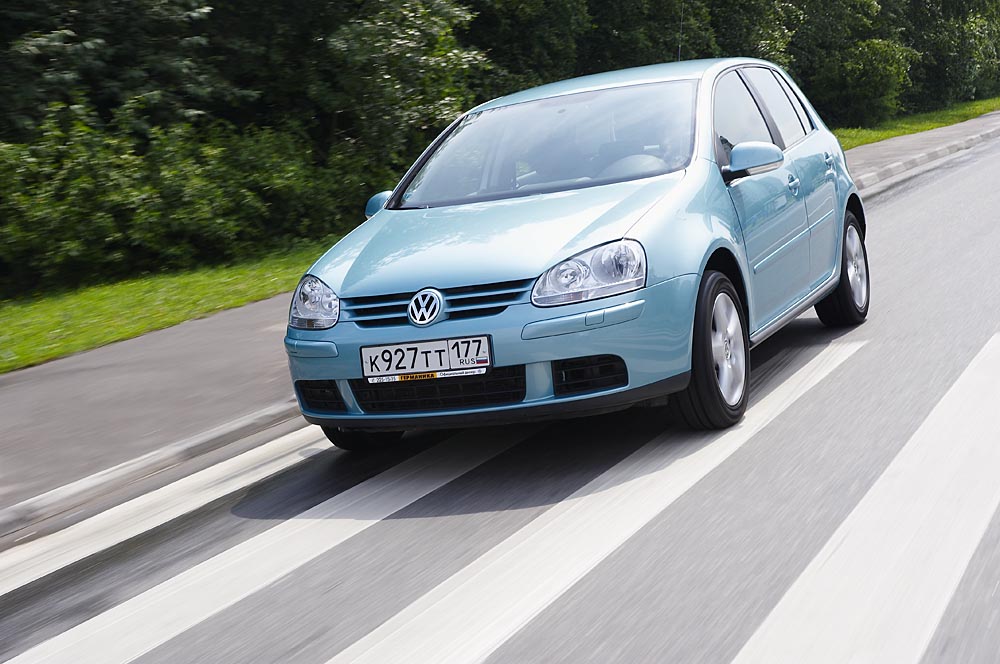
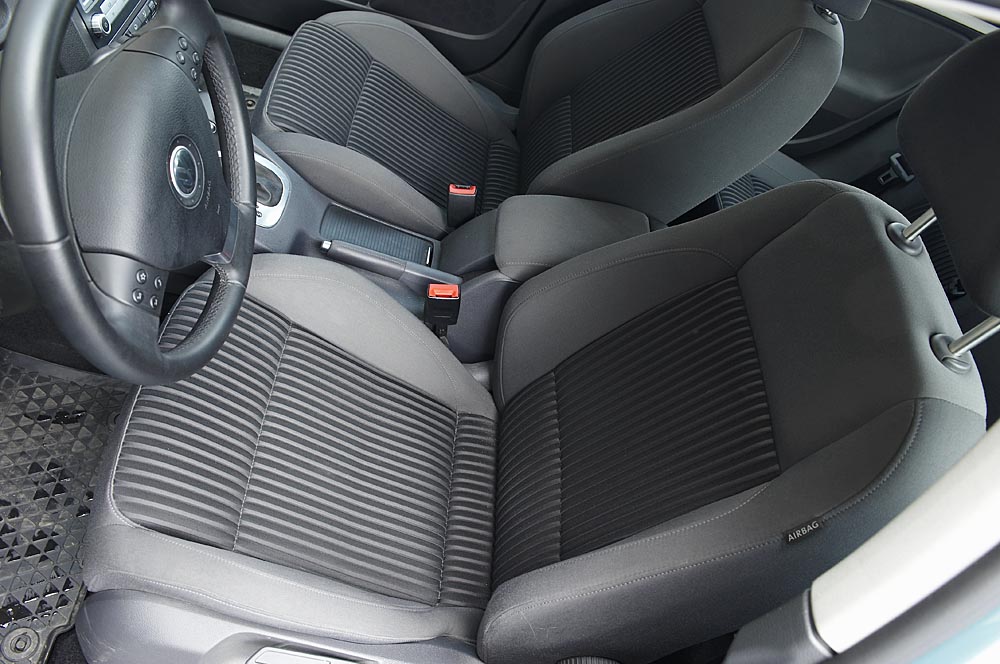
 The Golf doesn't need any sport versions; even in stock form, it will give a head start to everyone in the class with its exceptional road behavior. You sit in the excellently profiled seat, take the steering wheel with its amazing effort at any speed, and in the first corner you feel the car as a whole – like part of your body! As if you've been sitting here since birth. The Golf does everything exactly as you expect – changes lanes, glides, resiliently overcomes bad road sections. Behind its wheel, you enjoy every meter of movement. And the even engine, despite all its boredom, performs better where traction helps not only to accelerate but also to change the trajectory. In the "handling" discipline, the German participant wins an unconditional victory. As for brakes – it's a parity. The Golf doesn't need any sport versions; even in stock form, it will give a head start to everyone in the class with its exceptional road behavior. You sit in the excellently profiled seat, take the steering wheel with its amazing effort at any speed, and in the first corner you feel the car as a whole – like part of your body! As if you've been sitting here since birth. The Golf does everything exactly as you expect – changes lanes, glides, resiliently overcomes bad road sections. Behind its wheel, you enjoy every meter of movement. And the even engine, despite all its boredom, performs better where traction helps not only to accelerate but also to change the trajectory. In the "handling" discipline, the German participant wins an unconditional victory. As for brakes – it's a parity. |
 The days of the fifth Golf, despite all its merits, are, alas, numbered. And this is the first and essentially the only "con" to buying it. In all other respects, it's an amazing set of brilliant automotive qualities. Except for the emotions from contemplation. The Fiat is a contradictory car. Like any Italian, it's more striking outside and inside, but it lacks the completeness inherent in VW. But no one says you have to love only what's right. After all, when you love, you forgive flaws. Or you get used to them. The days of the fifth Golf, despite all its merits, are, alas, numbered. And this is the first and essentially the only "con" to buying it. In all other respects, it's an amazing set of brilliant automotive qualities. Except for the emotions from contemplation. The Fiat is a contradictory car. Like any Italian, it's more striking outside and inside, but it lacks the completeness inherent in VW. But no one says you have to love only what's right. After all, when you love, you forgive flaws. Or you get used to them. |
 |
 |
 |
 |
 |
 |
 |
 |
 |
 |
 |
 |
 |
 |
 |
Calculation on feelings
A newcomer to our market – Fiat Bravo – faces a serious test today. It will be examined by the golden standard of the golf class and the generally accepted benchmark. The old-timer against the rookie. A seasoned pro against a baby. Who will win?
Test drive photos
Comments
No comments yet. Say the first word.