
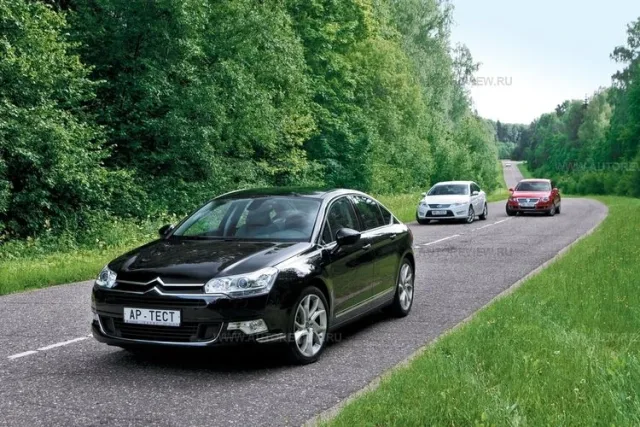
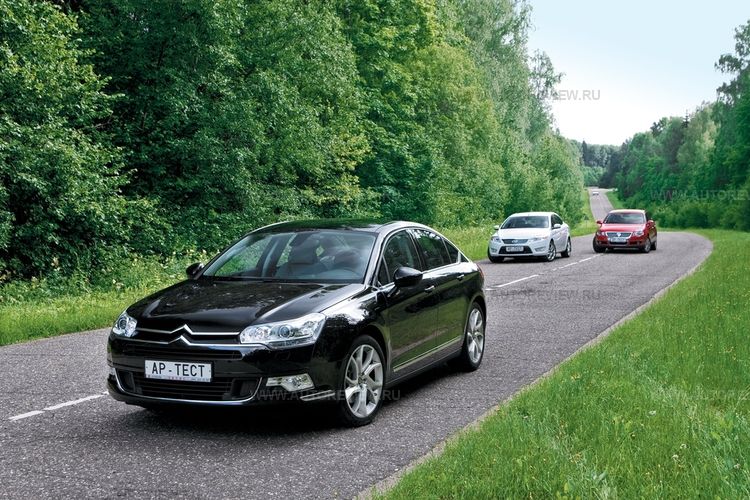
The new Citroen C5 — a "Frenchman" or a "German"? The sloping roof is like a bridge across the Rhine between French Strasbourg, that is, the stylish front end with a huge "double chevron," and German Offenburg — a heavy, solid rear. A serious car. And it costs seriously: one million three hundred thousand rubles for the "C-five" with a 215-horsepower three-liter V6 and an "automatic." Like the BMW 325iA and Audi A4 2.0 TFSI!
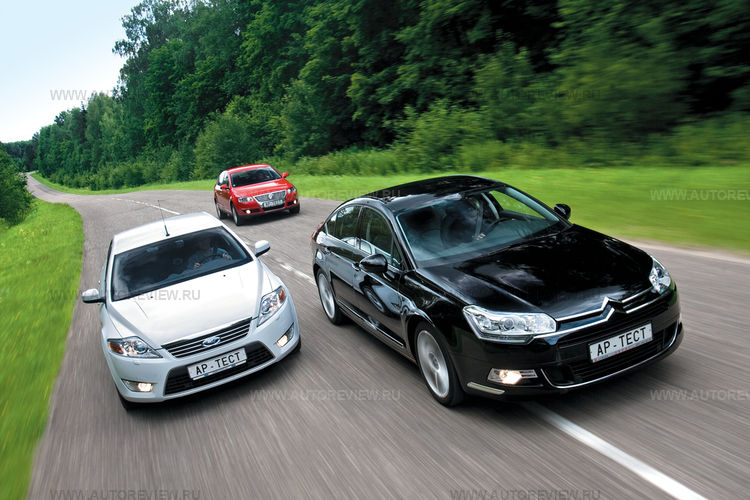
But we decided to first compare the Citroen with those "Germans" that are simpler — these are the 200-horsepower Volkswagen Passat 2.0 TFSI with an "automatic" and the 225-horsepower Ford Mondeo with a "manual." Especially since their price tags, though more modest, are not much lower: 1 million 237 thousand and 1 million 144 thousand rubles respectively.
With what a thoroughbred muffled sound the massive doors of the Citroen close! The seals are double, the door handles are almost Mercedes-like. And when the proprietary hydropneumatic suspension makes the Citroen "squat" by 45 mm, easing the already simple entry into the luxurious seat with vibration massage…
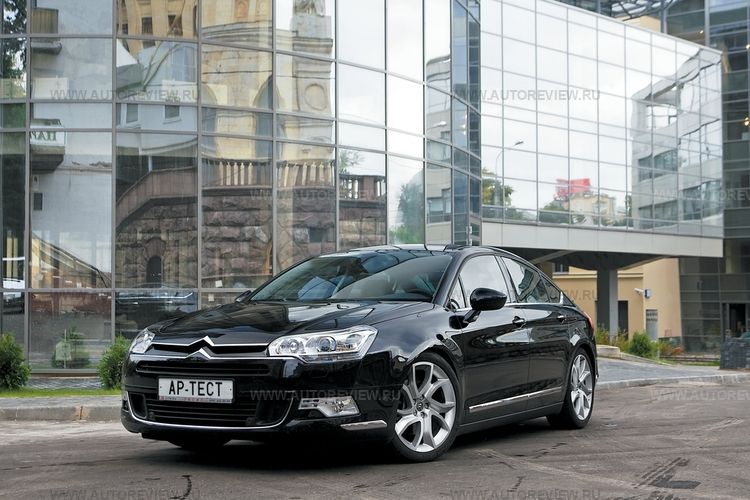
A real business class?
Inside, the Citroen C5 is also unexpectedly solid. This is not a Ford, where the panels "breathe" under your hand, nor even a Volkswagen with its stylish and high-quality, but still simple interior. In the French sedan, ordnung reigns — German order! It is in the correct geometricity of the interior, thin and even gaps, and the solidity of soft-plastic panels. Luxurious instruments with overhanging display saucers above the needles, a hidden zigzag slot of the "automatic" selector under a cover…
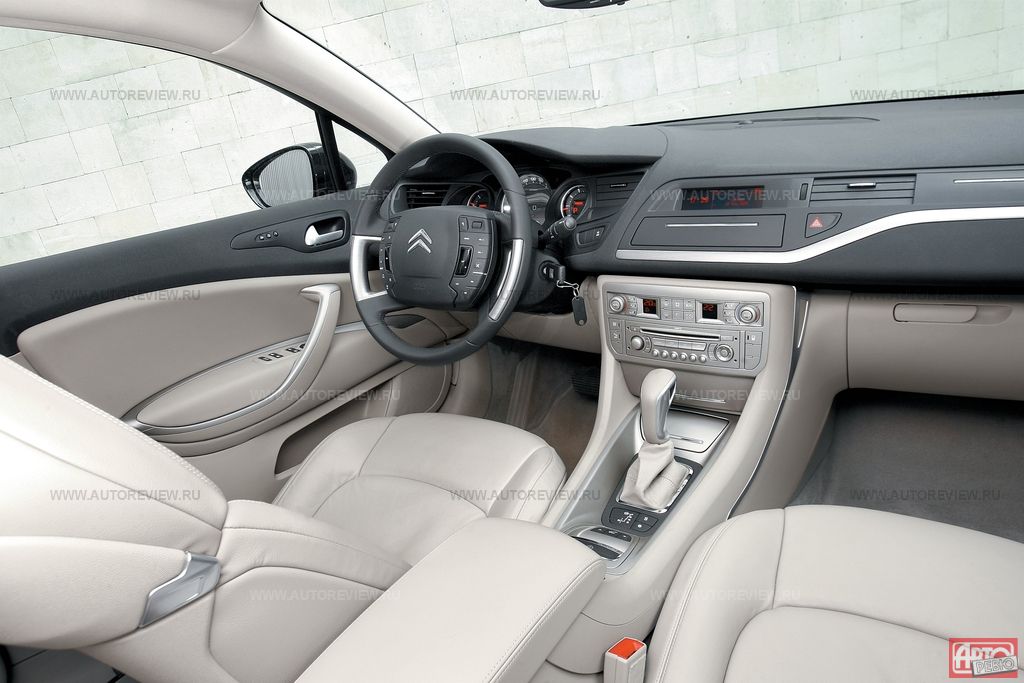 | 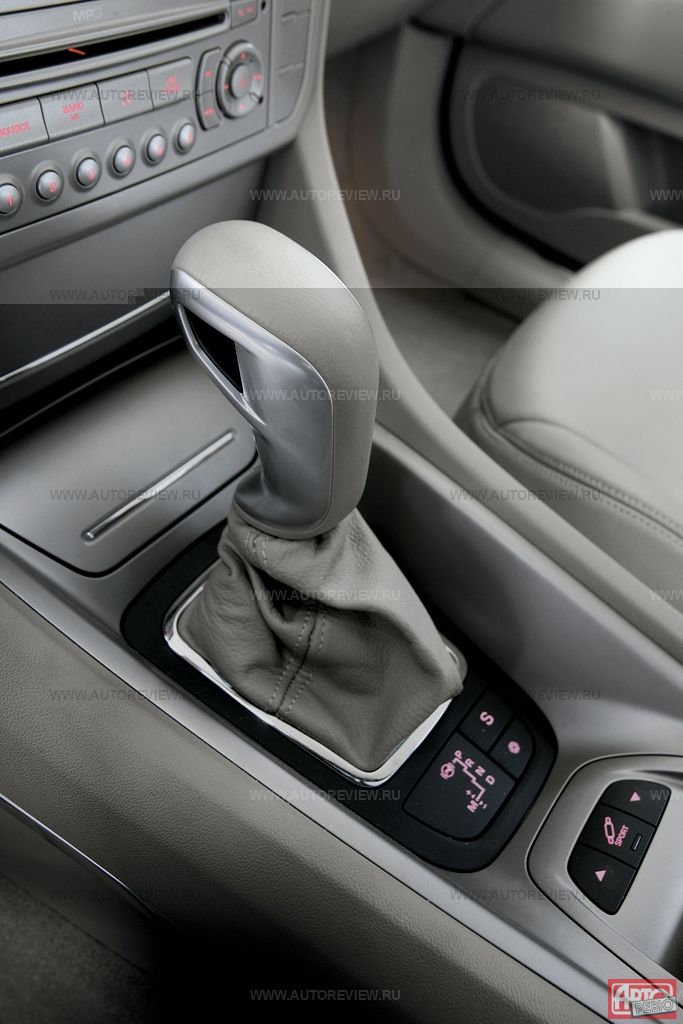 |
| Soft plastic, almost perfect panel fit, calm lines... New French values? | The six-speed "automatic" works smoothly, the lever moves along a zigzag slot: everything like in a Mercedes |
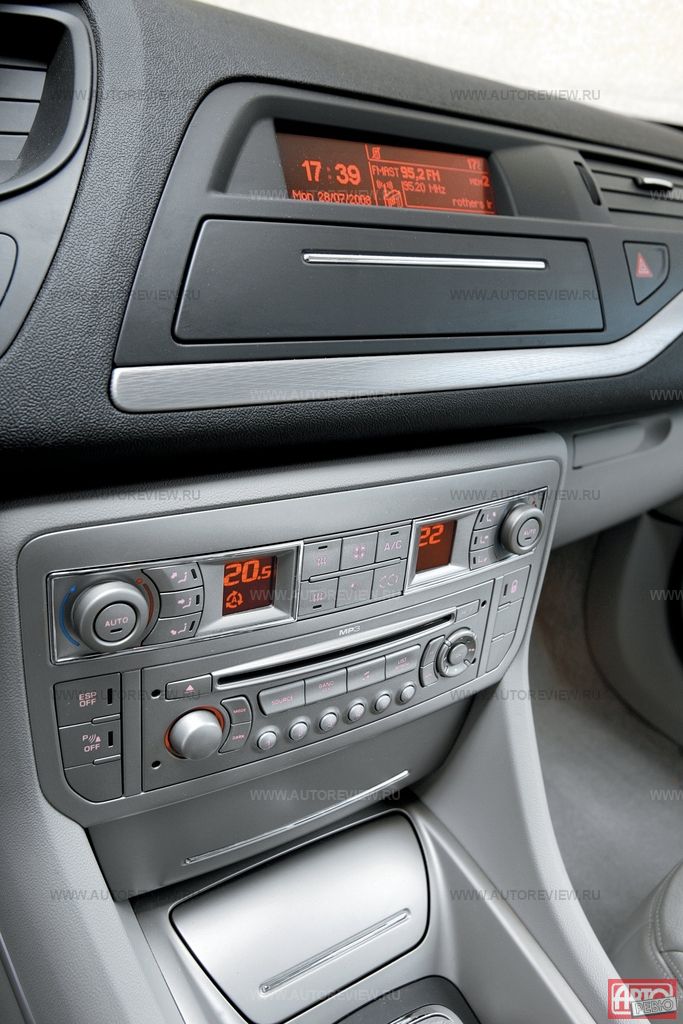 | 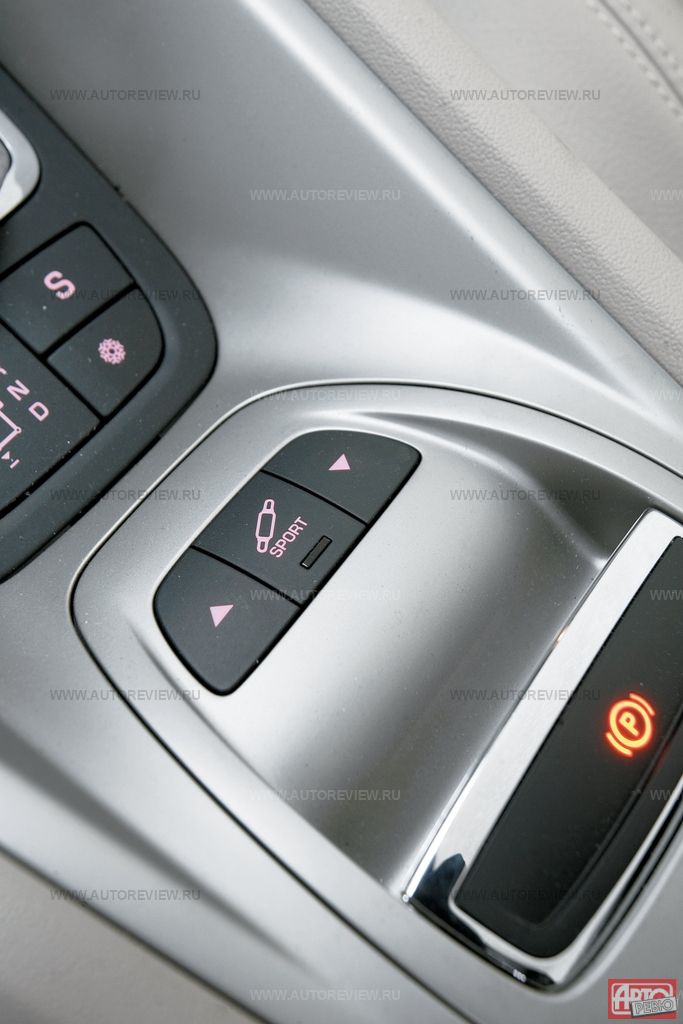 |
| Only Citroen offers fully separate "climate" — both by temperature and by direction of air flows | The Sport button can forcibly engage the "sport" mode of the hydropneumatic suspension, and the arrow keys can increase or decrease the ground clearance |
An island of France — the fixed steering wheel hub, like on all recent Citroens. The scatter of buttons on it is convenient to use — except that the horn buttons need to be searched for. The low-set seat is German-style firm — like in the Passat. Moreover, the seat profile is calibrated just as precisely. Furthermore, the backrest can be adjusted to the shape of your specific spine — the tilt of the upper part is adjustable!
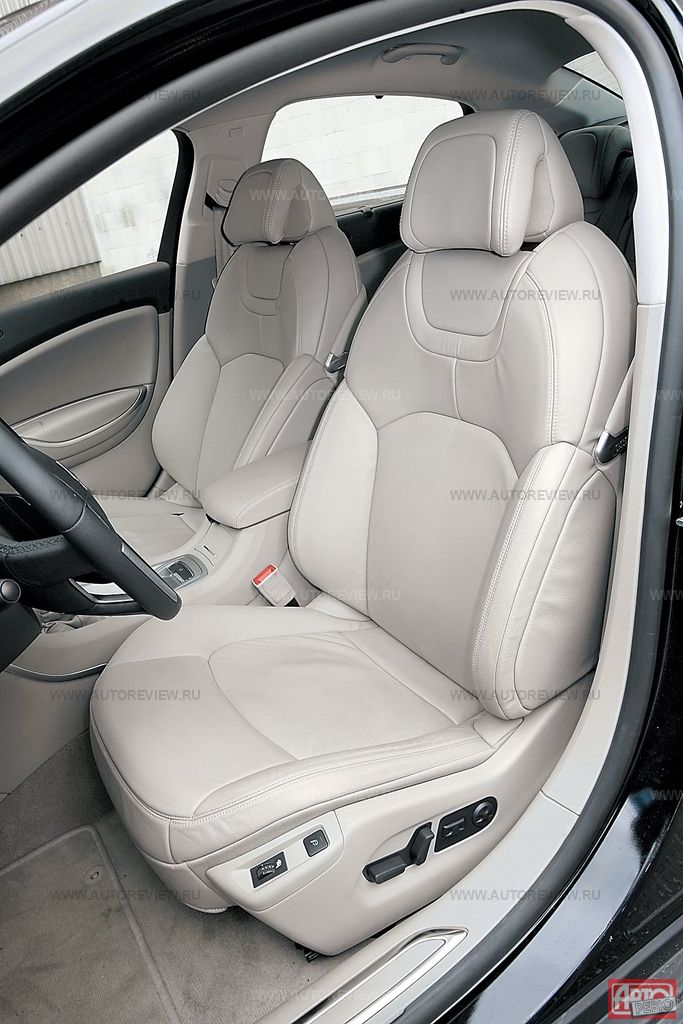 | 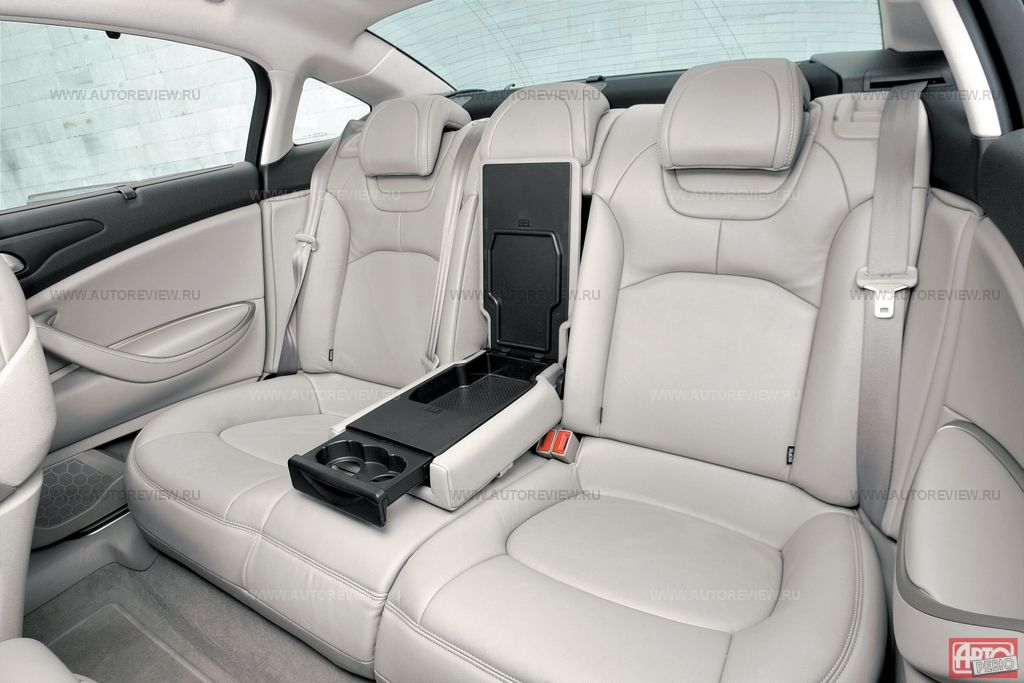 |
| The luxurious seat lacks only adjustment of the side support bolsters | The Citroen sofa and comfortable armrest-handles create a great atmosphere, but the Mondeo and Passat are more spacious |
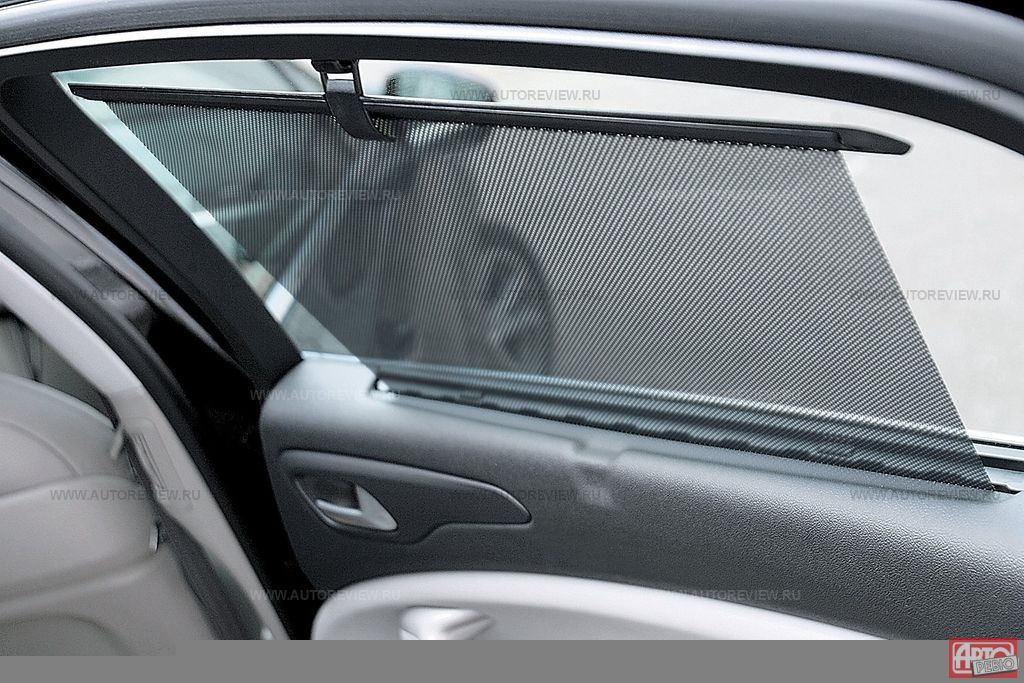 | |
| Unlike the Mondeo, you don't need to pay extra for the air ducts on the middle pillars in the Citroen | Curtains are standard equipment on the top version of the Citroen |
True, the Passat with its firm embrace of the reference seat is even better in ergonomics. In the Mondeo, the seats are not as dense, there is a large difference between the gas and brake pedals, and the HMI display, which on the Titanium X version displaced the main instruments, looks absurd without built-in navigation.
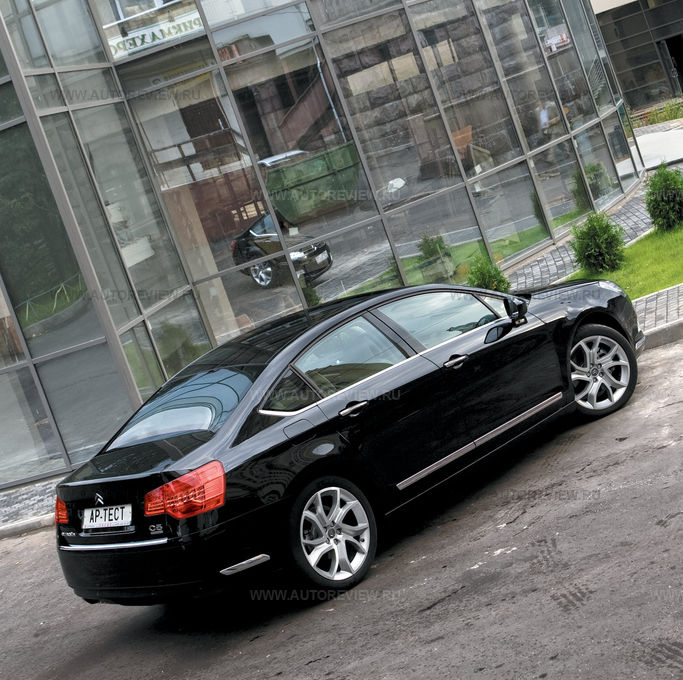
Who is faster? Definitely not the Citroen C5 V6. After all, it is 130 kg heavier than the Mondeo, and the difference in curb weight with the Passat even reaches two hundredweight! Therefore, when starting simultaneously from a standstill, the Citroen reaches 100 km/h in 10.2 s — almost two seconds later than the Passat and Mondeo.
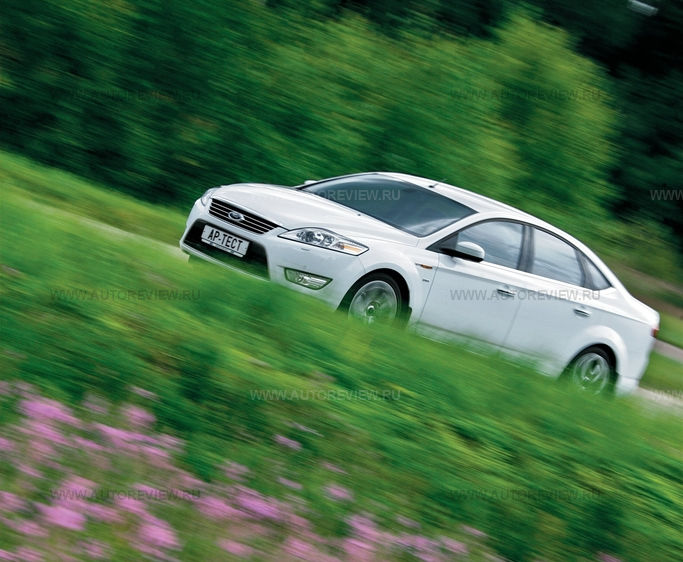
The ease with which the Mondeo dives into corners makes you completely forget about its huge dimensions
And why rush? Isn't it better to cruise at a calm pace, enjoying the velvet shifts of the "automatic"? But you need to think about overtaking in advance, because after a sharp press on the gas, the gearbox will search among its six gears for the right one, like a poor student at the blackboard rummaging in his pockets for a lifesaving cheat sheet. Two seconds pass, the lower gear is found, but the Citroen begins to accelerate unhurriedly, like a sleepy lion. And the damped gas pedal...
| Citroen C5 | Ford Mondeo | Volkswagen Passat |
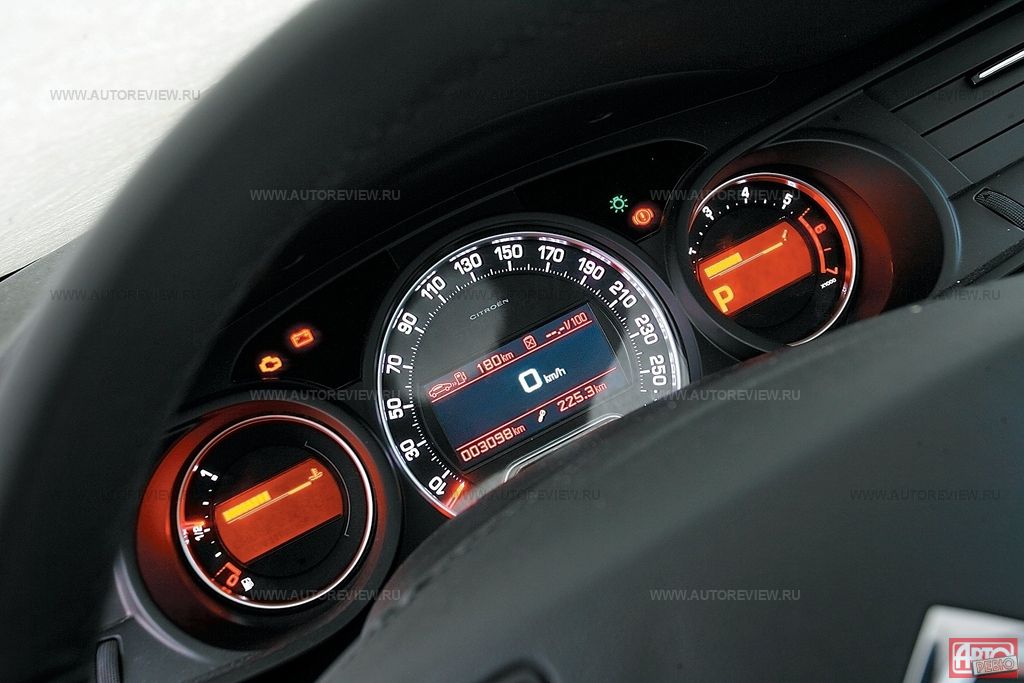 | 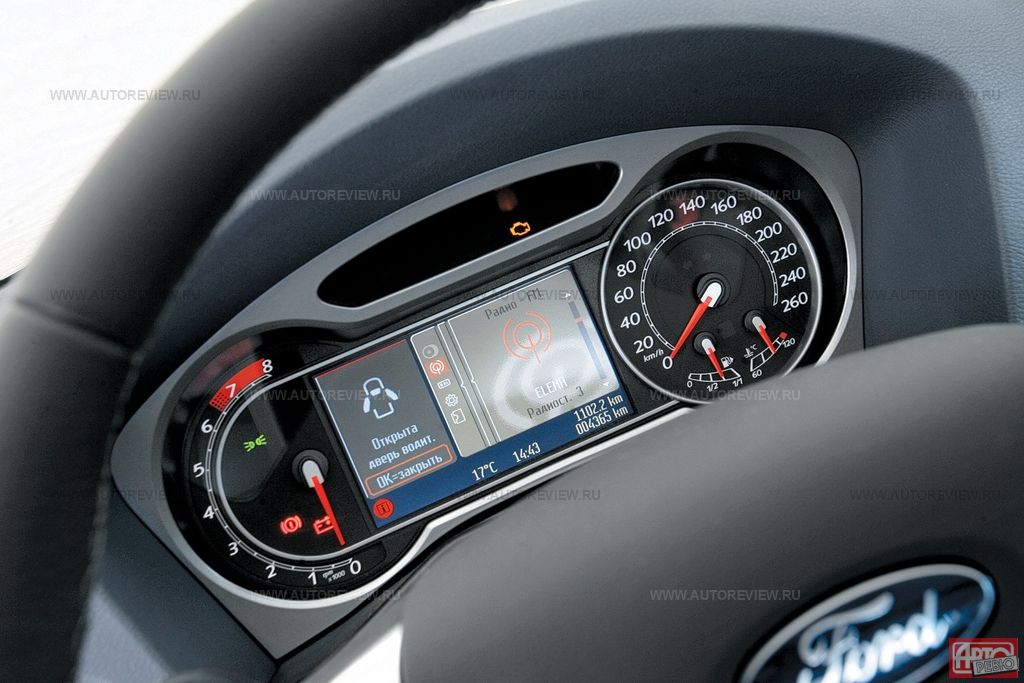 | 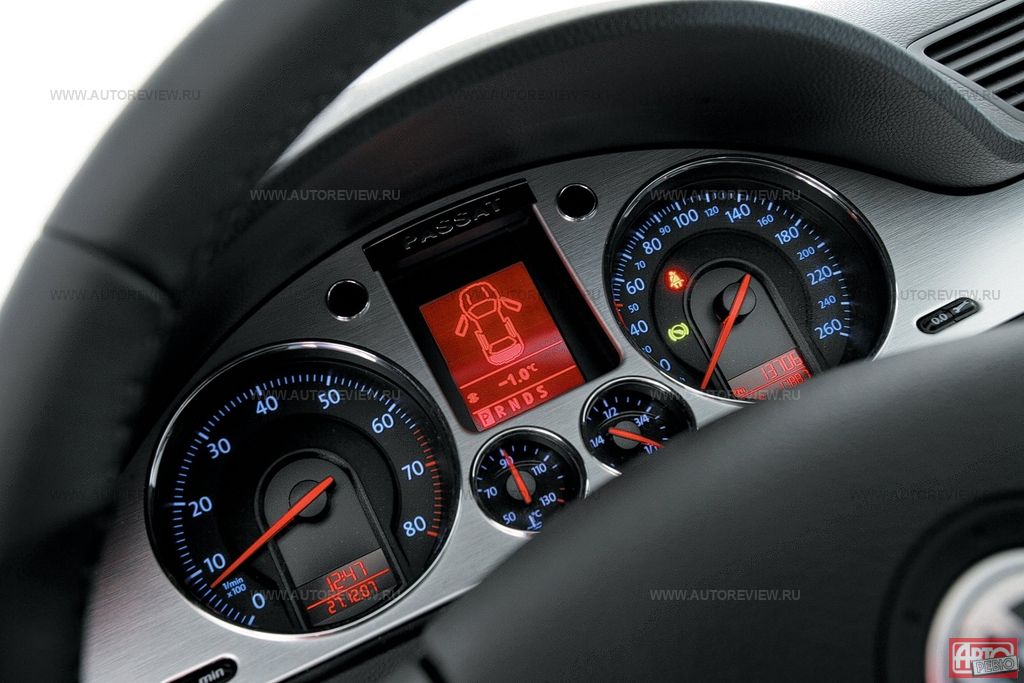 |
| The most convenient and beautiful instrument cluster is in the Citroen. The neon-red scales of the Passat and the Mondeo instruments, reduced in rights and size by the HMI display, are not as good | ||
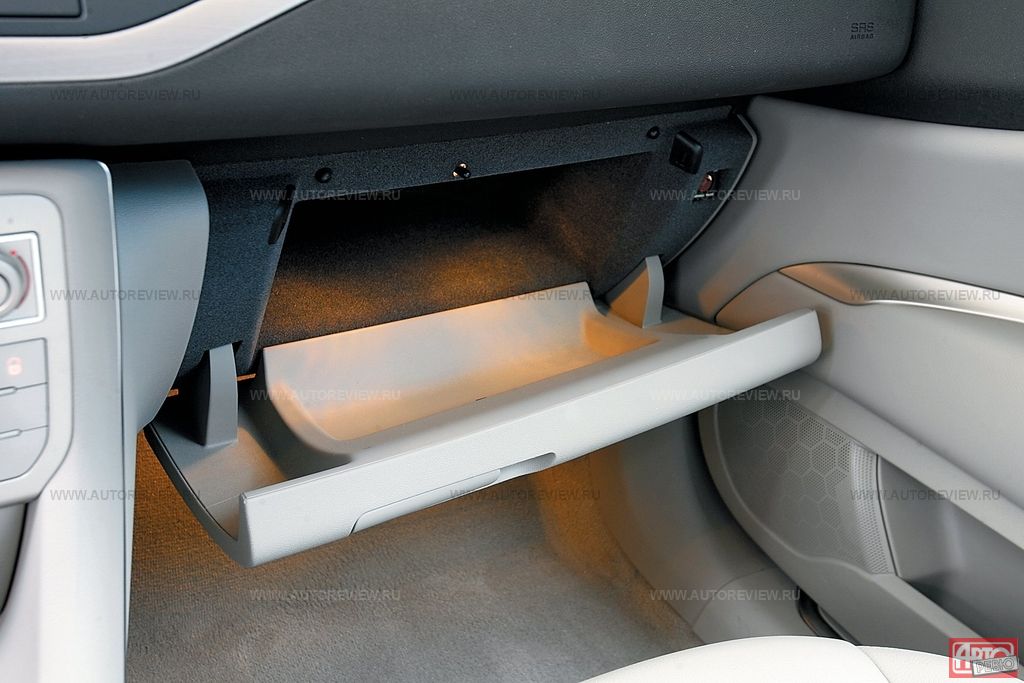 | 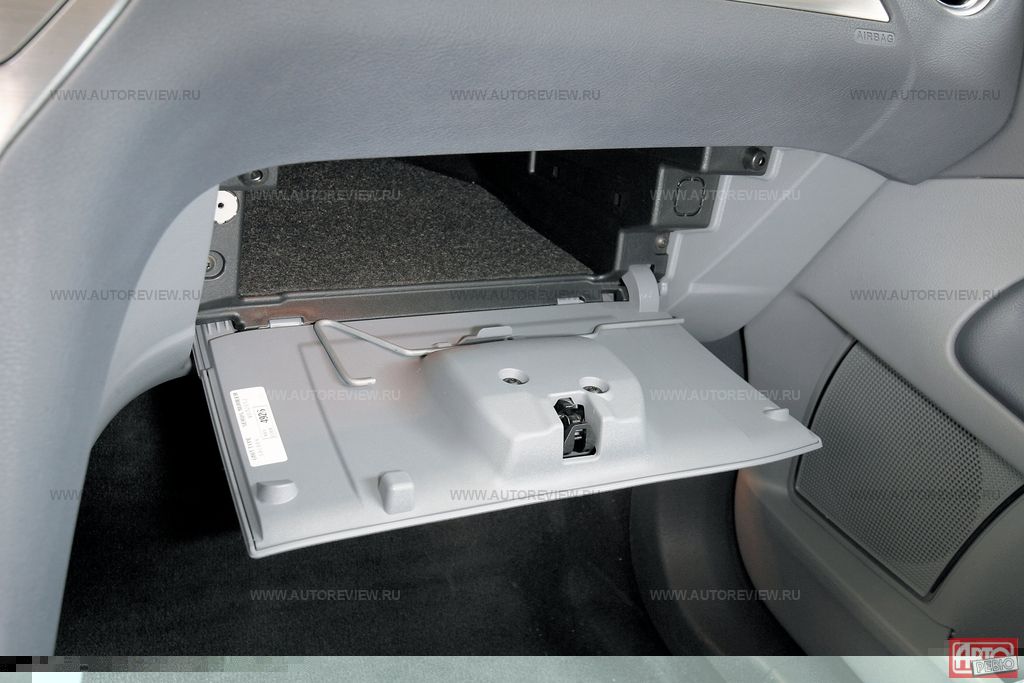 | 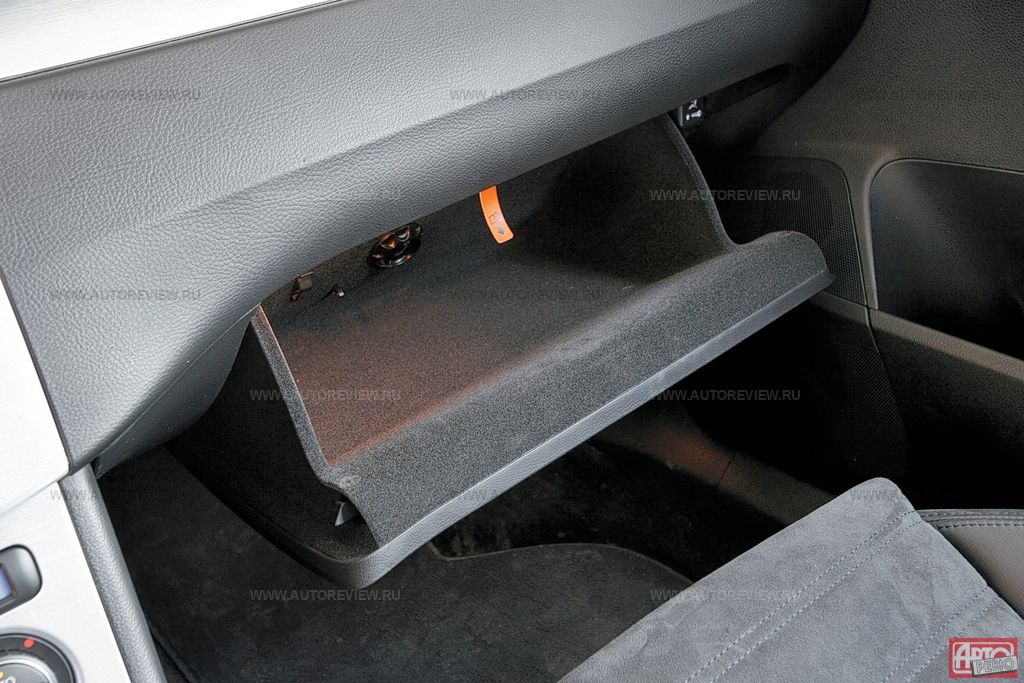 |
| The Mondeo's glove box is simply huge: your hand goes in almost up to the elbow. You can also place an A4 folder in the more modest glove box of the Passat. But it doesn't fit in the small compartment of the Citroen. In all cars, the glove boxes are cooled | ||
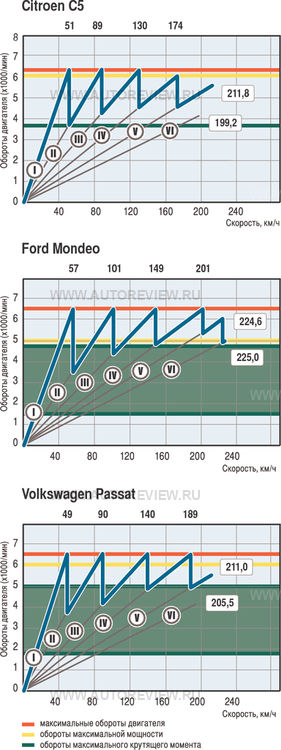
That's a different matter — the Passat and Mondeo with their turbo engines! They gain speed neck and neck — 8.4 s to a hundred. And with the stability system turned off, the Passat is even slightly faster, despite losing in power, lower efficiency of the "automatic," and one "extra" shift (the second gear of the "manual" Mondeo revs out exactly to 101 km/h). The Mondeo has an almost flawless "manual," and the Passat has an excellent automatic gearbox, which is especially good in Sport mode.
 | 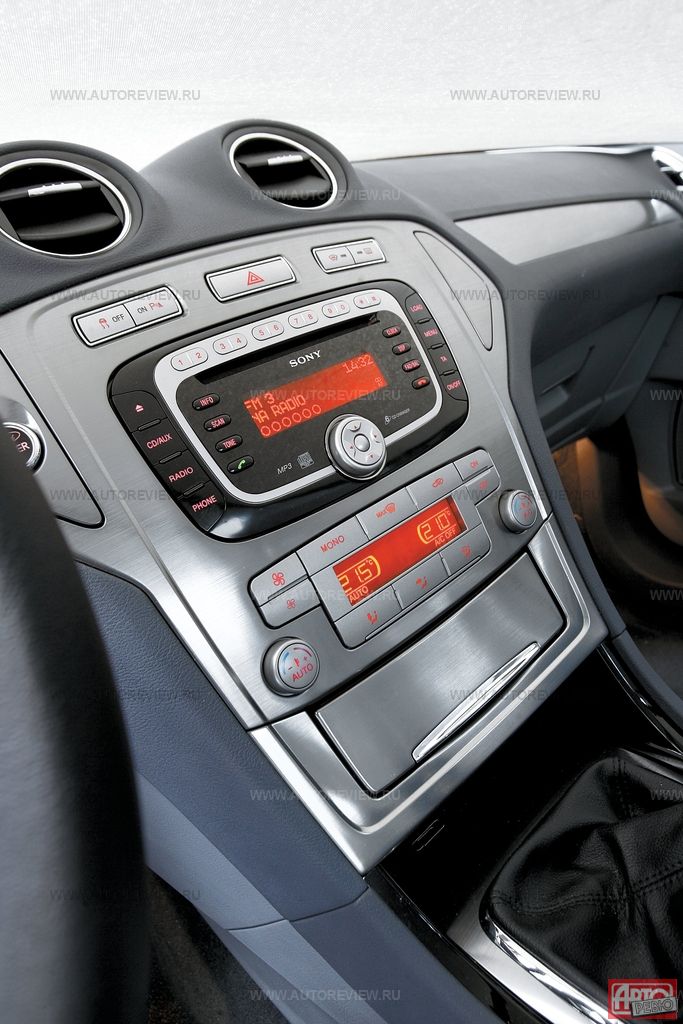 | 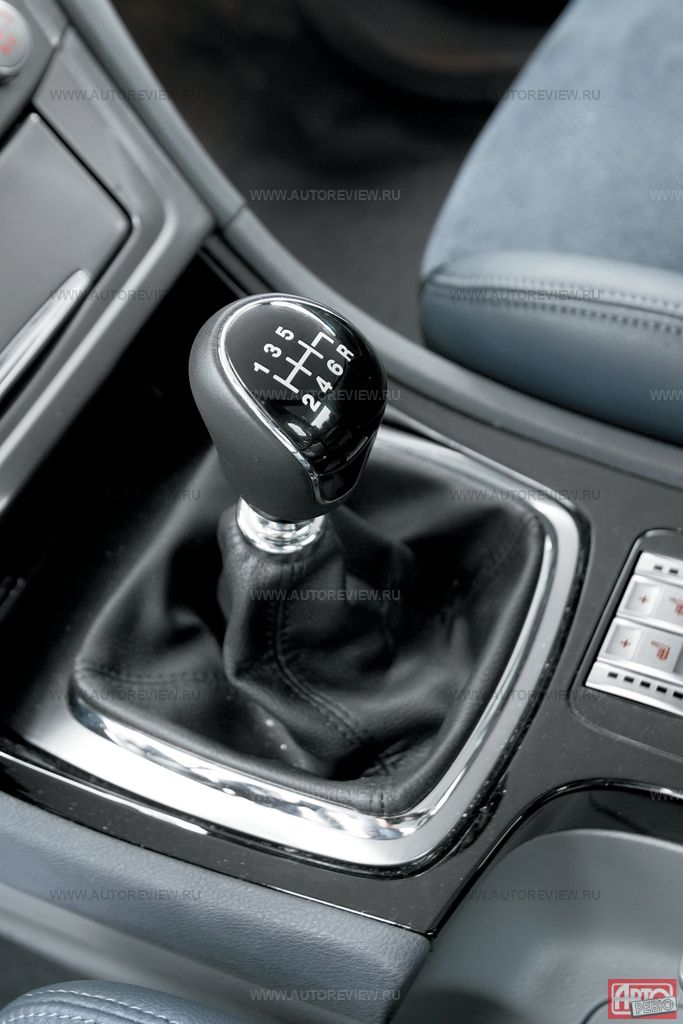 |
| Who would have thought that in just a year the Mondeo's interior would no longer look as stylish and high-quality? Competitors don't sleep | The Sony stereo in the Mondeo sounds average, the display glares | The clarity and ease of the "manual" shift in the Mondeo are still top-notch |
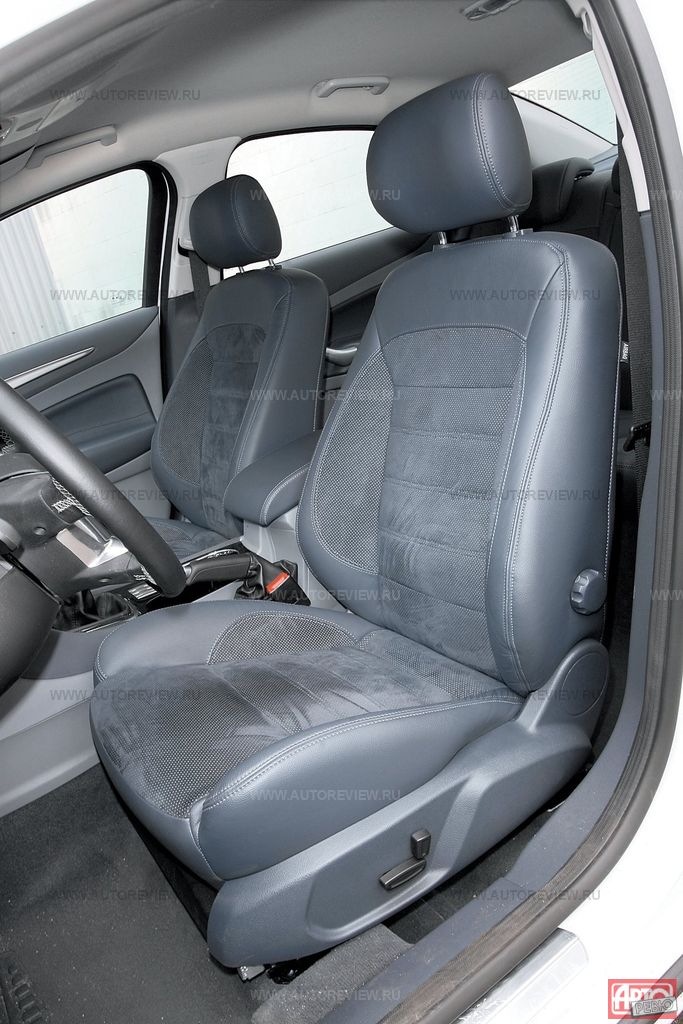 | 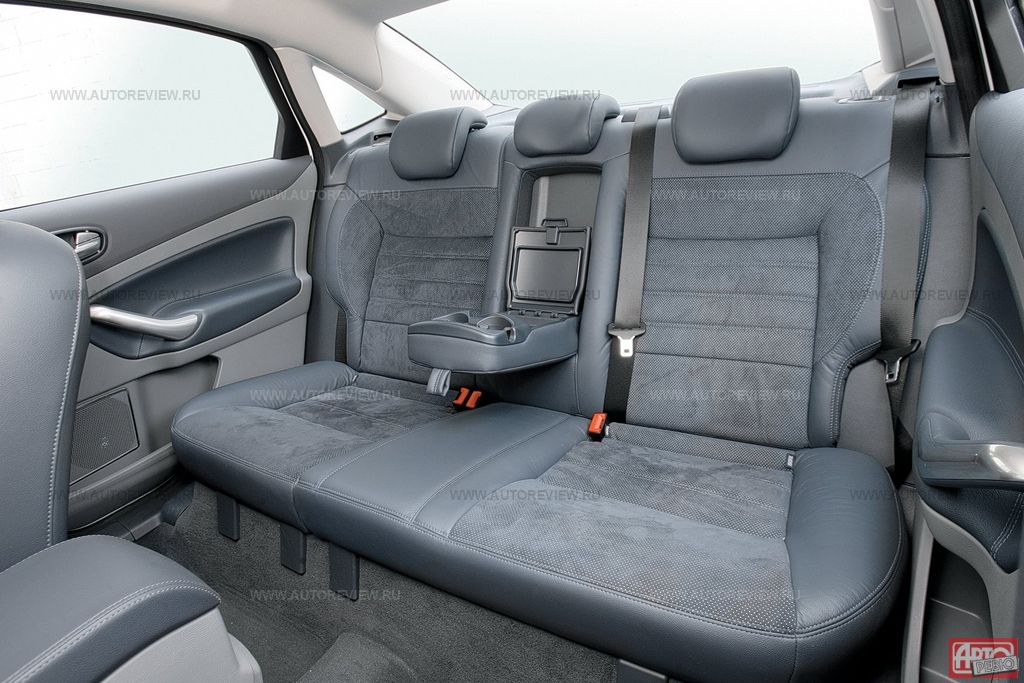 | |
| The contoured seat is mounted bus-like high | In the back of the Mondeo, there is space and comfort — the best "gallery" in the trio? |
But Citroen brakes better than all of them — the stopping distance from 100 km/h did not exceed 41 meters. Moreover, the result could certainly have been even better — we braked with the hydropneumatic suspension in the soft Comfort mode. And in Sport mode, when stiffer settings press the wheels more firmly to the road, braking efficiency should be even higher. Unfortunately, we couldn't verify this: due to electronic glitches at the end of the test, the ABS began to allow prolonged wheel locking. Oh, these charming French...
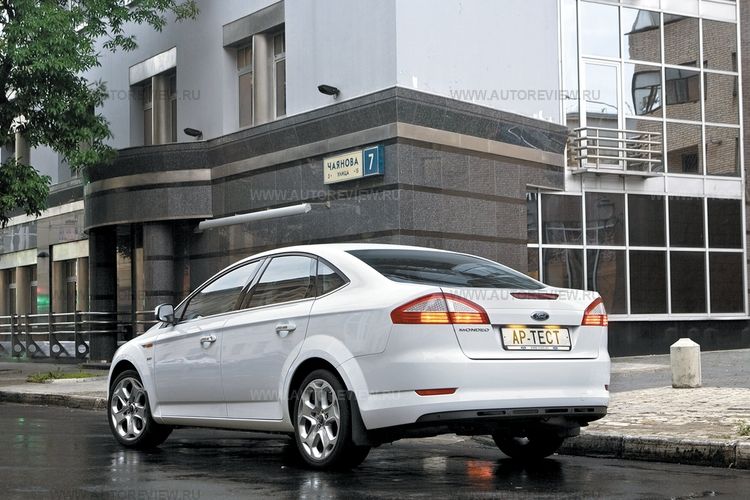
The Passat and Mondeo also please with well-tuned brakes, but due to narrower base tires 215/55 R16 versus 245/40 ZR19 on the Citroen, the Volkswagen lost five meters of braking distance from 100 km/h and a full eight meters from 150 km/h.
Wide tires also helped the Citroen in the lane change test — thanks to them and the excellently tuned stability control, the maximum maneuver speed turned out to be at the level of sports coupes: 83.2 km/h! Good Citroen. It holds the high-speed straight superbly, tracks any steering wheel deviations with German pedantry, and precisely traces both gentle high-speed arcs and tight slow corners. Suspension stiffness, by the way, strongly affects only body roll: in Comfort mode it's as pronounced as in the Mondeo, and in Sport mode it's as modest as in the Passat. In case of slides, the ESP, which cannot be switched off at speeds above 50 km/h, like a guardian angel, reliably and almost imperceptibly protects the Citroen driver from understeer and oversteer.
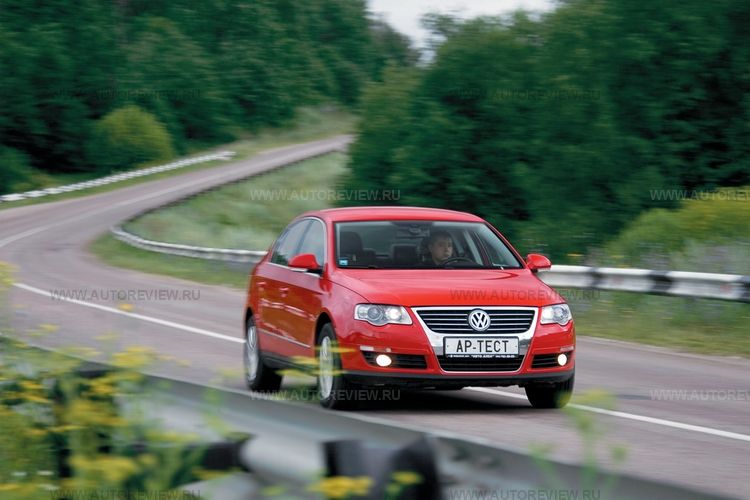
The Passat's behavior has not a single flaw. A benchmark of handling!
Ideal? Unfortunately, no — the power steering let us down. Yes, the effort logically increases with speed, but why doesn't it increase just as linearly with steering wheel angle? You turn the wheel, and in response there's a constant background effort, as if the wheels are stuck in asphalt. The connection with the car is lost. And on uneven, demanding corners, through this "hydraulic insulation," impacts come to the wheel even harder than in the Ford, where the steering wheel is overly alive with the road's life.
The Mondeo is generally a simpleton. But it's lively, understandable, and exciting. You can drive it relaxed at high speed or boldly throw it into any corners — on throttle lift, the Mondeo tucks in easily and quickly. The steering is informative (except for effort dips during very fast rotation), and the electronics will only start to protect an enthusiastic driver during frankly dangerous slides. Driver's car!
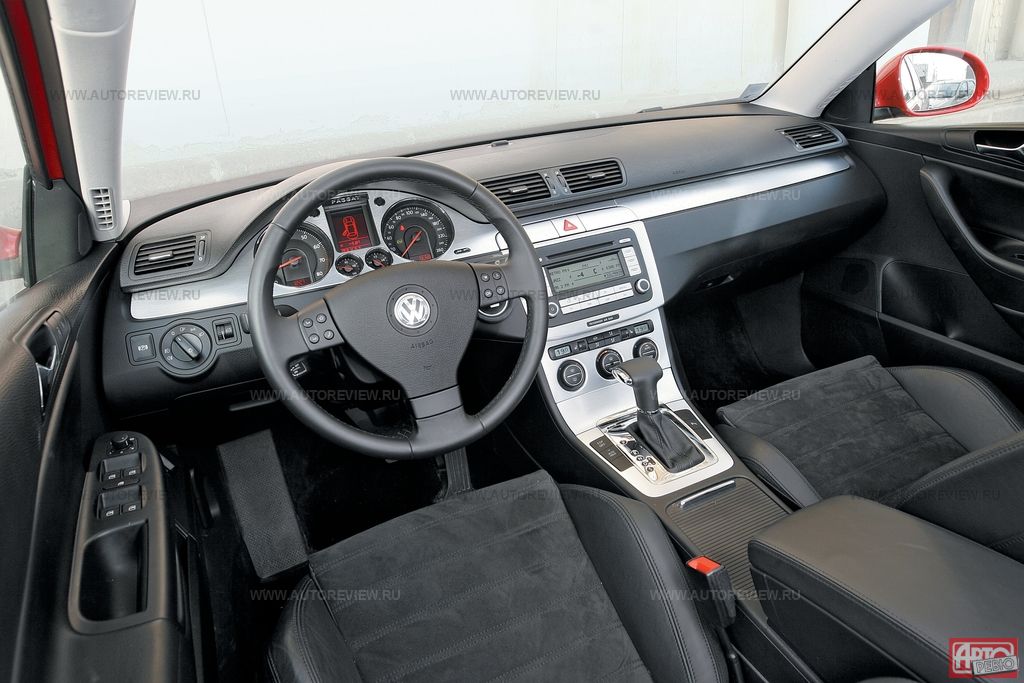 | 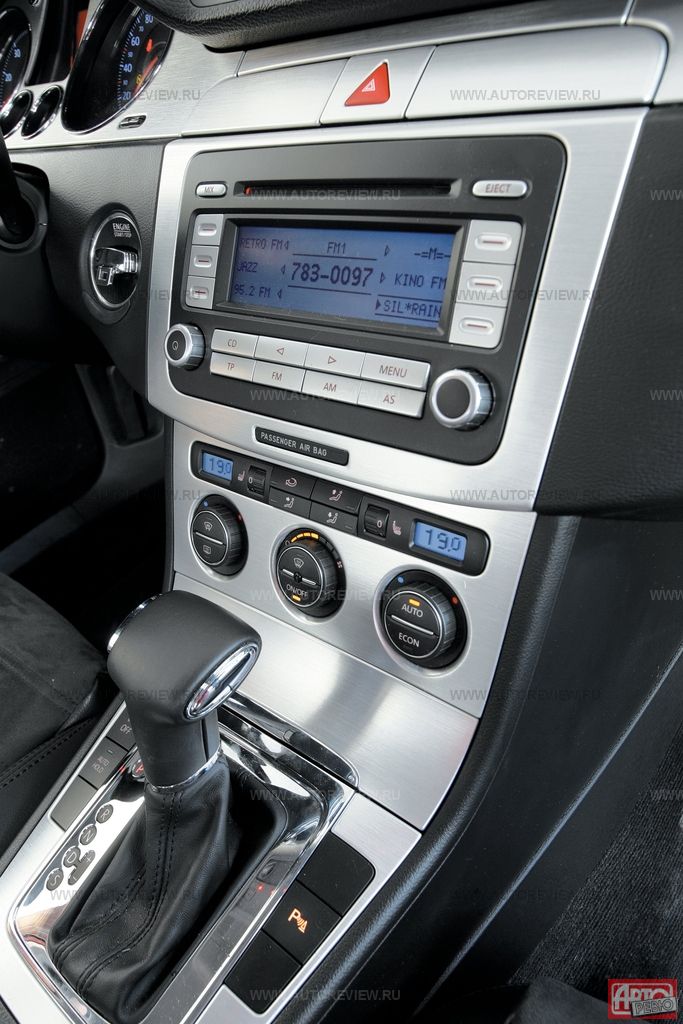 |
| Volkswagen interior: strict, laconic, and high-quality | Climate control managed by convenient rotating rings and large buttons inside them |
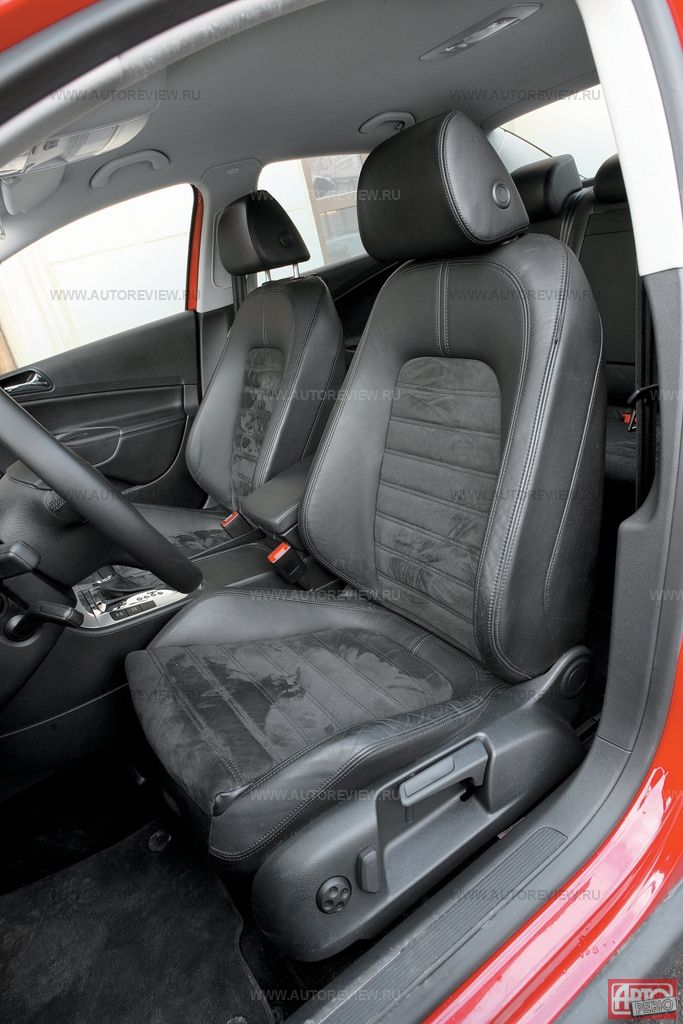 | 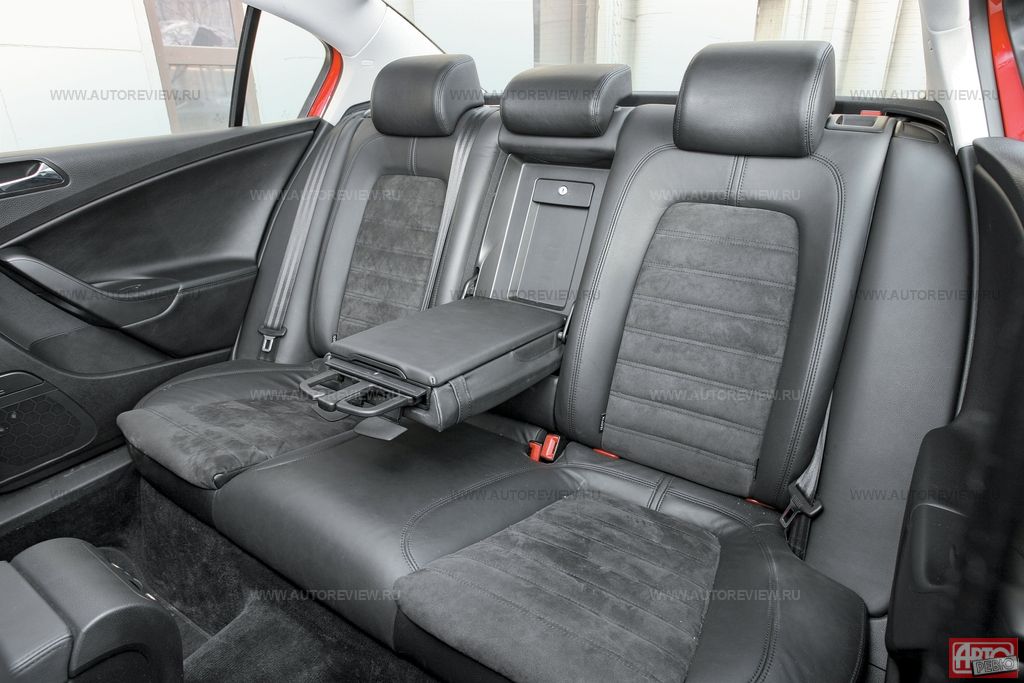 |
| Passat seats — with an ideal profile, sporty without sacrificing comfort | The clear molding of the rigid backrest and cushion plus the high transmission tunnel hump unambiguously hint: a third passenger on the Passat's rear seat is superfluous |
The Volkswagen behaves more strictly. On the autobahn it's unshakable and fast, in any corners it traces the trajectory more precisely than a compass. The stability control is not as strict as the Citroen's, but it doesn't flirt with the driver like the Ford's. The steering is as informative as the Mondeo's, but completely isolated from road vibrations. Only pluses! It's time to cover the Passat with a transparent dome, take it to Paris to the Bureau of Weights and Measures, and hang a sign: "The benchmark of front-wheel-drive handling."
The price is a slight loss in comfort: the Volkswagen follows the road profile in more detail than the Ford and Citroen, and potholes of various sizes are felt with slightly stronger impacts. But there's a sense of a solid, tightly built car. The well-tuned "voice" of the turbo engine also confirms the driver-oriented nature: all other noises are excellently suppressed.
| Citroen C5 | Ford Mondeo | Volkswagen Passat |
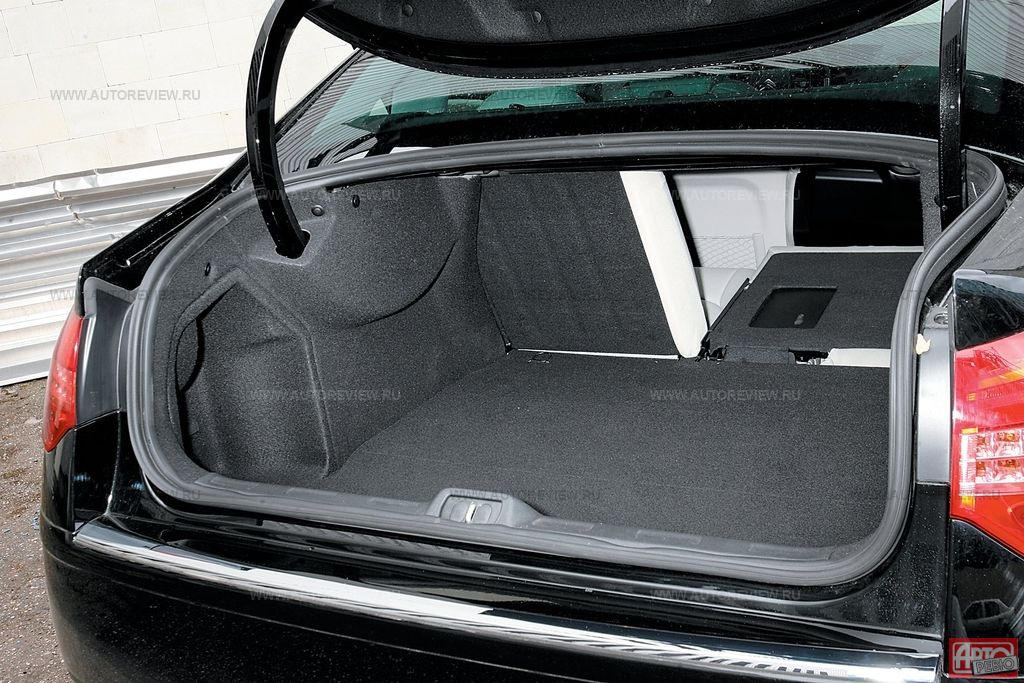 | 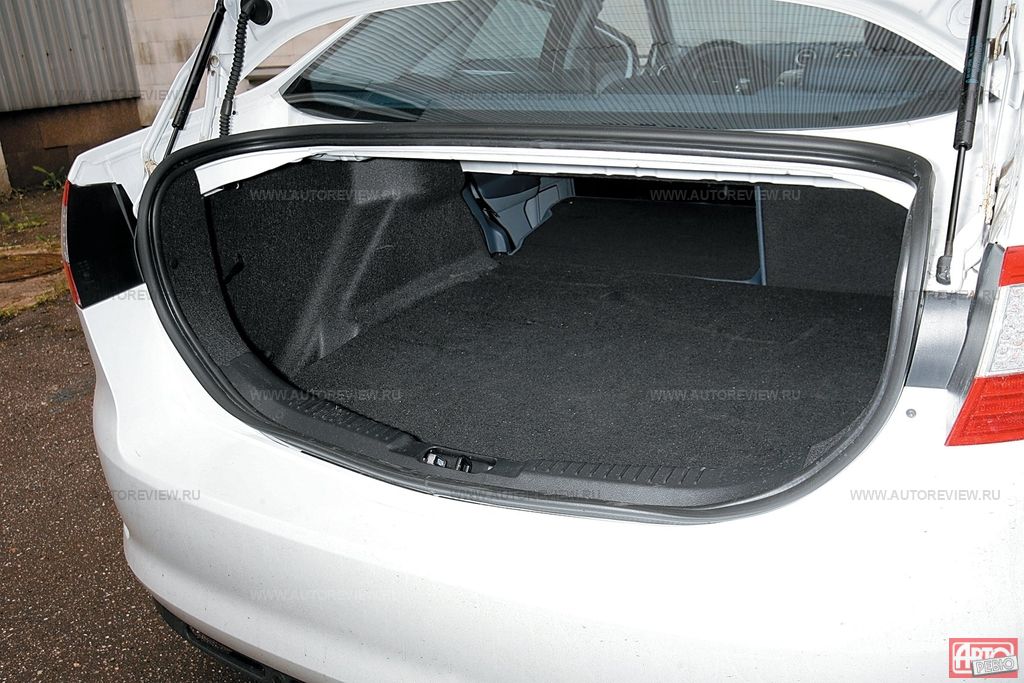 | 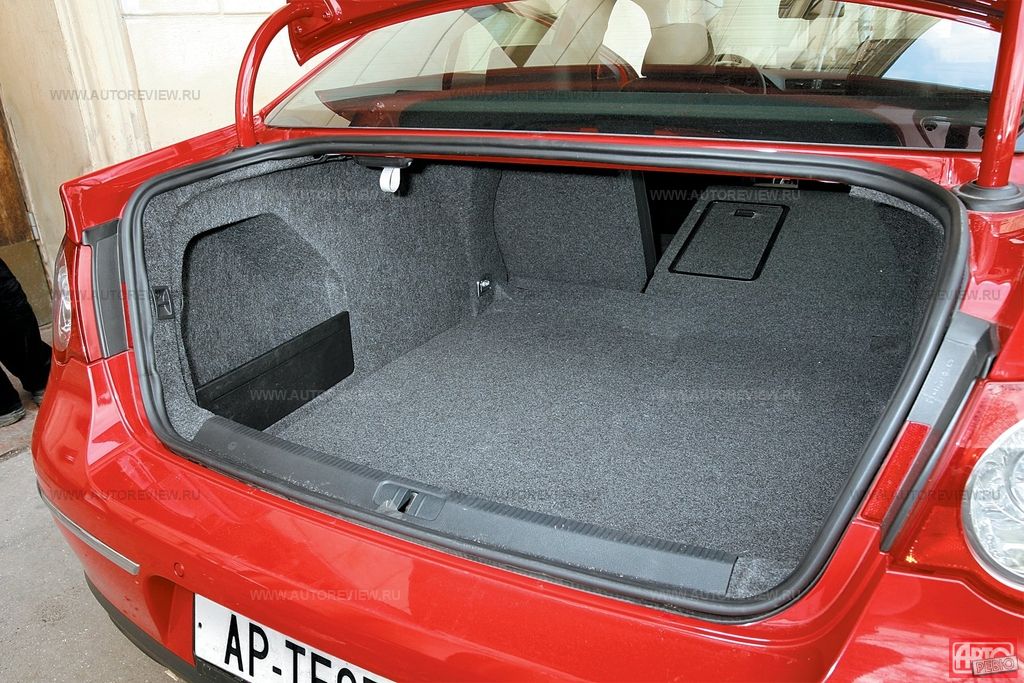 |
| The Passat has the best trunk: the compartment is spacious and well thought out. The Citroen has slightly less space for luggage, but access to the far corners is better than you could wish for: thanks to the concave glass. And the Ford's trunk is significantly smaller due to the insert under the space-saver spare, plus a modest opening — you throw things in as if into a cave. The opening behind the folding asymmetrical seatbacks is almost half as low as in the Citroen and Volkswagen. The Passat differs from the C5 only in the transformation algorithm: the seatbacks fold down in one motion, while in the "Frenchman" you first have to fiddle with the cushion and recess the headrests | ||
The Mondeo's comfort is contradictory. On one hand, excellent ride smoothness, marred only by jolts at expansion joints (thanks to the low-profile 18-inch wheels). On the other hand, a cacophony of loud tire roar and aerodynamic whistling, clearly audible already at 90 km/h. Only the engine is commendably quiet.
The Citroen is better — in the cabin you hear only a quiet six-cylinder rumble and a faint crackle of interior plastic on bumps. In the suspension's comfort mode, the C5 gently rocks on asphalt waves. Don't like the rocking? Switch to Sport — and you get almost the same "composed" suspension as the Passat. "Almost" — because, unlike the Volkswagen's, the Citroen's energy capacity is poor: breaking through the "hydropneumatics" on a serious pothole is a piece of cake.
By the way, despite almost the same wheelbase as the Mondeo (the Passat is 106 mm shorter, which is why its turning radius is a good meter smaller), the C5 is no more spacious. The Passat has more rear space, not to mention the Mondeo, where three people are not cramped on the rear seat. And in terms of trunk volume, the Citroen is average.
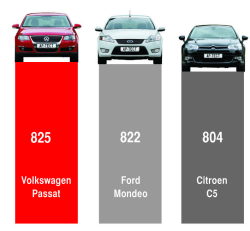
What's the result? We count the points of the expert rating — and... Alas, the Citroen C5 is in the rearguard. And it's a good car: its scores for brakes, acoustic comfort, and climate control system are higher than its competitors'. And overall, compared to the previous "C5" — a colossal step forward! But if the previous Citroen C5 twice beat the then Passat and Mondeo in our tests (see AR No. 12, 2001 and AR No. 3, 2002), the current one couldn't do it: the bar set by Ford — and especially Volkswagen — is just too high.
Autoreview readers' forecast
Before this test, we asked visitors of the website www.autoreview.ru to answer the question: "Which of the cars participating in the next Autoreview test would you prefer?"
Here's how the votes were distributed:
Citroen C5 26.43%
Ford Mondeo 29.58%
Volkswagen Passat 43.99%
19,988 people voted
Autoreview expert ratings
| Autoreview Expert Ratings | |||||
| Parameters Assessed | Max. Score | Cars | Why? | ||
| Citroen C5 | Ford Mondeo | Volkswagen Passat | |||
| Ergonomics | 200 | 163 | 160 | 164 | The Passat has the best seats. In the Mondeo, the massive bases of the front pillars hinder forward visibility, while in the Passat rear visibility is hampered: the mirrors are too small |
| Driver's workplace | 100 | 84 | 83 | 87 | |
| Visibility | 100 | 79 | 77 | 77 | |
| Dynamics | 340 | 267 | 298 | 292 | Due to the comfortable operation of the automatic transmission and greater mass, the Citroen loses in acceleration. The Passat on narrow tires stops later than all. And the Citroen's chassis is spoiled by a completely uninformative steering wheel |
| Acceleration dynamics | 110 | 78 | 101 | 102 | |
| Braking dynamics | 120 | 104 | 102 | 90 | |
| Handling | 110 | 85 | 95 | 100 | |
| Ride Comfort | 270 | 225 | 215 | 210 | The Passat handles bumps more harshly than others, while the Citroen disappointed with poor energy intensity. Tire noise in the Mondeo is excessively intrusive, and in the Passat the engine growls too cheerfully. The Citroen's climate control is separate not only by temperature but also by the direction of air flows |
| Ride smoothness, vibration protection | 100 | 80 | 85 | 75 | |
| Acoustic comfort | 90 | 75 | 65 | 70 | |
| Microclimate | 80 | 70 | 65 | 65 | |
| Interior Comfort | 190 | 149 | 149 | 159 | The Mondeo is much more spacious for passengers, but it has less luggage space and the opening for the folding seatbacks is small. The Passat has the largest trunk, and the interior transformation algorithm is the most convenient |
| Passenger seats | 90 | 70 | 78 | 72 | |
| Trunk | 80 | 62 | 56 | 69 | |
| Interior transformation | 20 | 17 | 15 | 18 | |
| Total Score | 1000 | 804 | 822 | 825 | |
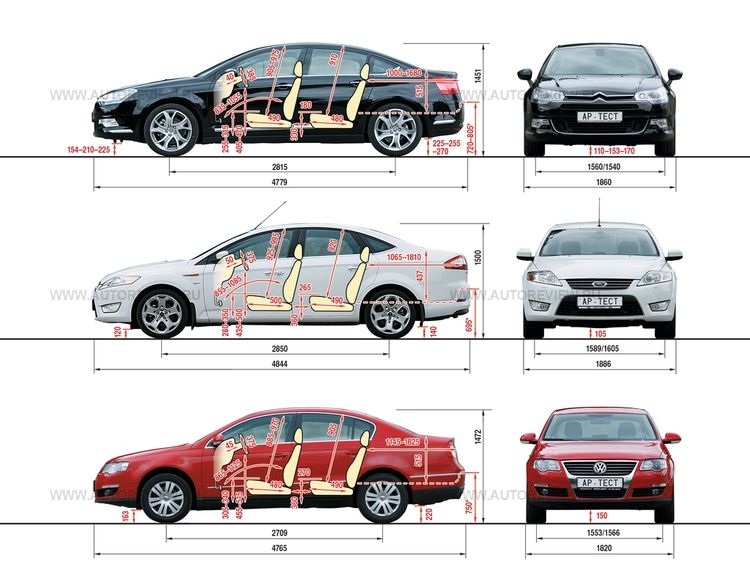
Black indicates manufacturer data, red indicates Autoreview measurement results
* Loading height

| Specifications | |||
| Parameters | Cars | ||
| Citroen C5 | Ford Mondeo | Volkswagen Passat | |
| Body type | 4-door sedan | 4-door sedan | 4-door sedan |
| Number of seats | 5 | 5 | 5 |
| Trunk volume, l | 439 | 493 | 565 |
| Curb weight, kg | 1725 | 1492 | 1463 |
| Gross weight, kg | 2230 | 2185 | 2070 |
| Engine | petrol, with distributed injection | petrol, with distributed injection and turbocharging | petrol, with direct injection and turbocharging |
| Location | front, transverse | front, transverse | front, transverse |
| Number and arrangement of cylinders | 6, V-shaped | 5, in-line | 4, in-line |
| Displacement, cm³ | 2946 | 2521 | 1984 |
| Cylinder bore/piston stroke, mm | 87.0/82.6 | 83.0/93.2 | 82.5/92.8 |
| Compression ratio | 10.9:1 | 9.0:1 | 10.3:1 |
| Number of valves | 24 | 20 | 16 |
| Max. power, hp/kW/rpm | 215/155/6000 | 220/162/5000 | 200/147/6000 |
| Max. torque, Nm/rpm | 290/3750 | 320/1500—4800 | 280/1800—5000 |
| Gearbox | automatic, 6-speed | manual, 6-speed | automatic, 6-speed |
| Gear ratios | |||
| 4.15 | 3.39 | 4.04 |
| 2.37 | 1.91 | 2.37 |
| 1.56 | 1.27 | 1.56 |
| 1.15 | 0.95 | 1.16 |
| 0.86 | 0.78 | 0.85 |
| 0.69 | 0.65 | 0.67 |
| 2.57 | 3.23 | 3.19 |
| 3.75 | 4.00 | 3.87 |
| Drive | front | front | front |
| Front suspension | independent, hydropneumatic, McPherson | independent, spring, McPherson | independent, spring, McPherson |
| Rear suspension | independent, hydropneumatic, on trailing arms | independent, spring, multi-link | independent, spring, four-link |
| Front brakes | disc, ventilated | disc, ventilated | disc, ventilated |
| Rear brakes | disc | disc | disc |
| Tires | 245/45 R18 | 205/55 R16 | 215/55 R16 |
| Maximum speed, km/h | 224 | 245 | 230 |
| Acceleration time 0—100 km/h, s | 9.2 | 7.5 | 7.8 |
| Fuel consumption, l/100 km | |||
| 15.6 | 13.6 | 12.4 |
| 7.5 | 6.8 | 6.6 |
| 10.5 | 9.3 | 8.7 |
| CO₂ emissions, g/km, combined cycle | 248 | 222 | 207 |
| Fuel tank capacity, l | 71 | 70 | 70 |
| Fuel | petrol AI-95—98 | petrol AI-95—98 | petrol AI-95—98 |
| Speedometer Accuracy | |||||||||
| Cars | Speedometer readings, km/h | ||||||||
| 40 | 60 | 80 | 100 | 120 | 140 | 160 | 180 | 200 | |
| True speed, km/h | |||||||||
| Citroen C5 | 39 | 59 | 79 | 98 | 118 | 138 | 157 | 177 | 197 |
| Ford Mondeo | 36 | 55 | 74 | 94 | 114 | 132 | 151 | 170 | 189 |
| Volkswagen Passat | 36 | 56 | 76 | 96 | 115 | 135 | 154 | 174 | 193 |
| Equipment of cars participating in the test | |||
| Equipment | Cars | ||
| Citroen C5 | Ford Mondeo | Volkswagen Passat | |
| Price of base version, RUB | 1300000 | 858300 | 1040910 |
| Front airbags | + | + | + |
| Side airbags | + | + | + |
| Driver's knee airbag | + | + | – |
| Inflatable curtains | + | + | + |
| ABS | + | + | + |
| Electronic stability control | + | + | + |
| Adaptive electronically controlled suspension | + | – | – |
| Adjustable suspension | + | – | – |
| Automatic transmission | + | – | + |
| Power steering | + | + | + |
| Steering column adjustable for tilt and reach | + | + | + |
| Multifunction steering wheel | + | + | O |
| Leather-wrapped steering wheel | + | + | P |
| Heated windshield | – | + | – |
| Central locking (remote) | + | + | + |
| Anti-theft alarm | + | O | O |
| Power and heated exterior mirrors | + | + | + |
| Power folding exterior mirrors | + | – | O |
| Power windows | + | + | + |
| Leather upholstery | O | P* | P* |
| Power-adjustable driver's seat | + | O | +** |
| Power-adjustable front passenger seat | + | – | – |
| Driver's seat memory | + | – | – |
| Heated front seats | + | + | + |
| Driver's seat vibration massage | + | – | – |
| Folding rear head restraints | + | + | + |
| Rear sunshades | + | – | – |
| Light sensor | + | + | P |
| Rain sensor | + | + | P |
| Tire pressure sensor | + | O | – |
| Auto-dimming rearview mirror | + | + | + |
| Air conditioning | + | + | + |
| Dual-zone climate control | + | + | P |
| Engine start button | – | P | + |
| Trip computer | + | + | P |
| Folding rear seat | + | + | + |
| Pass-through for long items | + | – | + |
| Rear center armrest | + | P | + |
| Remote trunk release | – | – | + |
| Cruise control | + | – | + |
| CD player | + | + | O |
| CD changer | – | O | O |
| Xenon headlights | – | O | – |
| Bi-xenon headlights | + | – | O |
| Adaptive low beam headlights | + | O | O |
| Headlight washers | + | O | O |
| Fog lights | + | + | O |
| Alloy wheels | + | + | P |
| Full-size spare wheel | –*** | –*** | + |
| Front and rear parking sensors | + | O | O |
| Metallic paint | O | – | – |
| Tires | Michelin Pilot Sport 245/40 ZR19 | Continental Sport Contact 2 235/40 ZR18 | Pirelli P7 215/55 R16 |
| Price of tested car, RUB | 1383000 | 1044100 | 1236990 |
| * Combined leather and suede upholstery | |||
| ** Backrest tilt and lumbar support | |||
| *** Space-saver spare wheel | |||
| (+) Included in base version | |||
| (–) Not available in base version | |||
| (O) Options installed on the car participating in the test | |||
| (P) Equipment included in the package of the tested car | |||
| Some measurement results from Autoreview | ||||
| Parameters | Cars | |||
| Citroen C5 | Ford Mondeo | Volkswagen Passat | ||
| Maximum speed, km/h | 211.8 | 225.0 | 211.0 | |
| Acceleration time, s | 0—50 km/h | 3.5/3.4* | 3.1/3.0** | 2.8/2.9* |
| 0—100 km/h | 10.3/10.2* | 8.4/8.5** | 8.4/8.2* | |
| 0—150 km/h | 22.4/22.3* | 17.5/17.7** | 17.7/17.8* | |
| 0—200 km/h | 56.0/—* | 37.0/37.3** | 41.9/42.7* | |
| over 400 m | 17.2/17.2* | 16.1/16.2** | 16.0/15.9* | |
| over 1000 m | 31.2/31.2* | 29.1/29.3** | 29.0/29.0* | |
| 60—100 km/h (III) | — | 5.1 | — | |
| 60—100 km/h (IV) | — | 6.8 | — | |
| 80—120 km/h (V) | — | 9.05 | — | |
| 80—120 km/h (VI) | — | 11.6 | — | |
| 60—100 km/h (D) | 6.1 | — | 4.7 | |
| 80—120 km/h (D) | 6.8 | — | 5.8 | |
| Coast-down, m | from 50 km/h | 435 | 576 | 520 |
| 130—80 km/h | 938 | 1027 | 934 | |
| 160—80 km/h | 1451 | 1578 | 1423 | |
| Braking from 100 km/h | distance, m | 40.9 | 41.4 | 45.9 |
| deceleration, m/s² | 9.4 | 9.3 | 8.4 | |
| Braking from 150 km/h | distance, m | 88.3 | 92.3 | 96.1 |
| deceleration, m/s² | 9.8 | 9.4 | 9.0 | |
| * In Drive mode, ESP on/in Manual mode, ESP off | ||||
| ** ESP on/ESP off | ||||
| Turning circle of cars | ||||
| Car | Citroen C5 | Ford Mondeo | Volkswagen Passat | |
| By track of outer front wheel, m | 11.54 | 11.21 | 10.36 | |
| By outer front overhang, m | 12.31 | 11.85 | 11.08 | |
| Number of steering wheel turns from lock to lock | 2.9 | 2.8 | 2.9 | |
Safety
All three cars already in the base version have ABS, EBD, six airbags (front, side and curtain), pretensioners and Isofix anchors. Only the Ford Mondeo in the initial configuration is deprived of the stability control system — it is offered for an extra charge of 9,500 rubles. But the Mondeo and Citroen C5 are serially equipped with a driver's knee airbag, and for the French sedan, for 13,000 rubles you can order side airbags for rear passengers.
All three cars according to the EuroNCAP methodology earned the maximum five stars for protection of belted front occupants.
The safety of child passengers is also top-notch. All three cars, equipped with Britax Roemer seats, earned four out of five stars, but the Ford Mondeo provided slightly better protection.
Pedestrian safety for all three cars is rated at two stars out of four, but the Citroen C5 is more dangerous in a collision due to its overly rigid hood.
| Citroen C5* | ★★★★★ | 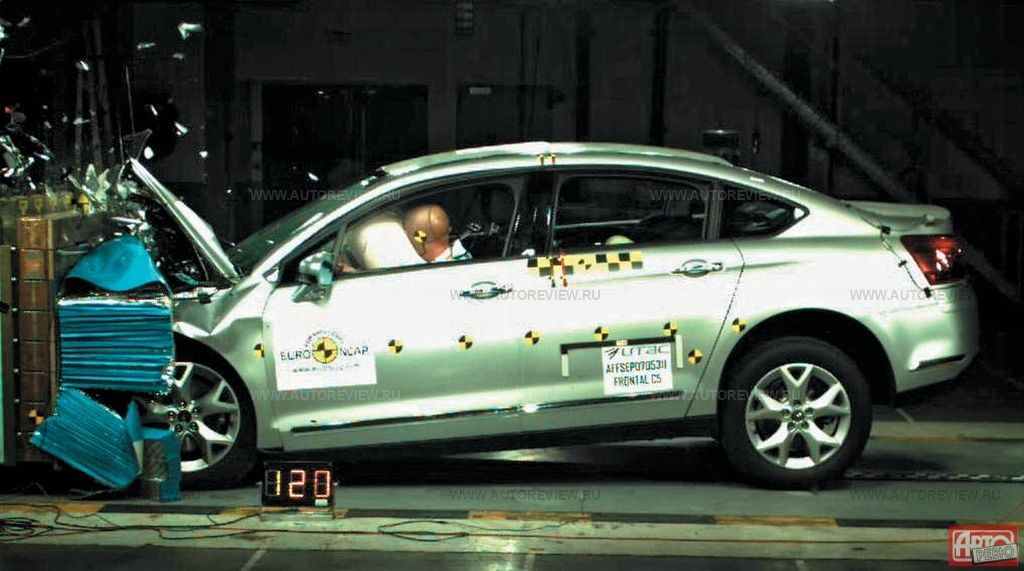 |
| Overall rating | 35 points | |
| Frontal crash test | 15 (94%) | |
| Side crash tests | 18 (100%) | |
| SBR** | 2 | |
| Child passenger protection | 38 (78%) | |
| Pedestrian protection | 11 (31%) | |
| Curb weight | 1608 kg | |
| * Tests conducted according to EuroNCAP methodology | ||
| ** Availability of seatbelt reminder | ||
| Ford Mondeo* | ★★★★★ | 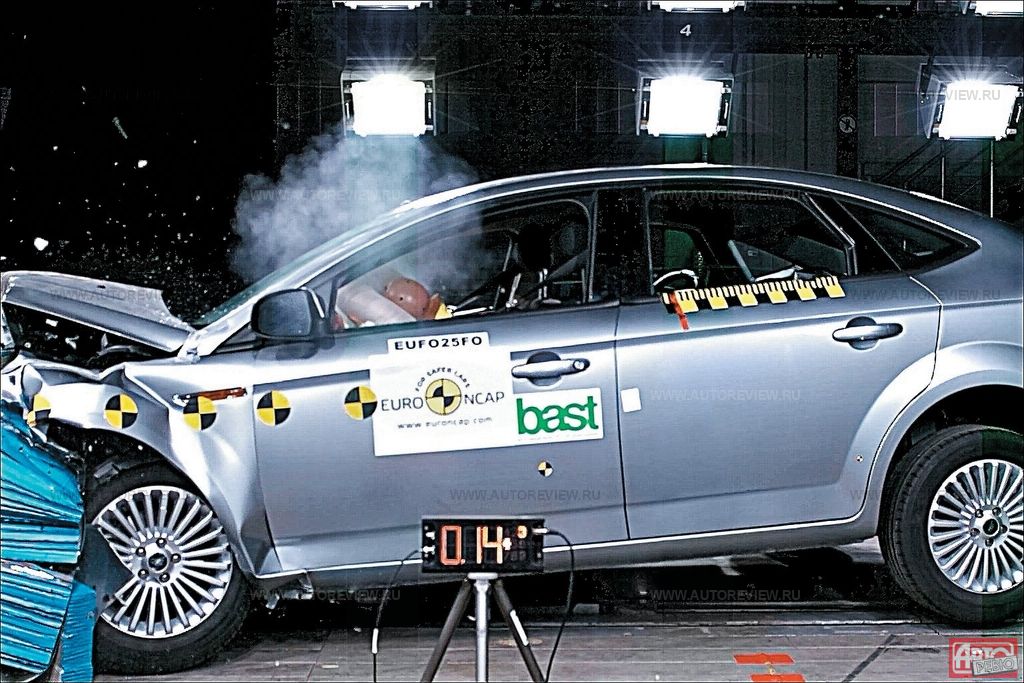 |
| Overall rating | 35 points | |
| Frontal crash test | 15 (94%) | |
| Side crash tests | 18 (100%) | |
| SBR** | 2 | |
| Child passenger protection | 39 (80%) | |
| Pedestrian protection | 18 (50%) | |
| Curb weight | 1559 kg | |
| * Tests conducted according to EuroNCAP methodology | ||
| ** Availability of seatbelt reminder | ||
| Volkswagen Passat* | ★★★★★ | 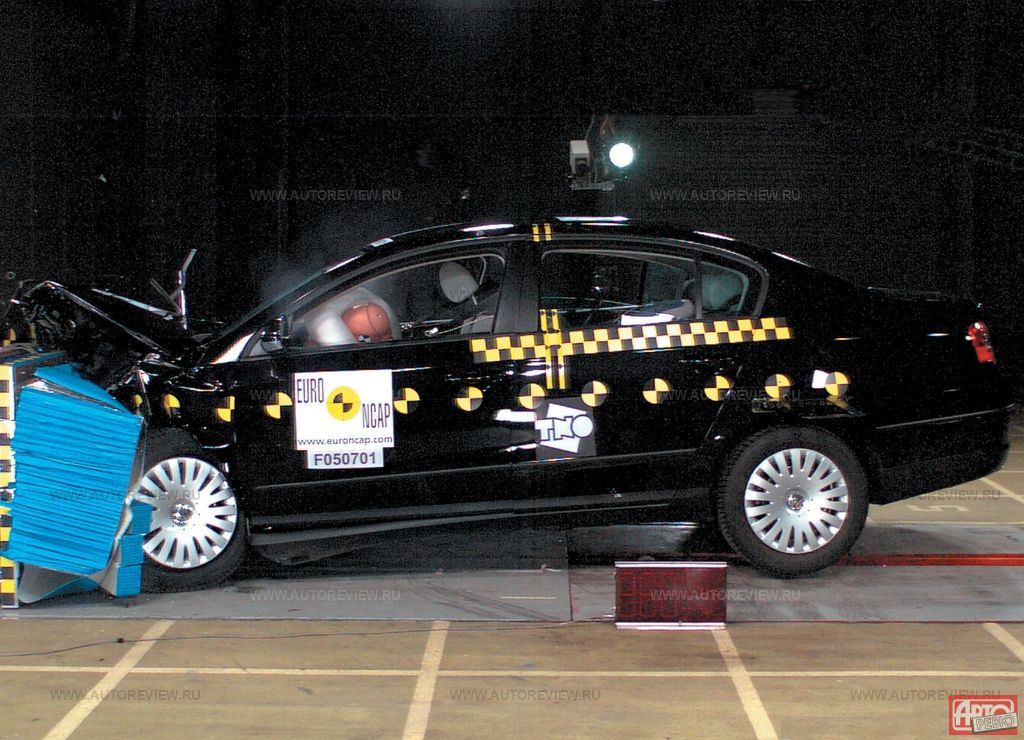 |
| Overall rating | 34 points | |
| Frontal crash test | 14 (88%) | |
| Side crash tests | 18 (100%) | |
| SBR** | 2 | |
| Child passenger protection | 38 (78%) | |
| Pedestrian protection | 17 (47%) | |
| Curb weight | 1447 kg | |
| * Tests conducted according to EuroNCAP methodology | ||
| ** Availability of seatbelt reminder | ||
Visibility
| Citroen C5 | Ford Mondeo | Volkswagen Passat |
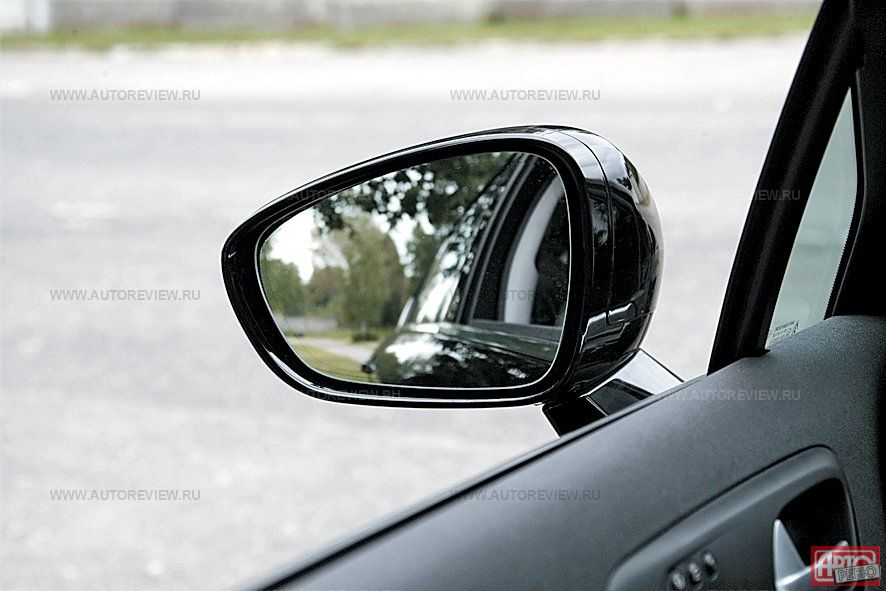 | 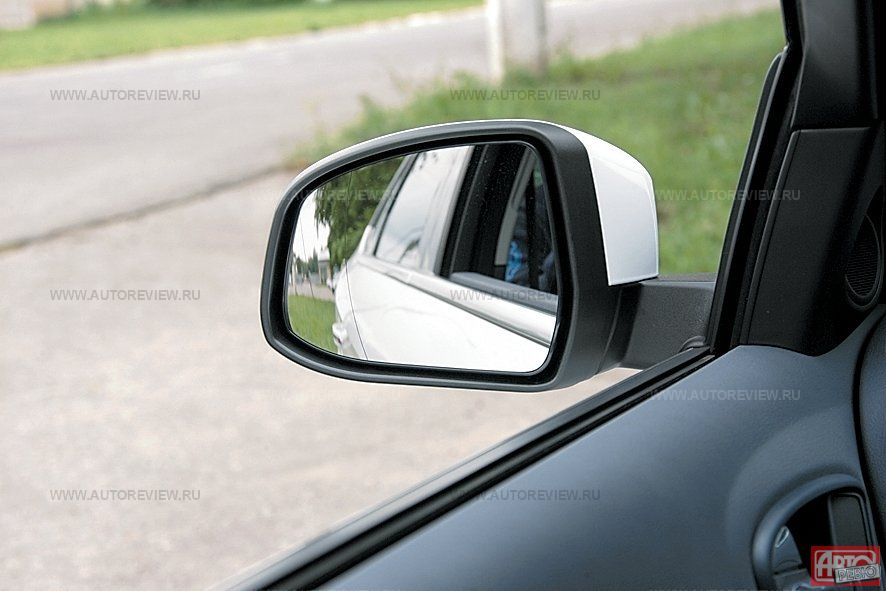 | 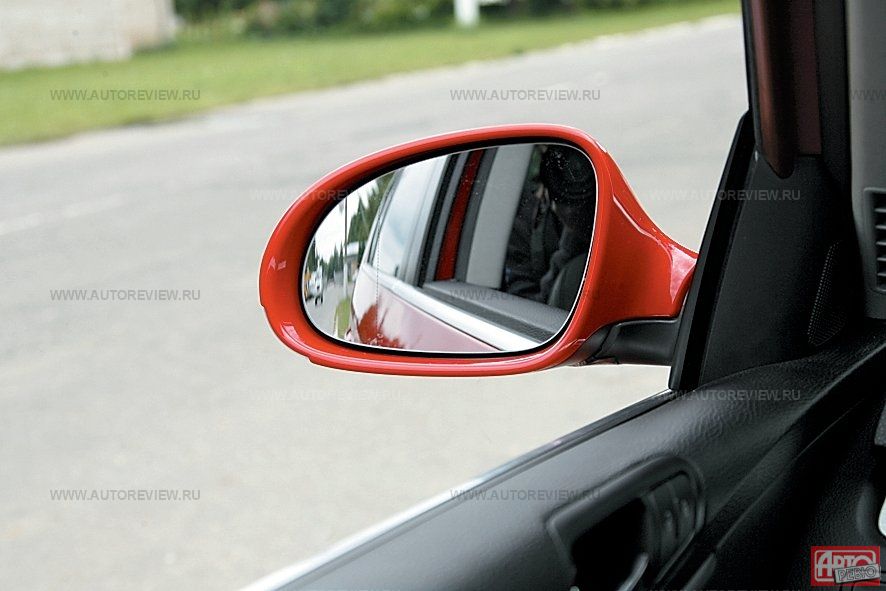 |
The best visibility is in the Citroen, confirmed by the smallest total angle of blind spots — 93°. The front pillars are airy, but in bad weather they "thicken" by as much as six centimeters — that's the shortfall of the pantograph wipers. When looking back, the same small rear window opening as in the Passat and the large mirrors pushed far back create problems, requiring considerable head turning.
In the Volkswagen, the exterior mirrors are somewhat small, and the total viewing angle is average — 264°. But of our trio, only the Passat has no issues with sensing the front end, and the driver's wiper presses close to the pillar.
The Mondeo disappoints with massive bases of the front pillars and a viewing angle of only 260°. And short drivers have to raise the seat to the maximum — they are hindered by the bulk of the dashboard. However, rear visibility is good through large mirrors and a large, unobstructed rear window opening.
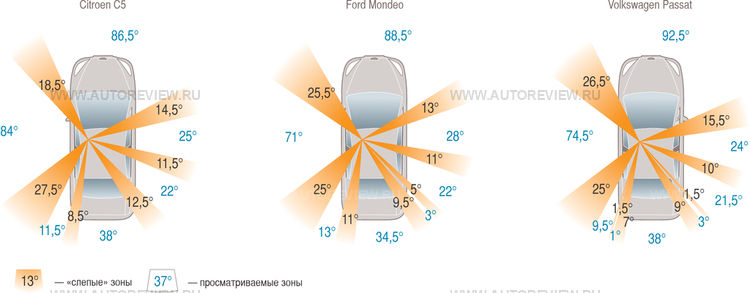
| Vehicle | Total viewing angle, deg. | Total blind spot angle, deg. |
| Citroen C5 | 267.0 | 93.0 |
| Ford Mondeo | 260.0 | 100.0 |
| Volkswagen Passat | 264.0 | 96.0 |
Moose saviors
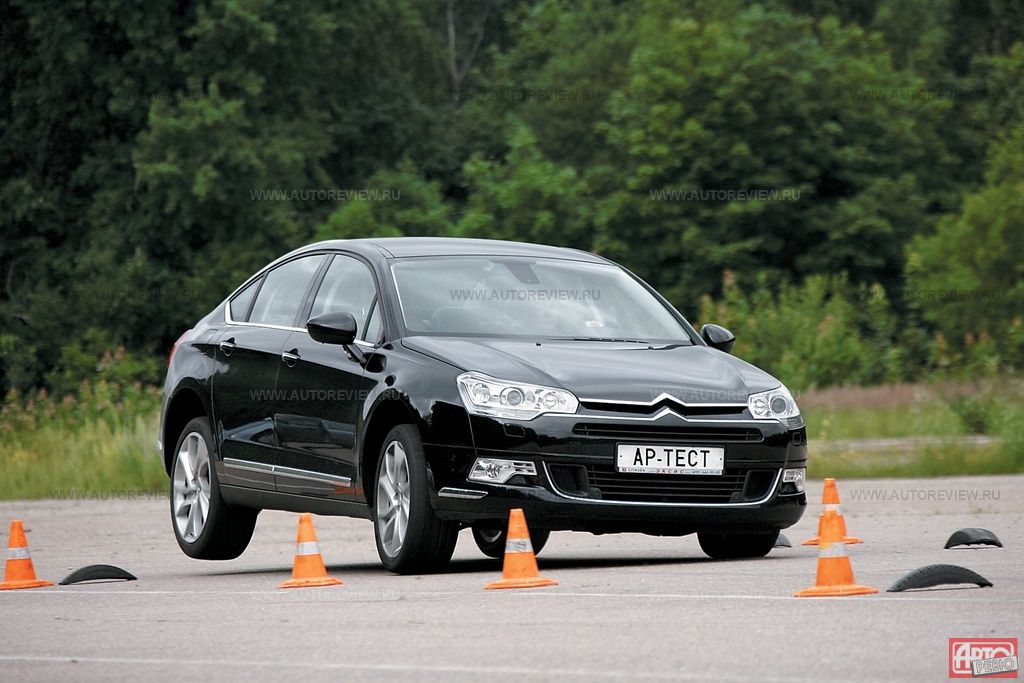 | 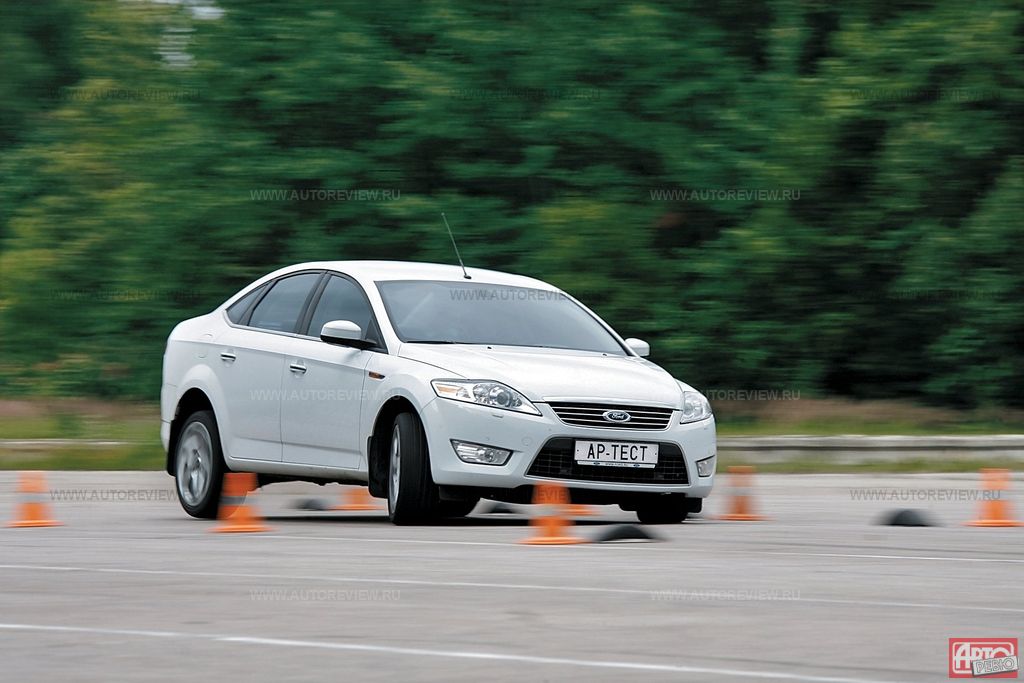 | 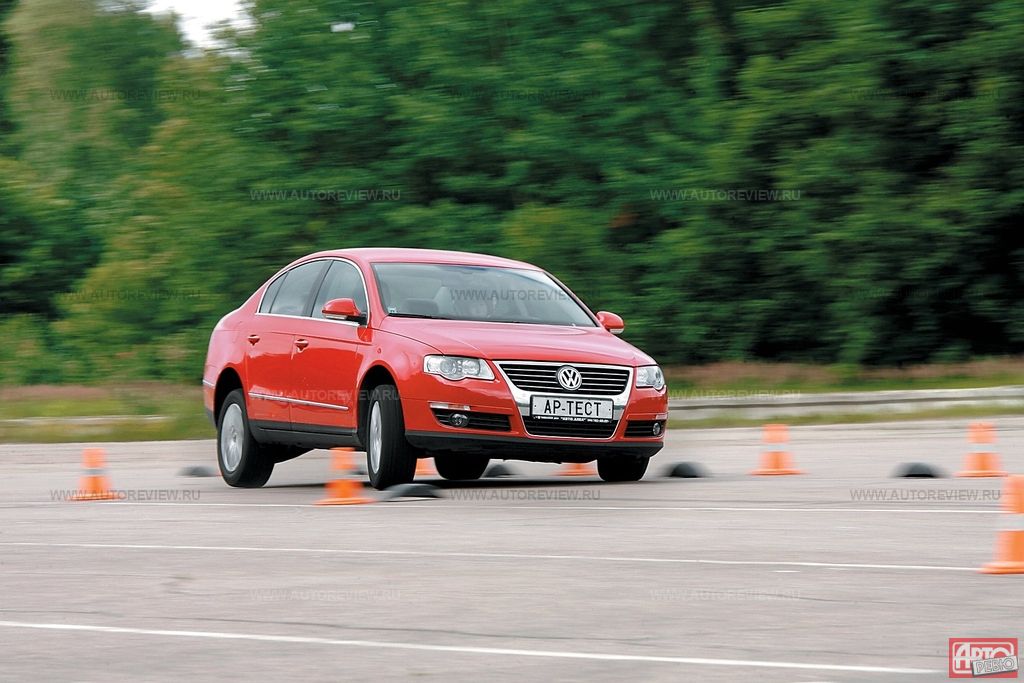 |
The excellent Passat also turned out to be the best moose savior. At 65 km/h, all five of our volunteer helpers successfully completed the maneuver. An absolutely clear and predictable car! But with increasing speed, it follows the steering wheel reluctantly; the stability system insures the Volkswagen against skids, provoking even more sliding of the front wheels. Moreover, the steering wheel "sticks" during very fast rotation — the Passat stubbornly refused to return to its lane at speeds above 75 km/h.
The Mondeo is not as simple to control in emergency maneuvers — a dip in steering effort during fast rotation and poor sense of dimensions due to the "bloated" body hindered three of the five volunteers. The tester was pleased with the light rotation of the steering wheel. And the stability system, without interfering with changing trajectory, coped poorly with skids — the expert had to sweat. But the result was worth it! The maximum speed turned out to be much higher — 79.2 km/h.
The Citroen's capabilities turned out to be even better — 83.2 km/h. Excellent chassis, wide tires, well-tuned ESP, effectively reducing speed during the maneuver without depriving the driver of the ability to choose a trajectory. At the limit — a gentle skid. But two of the five drivers could not take advantage of such a colossal reserve of active safety at a speed of 65 km/h. The reason is poor sense of the front end and "cottony" steering. Ultimate capabilities are far from the main thing in a real emergency situation!

The "Emergency situation" test allows assessing the reliability of vehicle control when avoiding a suddenly appearing obstacle. The tester determines the maximum possible speed of the vehicle when performing the "lane change" maneuver ("Moose test"). And five drivers, already familiar with the cars in normal driving modes, try from the first and only attempt at a speed of 65 km/h to avoid the "moose" and return the car to their lane
| Maximum speed of performing the "moose test", km/h | |
| Vehicle | Speed |
| Citroen C5 | 83.2 |
| Ford Mondeo | 79.2 |
| Volkswagen Passat | 75.0 |
| "Moose test" from the first attempt at a speed of 65 km/h | |
| Vehicle | Maneuver completed |
| Citroen C5 | 3 out of 5 drivers |
| Ford Mondeo | 2 out of 5 drivers |
| Volkswagen Passat | 5 out of 5 drivers |
Luminous intensity
Night photography of cars from the same point gives an idea of the effectiveness of headlights. All three cars had xenon headlights, but the high beam "spotlights" of the Mondeo are halogen.
The low beam of the Citroen and Volkswagen is not bad — it illuminates a pedestrian 80 meters from the car by two-thirds. But the Ford is preferable — it casts light even onto the roadside 100 meters away and does not blind oncoming drivers. The best high beam is also in the Mondeo: the "halogens" give a very bright beam! The "xenon" of the Citroen and Volkswagen is slightly dimmer, but also illuminates a pedestrian 160 meters from the car well.
During photography, only the driver was in the cars; the xenon headlight levelers are automatic
| Low beam. Pedestrian stands 80 meters from the car | ||
| Citroen C5 | Ford Mondeo | Volkswagen Passat |
| High beam. Pedestrian stands 160 meters from the car | ||
What costs how much?
Ford Mondeo before the start of sedan production at the plant in Vsevolozhsk noticeably became cheaper — prices start from 546,300 rubles for a sedan with a 1.6 engine (125 hp) and five-speed manual. Basic equipment — seven airbags, ABS, air conditioning, CD receiver, front electric windows and mirrors with electric drive and heating. For the stability control system, which is in the basic versions of Volkswagen and Citroen, you have to pay extra. Prices for Mondeo 2.0 (145 hp) start from 625,300 rubles, and the automatic is available only with a 2.3 petrol engine (161 hp, from 716,300 rubles) or a two-liter turbodiesel (140 hp, from 745,800 rubles). Mondeo with Volvo 2.5T turbo engine (220 hp) already in the base has stability control, dual-zone climate control, full electric package, heated front seats and light and rain sensors (Ghia trim), but costs at least 858,300 rubles. Hatchbacks and station wagons are respectively 20 thousand rubles and 35 thousand rubles more expensive than sedans, but their trim range is much poorer. Cars are available at dealers, and delivery on order will take up to four months.
Warranty — two years or 100,000 km mileage. Ford cars are sold by 137 dealer centers in 88 cities of Russia.
Volkswagen Passat of Kaluga assembly with a 1.6 engine (102 hp) for 650 thousand rubles is noticeably more expensive than Mondeo, and the price difference with Ford increases with power growth. Sedan with 1.9 TDI turbodiesel (105 hp) costs from 756,250 rubles, and Passat 1.8 TSI (160 hp) in Comfortline trim (added rear electric windows and electric driver's seat backrest) is estimated at 795,250 rubles. Surcharge for six-speed automatic — 69,450 rubles, for leather interior, dual-zone climate control, alloy wheels and light and rain sensors — another 65,210 rubles. In addition, the Kaluga model range has a version with a two-liter turbodiesel (140 hp) at a price from 885,350 rubles.
Cars of German assembly are more expensive. Passat 1.4 TSI (122 hp) costs from 725,810 rubles, and the Comfortline version with a 2.0 TFSI engine (200 hp) and automatic is estimated at 1,040,910 rubles. All-wheel drive modification with a 2.0 FSI engine (150 hp) and manual is offered for 913,050 rubles, and Passat V6 (3.2 l, 250 hp) with all-wheel drive and preselective DSG robot costs from 1,335,200 rubles. Station wagons are supplied to us only from Germany and cost 37-93 thousand rubles more depending on the engine and trim. Only cars of Russian assembly are freely available, and a car from Germany will have to be ordered and waited for four months.
Warranty — two years without mileage limit. Volkswagen cars are sold by 69 dealer centers in 44 cities of Russia.
Citroen C5 is the most expensive, but also better equipped. So, petrol C5 1.8 (127 hp) for 689 thousand rubles is 142,700 rubles more expensive than Ford Mondeo 1.6 (125 hp), but the French car already in the basic Dynamique trim has stability control, climate control, rear electric windows and fog lights. The version with a two-liter engine of 143 hp costs 743 thousand rubles. Surcharge for automatic together with hydropneumatic suspension and dual-zone climate control — 85 thousand rubles. Citroen C5 with 2.0 HDi turbodiesel (138 hp) and automatic costs 947 thousand rubles, and the version with a 2.2 HDi engine (173 hp) paired with manual is estimated at 1 million 47 thousand rubles. Cars with a three-liter petrol V6 (215 hp) are offered only with automatic, leather-fabric interior, bi-xenon headlights and front parking sensors. Price — from 1 million 300 thousand rubles. Similarly equipped Volkswagen Passat 2.0 TFSI (200 hp) is more affordable by 102 thousand rubles. The range is topped by Citroen C5 2.7 HDi (210 hp) for 1 million 430 thousand rubles. Station wagons are 36-40 thousand rubles more expensive than sedans and are supplied only in Confort and Exclusive trims. Cars are available at dealers, and delivery time on order does not exceed two months.
Warranty — two years without mileage limit. Citroen cars are sold by 35 dealer centers in 22 cities of Russia.
| Approximate prices for spare parts at dealers in Moscow, rub. | |||
| Spare parts | Cars | ||
| Citroen C5 | Ford Mondeo | Volkswagen Passat | |
| Oil filter | 515 | 345 | 759 |
| Fuel filter | 500 | — | 4185 |
| Air filter | 450 | 551 | 1091 |
| Cabin filter | 677 | 1602 | 780 |
| Spark plug | 290 | 466 | 800 |
| Front brake pads | 3980 | 3805 | 4488 |
| Rear brake pads | 3380 | 3052 | 3275 |
| Front shock absorber | 12000* | 4879 | 6070 |
| Rear shock absorber | 12000* | 4620 | 5200 |
| Front headlight (xenon) | 26000 | 16440 | 24500 |
| Rear light | n/a** | 6870 | 7800 |
| Front fender | 6800 | 6445 | 7440 |
| Front bumper | 16330 | 18810 | 15840 |
| Hood | 18500 | 14096 | 15210 |
| Windshield | 13210 | 17843 | 17172 |
| * Hydropneumatic suspension strut assembly | |||
| ** N/a — no data | |||
| Prices for scheduled maintenance with consumables and spare parts, rub. | ||||
| Scheduled maintenance | Cars | |||
| Citroen C5 | Ford Mondeo | Volkswagen Passat | ||
| Cost of standard hour | 1400 | 1400 | 1500 | |
| Mileage, km | 2000 | free | — | — |
| 5000 | — | 2500* | — | |
| 15000 | 8000 | — | 7000 | |
| 20000 | — | 12800 | — | |
| 30000 | 9000 | — | 12000 | |
| 40000 | — | 14500 | — | |
| 45000 | 12000 | — | 7000 | |
| 60000 | 30000 | 20900 | 12000 | |
| 75000 | 9000 | — | 7000 | |
| 80000 | — | 14500 | — | |
| 90000 | 12000 | — | 14000 | |
| Total | 80000 | 65200 | 59000 | |
| * Recommended maintenance | ||||
Alternative
The choice of mid-size sedans with powerful engines (from 180 hp to 250 hp) is wide. One of the most affordable offers is Kia Magentis of Kaliningrad assembly with a V6 2.7 engine (188 hp), five-speed automatic and climate control in the base for 791,940 rubles. By the way, next year Avtotor should master the restyled Magentis.
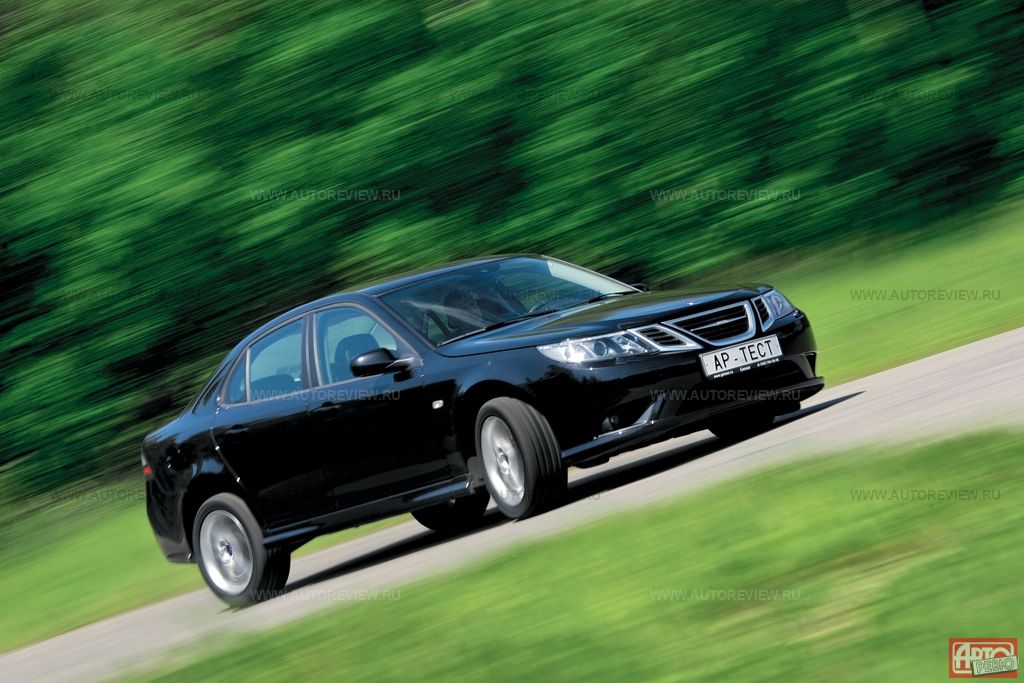
The new Chrysler Sebring with a V6 2.7 engine (186 hp) and six-speed automatic is offered for 965 thousand rubles — with six airbags, leather interior and electric driver's seat. The restyled Saab 9-3 costs 919 thousand rubles for the version with a two-liter turbo engine of 210 hp. Surcharge for automatic — 45 thousand rubles, and for all-wheel drive XWD — a whopping 367 thousand rubles! Details about Saab — in AR No. 5, 2008 and AR No. 16, 2008. And Cadillac BLS, that is, a rebadged Saab 9-3, with the same 210-hp engine and manual costs already 1,033,560 rubles, but its equipment is noticeably richer and includes leather interior, electric front seats, parking sensors, rain sensor and bi-xenon headlights. For a five-speed automatic you will have to pay extra 86,130 rubles. Details — in AR No. 16, 2008.
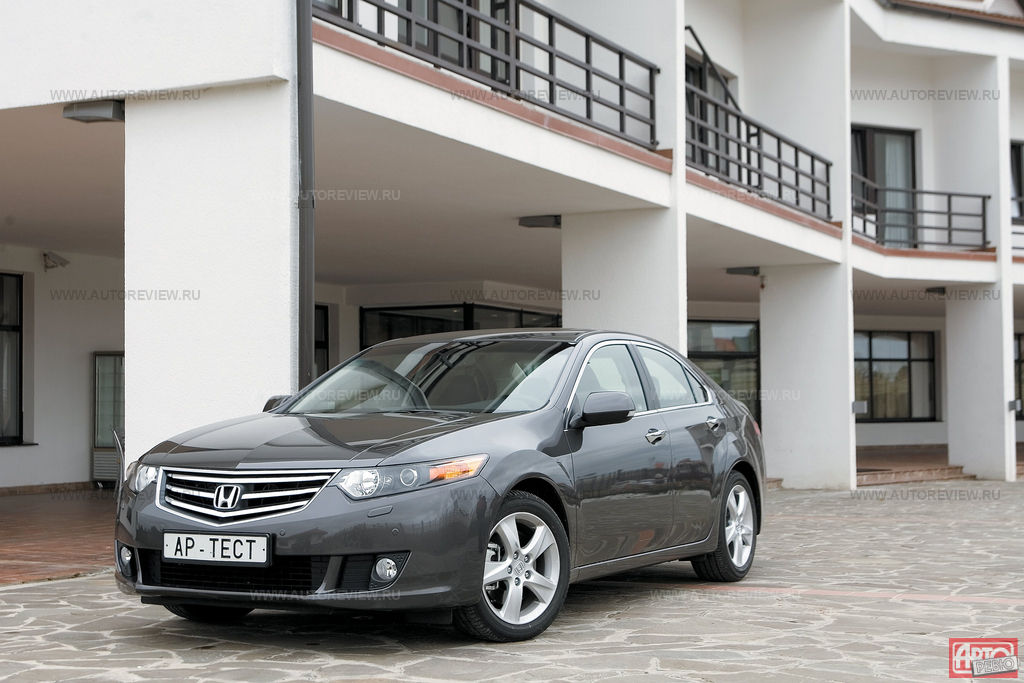
The new Honda Accord in Type S trim (2.4 l, 201 hp) with manual transmission costs 940 thousand rubles, and with automatic — 25 thousand rubles more. The new Accord is spacious, but its driving characteristics let it down. Details — in AR No. 16, 2008.
| Saab 9-3 | Honda Accord |
 |  |
| Volvo S60 | Lexus IS 250 |
 |  |
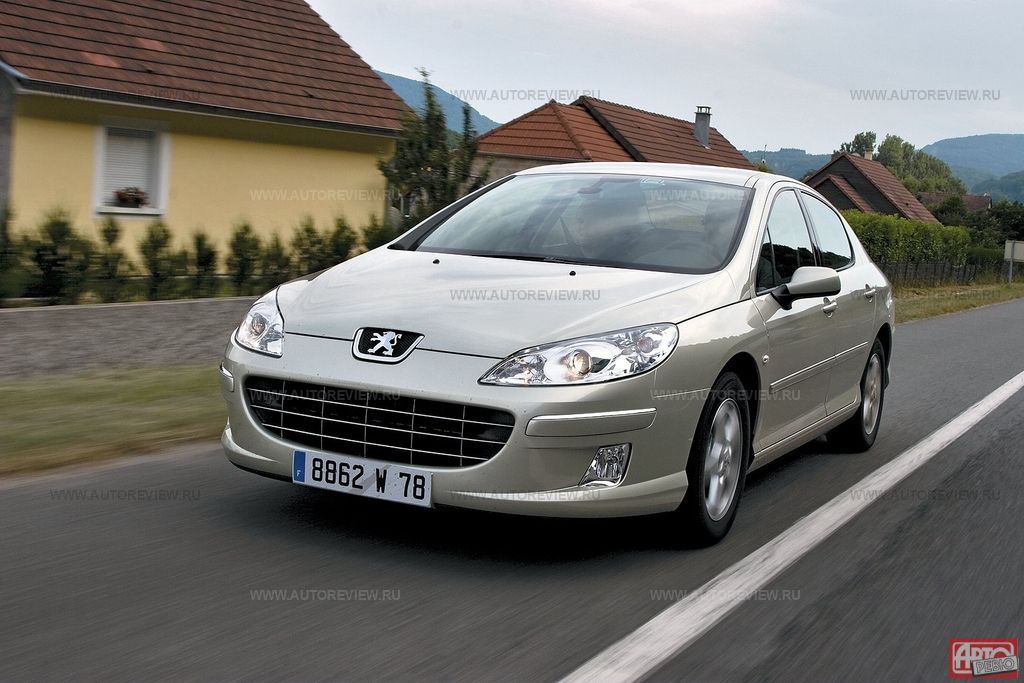
Finally, there is the restyled Peugeot 407 with a V6 3.0 engine (211 hp) and a six-speed automatic for 1,137,700 rubles — expensive. And the all-wheel-drive sedan Subaru Legacy with a three-liter engine producing 245 hp and a five-speed automatic is even more expensive — 1 million 373 thousand rubles. But the base version includes six airbags, climate control, xenon headlights and a sunroof, and the Subaru has a driver-oriented character. Details — in AR No. 24, 2003 and AR No. 3, 2006.
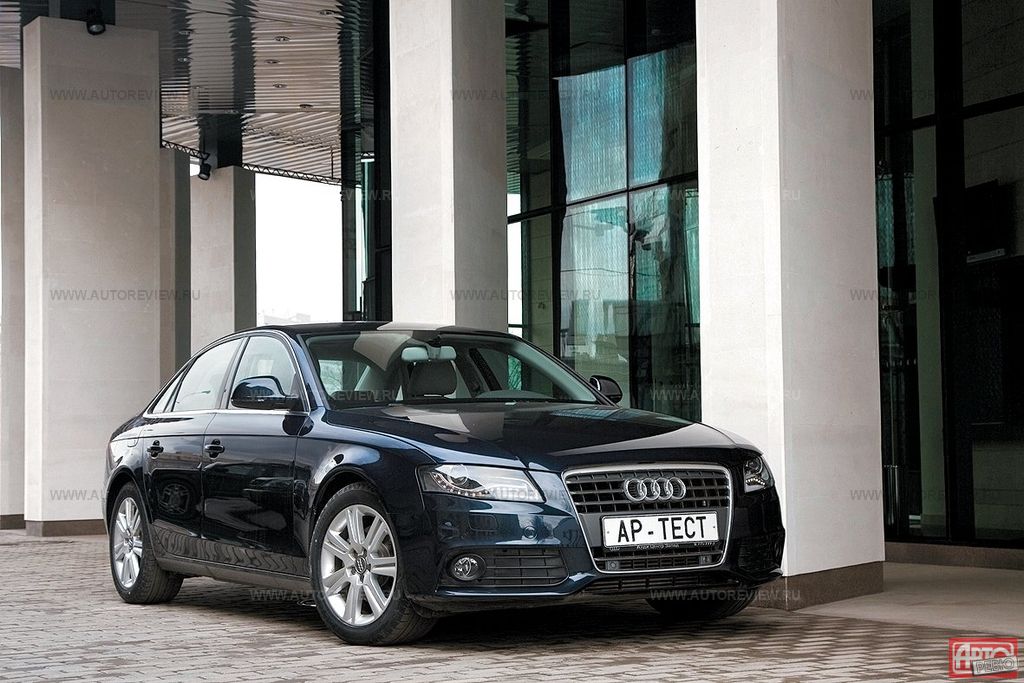
In the same price range are premium segment cars. For example, the Audi A4 with a new turbo engine 2.0 TFSI (180 hp) and manual transmission is priced at 1,151,500 rubles. The version with the same engine boosted to 211 hp will cost 1,198,750 rubles. The surcharge for the CVT is 70 thousand rubles, and for quattro all-wheel drive — 84 thousand rubles. Details — in AR No. 8, 2008.
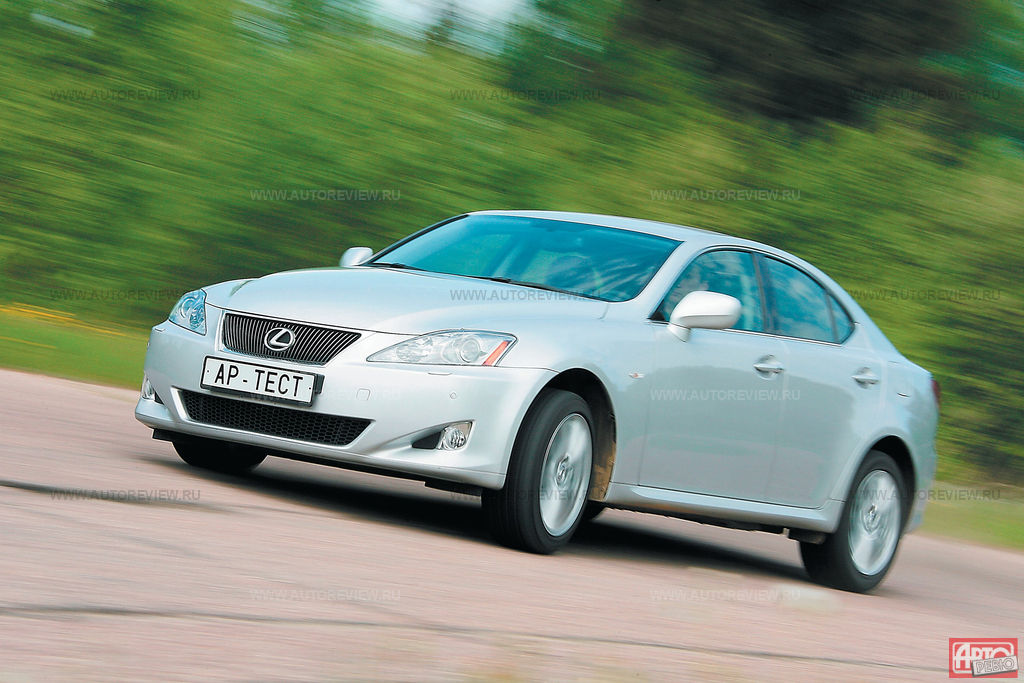
The Lexus IS 250 (2.5 L, 208 hp) with a six-speed automatic, eight airbags and a CD changer costs at least 1 million 183 thousand rubles: ergonomics and chassis are good, but it's a bit cramped in the back. Details — in AR No. 12, 2007.
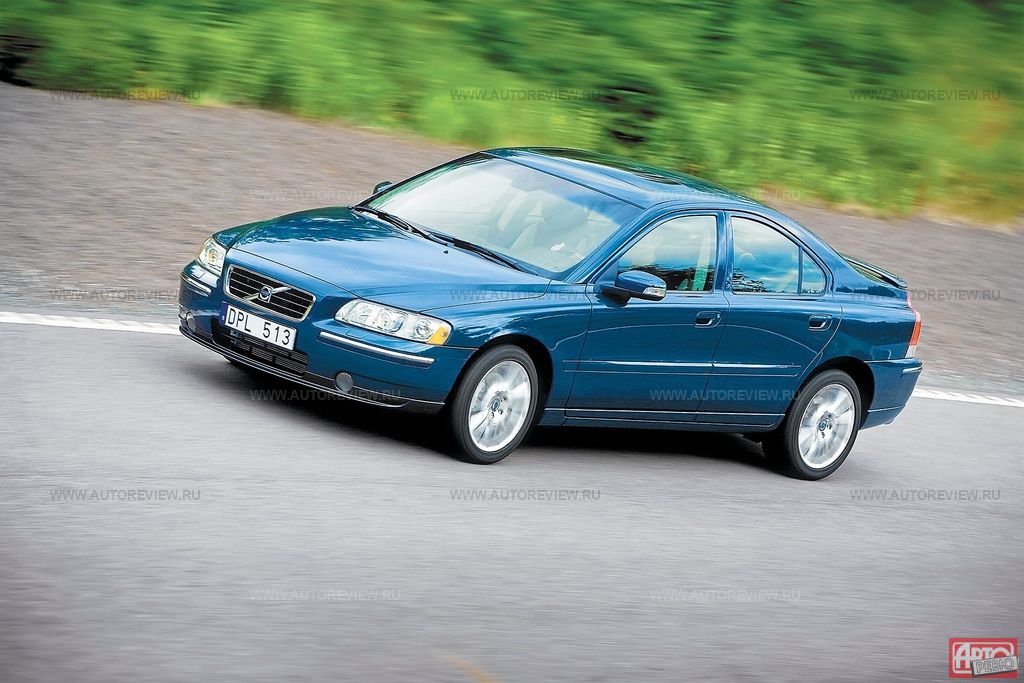
The Volvo S60 is already a veteran — next year it will be replaced. Meanwhile, the version with a 2.5T engine (210 hp), automatic and all-wheel drive is sold for 1,189,400 rubles. Details about the car — in AR No. 9, 2004 and AR No. 3, 2006.
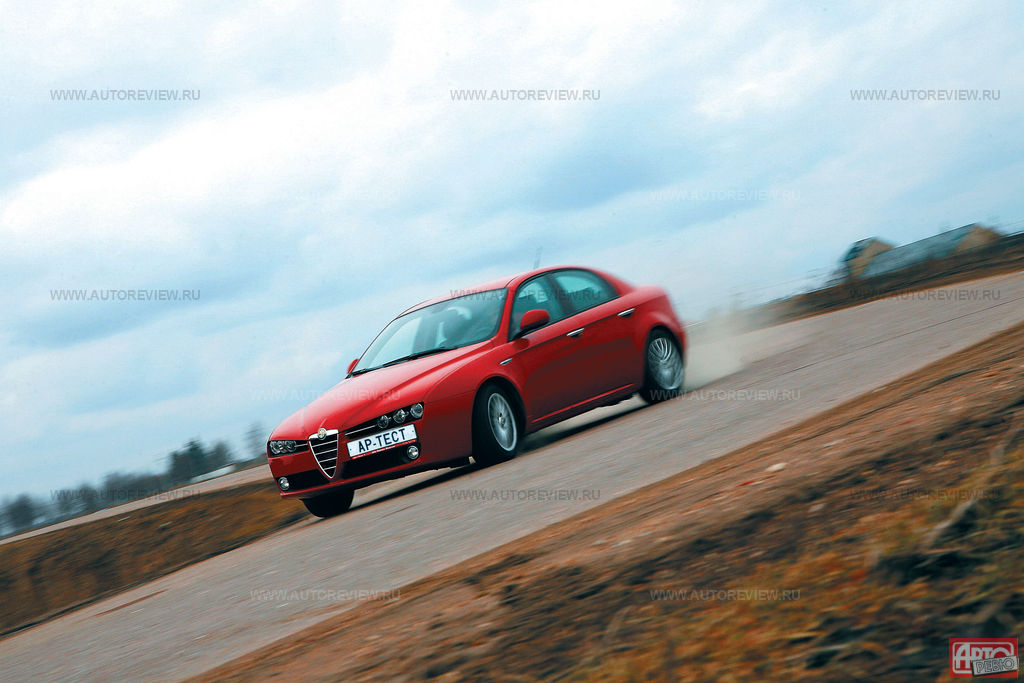
The Alfa Romeo 159 with a 2.2 JTS engine (185 hp) and manual transmission in base trim is equipped with seven airbags, a light sensor and bi-xenon headlights. Price — from 1,202,500 rubles, and the surcharge for the Selespeed robotic gearbox is 40,700 rubles. Details — in AR No. 8, 2008.
| Alfa Romeo 159 | Audi A4 |
 |  |
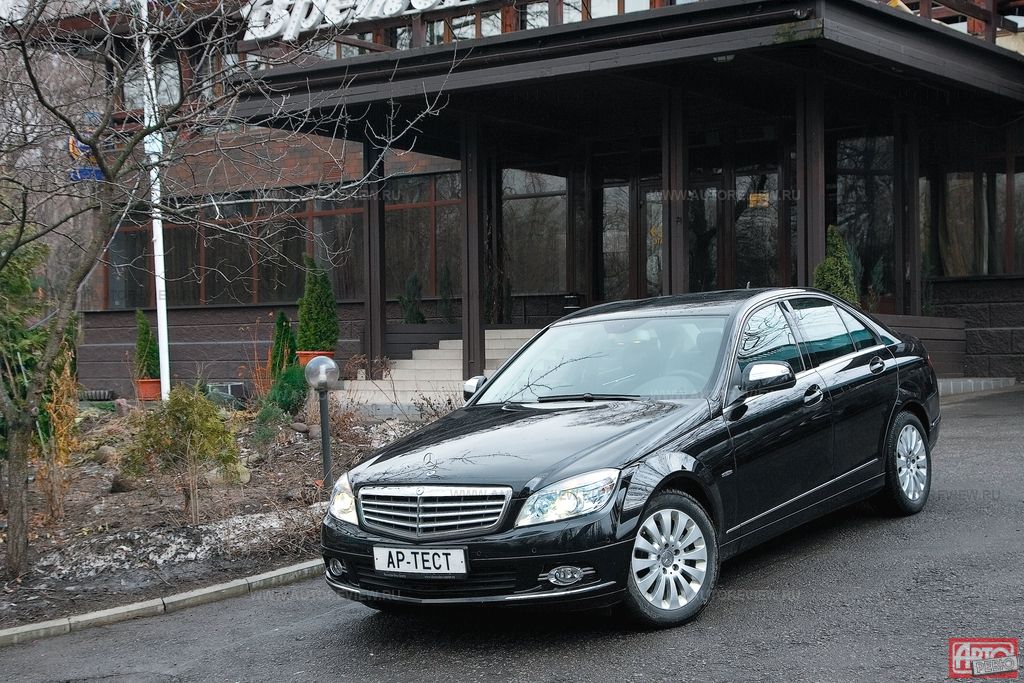
| Mercedes-Benz C-Class | Peugeot 407 |
 |  |
The updated BMW 325i sedan (218 hp) with manual transmission is priced at a minimum of 1,304,600 rubles, and the surcharge for the automatic is 72 thousand rubles. The base equipment is modest: six airbags, air conditioning and a CD radio. But it has the best rear-wheel-drive chassis in its class! Details — in AR No. 12, 2007 and AR No. 8, 2008.
The Mercedes-Benz C 200 K (184 hp) costs at least 1,261,700 rubles, but the base trim is even poorer than the BMW 3 Series: you'll have to pay extra even for the audio system, although instead of a regular air conditioner, the Mercedes already has climate control as standard. The C 230 modification with a V6 2.5 engine (204 hp) is offered for 1,354,200 rubles, and the C 280 version (3.0 L, 231 hp) is already priced at 1,431,900 rubles. The C-Class has a spacious interior and soft suspension, but the interior design is a bit plain. Details — in AR No. 12, 2007 and AR No. 8, 2008.
Finally, for 1 million 415 thousand rubles you can buy an all-wheel-drive Jaguar X-Type 2.5 (196 hp) with a five-speed automatic. The version with a three-liter engine producing 231 hp is priced at 1 million 675 thousand rubles, and the base equipment of both versions includes leather interior and xenon headlights. It's a pity that the classic design is combined with not the most successful ergonomics, a cramped rear seat and an overly soft suspension. Details — in AR No. 2, 2003 and AR No. 4, 2006.
Peace of Mind Guarantee
Dmitry DROBYSHEVSKYCASCO insurance is not only peace of mind for the owner, but also a necessary condition for obtaining a loan to buy a car. Which car from our trio is more profitable to insure?
As a "reference" insurance company, we chose Ingosstrakh — they work with cars of almost all brands, not just "selected" ones, and offer the widest range of services. But the policy is not cheap. The availability of insurance in other companies recommended by official dealers is explained by modest discounts for accident-free driving and incomplete coverage of risks abroad.
The cost of expensive insurance in Ingosstrakh (7-7.2%), oddly enough, turned out to be almost the same for all three cars: they are not in the "risk group." Insurers do not take into account the high criminality of the Passat, since mainly old Volkswagens are stolen (for parts), and mostly new cars are insured.
Budget insurance is more profitable for the "Frenchman": a policy from Standard Reserve costs only 4.65% of the Citroen's value, or 64,310 rubles. Renaissance Insurance believes that the Volkswagen Passat and Ford Mondeo are more theft-prone and more likely to be involved in accidents — the policy will cost 5-5.3% of the car's price.
| Cost and terms of CASCO insurance* | ||||||
| Cars | Citroen C5 3.0 | Ford Mondeo 2.5 T | Volkswagen Passat 2.0 TFSI | |||
| Insurance companies | Ingosstrakh | Standard Reserve | Ingosstrakh | Renaissance Insurance | Ingosstrakh | Renaissance Insurance |
| Price of the tested car, rub. | 1,383,000 | 1,044,100 | 1,236,990 | |||
| Price of the basic policy, % of the car price* | 7 | 4.65 | 7.2 | 5.25 | 7 | 5.04 |
| Price of the basic policy, rubles | 96,810 | 64,310 | 75,175 | 54,815 | 86,589 | 62,344 |
| Discount for deductible, %* | 2.22 | 0.31 | 2.56 | 0.75 | 2.35 | 0.75 |
| Discount for accident-free driving, % per year | 15 | 15 | 15 | 15 | 15 | 15 |
| Calculation of car depreciation for the first/second/third year of operation, % | 20/10/10 | 18/12/12 | 20/10/10 | 20/15/10 | 20/10/10 | 20/15/10 |
| Requirement for installation of an additional security system | Not required | Immobilizer (standard or additionally installed) | Not required | Immobilizer (standard or additionally installed) | Not required | Immobilizer (standard or additionally installed) |
| Territory of coverage of the basic policy | RF and CIS*** | RF | RF and CIS*** | RF and CIS*** | RF and CIS*** | RF and CIS*** |
| Risks covered outside the RF territory | Theft and damage | Damage | Theft and damage | Damage | Theft and damage | Damage |
| Additional services included in the policy price | Provision of an emergency commissioner, referral to a service from the accident site | None (provision of an emergency commissioner — 5,000 rubles per year) | Provision of an emergency commissioner, referral to a service from the accident site | Provision of an emergency commissioner, referral to a service from the accident site | Provision of an emergency commissioner, referral to a service from the accident site | Provision of an emergency commissioner, referral to a service from the accident site |
| * For policyholders over 31 years old with at least 10 years of driving experience | ||||||
| ** Deductible — uncovered damage in the amount of 15 thousand rubles for Ingosstrakh, Renaissance Insurance and Standard Reserve | ||||||
| *** As of 23.09.2008, the following countries were considered CIS members by Ingosstrakh and Standard Reserve: Azerbaijan, Armenia, Belarus, Georgia, Kazakhstan, Kyrgyzstan, Moldova, Tajikistan, Turkmenistan, Uzbekistan, Ukraine | ||||||