
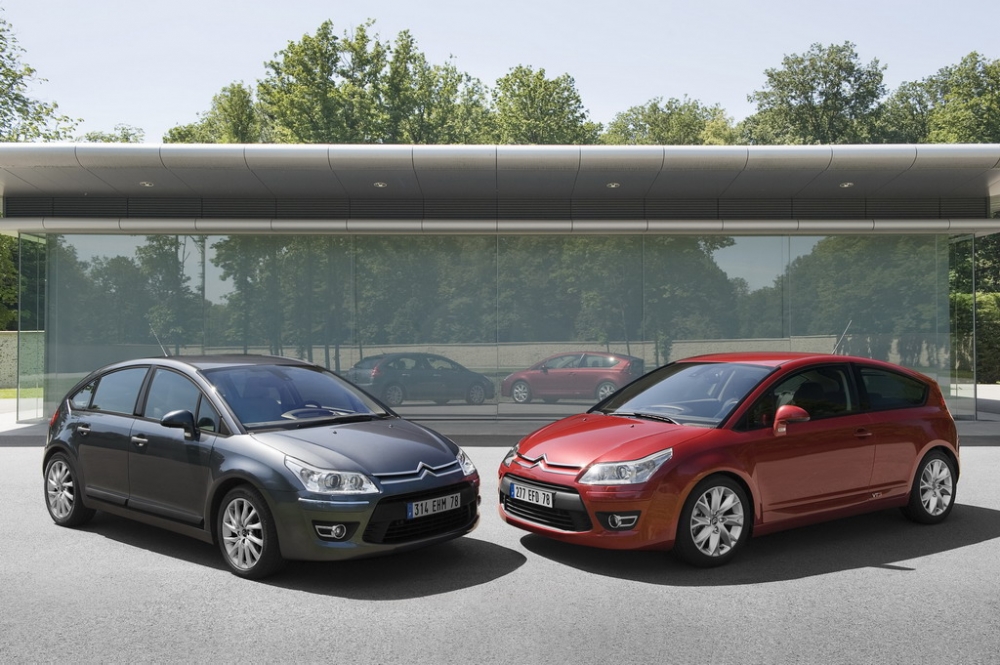
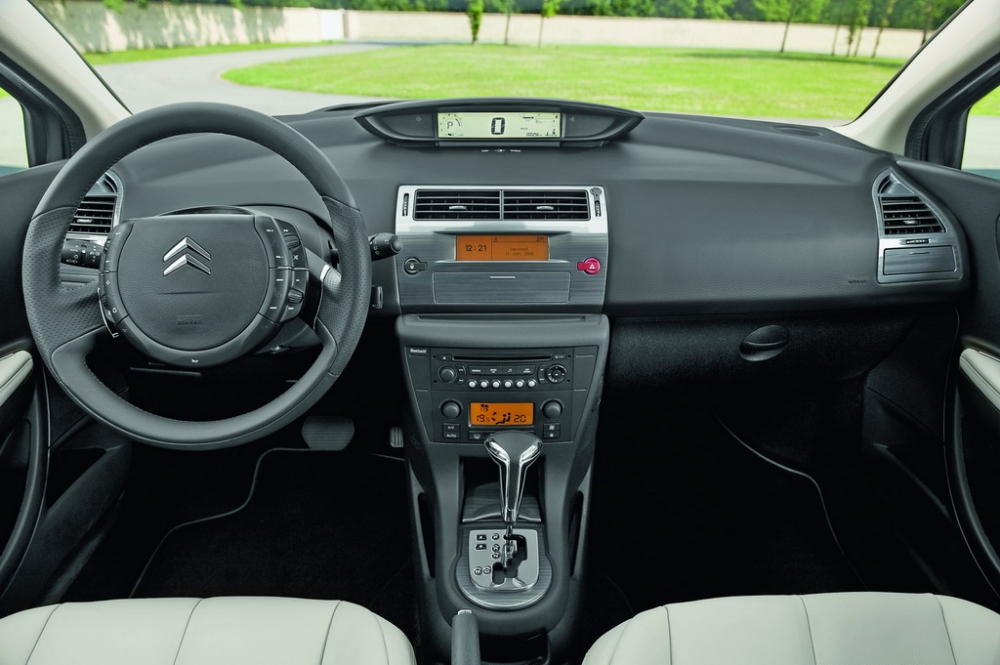
 When the C4 came into being, the Citroen brand once again regained its reputation as a trendsetter in bold automotive design. In the nineties of the last century, the former glory won by the DS, SM, and CX models had noticeably faded due to faceless middle-of-the-road cars like the ZX and Saxo. So it's no surprise that, when approaching the planned facelift, the designers did not dare to make radical changes to the appearance of the "C-Quatre." Inside, there were even fewer changes – in front of the driver, there were no instruments left at all: the tachometer moved from the steering wheel hub to under the cowl in the central part of the console. You sit behind the wheel, and in front of you – a "bare field." However, you get used to the fact that the instrument panel is no longer in its usual place quite quickly. That's how Citroen does things – unconventional, but by no means uncomfortable. Moreover, the cabin holds no other surprises, and the coziness inherited from the first-generation car remains the same. When the C4 came into being, the Citroen brand once again regained its reputation as a trendsetter in bold automotive design. In the nineties of the last century, the former glory won by the DS, SM, and CX models had noticeably faded due to faceless middle-of-the-road cars like the ZX and Saxo. So it's no surprise that, when approaching the planned facelift, the designers did not dare to make radical changes to the appearance of the "C-Quatre." Inside, there were even fewer changes – in front of the driver, there were no instruments left at all: the tachometer moved from the steering wheel hub to under the cowl in the central part of the console. You sit behind the wheel, and in front of you – a "bare field." However, you get used to the fact that the instrument panel is no longer in its usual place quite quickly. That's how Citroen does things – unconventional, but by no means uncomfortable. Moreover, the cabin holds no other surprises, and the coziness inherited from the first-generation car remains the same. |
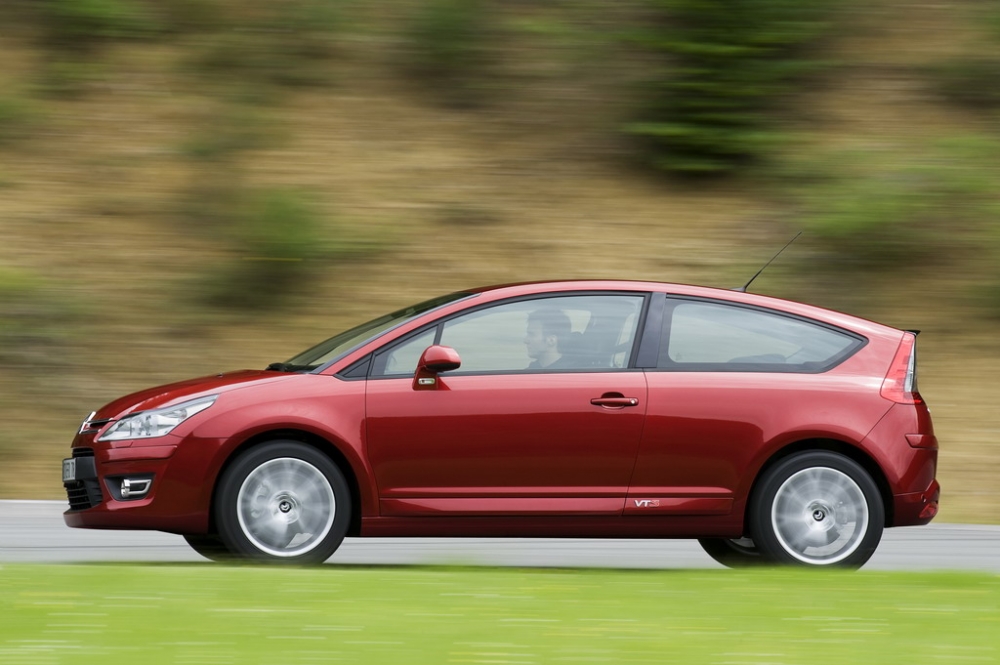 The interior trim still features plenty of pliable plastic, and the seats with comfortable geometry are upholstered in a material that pleases both the eye and the fingers. Moreover, thanks to the huge windshield, the front area of the cabin, even though the hatchback itself is not the largest in the golf class, seems truly spacious. This feeling is created not only by the glazing but also by the clever layout: in width, the C4 surpasses many competitors, and this parameter seems to strongly influence the subjective perception of free space. Take the Ford Focus, for example, which is famous for its space in the C-class: its cabin width at the level of the front occupants' elbows is 1408 millimeters, while the C4's figure is 1442 millimeters. The interior trim still features plenty of pliable plastic, and the seats with comfortable geometry are upholstered in a material that pleases both the eye and the fingers. Moreover, thanks to the huge windshield, the front area of the cabin, even though the hatchback itself is not the largest in the golf class, seems truly spacious. This feeling is created not only by the glazing but also by the clever layout: in width, the C4 surpasses many competitors, and this parameter seems to strongly influence the subjective perception of free space. Take the Ford Focus, for example, which is famous for its space in the C-class: its cabin width at the level of the front occupants' elbows is 1408 millimeters, while the C4's figure is 1442 millimeters. |
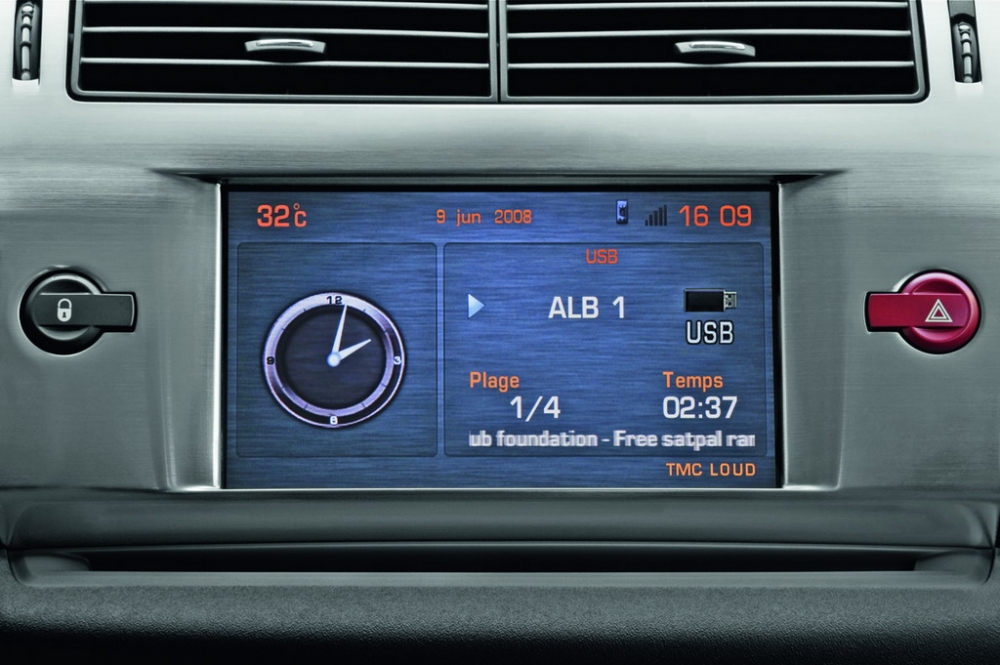
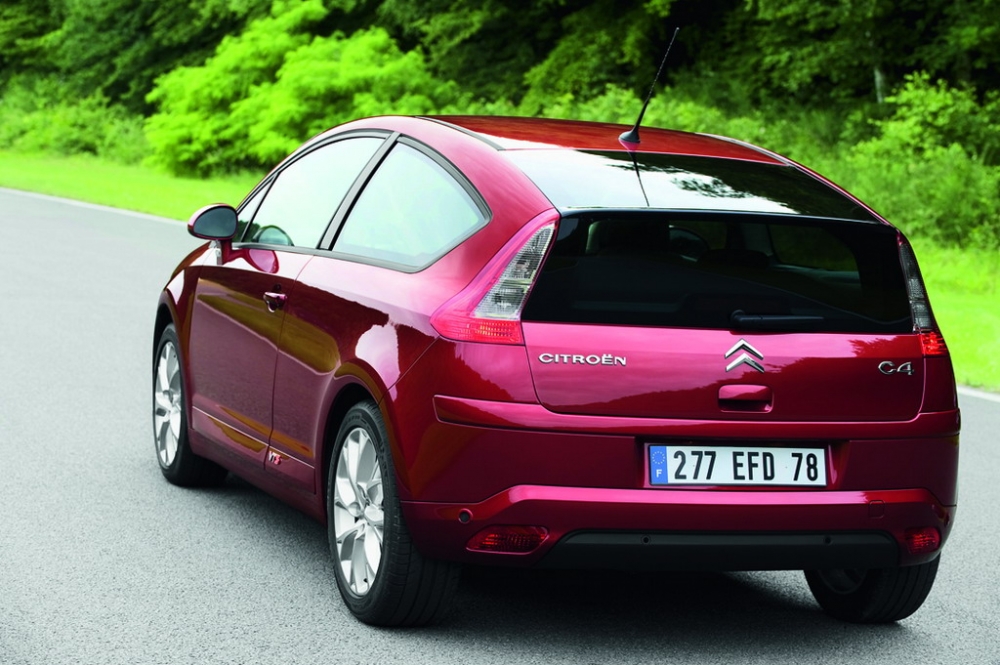 The C4's equipment is generous, especially when compared to the typical golf class. Here you have multilayer side windows, front and rear parking sensors (the obstacle layout is displayed on the navigation system screen), and bi-xenon headlights with cornering lights. The list of optional equipment also retains the system that signals when crossing a solid line. A camera monitors the markings, working in tandem with a vibration motor in the driver's seat cushion. If you daydream and cross the "solid line" at speeds above 80 kilometers per hour, the driver gets a truly powerful shake that can wake you up even after a week of sleep deprivation (tested on myself: I didn't fall asleep but simply got distracted by the rural landscapes in the Paris suburbs during the test). True, if the turn signal is on, the system won't activate. The C4's equipment is generous, especially when compared to the typical golf class. Here you have multilayer side windows, front and rear parking sensors (the obstacle layout is displayed on the navigation system screen), and bi-xenon headlights with cornering lights. The list of optional equipment also retains the system that signals when crossing a solid line. A camera monitors the markings, working in tandem with a vibration motor in the driver's seat cushion. If you daydream and cross the "solid line" at speeds above 80 kilometers per hour, the driver gets a truly powerful shake that can wake you up even after a week of sleep deprivation (tested on myself: I didn't fall asleep but simply got distracted by the rural landscapes in the Paris suburbs during the test). True, if the turn signal is on, the system won't activate. |
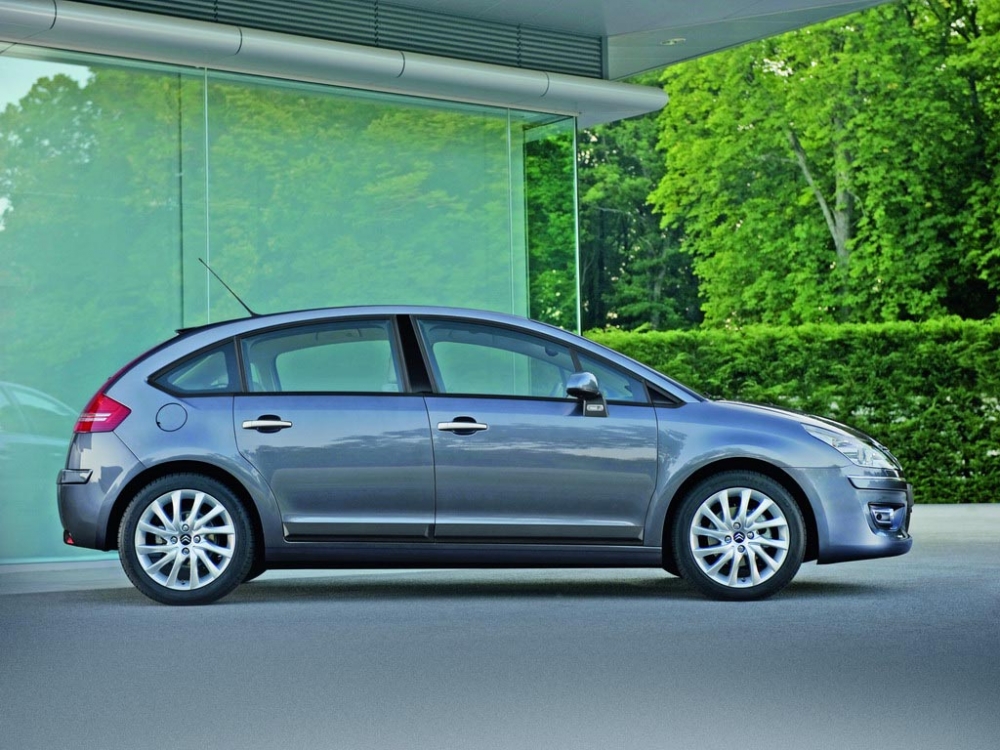 The signature feature of recent Citroen models – the fixed steering wheel hub – of course, also remains in place. Let me remind you that thanks to this design, the engineers managed to give the front airbag an ideal shape. However, some Citroen owners do not like this engineering solution: when turning the wheel, you have to awkwardly bend your fingers to reach the audio system or cruise control buttons on the hub. And after all, the signature finger positioning is not available to everyone... However, the process of cornering in the C4 itself is light and exciting. Company representatives claim that the combination of shock absorbers and springs has been refined, but during a short 60-kilometer test, I did not feel any particular difference in behavior either in the updated coupe or the hatchback compared to the previous generation. The same moderately firm suspension that in a corner tempts you not to press the brake but, on the contrary, to press the gas harder. The signature feature of recent Citroen models – the fixed steering wheel hub – of course, also remains in place. Let me remind you that thanks to this design, the engineers managed to give the front airbag an ideal shape. However, some Citroen owners do not like this engineering solution: when turning the wheel, you have to awkwardly bend your fingers to reach the audio system or cruise control buttons on the hub. And after all, the signature finger positioning is not available to everyone... However, the process of cornering in the C4 itself is light and exciting. Company representatives claim that the combination of shock absorbers and springs has been refined, but during a short 60-kilometer test, I did not feel any particular difference in behavior either in the updated coupe or the hatchback compared to the previous generation. The same moderately firm suspension that in a corner tempts you not to press the brake but, on the contrary, to press the gas harder. |
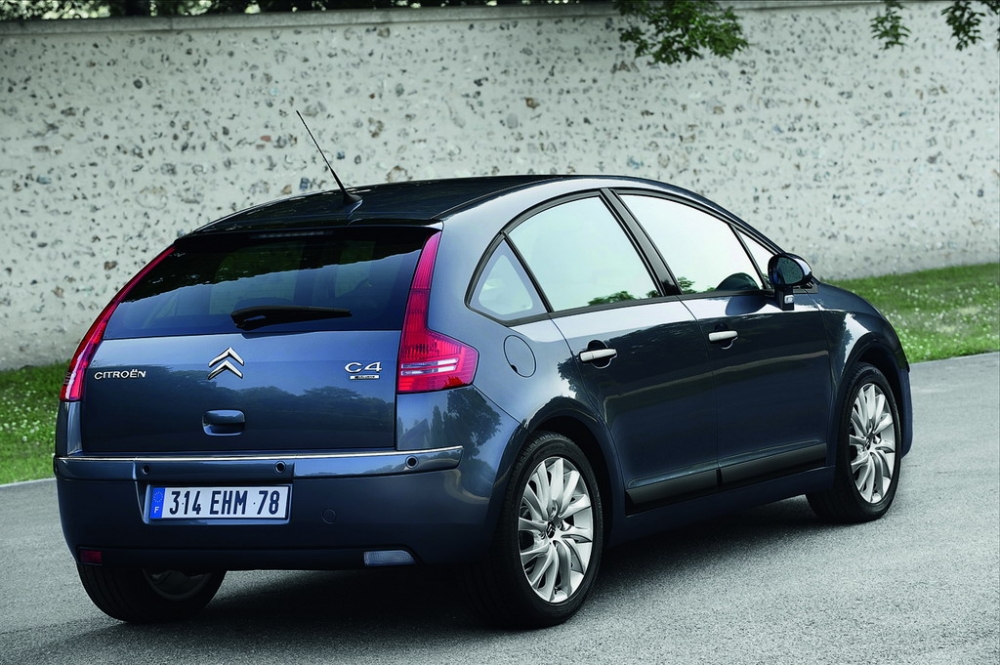 Adding gas on the updated C4 has become much more interesting. After the modernization, the "four" got two new 1.6-liter engines that PSA developed jointly with BMW. The naturally aspirated VTi 120 develops 120 horsepower, and its main trump card is its rather modest appetite (only 6.7 liters of gasoline per hundred in the combined cycle with a manual gearbox), for which much credit goes to the Bavarian Valvetronic variable valve timing system. The second engine, equipped with a Twin-Scroll turbocharger, produces 150 "horses." True, only in combination with a "manual," which will not be brought to our market. Instead, you'll have to settle for the THP 140 version, working in tandem with an old but clearly not gentle four-speed automatic. It's good that the new engine is torquey – this partially smooths out the stretched gear ratios of the gearbox. Adding gas on the updated C4 has become much more interesting. After the modernization, the "four" got two new 1.6-liter engines that PSA developed jointly with BMW. The naturally aspirated VTi 120 develops 120 horsepower, and its main trump card is its rather modest appetite (only 6.7 liters of gasoline per hundred in the combined cycle with a manual gearbox), for which much credit goes to the Bavarian Valvetronic variable valve timing system. The second engine, equipped with a Twin-Scroll turbocharger, produces 150 "horses." True, only in combination with a "manual," which will not be brought to our market. Instead, you'll have to settle for the THP 140 version, working in tandem with an old but clearly not gentle four-speed automatic. It's good that the new engine is torquey – this partially smooths out the stretched gear ratios of the gearbox. |
 On the one hand, it's wonderful that the car retained its flashy appearance after the update. But this medal has a flip side. During the test drive in the vicinity of Paris, sitting behind the wheel of the updated C4, I did not catch a single glance from passersby. That was even somewhat unusual. Usually, at presentations of new products, the attention of the public sometimes begins to tire. Therefore, as strange as it may sound, the once avant-garde C4 in its new reading is unlikely to suit those who want to stand out from the gray mass. They got used to it, as to everything good, three years ago. But the design of this car will not become outdated soon, and its happy owner, in principle, can calmly grow old together with his "four." And who knows – perhaps in thirty years, this "Citroen" will acquire the same collector's value as the legendary DS! On the one hand, it's wonderful that the car retained its flashy appearance after the update. But this medal has a flip side. During the test drive in the vicinity of Paris, sitting behind the wheel of the updated C4, I did not catch a single glance from passersby. That was even somewhat unusual. Usually, at presentations of new products, the attention of the public sometimes begins to tire. Therefore, as strange as it may sound, the once avant-garde C4 in its new reading is unlikely to suit those who want to stand out from the gray mass. They got used to it, as to everything good, three years ago. But the design of this car will not become outdated soon, and its happy owner, in principle, can calmly grow old together with his "four." And who knows – perhaps in thirty years, this "Citroen" will acquire the same collector's value as the legendary DS! |
 |
C4: Part Two
The C4, which came into being in 2004, is the last of the Citroëns launched on the assembly line by Italian designer Donato Coco during his twenty-year romance with the French automaker. In 2005, Donato left to 'craft' Ferraris for a new family, and in 2006, the C4 received the title of World Car of the Year for its design from a jury consisting of representatives of 48 of the world's largest automotive publications.
Test drive photos
Comments
No comments yet. Say the first word.