Four days off is a good enough reason to forget about kilometers and embark on a small adventure. For those who survive Moscow traffic jams daily, 600–700 kilometers one way doesn't seem like a tiring distance at all.
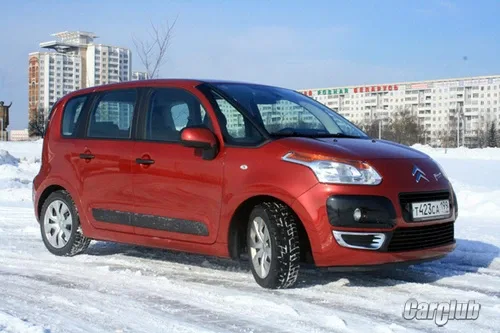
Armed with this bold logic, we decided to dedicate the February 23 holidays to a trip from Moscow to Minsk and back. The car for such a journey had clear requirements: comfort on long distances, moderate appetite, preferably cruise control, a spacious cabin, and a practical trunk. The compact van Citroen C3 Picasso, which launched in Russia in the summer of that year, fit these criteria perfectly. The huge glass area tipped the scales in favor of the Citroen: the vertical view through the large windshield reaches 27 degrees, and the unusual front pillars (the structural elements are shifted toward the center, while those closer to the driver are made thin) don't obstruct visibility in corners. The panoramic roof brings the total glass area to 4.52 square meters. What more could you need for a car you plan to use for sightseeing?
In Europe, unburdened by stereotypes, such cars enjoy well-deserved popularity, but here they are met with indifference. And that's a shame. The compact boxy monospace, named after Pablo Picasso, catches the eye with precise but soft lines and contrasting black plastic moldings on the doors. The front is adorned with a wide black air intake 'mouth,' and the rear with a polished black trim. Stylish optics, protruding double chevron badges, and Picasso's sweeping signature on the hood turn a utilitarian and calm car into a bold and fashionable one. A rich green color was chosen for advertising, but the other body shades are no less vibrant.
Our test car didn't have the panoramic roof—it's an option. But even without it, visibility here is like in a sightseeing bus: the windshield is like a helicopter's. And this is despite the car looking compact on the outside, while inside it's spacious, largely thanks to that very glazing.
The dashboard seems made for those who spend long hours behind the wheel. If there are 8–10 hours of road ahead, you can spread out phones, CDs, chocolates, maps on the flat dashboard—everything is in sight and at hand. Inside the 'table' there's a compartment with a lid. Overall, the C3 Picasso is full of pockets for small items, including a special slot for parking cards. We found the compartments for money useful: on the way to Minsk, there are two toll road checkpoints in Belarus—20 rubles each. Above the glove box, there's a niche for a phone, and the box itself is deep and roomy.
The front panel design pleases the eye: rounded silver trims around the air vents, soft textured plastic.
The most unusual element is the instrument panel, located in the center. Under the visor are the windows for the onboard computer, radio, and digital speedometer. The back wall of the speedometer is transparent, so the backlight automatically adjusts to street lighting: at night, the glow becomes dimmer. From the outside, this window also looks unusual—inspectors followed the passing Citroen with a glowing red-orange rectangle under the windshield.
Among the ergonomic drawbacks are the seat heating dials: they aren't illuminated, and without getting used to it, you won't immediately understand which way to turn them. Until you feel the seat warming up.
The driver's seat offers a high 'bus-like' seating position. The adjustments allow you to get comfortable, and the seat profile doesn't tire even on a long journey.
Rear passengers will appreciate the space, especially the legroom. The rear seats also adjust longitudinally. The trunk will delight travelers: the vertical fifth door gives 500 liters under the shelf. If you fold the rear seats, the C3 Picasso can hold up to 1,506 liters of luggage.
So, let's go!
The red Citroen C3 Picasso with a regular roof left Moscow on the night of February 22. The Minsk highway right after the Moscow Ring Road met us with a heavy snowstorm that didn't let up until the Belarusian border. The Citroen held confidently on the sticky snow-covered road, maintaining its trajectory perfectly. In a couple of hours, the rear was covered in snow, leaving only a small window that the freezing wiper wiped. On the highway, the cars stood out only by their rear fog lights.
Russians don't need a visa to travel to Belarus. About fifty kilometers before the border, along the roads, you start to see Gazelles with a 'Insurance' sign—you can stop at any of them and get an insurance policy for your car, required for traveling in the republic. However, in our case, after the night snowfall, most of these 'offices on wheels' weren't functioning—their 'employees' simply couldn't get to work.
It's better to refuel in advance, before the border: in Belarus, fuel will cost more, on average about 30 rubles per liter. As usual, a Peugeot or Citroen owner at a gas station can be easily spotted: in his hands is the fuel cap along with the ignition key. The design is, to put it mildly, not the most thoughtful.
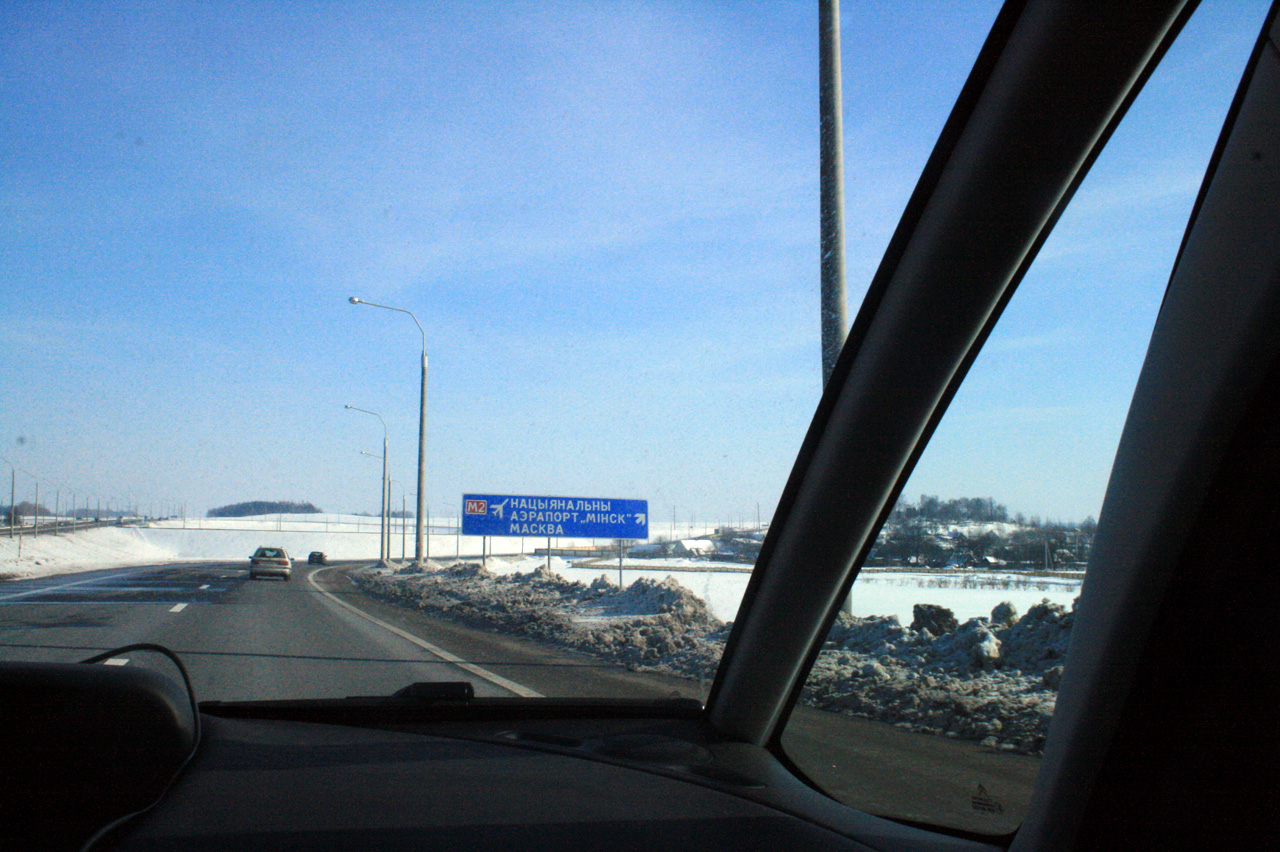
We cross the border without issues (cars with Russian plates aren't even stopped) and find ourselves on Belarusian soil. Rumors about the quality of local roads were confirmed: right after the border, we encounter the first toll point on the highway to Minsk. Here you need to pay 20 Russian rubles, after which you drive onto an excellent highway with two lanes in each direction.
The highway had already been cleared after the night blizzard, and on the smooth asphalt, new nuances of our compact van emerged. First, the side wind from the Belarusian fields noticeably rocks the tall car; second, the Citroen turned out not to be the quietest. However, cruise control proved its worth. The allowed speed is 120 km/h, which is easy to set using the digital speedometer, and then hand over control to the cruise. If necessary, you can adjust the set pace with buttons—the car will adapt to the new limit on its own, while the driver can relax their legs. The car rolls smoothly and confidently along the highway, not bothering passengers with road surface irregularities.
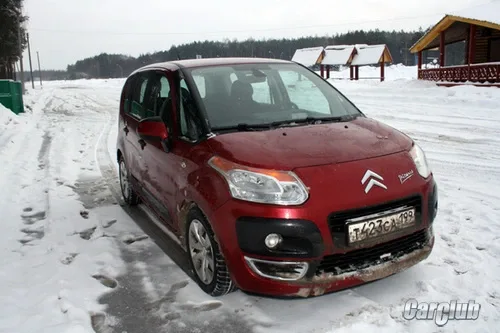 |
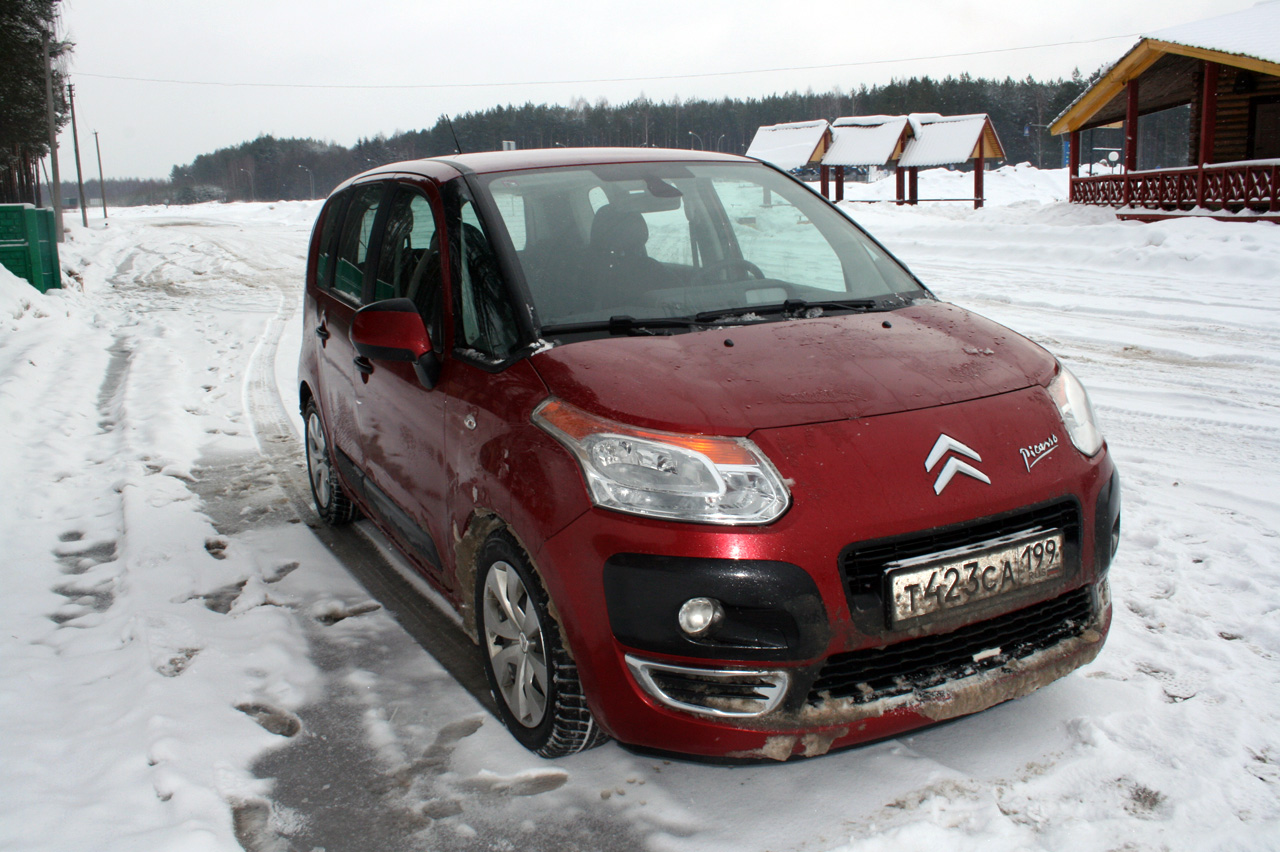
The car's body was covered in wet mud, but the windows remained
clear—another advantage of the car. |
Although the car's body was completely covered in wet mud, the windows stayed clean—another plus for this model.
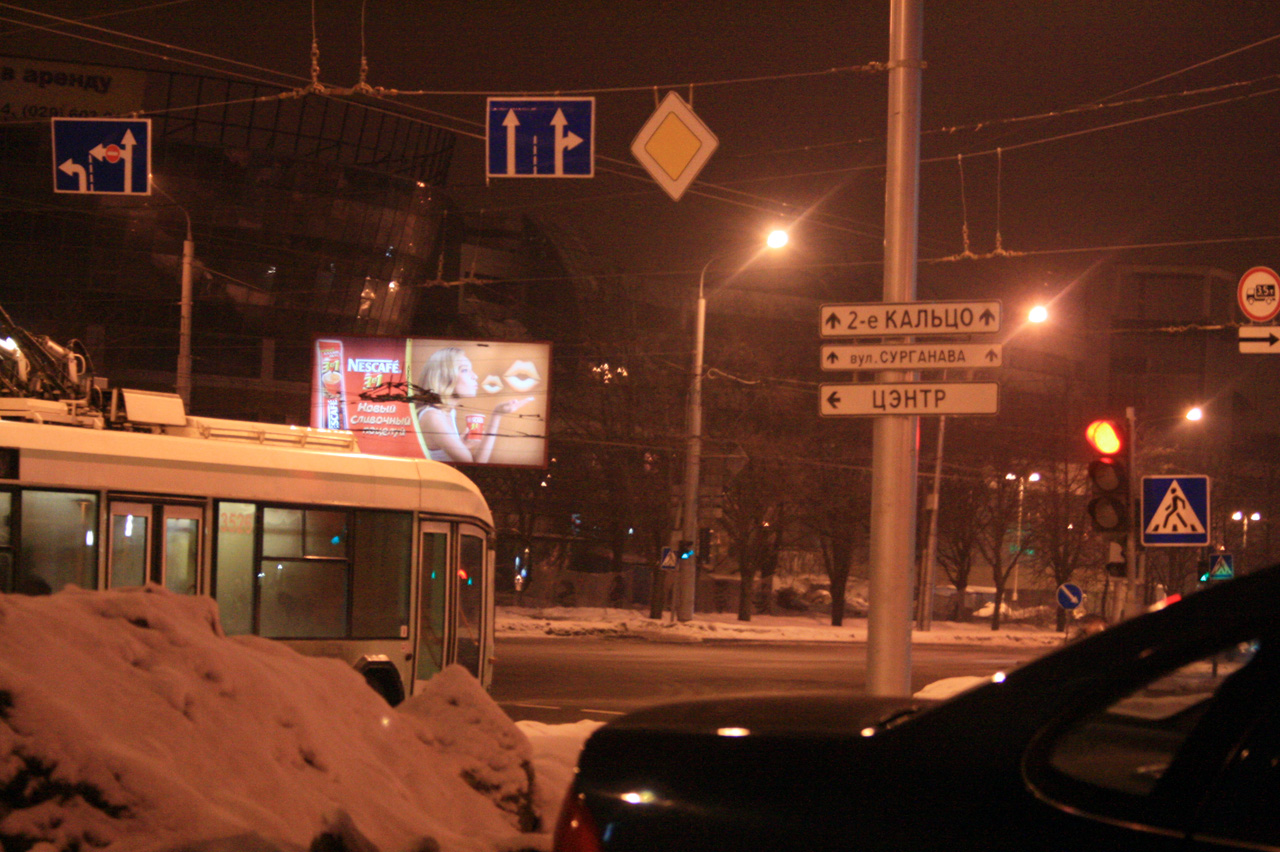
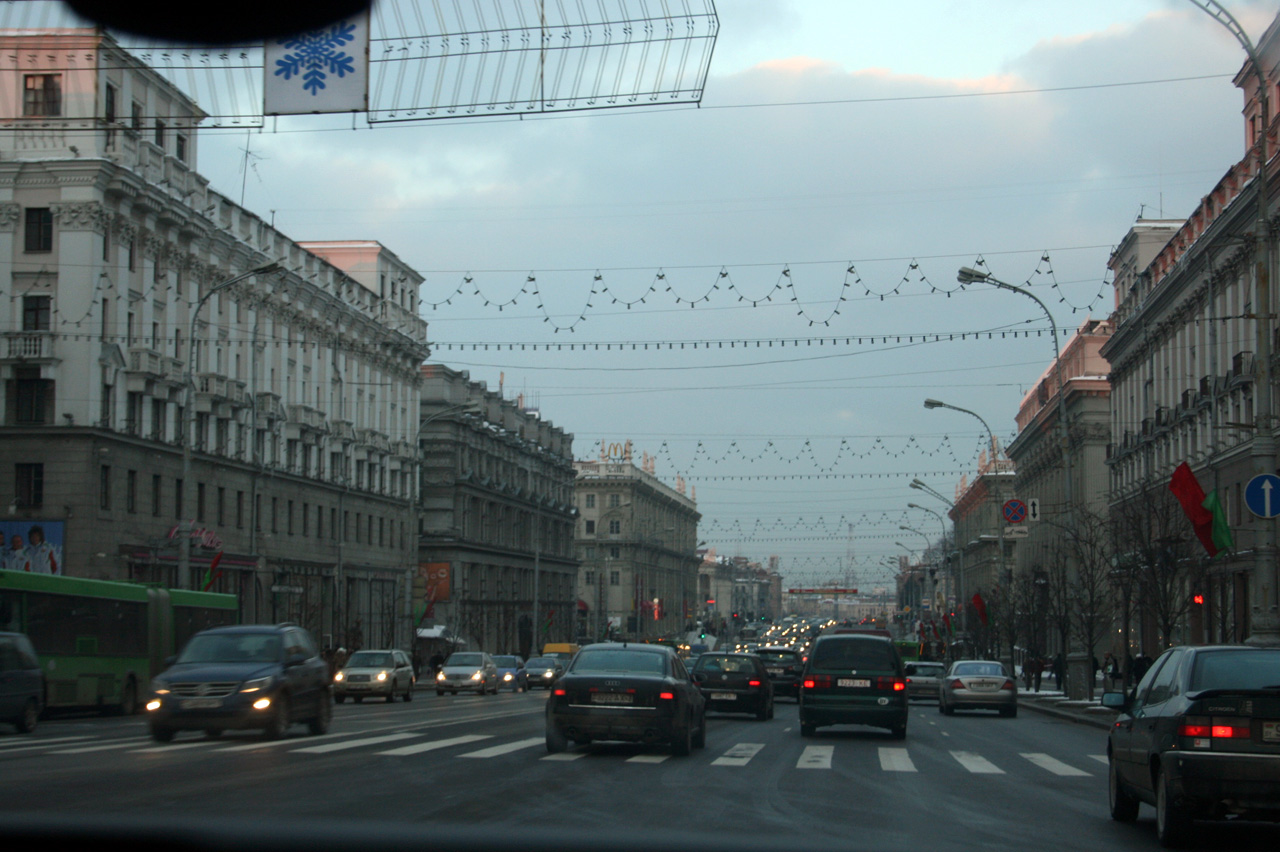
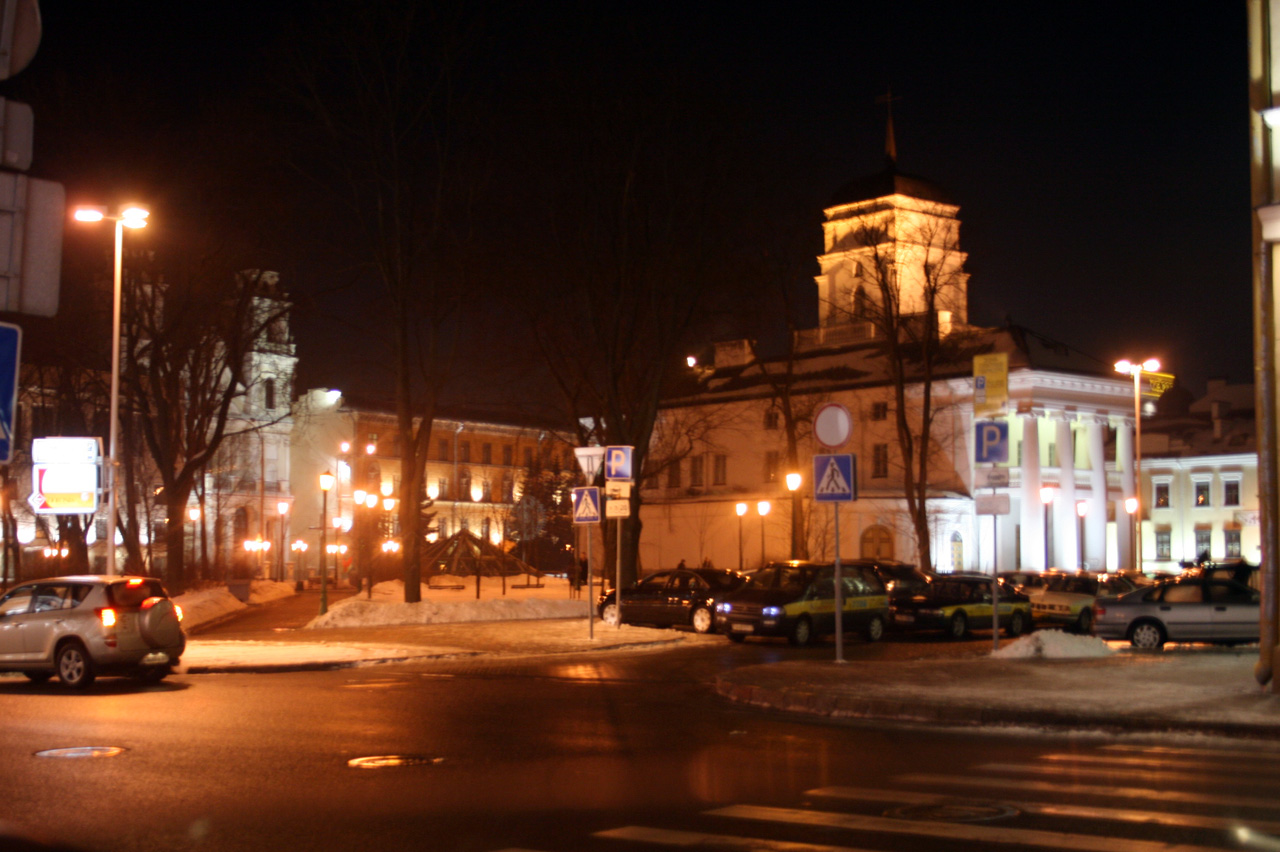
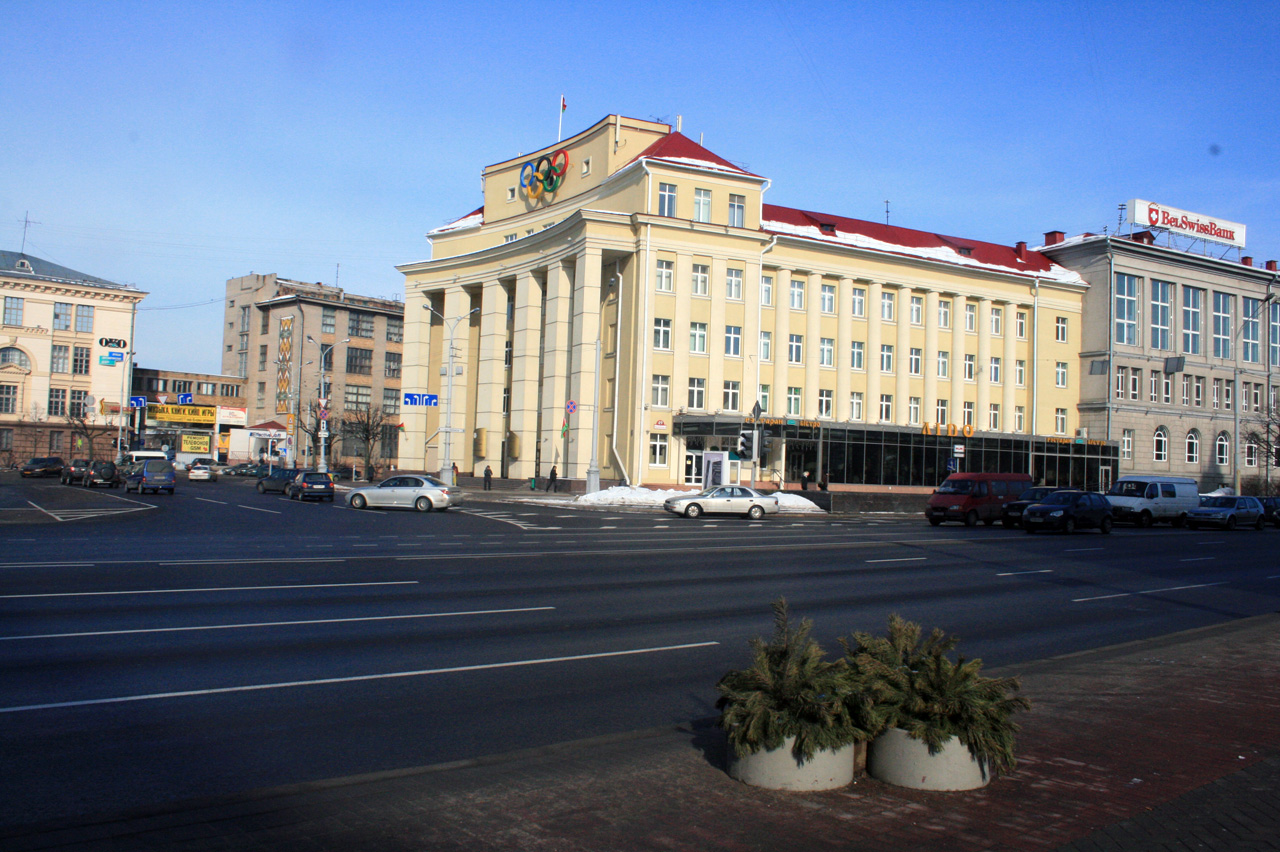
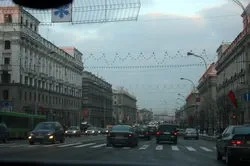
On February 22, Minsk was overcast, but the roads remained clean and even dry. The 'No Parking' sign, like in Moscow, gathers about a dozen parked cars under it, but unlike Tverskaya, the central avenue of Minsk—Independence Avenue—isn't clogged with cars; all lanes are surprisingly free for a city center. The driving style of local drivers hardly differs from Moscow's, except they're more attentive to pedestrians. We didn't manage to get into traffic jams either, even though it was a weekday: in the evening, traffic does get heavier, but overall it remains manageable.
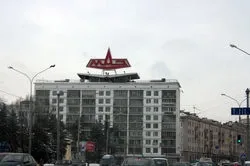 |
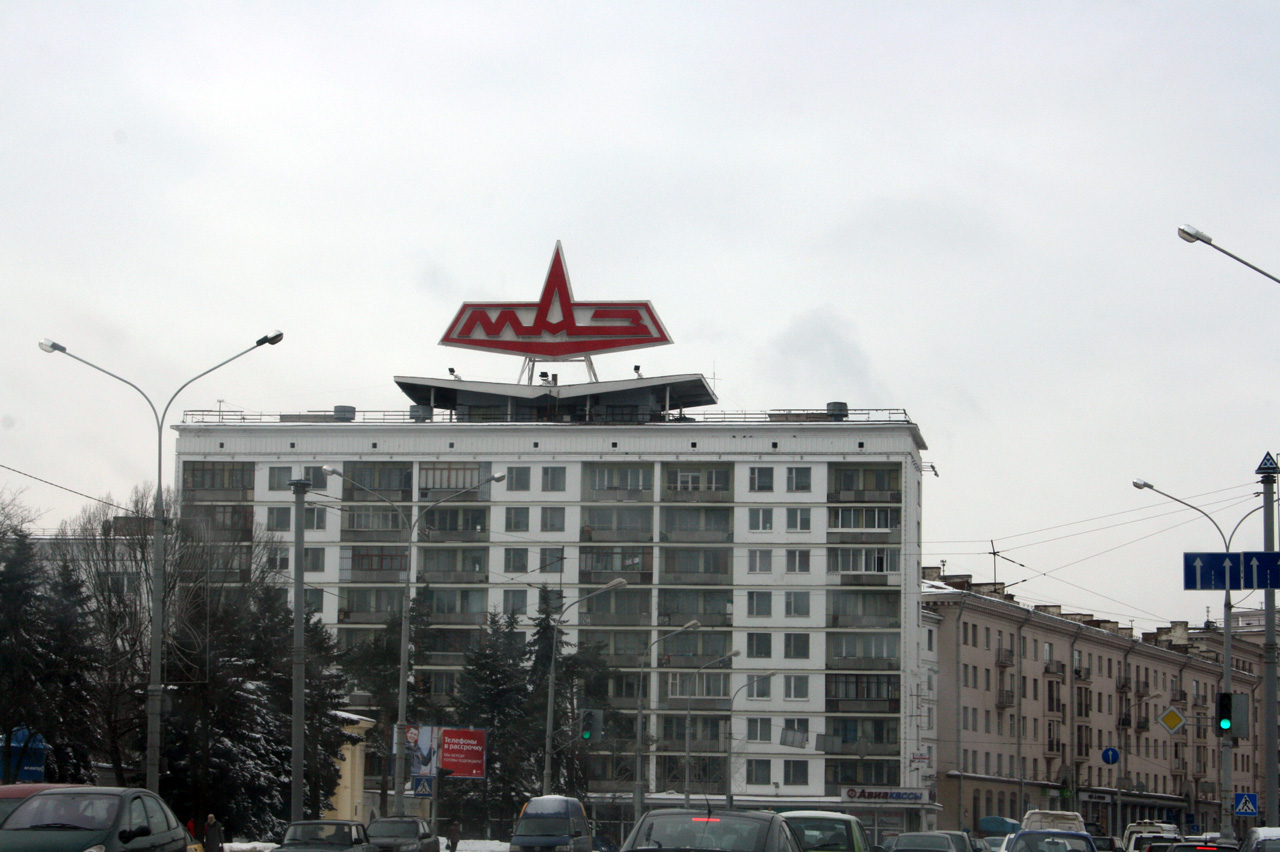
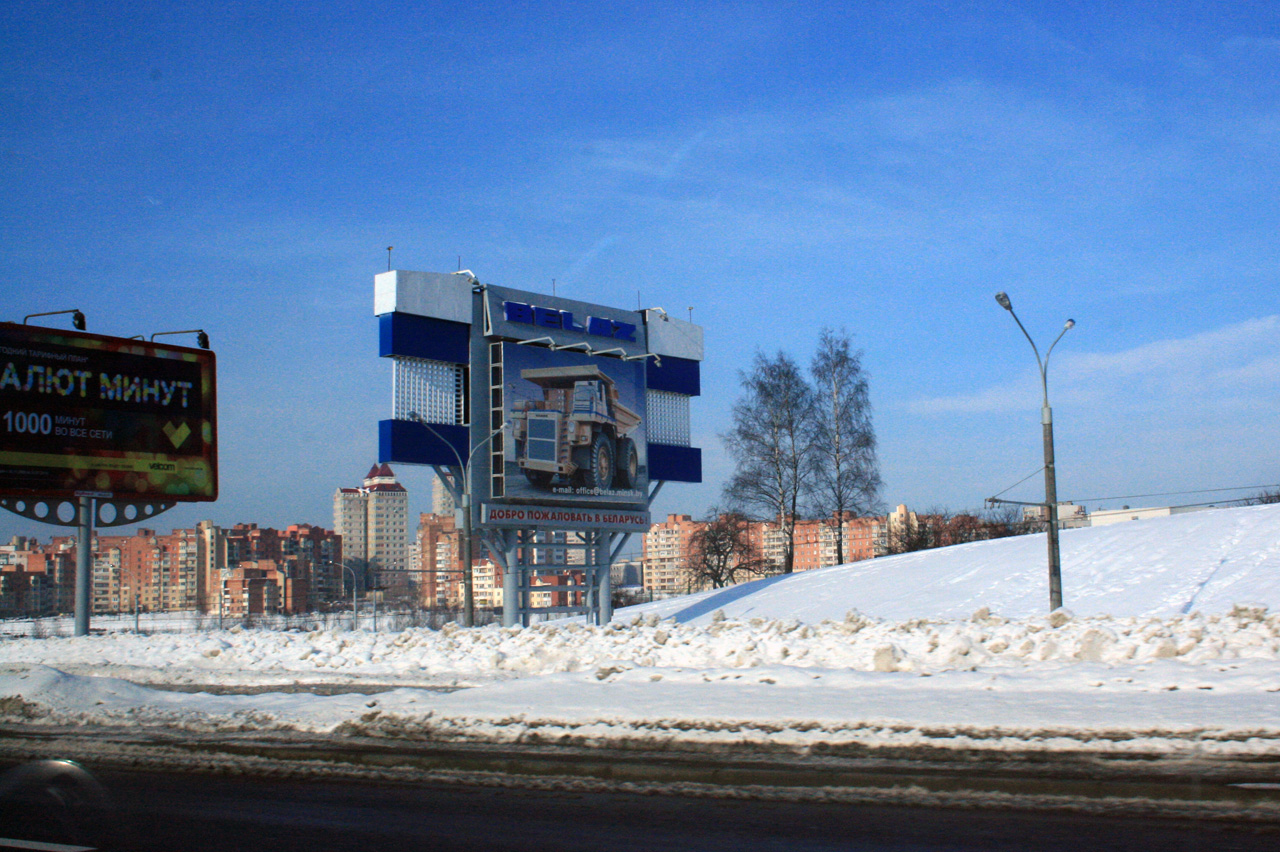
| Minsk is a hospitable city |
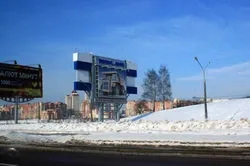 |
welcomes you with large billboards
of MAZ and BelAZ |
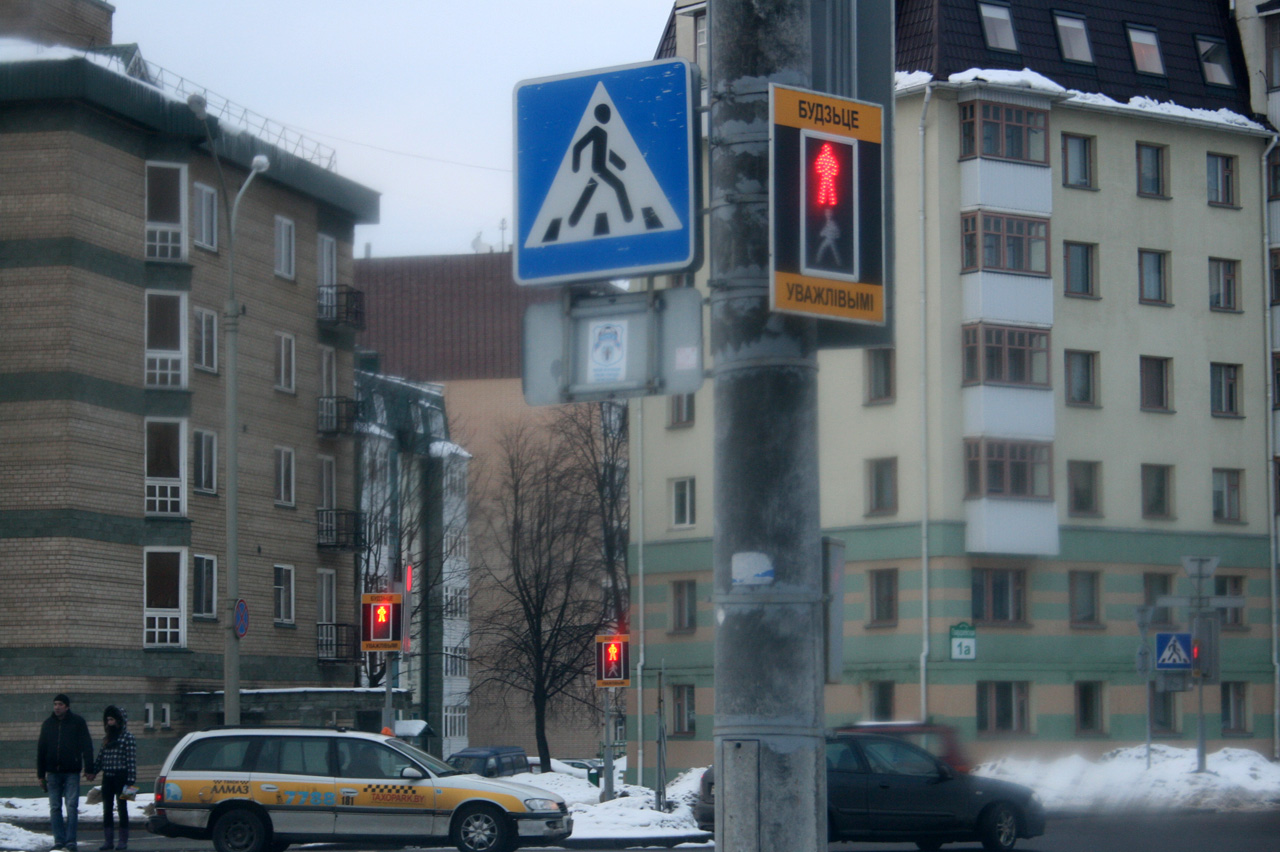
Minsk has flat LED traffic lights that are perfectly visible even during the day. When the green arrow isn't lit, the section itself is illuminated red—the presence of an additional section is visible from afar.
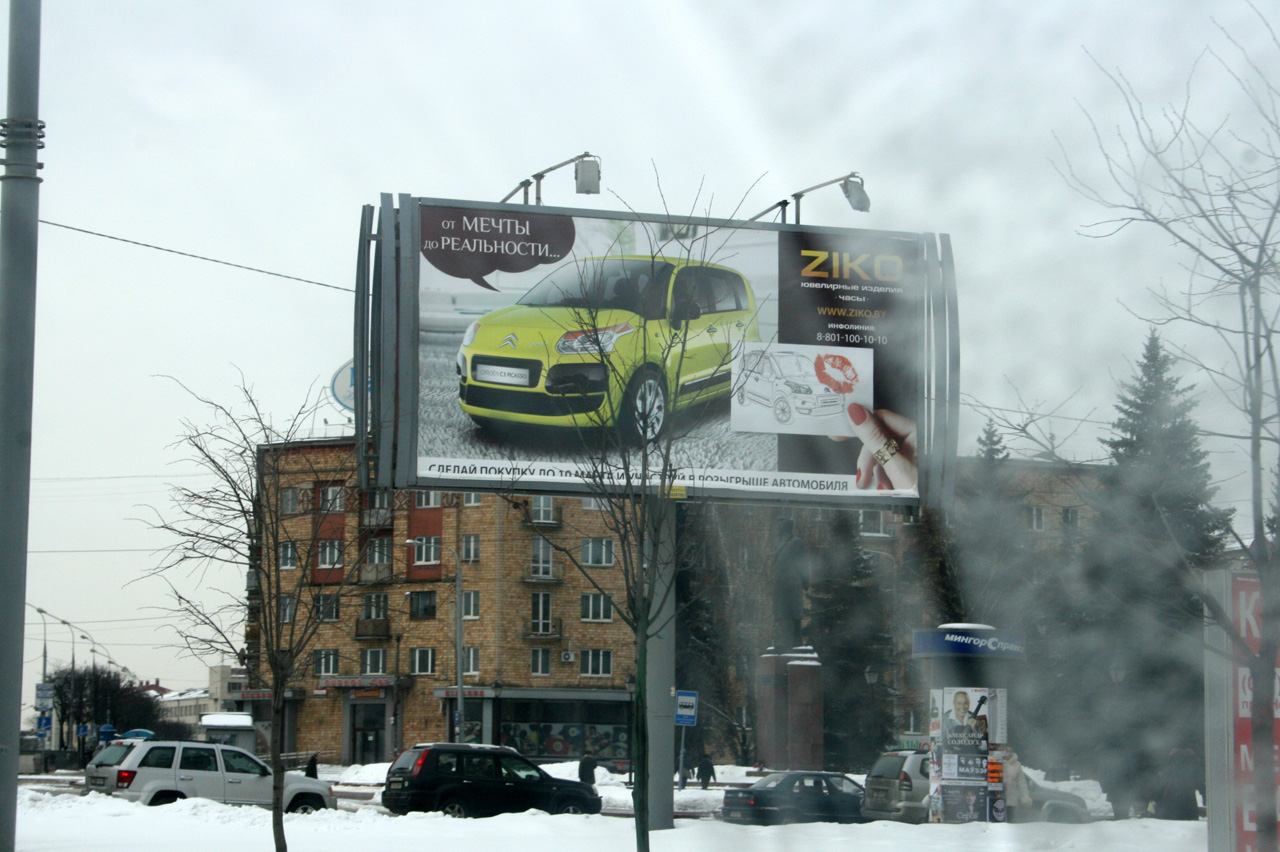
We arrived in the Belarusian capital right in the midst of the advertising campaign for the new C3 Picasso—the city was literally plastered with posters of the green compact van.
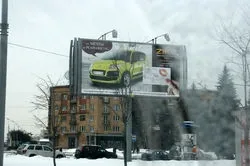 |
We found ourselves in Minsk during the height of the C3 Picasso
advertising campaign |
 |
In the city rhythm, new features of the C3 Picasso emerged: a long
gas pedal travel and some sluggishness of the engine at low
RPMs. But the gearbox pleases with precise shifts. |
In the urban hustle and bustle, the Citroen showed itself from a new side. The high seating position in the city is an undoubted advantage. But the lack of feedback from the clutch and gas pedals was somewhat disappointing. The gears of the five-speed manual gearbox (French compact MPVs are offered exclusively with a "stick") engage precisely, while the accelerator has a long travel. The 1.4-liter engine with 95 horsepower only comes alive after 4,000 rpm. Leisurely highway driving works wonderfully; the car holds a straight line confidently, but in city traffic, the compact MPV lacks agility and revs.
The pleasant-to-the-touch steering wheel provides good tactile sensations, and the steering system delights with its informativeness. The suspension (front — McPherson, rear — semi-rigid beam), which performed excellently on the highway, does not disappoint in corners either: despite the tall body, the car takes a turn along the intended trajectory with minimal body roll.
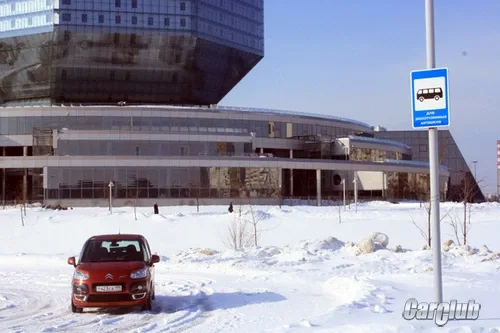 |
The decisive argument in favor of the Citroen was the huge glazing area: the large windshield
provides a vertical view of up to 27 degrees. The non-standard front pillars (the power structure
includes pillars located closer to the driver, while the far ones are made thin) do not obstruct
visibility in corners. An ideal option for a sightseeing car! |
To be fair, it is worth noting that even in the capital itself, the roads are not flawless everywhere. On central avenues and highways (Minsk, by the way, has its own ring road and traffic circles), the surface is excellent, but on secondary streets there are both dirt and potholes.
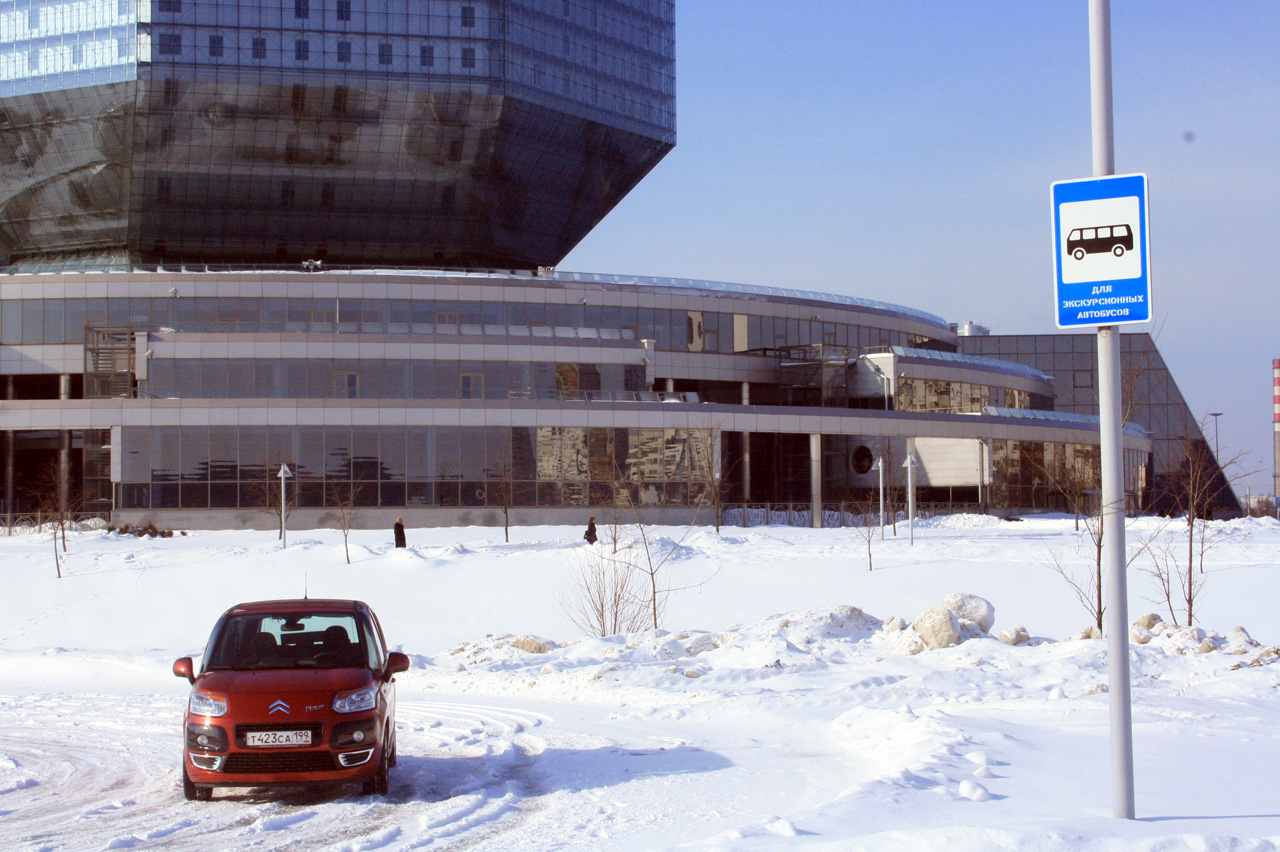
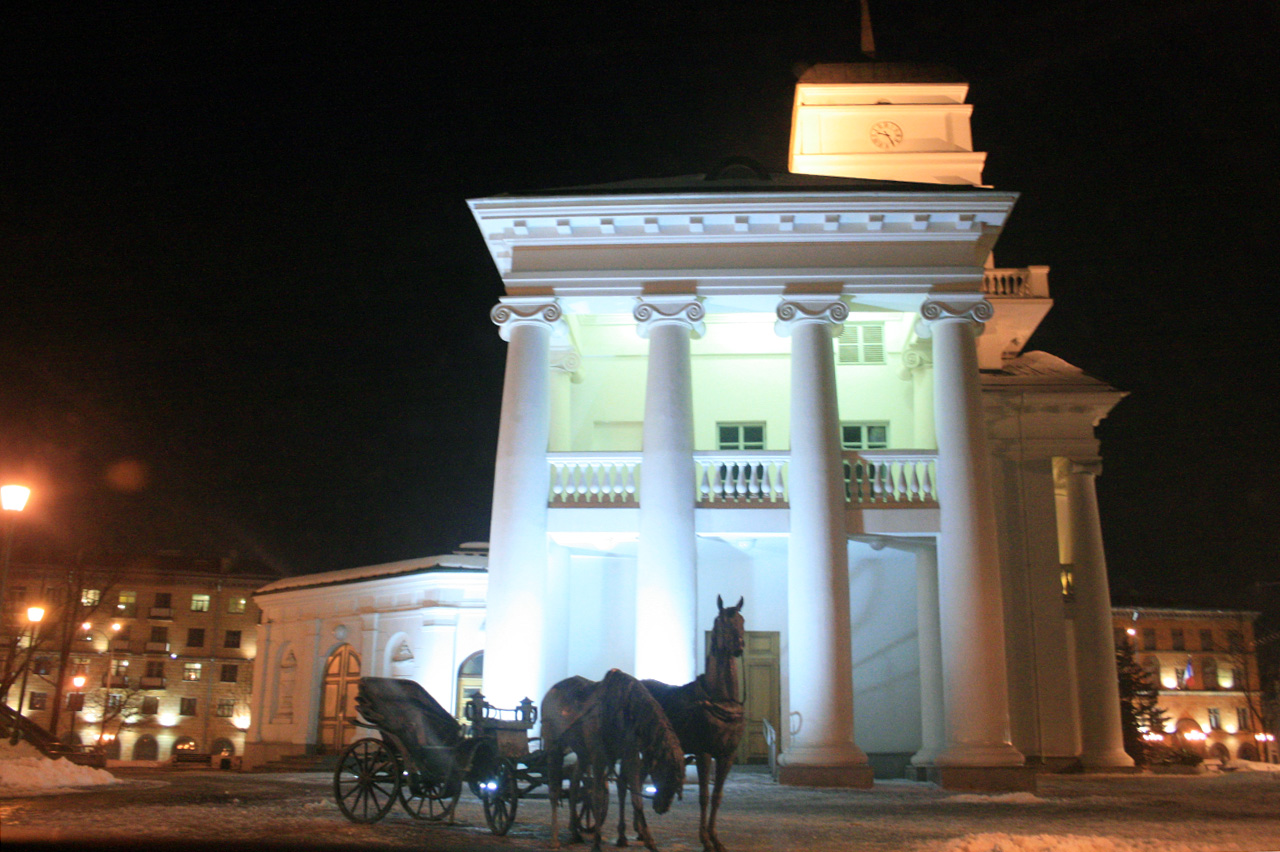
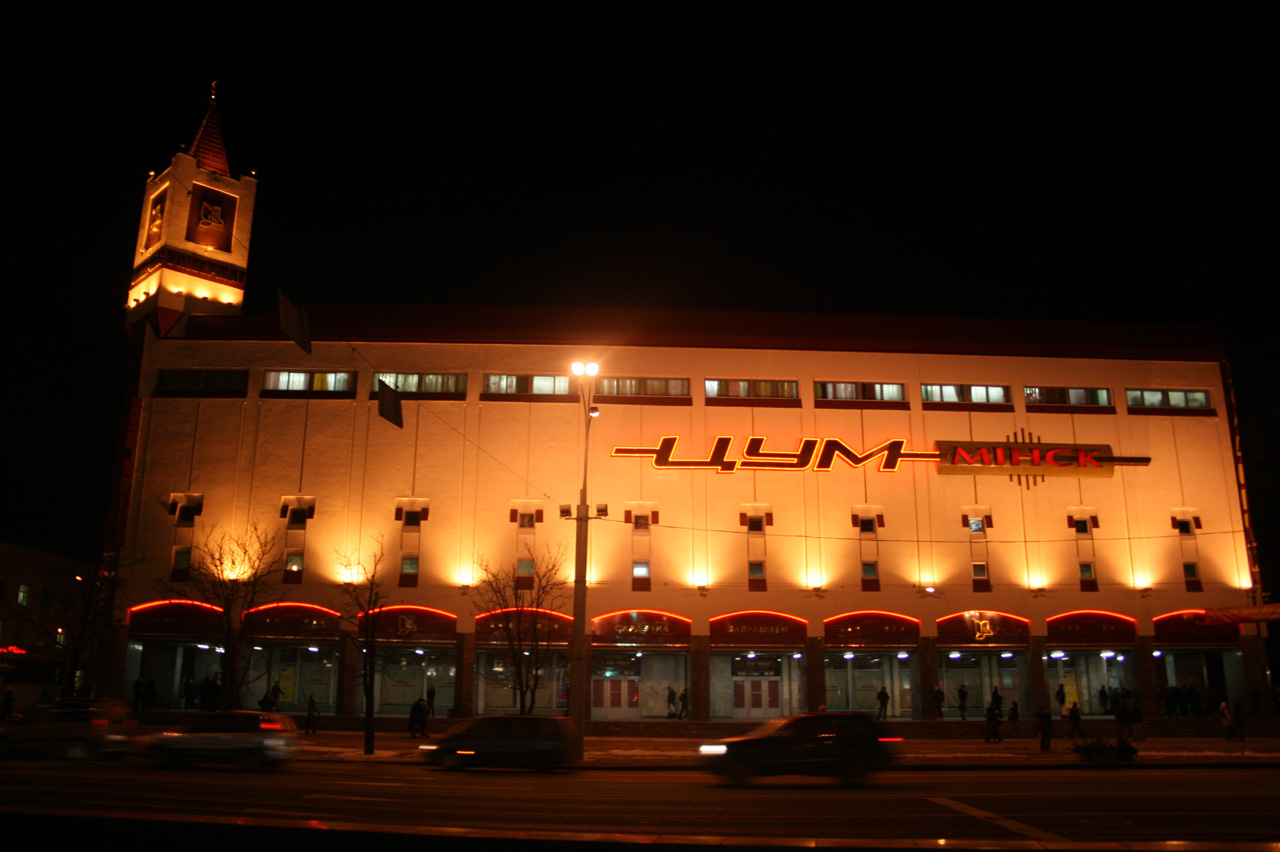
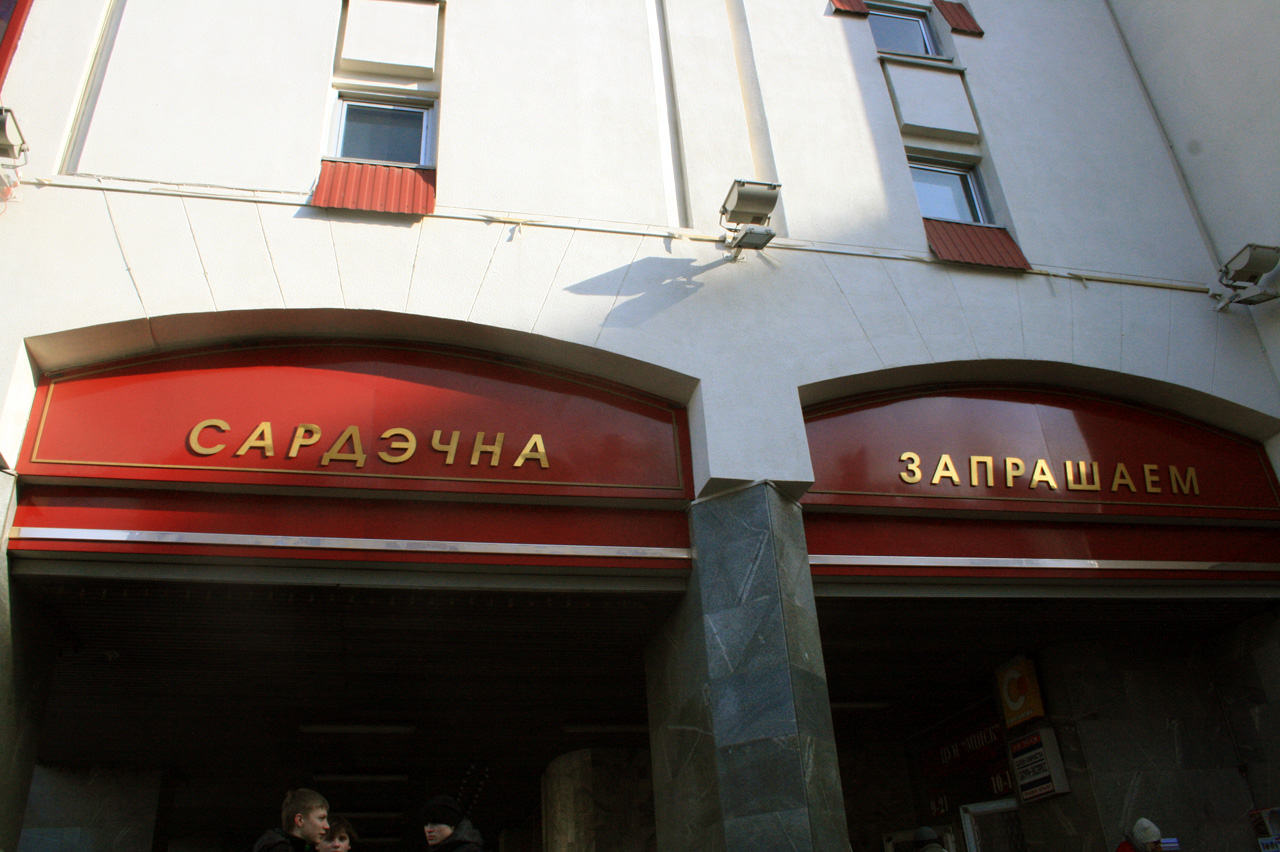
The city itself is very bright and tidy. It simultaneously resembles European capitals, only on a very, very spacious scale, and Stalinist Moscow, adorned with charming architectural excesses. Among the attractions, it is worth visiting the City Hall — an ensemble of snow-white buildings, the National Library (there is an observation deck on the roof), on whose walls laser shows are displayed at night, the Palace of the Republic, Victory Square... Minsk also has its own TSUM — a department store as if transported from the Soviet era.
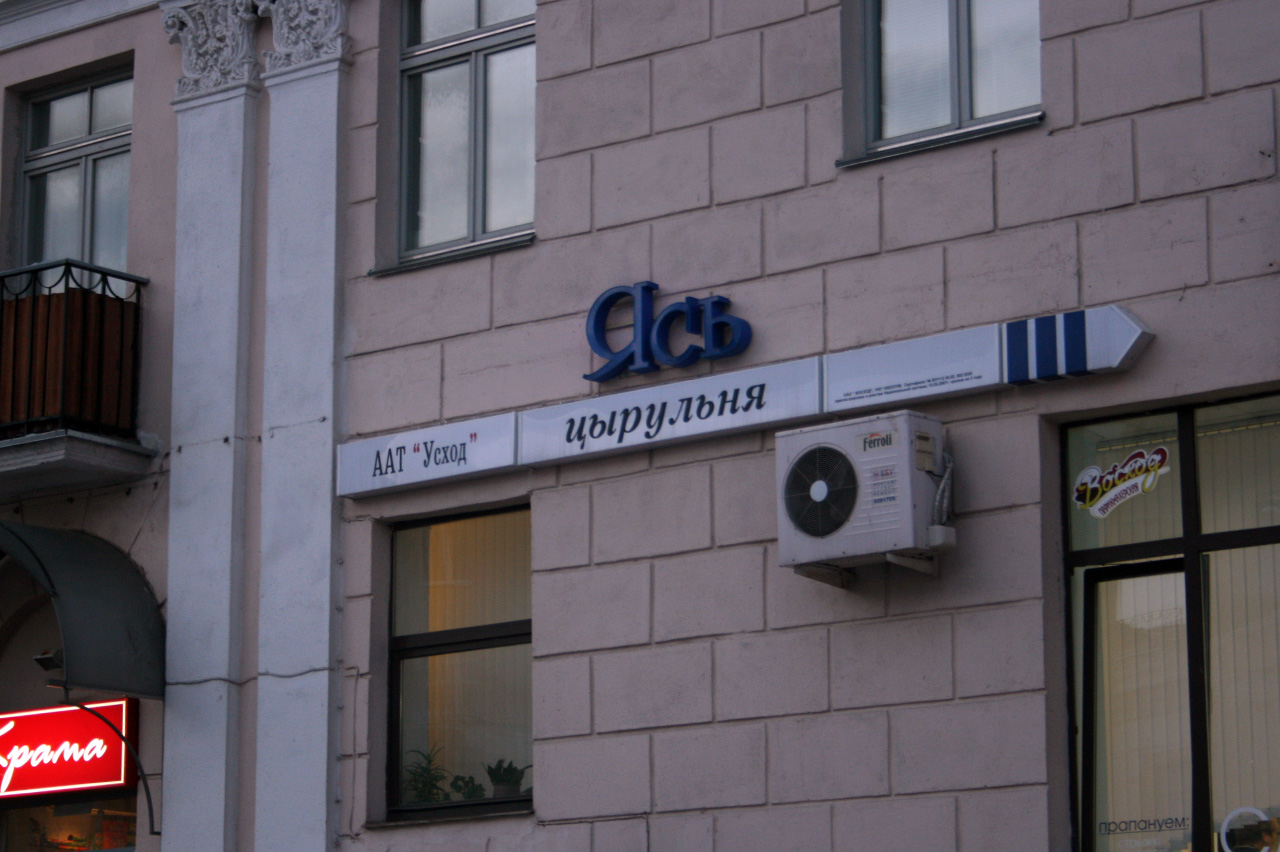
Minsk is a hospitable city; everyone here speaks Russian perfectly. Signs are found in both Russian and Belarusian.
On February 23, Minsk decided to greet us with a blue sky and spring sunshine. And it's time for us to head back to Moscow...
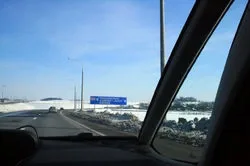 |
| Home! To Moscow! |
The way back turned out to be noticeably calmer and faster — largely due to the improved weather. The only delay was the border: trucks line up for many kilometers, and with the silent approval of local traffic police, cars slowly make their way along the oncoming lane. And closer to Moscow, of course, we were greeted by the usual capital traffic jams.
Over three days, we managed to thoroughly test the Citroen C3 Picasso in a variety of conditions. Despite all its shortcomings — which include the not-so-informative gas pedal with a long travel, somewhat weak sound insulation, and sluggishness at low revs — the car leaves an overall very pleasant impression. On a rough highway, it's comfortable: you set the speed on cruise control and roll along calmly. In city traffic, the precise gear lever is a delight. The car enters corners without excitement, but predictably and without excessive body roll. Two people can easily fit on the rear sofa — and they won't get tired on a long journey. The trunk can easily hold luggage for four, plus a jack and a can of windshield washer fluid. The Citroen's appetite is quite reasonable both for long trips and for city driving.
In Russia, the C3 Picasso is brought with four-cylinder petrol engines of 1.4 and 1.6 liters (95 and 115 hp respectively) paired with a five-speed manual. Perhaps the lack of an automatic for our conditions is an annoying but tolerable drawback. However, the starting price of 499,000 rubles is an undoubted plus.
On our market, three trim levels are offered: Classique, Confort, and Exclusive. The base Classique with the 1.4 engine, electric power steering, central locking, front airbags, front power windows, and electrically adjustable mirrors is sold for those very 499,000 rubles. For the more powerful 115-horsepower engine, which is available starting from the Confort version, you need to pay an additional 21,500 rubles.
The top Exclusive with the 1.6 engine, front fog lights, bumper trim, additional compartments in the cabin, heated front seats, dual-zone climate control, full electric package, parking sensors, and folding mirrors will cost 624,500 rubles. Additional equipment can add another 134,000 rubles.