
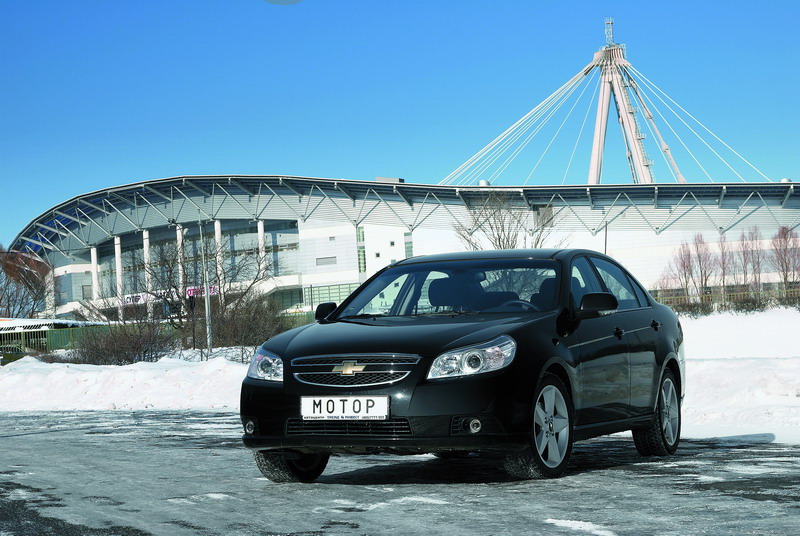
 The path of the "Made in Russia" badge under the hood of the Epica is quite intricate. Cars assembled in Korea at GM Daewoo facilities are sent to Poland, where they are partially disassembled at the Opel plant. Then the car kits are transported to Kaliningrad, to the GM enterprise, where they become "Epicas" of Russian assembly. This logistical move allows for savings. By the way, the same Kaliningrad line assembles Aveo, Lacetti, and Rezzo. The path of the "Made in Russia" badge under the hood of the Epica is quite intricate. Cars assembled in Korea at GM Daewoo facilities are sent to Poland, where they are partially disassembled at the Opel plant. Then the car kits are transported to Kaliningrad, to the GM enterprise, where they become "Epicas" of Russian assembly. This logistical move allows for savings. By the way, the same Kaliningrad line assembles Aveo, Lacetti, and Rezzo.Under the hood of the Epica is an inline "six" mounted transversely. The lineup includes two gasoline six-cylinder engines with displacements of 2.0 and 2.5 liters, which work in pairs with a five-speed manual gearbox or an "automatic". |
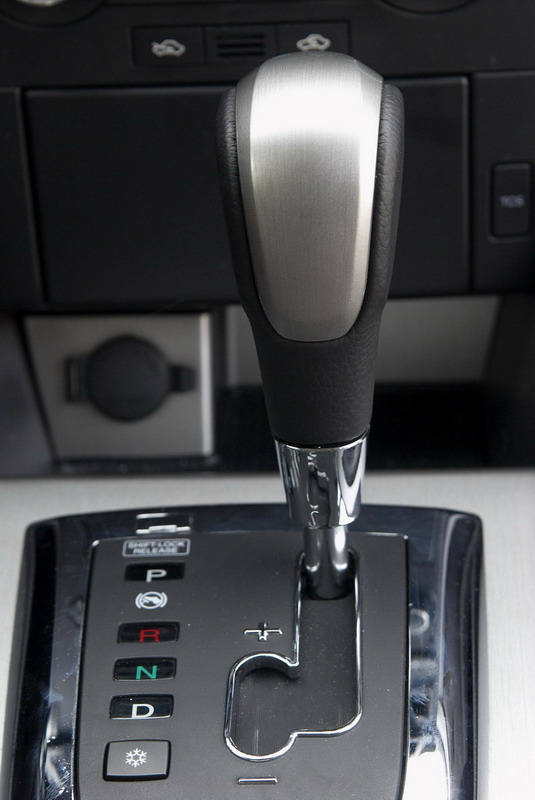 We got our hands on a version with a 2.5-liter engine and automatic transmission. The equipment includes a leather interior, six airbags, full electric package, driver's seat with electric adjustments, audio system with eight speakers and a six-disc changer. There are also pleasant details: for example, the right mirror that tilts down automatically when reversing to show the rear wheel, and heated washer nozzles. We got our hands on a version with a 2.5-liter engine and automatic transmission. The equipment includes a leather interior, six airbags, full electric package, driver's seat with electric adjustments, audio system with eight speakers and a six-disc changer. There are also pleasant details: for example, the right mirror that tilts down automatically when reversing to show the rear wheel, and heated washer nozzles. |
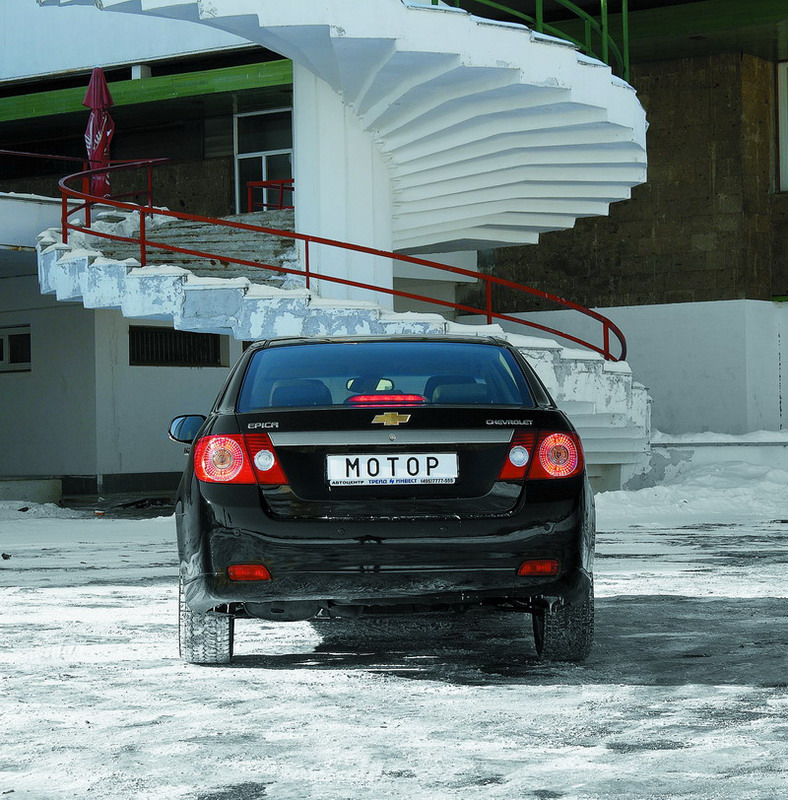
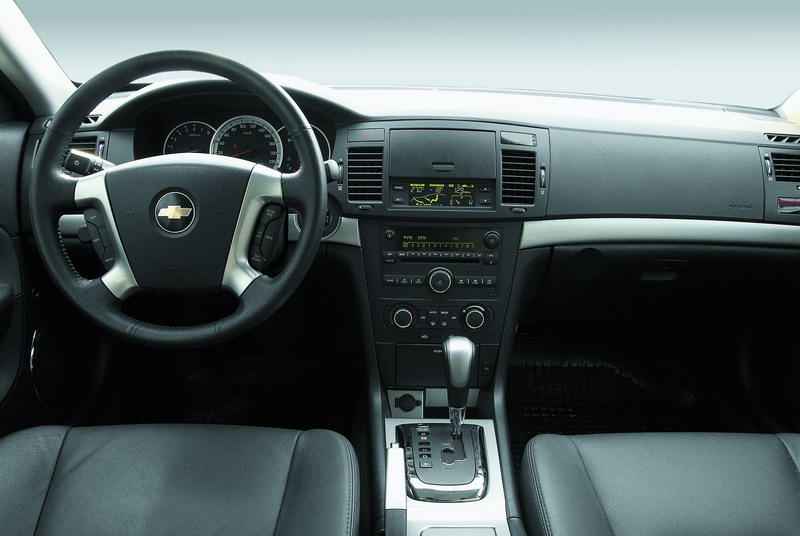 Inside, there is mid-level plastic and stylish metal-look inserts. The instruments are large, and the steering wheel is covered with buttons. With my height of almost 190 centimeters, I couldn't get maximum comfort: the seat height adjustment range wasn't enough. The top of my head almost touched the ceiling, and the upper edge of the windshield blocked the view. In the back, the same story — my head pressed against the sloping roof, and to fit my knees, the front seat had to be moved forward. The trunk with a volume of 480 liters is ready to accommodate a decent amount of luggage. Fold the rear seat backs in a 60/40 ratio — and you can load even skis or a floor clock. Inside, there is mid-level plastic and stylish metal-look inserts. The instruments are large, and the steering wheel is covered with buttons. With my height of almost 190 centimeters, I couldn't get maximum comfort: the seat height adjustment range wasn't enough. The top of my head almost touched the ceiling, and the upper edge of the windshield blocked the view. In the back, the same story — my head pressed against the sloping roof, and to fit my knees, the front seat had to be moved forward. The trunk with a volume of 480 liters is ready to accommodate a decent amount of luggage. Fold the rear seat backs in a 60/40 ratio — and you can load even skis or a floor clock. |
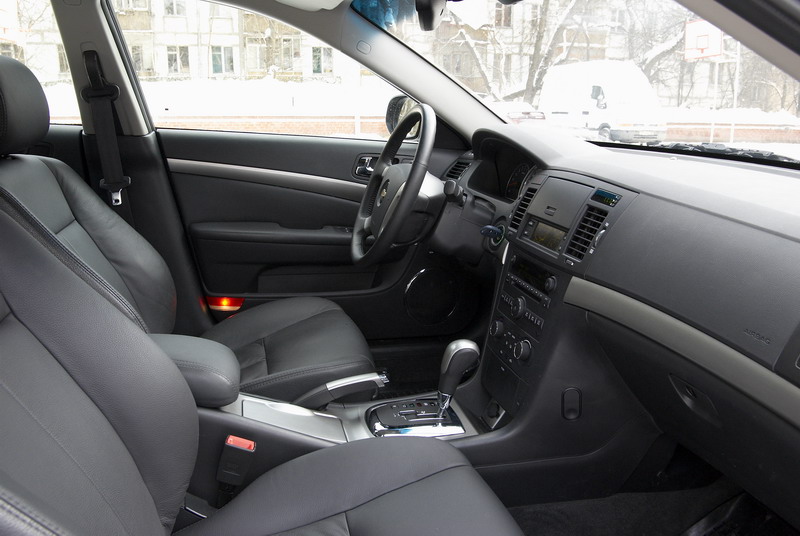 Sound insulation is mediocre: at any RPM, the engine's muttering is audible in the cabin. However, vibrations are almost absent — the balance of the inline "six" takes its toll. Sound insulation is mediocre: at any RPM, the engine's muttering is audible in the cabin. However, vibrations are almost absent — the balance of the inline "six" takes its toll. |
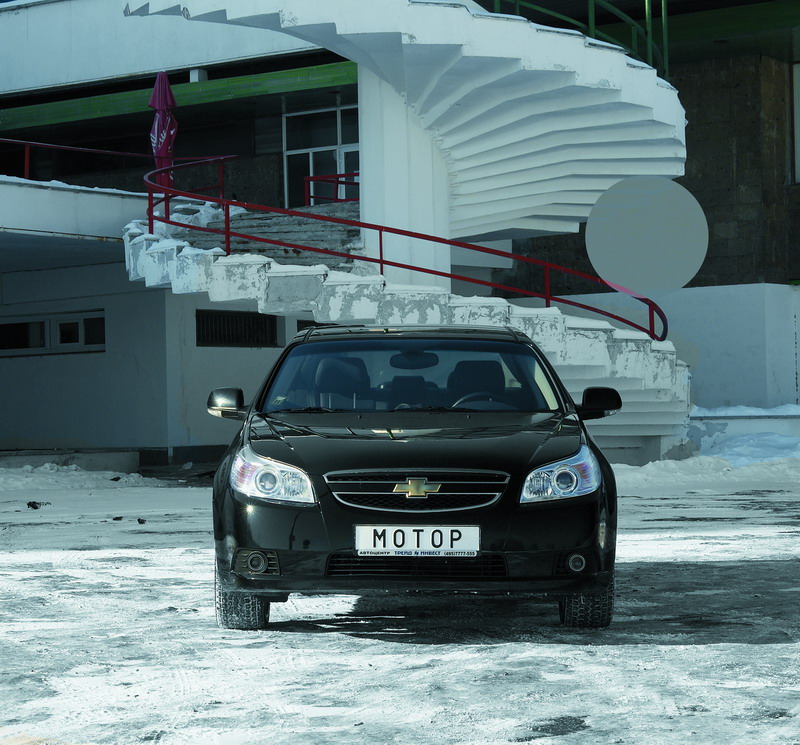
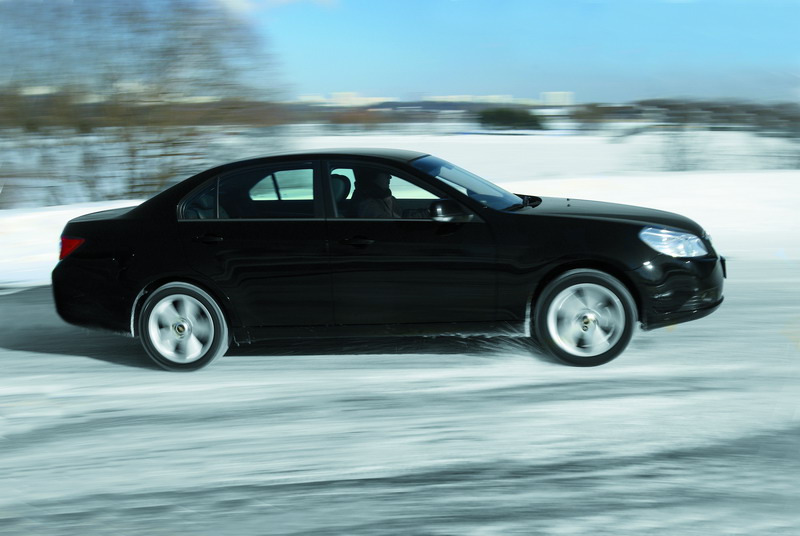
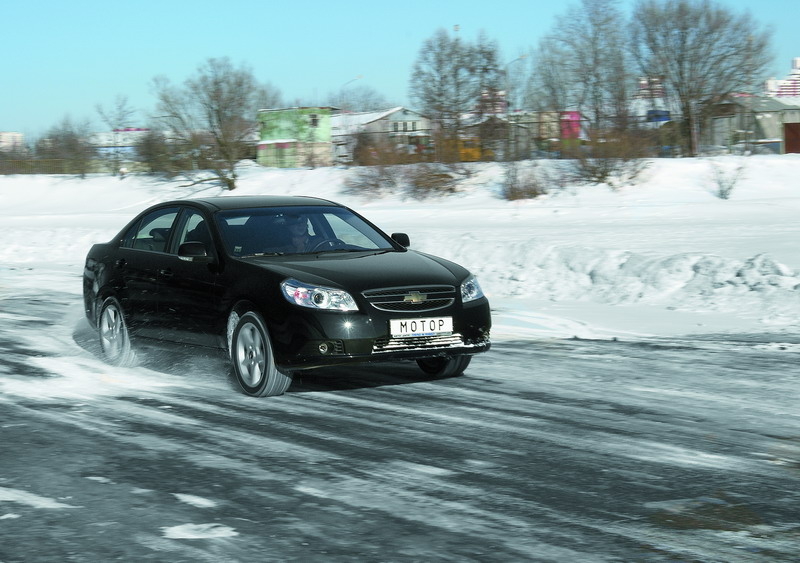 On the move, the car behaves as calmly as it looks. For a sedan of this class, 156 horsepower and 237 Nm is the necessary minimum. You have to drive at a measured pace: long gears and thoughtful downshifts do not encourage active driving. On the move, the car behaves as calmly as it looks. For a sedan of this class, 156 horsepower and 237 Nm is the necessary minimum. You have to drive at a measured pace: long gears and thoughtful downshifts do not encourage active driving.Want to feel like a sea captain? Welcome to the Epica! A huge steering wheel, a "dead" center, three turns from lock to lock, easy rotation with almost no feedback. Such a "helm" will appeal to beginners who like to spin the wheel with one finger in the parking lot (there it becomes even lighter). You get the feeling that you just need to give the wheel a slight push, and it will continue to rotate by inertia... But the suspension is clearly not on good terms with the steering. It seems even a bit stiff — it willingly tells about all surface irregularities, while swallowing gentle waves and holding the course well. Body rolls in corners are also within reasonable limits. |
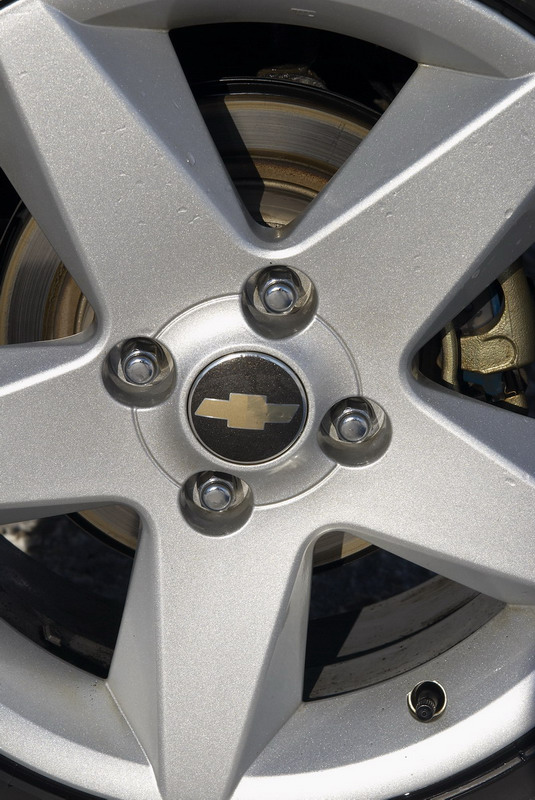 The brakes are hard to call informative. ABS engages earlier than you'd like — it prevents the wheels from locking, activating almost instantly. There is a switchable traction control system, but ESP is absent — for a business-class car, this is a serious omission. However, the representative office promises that starting from summer 2007, the Epica will receive a stability control system. The brakes are hard to call informative. ABS engages earlier than you'd like — it prevents the wheels from locking, activating almost instantly. There is a switchable traction control system, but ESP is absent — for a business-class car, this is a serious omission. However, the representative office promises that starting from summer 2007, the Epica will receive a stability control system.So, the Epica is an "average" car with an unremarkable "automatic" and no interesting features in its behavior. Despite the American brand, it is a classic "Korean" — its direct competitors in the market are the Hyundai NF and Kia Magentis. |
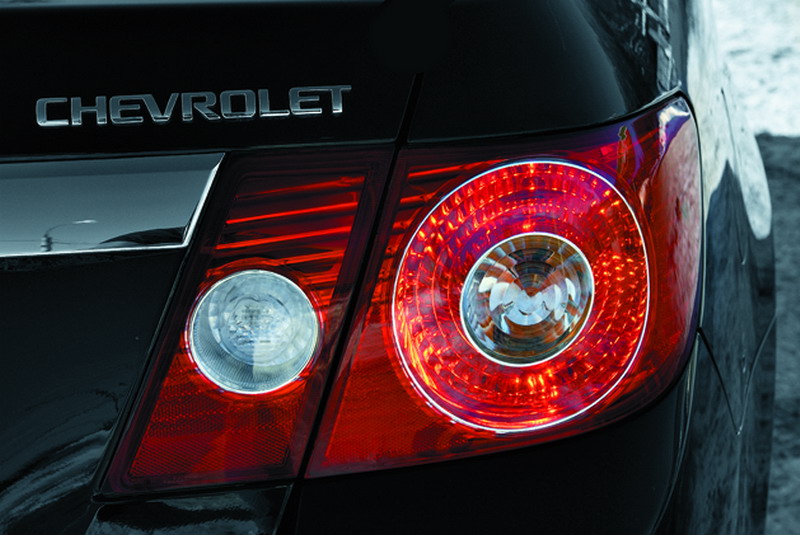 Prices and trim levels of the Chevrolet Epica Prices and trim levels of the Chevrolet EpicaThe Chevrolet Epica is available with two gasoline six-cylinder engines: 2.0 L (144 hp) and 2.5 L (156 hp). Trims are LS and LT. The base LS with the 2.0 L engine and manual gearbox is priced at $22,990. The LT version with the 2.5-liter engine and "automatic" will cost at least $30,430. |
 |
 |
 |
 |
Triple citizenship
In the context of globalization, it is becoming increasingly difficult to understand the origin of models. Epica is another example of playing with names and badges. This car, proudly bearing the American flag of Chevrolet, was developed by the Korean company Daewoo and is produced in Russia.
Test drive photos
Comments
No comments yet. Say the first word.