
 Poor SAAB. What has it not been in recent years, what guises has it not tried on for different markets! It has been a Subaru (the 9-2X model based on the Impreza wagon), and a large Chevrolet SUV (9-7X on the TrailBlazer platform). Now it is its turn to turn into a Cadillac. Poor SAAB. What has it not been in recent years, what guises has it not tried on for different markets! It has been a Subaru (the 9-2X model based on the Impreza wagon), and a large Chevrolet SUV (9-7X on the TrailBlazer platform). Now it is its turn to turn into a Cadillac.Under GM's management, SAAB today is perhaps the most visible victim of globalization in the auto industry. Good thing that this still allows the company with a glorious history to stay afloat. |
 Take, for example, the 9-3 model. A nice car with excellent driving qualities, a cozy interior, and a whole range of turbo engines. It is quite competitive in price. However, sales did not take off, the plan was not fulfilled, and the plant in Trollhättan is idle. Take, for example, the 9-3 model. A nice car with excellent driving qualities, a cozy interior, and a whole range of turbo engines. It is quite competitive in price. However, sales did not take off, the plan was not fulfilled, and the plant in Trollhättan is idle.Such a state of affairs was unlikely to please the owner — General Motors. Losses generally inspire no one. In the end, a strategic decision appeared: based on the SAAB 9-3, they made a new model. They named it Cadillac BLS and sent it to conquer Europe. A logical move, especially if you recall how GM loves such operations. But will it justify itself? |
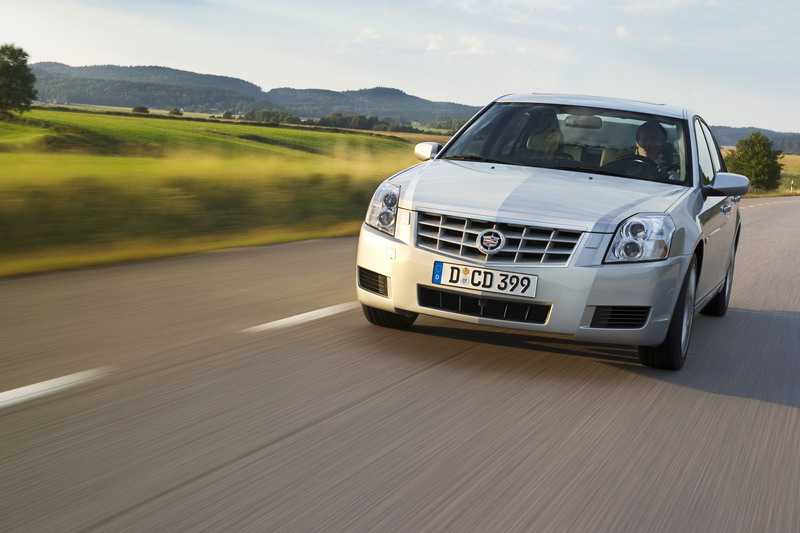
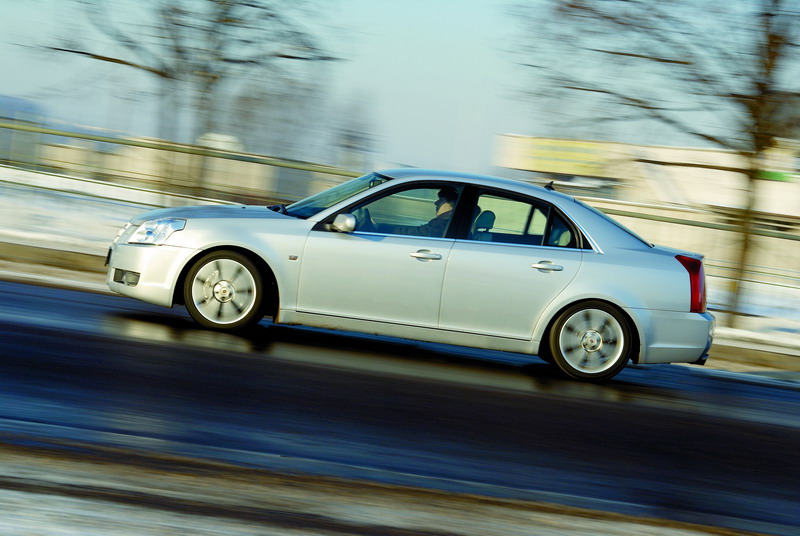
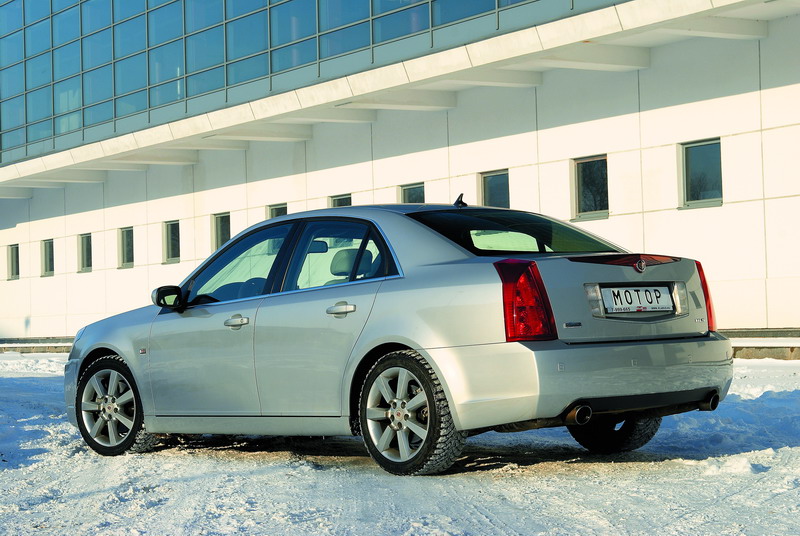 On the outside, the BLS bears little resemblance to the 9-3. And that is understandable. Releasing the same car under a different brand on the European market, merely changing the badges, is a sure way to fail. Demanding Europeans would hardly accept that, especially when it comes to brands with a great heritage. It is a different matter for Americans, to whom the SAAB-Subaru and SAAB-Chevrolet are offered simply with new badges. On the outside, the BLS bears little resemblance to the 9-3. And that is understandable. Releasing the same car under a different brand on the European market, merely changing the badges, is a sure way to fail. Demanding Europeans would hardly accept that, especially when it comes to brands with a great heritage. It is a different matter for Americans, to whom the SAAB-Subaru and SAAB-Chevrolet are offered simply with new badges.An uninformed person would hardly guess that the Cadillac BLS is a Swede that has undergone serious plastic surgery. The surgeon carefully and coolly turned the rounded donor into a modern small Caddy in the brand's signature style. From the base model, only the sloping roofline and wheel arches remain. The front, the rear, the doors — all of this is the BLS's own, native. Therefore, the car looks quite original even in the usual "silver metallic". |
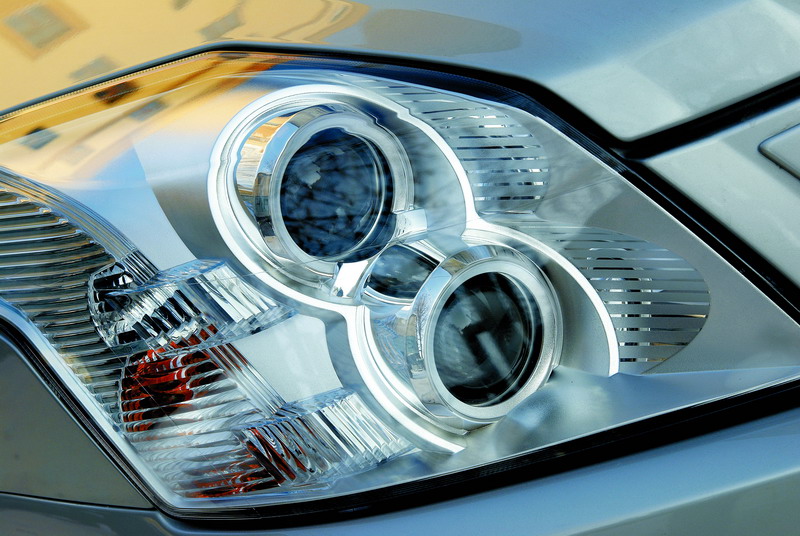
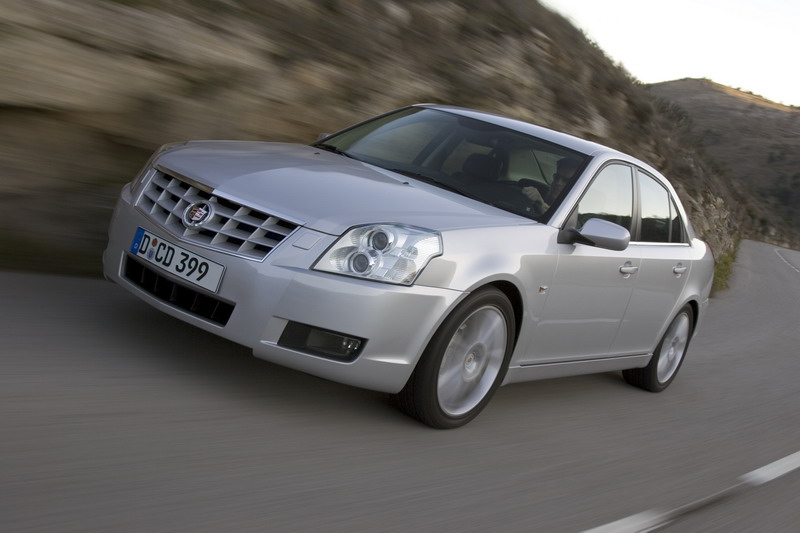 The result is a competent reading of the modern Cadillac style, taking into account European requirements. The optics are especially good. The chiseled headlights and classic vertical taillights with LED strips unmistakably reveal the breed. And no parallels with SAAB in the exterior. The result is a competent reading of the modern Cadillac style, taking into account European requirements. The optics are especially good. The chiseled headlights and classic vertical taillights with LED strips unmistakably reveal the breed. And no parallels with SAAB in the exterior. |
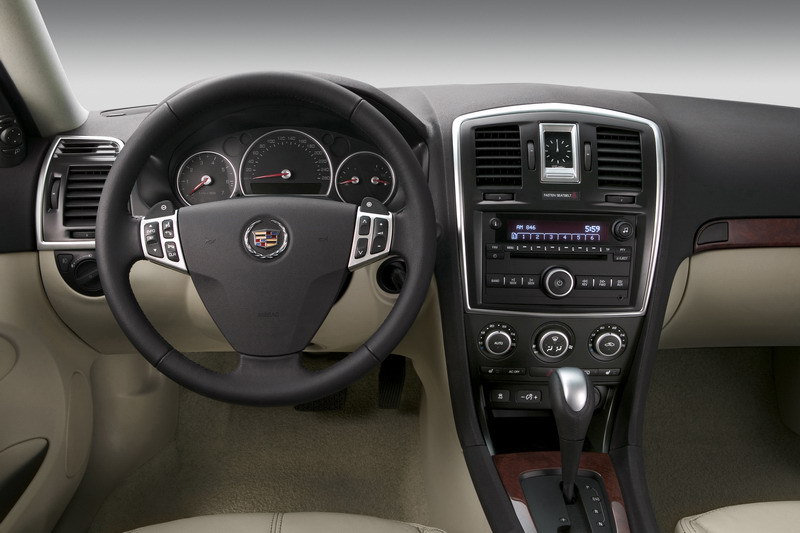
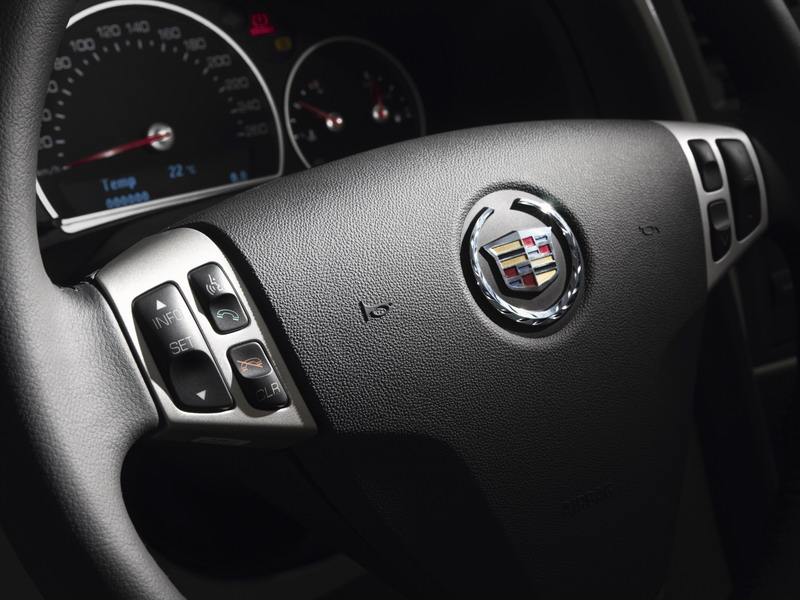 But inside, the borrowings are much more noticeable. The first and foremost is the three-spoke steering wheel of "Saab" shape. To be honest, this is the steering wheel from SAAB, onto which they slapped the Cadillac emblem. Personally, this slightly jarred me. However, in Russia, SAAB is a rare bird, and it is unlikely that the BLS owner will have a complex about this. The door panels also moved to the new car unchanged (as did a number of other, less noticeable details). The front panel is from the 9-3, only slightly refined in the central part. Of course, the ignition lock moved from the tunnel between the seats to a place next to the steering wheel. But the "music" and the climate control unit remained the same. The instruments are exactly like the SAAB's, except that the turbo boost pressure gauge characteristic of the Swedes has disappeared. Instead, a nice clock appeared at the top of the center console. In short, the interior of the BLS is far less original than the exterior. But inside, the borrowings are much more noticeable. The first and foremost is the three-spoke steering wheel of "Saab" shape. To be honest, this is the steering wheel from SAAB, onto which they slapped the Cadillac emblem. Personally, this slightly jarred me. However, in Russia, SAAB is a rare bird, and it is unlikely that the BLS owner will have a complex about this. The door panels also moved to the new car unchanged (as did a number of other, less noticeable details). The front panel is from the 9-3, only slightly refined in the central part. Of course, the ignition lock moved from the tunnel between the seats to a place next to the steering wheel. But the "music" and the climate control unit remained the same. The instruments are exactly like the SAAB's, except that the turbo boost pressure gauge characteristic of the Swedes has disappeared. Instead, a nice clock appeared at the top of the center console. In short, the interior of the BLS is far less original than the exterior. |
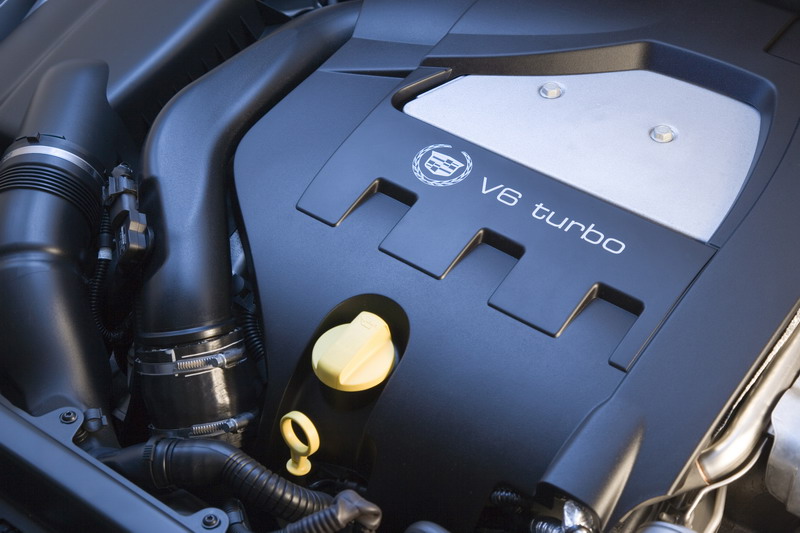 The car we got was equipped with the familiar 2.8-liter turbocharged V6. The engines and automatic transmission of the BLS were inherited from SAAB without changes. But the tuning of the driving qualities, as claimed, was done by engineers separately — with the aim of adjusting the sedan's handling to European standards. Without looking back at America, which, in fact, will not see the BLS. The car we got was equipped with the familiar 2.8-liter turbocharged V6. The engines and automatic transmission of the BLS were inherited from SAAB without changes. But the tuning of the driving qualities, as claimed, was done by engineers separately — with the aim of adjusting the sedan's handling to European standards. Without looking back at America, which, in fact, will not see the BLS.The suspension is like the donor's: McPherson struts in front, multi-link in the rear. The steering has a variable-assist power steering. Is the "Saab" manner of behavior on the road inherent to the BLS? |
 Unfortunately, on the day of the test, full-fledged winter came to Moscow. We had to refuse to test the BLS in extreme modes. But we managed to find out something: the automatic transmission and the engine still work smoothly. However, it is unlikely that they were separately refined. This tandem was good before. The large six-cylinder engine with a low-pressure turbo pulls like a locomotive from the very bottom. But closer to the red zone, its ardor fades. But how convenient it is to control the thrust! No turbo lags, no noticeable delays in response to the gas pedal. Unfortunately, on the day of the test, full-fledged winter came to Moscow. We had to refuse to test the BLS in extreme modes. But we managed to find out something: the automatic transmission and the engine still work smoothly. However, it is unlikely that they were separately refined. This tandem was good before. The large six-cylinder engine with a low-pressure turbo pulls like a locomotive from the very bottom. But closer to the red zone, its ardor fades. But how convenient it is to control the thrust! No turbo lags, no noticeable delays in response to the gas pedal.And what about the suspension? I could not shake the feeling that I was driving a good old SAAB. Of course, in details, the Cadillac is different. However, the kinship with SAAB is felt everywhere, including in the driving characteristics of the BLS. True, in terms of isolation from external noise, the car is clearly preferable to the donor. |
 The huge steering wheel in the compact cabin looks somewhat absurd. A smaller wheel would be appropriate here. Perhaps this is the main reproach to the car. The feedback from the power steering reminds of SAAB. The steering wheel is light; it could use a bit more informativeness. The huge steering wheel in the compact cabin looks somewhat absurd. A smaller wheel would be appropriate here. Perhaps this is the main reproach to the car. The feedback from the power steering reminds of SAAB. The steering wheel is light; it could use a bit more informativeness.The suspension is tuned competently. Small rolls, readiness to smooth out bumps, and at the same time clear reactions. The dynamics are excellent! So, the car is indeed made according to European rules. However, I did not find any zest in the BLS's behavior. A solid, well-built car, but somewhat average. It does everything right, but there is no spark. However, we should not forget about the test conditions. Perhaps in summer it would show itself differently. |
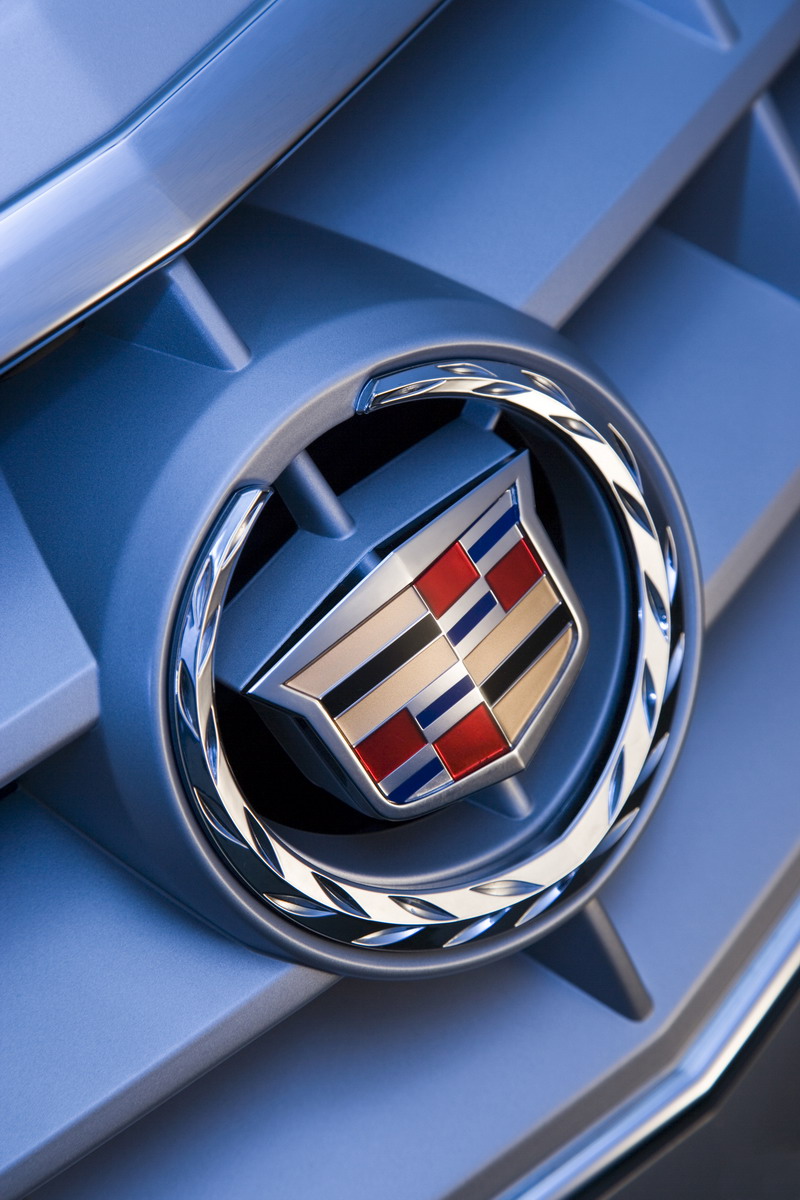
 It remains to answer the main question — does the badge game that GM is playing work in the case of the BLS? The answer seems to be affirmative. The result is a high-quality, powerful car with decent handling and original design. And in addition, it bears the Cadillac emblem, which commands respect not only in America. There are, of course, SAAB fans in Europe, who will definitely not be among the BLS buyers — such an exercise by GM will only offend their feelings, but this group of consumers cannot be called mighty. It remains to answer the main question — does the badge game that GM is playing work in the case of the BLS? The answer seems to be affirmative. The result is a high-quality, powerful car with decent handling and original design. And in addition, it bears the Cadillac emblem, which commands respect not only in America. There are, of course, SAAB fans in Europe, who will definitely not be among the BLS buyers — such an exercise by GM will only offend their feelings, but this group of consumers cannot be called mighty.The car is sold with three engines. Two 2-liter ones — 175 hp and 210 hp, differing in boost pressure, and a 2.8-liter V6 (255 hp), also turbocharged. The two-liter versions are equipped with a 5-speed gearbox, with the V6 — a 6-speed one. The type of gearbox — automatic or manual — is your choice. |
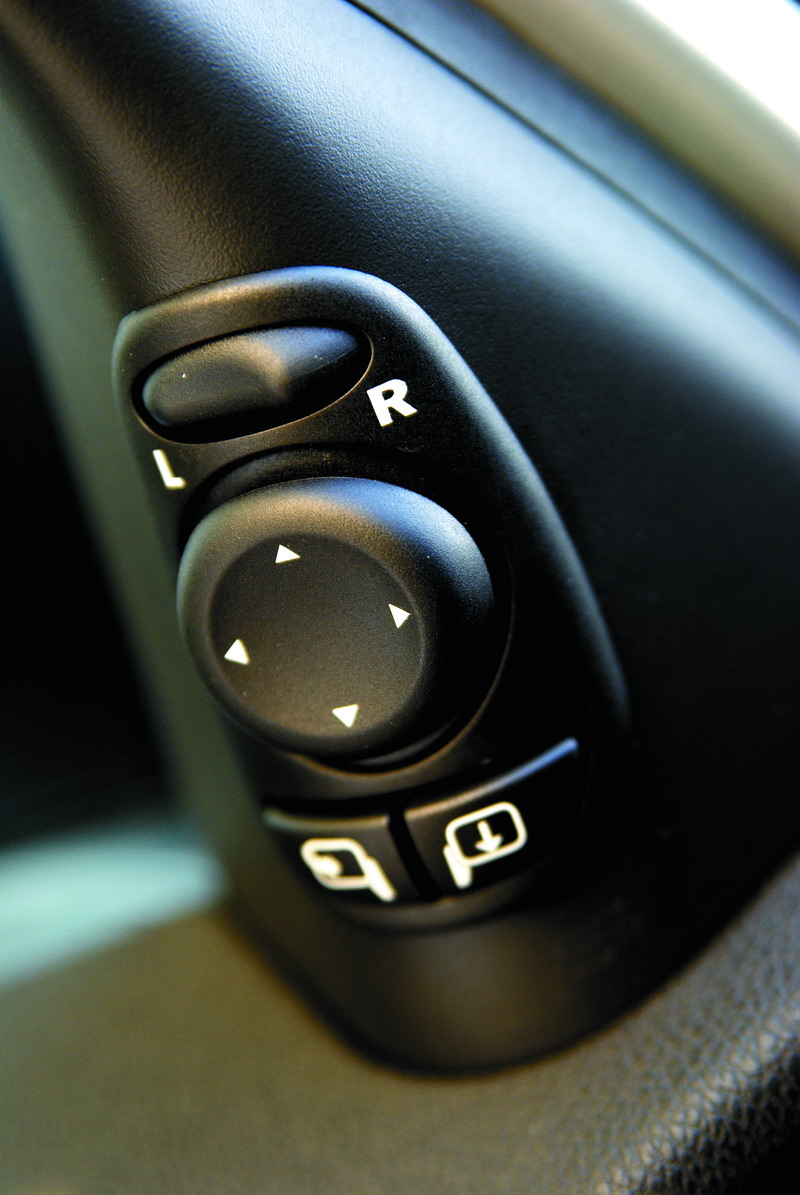
 There are six trim levels — two for each engine. In the most affordable version with the 2-liter engine — front and side airbags, traction control system, air conditioning, cruise control, CD receiver and 7 speakers, alloy wheels R16, electrically adjustable and heated mirrors, power windows, immobilizer, multifunctional leather steering wheel with "music" control, interior trim with Black Piano inserts, and so on. The price of such a car is $34,100. There are six trim levels — two for each engine. In the most affordable version with the 2-liter engine — front and side airbags, traction control system, air conditioning, cruise control, CD receiver and 7 speakers, alloy wheels R16, electrically adjustable and heated mirrors, power windows, immobilizer, multifunctional leather steering wheel with "music" control, interior trim with Black Piano inserts, and so on. The price of such a car is $34,100.For the test, we got a car in the most expensive ($49,100) trim with the V6 engine, which included ESP, Bose audio system with CD changer and 9 speakers, front seats with electric adjustments and heating (driver's — with memory), dual-zone climate control, leather interior with red walnut inserts, rain sensor, alloy wheels R17, folding mirrors, parking sensors, xenon headlights. |
Playing with badges
The conversation about the new Cadillac car should start with SAAB. After all, if things had gone a little better for this company, the hero of the publication – BLS might not have come into existence.
Test drive photos
Comments
No comments yet. Say the first word.