
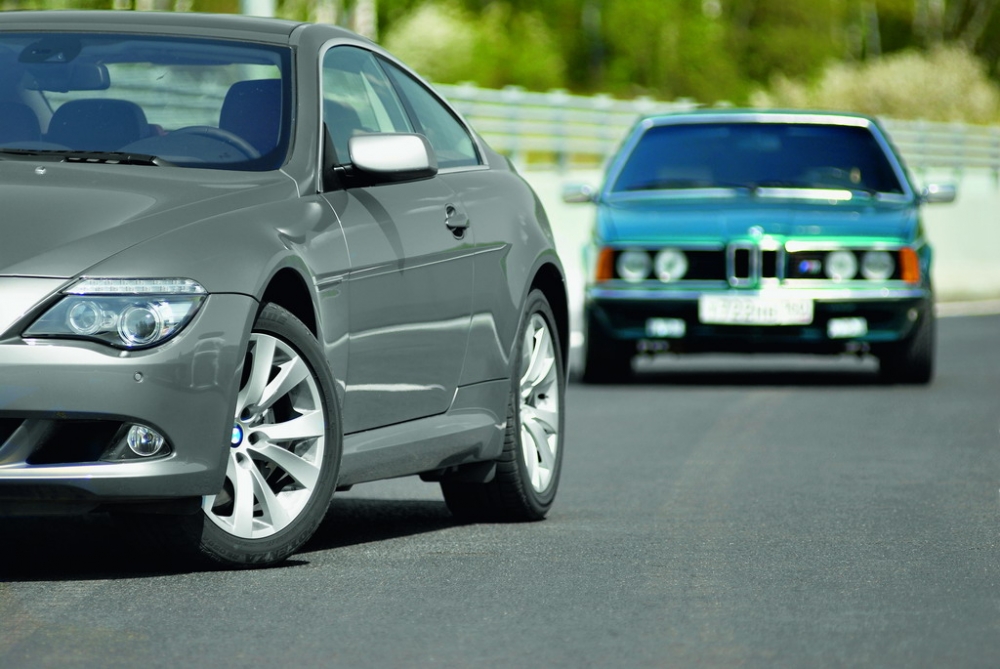
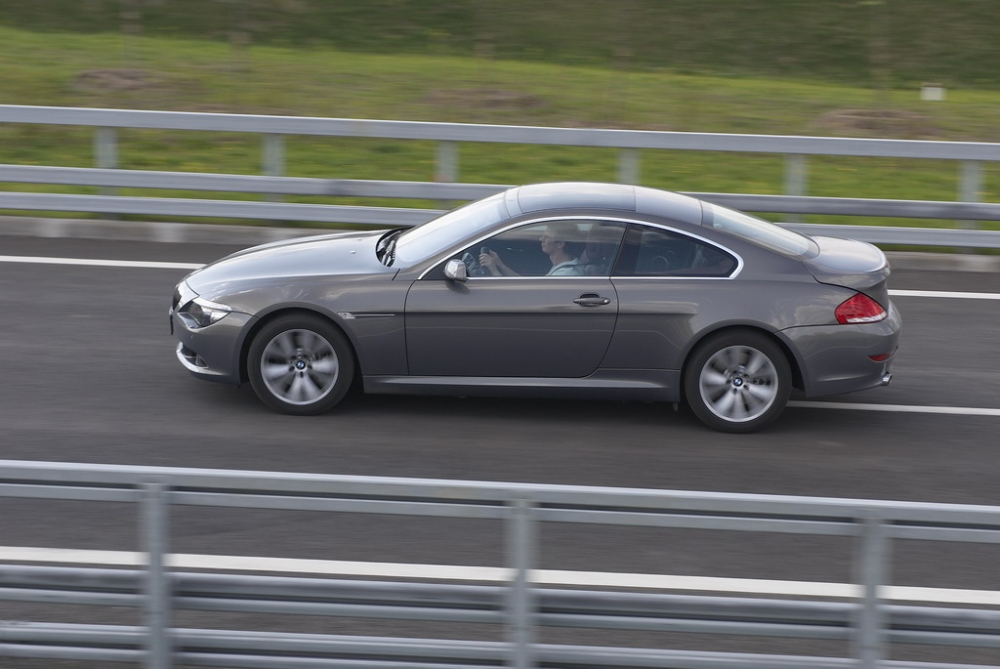
 Everyone knows that there are very few decent roads in our country, and those that are both good and safe are very few. However, such highways do exist. The trouble is that during the day they are overloaded with traffic, and only at night on certain proven sections can you feel the true spirit of "gran turismo." Especially when under the gas pedal there are almost five liters of displacement and 367 excellent "horses." It's just a pity that the 20-kilometer stretch of expressway I chose is covered in six or seven minutes, and then you have to say goodbye to "European" illusions and return to harsh Russian reality — the surface is no longer designed for high speeds. But even these few minutes are enough to realize: at this pace, you could easily "fly" another fifty such sections. Everyone knows that there are very few decent roads in our country, and those that are both good and safe are very few. However, such highways do exist. The trouble is that during the day they are overloaded with traffic, and only at night on certain proven sections can you feel the true spirit of "gran turismo." Especially when under the gas pedal there are almost five liters of displacement and 367 excellent "horses." It's just a pity that the 20-kilometer stretch of expressway I chose is covered in six or seven minutes, and then you have to say goodbye to "European" illusions and return to harsh Russian reality — the surface is no longer designed for high speeds. But even these few minutes are enough to realize: at this pace, you could easily "fly" another fifty such sections. |
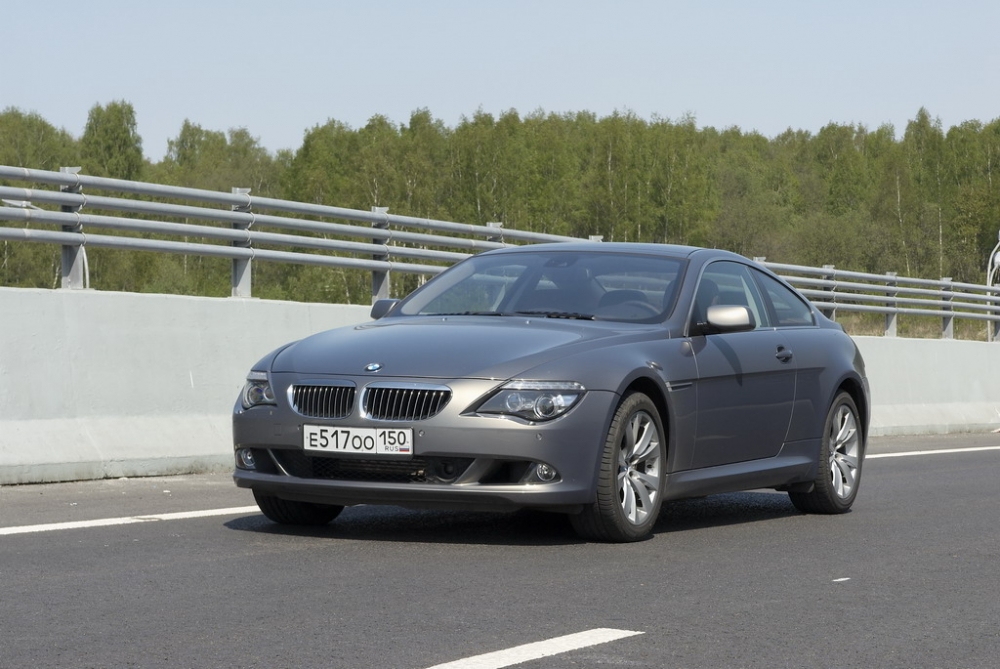
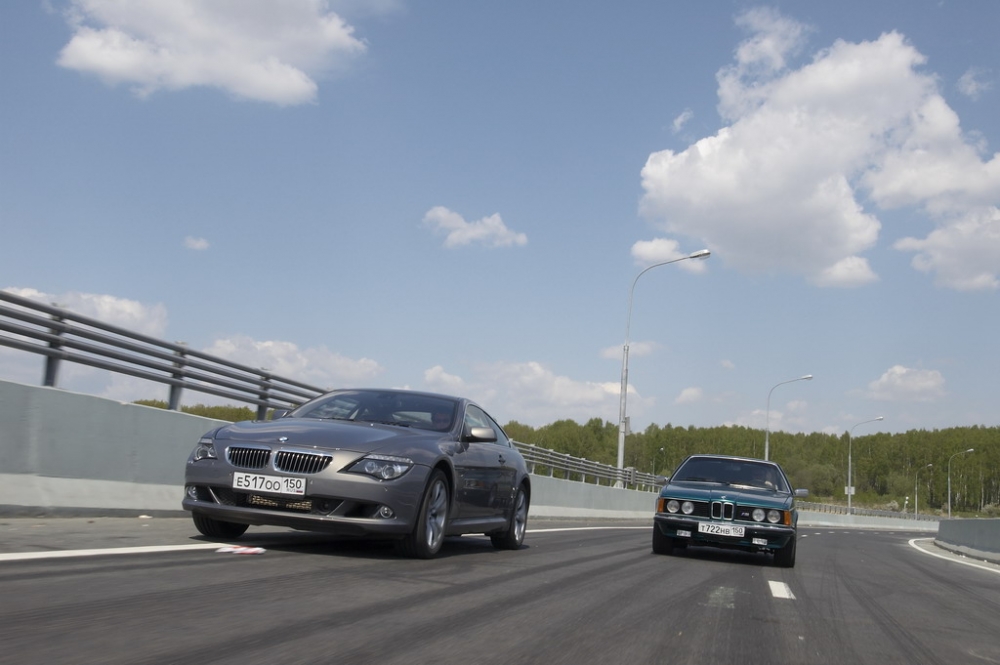 It is for such swift bursts along high-speed highways over long distances that powerful coupes like the 650i are primarily created. In such a car, you can calmly cross even all of Europe! The only problem is that even in Germany, the homeland of this car, there are fewer and fewer autobahns without speed limits. Nevertheless, the BMW 650i is a true "Concord" of the automotive world, a stunning fusion of luxury, comfort, reliability, and speed! A true, refined "gran turismo"! It is for such swift bursts along high-speed highways over long distances that powerful coupes like the 650i are primarily created. In such a car, you can calmly cross even all of Europe! The only problem is that even in Germany, the homeland of this car, there are fewer and fewer autobahns without speed limits. Nevertheless, the BMW 650i is a true "Concord" of the automotive world, a stunning fusion of luxury, comfort, reliability, and speed! A true, refined "gran turismo"! |
 The progenitor of the GT class should probably be considered the magnificent Alfa Romeo 6C 1750 S/GT — its open racing modifications brought crews Giuseppe Campari — Giulio Ramponi and Tazio Nuvolari — Giovanni Guidotti victories in the famous and incredibly difficult Mille Miglia race of 1929 and 1930. As for the Bavarians, the two-door closed body has always occupied a special, privileged place in their model hierarchy. It can be argued that it is the coupes — beautiful, fast, and essentially selfish cars, not the much more mundane sedans — that, along with unsurpassed engines, have always been and remain the true face, the showcase of BMW. Suffice it to recall the 328 of the 1930s, the 503rd or 507th, as well as the later CS without the characteristic B-pillars. It was they who were replaced in 1975 by the 6 Series cars, which replaced the 3000 CS model. The progenitor of the GT class should probably be considered the magnificent Alfa Romeo 6C 1750 S/GT — its open racing modifications brought crews Giuseppe Campari — Giulio Ramponi and Tazio Nuvolari — Giovanni Guidotti victories in the famous and incredibly difficult Mille Miglia race of 1929 and 1930. As for the Bavarians, the two-door closed body has always occupied a special, privileged place in their model hierarchy. It can be argued that it is the coupes — beautiful, fast, and essentially selfish cars, not the much more mundane sedans — that, along with unsurpassed engines, have always been and remain the true face, the showcase of BMW. Suffice it to recall the 328 of the 1930s, the 503rd or 507th, as well as the later CS without the characteristic B-pillars. It was they who were replaced in 1975 by the 6 Series cars, which replaced the 3000 CS model. |
 In the 70s of the last century, BMW was actively developing the huge American market. The tightening safety requirements there largely determined the appearance of the BMW 6 Series, which was produced from 1975 to 1989. Parisian designer Paul Bracq (his project was chosen over the version of the renowned Giugiaro studio) and BMW's leading engineer of that time, Bernhard Oswald, perfectly understood that they would have to abandon the "lacy" roof, lightweight bumpers, and a body without a central pillar. Overall, the new coupe, built on the components of the 5 Series, became much more massive and solid — a hundred percent GT. Some stylistic techniques (for example, the famous negative angle of the radiator grille and the sloping hood, for which the "six" was nicknamed "shark") migrated from the experimental mid-engine coupe M1, developed by Paul Bracq in 1972. (By the way, read about the "reincarnation" of this stunning car in this same issue.) In the 70s of the last century, BMW was actively developing the huge American market. The tightening safety requirements there largely determined the appearance of the BMW 6 Series, which was produced from 1975 to 1989. Parisian designer Paul Bracq (his project was chosen over the version of the renowned Giugiaro studio) and BMW's leading engineer of that time, Bernhard Oswald, perfectly understood that they would have to abandon the "lacy" roof, lightweight bumpers, and a body without a central pillar. Overall, the new coupe, built on the components of the 5 Series, became much more massive and solid — a hundred percent GT. Some stylistic techniques (for example, the famous negative angle of the radiator grille and the sloping hood, for which the "six" was nicknamed "shark") migrated from the experimental mid-engine coupe M1, developed by Paul Bracq in 1972. (By the way, read about the "reincarnation" of this stunning car in this same issue.) |
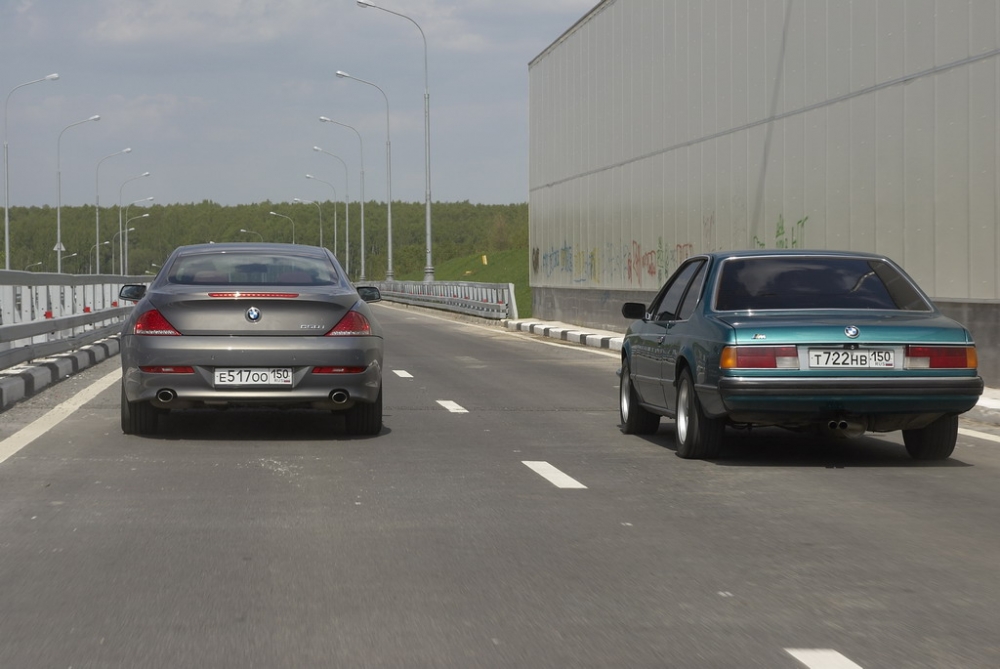
 The swift silhouette was complemented by twin headlights, pronounced wheel arches, and an impressive rear. As a result, the E24 coupe became one of the most beautiful and successful cars in the entire history of the brand. Over 14 years of production, just over 86 thousand units were produced, with half of them, as intended, going to the USA. The BMW 6 Series of those years is rightfully considered a cult car. Given that some of them are already 30 years old, finding a "live" example is quite difficult even through clubs of devoted fans of the model, which exist in many countries. In Russia, an ideal "six" is even rarer than good roads. Therefore, having quite by chance met the owner of just such a coupe from 1979 (!), we immediately offered him to participate in our test, which thanks to this acquired an almost academic, "fundamental" character. The swift silhouette was complemented by twin headlights, pronounced wheel arches, and an impressive rear. As a result, the E24 coupe became one of the most beautiful and successful cars in the entire history of the brand. Over 14 years of production, just over 86 thousand units were produced, with half of them, as intended, going to the USA. The BMW 6 Series of those years is rightfully considered a cult car. Given that some of them are already 30 years old, finding a "live" example is quite difficult even through clubs of devoted fans of the model, which exist in many countries. In Russia, an ideal "six" is even rarer than good roads. Therefore, having quite by chance met the owner of just such a coupe from 1979 (!), we immediately offered him to participate in our test, which thanks to this acquired an almost academic, "fundamental" character. |
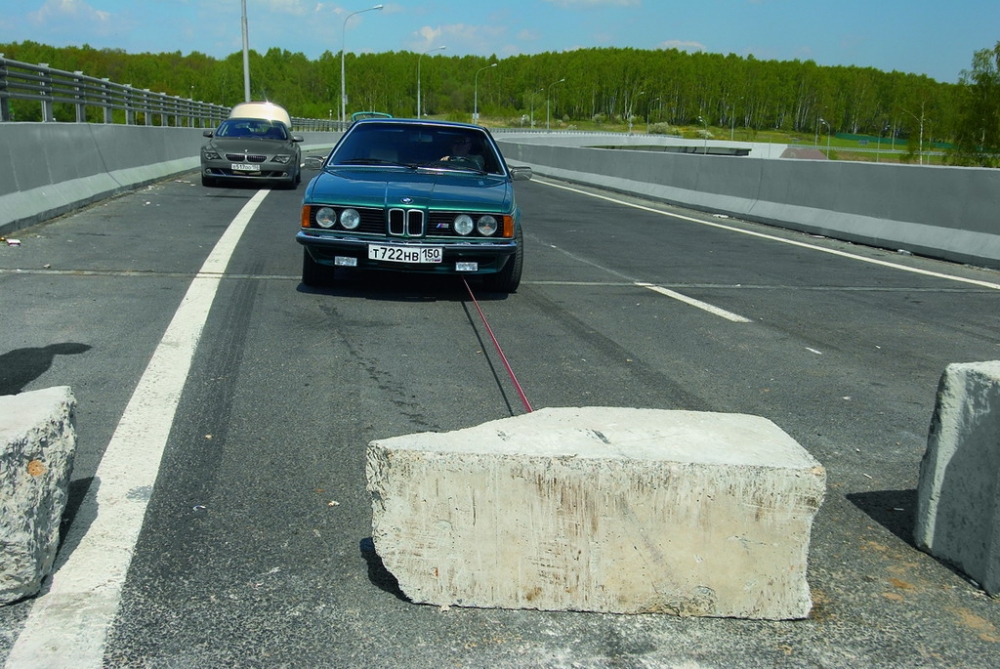
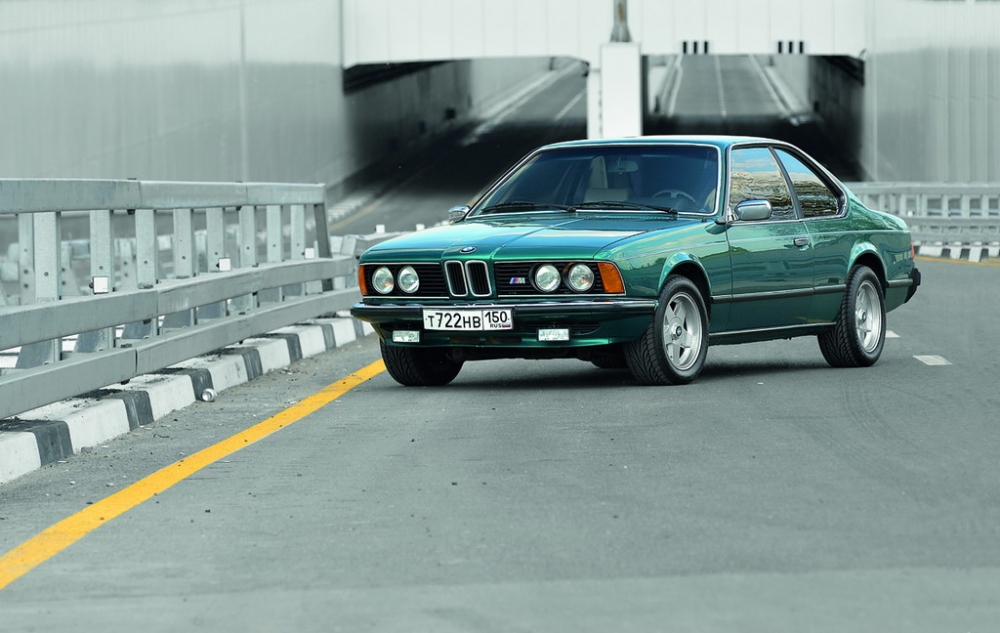 As the owner of this, in essence, antique "six" told us (he, as a true connoisseur of "classics," of course, does not consider most modern cars original and interesting), the car was originally a 628, but after engine repair and an increase in displacement, it turned into a 633. The car arrived in Russia in 1993 and is still in excellent condition. It has fully preserved the original exterior, interior, and even the "native" Borbet wheels, and in one of the photos you can see how the car effortlessly drags a concrete block along the asphalt (just don't ask why we needed that). As the owner of this, in essence, antique "six" told us (he, as a true connoisseur of "classics," of course, does not consider most modern cars original and interesting), the car was originally a 628, but after engine repair and an increase in displacement, it turned into a 633. The car arrived in Russia in 1993 and is still in excellent condition. It has fully preserved the original exterior, interior, and even the "native" Borbet wheels, and in one of the photos you can see how the car effortlessly drags a concrete block along the asphalt (just don't ask why we needed that). |
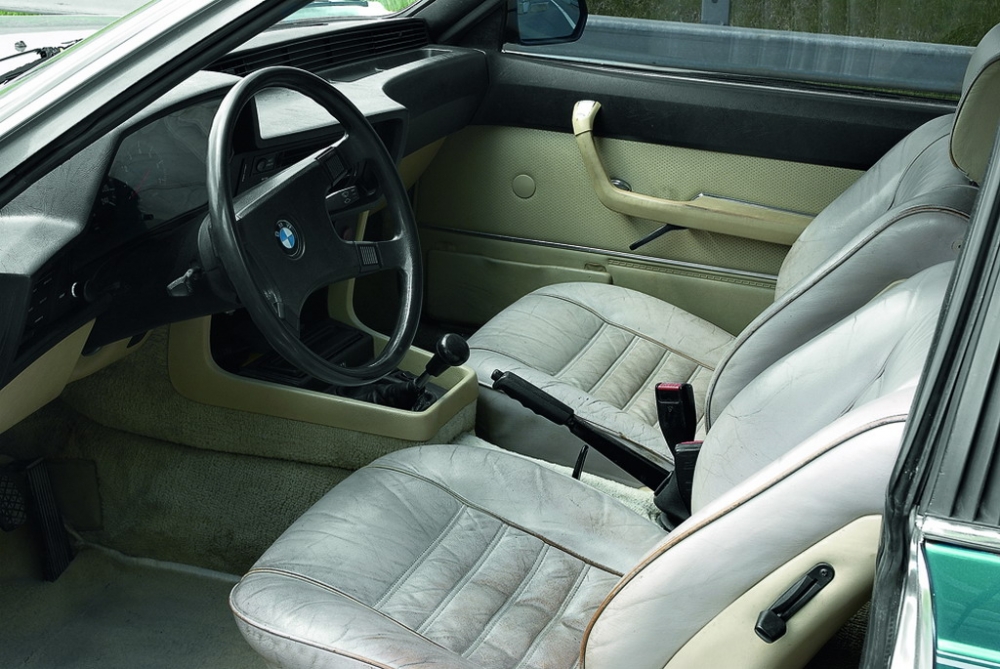
 Sitting in the "anti-ergonomic" interior on an old seat of imperfect shape and holding the thin rim of the steering wheel, you seem to be transported to an era when a car was not just a means of transportation, but something animate, your heartfelt friend. In motion, the 30-year-old "six" gives that very, almost forgotten, and for many completely unfamiliar feeling of a Real Honest Living Car, where much depends on the driver's skill, and not on all sorts of modern electronic systems. It seems you feel with your right foot how the rear wheels grip the asphalt, and with your fingertips how the front ones turn. The inimitable, not muffled by excess sound insulation sound of the magnificent BMW inline-six penetrates straight into the soul. And at the same time, the car possesses the key qualities of "gran turismo" — dynamics and comfort, simply magnificent for its time. Well, and of course, this BMW gives an intoxicating feeling of belonging to automotive history, and to one of its best pages. Sitting in the "anti-ergonomic" interior on an old seat of imperfect shape and holding the thin rim of the steering wheel, you seem to be transported to an era when a car was not just a means of transportation, but something animate, your heartfelt friend. In motion, the 30-year-old "six" gives that very, almost forgotten, and for many completely unfamiliar feeling of a Real Honest Living Car, where much depends on the driver's skill, and not on all sorts of modern electronic systems. It seems you feel with your right foot how the rear wheels grip the asphalt, and with your fingertips how the front ones turn. The inimitable, not muffled by excess sound insulation sound of the magnificent BMW inline-six penetrates straight into the soul. And at the same time, the car possesses the key qualities of "gran turismo" — dynamics and comfort, simply magnificent for its time. Well, and of course, this BMW gives an intoxicating feeling of belonging to automotive history, and to one of its best pages. |
 And is the new 650i capable of giving the same feeling? Both yes and no. And is the new 650i capable of giving the same feeling? Both yes and no. |
Time machines
Night. An empty, wide Moscow-region highway. Silence. Suddenly, from afar, a throaty roar of an engine resounds: the car itself is not yet visible, but a moment later, it seems, something flies past with the sound of air being cut. To hear and feel this, it is worth temporarily giving up the driver's seat to a colleague and stepping outside yourself. But everything is truly inside: behind the wheel of the BMW 650i, you fully comprehend its true essence – the essence of a real 'gran turismo'...

Test drive photos
Comments
No comments yet. Say the first word.